
Lao Zheng Xing
Shanghainese · Huangpu, Shanghai
Restaurant in Shanghai, China
 Book with Pearl
The Read
Classical Shanghainese Attribution
Price
¥¥
Dress
Casual
Why go
Lao Zheng Xing is Shanghai's oldest Shanghainese restaurant, operating since 1862 and holding a Michelin 1 Star as of 2024. At ¥¥ pricing, it delivers a credible case for the city's best value starred meal. Book well ahead; demand is high; and bring a group to get the most from its shared-dish format.
About Lao Zheng Xing
Verdict: Book It for the History, Stay for the Michelin Star
Picture a multi-floor dining room on Fuzhou Road in Huangpu, where the tables are occupied by groups working through a relay of communal dishes that have been on the menu, in various forms, since the reign of the Qing dynasty. Lao Zheng Xing opened in 1862, which makes it the oldest Shanghainese restaurant in the city by a considerable margin, it earned a Michelin 1 Star in 2024; proof that longevity and quality are not mutually exclusive. If you have already visited once and want to know whether it warrants a second trip: yes, it does, especially if you are returning with a group large enough to order properly across the menu.
What You Are Actually Booking
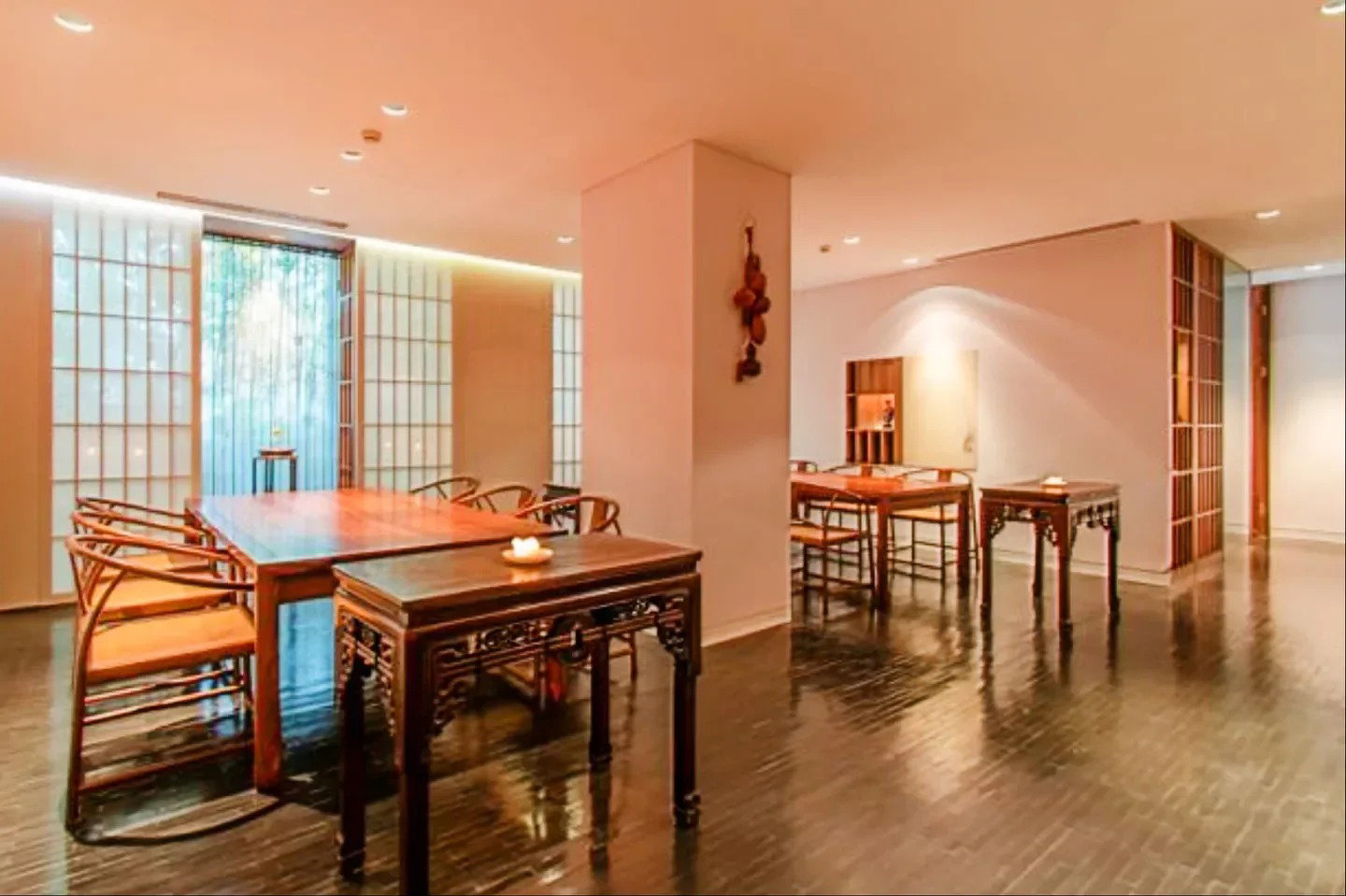
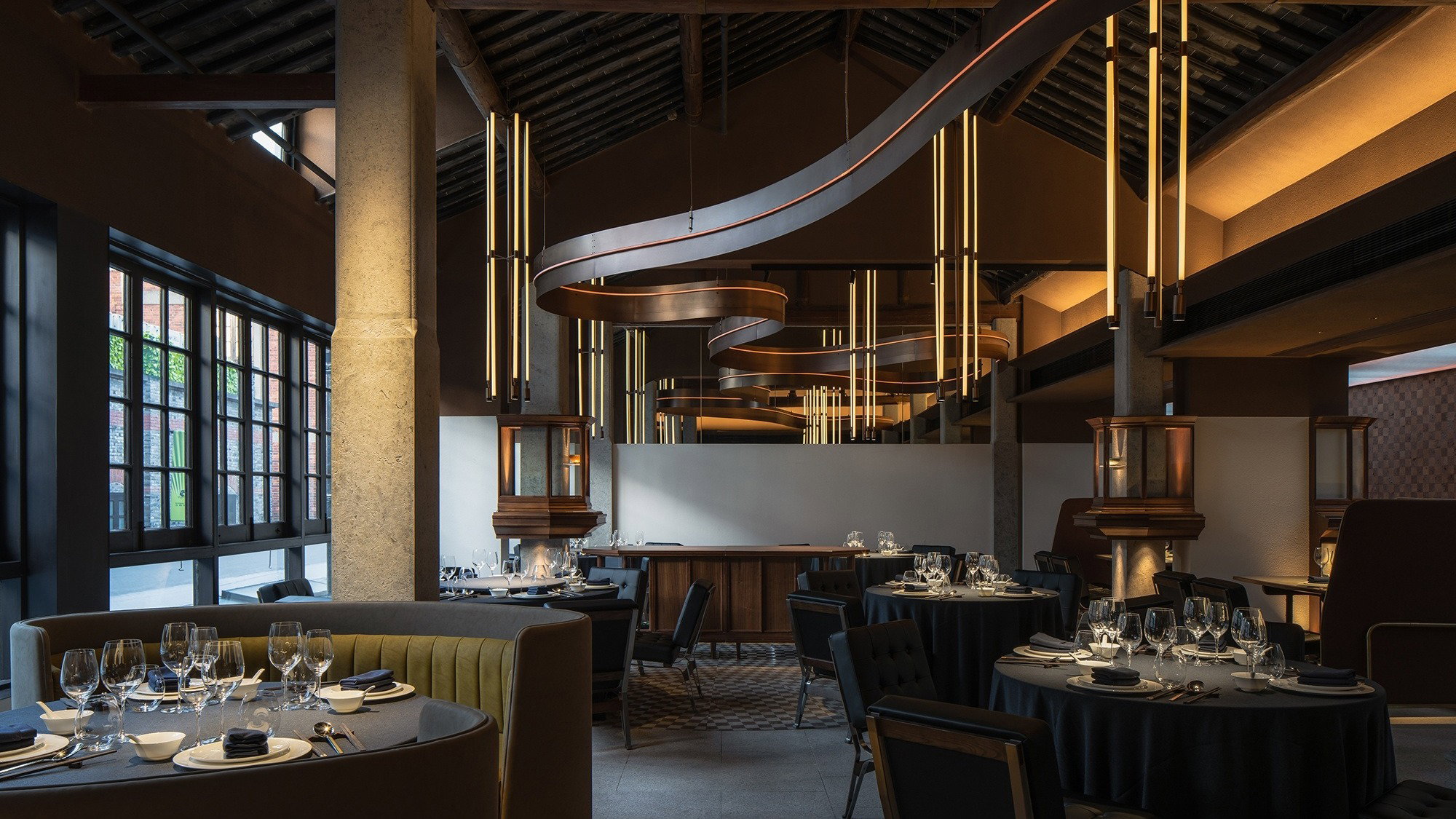
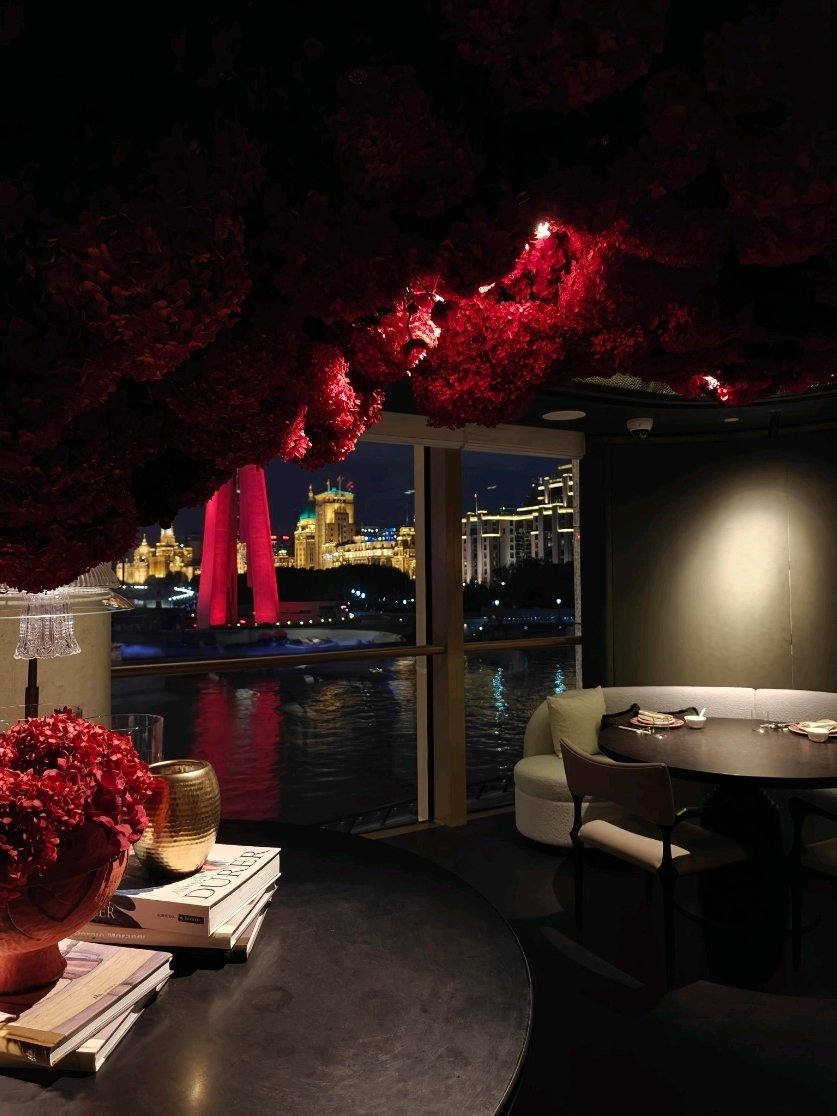
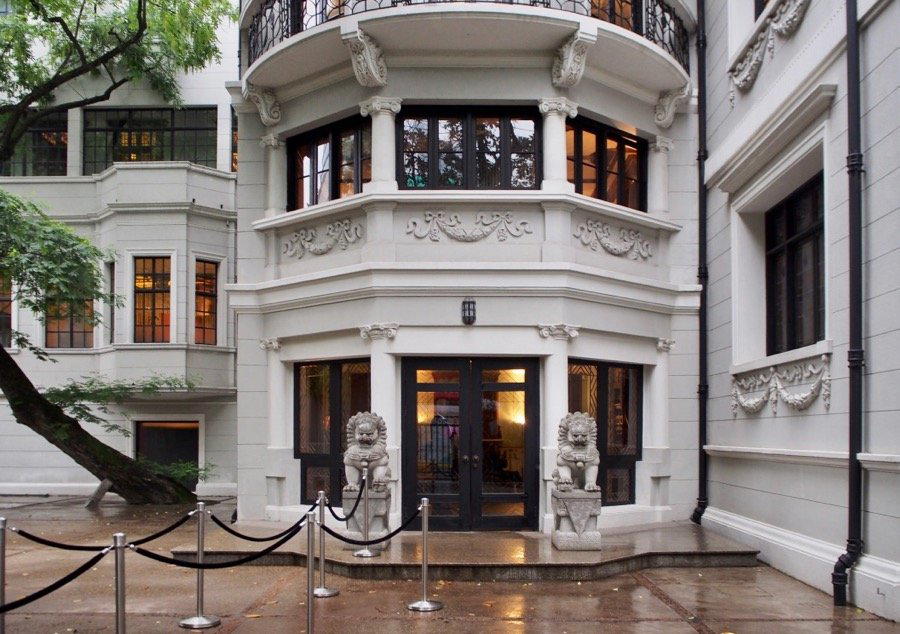
Lao Zheng Xing sits at 556 Fuzhou Road in Huangpu, a central and walkable district for anyone staying in the former French Concession or along the Bund. The restaurant occupies several floors, which means the visual first impression is institutional rather than intimate: wide staircases, banquet-style rooms, a pace of service that is efficient without being rushed. For a returning visitor, the room itself is not the draw. The food is.
The kitchen is credited with originating several classic Shanghainese dishes, the signatures the venue highlights are fried river shrimps, eight treasures in spicy sauce, braised sea cucumber. These are not ornamental menu items kept on for nostalgia; they are the reason the Michelin inspectors awarded a star. The ¥¥ price tier means you are paying mid-range prices for a Michelin-recognised kitchen, which is a strong value proposition by Shanghai standards. For context, a comparable standard of cooking at a single-star venue in this city typically costs significantly more.
Ideal time to visit
Lao Zheng Xing draws both local families and international visitors, which means timing matters more than it might at a quieter address. Lunch service on weekdays is the practical choice for a returning visitor: the dining rooms are active but not at peak capacity, you get the full menu without competing with the weekend crowd. Weekend lunch is a different experience. Shanghainese families treat it as a proper occasion, the multi-floor layout fills quickly with groups who have booked in advance. If your goal is a relaxed, extended meal where you can work through multiple dishes without feeling pressured to turn the table, a weekday lunch is the right call.
The question of a breakfast or morning service is worth addressing directly: Lao Zheng Xing is primarily a lunch-and-dinner venue. It is not the address for dim sum-style morning eating or a leisurely weekend brunch in the Western sense. If that is what your group wants, Cheng Long Hang (Huangpu) is worth considering instead. Lao Zheng Xing's format rewards the longer, multi-course shared lunch that Shanghainese cuisine does well, that is where its kitchen performs at its most coherent.
Returning Visitor Strategy
If you visited once and stuck to one or two dishes, a second visit calls for a more structured approach. The communal format is the point: order the fried river shrimps, eight treasures in spicy sauce, braised sea cucumber as anchors, then build outward with whatever the staff recommend on the day. The restaurant's longevity means the kitchen has settled versions of these dishes; there is no experimental risk involved. For a group of four to six, budget for six to eight shared dishes to eat well without over-ordering. The ¥¥ pricing means this remains affordable relative to what a comparable Michelin-starred meal costs elsewhere in the city.
Solo visitors can and do eat here, but the format is genuinely better suited to groups. A table of two can order a focused selection and eat well, but the full logic of the menu only becomes apparent when you have enough people to cover the range. If you are eating solo or as a couple, Fu 1015 or Ren He Guan (Xuhui) offer Shanghainese cooking in formats that scale more naturally to smaller parties.
Booking and Logistics
Booking difficulty is rated Hard. Given the combination of a Michelin star, a reputation that extends well beyond Shanghai, a dining room that fills on weekends with local regulars, advance booking is not optional for any weekend slot or weekday dinner. A weekday lunch might allow more flexibility, but do not assume walk-in availability. The venue moved to its current multi-floor location in 1997, which provides more total capacity than its original premises, yet demand has grown alongside its reputation. Book as far ahead as your plans allow, if you are visiting as part of a wider Shanghai itinerary, consult our full Shanghai restaurants guide for comparable addresses with easier availability. Our Shanghai hotels guide and Shanghai bars guide are also useful for building the broader trip.
Practical Details
| Detail | Lao Zheng Xing | Yè Shanghai | Fu 1039 |
|---|---|---|---|
| Cuisine | Shanghainese | Shanghainese | Shanghainese |
| Price tier | ¥¥ | ¥¥ | ¥¥¥ |
| Michelin recognition | 1 Star (2024) | Not starred | Check listing |
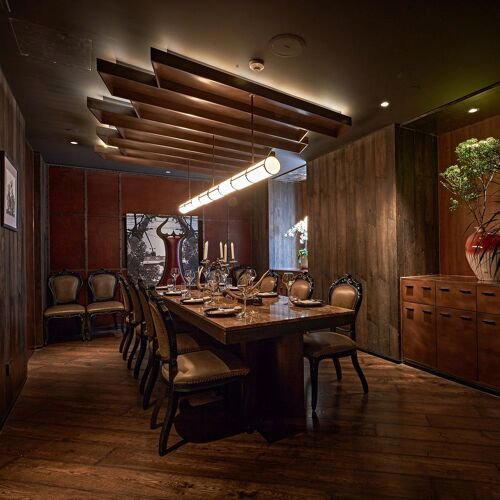
| Format | Multi-floor, shared dishes | Multi-floor, shared dishes | Private rooms available |
| Leading for | Groups, special occasions | Groups, casual | Business dining |
| Booking difficulty | Hard | Moderate | Moderate |
| Address | 556 Fuzhou Rd, Huangpu | Central Shanghai | Central Shanghai |
Shanghai Context
For visitors building a broader itinerary of classical Chinese dining, Lao Zheng Xing belongs in the same conversation as Xin Rong Ji in Beijing and Ru Yuan in Hangzhou; venues where regional cuisine is taken seriously and the kitchen has a clear point of view. Within Shanghai, Fu 1088 offers a more upscale Shanghainese experience if budget allows. For high-end Chinese dining elsewhere in the region, Chef Tam's Seasons in Macau and Imperial Treasure Fine Chinese Cuisine in Guangzhou are comparable reference points. If you want to track how Shanghainese cooking travels, Shanghai Cuisine in Beijing and Yè Shanghai in Hong Kong's Tsim Sha Tsui are worth knowing. Also see our Shanghai wineries guide and our Shanghai experiences guide for the wider trip.
Planning details
- Location
- 556 Fuzhou Rd, Huangpu, Shanghai, China, 200002
- Phone
- +86 21 6322 2624
The take
The Take
The Vibe
Lao Zheng Xing reads like an institution: an expansive, multi-floor dining room anchored in a building whose history precedes modern Shanghai. The tone is serious rather than ornamental, carrying the weight of a place that has been feeding the city since 1862. It is not flashy or trend-driven; the atmosphere favors a measured, almost archival dignity that suits a menu presented as a documented record of Shanghainese cooking. Diners encounter an establishment where history and culinary authorship are the principal charms, and the room’s scale underscores reputation more than intimacy.
Best For
This is a destination for those who seek a canonical Shanghainese meal rather than a contemporary tasting-menu experience. The restaurant’s size and multi-floor dining room make it naturally suited to larger parties and group dinners, while its pedigree and codified menu appeal to diners interested in culinary history and tradition. It’s less about a night of modern culinary experimentation and more about sharing signature preparations—classic seafood and composed meat dishes—with companions who appreciate provenance and technique.
Ordering Tips
Approach the menu as a catalogue of canonical Shanghainese dishes: many plates here are presented as recorded or attributed preparations rather than seasonal inventions. Prioritize the house signatures—fried river shrimps, braised sea cucumber and other credited items—since the kitchen is known for those techniques. Portions and preparations are built for sharing, so order across categories to sample texture and sauce contrasts. Avoid expecting radical fusion or seasonal surprises; instead, lean into the restaurant’s historical strengths and order confidently from its documented classics.
Planning details
Location
556 Fuzhou Rd, Huangpu, Shanghai, China, 200002 · Directions
Recognition and awards
Also consider
Also Consider
- Fu He Hui; Vegetarian, ¥¥¥¥
- Ming Court; Cantonese, ¥¥¥
- Royal China Club; Chinese, Cantonese, ¥¥¥
- Scarpetta; Italian, ¥¥¥
- Yè Shanghai; Shanghainese, ¥¥
Restaurant context
Within Shanghai's Shanghainese tier, Lao Zheng Xing's most direct competitor is Yè Shanghai, which shares the same ¥¥ price band and a similar communal format. Yè Shanghai is generally easier to book and suits groups looking for a more modern, polished room. Lao Zheng Xing has the stronger culinary credentials; a Michelin star versus no starred recognition; and a menu rooted in dishes the kitchen has been refining for generations. If the choice is between the two, Lao Zheng Xing is the better meal; Yè Shanghai is the easier booking.
For diners prepared to move up a price tier, Ming Court and Royal China Club both operate at ¥¥¥, but their focus is Cantonese rather than Shanghainese. They are worth considering if regional variety matters to your group, or if you want a more formal service register. For the most ambitious spend in Shanghai's Chinese dining category, Fu He Hui at ¥¥¥¥ is a vegetarian tasting-menu venue with a completely different philosophy; relevant only if your group has no meat eaters and wants a contemporary format rather than a traditional one. Scarpetta at ¥¥¥ is Italian and outside this comparison for anyone specifically seeking Chinese cuisine.
The clearest booking decision: if you want Shanghainese cuisine with Michelin recognition at mid-range prices, Lao Zheng Xing is the correct choice in this peer set. If booking difficulty is a constraint and you need a same-week reservation, Yè Shanghai is the fallback. If you are willing to pay more for a private-room format or a more intimate scale, look at Fu 1039 or Fu 1088 instead.
Explore Shanghai
Around this place
Discover more on Pearl
Unlock the full Lao Zheng Xing guide in Pearl, including awards, comparisons, FAQs, planning details, and nearby places.
Compare Lao Zheng Xing
| Venue | Awards | Price |
|---|---|---|
| Lao Zheng Xing | Michelin Guide Shanghai Jiangsu Zhejiang 20262025 Michelin 1 Star2024 Michelin 1 Star | ¥¥ |
| Fu He Hui | 2026 Asia's 50 Best Restaurants · #112026 OAD Top Restaurants in Asia Ranked · #562026 Black Pearl 2 DiamondMichelin Guide Shanghai Jiangsu Zhejiang 20262026 La Liste Top Restaurants2025 Asia's 50 Best Restaurants · #152025 OAD Top Restaurants in Asia Ranked · #592025 World's 50 Best Restaurants · #64We're Smart World Top Restaurants 2025 | ¥¥¥¥ |
| Ming Court | 2025 OAD Top Restaurants in Asia Ranked · #1692025 Black Diamond 1 Diamond2025 Michelin 1 Star2024 OAD Top Restaurants in Asia Ranked · #1602024 Michelin 1 Star2023 OAD Top Restaurants in Asia Highly Recommended | ¥¥¥ |
| Royal China Club | 2026 Michelin Plate2025 OAD Casual in Europe Ranked · #216The Good Food Guide 20252025 Michelin Plate2024 OAD Casual in Europe Ranked · #2142024 Michelin Plate2023 OAD Casual in Europe Highly Recommended | ¥¥¥ |
| Scarpetta | Michelin Guide Shanghai Jiangsu Zhejiang 20262025 Wine Spectator Best of Award of Excellence2025 Michelin Plate2024 Michelin Plate | ¥¥¥ |
| Yè Shanghai | 2025 OAD Top Restaurants in Asia Ranked · #2092025 Michelin Plate2024 OAD Top Restaurants in Asia Ranked · #2162024 Michelin Plate2023 OAD Top Restaurants in Asia Highly Recommended | ¥¥ |






.png?width=1200&quality=80)


Side-by-side comparison to help you decide where to book.
FAQ
Frequently Asked Questions
What should I wear to Lao Zheng Xing?
Neat, presentable clothes are appropriate; think what you would wear to a well-regarded family restaurant rather than a formal dining room. Lao Zheng Xing is a Michelin-starred institution at the ¥¥ price range, so the atmosphere skews communal and unpretentious rather than dress-code formal. There is no documented dress requirement, but turning up in beachwear or gym kit would read as underdressed given the setting.
Is Lao Zheng Xing good for solo dining?
Not the strongest format for solo visitors. Lao Zheng Xing's kitchen is built around communal sharing; signature dishes like fried river shrimps, eight treasures in spicy sauce, braised sea cucumber are all designed for a group working through a spread together. A solo diner can order, but you will cover a fraction of the menu and miss the point of the format. If you are eating alone in Shanghai, a simpler Shanghainese spot would serve you better.
What are alternatives to Lao Zheng Xing in Shanghai?
Yè Shanghai is the most direct comparison for visitors who want classical Shanghainese cooking with a more polished, hotel-standard setting; better for corporate dining or couples who find the multi-floor communal rooms at Lao Zheng Xing too loud. Fu He Hui is the right pivot if you are after refined Chinese cooking with a vegetarian or contemporary angle. For historical context, nothing in Shanghai matches Lao Zheng Xing's 1862 founding date.
Does Lao Zheng Xing handle dietary restrictions?
No documented dietary accommodation policy is available in the venue data. The core menu is built on meat, seafood, shellfish; fried river shrimps, braised sea cucumber; so vegetarians and shellfish-allergic diners should consider their options carefully. Fu He Hui in Shanghai is a clearer choice if dietary flexibility is a priority.
Is the tasting menu worth it at Lao Zheng Xing?
No tasting menu is documented in the venue record. Lao Zheng Xing operates as a communal ordering restaurant; the format is a table sharing multiple dishes rather than a sequenced tasting experience. If a structured tasting progression is what you are after, this is not the right venue; look at Michelin-starred options with an omakase or degustation format instead.
Is Lao Zheng Xing good for a special occasion?
Yes, with the right group. A birthday or family celebration where you are booking a table for four or more and ordering across the full menu is exactly the scenario Lao Zheng Xing is built for; a Michelin-starred restaurant since 1862 gives the occasion weight, the multi-floor setting handles larger parties. For an intimate dinner for two, Yè Shanghai gives you a more controlled, couple-friendly experience.
Is Lao Zheng Xing worth the price?
At the ¥¥ price range with a 2024 Michelin star, Lao Zheng Xing represents strong value by Shanghai standards. You are getting Shanghainese classics; fried river shrimps, eight treasures in spicy sauce, braised sea cucumber; at a restaurant with a documented 160-year-plus history and current Michelin recognition. The value equation works best when you come in a group and order broadly; a two-person visit that only covers one or two dishes will feel less complete.