
Jin Xuan
Cantonese · Lujiazui, Shanghai
Restaurant in Shanghai, China
 Book with Pearl
The Read
Skyline Cantonese
Price
$100–150per person
Dress
Smart Casual
Why go
Jin Xuan holds a 2026 Michelin star and one of Shanghai's most dramatic dining positions — upper-floor views across the Huangpu River and Pudong skyline, with a Cantonese menu anchored by premium imported proteins. At ¥¥¥¥, you are paying for the view as much as the kitchen; book a window table in advance, order beyond the dim sum platter, and time your visit for autumn or winter when the menu shows at its strongest.
About Jin Xuan
A Michelin-starred Cantonese room with one of Shanghai's most commanding views — book it for a special occasion, not a casual Tuesday
Jin Xuan holds a 2024 Michelin star, sits on an upper floor of a sky-scraping hotel adjacent to the Oriental Pearl Tower, and delivers a Cantonese menu that reaches from Australian black cod to New Zealand lobster. If you have been once and are weighing a return, the honest answer is: yes, come back — but time it carefully and think harder about what you order than you did the first visit.
The Room
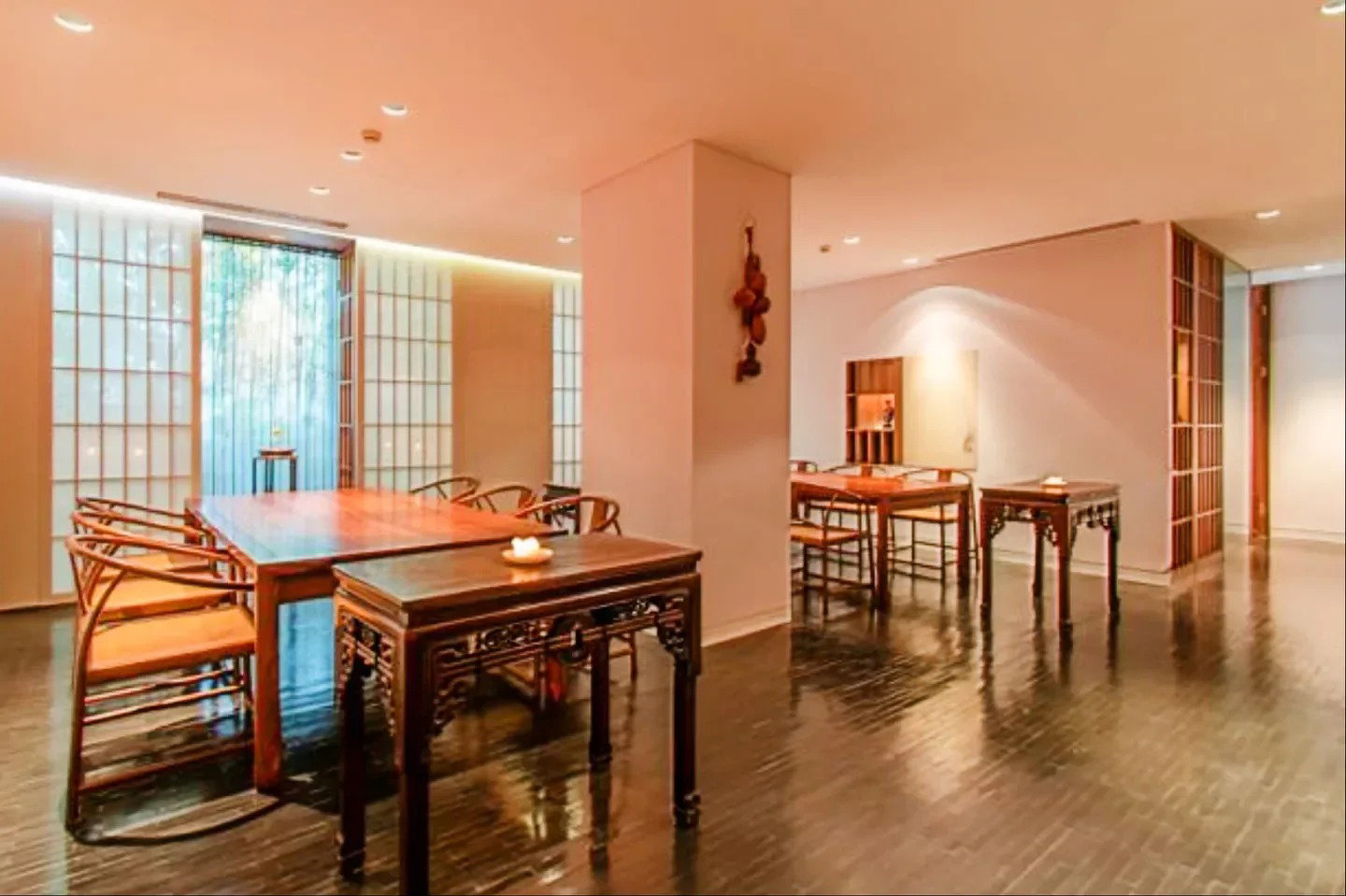
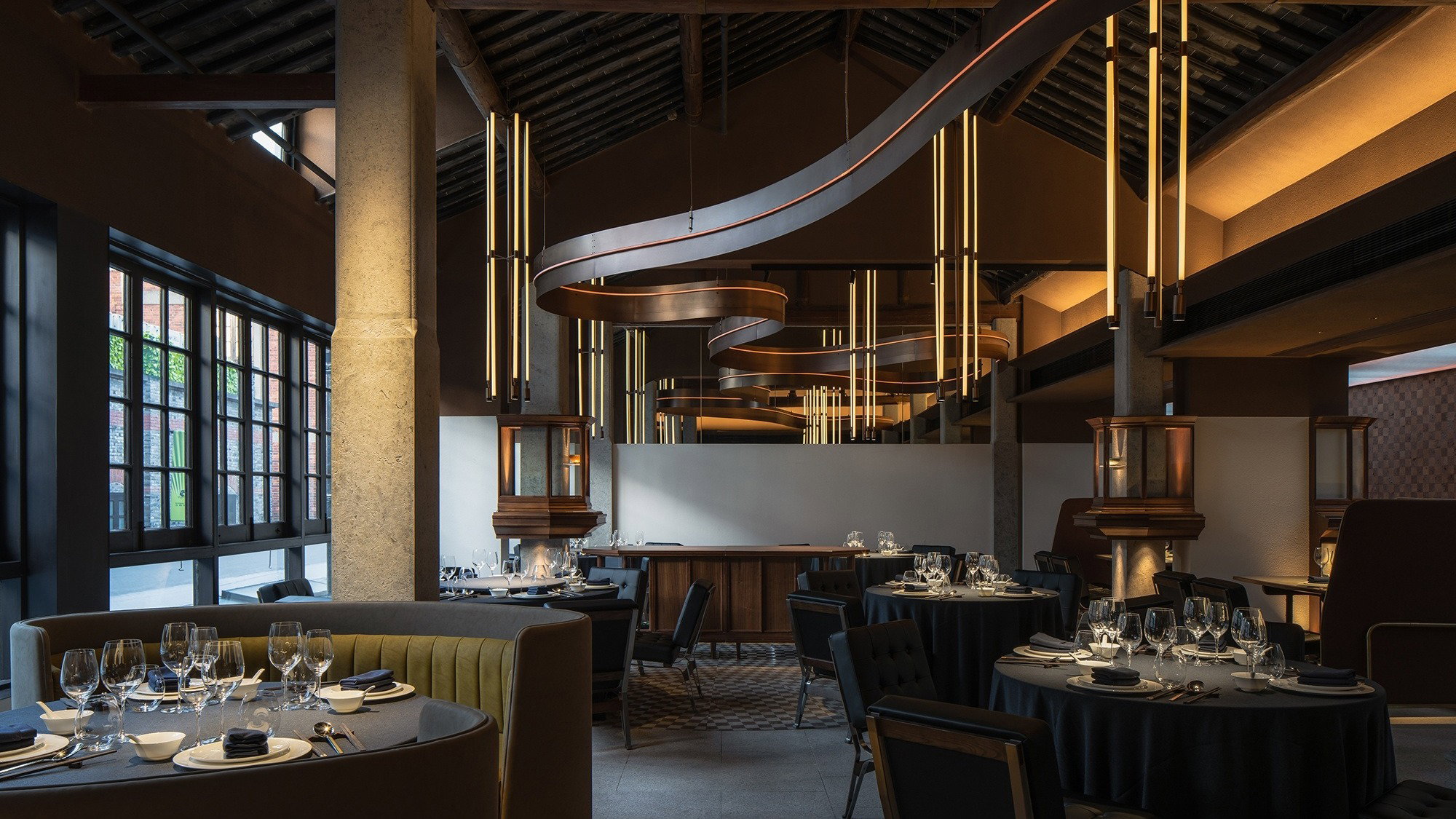
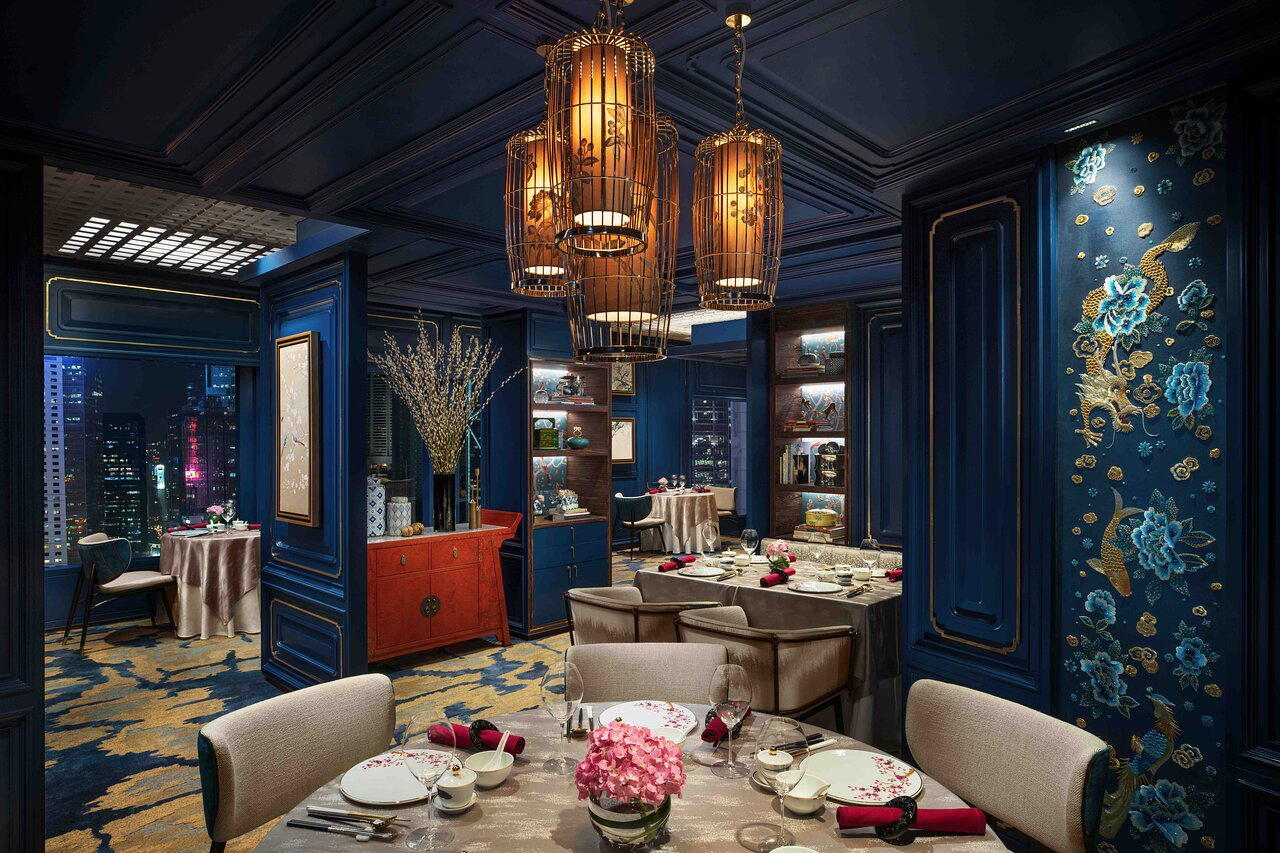
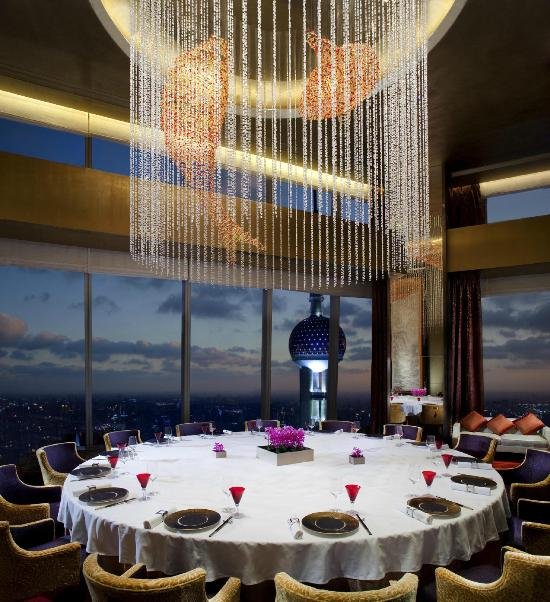
The dining room is arranged to take full advantage of its elevation. Panoramic windows frame the Huangpu River and the Pudong skyline, which means your seat position matters more here than at most restaurants in the city. If you are returning, request a window table when you book, not as an afterthought at the door. The space reads as formal hotel dining: polished, well-spaced, suited to a slower pace. This is not a room for a quick meal or a loud group dinner; it rewards guests who plan to spend two to three hours working through the menu. For comparison, if you want a similarly theatrical Cantonese setting with less formality, Canton 8 (Huangpu) offers a different register at a lower price point.
What to Order on Your Return
The menu covers significant ground across the Cantonese repertoire. On a second visit, the clearest upgrade from a first-timer approach is to move away from the crowd-pleasing dim sum platter, useful for orientation, less interesting once you know the kitchen's range, and order more deliberately from the à la carte selection. The imported ingredients are a genuine differentiator here: Australian black cod and New Zealand lobster are not budget gestures at a ¥¥¥¥ price point, and the kitchen's treatment of these proteins is where the Michelin credential is most visible. The wine list is well-curated with good choices by the glass, which makes it easier to match pours to individual dishes rather than committing to a bottle across a long, varied Cantonese meal.
Seasonal Timing and What It Means for Your Order
Cantonese cuisine at this level tracks the season more closely than most Western diners expect. The kitchen's reliance on imported ingredients means the menu is less tied to hyper-local Chinese agricultural cycles than a purist Cantonese house in Guangzhou might be, but the broad logic still holds: winter months favour richer preparations, slow-braised proteins, and preserved ingredients; spring shifts toward lighter steamed dishes and fresher shellfish. If you are planning a return visit, late autumn through winter is when the kitchen's approach to premium imported proteins tends to show at its most considered. Spring visits reward guests who focus on the dim sum program and lighter steamed preparations rather than the heavier à la carte proteins. Do not plan your visit around a single dish you had before without checking whether the menu has shifted, at this price tier, assuming continuity is a reliable way to be disappointed.
For regional context on how serious Cantonese kitchens approach seasonal rotation, it is worth knowing that comparable starred rooms, such as Chef Tam's Seasons in Macau and Forum in Hong Kong, build their reputations partly on seasonal menu discipline. Jin Xuan operates in the same tradition, even if its imported-ingredient sourcing gives it more insulation from purely local seasonal swings.
Booking and Practical Details
Jin Xuan is hard to book, and that difficulty increases around major Chinese holidays and the high-spend corporate dining calendar (Q4 in particular). For a Saturday dinner with a window table, plan a minimum of three weeks ahead; for Lunar New Year or Golden Week periods, further out is not excessive. The hotel setting means the concierge desk can sometimes facilitate reservations that the online channel cannot, worth knowing if you are staying in the building or have a hotel contact. For comparable Cantonese rooms in Shanghai that are easier to secure, Ji Pin Court and Imperial Treasure Fine Chinese Cuisine are both worth considering as fallbacks. If your Shanghai itinerary extends to other cities, Xin Rong Ji in Beijing and Dai Yuet Heen in Nanjing offer useful reference points for how the broader regional Cantonese fine dining circuit compares.
The ¥¥¥¥ price tier places Jin Xuan firmly at the top of the Shanghai Cantonese market. Expect to spend significantly per head once you factor in the imported-ingredient dishes and a couple of glasses from the wine list. That spend is justifiable for a special occasion or a business dinner where the view earns its keep; it is harder to justify if you are after direct Cantonese cooking without the hotel-dining premium. For a broader look at where Jin Xuan sits in the Shanghai dining picture, see our full Shanghai restaurants guide. Planning around the meal? Our Shanghai hotels guide and our Shanghai bars guide cover the rest of the evening.
How It Compares
See the comparison section below for how Jin Xuan stacks up against its closest peers in Shanghai.
Pearl Picks, Where Else to Look
If Jin Xuan is fully booked or the price tier is not right for this trip, these Shanghai rooms are worth your time: Bao Li Xuan, 102 House, and Ji Pin Court. For Cantonese fine dining elsewhere in the region, Le Palais in Taipei, Imperial Treasure in Guangzhou, and Xin Rong Ji in Chengdu each offer a distinct take on the same tradition. For a vegetarian fine dining option in Shanghai at the same price tier, Fu He Hui is the clear choice. And if you are curious about what the broader Shanghai experience looks like beyond dinner, our Shanghai experiences guide and our Shanghai wineries guide have you covered. Finally, Ru Yuan in Hangzhou is worth a detour if your itinerary has flexibility.
Part of
The Ritz-Carlton187 locations on PearlPlanning details
- Location
- 15 Tuanjiehu S Rd, Chaoyang, China, 100026
- Website
- jindingxuan.com.cn/index.aspx
- Phone
- +86 10 8596 8887
The take
The Take
The Vibe
Jin Xuan is defined by its relationship with the city outside the windows: the Huangpu River and Pudong skyline are treated as permanent scenery, not an afterthought. The elegant dining room frames that view so the changing light at dusk becomes part of the meal. At the upper-floor hotel perch, the room reads refined and composed rather than theatrical—the architecture and service let the panorama do the heavy lifting. Culinary focus stays on classic Cantonese restraint and technical polish, so the overall impression is urbane, scenic and quietly theatrical without resorting to flash.
Best For
This is a destination for purposeful, high-end dining—business dinners and special occasions feel particularly well matched to Jin Xuan’s scale and tone. The ¥¥¥¥ price point and a 2024 Michelin star signal a kitchen and room that expect planning, so reserve ahead if you want a window seat with the fullest skyline exposure. Travelers and locals looking for a polished Cantonese experience with a dramatic river-and-city backdrop will find the setting and service appropriate for formal meetings and milestone meals.
Ordering Tips
Book early for a window table—reservations are especially advised for weekend service to secure the fullest skyline and river views. On the menu, prioritize signature Cantonese highlights; the venue is known for showstoppers such as Crispy Cereal Lobster and classic roast preparations like Cantonese Roasted Duck and Peking Duck. Expect precise execution rather than novelty; allot time for a multi-course meal and plan for the higher ¥¥¥¥ price bracket when arranging a tasting order or sharing several specialty dishes.
Venue details
Ambiance
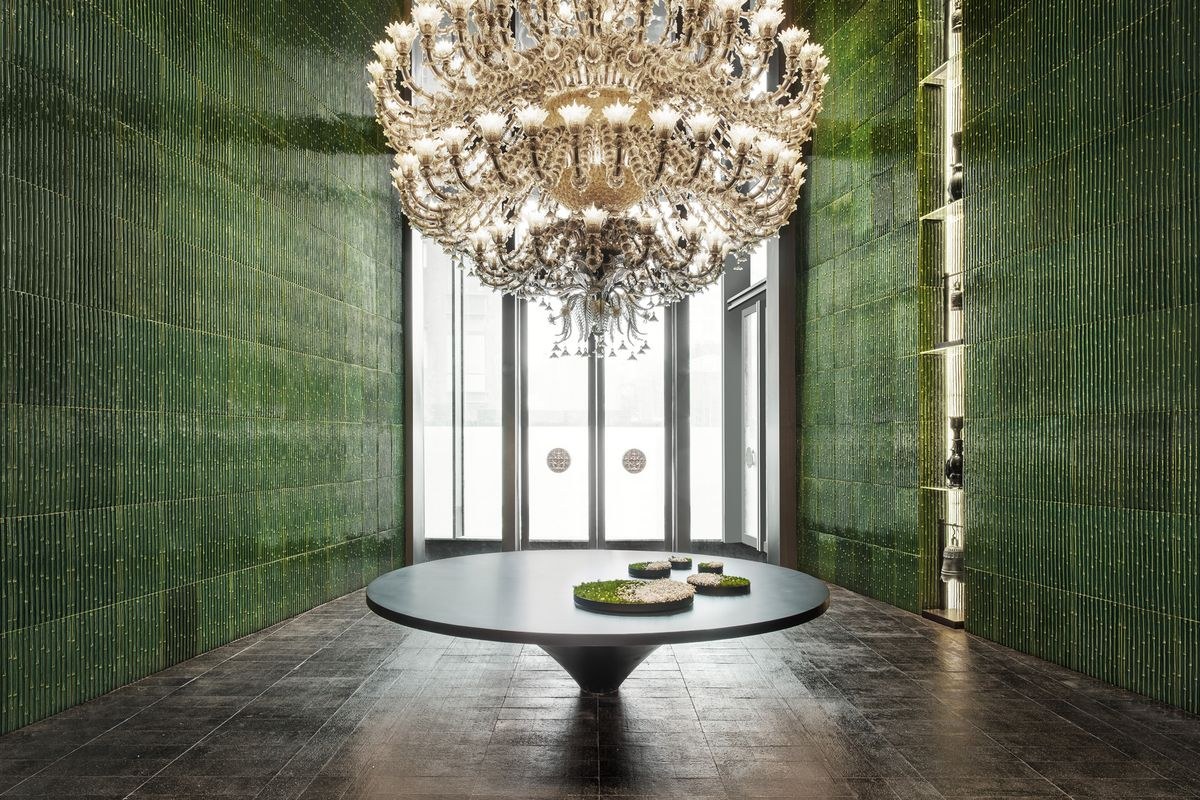
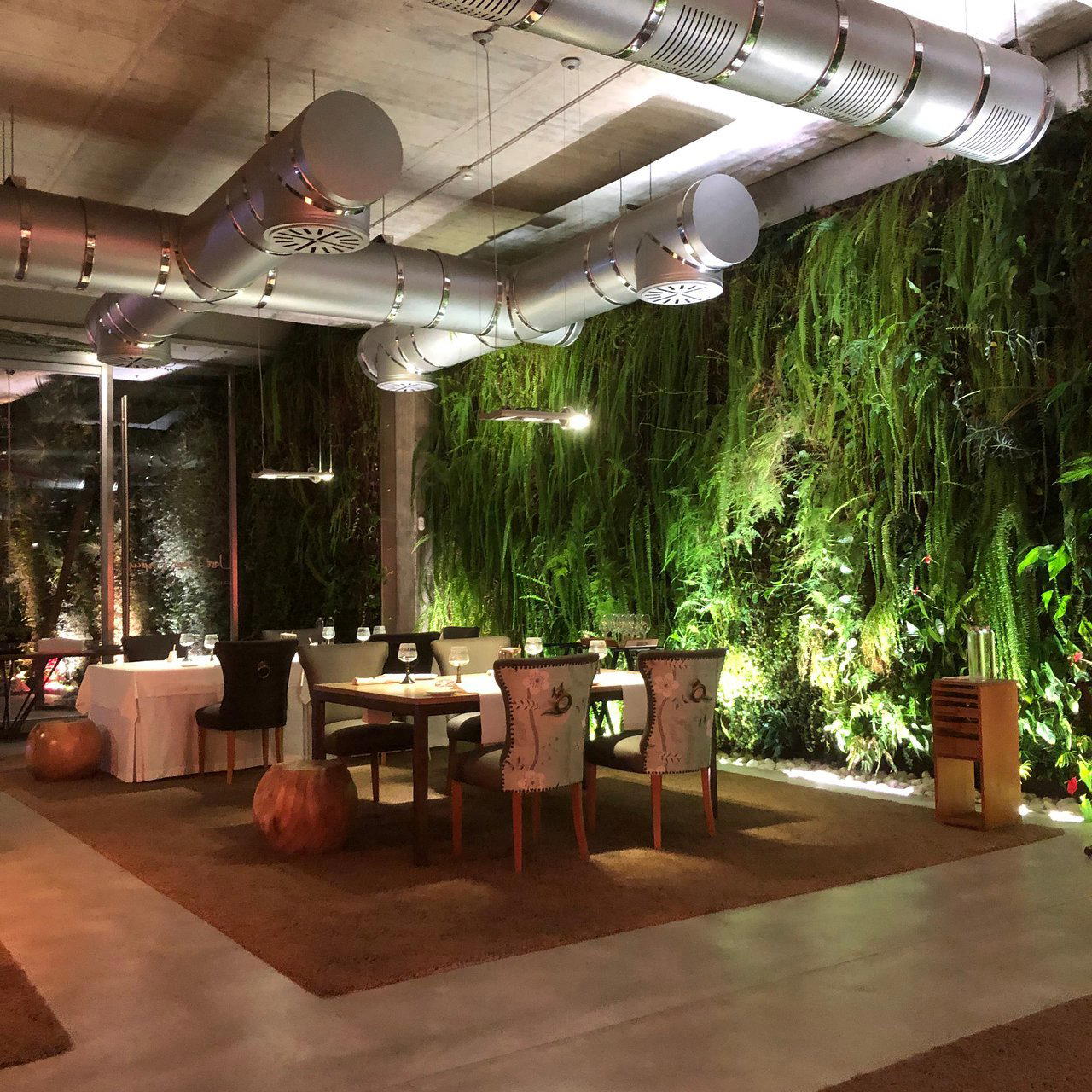
Sumptuous dining space blending traditional Chinese opulence with modern clean lines, gilded surfaces, vaulted ceilings, and abundant natural light from wall-to-wall windows.
Tags
Vibe
Best For
Experience
View
Accessibility
At the Table
- Dress Code
- Smart Casual
- Noise Level
- Quiet
- Service Style
- Upscale Casual
- Meal Pacing
- Leisurely
- Capacity
- Small
- Kitchen
- Modern
- Menu Format
- A la carte
- Wine Program
- Curated
- Dietary
- Vegetarian friendly
- Private Dining
- Available
Signature Dishes
- Crispy Cereal Lobster
- Cantonese Roasted Duck
- Peking Duck
Know before you go
Know Before You Go
- Getting there
- 15 Tuanjiehu S Rd, Chaoyang, China, 100026
Planning details
Location
15 Tuanjiehu S Rd, Chaoyang, China, 100026 · Directions
Recognition and awards
Also consider
Also Consider
- Fu He Hui, Vegetarian, ¥¥¥¥
- Ming Court, Cantonese, ¥¥¥
- Royal China Club, Chinese, Cantonese, ¥¥¥
- Scarpetta, Italian, ¥¥¥
- Yè Shanghai, Shanghainese, ¥¥
Restaurant context
Jin Xuan is the clearest choice among Shanghai's top-tier Cantonese rooms if the view and the Michelin credential both matter to your booking decision. At ¥¥¥¥, it sits at the same price tier as Fu He Hui, but the two restaurants serve entirely different purposes: Fu He Hui is vegetarian and design-forward; Jin Xuan is a traditional Cantonese house with imported-ingredient ambition and a hotel-dining formality. If you are a meat-eater, they are not competing for the same occasion.
For Cantonese dining at a lower spend, Ming Court and Royal China Club both operate at ¥¥¥ and are easier to book. Neither carries a 2024 Michelin star, and neither offers the panoramic river view, but if your priority is serious Cantonese cooking without the hotel premium, they represent better value per yuan. Yè Shanghai at ¥¥ drops you into Shanghainese rather than Cantonese territory, but it is the most accessible option in the comparison set for a first-time visitor to the city who wants Chinese fine dining without a large per-head commitment.
Scarpetta at ¥¥¥ is Italian and not a direct comparator, but it is worth naming if your group is split on cuisine, it sits at a lower price point and a different category. The clearest booking logic for Jin Xuan is this: if you want Cantonese cooking with a Michelin credential, a landmark view, and premium imported proteins, nothing in this comparison set replicates that combination. If any of those three factors is not a priority, one of the ¥¥¥ alternatives will serve you better and be easier to secure.
Explore Shanghai
Around this place
Discover more on Pearl
Unlock the full Jin Xuan guide in Pearl, including awards, comparisons, FAQs, planning details, and nearby places.
Compare Jin Xuan
| Venue | Location | Cuisine | Awards | Price |
|---|---|---|---|---|
| Jin Xuan | Shanghai | Cantonese | 2025 Michelin 1 Star2024 Michelin 1 Star | ¥¥¥¥ |
| Fu He Hui | Shanghai | Vegetarian | 2026 Asia's 50 Best Restaurants · #112026 OAD Top Restaurants in Asia Ranked · #562026 Black Pearl 2 DiamondMichelin Guide Shanghai Jiangsu Zhejiang 20262026 La Liste Top Restaurants2025 Asia's 50 Best Restaurants · #152025 OAD Top Restaurants in Asia Ranked · #592025 World's 50 Best Restaurants · #64We're Smart World Top Restaurants 2025 | ¥¥¥¥ |
| Ming Court | Shanghai | Cantonese | 2025 OAD Top Restaurants in Asia Ranked · #1692025 Black Diamond 1 Diamond2025 Michelin 1 Star2024 OAD Top Restaurants in Asia Ranked · #1602024 Michelin 1 Star2023 OAD Top Restaurants in Asia Highly Recommended | ¥¥¥ |
| Royal China Club | Shanghai | Chinese, Cantonese | 2026 Michelin Plate2025 OAD Casual in Europe Ranked · #216The Good Food Guide 20252025 Michelin Plate2024 OAD Casual in Europe Ranked · #2142024 Michelin Plate2023 OAD Casual in Europe Highly Recommended | ¥¥¥ |
| Scarpetta | Shanghai | Italian | Michelin Guide Shanghai Jiangsu Zhejiang 20262025 Wine Spectator Best of Award of Excellence2025 Michelin Plate2024 Michelin Plate | ¥¥¥ |
| Yè Shanghai | Shanghai | Shanghainese | 2025 OAD Top Restaurants in Asia Ranked · #2092025 Michelin Plate2024 OAD Top Restaurants in Asia Ranked · #2162024 Michelin Plate2023 OAD Top Restaurants in Asia Highly Recommended | ¥¥ |






.png?width=1200&quality=80)


How Jin Xuan Shanghai compares with similar nearby venues.
FAQ
Frequently Asked Questions
Does Jin Xuan handle dietary restrictions?
Cantonese kitchens at Michelin level generally accommodate dietary requests with advance notice, but Jin Xuan's specific policy is not documented. Given the menu's reliance on imported proteins — Australian black cod, New Zealand lobster — vegetarian or allergen-specific requests are worth flagging at the time of booking, not on arrival.
What are alternatives to Jin Xuan in Shanghai?
If Jin Xuan is fully booked or the spend is too high, Bao Li Xuan, 102 House, and Ji Pin are Pearl-listed alternatives in Shanghai worth considering. For a different format at a lower price tier, those options also reduce the view premium you are partly paying for at Jin Xuan.
Is Jin Xuan good for a special occasion?
Yes — it is one of the clearer cases where the answer is straightforward. A 2024 Michelin star, panoramic Huangpu River and Pudong skyline views, and a Cantonese menu with imported premium ingredients make it a strong choice for anniversaries, milestone dinners, or high-stakes client meals. The setting does a lot of the work for you.
Is the tasting menu worth it at Jin Xuan?
The database confirms a broad Cantonese menu including dim sum and imported premium ingredients, but specific tasting menu structure and pricing are not documented. At ¥¥¥¥, if a set menu is available, it is likely the format best suited to the kitchen's range — ask when booking whether a chef's selection is on offer.
Is Jin Xuan worth the price?
At ¥¥¥¥ with a 2024 Michelin star and a Pudong skyline setting, Jin Xuan charges a view premium on top of a cooking premium. If you are going for the Cantonese food alone, there are strong Michelin-level alternatives in Shanghai at lower price points. If the occasion calls for both a serious kitchen and a room that makes an impression, the combined case holds up.