
.png?width=1200&quality=80)
Hokkien Huay Kuan
Fujian · Xuhui, Shanghai
Restaurant in Shanghai, China
 Book with Pearl
The Read
Fujian Regional Precision
Dress
Smart Casual
Why go
Hokkien Huay Kuan is Shanghai's most credentialled Fujian restaurant, holding a Michelin Plate for 2024 and 2025 plus a 2025 Black Pearl Diamond. At ¥¥¥, it delivers a cuisine almost absent from the city's mainstream dining scene. Book it for a special occasion or business dinner when you want something beyond the Cantonese and Shanghainese standard.
About Hokkien Huay Kuan
Verdict: The Right Choice for Fujian Cuisine in Shanghai
If you are looking for serious Fujian cooking in Shanghai with back-to-back award recognition, Hokkien Huay Kuan at 83 Wending Road in Xuhui District is the booking to make. A Michelin Plate holder in both 2024 and 2025, and a Black Pearl 1 Diamond recipient for 2025, this is one of the few Shanghai restaurants where the cuisine of Fujian Province gets the attention it deserves at a mid-to-upper price point. Book it for a special occasion dinner, a business meal where the food needs to carry the conversation, or any night when you want something genuinely different from Shanghai's crowded Cantonese and Shanghainese mainstream.
What to Expect
Fujian cuisine is among the least represented major Chinese regional traditions in Shanghai's restaurant scene, which makes Hokkien Huay Kuan a specific and purposeful destination rather than a default dinner option. The cuisine is built around clear broths, seafood, and a restrained use of spice relative to Sichuan or Hunan cooking: it rewards diners who appreciate technique and subtlety over theatrical heat. The kitchen at Hokkien Huay Kuan has held its Michelin Plate status across two consecutive years and added a Black Pearl Diamond in 2025, signalling consistent execution rather than a one-year anomaly. For a special occasion where the cuisine itself is part of the occasion, that track record matters.
The address on Wending Road puts the restaurant in Xuhui, one of Shanghai's more characterful residential and dining districts, away from the tourist density of the Bund or the corporate corridors of Jing'an. If you are visiting from out of town and using the evening as a chance to see a quieter side of the city, the neighbourhood adds to the experience. Xuhui's tree-lined streets and mix of art deco and contemporary architecture give the area a pace that suits a dinner where you are not rushing.
For sensory framing: Fujian kitchens are known for their aromatics, particularly the use of Shaoxing rice wine, dried seafood, and fermented ingredients that produce a layered, savoury base scent quite different from the wok-smoke intensity of Cantonese or the chilli-oil heat of Sichuan kitchens. If you are walking in expecting bold, punchy aromas, adjust your expectations toward something more restrained and complex. That distinction is a feature, not a gap.
Ideal time to visit
Weekday evenings are the practical choice here. For a late dinner or a meal that extends past standard Shanghai dinner hours, Xuhui's dining culture runs later than the city average, giving you more flexibility on timing than you would have in a purely residential neighbourhood. If your schedule allows, Tuesday through Thursday evenings offer the leading combination of attentive service and a room that is full without being overwhelmed.
In terms of time of year, Shanghai's spring (March to May) and autumn (September to November) seasons are the most comfortable for the walk from a cab or metro to the restaurant, and for lingering in the area before or after dinner. Summer heat and humidity in Shanghai can make any outdoor component of the evening uncomfortable, so plan accordingly.
For Groups and Special Occasions
Hokkien Huay Kuan works particularly well for the kind of dinner where the table is the event: a birthday, a business host dinner, or a first proper meal with someone you want to impress without the performance of a tasting menu. The cuisine's emphasis on shared plates and communal seafood dishes suits groups of four to eight well. Fujian cooking's comparative rarity in Shanghai also gives you a ready conversation: if your guests are food-curious, this is a cuisine that generates questions and discussion in a way that a reliable Shanghainese or Cantonese room does not. For solo diners or couples, the same applies, the food is specific enough to make the meal feel considered rather than convenient.
Comparable award-recognised Fujian dining in mainland China includes Hokkien Cuisine in Chengdu and Hokklo in Xiamen, where the cuisine is more deeply embedded in the local food culture. If you want to understand Fujian food in its native context, Xiamen is the reference point. But for Shanghai, Hokkien Huay Kuan is the most credentialled option in the city, and that counts for a great deal when you are choosing where to take a table.
Practical Details
Address: 83 Wending Road, Xuhui District, Shanghai. Price range: ¥¥¥, expect a mid-to-upper spend per head, broadly in line with other Michelin Plate-level restaurants in the city. Awards: Michelin Plate 2024 and 2025; Black Pearl 1 Diamond 2025. Reservations: Booking is rated Easy, you do not need to plan weeks in advance, but calling or booking ahead for weekends and special occasions is sensible given the room size is not confirmed. Dress: No confirmed dress code, but the award-level positioning and Xuhui neighbourhood suggest smart casual is appropriate. Dietary restrictions: Contact the restaurant directly, Fujian cuisine relies heavily on seafood and fermented ingredients, so vegetarians and those with shellfish restrictions should confirm in advance. Phone and website: Not listed, check current booking platforms or third-party reservation tools for Shanghai.
Explore More in Shanghai and Beyond
For other strong options in Shanghai's Chinese dining scene, Meet the Bund, Chic 1699, Min He Nan Huan Xi, 102 House, and Fu He Hui are worth considering depending on your cuisine preference and budget. See our full Shanghai restaurants guide for the complete picture, and use our guides to Shanghai hotels, bars, wineries, and experiences to plan the full visit. For Fujian cooking benchmarks elsewhere in the region, Xin Rong Ji in Beijing, Xin Rong Ji in Chengdu, Ru Yuan in Hangzhou, Chef Tam's Seasons in Macau, Imperial Treasure Fine Chinese Cuisine in Guangzhou, and Dai Yuet Heen in Nanjing provide useful regional context.
Planning details
- Location
- 83 Wending Rd, Xuhui District, Shanghai, China, 200030
- Website
- yueyegroup.com
The take
The Take
The Vibe
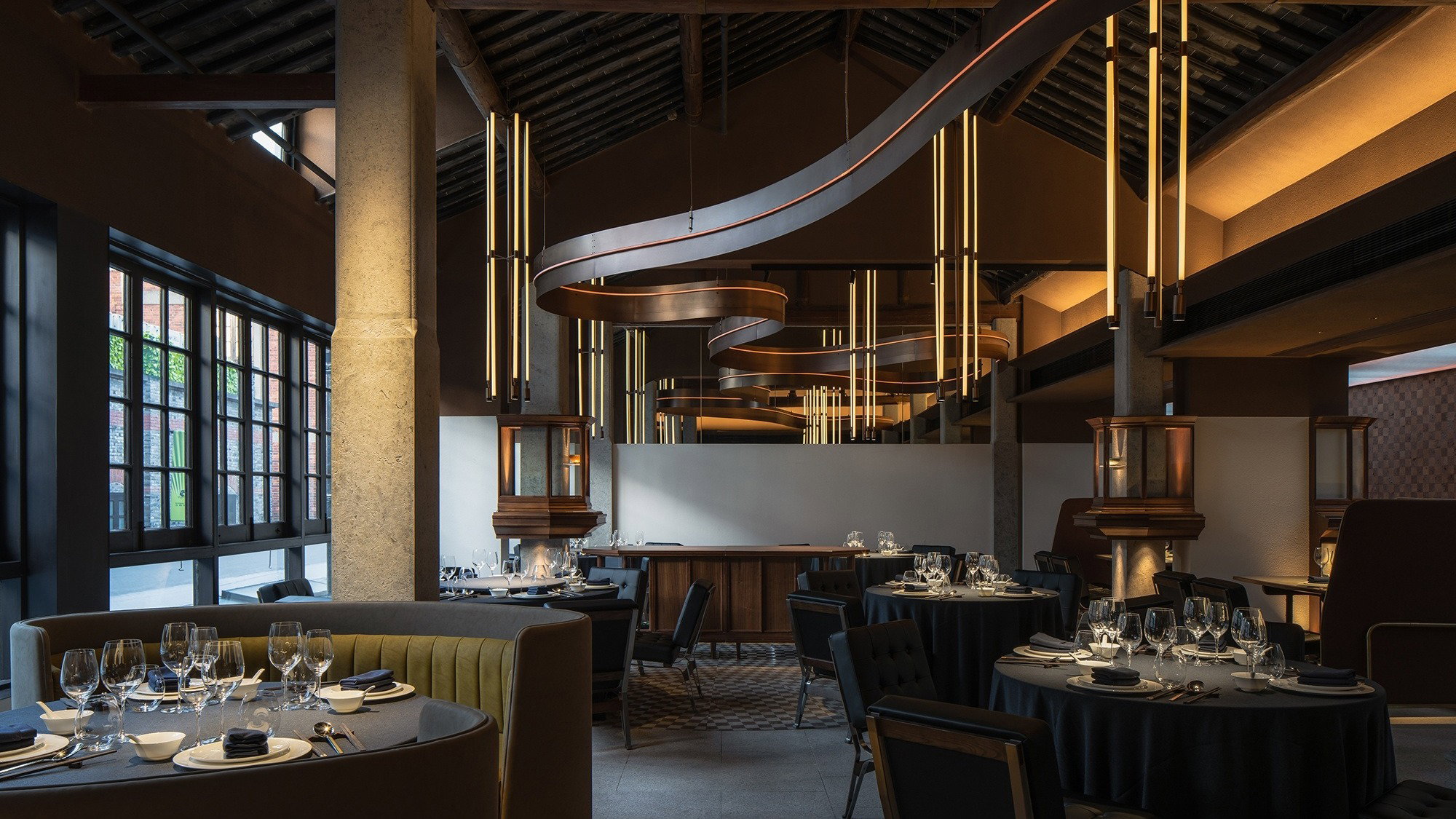
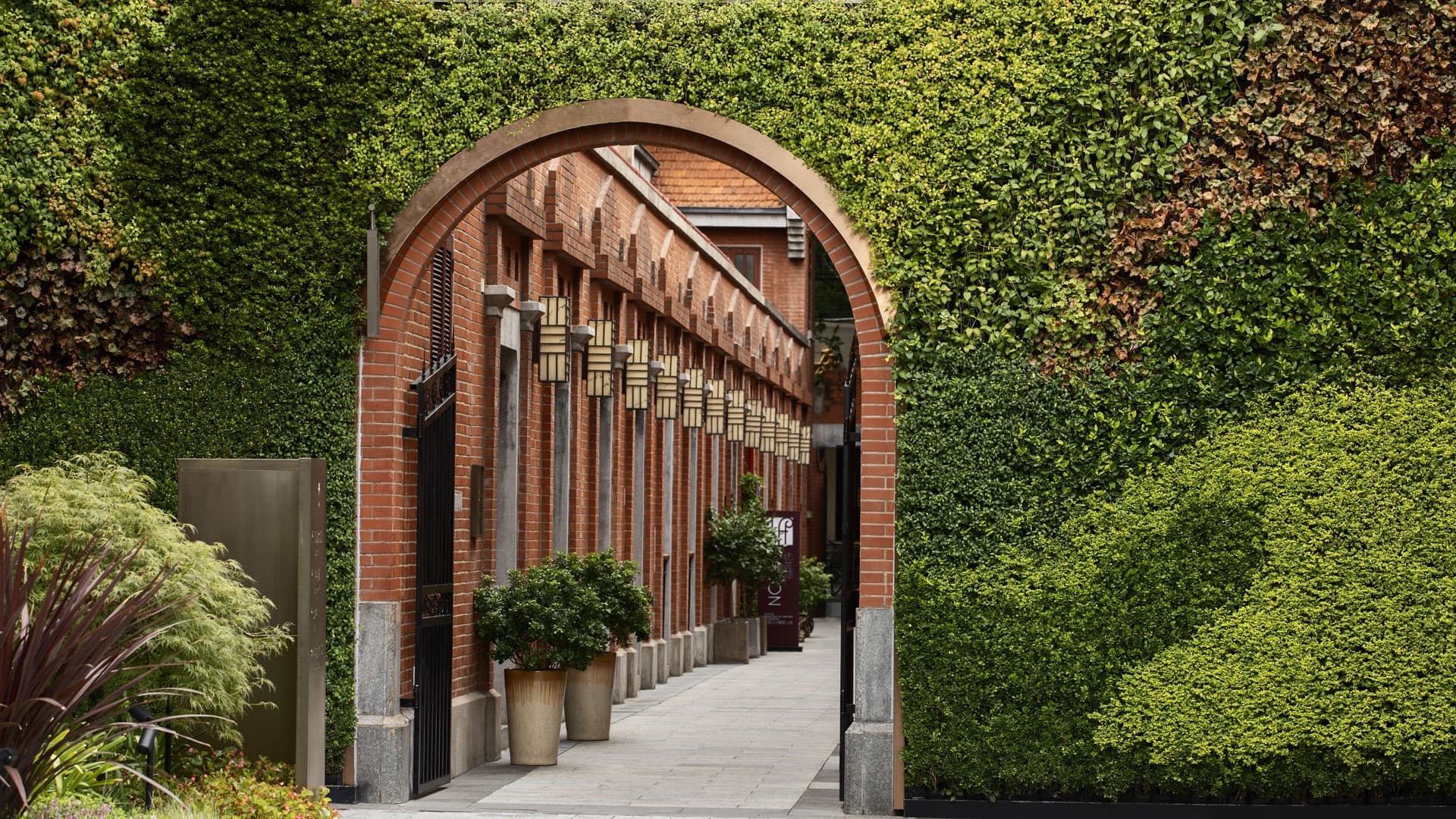
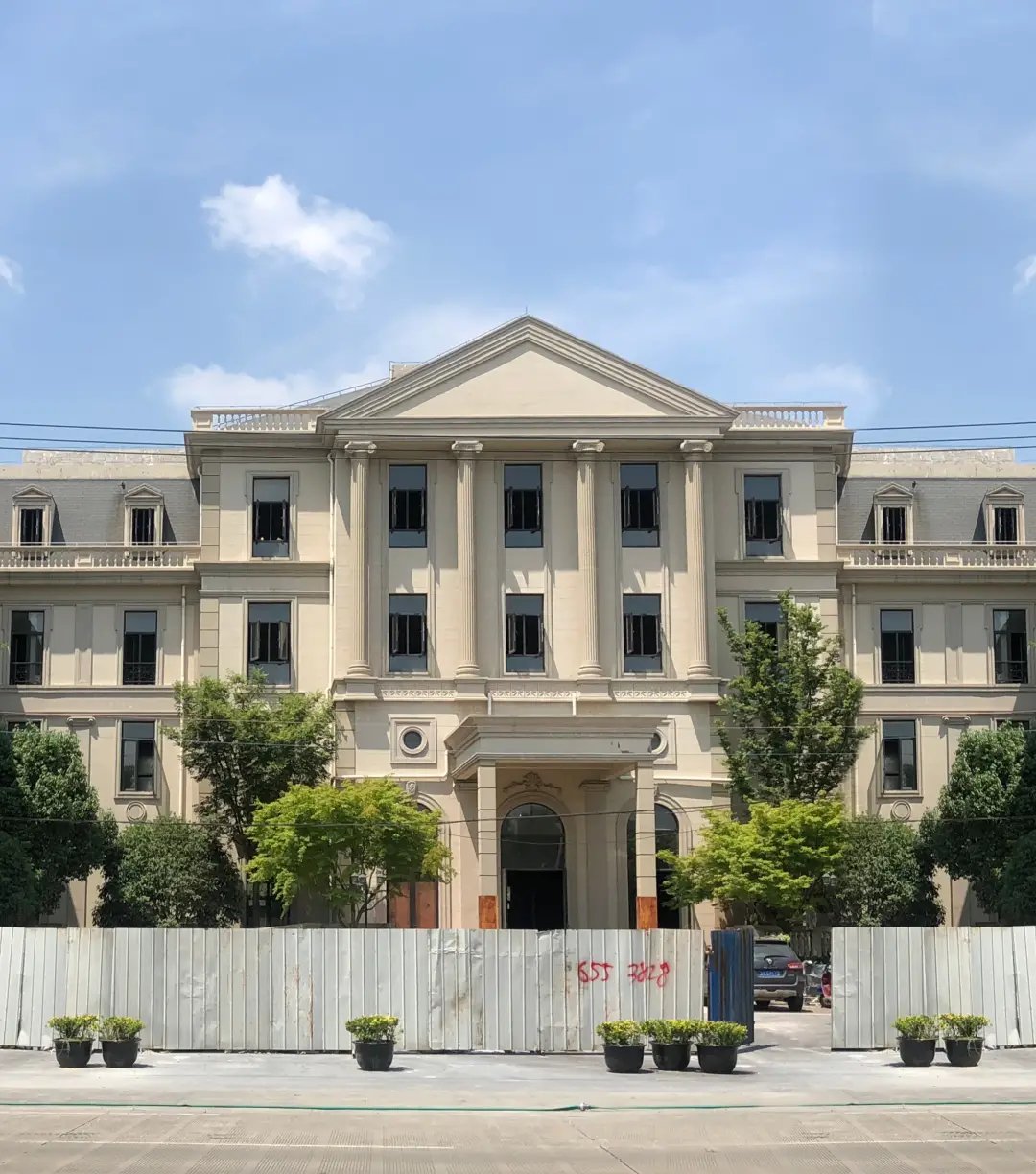
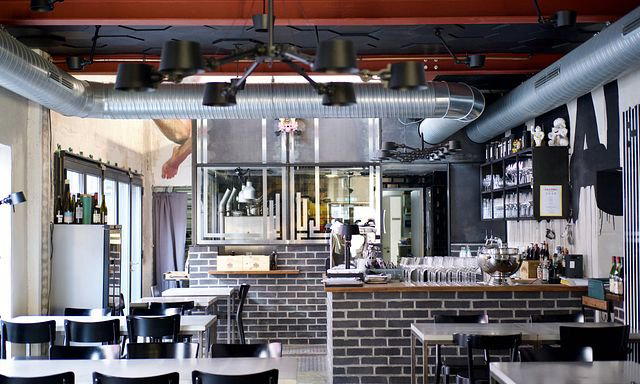
Hokkien Huay Kuan presents a restrained, quietly confident atmosphere that stands apart from Shanghai’s flashier openings. The dining room and understated street-front setting on Wending Road trade seasonal showmanship for steadiness, attracting regulars who appreciate consistency. The lane-house architecture and modest exterior reinforce a low-key charm, while the kitchen’s focus on clear, broth-forward Fujian flavours keeps attention on the food rather than tableside theatrics. The result is a calm, refined dining experience that feels deliberate and unhurried: a place where the cuisine’s subtlety and the room’s composure are the point of arrival.
Best For
This is a restaurant suited to measured, important meals: think special occasions, business dinners and celebrations where quality and composure matter. Its place in the city’s fine-dining tier, acknowledged by Michelin Plate and other industry recognition, means it reliably serves elevated regional cooking without ostentation. The quieter register and steady service style make it appropriate for diners seeking an intimate, focused meal rather than a loud, trendy night out. Regulars return for the consistency, so it also works well for those who favour a dependable, refined dining experience.
Ordering Tips
Lean into Fujian’s strengths when ordering: prioritize broths, soups and fresh seafood to experience the cuisine’s defining clarity. The menu’s signature dishes, Shuizhu Seafood Trio and the venerable Buddha Jumps Over the Wall, are natural starting points for sampling the house style. Expect restrained seasoning that lets primary ingredients shine, so order items that showcase delicate seafood and well-made stocks. Because the cooking eschews tableside spectacle, build a meal around several shared plates to taste the range of broths and coastal flavours the kitchen emphasizes.
Venue details
Ambiance
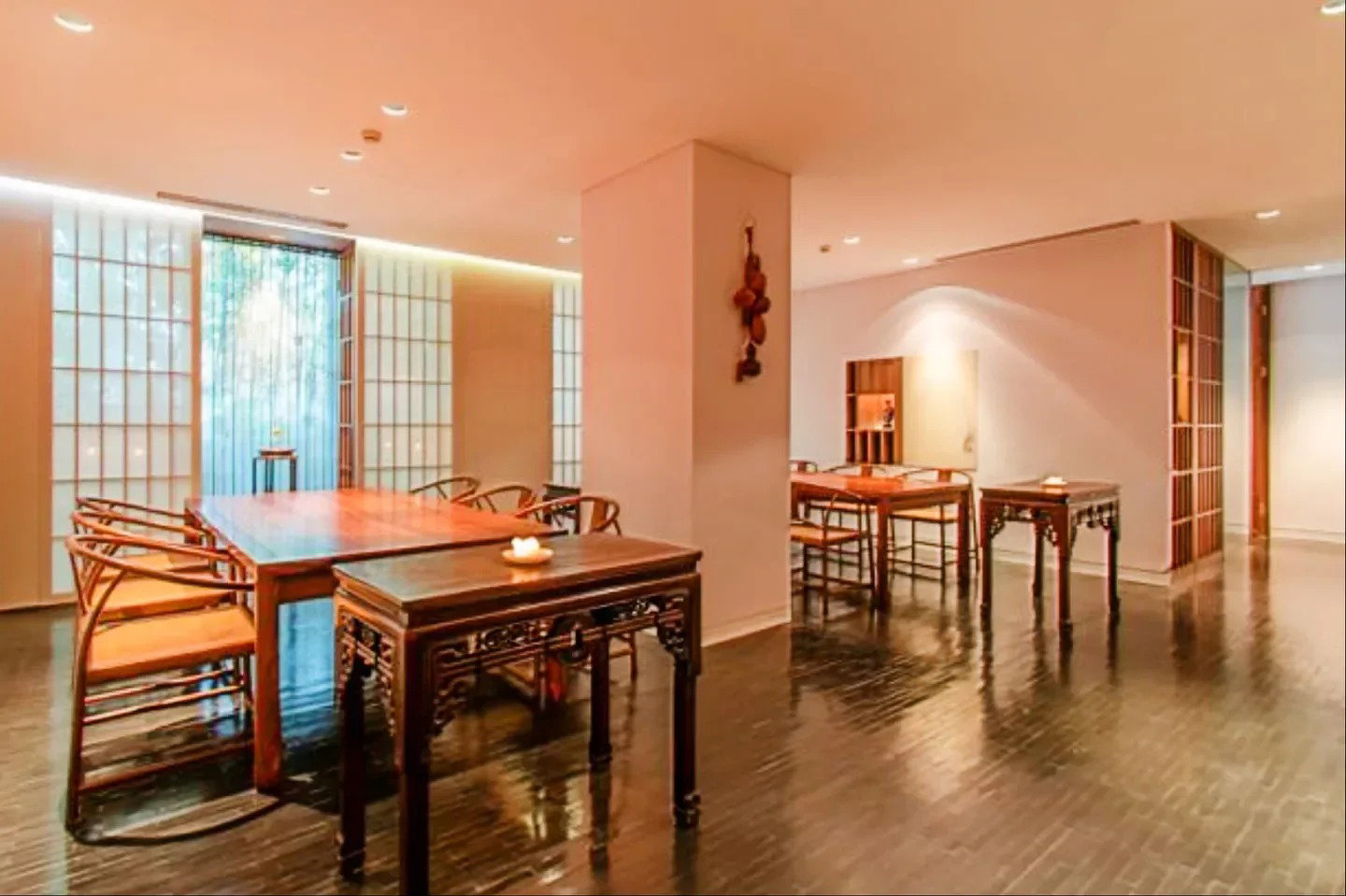
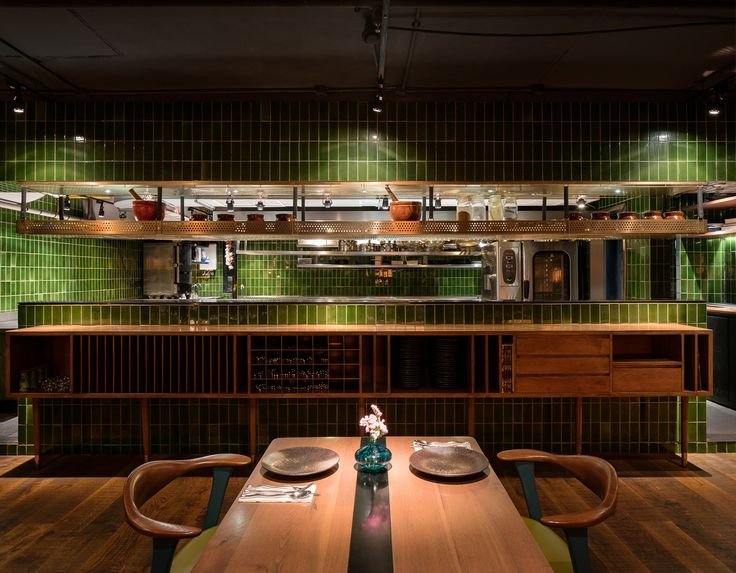
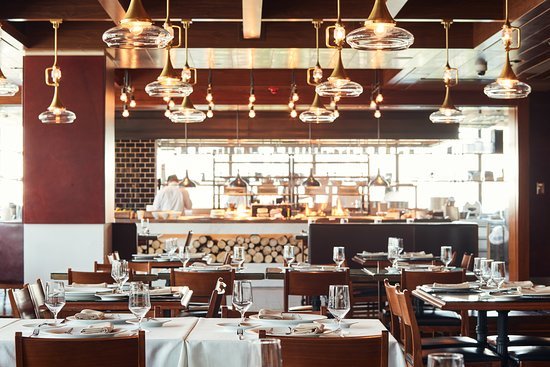
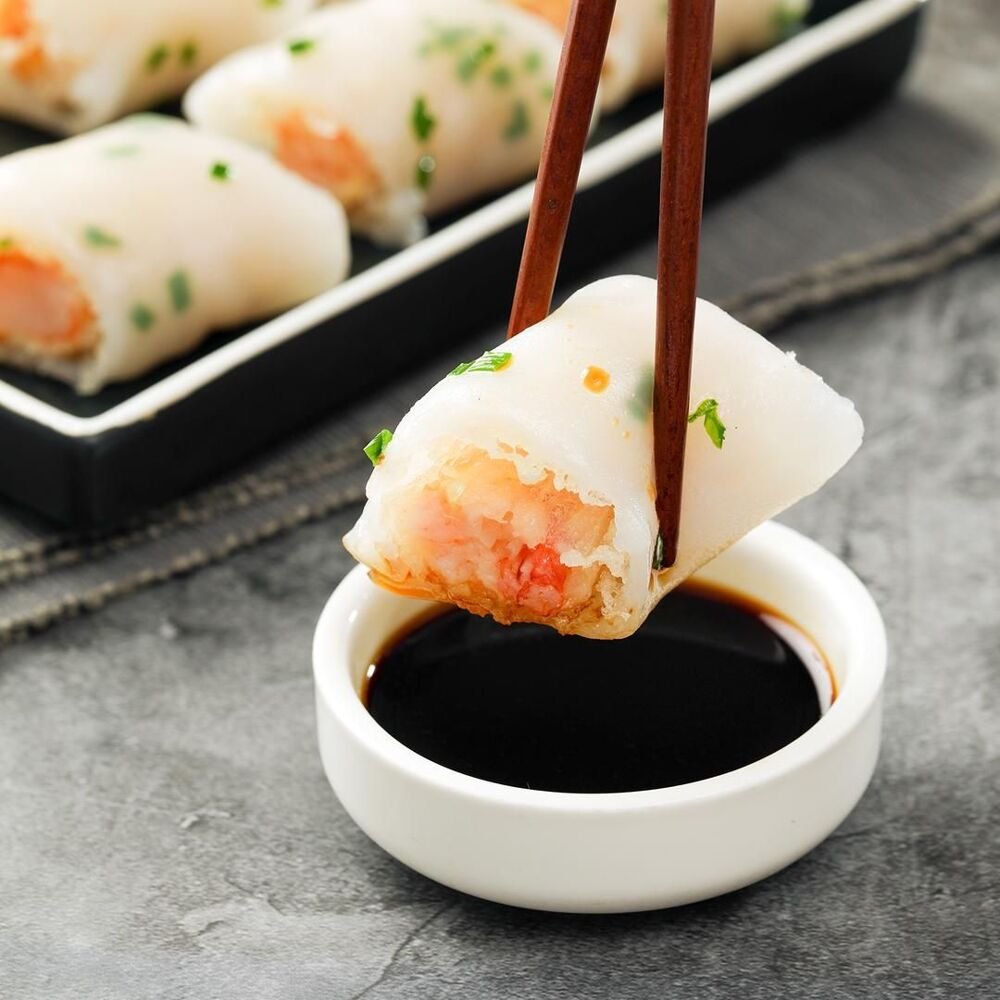
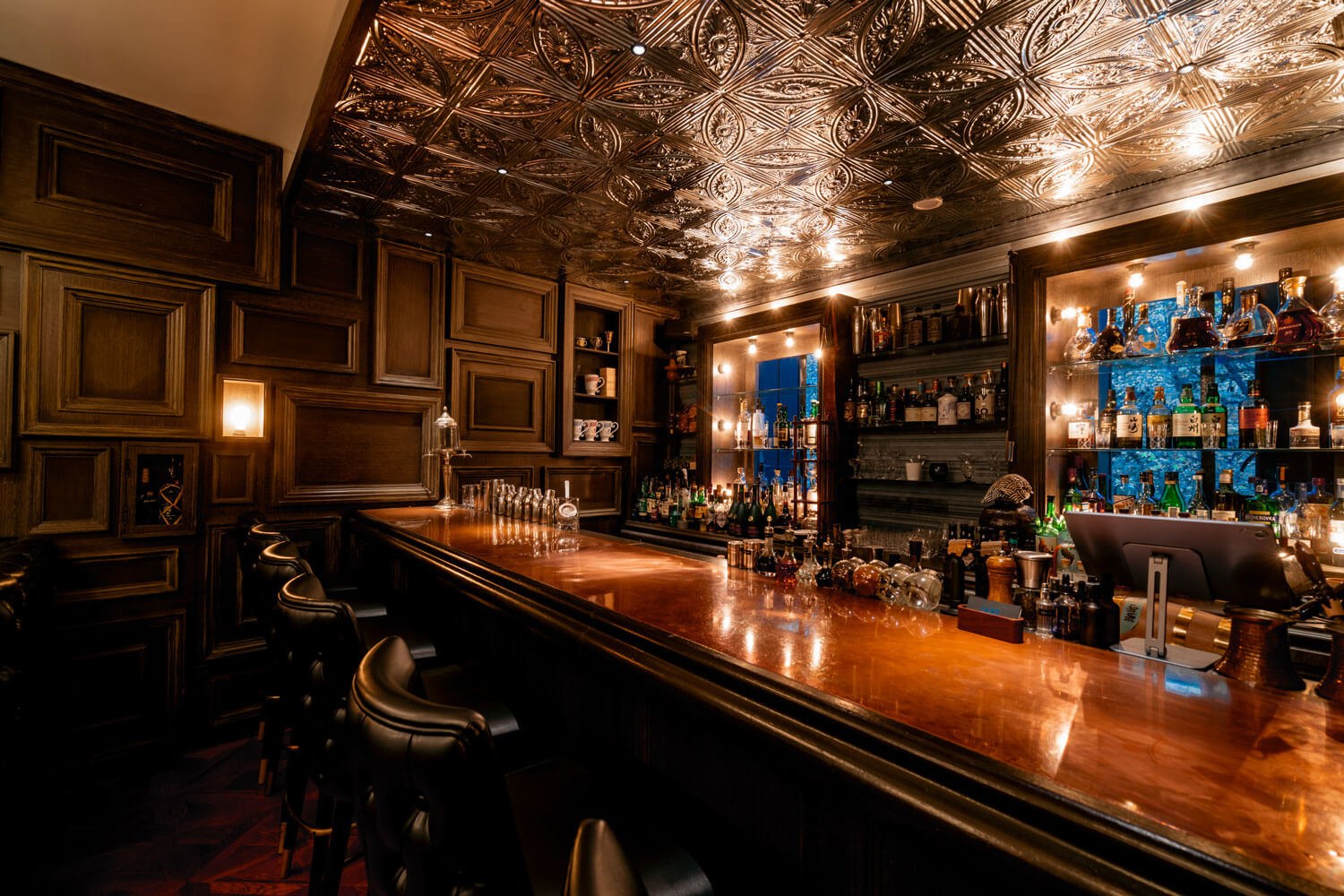
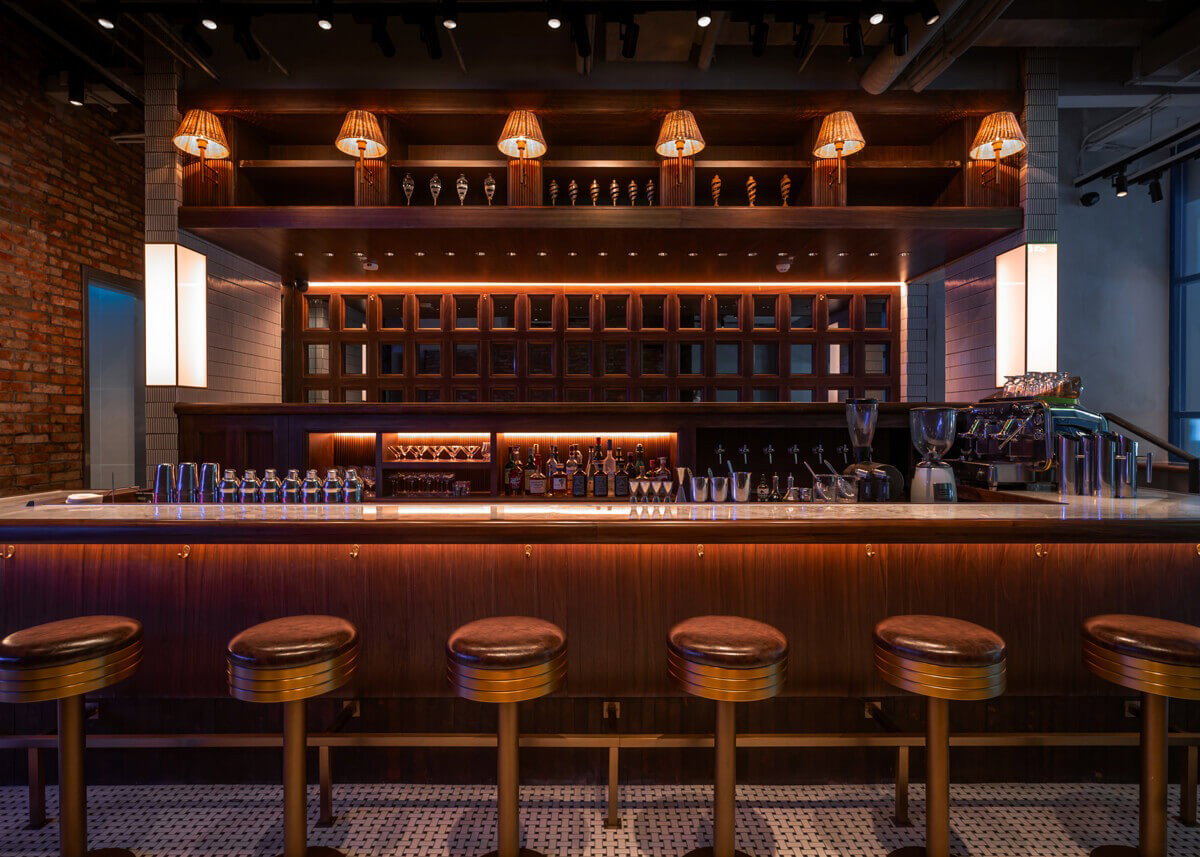
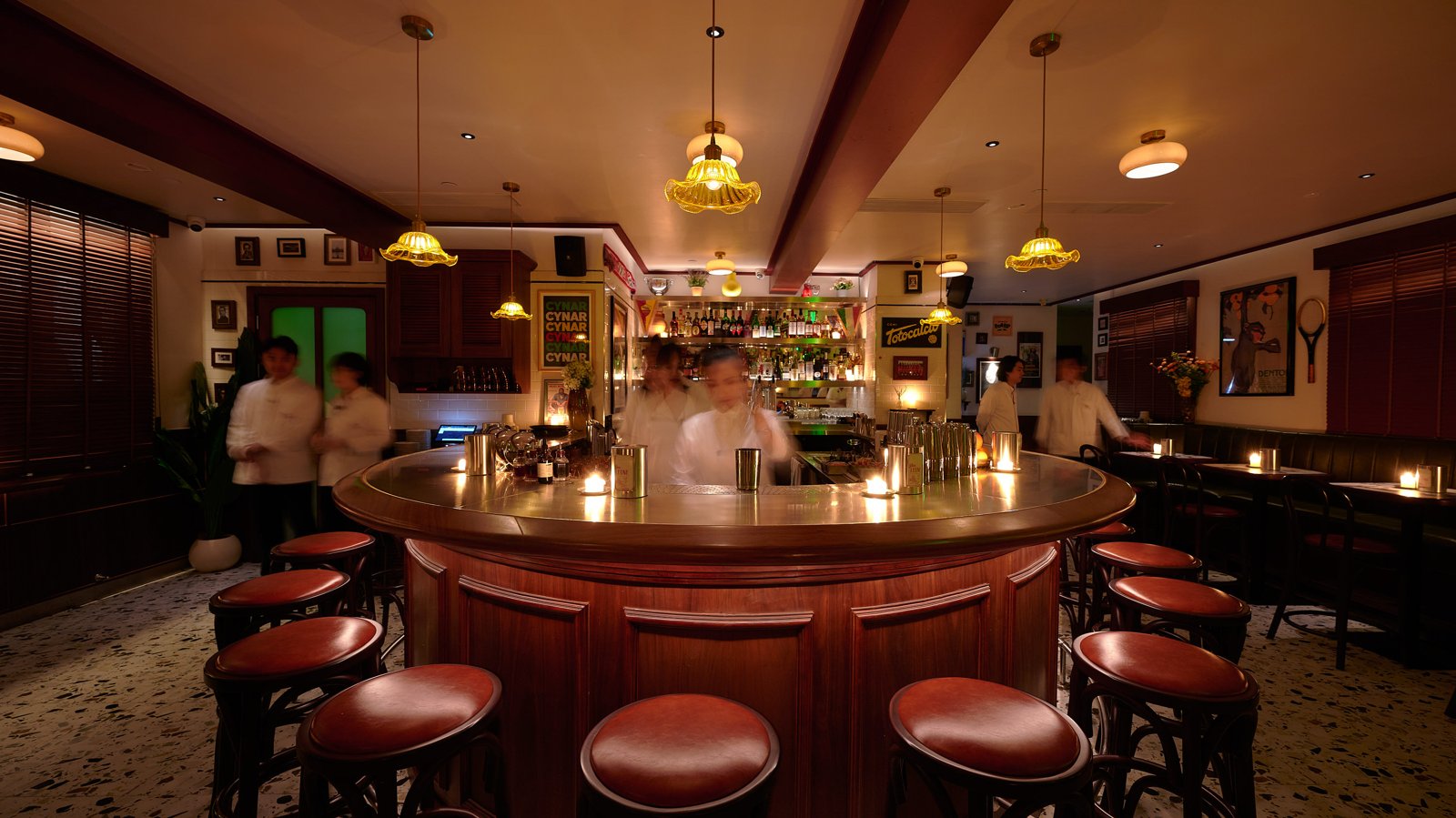
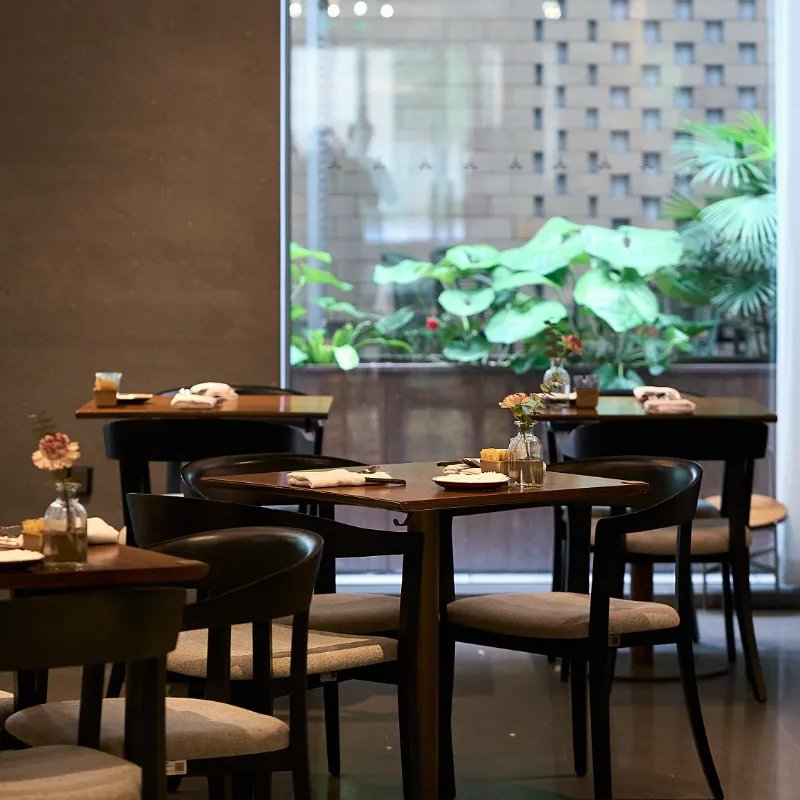
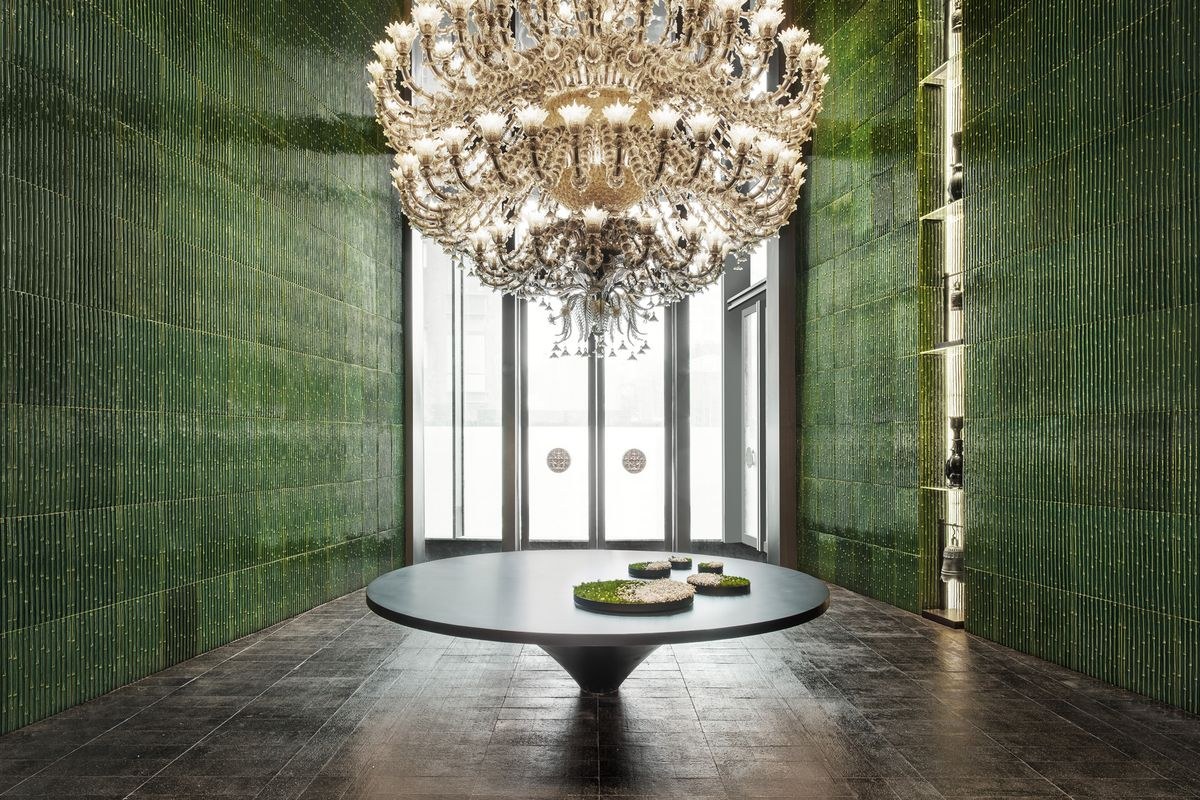
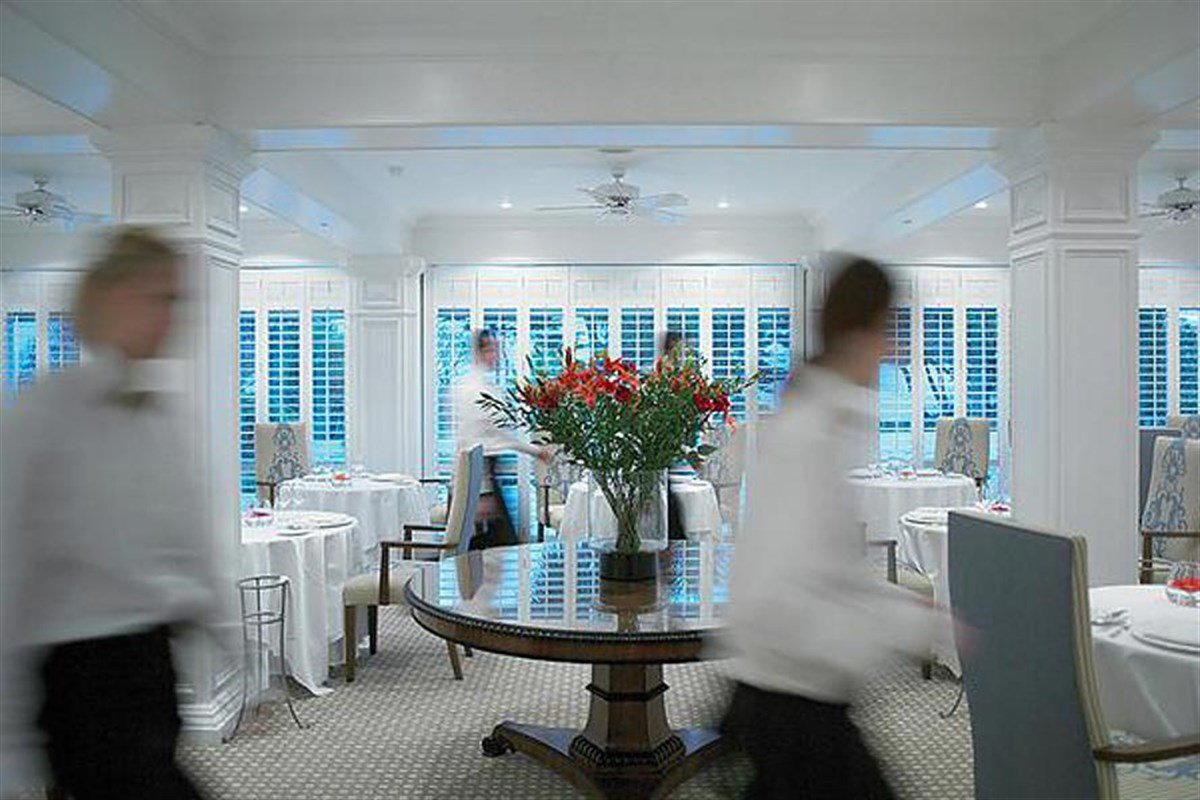
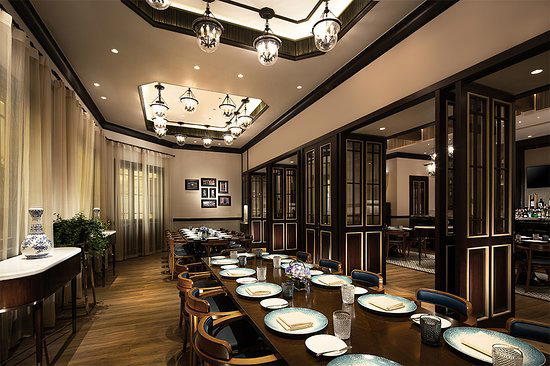
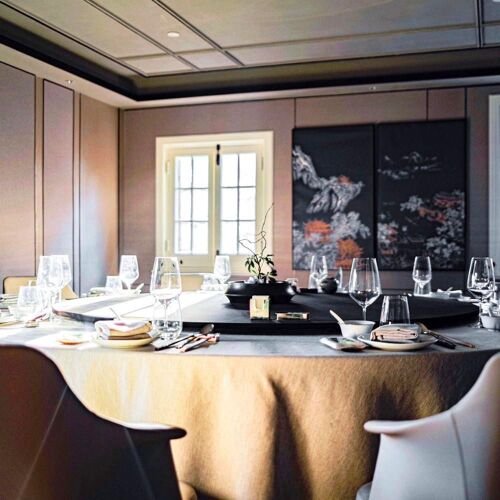
Serene dining room with rippling water features, lacquered woods, soft lighting, and porcelain accents evoking Fujian ink paintings.
Tags
Vibe
Best For
Experience
Sourcing
At the Table
- Dress Code
- Smart Casual
- Noise Level
- Quiet
- Service Style
- Formal
- Meal Pacing
- Leisurely
- Capacity
- Small
- Kitchen
- Modern
- Menu Format
- A la carte, Tasting menu
- Private Dining
- Available
Signature Dishes
- Shuizhu Seafood Trio
- Buddha Jumps Over the Wall
Know before you go
Know Before You Go
- Getting there
- 83 Wending Rd, Xuhui District, Shanghai, China, 200030
Planning details
Location
83 Wending Rd, Xuhui District, Shanghai, China, 200030 · Directions
Recognition and awards
Also consider
Also Consider
- Fu He Hui: Vegetarian, ¥¥¥¥
- Ming Court: Cantonese, ¥¥¥
- Polux: French, ¥¥
- Royal China Club: Chinese, Cantonese, ¥¥¥
- Scarpetta: Italian, ¥¥¥
Restaurant context
At the ¥¥¥ price tier, Hokkien Huay Kuan sits alongside Ming Court, Royal China Club, and Scarpetta in terms of spend. The clearest differentiator is cuisine: both Ming Court and Royal China Club deliver Cantonese cooking at a high standard, but Cantonese is also the most available high-end Chinese cuisine in Shanghai. If your priority is a Cantonese benchmark, Ming Court is the stronger choice. If you want something the city does not offer elsewhere at this level, Hokkien Huay Kuan is the more purposeful booking.
Fu He Hui operates at ¥¥¥¥ and takes a vegetarian approach to high-end Chinese cuisine: it is a different proposition entirely and harder to book, with a more formal tasting structure. If budget is not a constraint and a vegetarian or plant-forward menu is appealing, Fu He Hui is the higher-investment, higher-differentiation choice. Hokkien Huay Kuan at ¥¥¥ offers more accessible pricing with comparable award recognition for 2025. For a first visit to Shanghai's Chinese fine dining tier, Hokkien Huay Kuan is the easier entry point on both price and booking logistics.
Polux at ¥¥ is the value option in this peer set, offering French cooking at a lower price point: a different cuisine category and a different use case. Choose Polux if the occasion calls for a European-style dinner or if budget is the primary consideration. For a group or special occasion dinner where the food should reflect Shanghai and the broader Chinese dining tradition, Hokkien Huay Kuan makes a stronger case than any of its Western-cuisine peers in the city at this tier.
Explore Shanghai
Around this place
Discover more on Pearl
Unlock the full Hokkien Huay Kuan guide in Pearl, including awards, comparisons, FAQs, planning details, and nearby places.
Compare Hokkien Huay Kuan
| Venue | Price | Booking Difficulty | Awards |
|---|---|---|---|
| Hokkien Huay Kuan | ¥¥¥ | Easy | No published awards |
| Fu He Hui | ¥¥¥¥ | Unknown | 2026 Asia's 50 Best Restaurants · #112026 OAD Top Restaurants in Asia Ranked · #562026 Black Pearl 2 DiamondMichelin Guide Shanghai Jiangsu Zhejiang 20262026 La Liste Top Restaurants2025 Asia's 50 Best Restaurants · #152025 OAD Top Restaurants in Asia Ranked · #592025 World's 50 Best Restaurants · #64We're Smart World Top Restaurants 2025 |
| Ming Court | ¥¥¥ | Unknown | 2025 OAD Top Restaurants in Asia Ranked · #1692025 Black Diamond 1 Diamond2025 Michelin 1 Star2024 OAD Top Restaurants in Asia Ranked · #1602024 Michelin 1 Star2023 OAD Top Restaurants in Asia Highly Recommended |
| Polux | ¥¥ | Unknown | 2026 OAD Casual in Asia Ranked · #101Michelin Guide Shanghai Jiangsu Zhejiang 20262025 OAD Casual in Asia Ranked · #782025 Michelin Bib Gourmand2024 OAD Casual in Asia Ranked · #652024 OAD Top Restaurants in Asia Ranked · #2632024 Michelin Bib Gourmand2023 OAD Top Restaurants in Asia Recommended |
| Royal China Club | ¥¥¥ | Unknown | 2026 Michelin Plate2025 OAD Casual in Europe Ranked · #216The Good Food Guide 20252025 Michelin Plate2024 OAD Casual in Europe Ranked · #2142024 Michelin Plate2023 OAD Casual in Europe Highly Recommended |
| Scarpetta | ¥¥¥ | Unknown | Michelin Guide Shanghai Jiangsu Zhejiang 20262025 Wine Spectator Best of Award of Excellence2025 Michelin Plate2024 Michelin Plate |









A quick look at how Hokkien Huay Kuan measures up.
FAQ
Frequently Asked Questions
How far ahead should I book Hokkien Huay Kuan?
Book at least one week in advance for weekday tables; two weeks or more for Friday and Saturday evenings. Hokkien Huay Kuan holds both a 2025 Michelin Plate and a 2025 Black Pearl 1 Diamond, which puts it in the bracket of Shanghai restaurants that fill quickly on weekends. Weekday evenings offer the most reliable availability at the ¥¥¥ price point.
Does Hokkien Huay Kuan handle dietary restrictions?
Fujian cooking often features seafood, pork-based broths, and fermented ingredients prominently, so vegetarians and those with shellfish allergies should raise requirements when booking. Calling ahead is the safest approach given the cuisine's characteristics.
Is Hokkien Huay Kuan worth the price?
At ¥¥¥, yes: if Fujian cuisine is what you are after. Back-to-back Michelin Plate recognition (2024 and 2025) plus a 2025 Black Pearl 1 Diamond give it verifiable standing in Shanghai's competitive Chinese dining scene. For comparison, you are spending at a similar level to other award-recognised Shanghai restaurants while accessing a regional tradition that is genuinely underrepresented in the city.
What should a first-timer know about Hokkien Huay Kuan?
Come expecting regional specificity, not a broad Chinese menu. Fujian cuisine is built around clear broths, umami-forward sauces, and seafood in ways that differ significantly from Cantonese or Shanghainese cooking. The address is 83 Wending Road, Xuhui District: a quieter neighbourhood setting that is a deliberate contrast to the busier central dining clusters.
Is Hokkien Huay Kuan good for solo dining?
It can work for solo diners, but the format favours sharing across multiple dishes, which means a solo visit at ¥¥¥ may feel unbalanced in terms of both cost and coverage of the menu. If solo dining in Shanghai at this price tier is the goal, a counter-format restaurant gives better value. For Fujian specifically, Hokkien Huay Kuan remains the credentialled option regardless of group size.