
Hang Yuen Hin
Cantonese · Xujiahui, Shanghai
Restaurant in Shanghai, China
 Book with Pearl
The Read
Low-Oil Cantonese Precision
Price
$30–50per person
Dress
Smart Casual
Why go
A Michelin Plate Cantonese restaurant in Xujiahui offering authentic, low-salt cooking informed by both Guangzhou and Hong Kong technique. At the ¥¥ price tier, it delivers credible value — particularly for dim sum and signature dishes like almond-crusted shrimp rolls and crispy pigeon. The right choice if you want a relaxed, family-style Cantonese meal without stepping up to the ¥¥¥ bracket.
About Hang Yuen Hin
Should You Book Hang Yuen Hin?
If you are comparing Hang Yuen Hin against the more polished, higher-priced Cantonese rooms in Shanghai — Ming Court or Royal China Club, both at ¥¥¥ — the answer here is yes, book it, but go in with the right expectations. Hang Yuen Hin is a ¥¥ neighbourhood Cantonese restaurant in Xujiahui that earned a Michelin Plate in 2025, which means Michelin's inspectors found the cooking consistently good enough to recommend without awarding a star. At this price tier, that credential matters: it separates Hang Yuen Hin from the crowded mid-range Cantonese field in Shanghai and gives you a meaningful reason to choose it over a random local alternative.
The Space
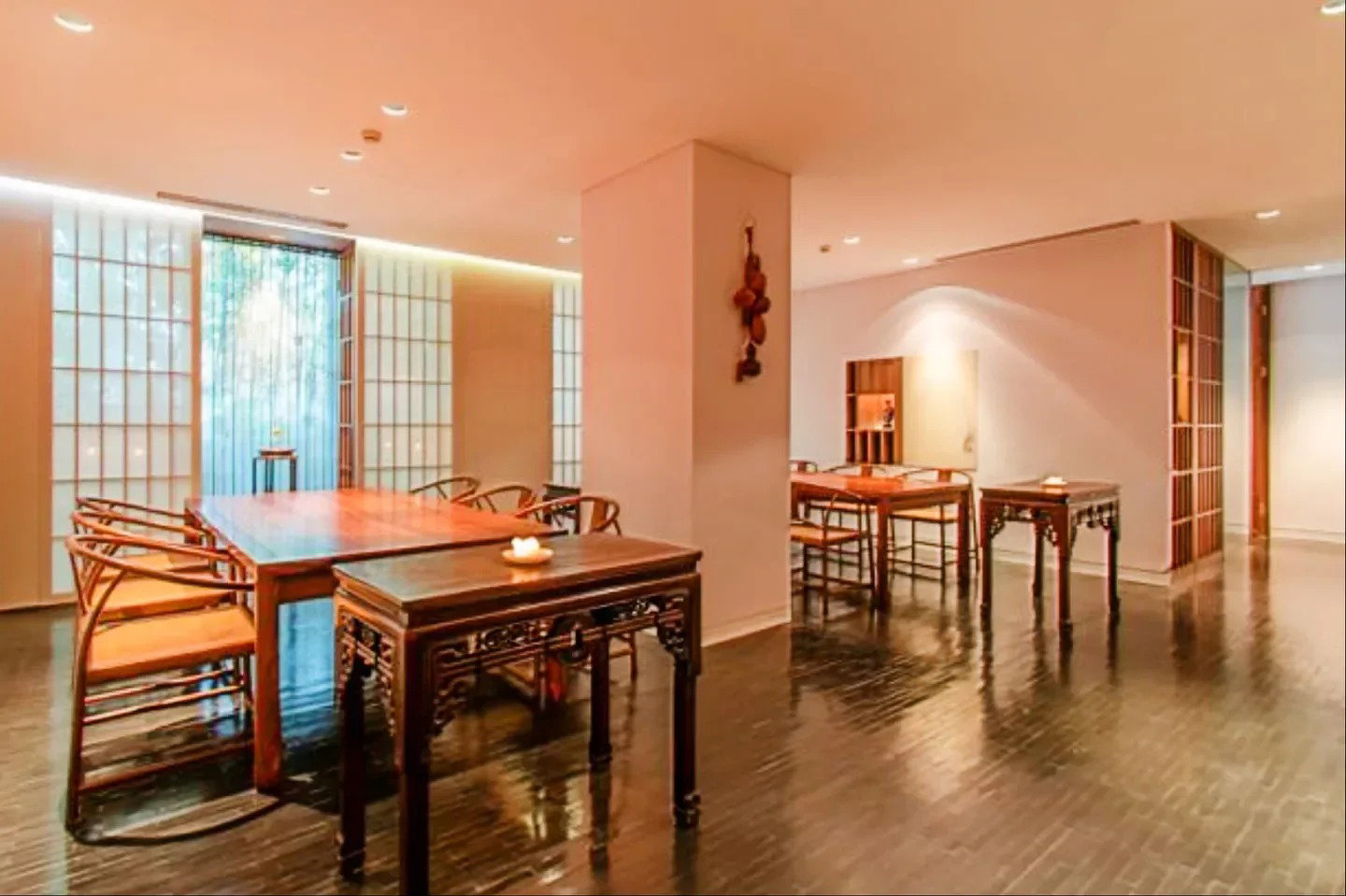
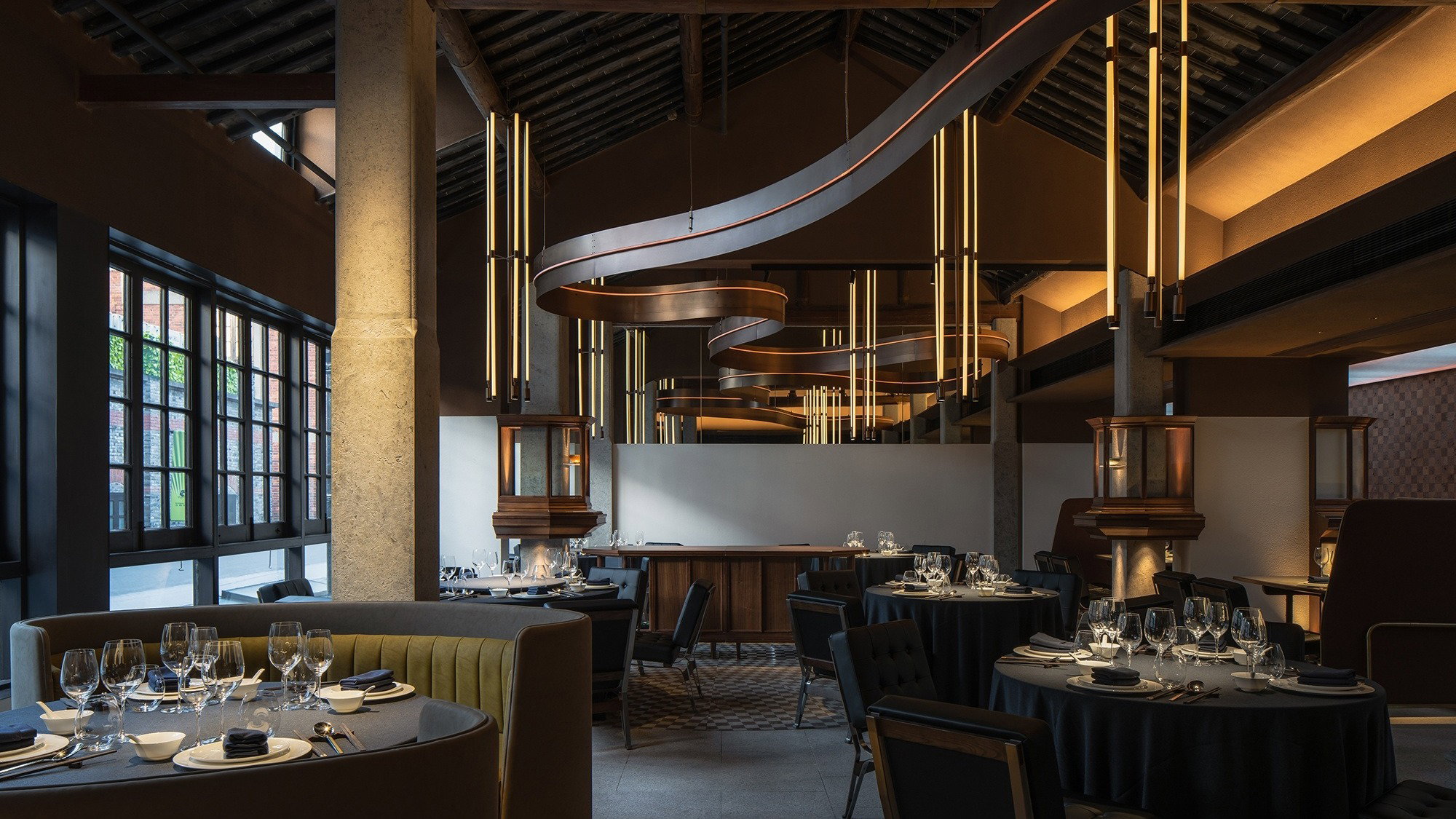
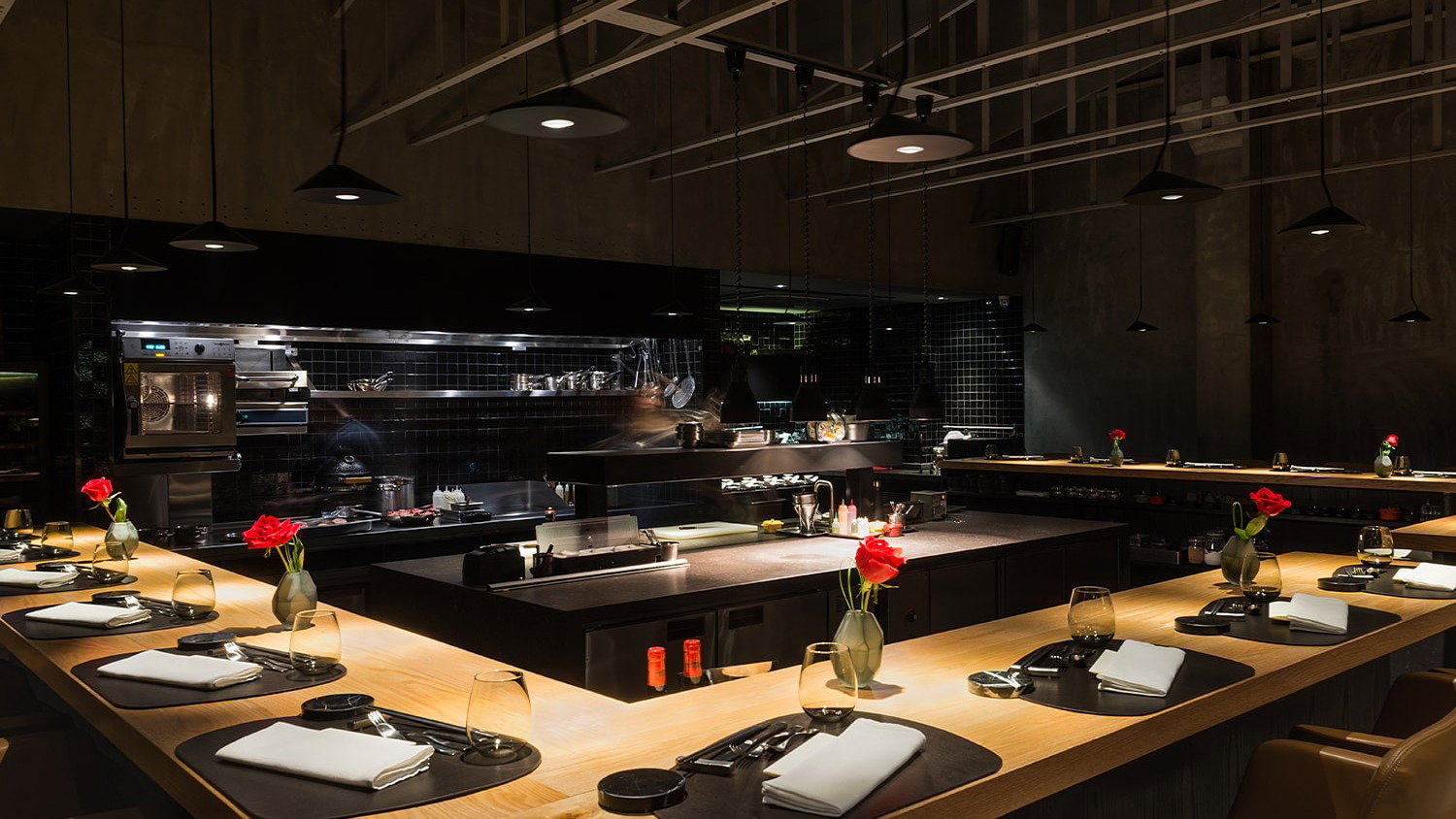
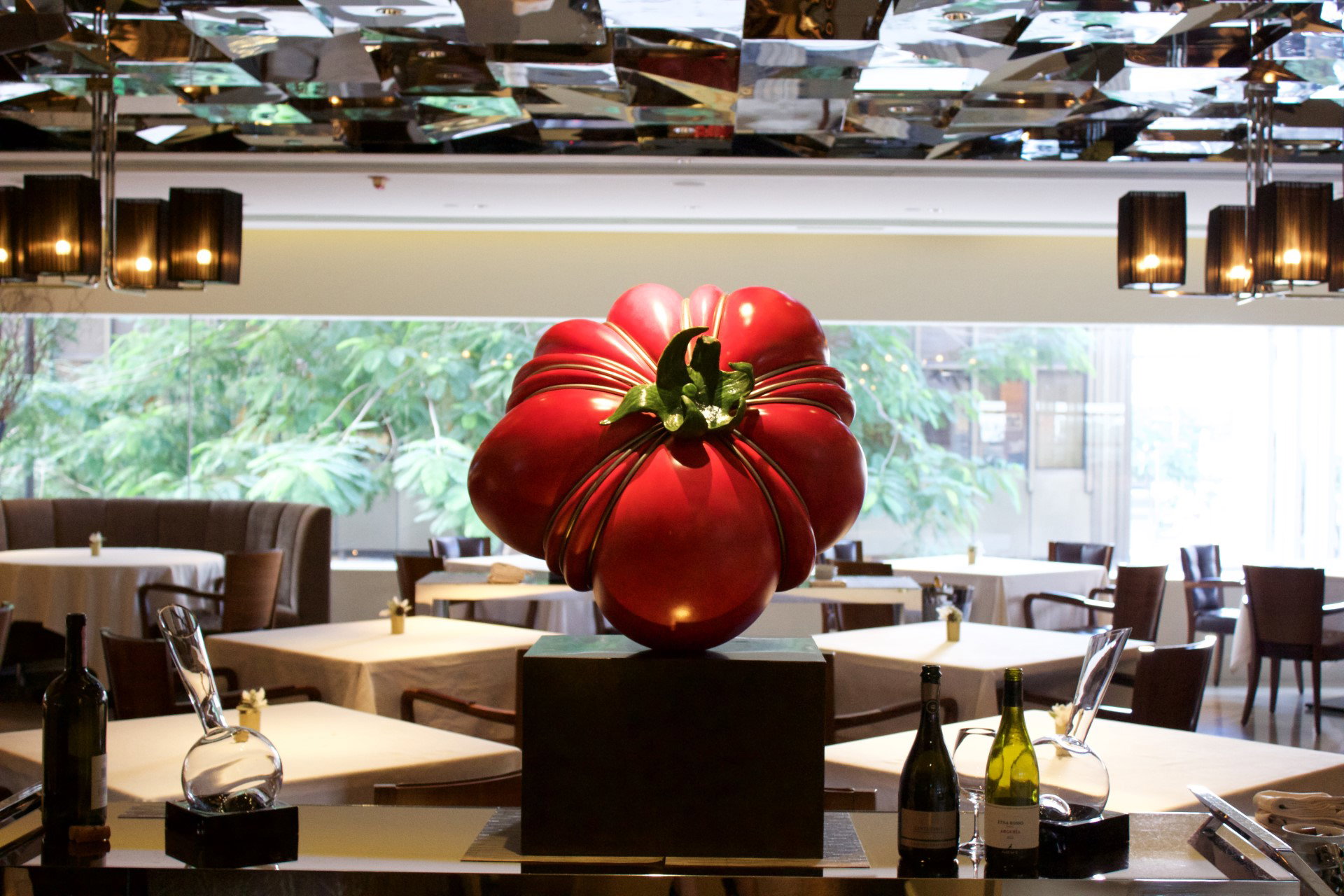
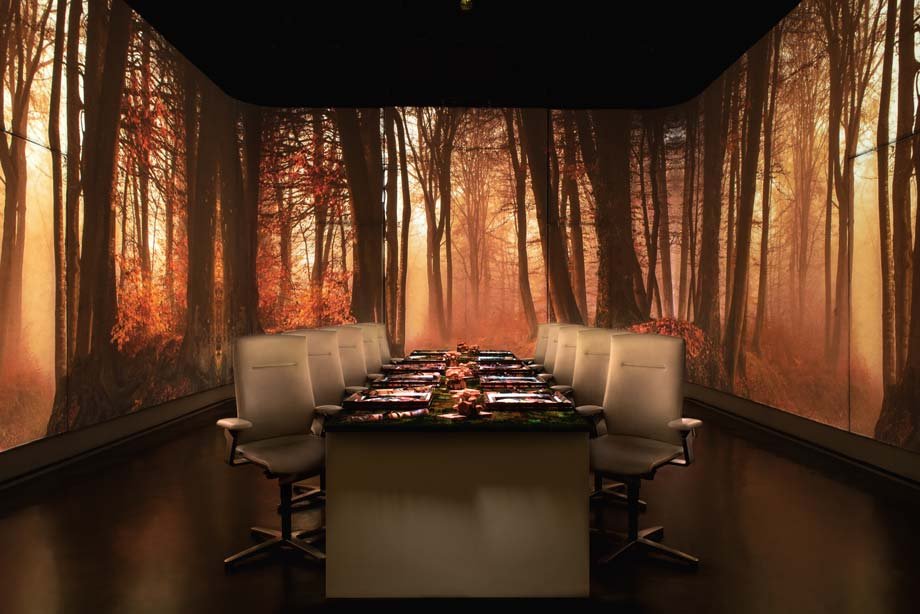
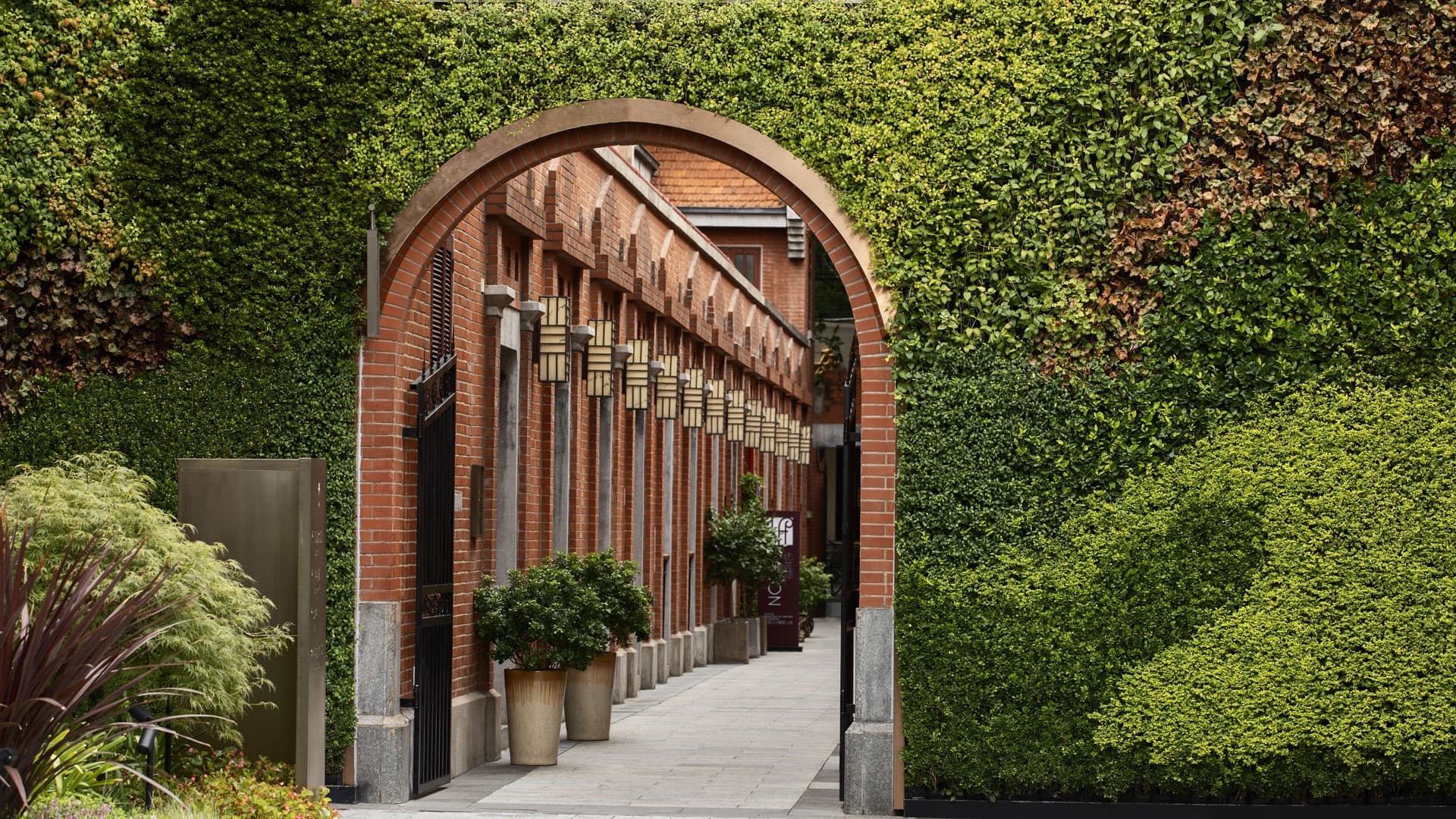
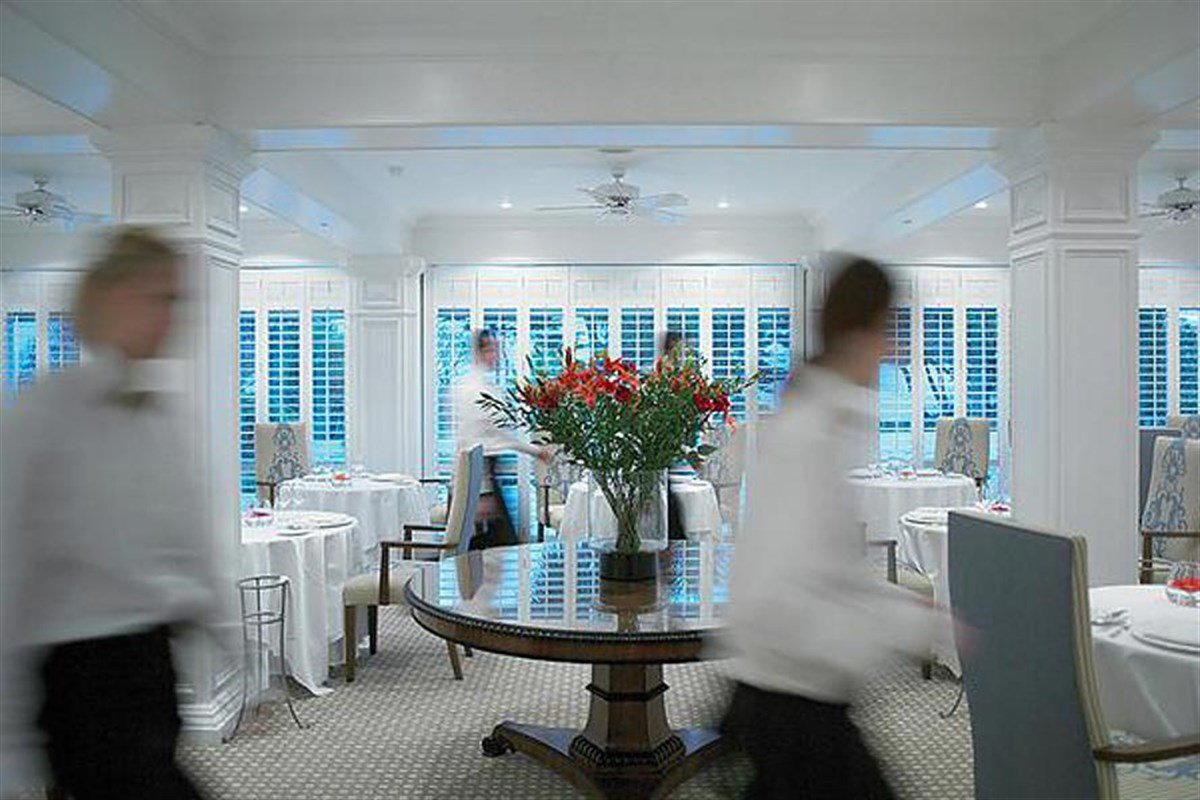
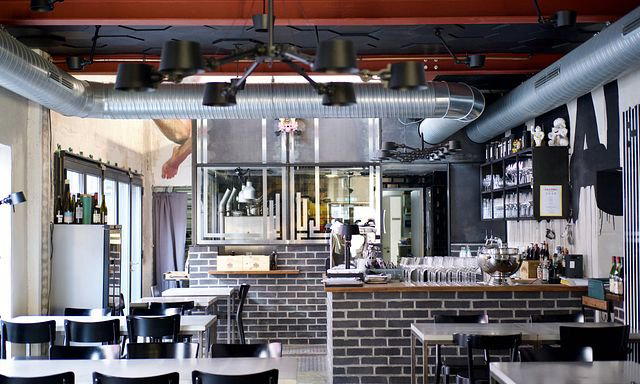
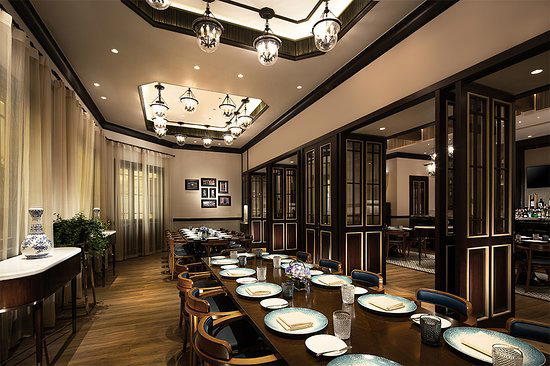
The restaurant sits at 290 Wanping Road in Xuhui District, and the room works in its favour before the food arrives. Lush greenery visible through the windows softens the space and gives it a calm, almost residential quality that is rare in a district better known for retail density. This is not a dramatic dining room designed to impress on arrival, it is designed to make you comfortable for a long meal, which suits the Cantonese format well. The atmosphere skews family and group, with the kind of unhurried pace that dim sum with multiple courses demands. Solo diners and couples will find it functional rather than intimate, but the relaxed spatial quality is a genuine asset if you are planning a longer, exploratory meal.
The Cooking and How the Meal Progresses
The kitchen draws on a chef with experience across both Guangzhou and Hong Kong, which is a meaningful distinction in the Cantonese context. Guangzhou cooking tends toward restrained seasoning and clarity of ingredient; Hong Kong technique brings precision in preparation and a stronger focus on texture. Both traditions inform what Michelin noted about the menu here: the dishes are described as deliberately low in salt and oil, which is a philosophical position as much as a dietary one. It signals a kitchen that is not compensating for ingredient quality with seasoning, and it places Hang Yuen Hin closer to the mainland Cantonese tradition than to the richer, more sauce-forward style you find at some Hong Kong-influenced restaurants in Shanghai. For a broader look at how this style sits in the regional landscape, Forum in Hong Kong and Le Palais in Taipei both represent the higher-end expression of classical Cantonese if you want a benchmark for comparison.
Michelin record identifies almond-crusted fried shrimp rolls and crispy pigeon as signature dishes. Both are technically demanding preparations: the shrimp roll requires a precisely seasoned filling and a crust that holds without becoming heavy, while crispy pigeon is a dish where the gap between a good version and a mediocre one is immediately obvious in the skin texture and the seasoning of the brine. These are the dishes to order if you want to assess the kitchen's range. Dim sum rounds out the offering and is explicitly flagged as a strength, making this a strong option for a mid-morning or lunch booking with a group. For other Cantonese dim sum options in Shanghai, Canton 8 (Huangpu), Bao Li Xuan, and Ji Pin Court are worth comparing before you decide.
Progression of a meal here follows the classic Cantonese logic: lighter, more delicate preparations first, richer and more textured dishes as the meal deepens. If you are ordering a la carte rather than a set menu, this architecture is worth keeping in mind. Start with the dim sum or lighter cold preparations, move through the shrimp rolls, and let the crispy pigeon anchor the later stage of the meal. This is a format that rewards pacing and conversation rather than speed, and the room is built for exactly that. For context on how Cantonese tasting architecture plays out at a higher price point elsewhere in the region, Chef Tam's Seasons in Macau and Dai Yuet Heen in Nanjing offer useful reference points.
Booking and Logistics
Hang Yuen Hin is rated Easy for booking difficulty. No advance reservation weeks out is required, this is not a hard-to-get table. That said, for weekend dim sum or larger group lunches, booking ahead by a few days is sensible given the Michelin recognition it received in 2025. The address at Wanping Road places it in Xujiahui, which is well connected by metro. Phone and website details are not currently listed in Pearl's database, so the most reliable approach is to book via a platform such as Dianping or ask your hotel concierge to assist. For a fuller picture of where to eat, stay, and drink in the city, see our full Shanghai restaurants guide, our full Shanghai hotels guide, and our full Shanghai bars guide.
How It Compares
Pearl Picks: More to Explore
- Imperial Treasure Fine Chinese Cuisine, A step up in formality and price for Cantonese in Shanghai
- 102 House, A contrasting Shanghai dining experience for the same explorer profile
- Xin Rong Ji in Beijing, Benchmark Chinese fine dining if you are travelling regionally
- Xin Rong Ji in Chengdu, Same group, different regional flavour profile
- Ru Yuan in Hangzhou, Worth considering if a day trip from Shanghai is on your itinerary
- Imperial Treasure Fine Chinese Cuisine in Guangzhou, The source region of Cantonese cooking, for context
- Our full Shanghai experiences guide, Planning the broader trip
- Our full Shanghai wineries guide, If wine is part of your visit
Planning details
- Location
- 290 Wanping Rd, Xujiahui, Xuhui District, Shanghai, China, 200030
- Website
- hyhgroup.cn
- Phone
- +86 21 6472 9778
The take
The Take
The Vibe
Hang Yuen Hin settles into its leafy Xuhui block with a composed, classic air. Natural light filtered through overhanging trees gives the dining room a quiet, measured quality that mirrors the kitchen’s Cantonese restraint. The service and tempo are unobtrusive, and the cooking rewards close attention: clear broths, precisely textured shrimp fillings and crackling skins are the sort of details the room’s calm encourages you to notice. The overall effect is sophisticated without being showy — a neighborhood place where technical clarity and a soft atmosphere take center stage.
Best For
This is a neighborhood restaurant built for repeat visits rather than one-off splurges. The menu’s dim sum offerings make it a natural stop for weekend brunches and social lunches, while the whole-bird and whole-animal preparations give dinner service real weight. Groups and families who enjoy sharing plates and tasting a range of classical Cantonese techniques will find it especially friendly. The mid-range pricing signals accessibility: it suits weekday meals, relaxed weekend get-togethers and anyone seeking technically confident Cantonese cooking in a calm, tree-lined setting.
Ordering Tips
Start with dim sum to sample the kitchen’s technical range, then move to the signature plates that Michelin recognizes. The almond-crusted fried shrimp rolls are a texture play — look for a crust that adds contrast without masking the shrimp’s sweetness. Order the crispy pigeon to experience the sequence-dependent technique (blanching, marinating, drying) that yields a shattering skin. Finish with a birds nest egg tart for a classic, textural sweet note. Share plates across the table so everyone can appreciate the differences in clarity, crispness and restraint.
Venue details
Ambiance
Relaxing ambiance enhanced by lush greenery outside the windows and elegant decor.
Tags
Vibe
Best For
Experience
View
At the Table
- Dress Code
- Smart Casual
- Noise Level
- Quiet
- Service Style
- Upscale Casual
- Meal Pacing
- Leisurely
- Capacity
- Medium
- Kitchen
- Traditional
- Menu Format
- A la carte
- Private Dining
- Available
- Outdoor Seating
- Yes
Signature Dishes
- almond-crusted fried shrimp rolls
- crispy pigeon
- birds nest egg tart
Know before you go
Know Before You Go
- Getting there
- 290 Wanping Rd, Xujiahui, Xuhui District, Shanghai, China, 200030
Planning details
Location
290 Wanping Rd, Xujiahui, Xuhui District, Shanghai, China, 200030 · Directions
Recognition and awards
Also consider
Also Consider
- Fu He Hui, Vegetarian, ¥¥¥¥
- Ming Court, Cantonese, ¥¥¥
- Royal China Club, Chinese, Cantonese, ¥¥¥
- Scarpetta, Italian, ¥¥¥
- Yè Shanghai, Shanghainese, ¥¥
Restaurant context
At the ¥¥ price tier, Hang Yuen Hin's closest direct comparison in Shanghai is Yè Shanghai, also at ¥¥, though the two kitchens are pulling in different directions, Yè Shanghai focuses on Shanghainese cuisine, which means richer, sweeter preparations and a different flavour register entirely. If your goal is specifically authentic Cantonese cooking with a Michelin-backed quality signal at a mid-range price, Hang Yuen Hin has no obvious like-for-like competitor at the same tier in this dataset. That makes it the default recommendation for Cantonese at ¥¥ in Shanghai.
Step up to ¥¥¥ and the picture changes. Ming Court and Royal China Club both operate at the ¥¥¥ level with more formal service and likely a broader menu architecture. If you are entertaining clients, celebrating a milestone, or want a more structured dining experience with greater service polish, either of those is the appropriate upgrade. Hang Yuen Hin's lower price point and relaxed, neighbourhood character make it better suited to a leisurely family lunch or a casual exploratory dinner than to a formal occasion.
Fu He Hui at ¥¥¥¥ is a different category entirely, it is Shanghai's leading vegetarian fine dining venue and not a Cantonese competitor in any direct sense. Scarpetta at ¥¥¥ is Italian and irrelevant for this comparison. The practical decision is straightforward: for Cantonese at a fair price with a credible quality signal, book Hang Yuen Hin. For a more formal Cantonese occasion with a higher budget, move to Ming Court or Royal China Club instead.
Explore Shanghai
Around this place
Discover more on Pearl
Unlock the full Hang Yuen Hin guide in Pearl, including awards, comparisons, FAQs, planning details, and nearby places.
Compare Hang Yuen Hin
| Venue | Price | Booking Difficulty | Awards |
|---|---|---|---|
| Hang Yuen Hin | ¥¥ | Easy | Michelin Guide Shanghai Jiangsu Zhejiang 20262025 Michelin Plate2024 Michelin Plate |
| Fu He Hui | ¥¥¥¥ | Unknown | 2026 Asia's 50 Best Restaurants · #112026 OAD Top Restaurants in Asia Ranked · #562026 Black Pearl 2 DiamondMichelin Guide Shanghai Jiangsu Zhejiang 20262026 La Liste Top Restaurants2025 Asia's 50 Best Restaurants · #152025 OAD Top Restaurants in Asia Ranked · #592025 World's 50 Best Restaurants · #64We're Smart World Top Restaurants 2025 |
| Ming Court | ¥¥¥ | Unknown | 2025 OAD Top Restaurants in Asia Ranked · #1692025 Black Diamond 1 Diamond2025 Michelin 1 Star2024 OAD Top Restaurants in Asia Ranked · #1602024 Michelin 1 Star2023 OAD Top Restaurants in Asia Highly Recommended |
| Royal China Club | ¥¥¥ | Unknown | 2026 Michelin Plate2025 OAD Casual in Europe Ranked · #216The Good Food Guide 20252025 Michelin Plate2024 OAD Casual in Europe Ranked · #2142024 Michelin Plate2023 OAD Casual in Europe Highly Recommended |
| Scarpetta | ¥¥¥ | Unknown | Michelin Guide Shanghai Jiangsu Zhejiang 20262025 Wine Spectator Best of Award of Excellence2025 Michelin Plate2024 Michelin Plate |
| Yè Shanghai | ¥¥ | Unknown | 2025 OAD Top Restaurants in Asia Ranked · #2092025 Michelin Plate2024 OAD Top Restaurants in Asia Ranked · #2162024 Michelin Plate2023 OAD Top Restaurants in Asia Highly Recommended |
.png?width=1200&quality=80)








How Hang Yuen Hin stacks up against the competition.
FAQ
Frequently Asked Questions
Is Hang Yuen Hin good for solo dining?
It works well enough for solo diners, but the format favours sharing. Cantonese cooking at this level — Michelin Plate, ¥¥ — is designed for table-wide ordering, especially dim sum. A solo visit limits how much of the menu you can reasonably cover. If you are dining alone, focus on the signature dishes rather than attempting a spread.
How far ahead should I book Hang Yuen Hin?
Booking difficulty is rated Easy — you do not need to plan weeks out. That said, weekend dim sum with families fills tables quickly, so a same-day call ahead is sensible for groups. Weekday lunches and dinners are generally accessible without much lead time.
What should I wear to Hang Yuen Hin?
At ¥¥ pricing in Xuhui, there is no indication of a strict dress code. Neat, relaxed clothing is appropriate. This is not a formal dining room in the way that higher-priced Cantonese venues like Ming Court position themselves.
Is Hang Yuen Hin worth the price?
At ¥¥, it is good value for Michelin Plate-recognised Cantonese cooking with a chef background spanning Guangzhou and Hong Kong. If you are comparing against ¥¥¥ rooms like Ming Court or Royal China Club, Hang Yuen Hin trades some polish for significantly lower spend. For an everyday Cantonese meal that takes the cooking seriously, the price-to-quality ratio holds up.
Is the tasting menu worth it at Hang Yuen Hin?
No tasting menu format is documented for Hang Yuen Hin. The venue appears to operate as a standard Cantonese restaurant with signature dishes — almond-crusted fried shrimp rolls and crispy pigeon are specifically noted — alongside dim sum. Order to the table rather than expecting a set progression.
Can Hang Yuen Hin accommodate groups?
The venue is positioned as a strong choice for family and group dim sum, which suggests it is set up for larger parties. At ¥¥ pricing and with an easy booking profile, it is a practical option for groups who want a proper Cantonese meal without the cost or advance planning required at ¥¥¥ competitors. Booking ahead for larger groups is still advisable.