



Fu 1015
Shanghainese · Jing An Si, Shanghai
Restaurant in Shanghai, China
 Book with Pearl
The Read
Heritage Home-Style Precision
Price
¥¥¥¥
Chef
Tony Lu
Dress
Smart Casual
Why go
Fu 1015 is the original and most grounded of Tony Lu's Fu restaurants in Shanghai — a heritage mansion in Changning District serving labour-intensive home-style Shanghainese cooking. The river fish programme, particularly the eels and oil-blanched shrimps, justifies the ¥¥¥¥ spend. Backed by La Liste, Black Pearl 1 Diamond, and OAD Asia Top 100 recognition, it is the address to book if traditional Shanghainese technique is your priority.
About Fu 1015
The Case for Booking Fu 1015
Private rooms at Fu 1015 fill up faster than the ¥¥¥¥ price point might suggest — this is a venue where planning ahead pays off. The original of Tony Lu's three Fu restaurants on Yuyuan Road, Fu 1015 occupies a 1920s heritage mansion in Changning District, and its focus on home-style Shanghainese cooking draws a loyal local crowd alongside visitors who have done the homework. If you are coming to Shanghai specifically to eat, this address belongs on your list — not for spectacle, but for the kind of labour-intensive, technique-driven cooking that is genuinely hard to find at this level anywhere outside the city.
The awards record supports the booking decision: La Liste placed Fu 1015 at 75 points in 2026 (76.5 in 2025), it holds a Black Pearl 1 Diamond for 2025, and Opinionated About Dining ranked it 51st among Asia's leading restaurants in 2024. These are consistent, cross-platform signals of quality, not one-off recognition. For Shanghainese cooking specifically, few addresses in the city carry this kind of sustained critical weight.
What Fu 1015 Is Actually About
Fu 1015 is the most grounded of the three Fu siblings. Where Fu 1088 leans toward formal banqueting and Fu 1039 sits in the middle register, this original address stays closest to the domestic Shanghainese tradition: recipes that take days, not hours, to prepare, and ingredients that are hyper-local and seasonal. River fish is the kitchen's clear strength. River eels in particular appear across multiple preparations, and the oil-blanched river shrimps are a recurring recommendation: bouncy in texture, loaded with the kind of savoury depth that comes from quality sourcing rather than sauce. These are not dishes you find replicated credibly at lower price points.
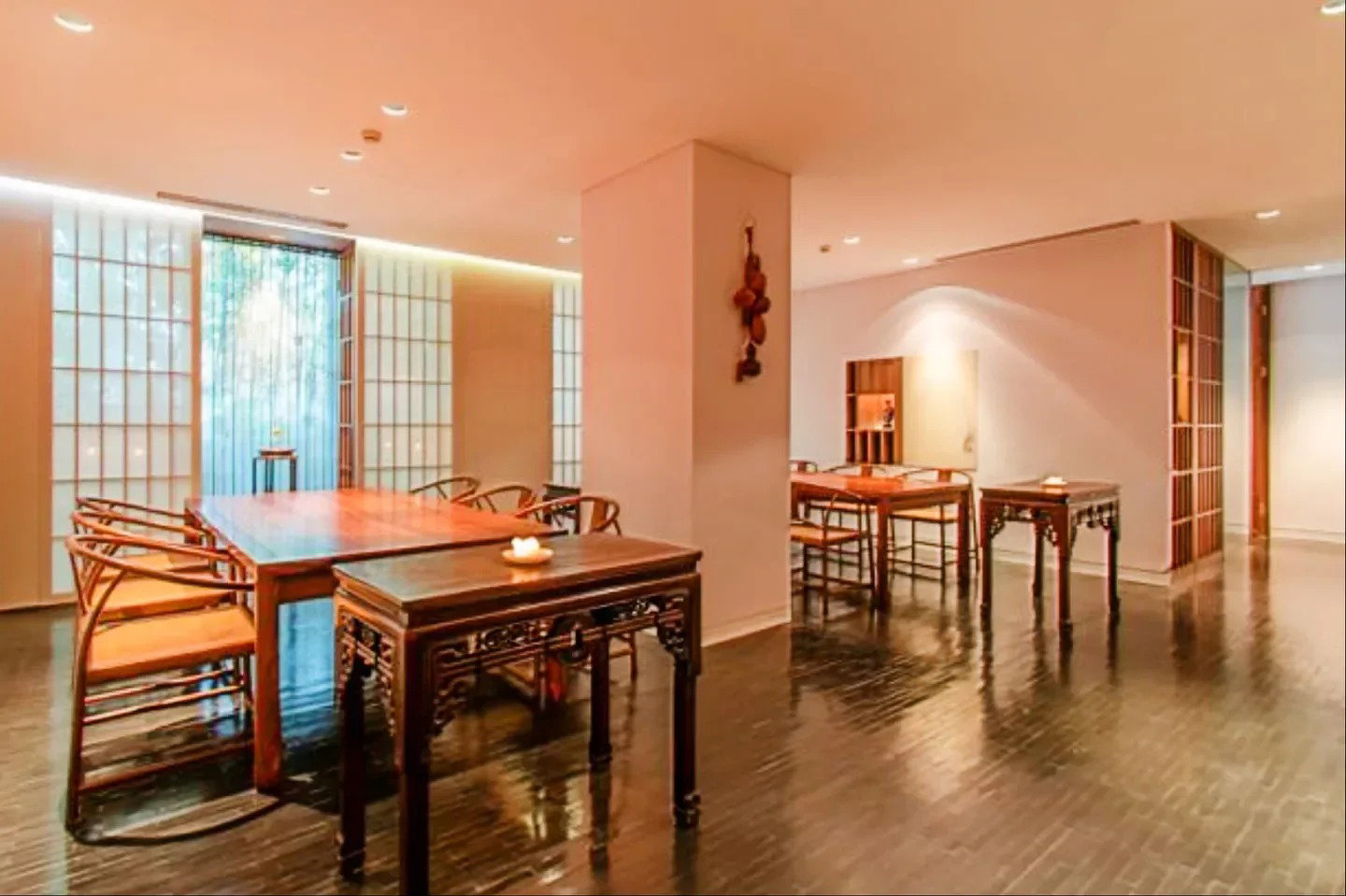
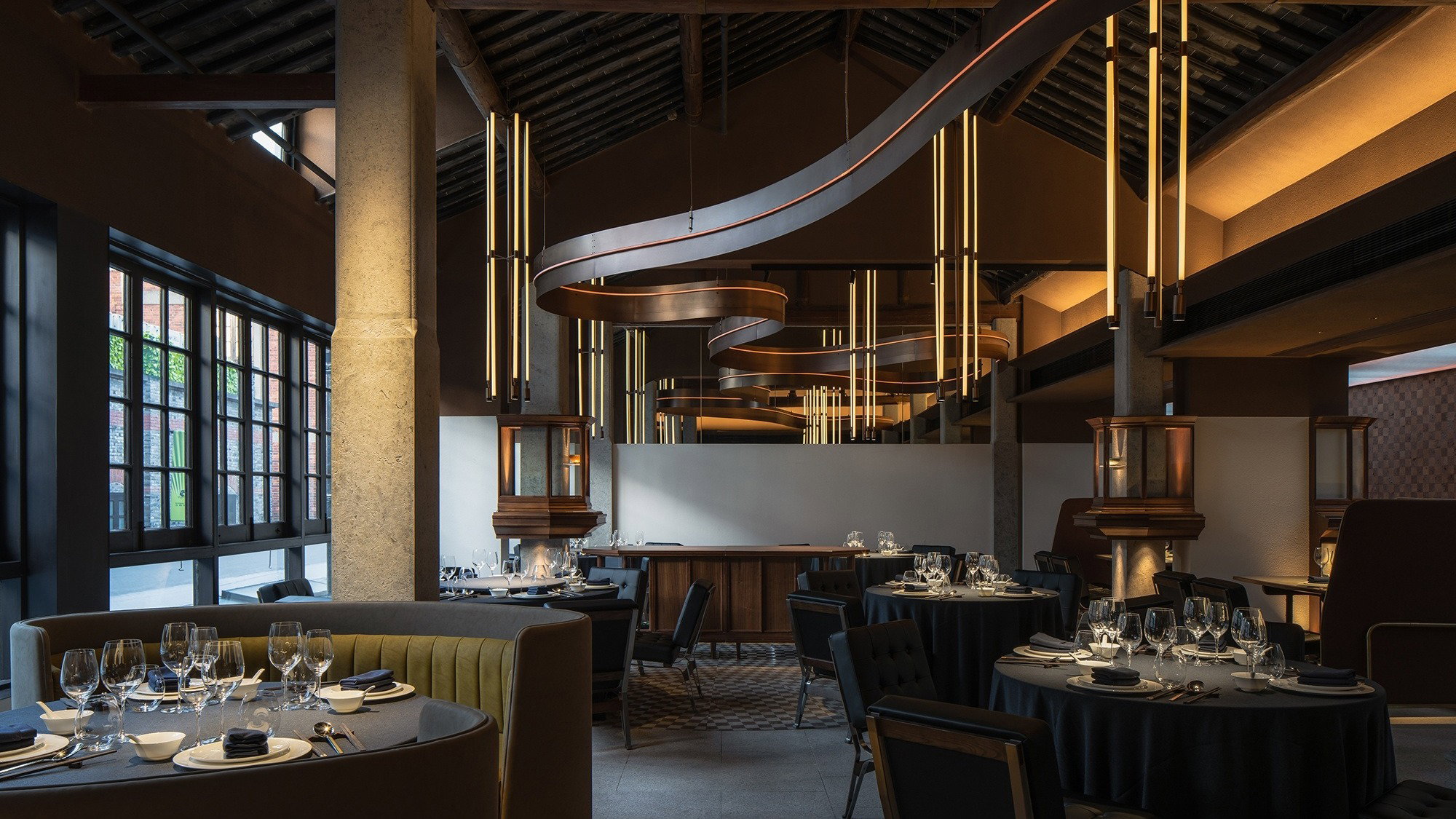
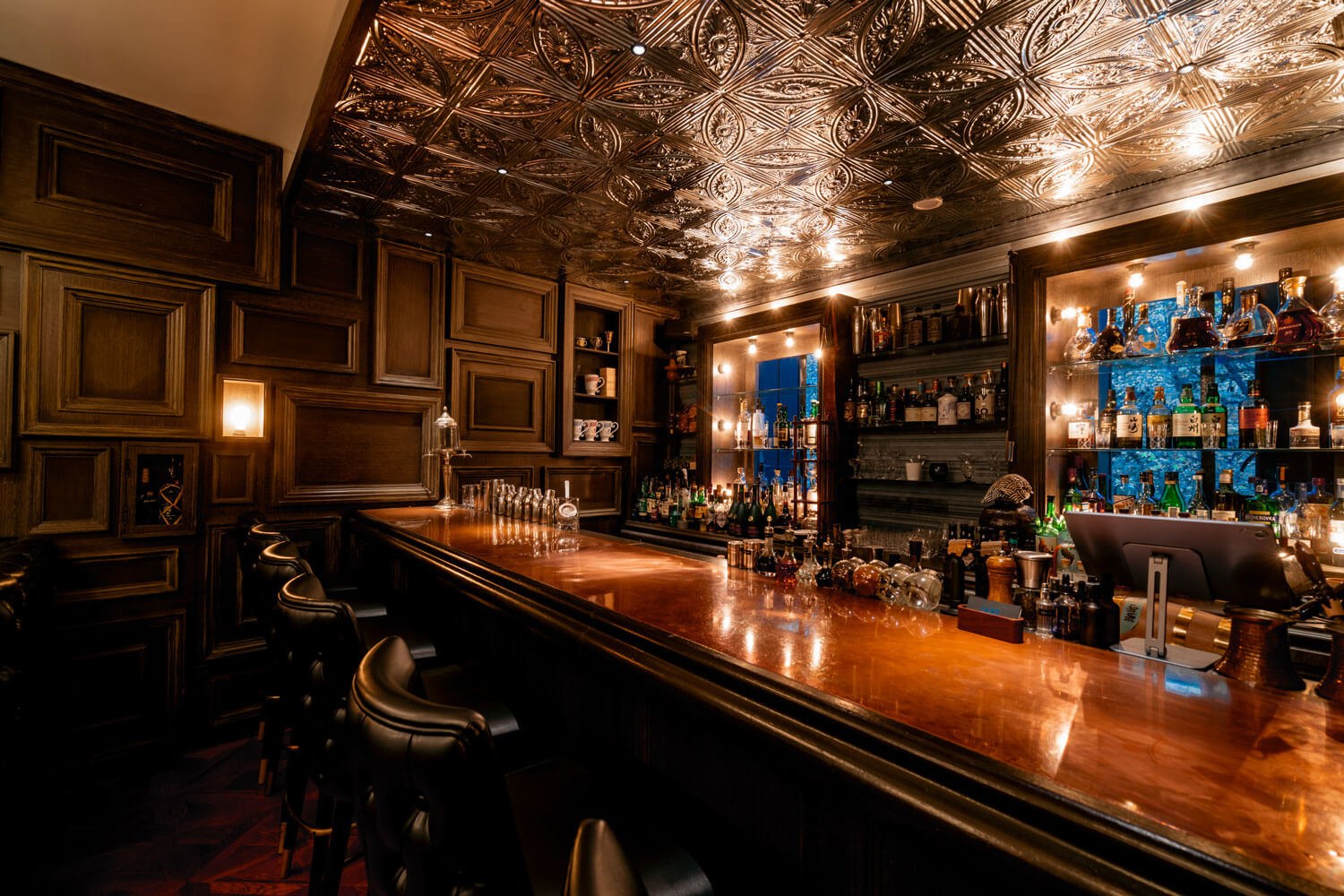
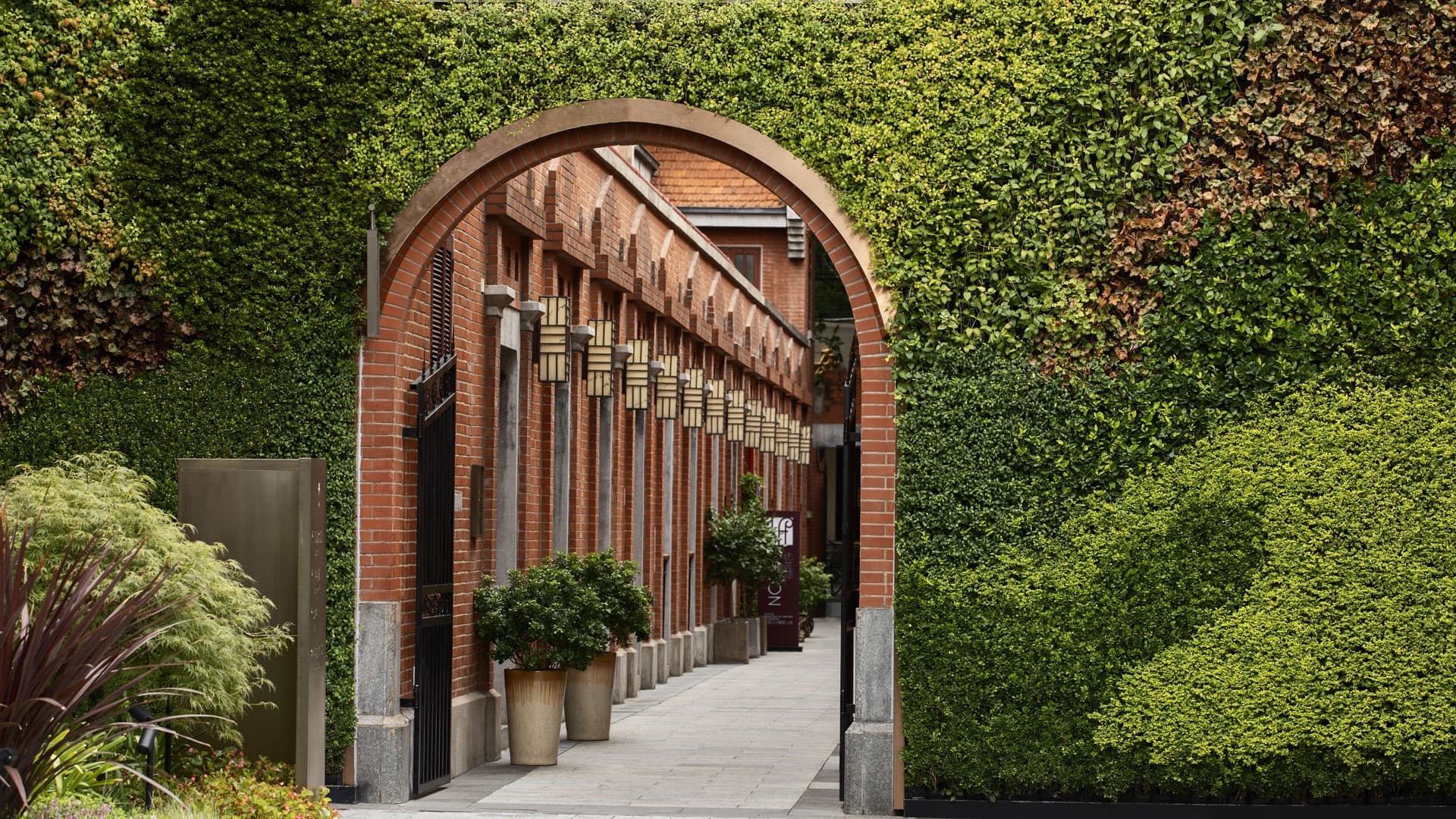
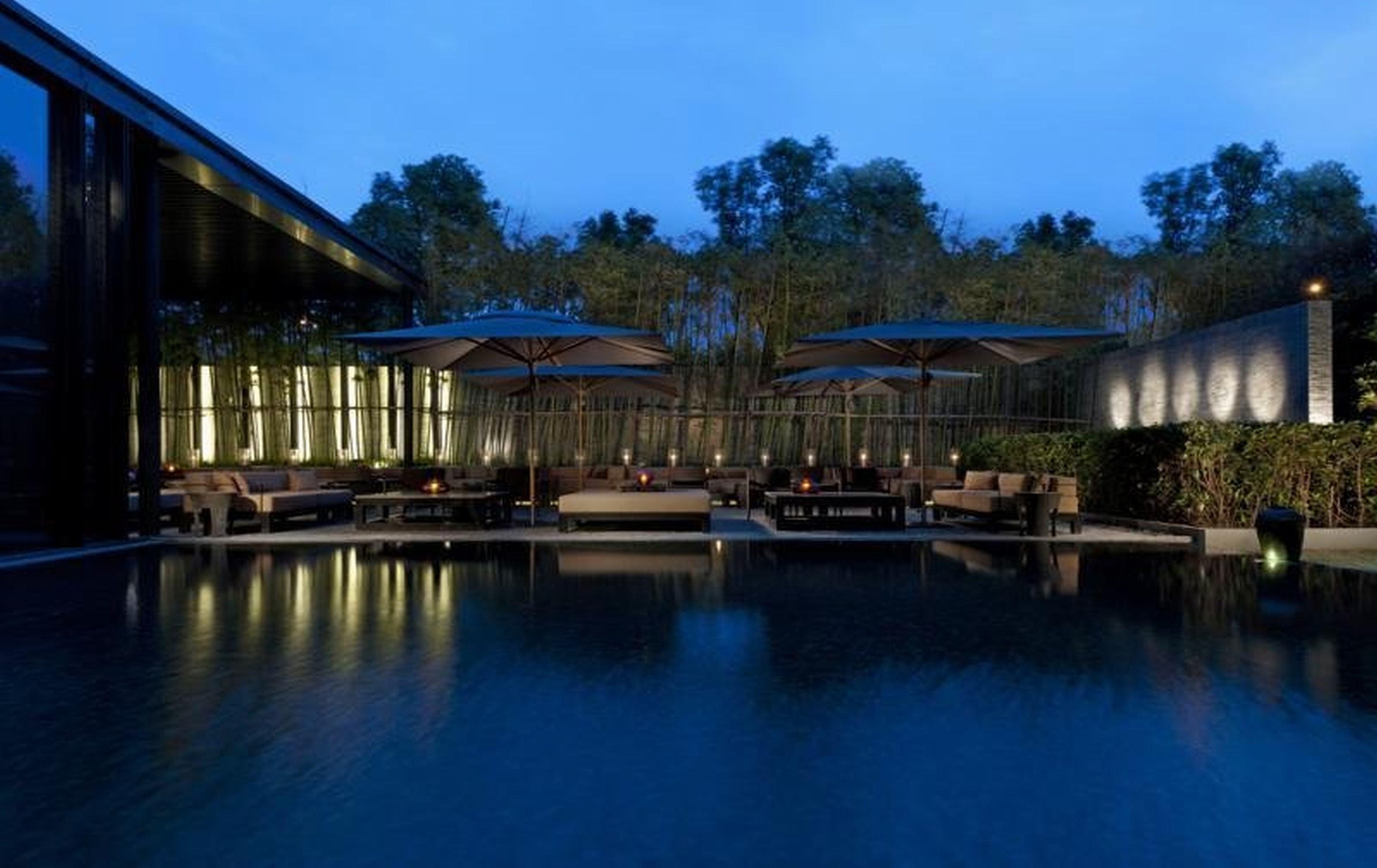
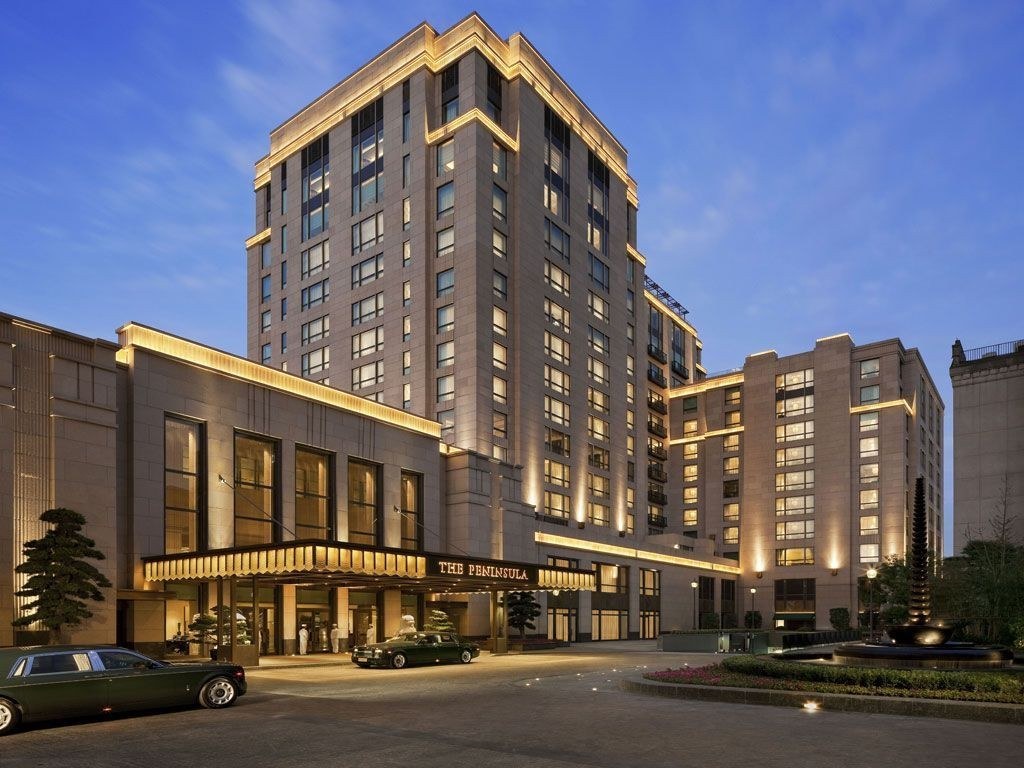
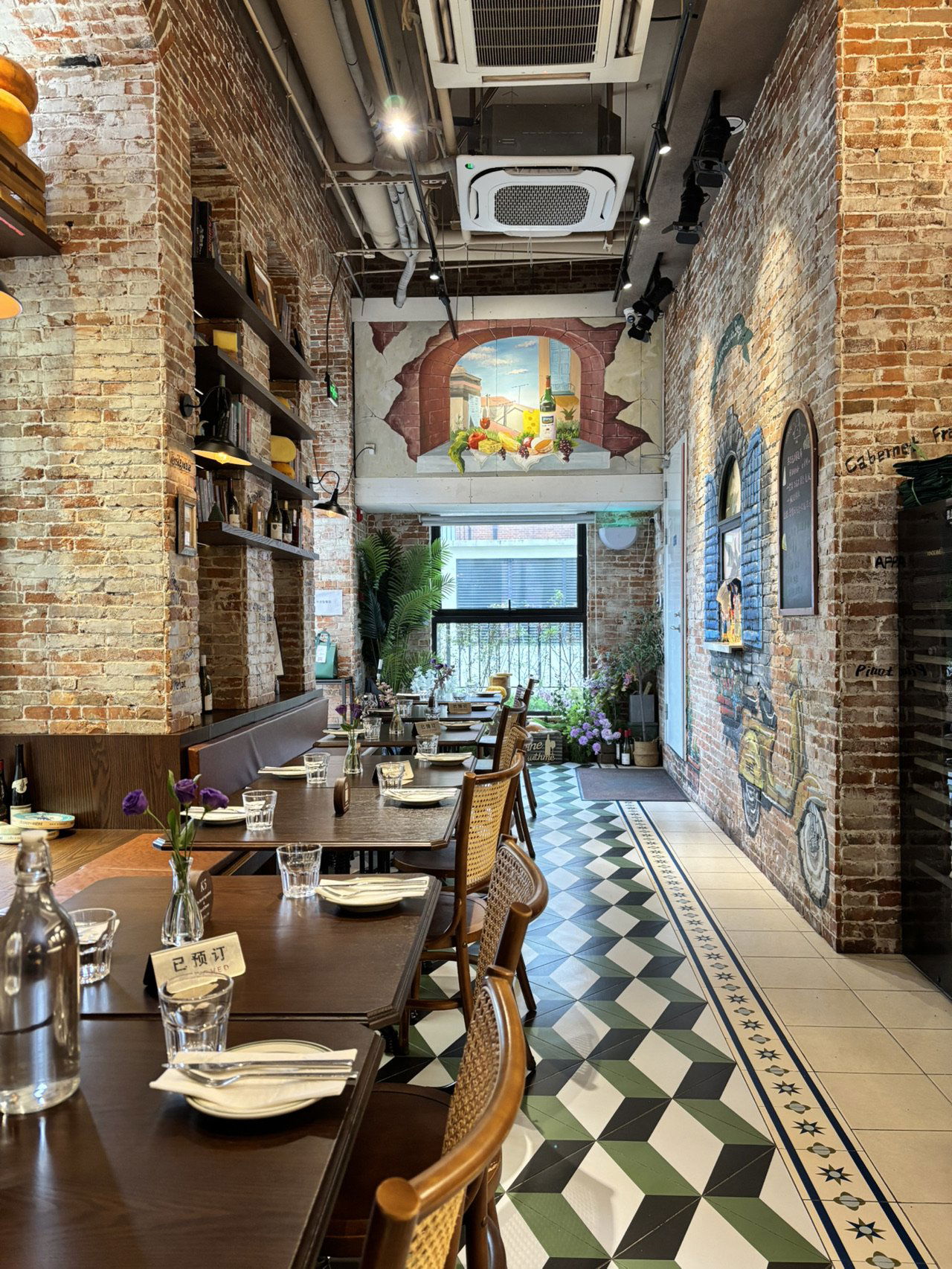
The setting reinforces the food. The mansion dates to the 1920s, furnished in a retro style with a terrace and several private rooms. It does not feel like a heritage property that has been over-restored for tourists; the atmosphere reads as functional and lived-in, which suits the home-style cooking brief. If you are coming from a hotel in Jing'an or the Bund area, factor in the Changning District location, it is a cab or metro ride west, not a walkable detour from most central accommodation.
A Multi-Visit Strategy
One visit to Fu 1015 is enough to understand what it does. Two or three visits is how you actually eat your way through it. The river fish programme is the logical anchor for visit one: order the eels in at least one preparation and the oil-blanched shrimps. These are the dishes that define the kitchen's identity and give you the clearest read on the sourcing and technique.
On a second visit, shift focus toward the multi-step labour-intensive dishes that require advance planning or longer cooking times. These are the recipes that most differentiate Fu 1015 from mid-market Shanghainese restaurants, the kind of cooking you will not find replicated at Lao Zheng Xing or casual neighbourhood spots. Ask the staff what is currently in season and what requires the most preparation time; in a kitchen that centres on this style of cooking, those tend to be the most interesting plates.
A third visit is worth structuring around a private room if your group size allows. The mansion's private dining spaces change the feel of the meal considerably and are the right format for a longer, more exploratory menu. For context on what high-end Shanghainese private dining looks like across the region, it is worth comparing notes with Liu Yuan Pavilion in Hong Kong and Shanghai Cuisine in Beijing, both of which take the cuisine in somewhat different directions.
Timing Your Visit
River fish and freshwater ingredients are at their leading in cooler months, broadly autumn through early spring, when water temperatures are lower and the catch is firmer and more flavourful. If you are planning a trip to Shanghai with Fu 1015 as a dining priority, the October-to-March window gives you the strongest version of the kitchen's core programme. Summer visits are not a poor choice, the terrace becomes a more appealing option in warmer weather, but the river fish menu will be at its peak in the colder half of the year.
For day-of-week timing, weekday lunches and early weekday dinners tend to be quieter than weekend sittings, when the private rooms are in highest demand from larger groups. If a walk-in is your only option, a weekday lunch is your leading shot, though calling ahead is strongly recommended at this price point and format.
For broader context on where Fu 1015 sits within Shanghai's dining scene, see our full Shanghai restaurants guide. If you are building a longer trip, our Shanghai hotels guide, bars guide, and experiences guide cover the wider picture.
Know Before You Go
- Address: 1039 Yuyuan Road, Changning District, Shanghai 200031
- Cuisine: Shanghainese (home-style, labour-intensive recipes)
- Price: ¥¥¥¥
- Awards: La Liste 75pts (2026), Black Pearl 1 Diamond (2025), OAD Asia #51 (2024)
- Booking difficulty: Easy for standard tables; private rooms book out faster, particularly on weekends
- Ideal time to visit: October to March for peak river fish season; weekday evenings for a quieter room
- Getting there: Changning District, taxi or metro from central Shanghai hotels; not walkable from the Bund or Jing'an core
- Part of the Fu family: The original; compare with Fu 1039 and Fu 1088
Practical Guidance
Can Fu 1015 accommodate groups?
- Yes. The mansion has several private rooms, making it a practical choice for groups of 6 or more. Private rooms are in highest demand on weekends, so book well in advance for larger parties. Groups of 2-4 can typically sit in the main dining room with less lead time.
Is Fu 1015 good for solo dining?
- Workable but not the ideal format. The menu skews toward sharing-style dishes designed for groups, and the ¥¥¥¥ price point adds up quickly when you are ordering alone. Solo diners visiting Shanghai specifically for Shanghainese cooking will get more range from the kitchen by going with at least one other person. If you are alone and want a serious Shanghainese meal, Cheng Long Hang is worth considering as an alternative.
What should I order at Fu 1015?
- Start with the river fish programme, river eels across multiple preparations and the oil-blanched river shrimps are the kitchen's clearest signal of quality. Beyond that, ask what is labour-intensive and seasonal on the day. Chef Tony Lu's background and the Black Pearl 1 Diamond recognition both point toward the traditional multi-step recipes as the most differentiated part of the menu.
Can I eat at the bar at Fu 1015?
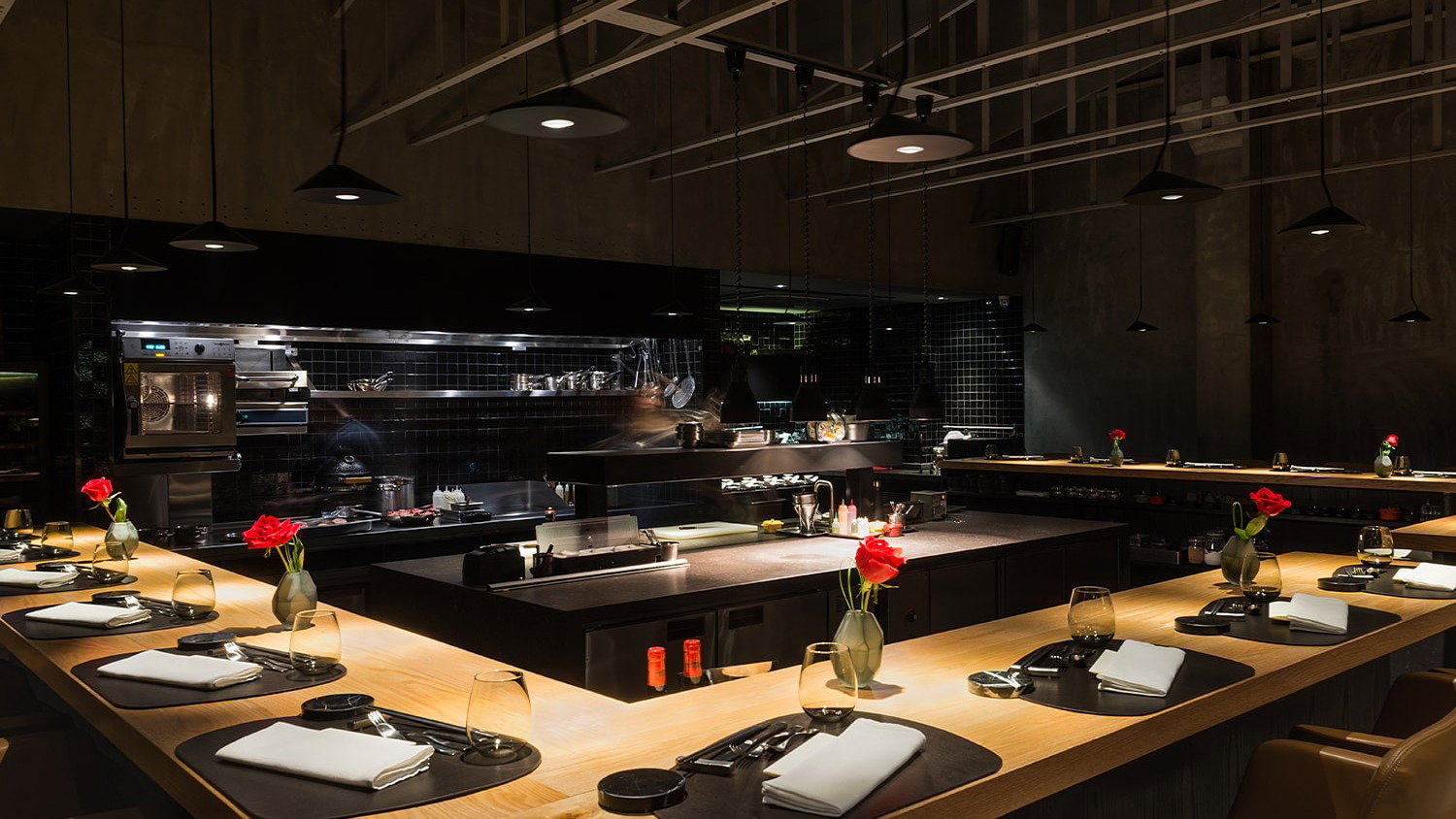
- Fu 1015 is a heritage mansion restaurant with a terrace and private rooms rather than a bar-counter format. There is no bar dining in the conventional sense. If a casual walk-in drinking-and-eating format is what you need, this is not the right address. See our Shanghai bars guide for alternatives.
What should a first-timer know about Fu 1015?
- Book in advance, particularly for weekends. Come with at least two people to make the most of the sharing format. Prioritise the river fish dishes, they are the kitchen's strongest suit and the clearest justification for the ¥¥¥¥ spend. The Changning District location means you need to plan your route; it is not a spontaneous detour. La Liste, Black Pearl, and OAD recognition across three consecutive years confirms this is not a venue coasting on reputation, the quality is consistent.
Explore Further
For other high-end Chinese dining across the region, see Xin Rong Ji in Beijing, Xin Rong Ji in Chengdu, Ru Yuan in Hangzhou, Chef Tam's Seasons in Macau, Imperial Treasure Fine Chinese Cuisine in Guangzhou, and Dai Yuet Heen in Nanjing. For Shanghainese cooking specifically in other cities, Liu Yuan Pavilion in Hong Kong and Shanghai Cuisine in Beijing are the most relevant comparisons. Also consider Ren He Guan in Xuhui for a different angle on Shanghai's traditional cooking scene. Our Shanghai wineries guide rounds out the picture if you are pairing your trip with wine exploration.
Planning details
- Location
- 1039 Yuyuan Rd, 1039, Changning District, China, 200031
- Phone
- +86 21 5237 1878
The take
The Take
The Vibe
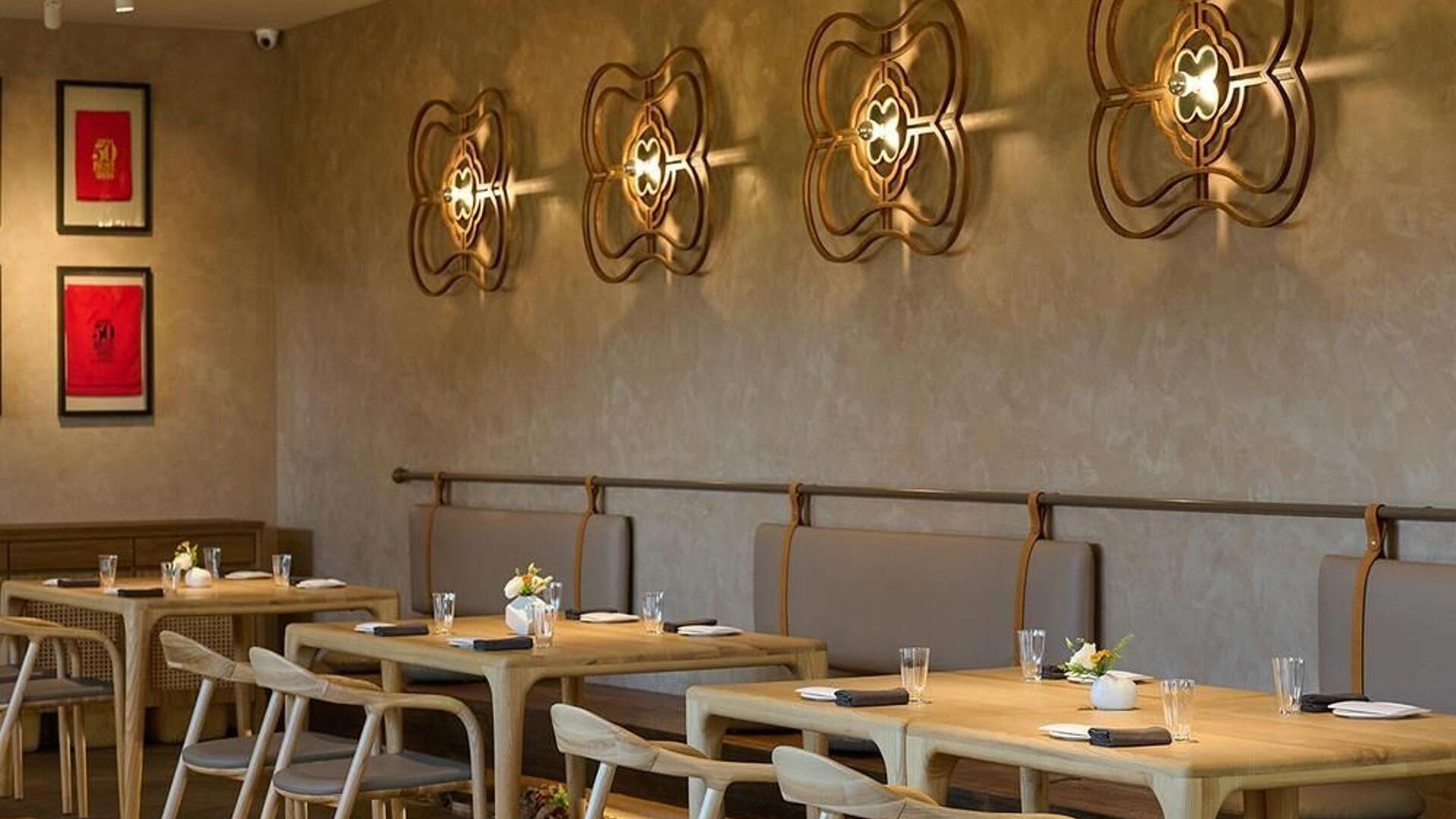
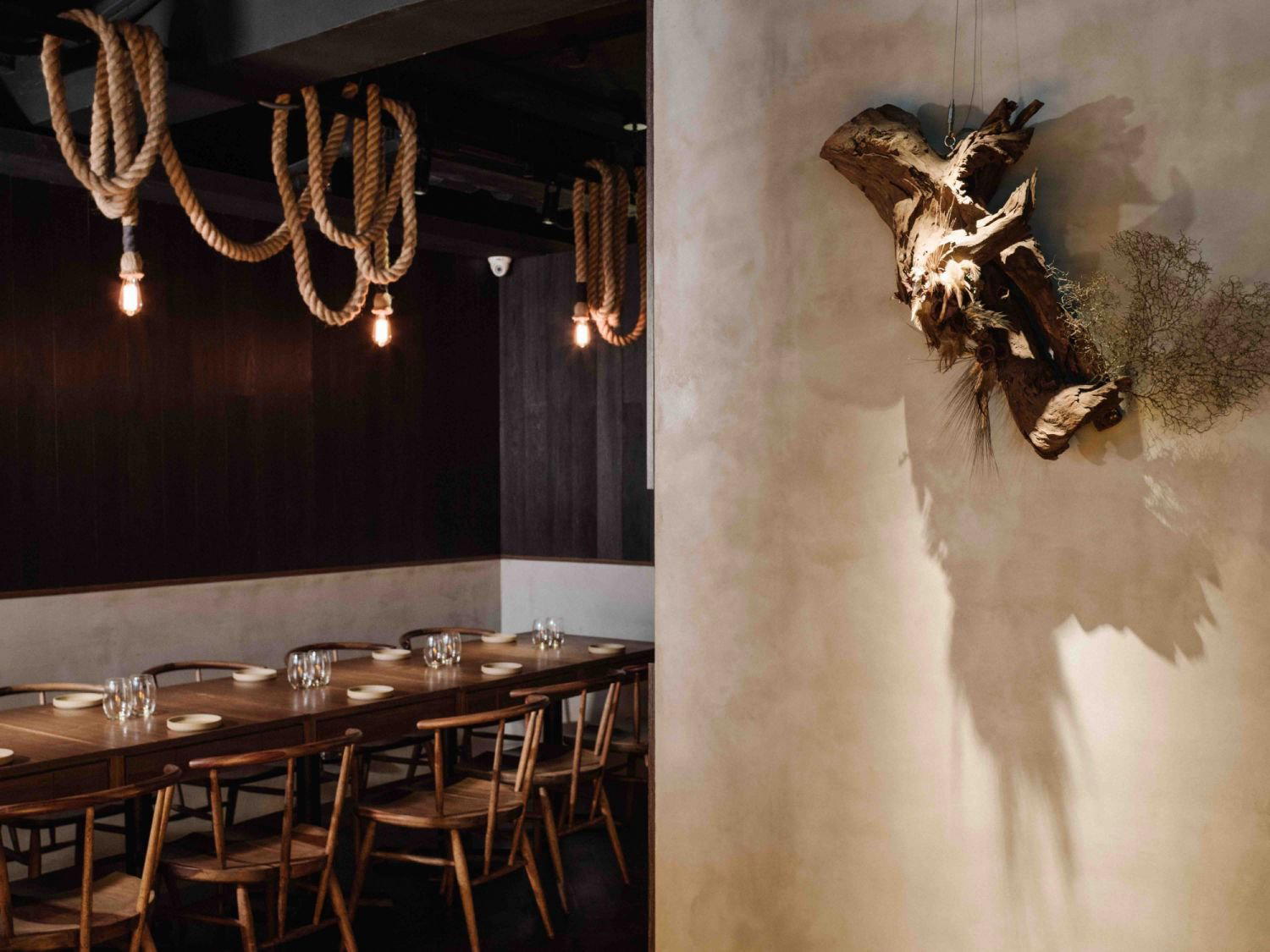
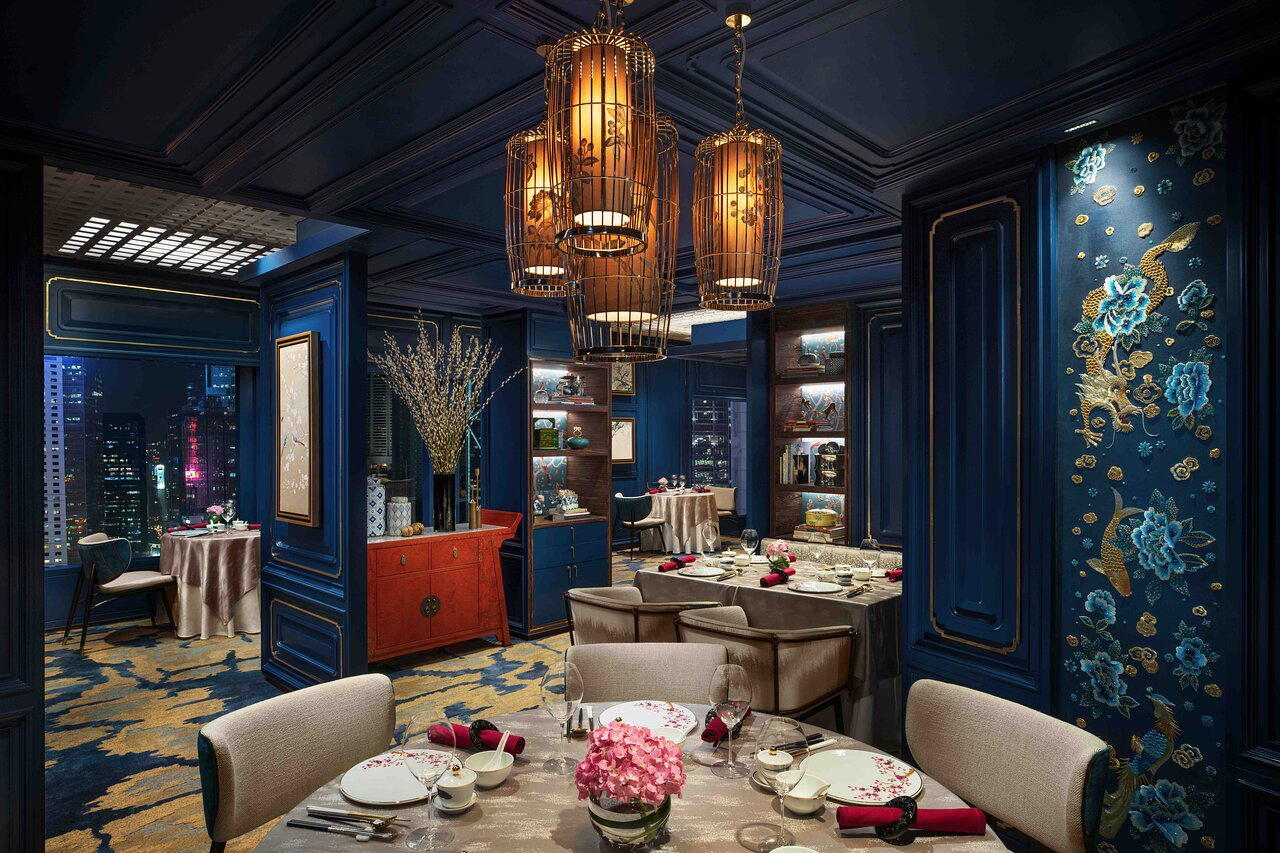
Fu 1015 occupies a 1920s mansion on a quiet, tree-lined stretch of Yuyuan Road, and it reads more like a well-kept private residence than a conventional restaurant. Wood panelling, proportioned rooms and a retro register that nods to pre‑war Shanghai domesticity give the space a charming, cozy atmosphere. A terrace serves as a deliberate threshold, muffling street noise and moving guests into an intimate, serene interior. That domesticity is matched by the kitchen’s serious credentials: the room’s heritage setting and measured calm make the evening feel considered rather than theatrical.
Best For
This is a destination for dinners that call for discretion and polish: business meals, special occasions and private gatherings all fit the bill. Several private dining rooms make it straightforward to host a focused group, while the mansion setting and quiet, early-evening ambiance favor conversations that matter. The restaurant’s Michelin star and regional rankings underline its suitability for celebratory or formal meals where the quality of cooking is central to the occasion.
Ordering Tips
The kitchen champions labor‑intensive Shanghainese home cooking, so plan to share multiple dishes to sample its range. Signature items to prioritize include Hairy Crab, Bean Curd Skin Rolls, Abalone Tarts, Crispy Eel Strips and Sautéed River Shrimps with Crabmeat and Crab Roe. Given the multi-step preparations referenced in the kitchen’s philosophy and the private‑room format, consider ordering family-style courses for the table and asking staff about seasonality and availability of centerpiece items like hairy crab.
Venue details
Ambiance
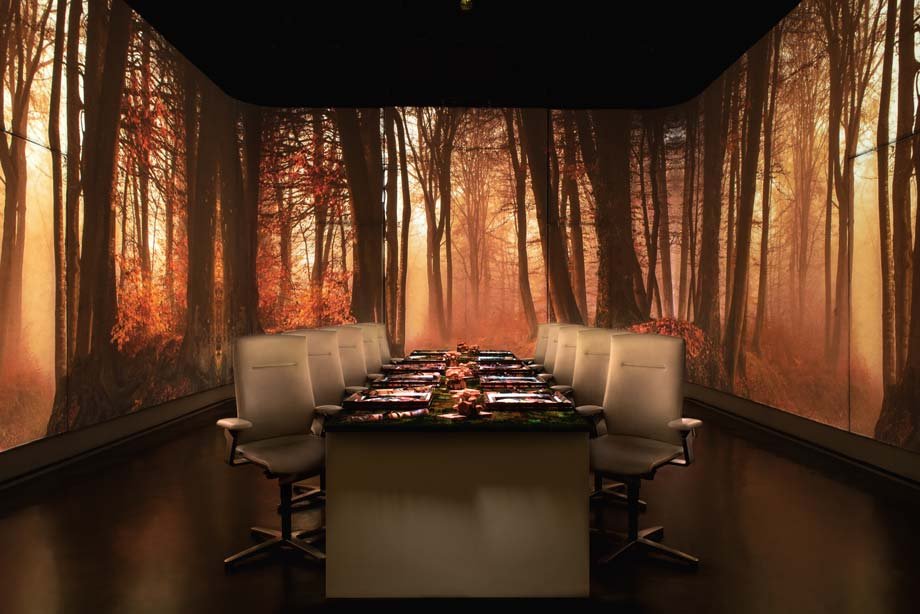
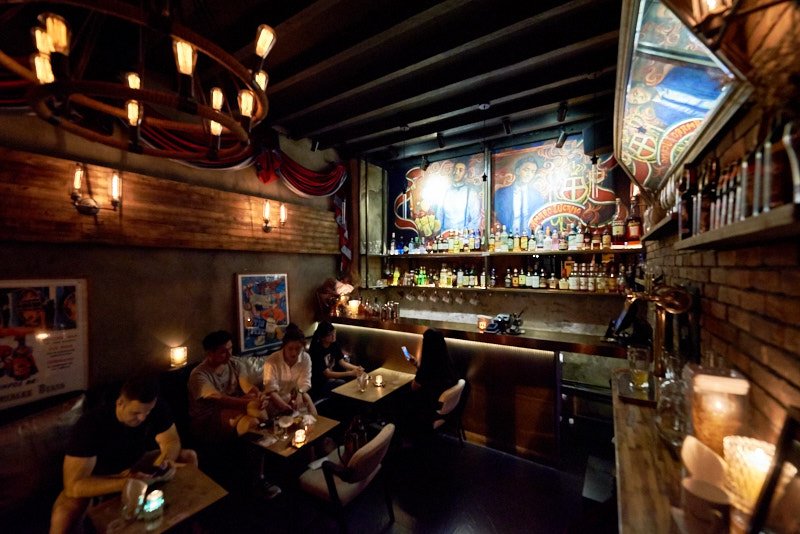
Ambiance reminiscent of 1920s Shanghai with dignified velvet furnishings in private rooms, warm woods, sculptural lighting, and a hushed, architectural setting.
Tags
Vibe
Best For
Experience
Sourcing
At the Table
- Dress Code
- Smart Casual
- Noise Level
- Quiet
- Service Style
- Formal
- Meal Pacing
- Leisurely
- Capacity
- Small
Signature Dishes
- Hairy Crab
- Bean Curd Skin Rolls
- Abalone Tarts
- Crispy Eel Strips
- Sautéed River Shrimps with Crabmeat and Crab Roe
Know before you go
Know Before You Go
- Getting there
- 1039 Yuyuan Rd, 1039, Changning District, China, 200031
Planning details
Location
1039 Yuyuan Rd, 1039, Changning District, China, 200031 · Directions
Recognition and awards


Also consider
Also Consider
- Fu He Hui, Vegetarian, ¥¥¥¥
- Ming Court, Cantonese, ¥¥¥
- Polux, French, ¥¥
- Royal China Club, Chinese, Cantonese, ¥¥¥
- Scarpetta, Italian, ¥¥¥
Restaurant context
Within Shanghai's top-tier Chinese dining bracket, Fu 1015 is the address to choose if regional specificity matters to you. Fu He Hui sits at the same ¥¥¥¥ price point and carries comparable critical recognition, but its vegetarian programme is a fundamentally different proposition, book Fu He Hui if you want the most ambitious plant-based Chinese cooking in the city; book Fu 1015 if freshwater fish and traditional Shanghainese technique are the goal. The two venues share a price tier but almost no overlap in what they actually do.
For diners who want serious Chinese cooking at a lower spend, Royal China Club at ¥¥¥ offers Cantonese cooking with strong credentials, and Ming Court at the same tier covers the Cantonese bracket at a more accessible price. Neither replicates the home-style Shanghainese focus of Fu 1015, but both are easier on the bill and easier to book at short notice. If the cuisine format is flexible and value is the priority, either is a reasonable trade-off.
Scarpetta (¥¥¥, Italian) and Polux (¥¥, French) are the right choices if you want a Western dining night in Shanghai rather than a deep dive into Chinese cooking, Polux in particular offers strong value at its price point. But if you are in Shanghai specifically for the cuisine and the river fish season, Fu 1015 at ¥¥¥¥ is the most defensible spend in its category.
Explore Shanghai
Around this place
Discover more on Pearl
Unlock the full Fu 1015 guide in Pearl, including awards, comparisons, FAQs, planning details, and nearby places.
Compare Fu 1015
| Venue | Cuisine | Price | Booking Difficulty | Awards |
|---|---|---|---|---|
| Fu 1015 | Shanghainese | ¥¥¥¥ | Easy | 2026 OAD Top Restaurants in Asia Ranked · #672026 Black Pearl 1 Diamond2026 La Liste Top Restaurants2025 La Liste Top Restaurants2025 Michelin 1 Star2025 Black Diamond 1 Diamond2024 OAD Top Restaurants in Asia Ranked · #512024 Michelin 1 Star2023 OAD Top Restaurants in Asia Ranked · #82 |
| Fu He Hui | Vegetarian | ¥¥¥¥ | Unknown | 2026 Asia's 50 Best Restaurants · #112026 OAD Top Restaurants in Asia Ranked · #562026 Black Pearl 2 DiamondMichelin Guide Shanghai Jiangsu Zhejiang 20262026 La Liste Top Restaurants2025 Asia's 50 Best Restaurants · #152025 OAD Top Restaurants in Asia Ranked · #592025 World's 50 Best Restaurants · #64We're Smart World Top Restaurants 2025 |
| Ming Court | Cantonese | ¥¥¥ | Unknown | 2025 OAD Top Restaurants in Asia Ranked · #1692025 Black Diamond 1 Diamond2025 Michelin 1 Star2024 OAD Top Restaurants in Asia Ranked · #1602024 Michelin 1 Star2023 OAD Top Restaurants in Asia Highly Recommended |
| Polux | French | ¥¥ | Unknown | 2026 OAD Casual in Asia Ranked · #101Michelin Guide Shanghai Jiangsu Zhejiang 20262025 OAD Casual in Asia Ranked · #782025 Michelin Bib Gourmand2024 OAD Casual in Asia Ranked · #652024 OAD Top Restaurants in Asia Ranked · #2632024 Michelin Bib Gourmand2023 OAD Top Restaurants in Asia Recommended |
| Royal China Club | Chinese, Cantonese | ¥¥¥ | Unknown | 2026 Michelin Plate2025 OAD Casual in Europe Ranked · #216The Good Food Guide 20252025 Michelin Plate2024 OAD Casual in Europe Ranked · #2142024 Michelin Plate2023 OAD Casual in Europe Highly Recommended |
| Scarpetta | Italian | ¥¥¥ | Unknown | Michelin Guide Shanghai Jiangsu Zhejiang 20262025 Wine Spectator Best of Award of Excellence2025 Michelin Plate2024 Michelin Plate |




.png?width=1200&quality=80)


How Fu 1015 stacks up against the competition.
FAQ
Frequently Asked Questions
Can Fu 1015 accommodate groups?
Yes, and groups are actually a strong use case here. The heritage mansion has several private rooms, which suit banquet-style Shanghainese sharing formats well. Book the private room if you're four or more — they fill ahead of the main dining room at this ¥¥¥¥ price point, so reserve at least two to three weeks out.
Is Fu 1015 good for solo dining?
Less so than a counter-format restaurant. Fu 1015 is structured around sharing dishes, and the menu's labour-intensive multi-step recipes are designed for the table to split. A solo visit works if you're focused on exploring one or two signature dishes — river eel or oil-blanched river shrimps — but the format rewards groups more than single diners.
What should I order at Fu 1015?
River fish is the department to focus on, particularly river eels prepared across multiple cooking methods — this is one of the kitchen's documented strengths. Oil-blanched river shrimps are also specifically noted for their texture and depth of flavour. Beyond that, Fu 1015's identity is home-style Shanghainese cooking with multi-step recipes, so lean toward the less abbreviated dishes on the menu.
Can I eat at the bar at Fu 1015?
There is no documented bar counter or casual bar-dining format at Fu 1015. The venue is a 1920s heritage mansion with a dining room, terrace, and private rooms — the setup is table-service throughout. If a more informal entry point into high-end Shanghai dining is what you need, this is not the right format.
What should a first-timer know about Fu 1015?
Fu 1015 is the most grounded of the three Fu restaurants — less formal than Fu 1088, more focused on home-style cooking than banquet prestige. It holds a Black Pearl Diamond (2025) and sits at rank 51 in Opinionated About Dining's Asia list (2024), so the credentials are real. Come with a group, target the river fish dishes, and book private rooms in advance if your party is four or more.