

Da Dong (Xuhui)
Chinese Contemporary · Hongkou, Shanghai
Restaurant in Shanghai, China
 Book with Pearl
The Read
Solar-Term Roast Duck
Price
¥¥¥
Dress
Smart Casual
Why go
Da Dong (Xuhui) holds a Michelin 1 Star (2024) and a Black Pearl 1 Diamond (2025), with the signature roast duck as the anchor dish. Come as a group of four or more to cover the menu properly, and book well in advance — this fills every evening after 6pm. At ¥¥¥, it is the most credible place in Shanghai to eat contemporary Chinese duck at a documented level of quality.
About Da Dong (Xuhui)
Verdict
Da Dong (Xuhui) holds a Michelin 1 Star (2024) and a Black Pearl 1 Diamond (2025), and it earns both. If you are in Shanghai and want roast duck done at a serious technical level within a contemporary Chinese format, this is the right booking. Come as a group, order widely, and arrive before 6pm or be ready to wait. The experience justifies the ¥¥¥ price point, but only if you plan around its limitations.
About Da Dong (Xuhui)
Da Dong is one of China's most recognised contemporary Chinese restaurant groups, and the Xuhui branch in Shanghai delivers the full signature experience the brand is known for. The roast duck is the anchor dish: the skin renders to a sustained crisp while the meat stays tender, and it is served with steamed buns in the traditional northern format. That combination of textural contrast and restrained sweetness is why tables fill fast every evening. If you have not tried it before, this is a credible place to do so.
Beyond the duck, the braised sea cucumber with scallion is a dish worth ordering if your group can handle the richness. Sea cucumber is a test of kitchen confidence in Chinese contemporary cooking, and Da Dong handles it well. It is the kind of dish that rewards diners who are willing to move past the duck and treat the meal as a full exploration of the menu.
The menu structure here gives you more options than a simple à la carte approach would suggest. A seasonal menu runs alongside the core menu, and dishes are periodically updated according to the 24 solar terms of the Chinese calendar. Right now, in the current season, that means the kitchen is working with ingredients and preparations tied to the active solar term — a detail that matters if you are visiting for a special occasion and want the meal to feel deliberately timed. This is one of the more thoughtful structural choices in Shanghai's contemporary Chinese category: it gives repeat visitors a reason to return and first-timers a sense that the kitchen is cooking to a moment, not just a printed card.
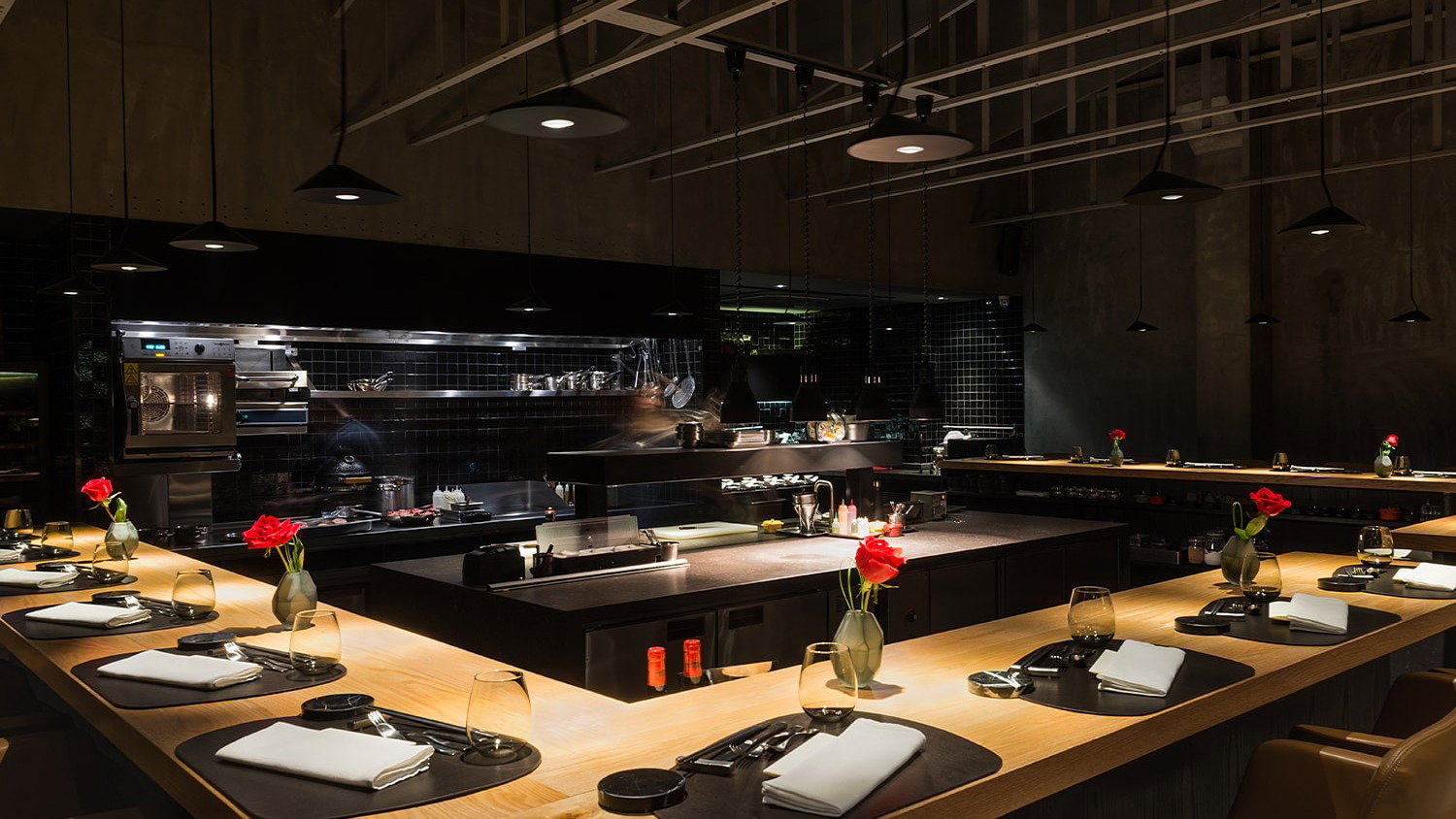
On the question of seating and counter experience: Da Dong's setup at Xuhui rewards guests who think about where they sit. If you can secure counter or open-kitchen adjacency, the roast duck preparation becomes part of the meal. Watching the duck come off the hook and the skin being separated with precision gives context to what arrives on the plate. For a special occasion dinner, that proximity to the kitchen adds a layer that a standard table booking at a comparable price point would not offer. It is worth requesting when you book, though availability will depend on the configuration of the room and how far ahead you secure the reservation.
Group size matters here more than at most restaurants in this price tier. The menu breadth — duck, sea cucumber, seasonal dishes, solar term specials, makes little sense for two people. Four to six diners is the format that lets the table cover the menu properly. For a business dinner or a celebration with a larger party, the ability to order across multiple dishes simultaneously is a genuine advantage over more format-locked tasting menus elsewhere in the city. If you are planning a special occasion for two, consider whether the format fits your needs before committing.
Comparing Da Dong (Xuhui) to its natural peers in the contemporary Chinese category in Shanghai and across China: the Gastro Esthetics DaDong concept, explored further at Gastro Esthetics at DaDong in Shanghai and at Gastro Esthetics DaDong in Beijing, represents the more premium and architecturally driven end of the Da Dong family. If you want the full theatrical version of the Da Dong concept, that branch commands attention. The Xuhui location trades some of that spectacle for accessibility and a slightly less rigid price point, which for most diners is the better trade.
For broader context on how Da Dong (Xuhui) fits within the contemporary Chinese category regionally, Xin Rong Ji (Xinyuan South Road) in Beijing and Xin Rong Ji in Chengdu offer an interesting contrast in how the category handles premium Chinese cuisine outside the roast duck format. Ru Yuan in Hangzhou and Wild Yeast in Hangzhou show the range within the contemporary Chinese space across Eastern China. Further afield, Chef Tam's Seasons in Macau and Imperial Treasure Fine Chinese Cuisine in Guangzhou provide reference points for how the category performs at the top tier in other Chinese cities. Dai Yuet Heen in Nanjing is a useful comparison for Cantonese-leaning contemporary Chinese in a mainland city context.
Within Shanghai's broader dining scene, Hakkasan, Sui Tang Li, 102 House (Cantonese), and Fu He Hui (Vegetarian) all occupy the same ¥¥¥ or above tier and are worth considering depending on your priorities. For a full picture of where to eat, stay, drink, and explore in the city, see our full Shanghai restaurants guide, our full Shanghai hotels guide, our full Shanghai bars guide, our full Shanghai wineries guide, and our full Shanghai experiences guide.
Know Before You Go
- Price tier: ¥¥¥
- Awards: Michelin 1 Star (2024); Black Pearl 1 Diamond (2025)
- Address: 270 Jiaxing Rd, Hongkou District, Shanghai
- Leading group size: 4–6 diners to cover the menu properly
- Timing: Arrive before 6pm, it fills fast after that every evening
- Booking difficulty: Hard, book well in advance
- Signature: Roast duck with crispy skin and steamed buns; braised sea cucumber with scallion
- Menu format: Main menu plus seasonal menu and solar term dishes
How It Compares
See the comparison section below for full peer context.
FAQ
Is the tasting menu worth it at Da Dong (Xuhui)?
Da Dong (Xuhui) does not operate a fixed tasting menu in the traditional sense. The value proposition here is a broad à la carte and seasonal menu anchored by the signature roast duck. At ¥¥¥ pricing with a Michelin 1 Star and Black Pearl 1 Diamond behind it, the spend is justified if you come as a group of four or more and order across the menu. For two people ordering just the duck, the per-head cost may feel high relative to what you cover. If a locked omakase format is what you want, this is not the right venue for that, look elsewhere in Shanghai's contemporary Chinese tier.
Does Da Dong (Xuhui) handle dietary restrictions?
No phone or website is listed in the available data, which makes advance clarification harder than it should be for a restaurant at this price point. The core menu is meat-forward, with the roast duck and braised sea cucumber as signature items. The seasonal menu and solar term dishes may offer more flexibility depending on the current rotation, but this cannot be confirmed without contacting the venue directly. If dietary restrictions are a factor, reach out through any available booking channel before committing. Vegetarians in the group would be better served by Fu He Hui (Vegetarian) in Shanghai.
What are alternatives to Da Dong (Xuhui) in Shanghai?
At the same ¥¥¥ tier, 102 House (Cantonese) and Sui Tang Li are the most direct Chinese-cuisine alternatives. Hakkasan offers a more internationally branded Chinese experience if that framing appeals. If you want to step up in price and focus for a special occasion, Fu He Hui (Vegetarian) at ¥¥¥¥ is Shanghai's strongest plant-based fine dining option. For the fuller Da Dong brand experience with more architectural ambition, Gastro Esthetics at DaDong in Shanghai is the premium alternative within the same family.
What should a first-timer know about Da Dong (Xuhui)?
The roast duck is the reason to come, and the steamed buns it arrives with are not optional, order them. Beyond that, treat the meal as a group exercise: the menu makes more sense with four or more people ordering across it. The kitchen runs a seasonal menu and solar term specials alongside the core menu, so there will be dishes available that are not on the standard printed menu. Ask about those when you arrive. The room fills after 6pm every evening without exception, so either book early in the service or hold a later reservation with the expectation of a wait. This is a Michelin 1 Star and Black Pearl 1 Diamond venue, the quality is documented, but the experience is informal enough that first-timers should not expect a hushed fine-dining atmosphere.
What should I wear to Da Dong (Xuhui)?
No dress code is specified in the available data. At the ¥¥¥ price point with two major dining awards, smart casual is a safe and appropriate choice. Da Dong as a brand sits in the contemporary Chinese category, which in Shanghai typically means well-dressed but not formal. A suit or evening wear is not required; overly casual dress would feel out of step with the price tier and the occasion. If you are going for a business dinner or celebration, treat it as you would any Michelin-starred restaurant in a major Chinese city and dress accordingly.
How far ahead should I book Da Dong (Xuhui)?
Book as far ahead as your plans allow, this is a hard booking. A Michelin 1 Star and Black Pearl 1 Diamond venue in Shanghai that fills after 6pm every evening does not leave room for last-minute reservations. For a weekend dinner or a special occasion, two to three weeks minimum is a reasonable baseline; four or more weeks is safer. Weekday lunch or an early dinner slot is more likely to yield a booking on shorter notice, but do not rely on it. If you cannot secure Da Dong (Xuhui), Gastro Esthetics at DaDong is the alternative within the same family.
Planning details
- Location
- 270 Jiaxing Rd, Hongkou District, Shanghai, China, 200081
- Phone
- +86 131 2220 8748
The take
The Take
The Vibe
Da Dong balances high culinary ambition with a room that feels alive. The household precision of a Michelin-starred kitchen meets a bustling dining floor: tables of four and six trade plates, lacquered duck arrives on wooden boards, and the service moves to the tempo set by diners. The result is simultaneously refined and energized — less hushed theater than quietly authoritative excellence. The Shanghai outpost inherits the Beijing original’s reputation for flawless roast duck, which anchors the room’s identity while the dining floor’s momentum keeps the experience dynamic and immediate.
Best For
Da Dong is best for evening dinners that lean toward business meals, celebratory nights and group dining. The restaurant’s format — tables of four and six sharing plates — rewards communal ordering and an appetite for a sequenced meal rather than a single dish. Its Michelin-starred kitchen and reputation for elevated Chinese techniques make it a natural choice for special-occasion reservations and dinners where the food’s pedigree matters, whether you’re entertaining clients or marking a milestone with friends or family in Xuhui.
Ordering Tips
Treat the roast duck as the centrepiece, not the entirety, of the meal. The signature Peking duck arrives with steamed buns and the usual accompaniments, and the table that eats best is the one that builds a sequence around it. Add technically refined plates — for example, the braised sea cucumber with scallion — to show the kitchen’s range and to balance textures and temperature. Expect to share plates across the table and to pace the duck as part of a longer progression rather than the opening and closing act.
Venue details
Ambiance
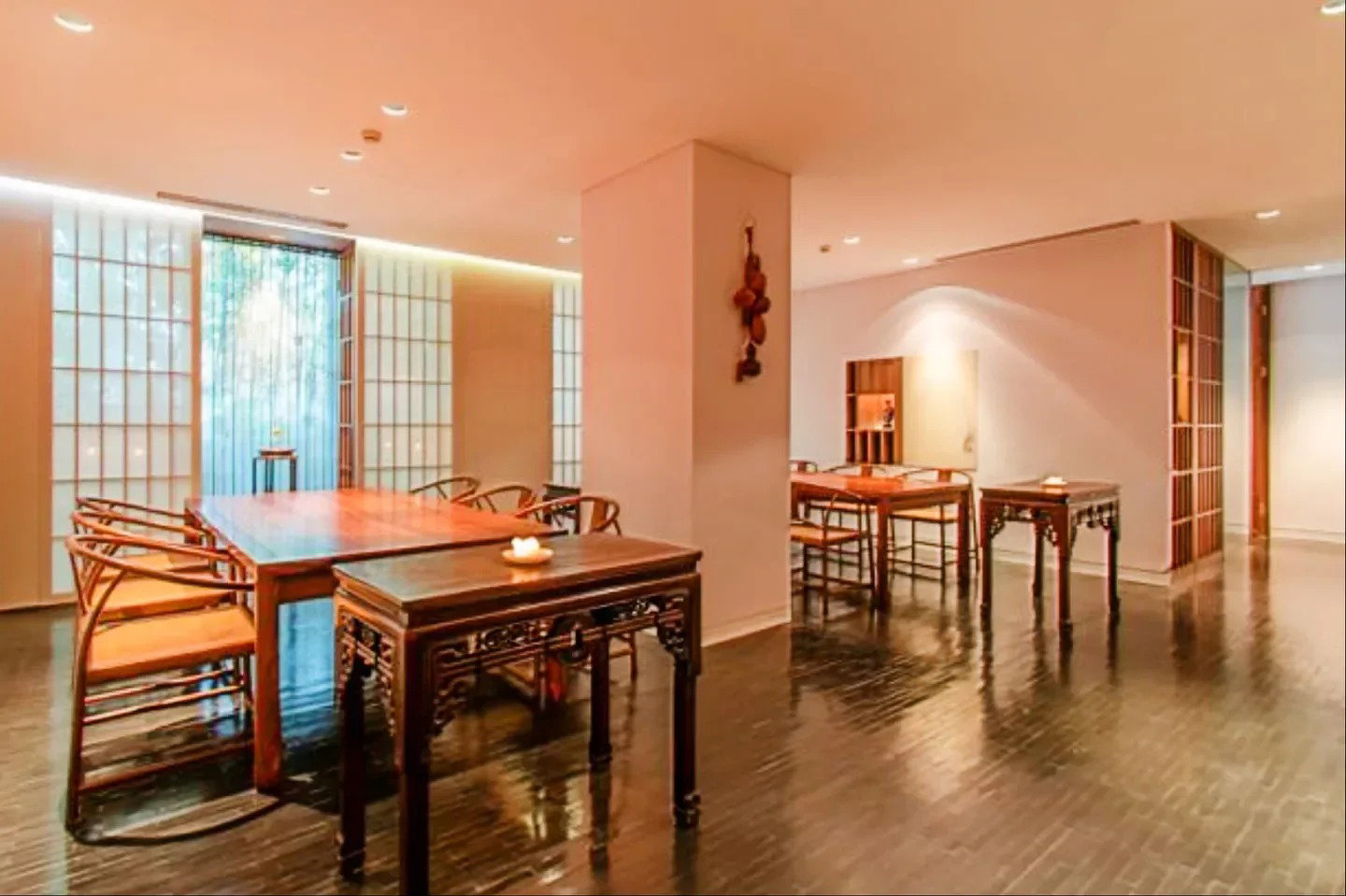
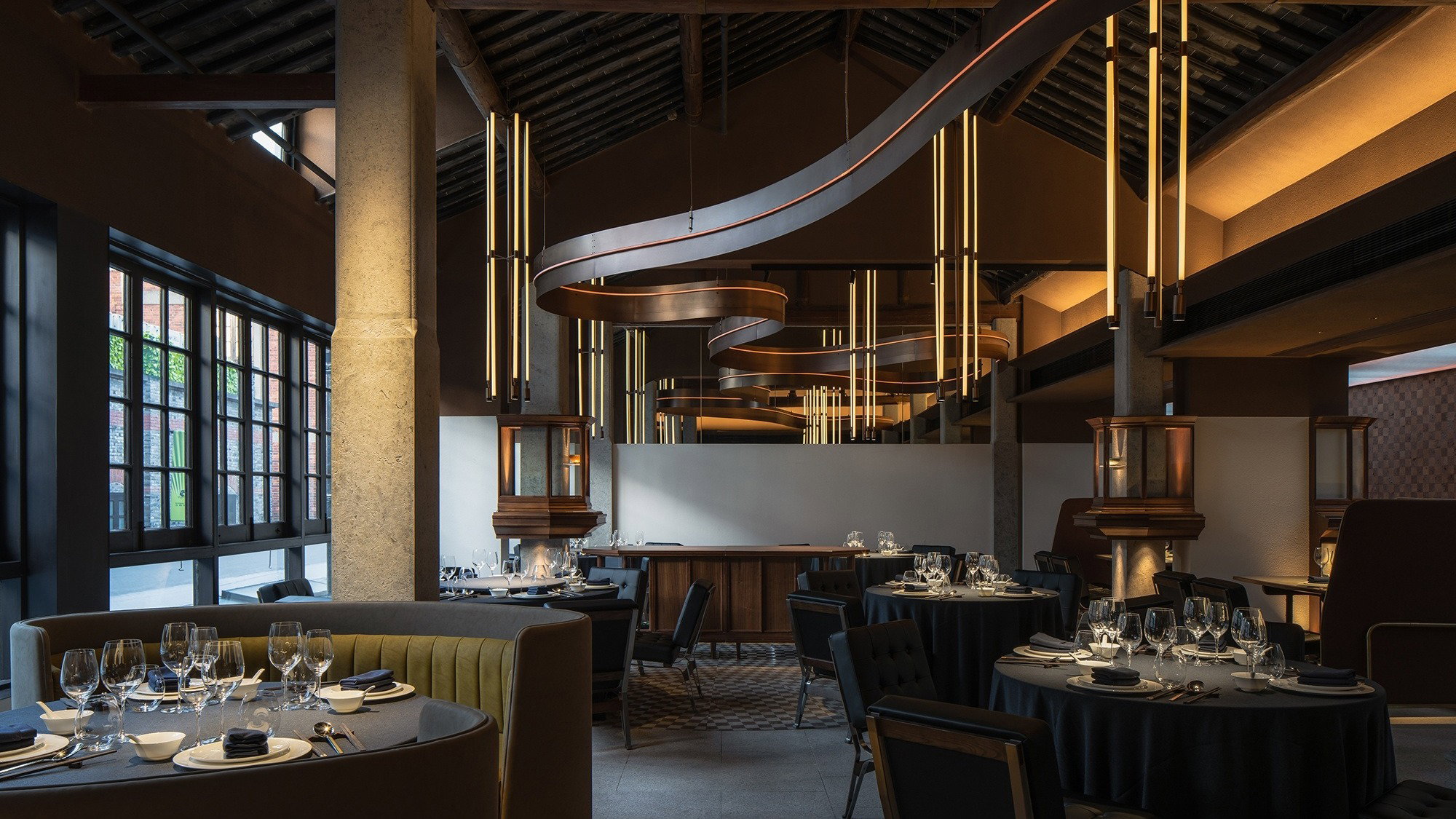
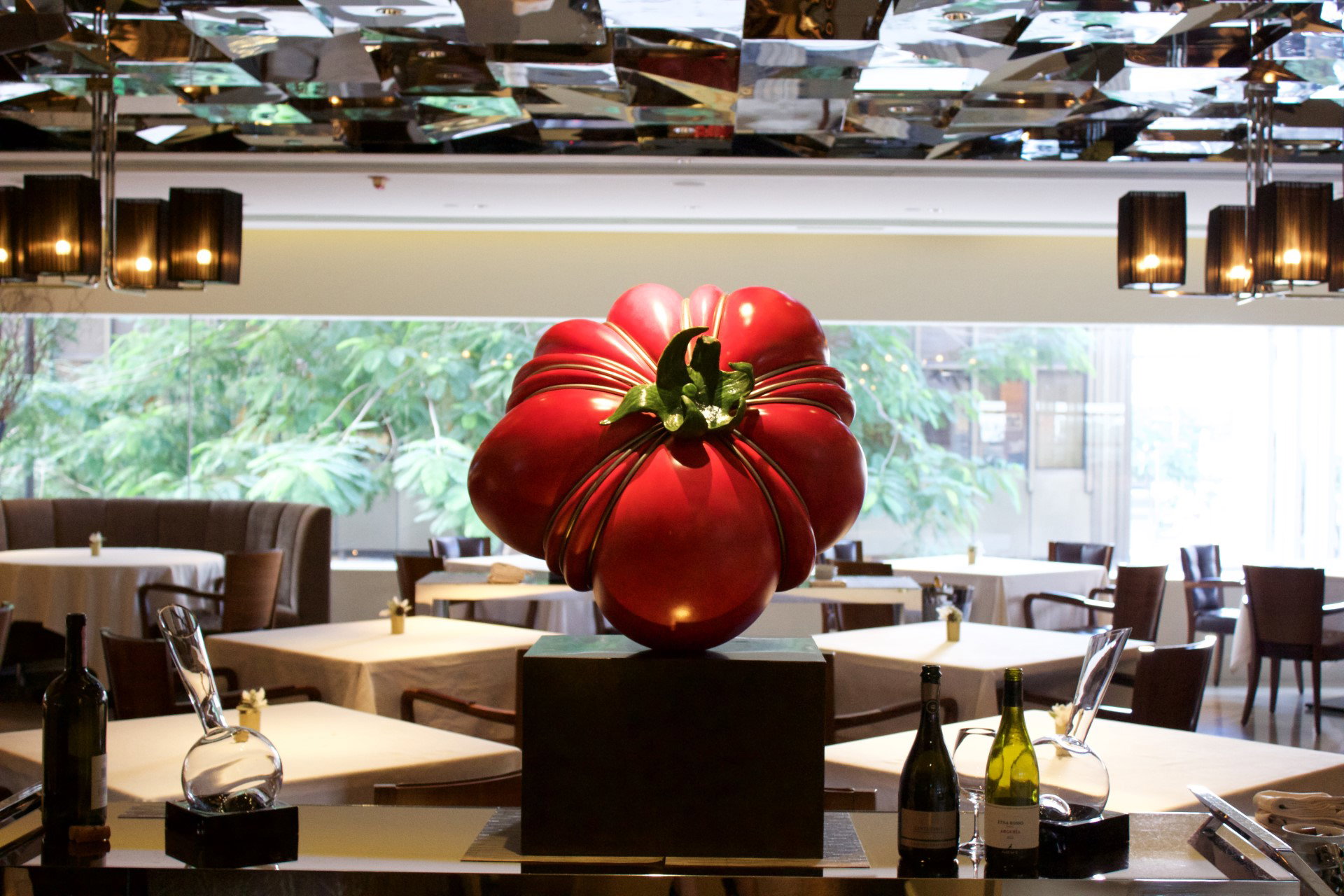
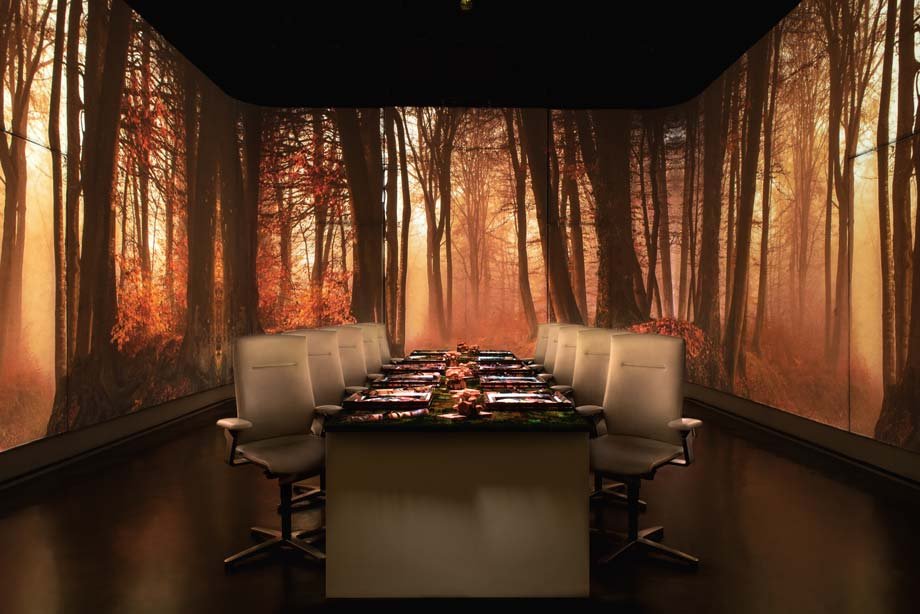
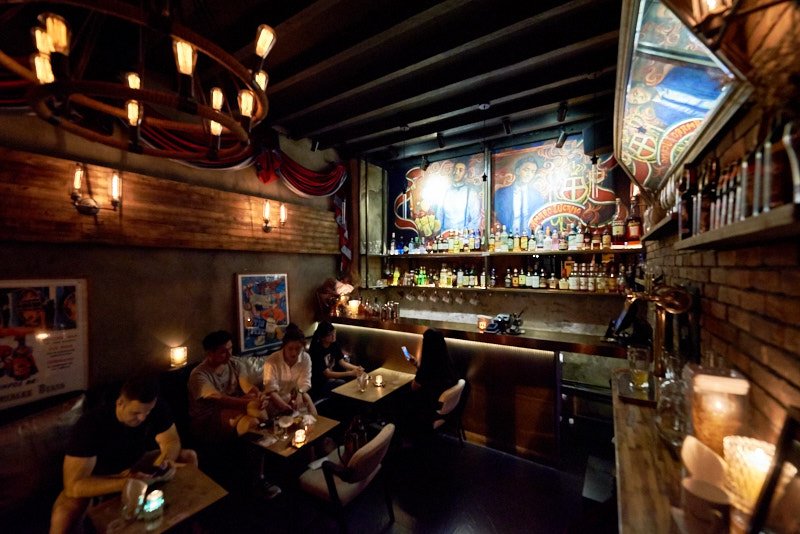
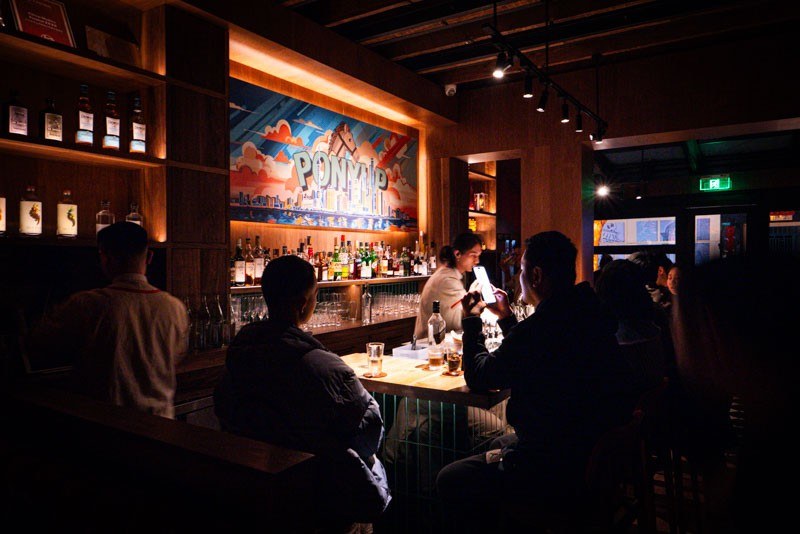
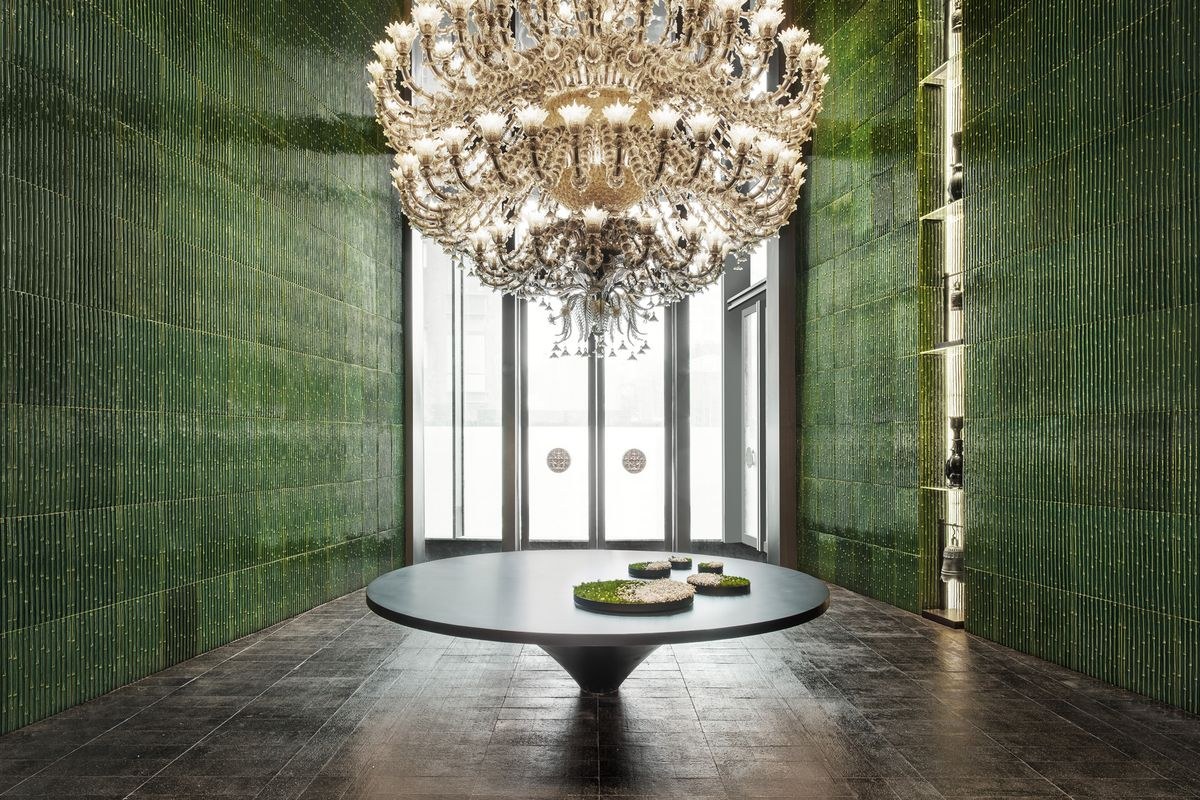
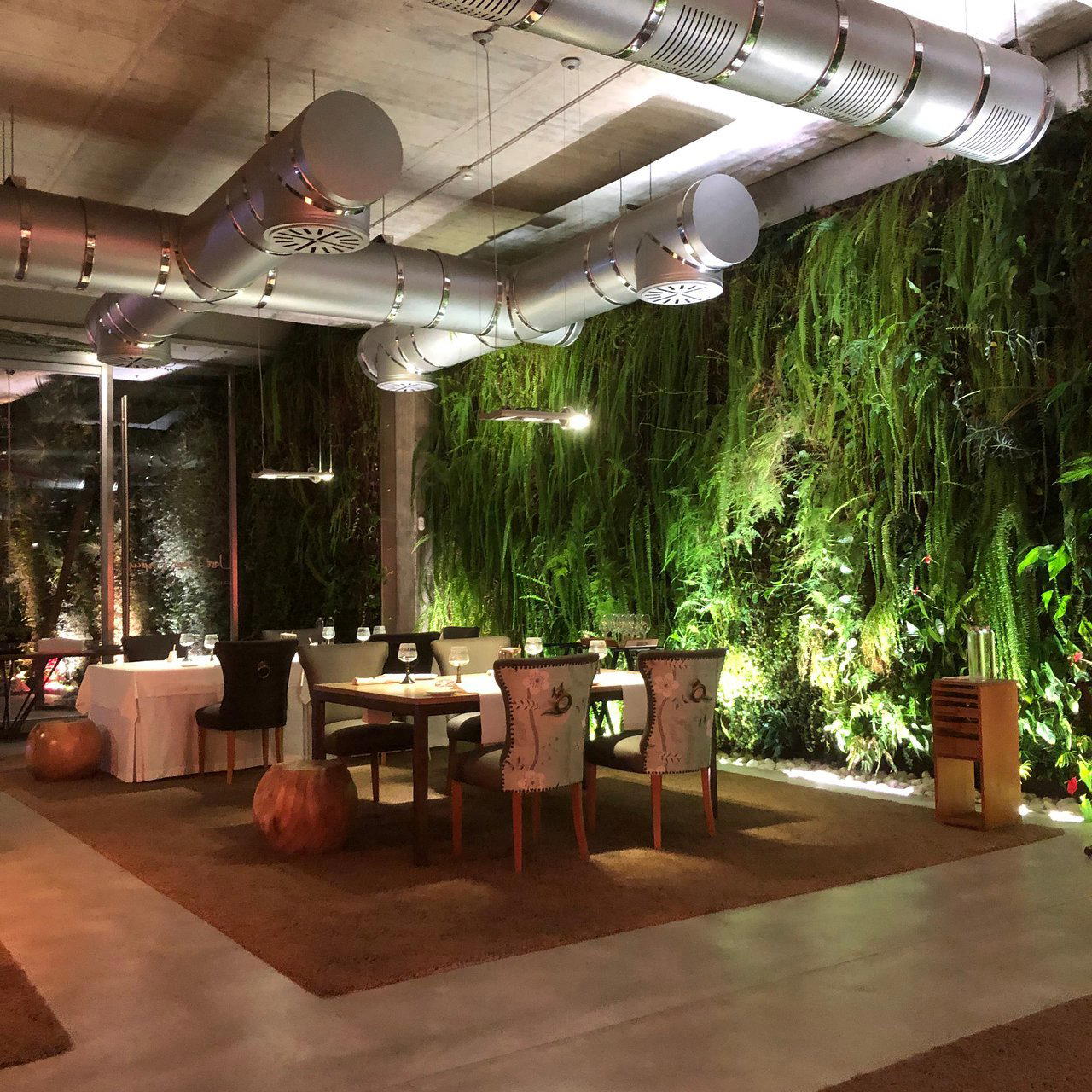
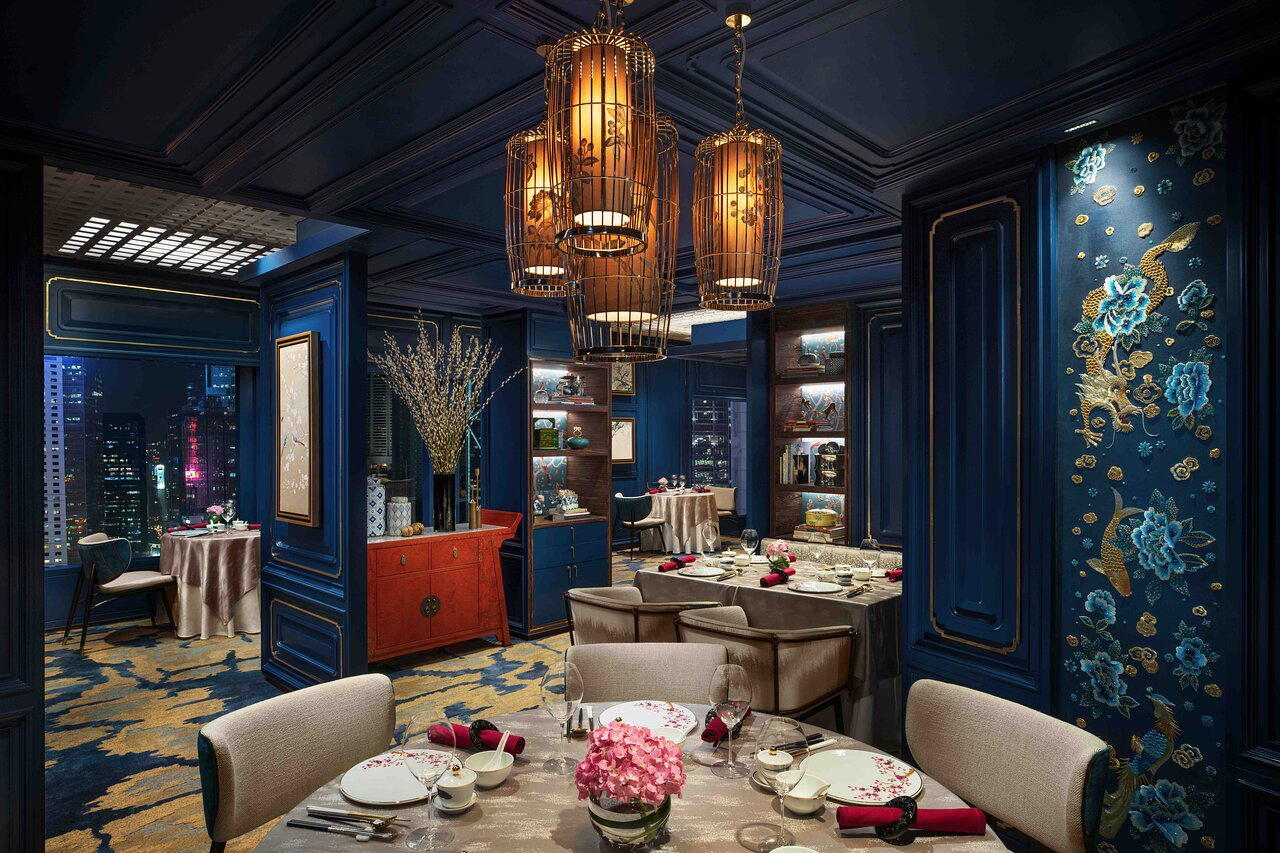
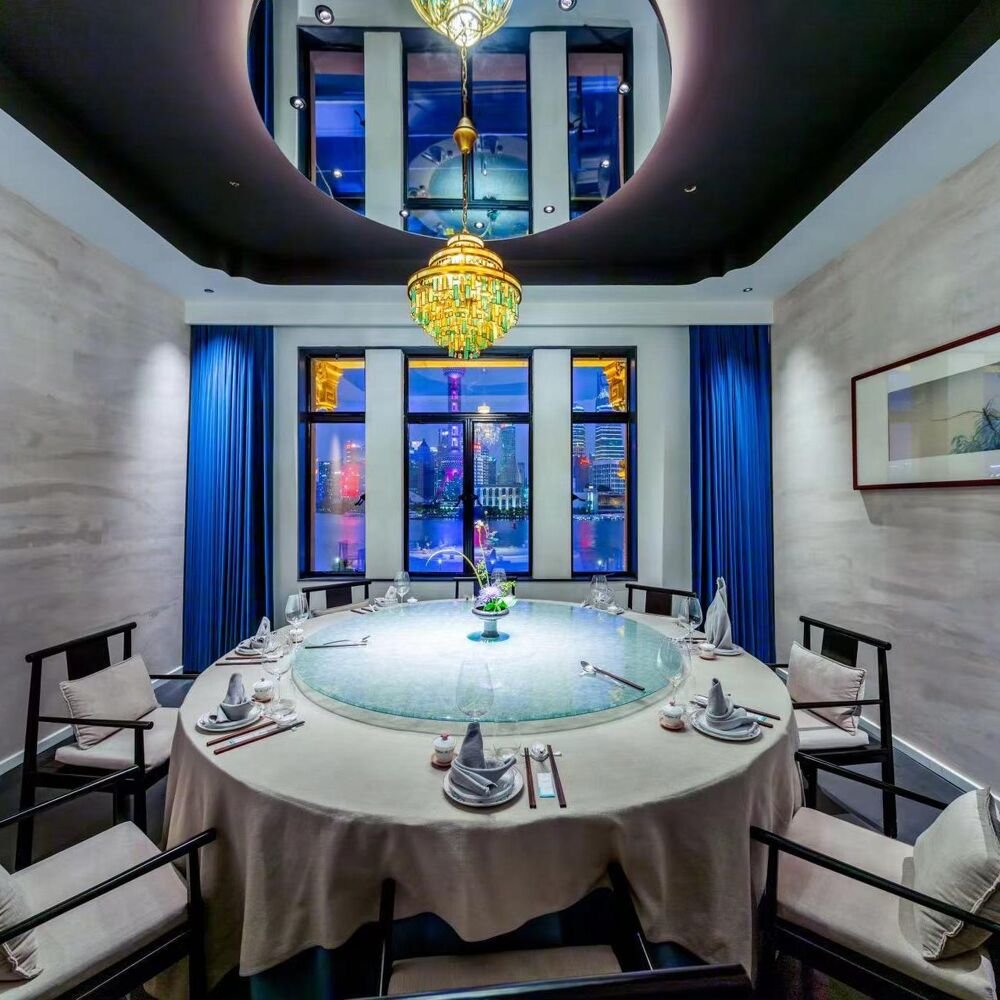
Luxuriously decorated upscale dining space with modern design, located on the sixth floor of a high-end shopping mall, creating an elegant and refined atmosphere.
Tags
Vibe
Best For
Experience
Accessibility
At the Table
- Dress Code
- Smart Casual
- Noise Level
- Lively
- Service Style
- Upscale Casual
- Meal Pacing
- Leisurely
- Capacity
- Large
Signature Dishes
- Peking Duck
- Braised Sea Cucumber with Scallion
- Cherry Foie Gras
Know before you go
Know Before You Go
- Getting there
- 270 Jiaxing Rd, Hongkou District, Shanghai, China, 200081
Planning details
Location
270 Jiaxing Rd, Hongkou District, Shanghai, China, 200081 · Directions
Recognition and awards
Also consider
Also Consider
- Fu He Hui, Vegetarian, ¥¥¥¥
- Ming Court, Cantonese, ¥¥¥
- Polux, French, ¥¥
- Royal China Club, Chinese, Cantonese, ¥¥¥
- Scarpetta, Italian, ¥¥¥
Restaurant context
At ¥¥¥, Da Dong (Xuhui) sits in the same price tier as Royal China Club, Ming Court, and Scarpetta, but it is the only one in this group carrying both a Michelin star and a Black Pearl Diamond in the 2024–2025 cycle. If Chinese contemporary cuisine at a documented quality level is the goal, Da Dong (Xuhui) is the harder booking and the more specific experience. Royal China Club and Ming Court are Cantonese-focused and offer more flexibility for groups with mixed preferences, but neither carries the same award weight in this cycle. Scarpetta is a different cuisine category entirely, worth considering if the group wants Italian rather than Chinese.
Fu He Hui at ¥¥¥¥ is the venue to choose if you want the most ambitious fine dining experience in Shanghai's Chinese category, particularly for plant-based cooking. It is a step up in price and formality from Da Dong (Xuhui) and requires even more advance planning. For groups with no dietary restrictions who want the full meat-forward contemporary Chinese experience at a slightly more accessible price point, Da Dong (Xuhui) is the better practical choice. Polux at ¥¥ is the option if budget is a constraint and French cuisine works for the occasion, it does not compete directly with Da Dong on format or cuisine, but it is worth naming for groups where price sensitivity is a factor.
In summary: book Da Dong (Xuhui) if contemporary Chinese cooking and the roast duck specifically are the point of the meal, and if your group is four or more. Choose Fu He Hui if you want the highest-end Chinese fine dining experience in Shanghai and can absorb the ¥¥¥¥ spend. Choose Ming Court or Royal China Club if Cantonese is the preferred format and you want an easier booking. Polux is the fallback for a lighter spend on a different cuisine entirely.
Explore Shanghai
Around this place
Discover more on Pearl
Unlock the full Da Dong (Xuhui) guide in Pearl, including awards, comparisons, FAQs, planning details, and nearby places.
Compare Da Dong (Xuhui)
| Venue | Price | Booking Difficulty | Awards |
|---|---|---|---|
| Da Dong (Xuhui) | ¥¥¥ | Hard | 2025 Black Diamond 1 Diamond2025 Michelin 1 Star2024 Michelin 1 Star |
| Fu He Hui | ¥¥¥¥ | Unknown | 2026 Asia's 50 Best Restaurants · #112026 OAD Top Restaurants in Asia Ranked · #562026 Black Pearl 2 DiamondMichelin Guide Shanghai Jiangsu Zhejiang 20262026 La Liste Top Restaurants2025 Asia's 50 Best Restaurants · #152025 OAD Top Restaurants in Asia Ranked · #592025 World's 50 Best Restaurants · #64We're Smart World Top Restaurants 2025 |
| Ming Court | ¥¥¥ | Unknown | 2025 OAD Top Restaurants in Asia Ranked · #1692025 Black Diamond 1 Diamond2025 Michelin 1 Star2024 OAD Top Restaurants in Asia Ranked · #1602024 Michelin 1 Star2023 OAD Top Restaurants in Asia Highly Recommended |
| Polux | ¥¥ | Unknown | 2026 OAD Casual in Asia Ranked · #101Michelin Guide Shanghai Jiangsu Zhejiang 20262025 OAD Casual in Asia Ranked · #782025 Michelin Bib Gourmand2024 OAD Casual in Asia Ranked · #652024 OAD Top Restaurants in Asia Ranked · #2632024 Michelin Bib Gourmand2023 OAD Top Restaurants in Asia Recommended |
| Royal China Club | ¥¥¥ | Unknown | 2026 Michelin Plate2025 OAD Casual in Europe Ranked · #216The Good Food Guide 20252025 Michelin Plate2024 OAD Casual in Europe Ranked · #2142024 Michelin Plate2023 OAD Casual in Europe Highly Recommended |
| Scarpetta | ¥¥¥ | Unknown | Michelin Guide Shanghai Jiangsu Zhejiang 20262025 Wine Spectator Best of Award of Excellence2025 Michelin Plate2024 Michelin Plate |






.png?width=1200&quality=80)


Side-by-side comparison to help you decide where to book.
FAQ
Frequently Asked Questions
Is the tasting menu worth it at Da Dong (Xuhui)?
Da Dong Xuhui does not run a fixed tasting menu — the format is à la carte plus a rotating seasonal menu tied to the 24 solar terms in the Chinese calendar. The value case is strongest for groups of three or more who can spread across multiple dishes including the signature roast duck and braised sea cucumber with scallion. At ¥¥¥ with a Michelin Star and Black Pearl 1 Diamond behind it, the pricing is justified if you order widely rather than treating it as a solo duck run.
Does Da Dong (Xuhui) handle dietary restrictions?
No contact number or website is listed for this location, which makes advance coordination harder than it should be at this price tier. Your best approach is to arrange dietary needs through your hotel concierge or booking platform, as many Shanghai ¥¥¥ restaurants accept guest notes at the reservation stage. The menu is broad enough that non-duck options exist, but anyone with complex restrictions should confirm before arrival rather than rely on the kitchen adapting on the night.
What are alternatives to Da Dong (Xuhui) in Shanghai?
At the same ¥¥¥ tier for contemporary Chinese cooking, Sui Tang Li and 102 House are the most direct Shanghai alternatives. Fu He Hui is the go-to if you want an innovative vegetarian Chinese format with comparable award credentials. If you want Cantonese precision over Beijing-style roast duck, Ming Court is worth the comparison. Hakkasan fits if you prefer a more internationally familiar Chinese dining format.
What should a first-timer know about Da Dong (Xuhui)?
The roast duck is the anchor dish — order it, and order the steamed buns it comes. Beyond that, this is a group-format restaurant: the seasonal menu and rotating solar-terms dishes reward tables that can cover more ground. The room fills fast after 6pm every night, so an early or late seating is the practical move if your booking is last-minute. A Michelin Star and Black Pearl 1 Diamond at ¥¥¥ positions this as a considered spend, not a casual drop-in.
What should I wear to Da Dong (Xuhui)?
No dress code is published for this location. Given the dual-award standing (Michelin 1 Star 2024, Black Pearl 1 Diamond 2025) and ¥¥¥ pricing, smart casual is appropriate and unlikely to feel out of place. Avoid overly casual streetwear; the room attracts a mix of business diners and families celebrating, so the standard is presentable rather than formal.
How far ahead should I book Da Dong (Xuhui)?
Book as far ahead as possible — this is not an easy walk-in venue. The room fills consistently after 6pm, which at a Michelin-starred, Black Pearl-recognised restaurant in Shanghai means prime-time slots disappear fast. A week out is a reasonable minimum for off-peak slots; weekend evenings warrant two weeks or more. Lunch seatings are typically easier to secure if your schedule allows flexibility.