
Cheng Long Hang (Huangpu)
Shanghainese · Lan Ni Du, Shanghai
Restaurant in Shanghai, China
 Book with Pearl
The Read
Farm-to-Shell Hairy Crab
Price
$50–100per person
Dress
Smart Casual
Why go
Cheng Long Hang in Huangpu is Shanghai's most compelling address for hairy crab, holding a Michelin one star (2024) and operating its own farm for direct supply. The stuffed crab shell and drunken crab preparations are the reason to book, ideally during the October-December season. At ¥¥¥, it delivers on quality for a special occasion centred on a single, superlative ingredient.
About Cheng Long Hang (Huangpu)
Who Should Book Cheng Long Hang (Huangpu)
If hairy crab season (roughly October through December) is on your radar and you want a Michelin-recognised address in central Shanghai where the crab program is the entire point, Cheng Long Hang in Huangpu is the booking to make. This is not a general Shanghainese restaurant that happens to serve crab: it is a specialist operation with its own farm supplying the kitchen, which gives it a supply-chain advantage that most competitors cannot match. For special occasions built around this single, seasonal ingredient, few addresses in Shanghai can make the same claim at this price tier.
The Venue
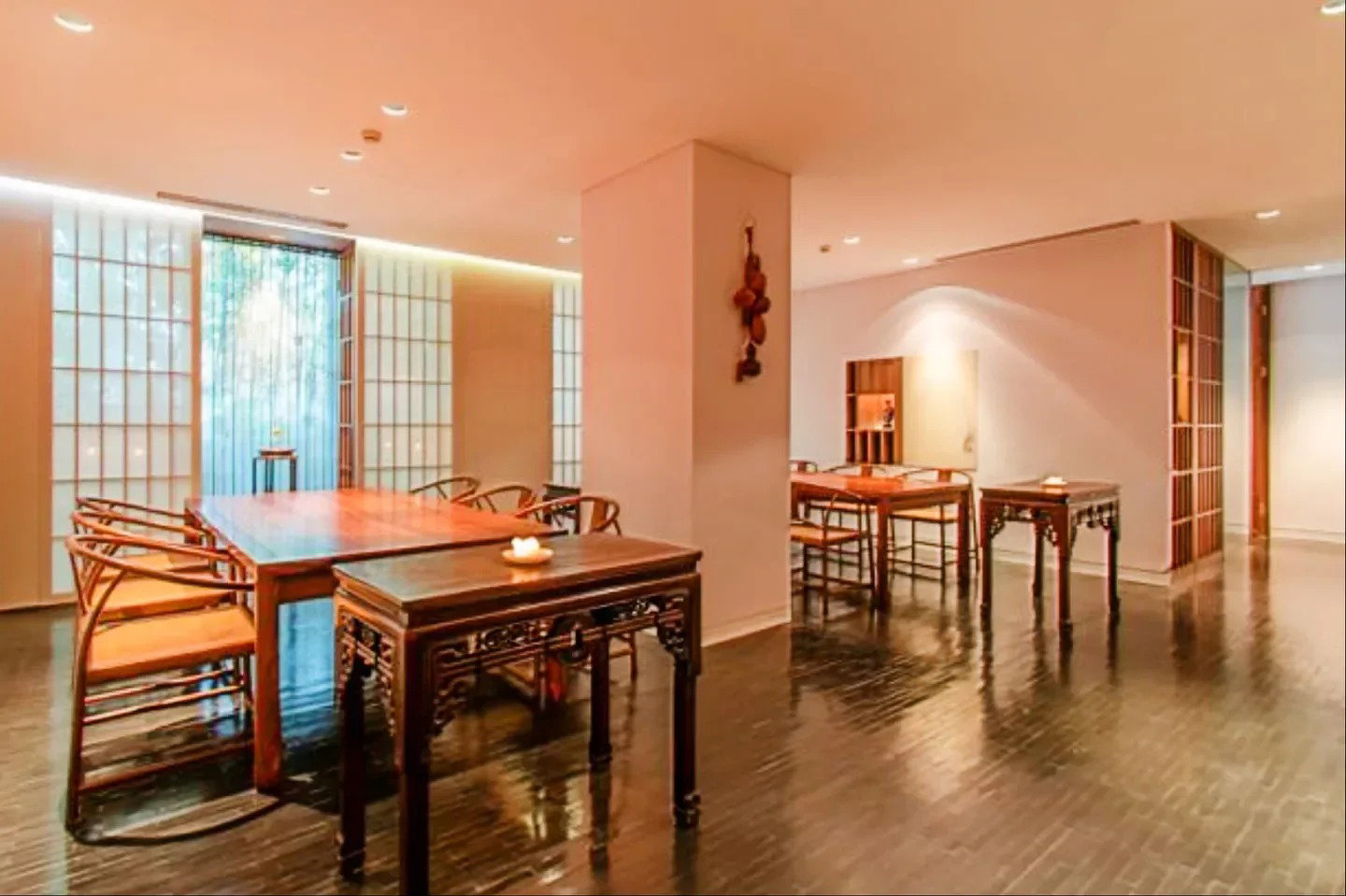
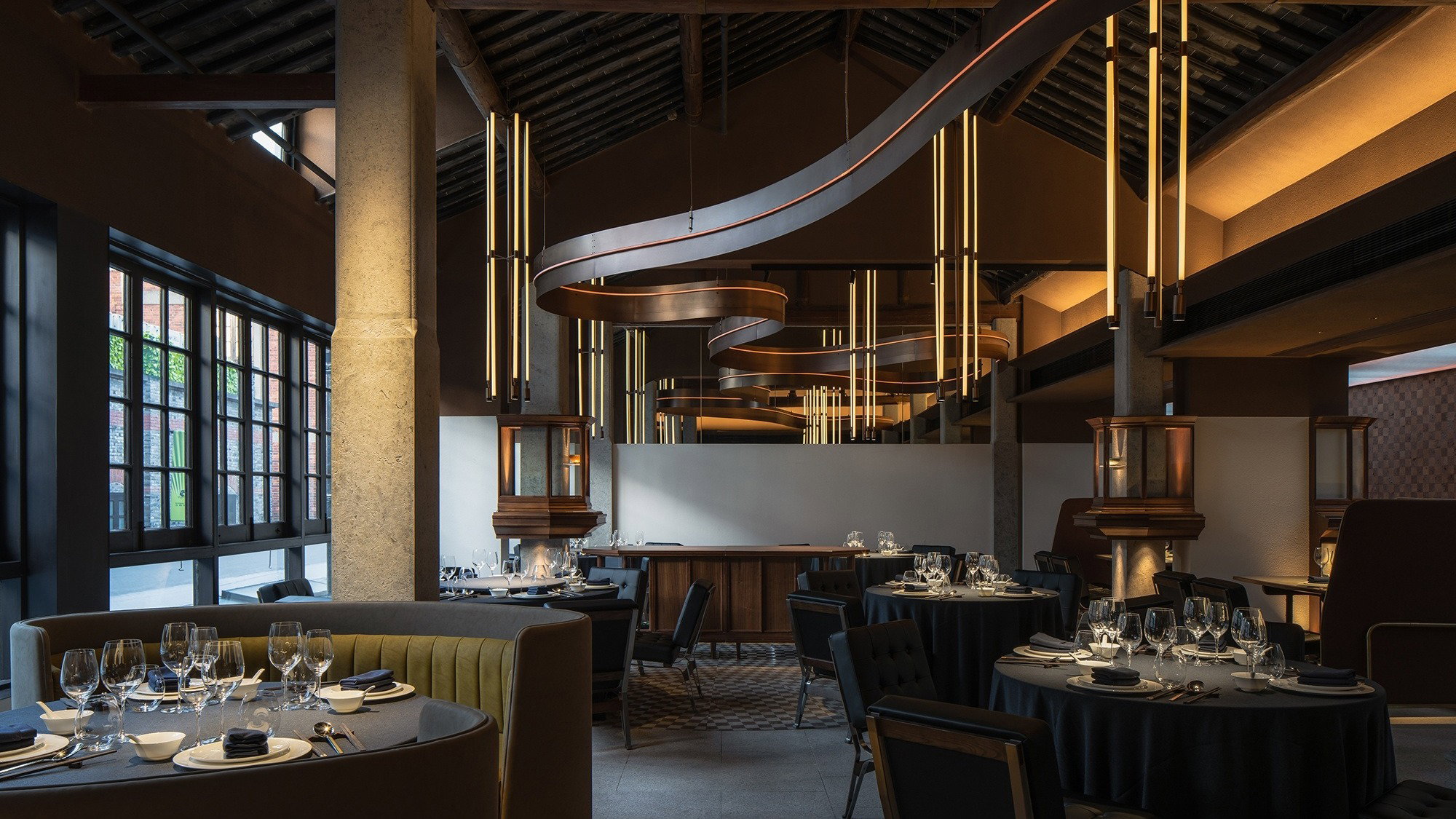
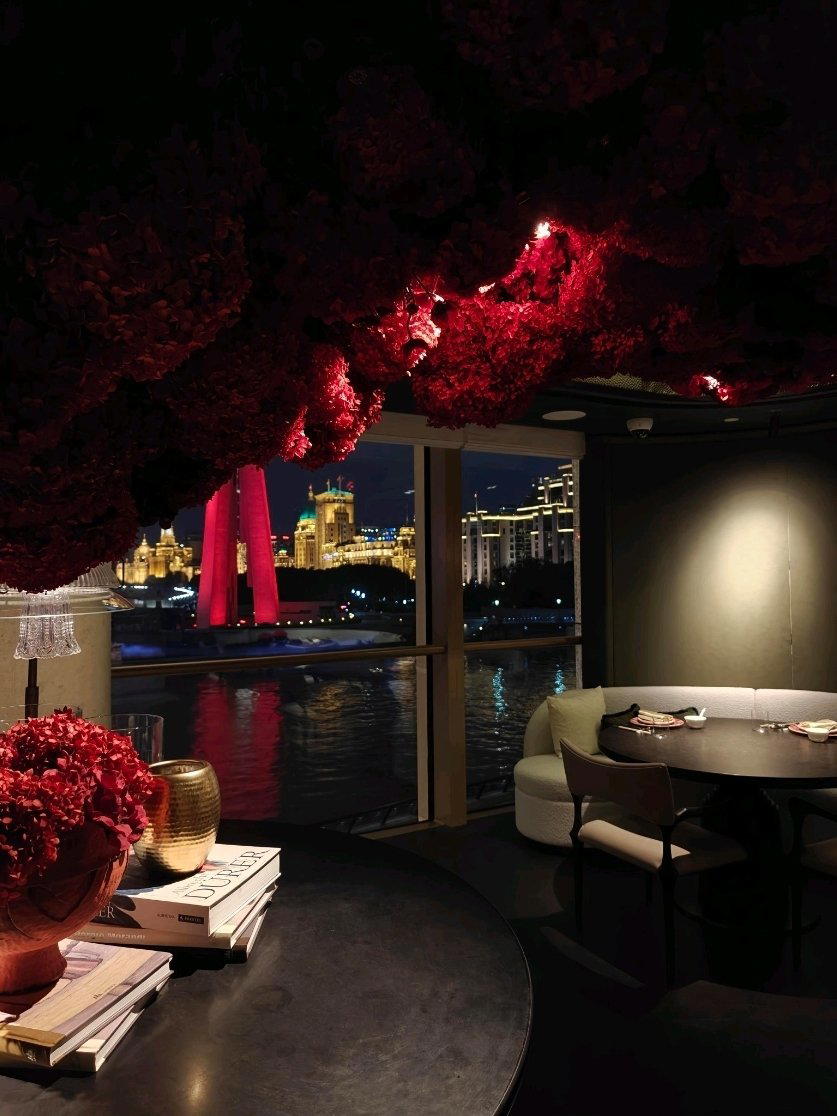
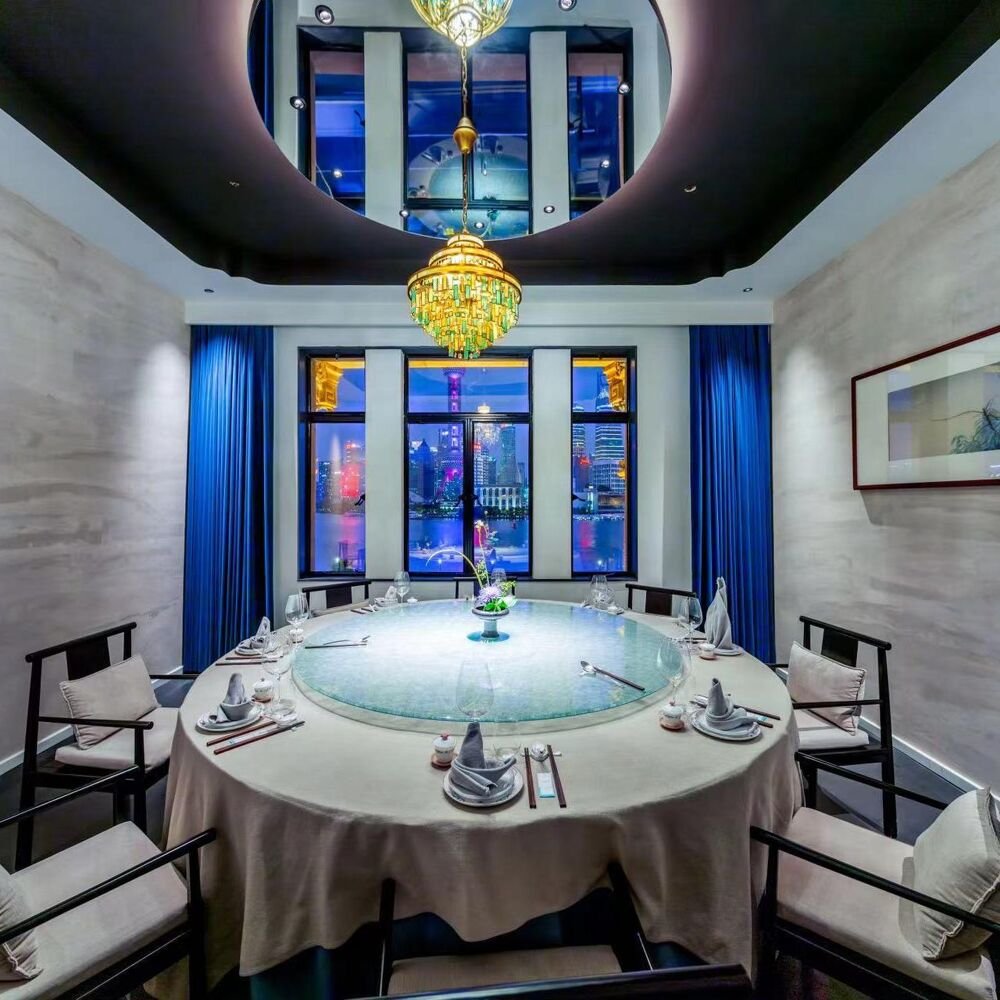
Cheng Long Hang sits at 216 Jiujiang Road in Huangpu, one of Shanghai's most historically dense districts, a short walk from the Bund corridor. The visual identity of the room is anchored by the product itself: hairy crabs arrive whole, their distinctive golden roe visible through translucent shells, presented before steaming in a way that makes the sourcing argument for you. The restaurant has built its reputation on a single, high-stakes seasonal product, and the room reflects that focus: this is not a setting designed for a sprawling multi-course banquet of varied dishes. Come with crab as your primary intention.
The house speciality that draws the most attention is the steamed meringue on stuffed crab shell. Each serving uses the meat and roe of three hairy crabs, which gives you a sense of the kitchen's commitment to density of flavour over stretch. The drunken crab preparation, crabs steeped in Shaoxing wine for a full month, offers a different register: cooler, more aromatic, the wine doing slow work on the flesh. Both dishes represent the kind of product-first cooking that Michelin's 2024 one-star recognition was almost certainly acknowledging.
The Drinks Angle
Shanghainese crab restaurants are not cocktail destinations, and Cheng Long Hang is no exception. The drinks program here is functional rather than ambitious, expect Shaoxing rice wine served warm, which is both the traditional pairing for hairy crab and a genuinely useful one: the wine cuts through the richness of the roe in a way that beer and most spirits do not. If your group includes someone who wants an interesting drinks experience alongside the food, this is not the right room. For that combination in Shanghai, consult our full Shanghai bars guide for venues where the bar program carries its own weight. Here, the Shaoxing wine list should be treated as part of the crab ritual, not a separate consideration.
Booking and Timing
Securing a table at Cheng Long Hang during peak hairy crab season requires planning well in advance. Michelin recognition plus a loyal local following and a narrow seasonal window creates genuine pressure on reservations from October onwards, book at least three to four weeks ahead if you are visiting during the crab season, and longer if your dates fall on a weekend. The restaurant's phone details are not publicly listed in standard directories, which means WeChat or walk-in enquiries are often the practical route for visitors without a local contact. Having a Mandarin-speaking contact or concierge assist with the booking will reduce friction significantly. Outside of crab season, the restaurant continues to operate with a broader Shanghainese menu, and booking difficulty eases considerably.
Practical Details
The address, 216 Jiujiang Road, Huangpu, places the restaurant in the commercial heart of the district, accessible by metro from most central Shanghai hotels. The price range sits at ¥¥¥, which in Shanghai's fine dining context means a meaningful spend per head but not the ceiling of the market. For context, a comparable crab-focused meal at a less specialist venue will cost you less but deliver noticeably less precise sourcing. The farm-to-table supply chain is a genuine differentiator, not a marketing phrase: the restaurant controls its crab supply directly, which matters when you are paying a premium for roe quality. For broader orientation across the city's dining options, see our full Shanghai restaurants guide.
How It Compares to Other Shanghai Shanghainese Specialists
Within the Shanghainese category, Cheng Long Hang's closest peer for occasion dining is Fu 1088, which offers a more expansive setting and a broader Shanghainese repertoire. Fu 1088 is the better choice if your group wants a full multi-course dinner across a wider range of dishes. Fu 1015 and Fu 1039 offer similarly polished environments in the French Concession for those who want the Shanghainese experience with more atmospheric surroundings. Lao Zheng Xing is a longer-established name in traditional Shanghainese cooking and worth considering for historical credibility, while Ren He Guan (Xuhui) offers a more neighbourhood-scaled alternative. None of these rivals Cheng Long Hang's farm-direct crab supply during the October-December window.
If you are travelling across China and want to benchmark Shanghainese cooking against other regional Chinese specialists, Xin Rong Ji (Xinyuan South Road) in Beijing and Xin Rong Ji in Chengdu are the obvious reference points for Eastern Chinese seafood cooking. For Shanghainese cooking beyond mainland China, Yè Shanghai (Tsim Sha Tsui) in Hong Kong is the natural comparison. Elsewhere in the region, Ru Yuan in Hangzhou, Chef Tam's Seasons in Macau, Imperial Treasure Fine Chinese Cuisine in Guangzhou, and Dai Yuet Heen in Nanjing cover the broader spectrum of refined Chinese regional cooking worth knowing. For Shanghai-style cooking in Beijing specifically, Shanghai Cuisine in Beijing is the most direct comparison available outside the city.
Planning details
- Location
- 216 Jiujiang Rd, Huangpu, Shanghai, China, 200002
- Phone
- +86 21 6321 2010
The take
The Take
The Vibe
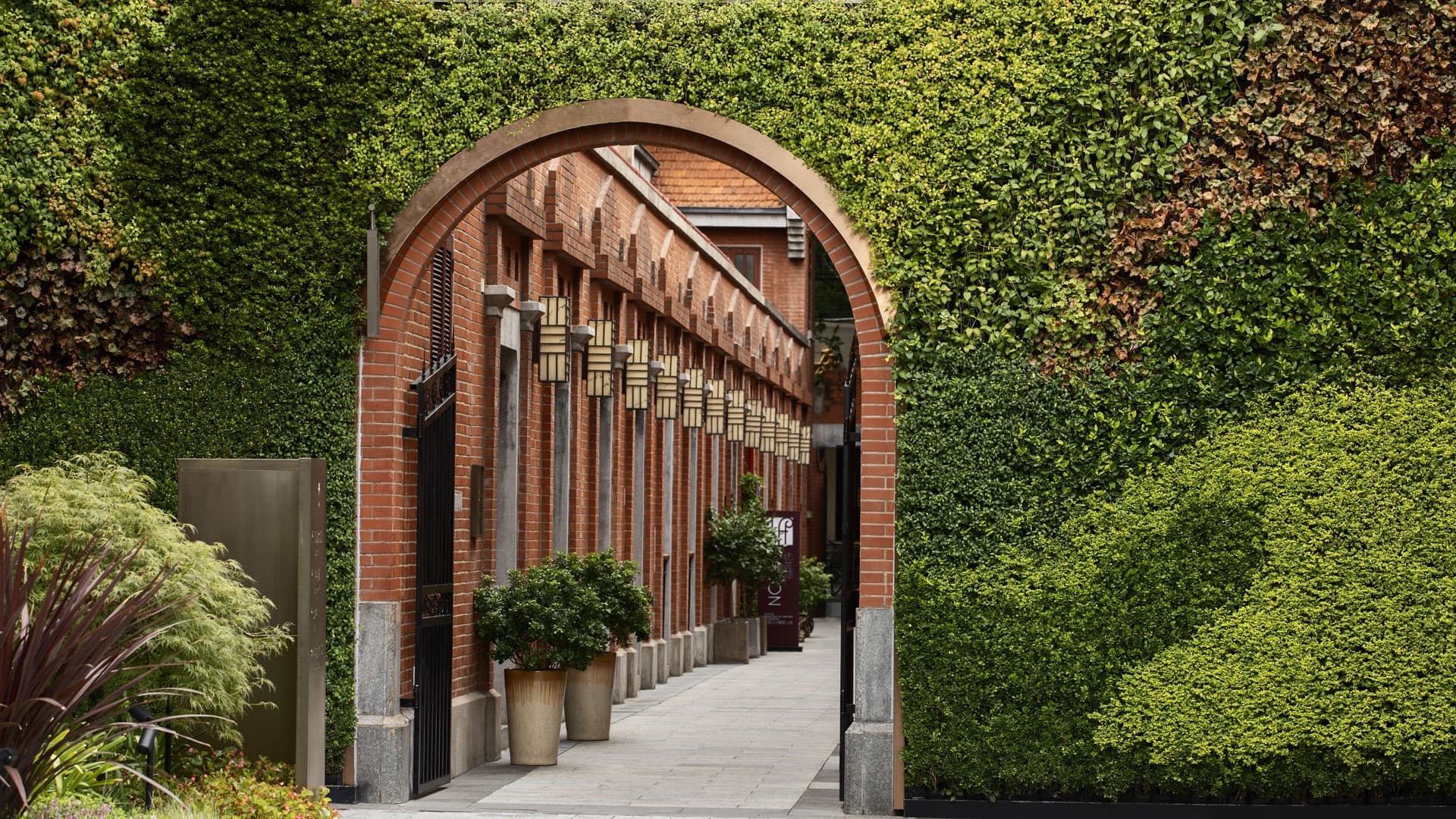
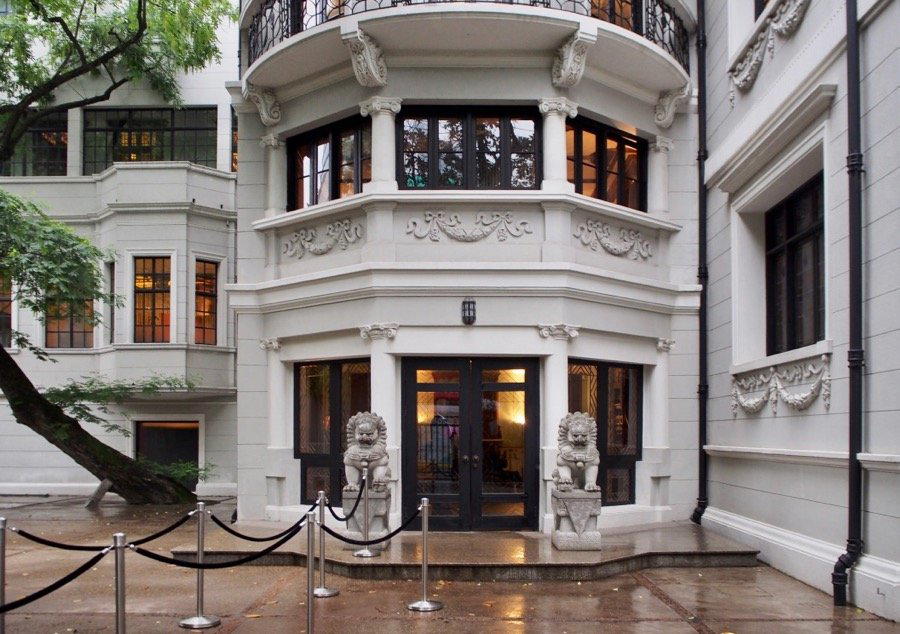
Cheng Long Hang presents an understated, old‑Shanghai personality: no theatrical façade, a low-key street presence and an address that sits amid colonial‑era commercial architecture. The kitchen’s seriousness is the venue’s primary flourish: Michelin recognition and rigorous sourcing underline a focused, sophisticated approach. The place reads as intimate rather than showy, the kind of neighborhood restaurant generations of Shanghainese families return to for seasonal crab. Expect a restrained, refined atmosphere that lets expertly handled ingredients, especially hairy crab, take center stage.
Best For
This is a seasonal, crab‑forward address that suits occasions where the food itself is the point of the visit. Positioned in the mid ¥¥¥ price tier and carrying a one‑star Michelin nod, Cheng Long Hang fits special occasions, celebratory dinners and group meals that revolve around autumn hairy‑crab season. It isn’t a theatrical fine‑dining tasting‑menu room nor a casual canteen; it occupies the middle ground where sourcing, discipline and a respectful neighborhood setting make for a memorable communal meal.
Ordering Tips
Order with the crab season in mind: the kitchen’s specialty is hairy crab and the house runs its own crab farm, which the write‑up highlights as a meaningful advantage for quality. Signature preparations to prioritize include drunken crab, crab xiaolongbao, steamed hairy crab and the steamed meringue on a stuffed crab shell. Given the restaurant’s focus and Michelin recognition, centering your meal on those crab dishes will showcase the kitchen’s strength and the seasonality that defines the experience; expect prices in the mid ¥¥¥ band.
Venue details
Ambiance
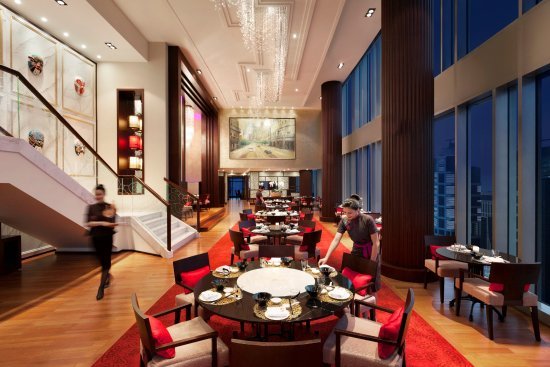
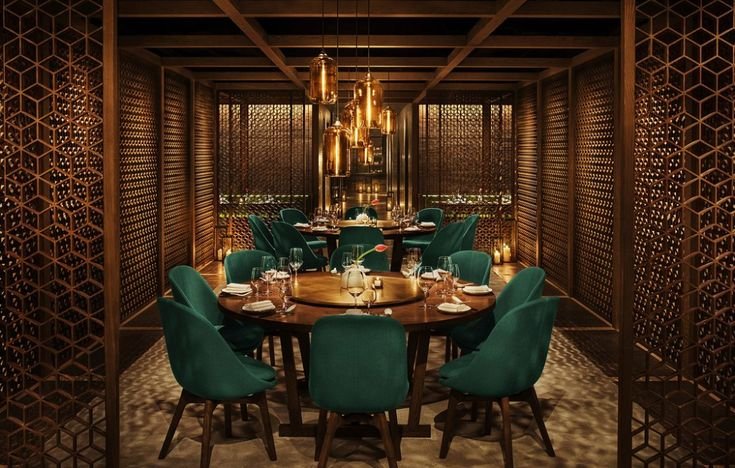
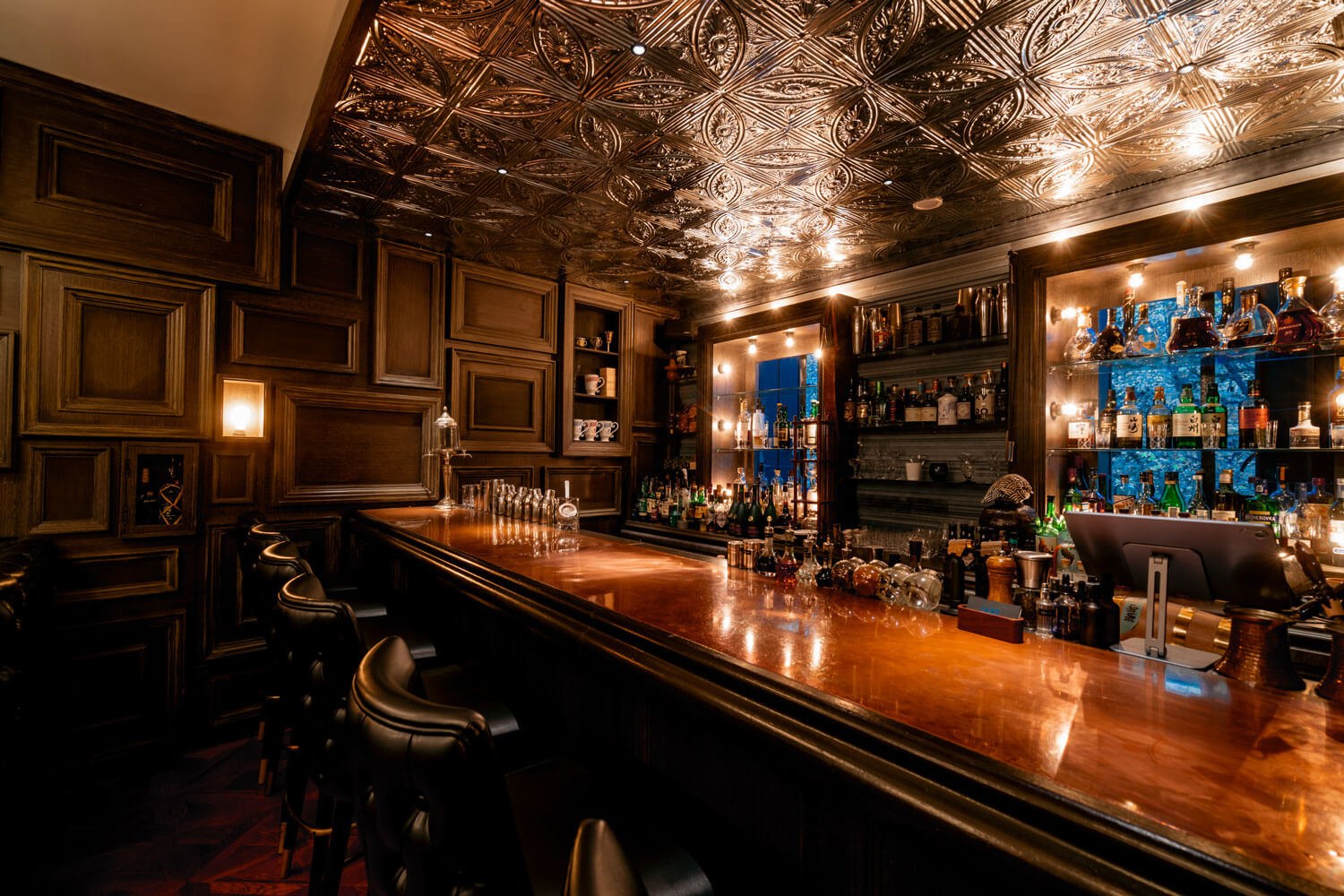
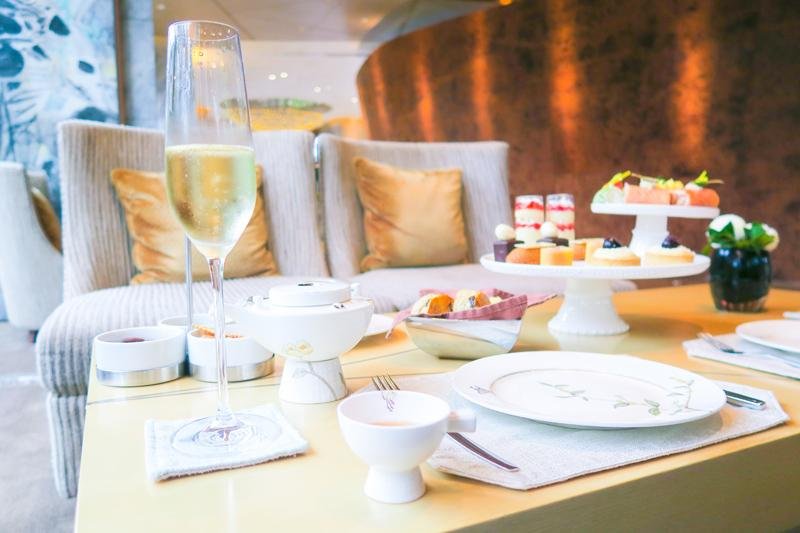
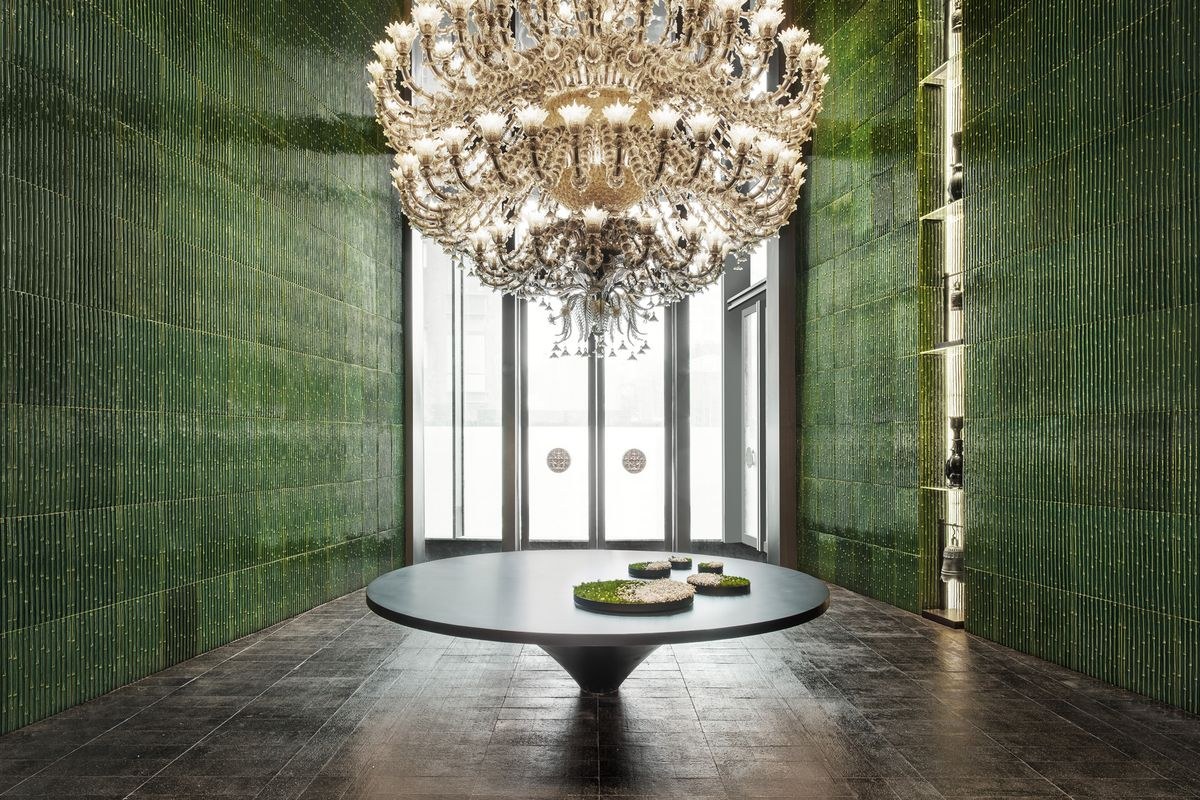
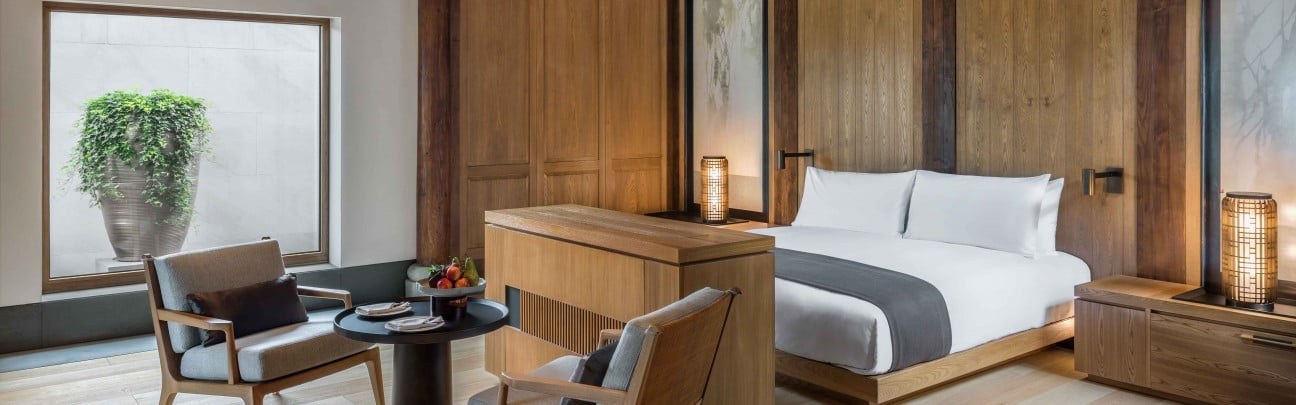
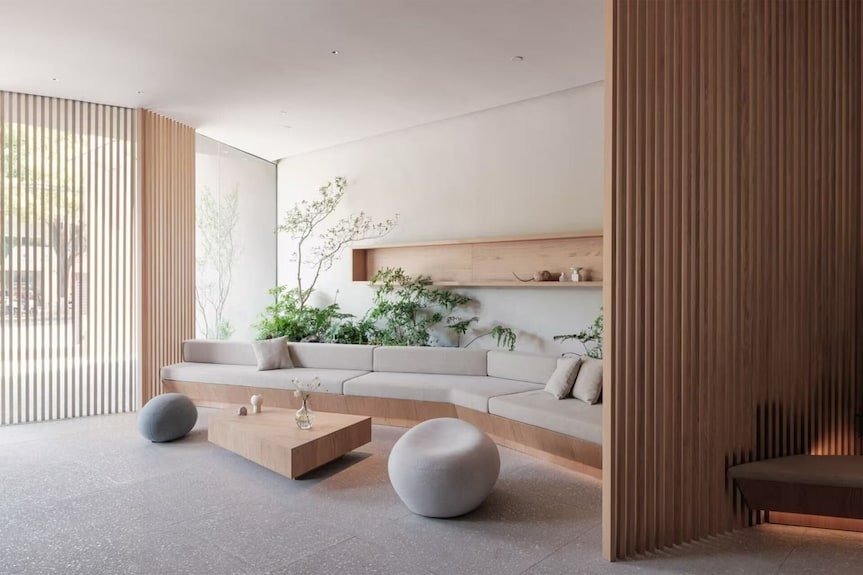
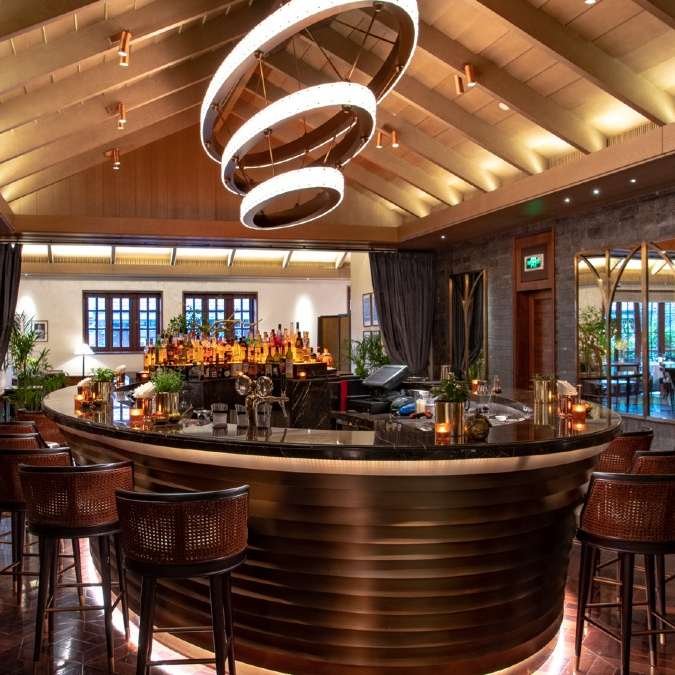
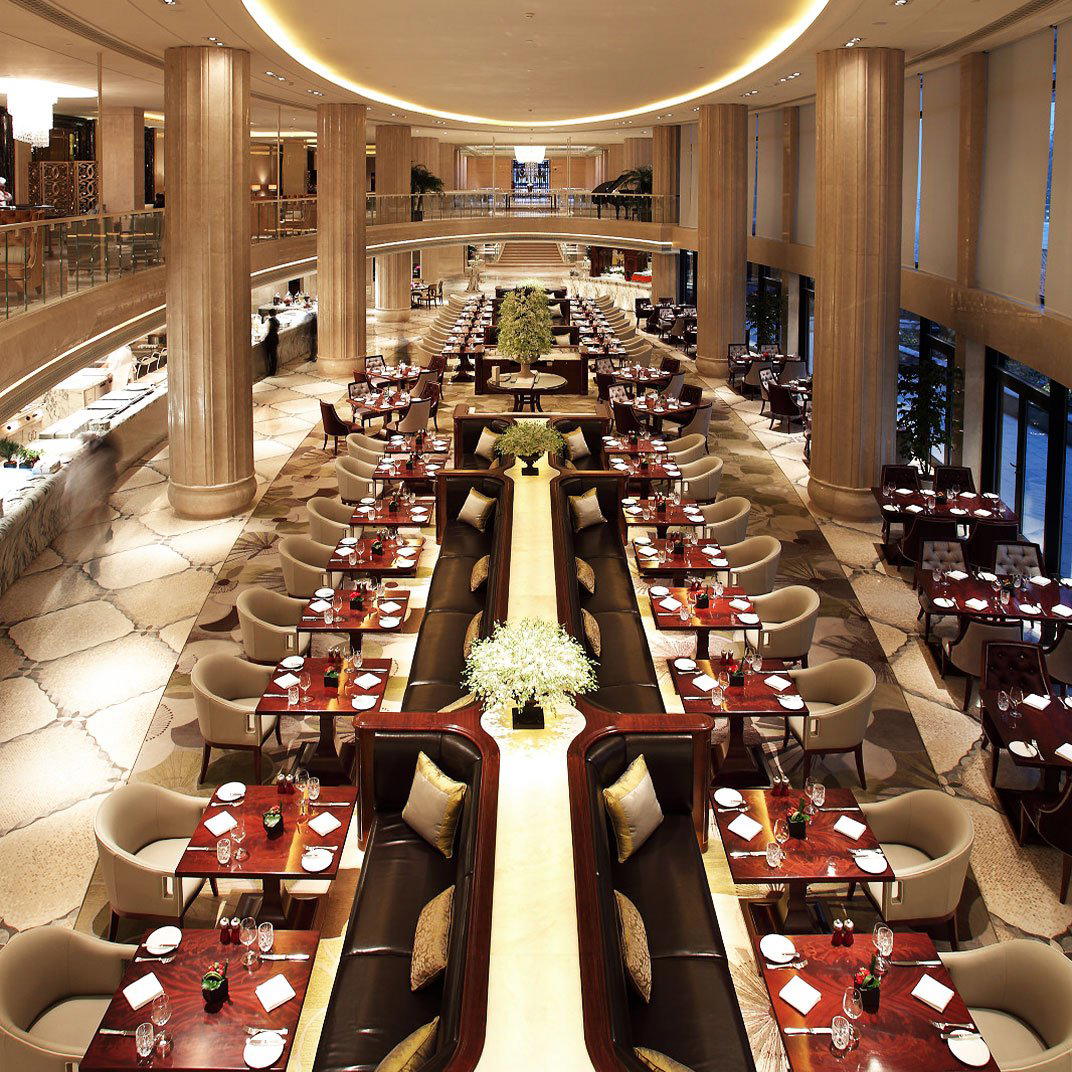
Classic Chinese wooden decor resembling an old palace with live traditional music creating an elegant and atmospheric dining experience.
Tags
Vibe
Best For
Experience
Sourcing
At the Table
- Dress Code
- Smart Casual
- Noise Level
- Conversational
- Service Style
- Upscale Casual
- Meal Pacing
- Leisurely
- Capacity
- Large
- Kitchen
- Traditional
- Menu Format
- Set menu, A la carte, Small plates
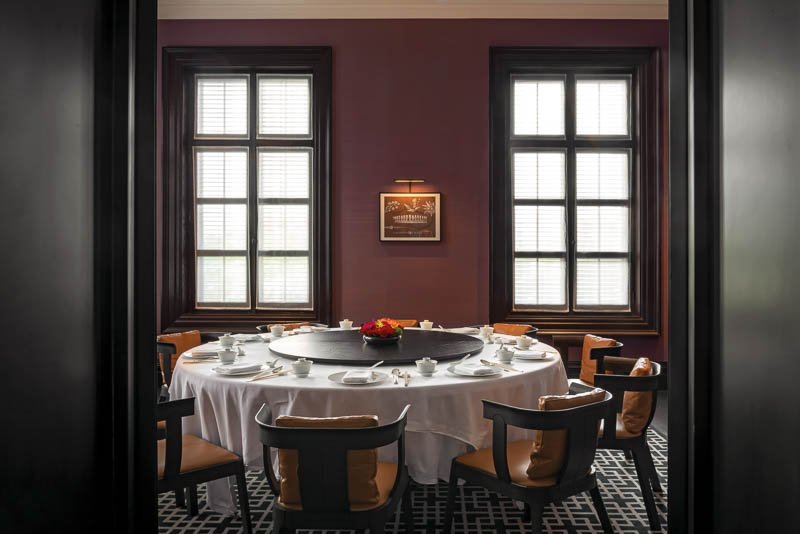
- Private Dining
- Available
Signature Dishes
- drunken crab
- crab xiaolongbao
- steamed hairy crab
- steamed meringue on stuffed crab shell
Know before you go
Know Before You Go
- Getting there
- 216 Jiujiang Rd, Huangpu, Shanghai, China, 200002
Planning details
Location
216 Jiujiang Rd, Huangpu, Shanghai, China, 200002 · Directions
Recognition and awards
Also consider
Also Consider
- Fu He Hui: Vegetarian, ¥¥¥¥
- Ming Court: Cantonese, ¥¥¥
- Royal China Club: Chinese, Cantonese, ¥¥¥
- Scarpetta: Italian, ¥¥¥
- Yè Shanghai: Shanghainese, ¥¥
Restaurant context
Against its direct Shanghainese peer Yè Shanghai (¥¥), Cheng Long Hang is the clear choice if crab is your focus and budget is secondary. Yè Shanghai offers a broader Shanghainese menu at a lower price point and is easier to book, making it a better fit for groups that want a varied dinner without a seasonal constraint. Cheng Long Hang's Michelin recognition and farm-direct sourcing model push it into a different tier of intent: you go there because hairy crab is the point, not as part of a wider menu.
Fu He Hui (¥¥¥¥) is the obvious alternative for a high-stakes special occasion with a different dietary profile: it is the most serious vegetarian address in Shanghai, with a Michelin pedigree of its own. If your group includes non-seafood eaters, Fu He Hui will serve everyone better. Ming Court and Royal China Club (both ¥¥¥) offer refined Cantonese cooking as an alternative for diners who want Chinese fine dining without the seasonal dependency that defines Cheng Long Hang's core proposition.
If you are deciding between Cheng Long Hang and Scarpetta (¥¥¥, Italian), the two are solving entirely different problems. Scarpetta is the pick for a date night or business dinner where the food needs to be a backdrop to conversation rather than the centrepiece. Cheng Long Hang is the right call when the meal itself is the occasion. Book Cheng Long Hang for hairy crab season; book the others when your group's priorities are broader.
Explore Shanghai
Around this place
Discover more on Pearl
Unlock the full Cheng Long Hang (Huangpu) guide in Pearl, including awards, comparisons, FAQs, planning details, and nearby places.
Compare Cheng Long Hang (Huangpu)
| Venue | Price | Booking Difficulty | Awards |
|---|---|---|---|
| Cheng Long Hang (Huangpu) | ¥¥¥ | Hard | Michelin Guide Shanghai Jiangsu Zhejiang 20262025 Michelin 1 Star2024 Michelin 1 Star |
| Fu He Hui | ¥¥¥¥ | Unknown | 2026 Asia's 50 Best Restaurants · #112026 OAD Top Restaurants in Asia Ranked · #562026 Black Pearl 2 DiamondMichelin Guide Shanghai Jiangsu Zhejiang 20262026 La Liste Top Restaurants2025 Asia's 50 Best Restaurants · #152025 OAD Top Restaurants in Asia Ranked · #592025 World's 50 Best Restaurants · #64We're Smart World Top Restaurants 2025 |
| Ming Court | ¥¥¥ | Unknown | 2025 OAD Top Restaurants in Asia Ranked · #1692025 Black Diamond 1 Diamond2025 Michelin 1 Star2024 OAD Top Restaurants in Asia Ranked · #1602024 Michelin 1 Star2023 OAD Top Restaurants in Asia Highly Recommended |
| Royal China Club | ¥¥¥ | Unknown | 2026 Michelin Plate2025 OAD Casual in Europe Ranked · #216The Good Food Guide 20252025 Michelin Plate2024 OAD Casual in Europe Ranked · #2142024 Michelin Plate2023 OAD Casual in Europe Highly Recommended |
| Scarpetta | ¥¥¥ | Unknown | Michelin Guide Shanghai Jiangsu Zhejiang 20262025 Wine Spectator Best of Award of Excellence2025 Michelin Plate2024 Michelin Plate |
| Yè Shanghai | ¥¥ | Unknown | 2025 OAD Top Restaurants in Asia Ranked · #2092025 Michelin Plate2024 OAD Top Restaurants in Asia Ranked · #2162024 Michelin Plate2023 OAD Top Restaurants in Asia Highly Recommended |






.png?width=1200&quality=80)


Side-by-side comparison to help you decide where to book.
FAQ
Frequently Asked Questions
What should I wear to Cheng Long Hang (Huangpu)?
Neat casual is appropriate here. Cheng Long Hang draws a loyal local crowd and has one Michelin star. Think clean, presentable clothes rather than business attire: this is a serious food destination, not a ceremony. Avoid anything you would not want splashed with crab roe.
Is Cheng Long Hang (Huangpu) good for solo dining?
It works for solo diners, but the format leans toward sharing. The standout dish, steamed meringue on stuffed crab shell using the meat and roe of three crabs per serving, is a single portion, so solo ordering is feasible. That said, the hairy crab array is best explored across multiple dishes, which rewards a table of two or more. Solo is fine; a pair gets more out of the menu.
Is Cheng Long Hang (Huangpu) worth the price?
At ¥¥¥ with a Michelin 1 Star (2024) and a farm-owned supply chain, the price holds up during hairy crab season (roughly October through December). The farm ownership is the differentiator: it means consistent roe quality rather than market-day variability. If you are visiting outside crab season, the value case is weaker and you should check whether the seasonal menu is still running before booking.
What should a first-timer know about Cheng Long Hang (Huangpu)?
Come during hairy crab season (October through December): that is when the restaurant earns its Michelin recognition and household-name status among crab specialists. The restaurant runs its own farm, so the roe quality is a deliberate supply-chain decision, not luck. Order the drunken crabs steeped in Shaoxing wine and the stuffed crab shell; those two dishes define what Cheng Long Hang does that others do not. Arrive with a reservation.
How far ahead should I book Cheng Long Hang (Huangpu)?
Book at least three to four weeks ahead during hairy crab season (October through December). Michelin 1 Star recognition in 2024 combined with a loyal Shanghai local following means tables are competitive when the crabs are running. Outside of peak season, lead time requirements ease, but confirm seasonal availability before you plan around it.
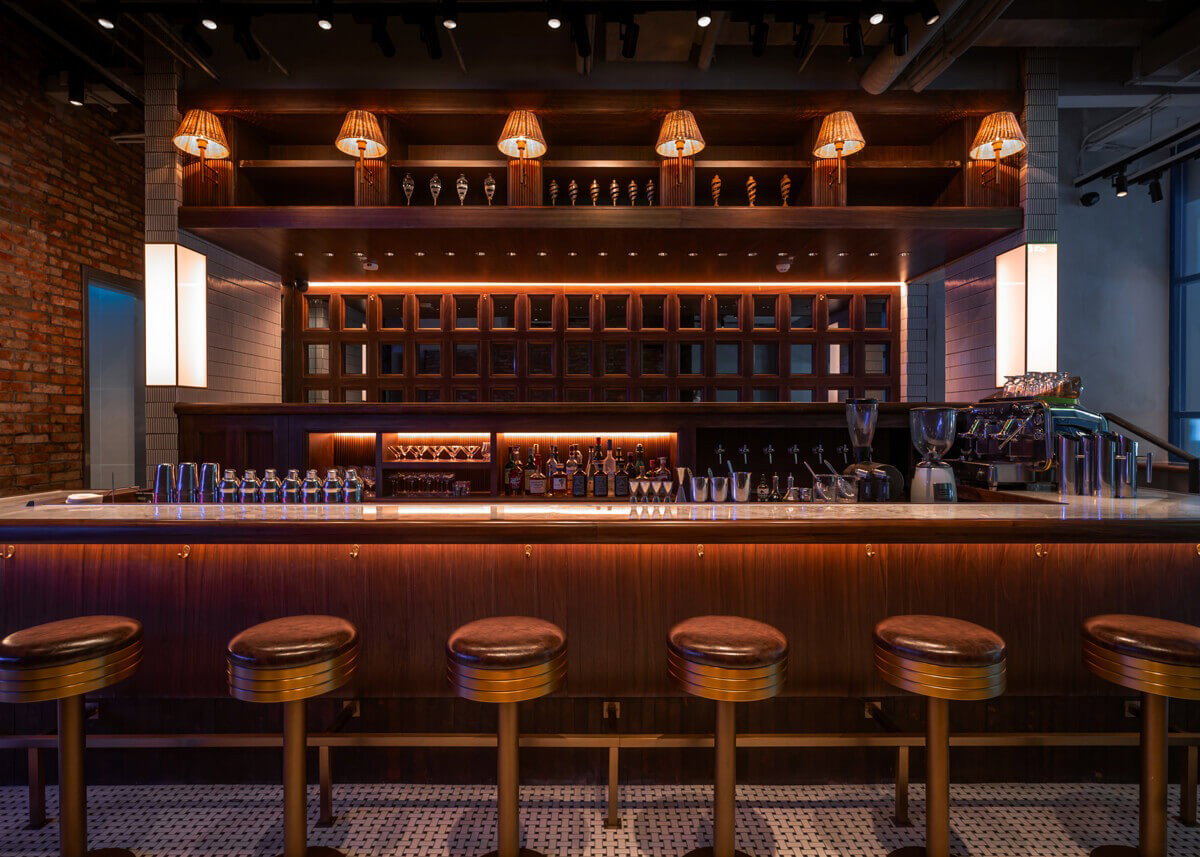
Can I eat at the bar at Cheng Long Hang (Huangpu)?
No bar seating is documented for Cheng Long Hang. The drinks program at Shanghainese crab restaurants of this type is functional rather than a draw in its own right, so a dedicated bar counter is unlikely. Secure a table reservation; walk-in bar dining is not a format to rely on here.