.png?width=1200&quality=80)
Bai Rong
Shandong · Da Pu Qiao, Shanghai
Restaurant in Shanghai, China
 Book with Pearl
The Read
Imperial Lu Tradition
Dress
Smart Casual
Why go
Bai Rong is one of the few Shanghai restaurants taking Shandong (Lu) cuisine seriously enough to earn back-to-back Michelin Plate recognition in 2024 and 2025. Priced at ¥¥¥ in Huangpu District, it is the right booking for food explorers who want to move beyond the city's Cantonese and Shanghainese defaults. Booking is easy; come in person rather than ordering delivery.
About Bai Rong
Bai Rong, Shanghai: The Verdict
Picture a cuisine that built imperial kitchens and fed dynastic courts for centuries, then ask yourself how often you encounter it done properly in Shanghai. Shandong cooking — the foundational Lu cuisine tradition that underpins much of what people think of as "northern Chinese food" — is not common territory in a city that tilts Shanghainese and Cantonese. Bai Rong is one of the few addresses in Huangpu that takes this cuisine seriously enough to earn back-to-back Michelin Plate recognition in 2024 and 2025. If Shandong food is on your radar, this is where to go.
What Bai Rong Is
Bai Rong sits at 169 Mengzi Road in Huangpu District, one of Shanghai's more grounded, less tourist-facing neighbourhoods. The Michelin Plate, awarded in consecutive years, signals a kitchen producing food that the guide's inspectors found worth noting: technically sound, category-representative, worth the trip. It does not mean the theatrical ambition of a starred room; it means the cooking is doing what it says it does, reliably. For a cuisine as specific as Lu-style Shandong, that consistency matters more than spectacle.
Shandong cuisine is one of the Eight Great Culinary Traditions of China and the one that most directly shaped northern court cooking. Expect techniques built around braising, pan-frying, and clear-broth preparations rather than the chilli heat of Sichuan or the delicate sweetness of Shanghainese cooking. Umami depth, precise knife work, and restrained seasoning are the markers of a kitchen taking this tradition seriously. If your Shanghai dining has been weighted toward local or Cantonese food, Bai Rong gives you a meaningful contrast, and a reason to understand why Lu cuisine sits at the root of so much of what followed it.
How It Compares in Shanghai's Broader Scene
Shanghai rewards the explorer willing to move past its obvious culinary exports. For context on where Bai Rong sits relative to the city's wider offer, the Pearl Shanghai restaurants guide covers the full range. Within the regional Chinese segment, Lu Style in Huangpu addresses the same Shandong tradition and is worth comparing directly. 102 House and Xin Rong Ji on West Nanjing Road represent different regional Chinese registers at a similar price point.
For those who want to track how Shandong cooking varies across cities, Lu Shang Lu in Beijing and Lu Style on Anding Road in Beijing offer a northern baseline for comparison. Ambitious regional Chinese dining elsewhere in the country, Xin Rong Ji in Chengdu, Ru Yuan in Hangzhou, or Imperial Treasure Fine Chinese Cuisine in Guangzhou, shows how seriously fine regional Chinese cooking is being taken across the country right now.
The Takeout and Delivery Question
This is worth addressing directly, because the editorial angle matters for how you plan your visit. Shandong cooking, in its most considered form, is not a cuisine that travels particularly well as takeout. The braised preparations and clear-broth dishes that define Lu cuisine are leading eaten immediately, textures shift, broths cool, the careful seasoning balance that a kitchen calibrates for the plate becomes muted in a container. The Michelin Plate recognition here is specifically a signal about in-restaurant execution. If you are considering ordering delivery from Bai Rong through a platform, the honest answer is that you are likely getting a diminished version of what the kitchen is actually capable of. Come in person if the cuisine is the point. If convenience is the priority, a delivery order from a simpler Shandong casual spot will serve you better and set more appropriate expectations.
The food-explorer case for sitting in is strong. Understanding Lu cuisine in context, seeing the room, reading a menu that may include preparations you have not encountered, asking questions of staff, is a qualitatively different experience than receiving a container at your door. For the reader who comes to Shanghai wanting to eat across its regional Chinese spectrum rather than defaulting to the familiar, Bai Rong in person is the version worth your time.
Practical Details
Reservations: Booking difficulty is rated easy, you should be able to secure a table without significant lead time, though calling ahead is advisable given that no online booking link is confirmed in available data. Budget: Priced at ¥¥¥, this sits in the mid-to-upper range for Shanghai dining, expect a meaningful spend per head without reaching the heights of the city's starred rooms. Address: 169 Mengzi Road, Unit 1-106, Huangpu District, Shanghai 200023. Awards: Michelin Plate 2024 and 2025. Hours and phone: Confirm directly before visiting, as these are not available in data.
Explore More in Shanghai and Beyond
If Bai Rong is part of a broader Shanghai eating plan, Fu He Hui is worth knowing about for a completely different register, vegetarian fine dining at ¥¥¥¥. Taian Table represents the modern European-innovative end of the city's ambition. For regional variety, Xin Rong Ji on Xinyuan South Road in Beijing and Dai Yuet Heen in Nanjing extend the picture of how serious Chinese regional cooking is evolving across the country. Chef Tam's Seasons in Macau is a reference point for how the Michelin system approaches Chinese fine dining at the highest level.
For the rest of your Shanghai trip, the Pearl Shanghai hotels guide, Shanghai bars guide, Shanghai wineries guide, and Shanghai experiences guide cover the full picture.
How It Compares
Planning details
- Location
- China, CN 上海市 黄浦区 蒙自路 169 169号1-106 邮政编码: 200023
- Phone
- +86 21 6333 2768
The take
The Take
The Vibe
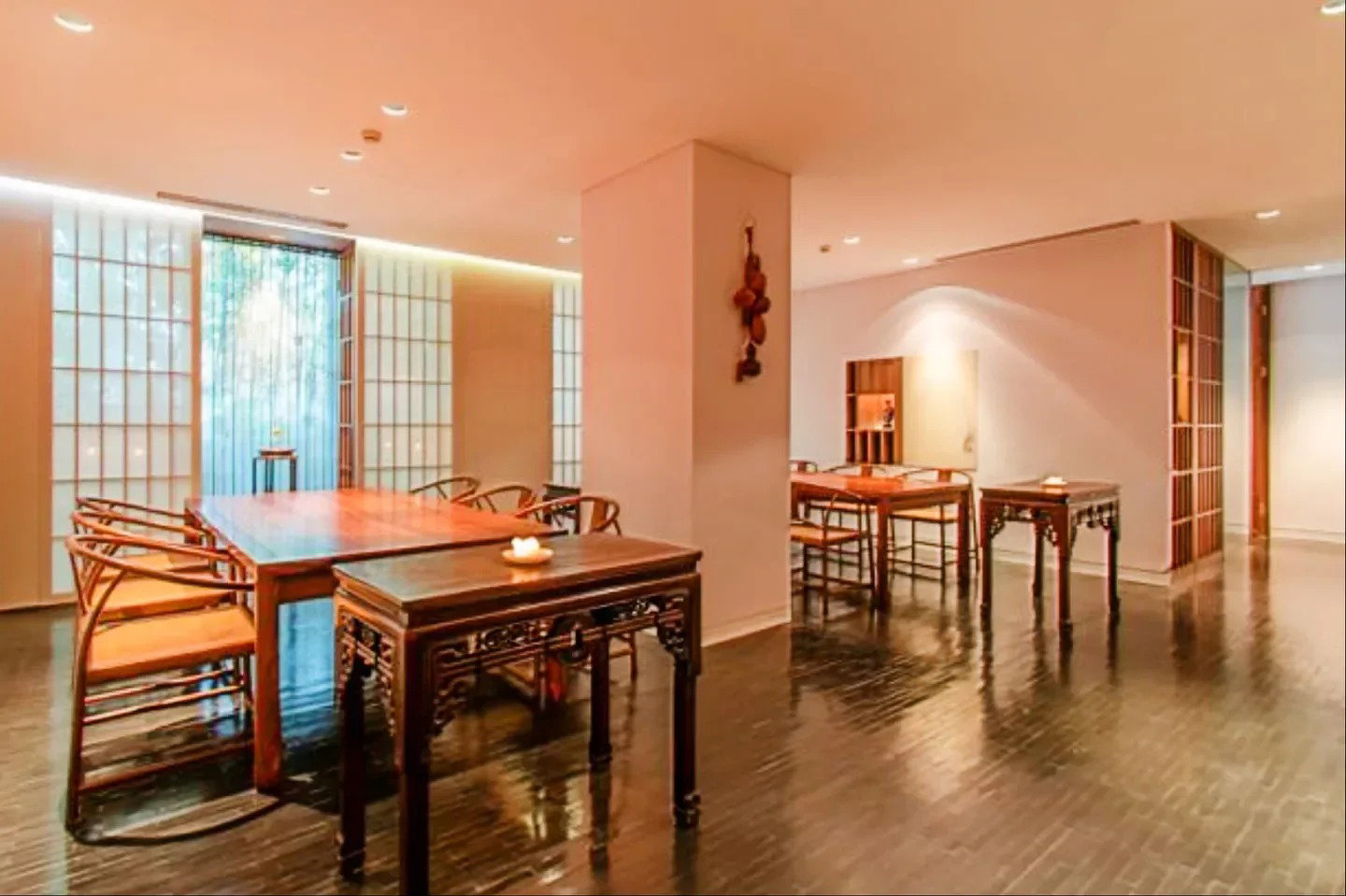
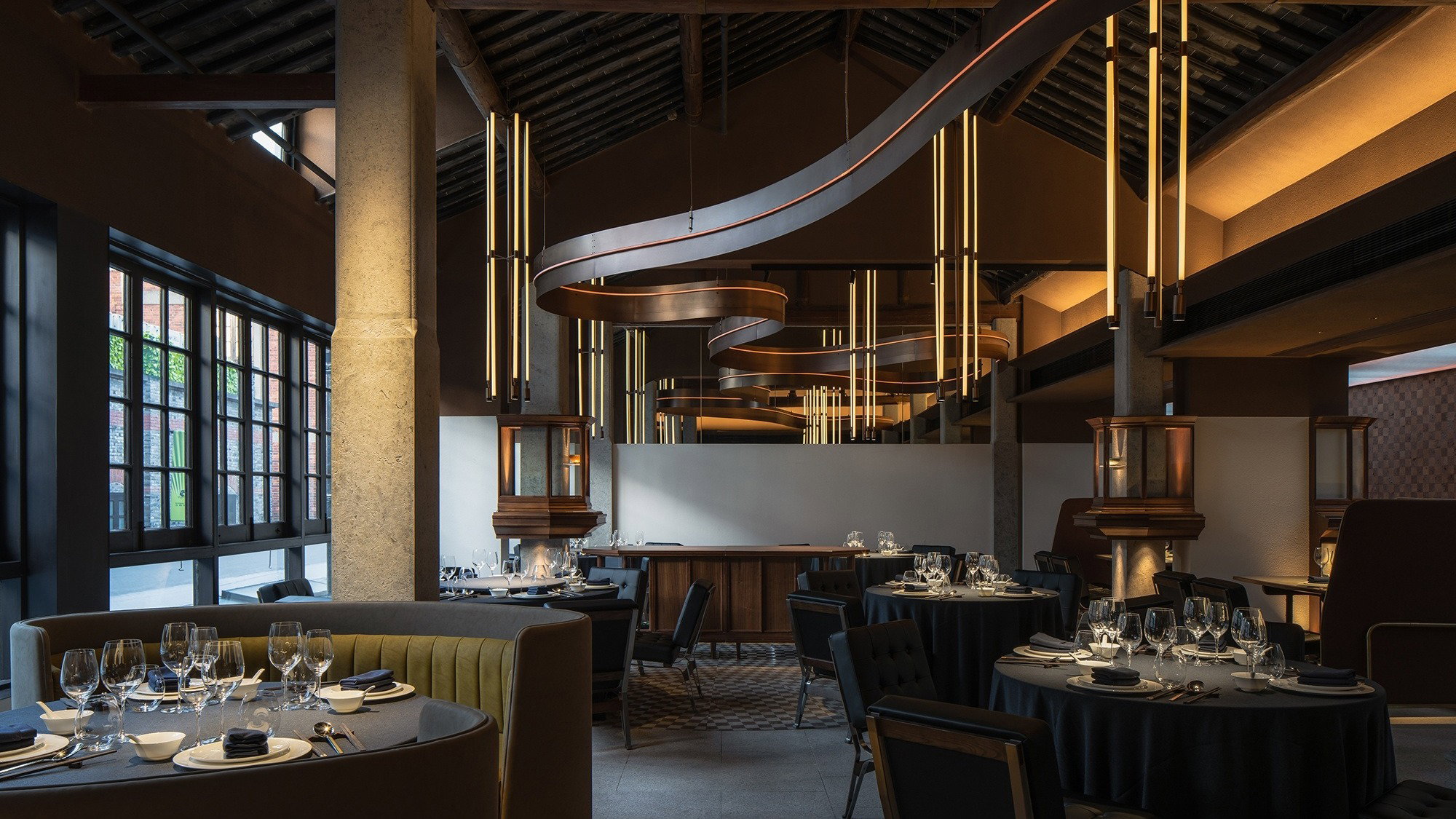
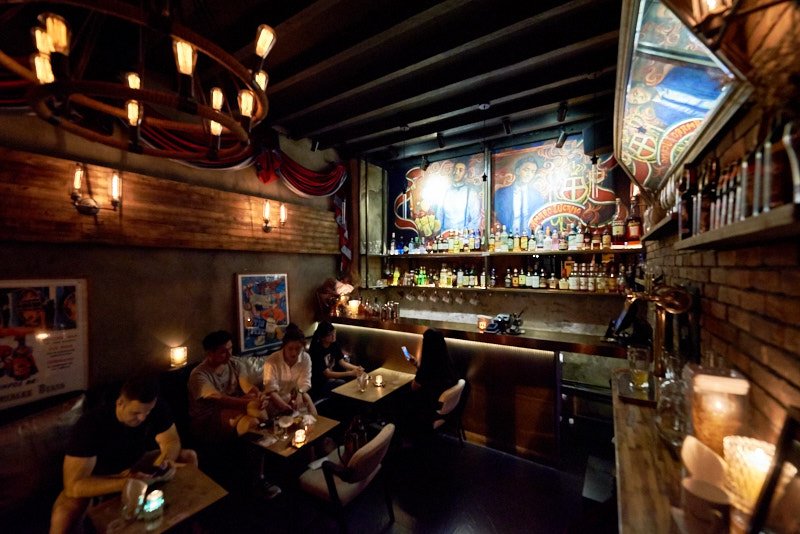
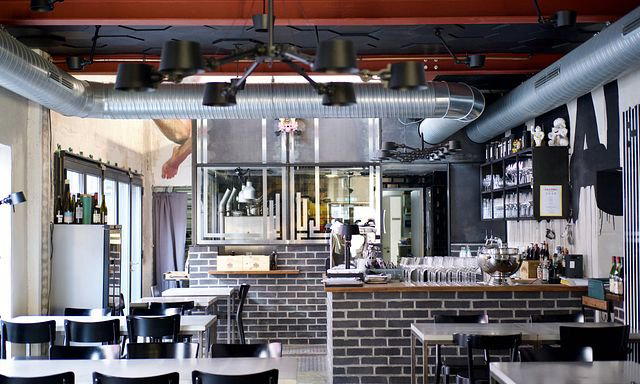
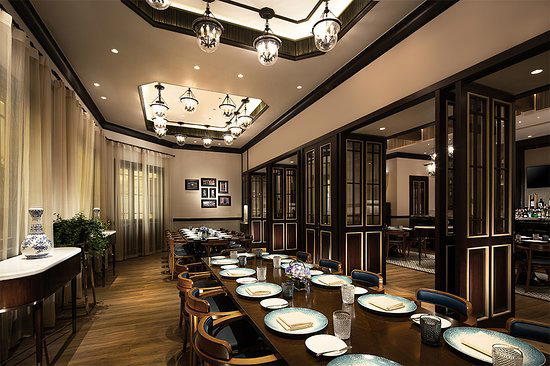
Bai Rong presents Lu (Shandong) cuisine in a restrained, low-key setting on Mengzi Road. The kitchen foregrounds long-simmered stocks, whole-animal roasting and seafood preparations that prioritise texture and savoury depth over flashy seasoning. The neighbourhood context — an older residential and commercial grid away from the polished tourism corridor — keeps the room inward-facing and local, so the dining experience feels understated and focused on technique. Recognition with a Michelin Plate signals careful execution, but the restaurant’s atmosphere remains quietly serious rather than performative, appealing to diners who value culinary tradition and precision.
Best For
This is a place for diners seeking a focused exploration of Lu cuisine at dinner. The menu’s banquet roots and emphasis on refined stock work make it appropriate for special meals where the quality of technique matters over theatrical presentation. Because the restaurant operates in a residential neighbourhood and attracts local clientele, it’s best for those who appreciate authentic regional cooking and a calm dining room rather than a destination-seeking crowd. The Michelin Plate nod underscores its suitability for an elevated, ingredient-driven evening meal.
Ordering Tips
Start with seafood that showcases the Shandong coast’s texture-forward approach — the Jiaodong cold seafood platter is a signature example. Follow with richer, braised or slow-simmered dishes that demonstrate the kitchen’s stock work and banquet lineage; the sautéed Linyi chicken with fish maw is listed as a house specialty. Expect restrained seasoning and an emphasis on natural flavours and mouthfeel. Because the kitchen privileges technique over spice or sweetness, order dishes that let ingredient quality and precise cooking carry the meal.
Venue details
Ambiance
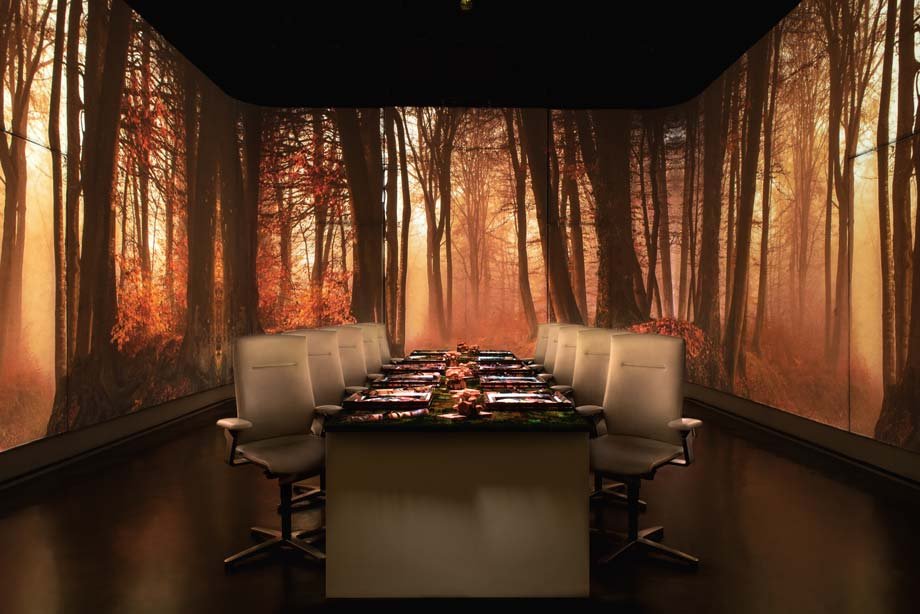
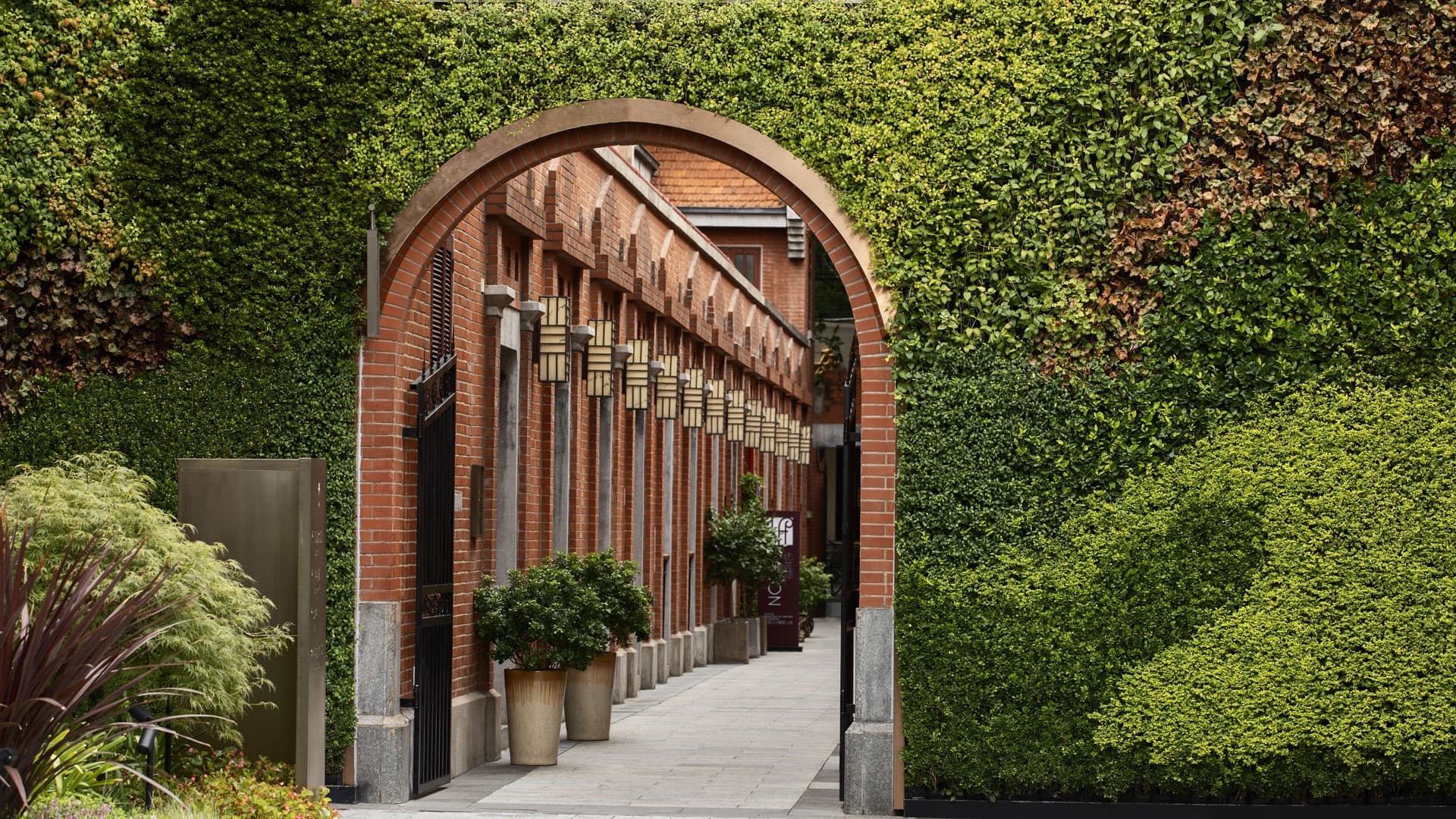
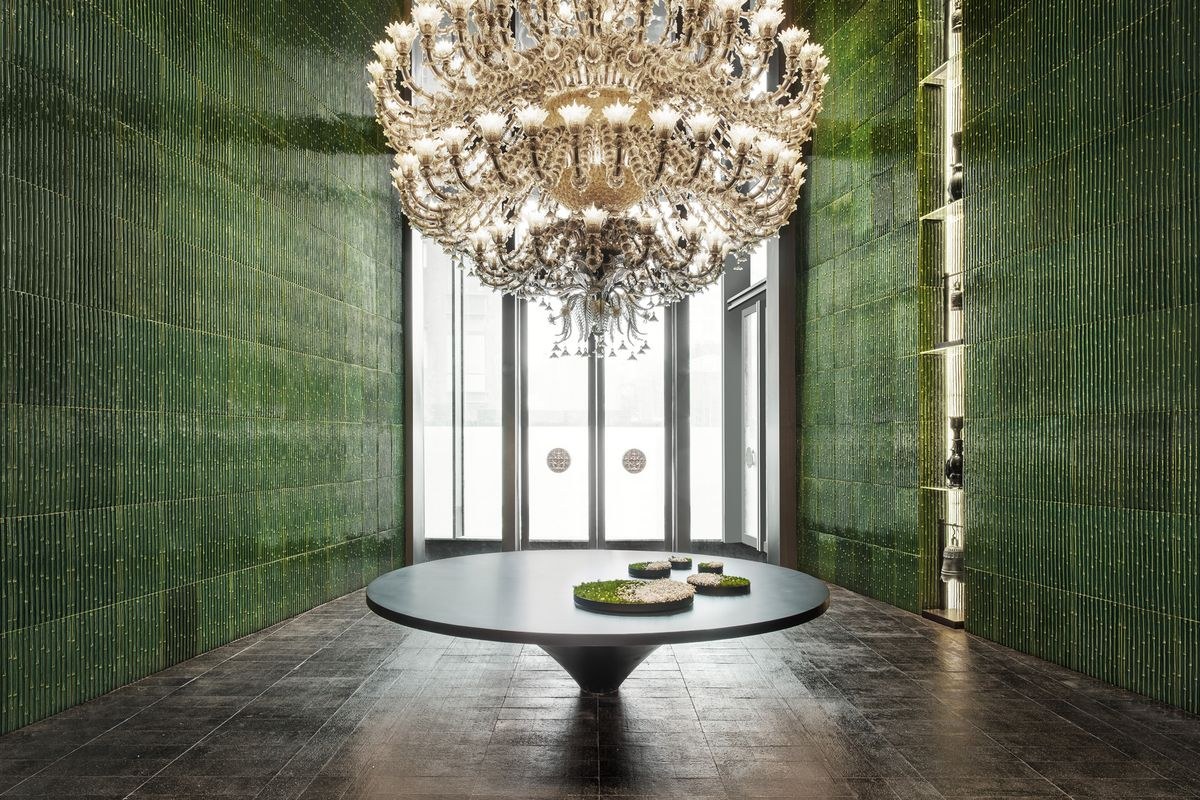
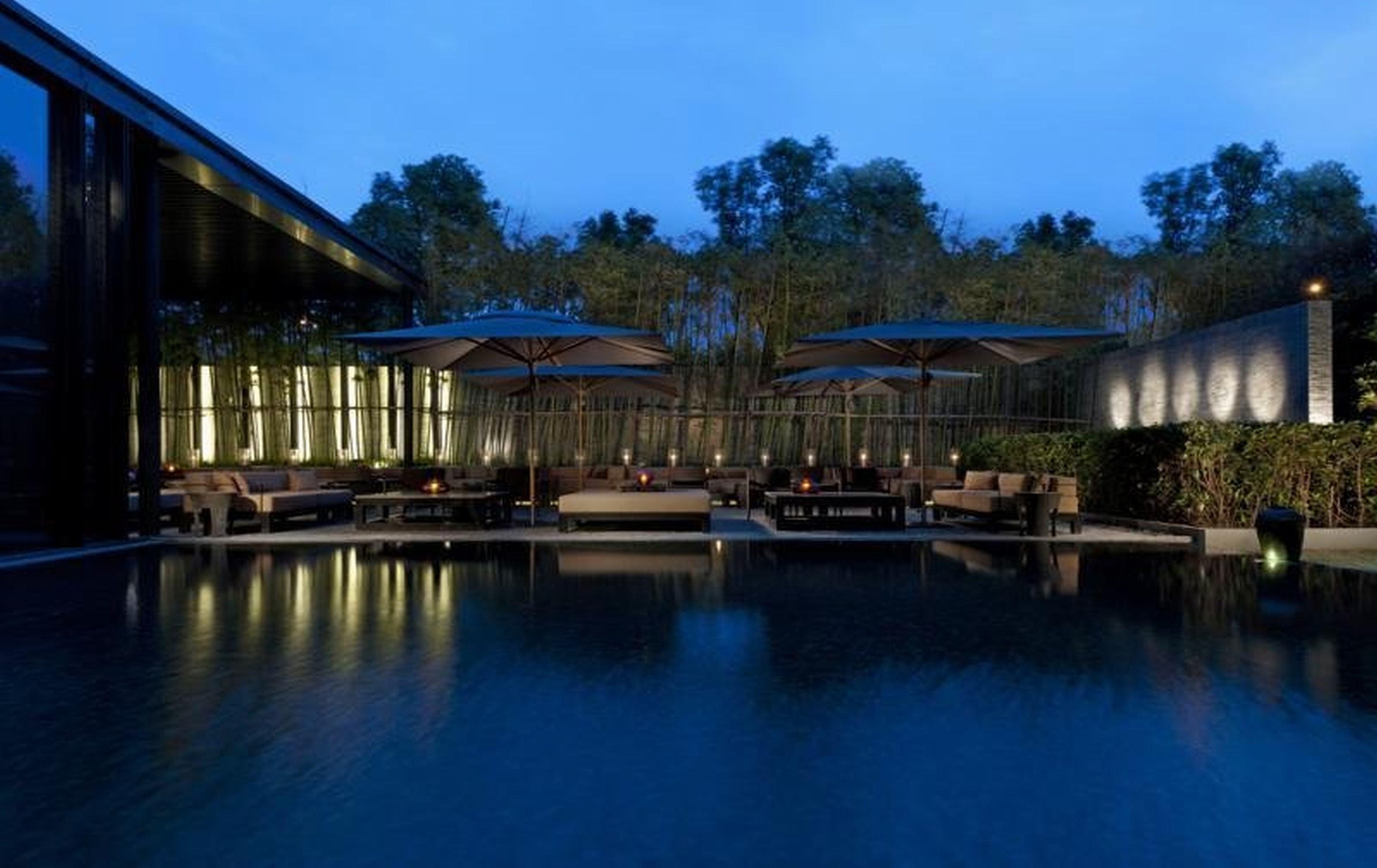
Generously adorned with lush greenery.
Tags
Vibe
Best For
Experience
Sourcing
At the Table
- Dress Code
- Smart Casual
- Noise Level
- Conversational
- Service Style
- Upscale Casual
- Meal Pacing
- Leisurely
- Capacity
- Medium
- Kitchen
- Modern
- Menu Format
- A la carte
- Wine Program
- Standard
Signature Dishes
- Jiaodong cold seafood platter
- sautéed Linyi chicken with fish maw
Know before you go
Know Before You Go
- Getting there
- China, CN 上海市 黄浦区 蒙自路 169 169号1-106 邮政编码: 200023
Planning details
Location
China, CN 上海市 黄浦区 蒙自路 169 169号1-106 邮政编码: 200023 · Directions
Recognition and awards
Also consider
Also Consider
- Fu He Hui, Vegetarian, ¥¥¥¥
- Ming Court, Cantonese, ¥¥¥
- Royal China Club, Chinese, Cantonese, ¥¥¥
- Scarpetta, Italian, ¥¥¥
- Yè Shanghai, Shanghainese, ¥¥
Restaurant context
Against Shanghai's ¥¥¥ field, Bai Rong occupies a specific position: it is the address for regional Chinese cooking from a tradition most of its peers do not attempt. Ming Court and Royal China Club both operate in Cantonese territory at the same price tier, more familiar to international diners, arguably more polished in service terms, but not comparable in regional specificity. If Cantonese is your preference, either is a strong choice; if you want something genuinely different from Shanghai's default Chinese offer, Bai Rong makes the stronger case.
Fu He Hui at ¥¥¥¥ is the most ambitious regional Chinese alternative in the city, but it is vegetarian-only and a full price tier above Bai Rong, a different audience entirely. Yè Shanghai at ¥¥ is the value option if you want accomplished Chinese cooking without the spend, though Shanghainese rather than Shandong is its register. Scarpetta at ¥¥¥ is Italian and only relevant if your group is split between cuisines.
The honest comparison for the food explorer: Bai Rong is easier to book than Fu He Hui and more culinarily specific than Ming Court or Royal China Club. If your goal is to eat something you cannot easily find elsewhere in Shanghai, book Bai Rong. If you want the most service-polished ¥¥¥ Chinese experience in the city, Ming Court or Royal China Club are safer territory.
Explore Shanghai
Around this place
Discover more on Pearl
Unlock the full Bai Rong guide in Pearl, including awards, comparisons, FAQs, planning details, and nearby places.
Compare Bai Rong
| Venue | Location | Cuisine | Awards | Price |
|---|---|---|---|---|
| Bai Rong | Shanghai | Shandong | 2025 Michelin Plate2024 Michelin Plate | ¥¥¥ |
| Fu He Hui | Shanghai | Vegetarian | 2026 Asia's 50 Best Restaurants · #112026 OAD Top Restaurants in Asia Ranked · #562026 Black Pearl 2 DiamondMichelin Guide Shanghai Jiangsu Zhejiang 20262026 La Liste Top Restaurants2025 Asia's 50 Best Restaurants · #152025 OAD Top Restaurants in Asia Ranked · #592025 World's 50 Best Restaurants · #64We're Smart World Top Restaurants 2025 | ¥¥¥¥ |
| Ming Court | Shanghai | Cantonese | 2025 OAD Top Restaurants in Asia Ranked · #1692025 Black Diamond 1 Diamond2025 Michelin 1 Star2024 OAD Top Restaurants in Asia Ranked · #1602024 Michelin 1 Star2023 OAD Top Restaurants in Asia Highly Recommended | ¥¥¥ |
| Royal China Club | Shanghai | Chinese, Cantonese | 2026 Michelin Plate2025 OAD Casual in Europe Ranked · #216The Good Food Guide 20252025 Michelin Plate2024 OAD Casual in Europe Ranked · #2142024 Michelin Plate2023 OAD Casual in Europe Highly Recommended | ¥¥¥ |
| Scarpetta | Shanghai | Italian | Michelin Guide Shanghai Jiangsu Zhejiang 20262025 Wine Spectator Best of Award of Excellence2025 Michelin Plate2024 Michelin Plate | ¥¥¥ |
| Yè Shanghai | Shanghai | Shanghainese | 2025 OAD Top Restaurants in Asia Ranked · #2092025 Michelin Plate2024 OAD Top Restaurants in Asia Ranked · #2162024 Michelin Plate2023 OAD Top Restaurants in Asia Highly Recommended | ¥¥ |









How Bai Rong Shanghai compares with similar nearby venues.
FAQ
Frequently Asked Questions
Does Bai Rong handle dietary restrictions?
Shandong cuisine relies heavily on meat, seafood, and wheat-based preparations, so options for strict vegetarians or those avoiding gluten will be limited. Contact the restaurant in advance to clarify what can be accommodated. The ¥¥¥ price point suggests a kitchen with enough experience to adjust dishes when asked, but do not assume flexibility without confirming directly.
What should a first-timer know about Bai Rong?
Arrive knowing that Shandong cooking is one of China's oldest formal culinary traditions, closer to classic northern Chinese technique than to the Shanghainese or Cantonese food most visitors default to. Bai Rong sits in Huangpu's Mengzi Road area, which runs quieter than the Bund or Xintiandi tourist corridors. Booking ahead is advisable, though the venue is rated easy to secure.
What are alternatives to Bai Rong in Shanghai?
For a completely different register, Fu He Hui is the reference point for vegetarian fine dining in Shanghai. Yè Shanghai covers Shanghainese classics at a comparable price tier if you want regional cuisine without the Shandong focus. Neither is a direct substitute for what Bai Rong does, but both serve as useful benchmarks for the broader Shanghai dining conversation.
Is Bai Rong worth the price?
At ¥¥¥, Bai Rong sits in mid-to-upper territory for Shanghai dining, and the back-to-back Michelin Plate awards for 2024 and 2025 confirm it is operating above casual-restaurant standard. For a cuisine as underrepresented in Shanghai as Shandong, the price is reasonable if you want technique and intention rather than just regional novelty. If budget is a constraint, the easy booking window at least means you are not paying a premium for access.
Is Bai Rong good for a special occasion?
It works for a special occasion if the guest of honour values serious regional Chinese cooking over a flashier setting. The Michelin Plate credential gives it enough standing to carry the moment, and Huangpu's lower tourist density means the experience feels considered rather than performative. For a more theatrically impressive room, Yè Shanghai or Fu He Hui may read better to guests who prioritise atmosphere.