
YUN
Korean · 소공동, Seoul
Restaurant in Seoul, South Korea
 Book with Pearl
The Read
Fermentation-Forward Counter
Price
$100–150per person
Dress
Smart Casual
Why go
YUN is a counter-led Korean set-menu restaurant in Gangnam where chef-owner Kim Do-yun builds multi-course meals around fermentation, aging, and housemade noodles. At ₩₩₩ it sits below Seoul's priciest tasting menus and books easily: 1 to 2 weeks ahead is usually enough. A strong choice for a special occasion dinner or focused weekday lunch.
About YUN
Should You Book YUN?
Getting a table at YUN is not a battle: booking is rated easy, which puts it in a different category from Seoul's more fought-over reservation targets. That accessibility makes the real question sharper: does the experience justify the effort of planning around it? The answer is yes, with one caveat. YUN is a counter-led, multi-course set menu restaurant built around a chef who thinks seriously about fermentation, aging, and noodles. If that format suits you, this is one of Gangnam's more compelling special-occasion restaurants at the ₩₩₩ price point. If you want à la carte flexibility or a more casual drop-in, look elsewhere.
The Space
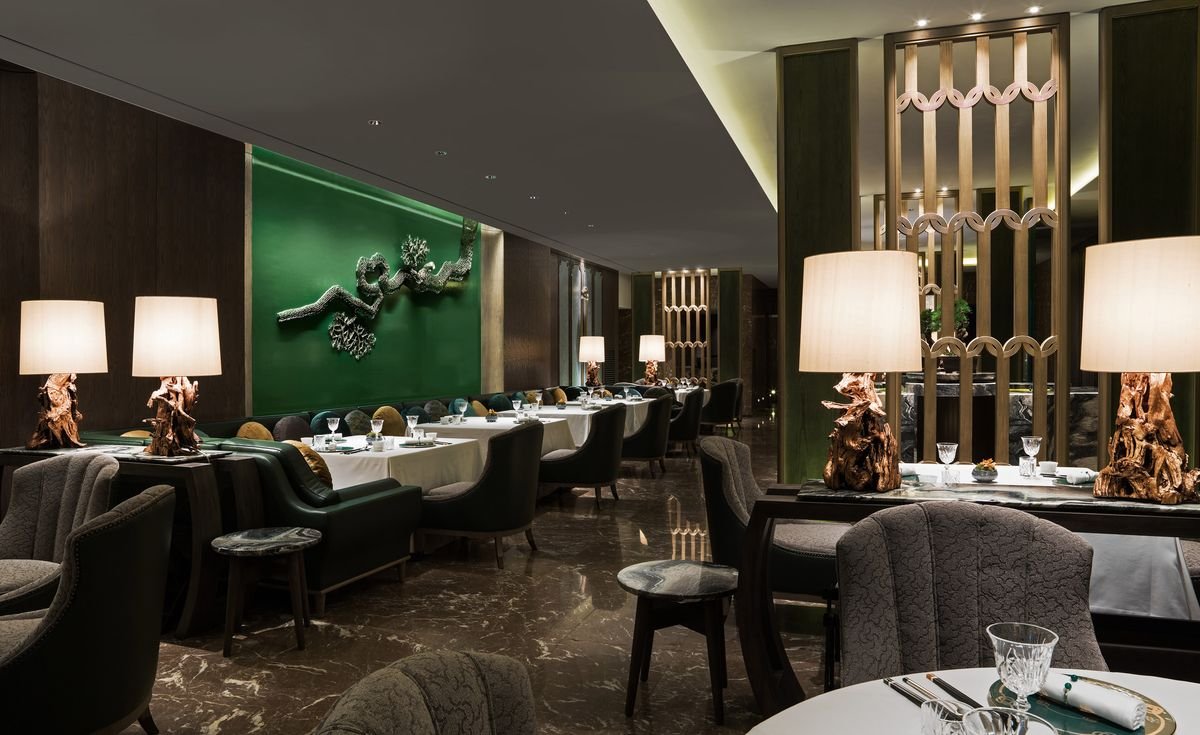
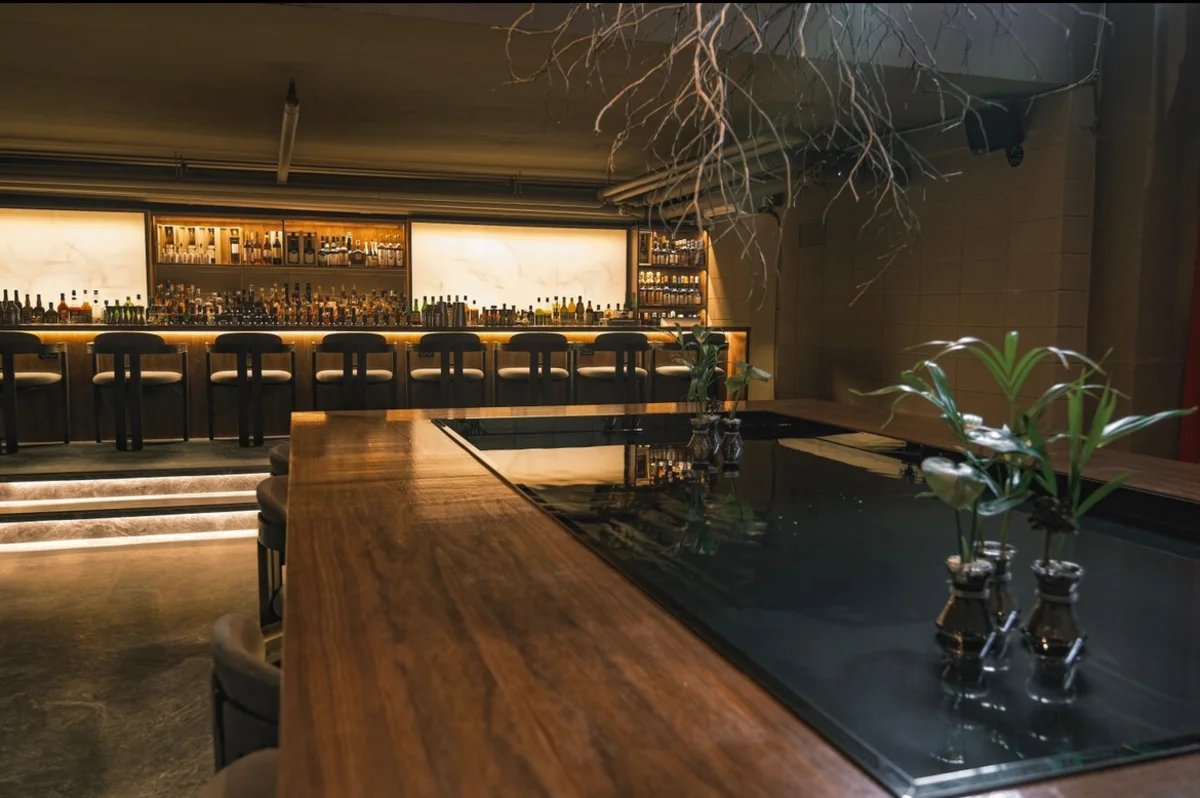
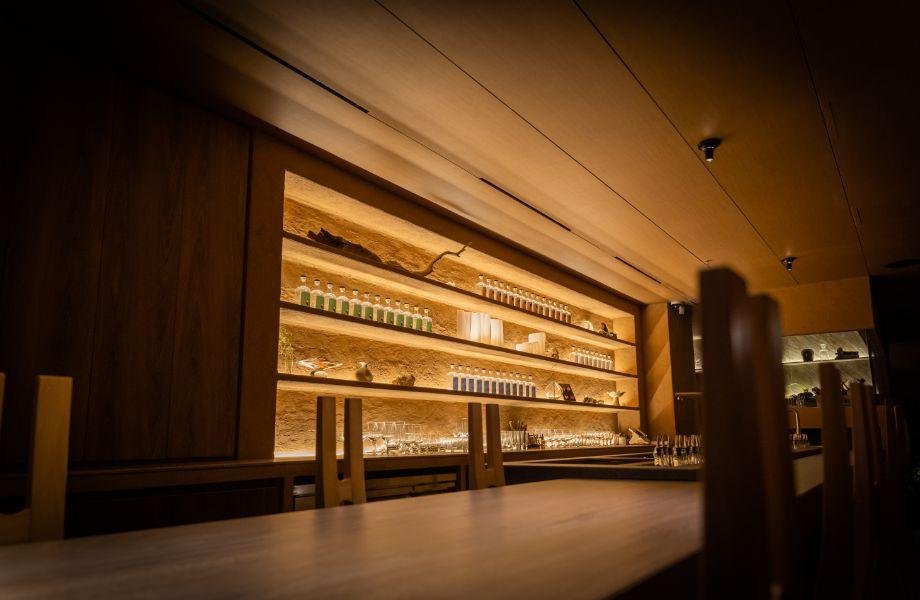
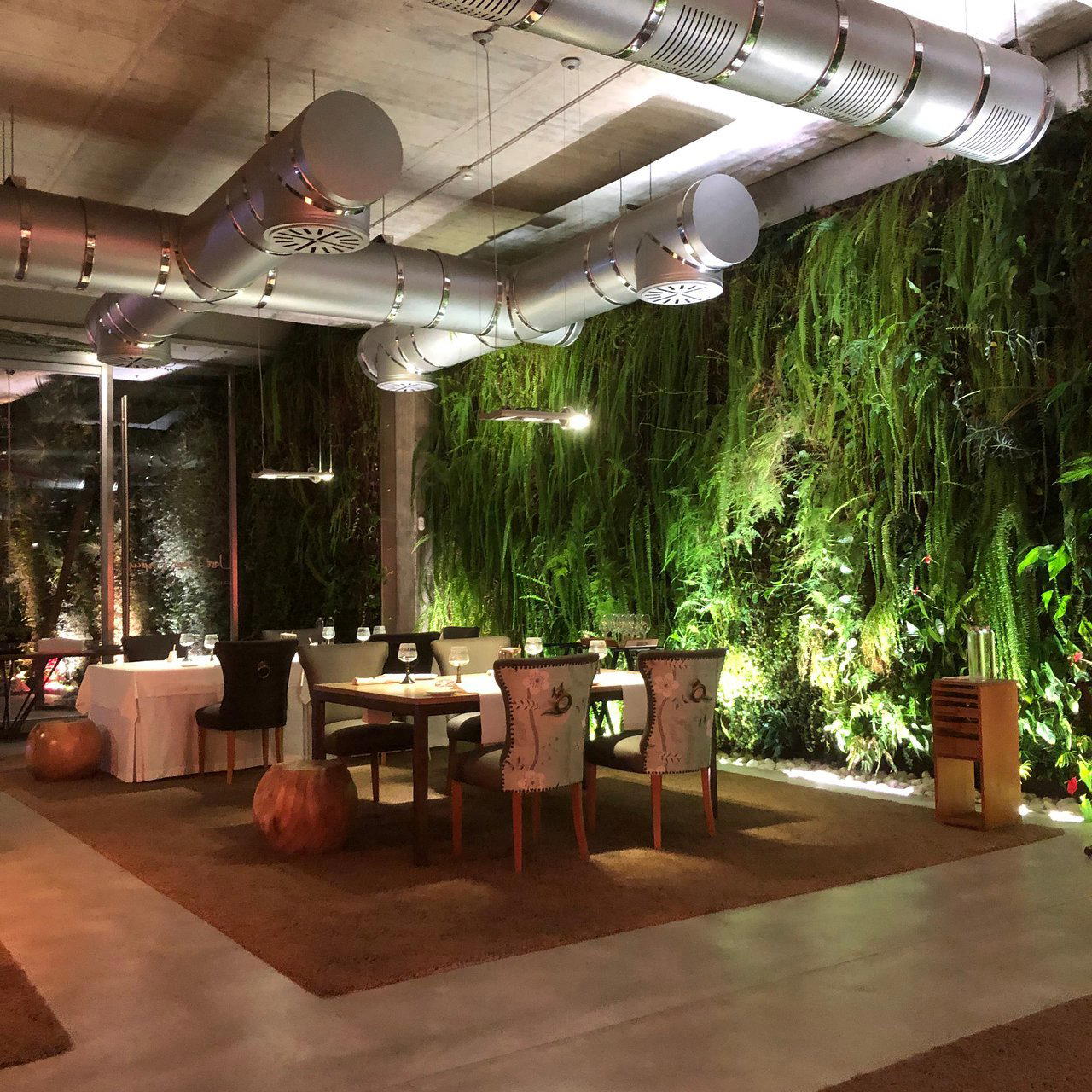
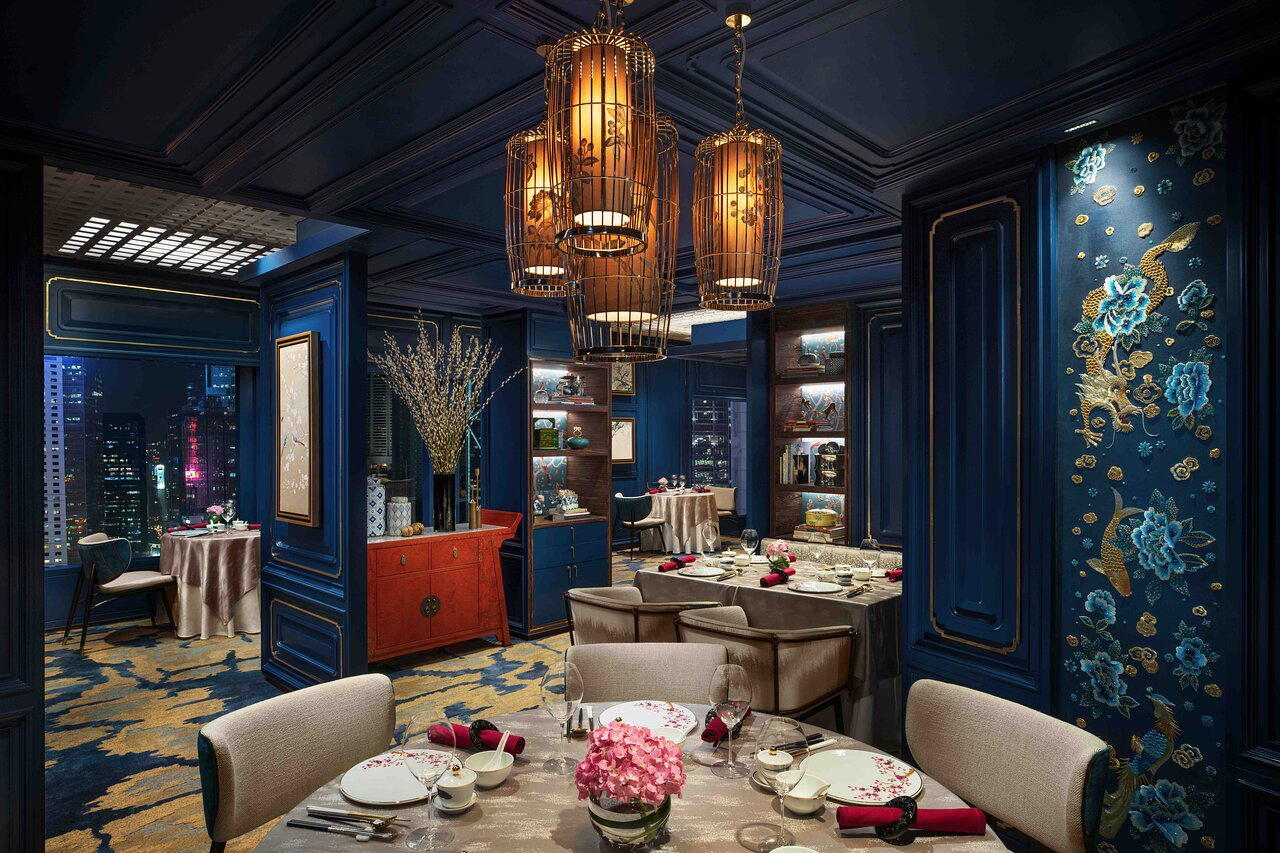
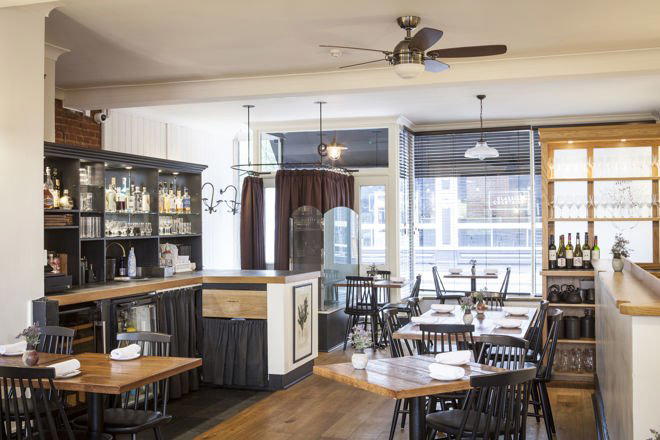
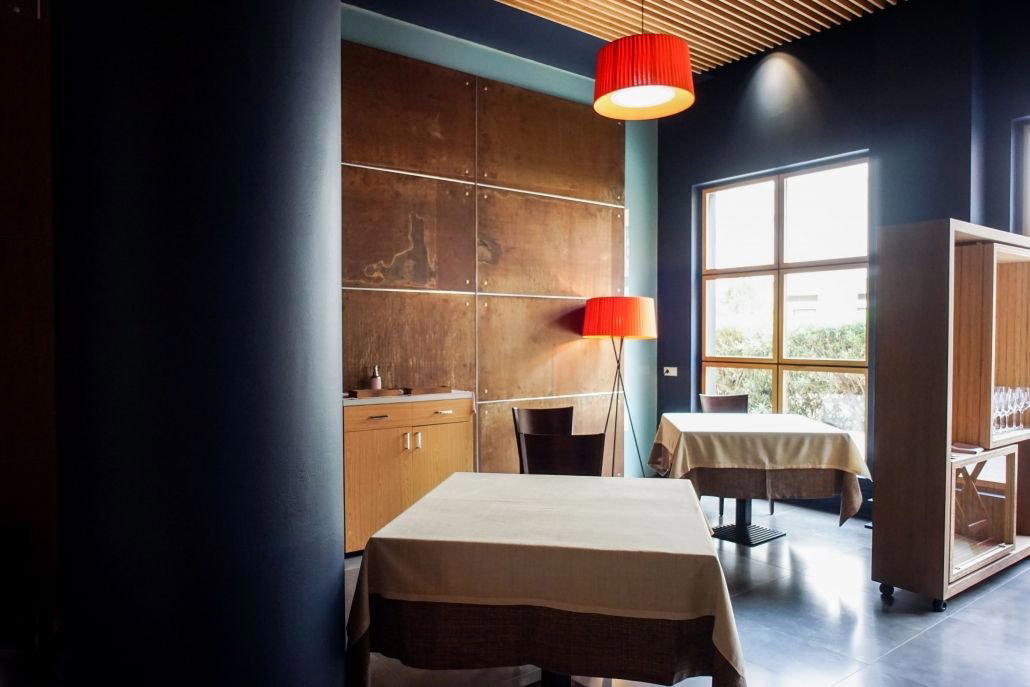
YUN recently relocated from Mapo to Gangnam, and the move came with a significant upgrade in physical presence. The dining hall has been expanded and renovated, and the result reads as elegant without tipping into stiff. The counter is the focal point: it gives diners a direct line of sight to the kitchen and, more usefully, to the chef's explanations of the techniques behind each dish: the aging, fermenting, and drying processes that define the menu's character. For a special occasion, the counter is the right seat. You are not just eating; you are watching a working kitchen operate with deliberate precision, and the explanations are part of what you are paying for. If your group prefers a table setting over counter seating, confirm your preference when booking, as the expanded hall now offers both configurations.
The Food and Drink Program
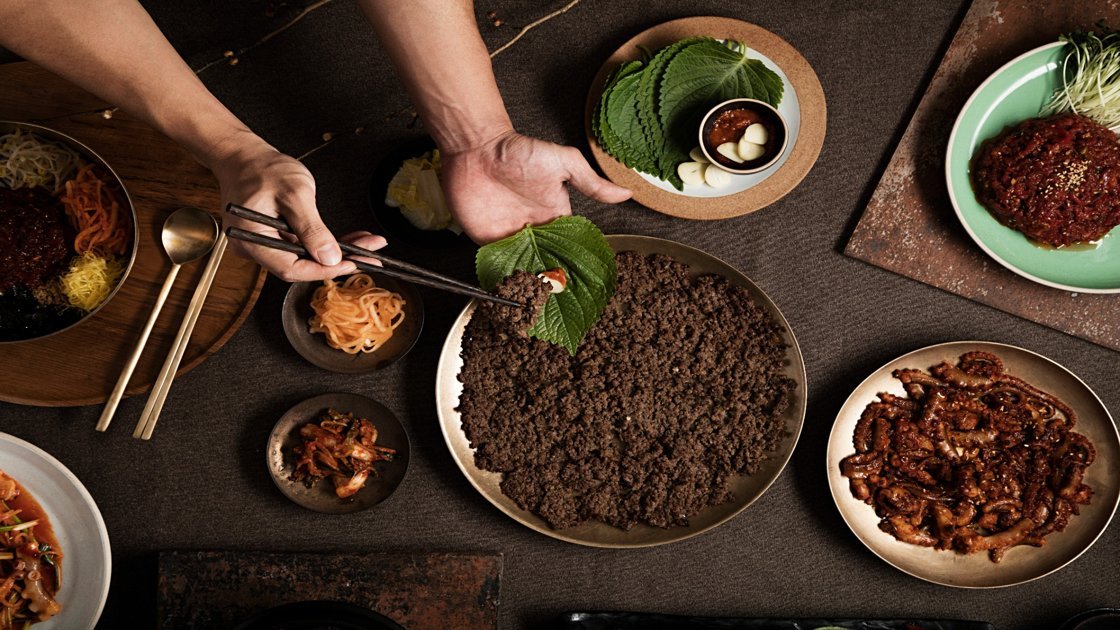
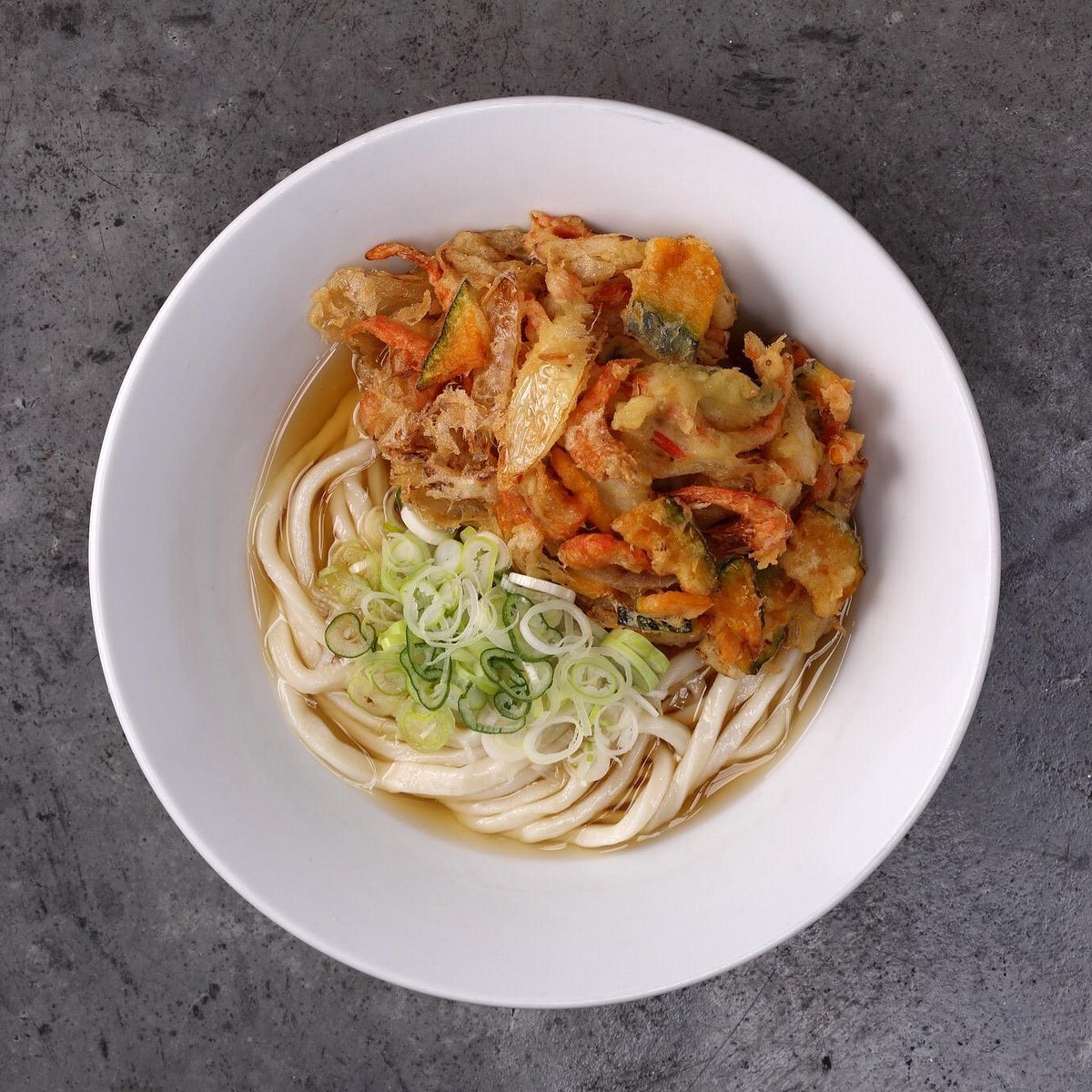
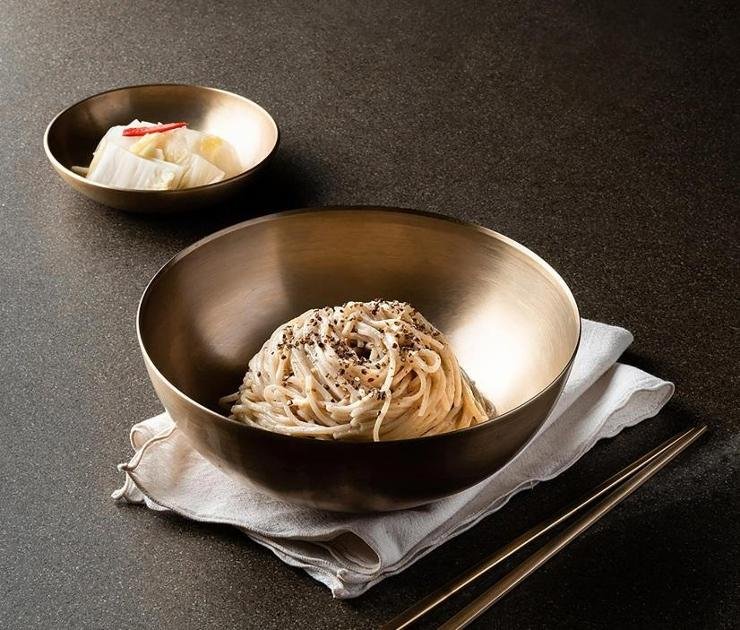
YUN's menu is set and multi-course, built around what chef-owner Kim Do-yun does with Korean ingredients taken through serious preparation. The perilla oil noodles, made with housemade Korean wheat noodles, are the dish most frequently cited in the venue's own description of its direction. House-aged fish dishes appear across the menu, alongside Korean beef preparations added more recently. The common thread is depth through process: fermentation, aging, and drying techniques that add layers of flavor and textural contrast to ingredients that might read simply on paper.
On the drinks side, YUN's program warrants attention if you are thinking about the full experience. Korean restaurants at this tier increasingly pair their set menus with considered drink selections, traditional Korean spirits, natural wines, or craft pairings that match the fermentation-forward cooking. Whether YUN offers a formal pairing menu is worth confirming at the time of booking, but given the kitchen's explicit focus on fermented and aged flavors, a drinks pairing here has more thematic logic than it would at a more generically modern Korean table. If you are coming for a celebration and want the full arc of the meal, ask about pairing options when you reserve.
Ideal time to visit
YUN opens Tuesday through Saturday from 12 PM to 10 PM, with Monday and Sunday closed. Lunch service starts at noon and gives you access to the same kitchen and counter experience without the evening pricing pressure that some tasting menus carry. For a special occasion dinner, Friday or Saturday evenings will feel the most celebratory in terms of room energy, but the counter experience at a weekday lunch is arguably the more focused way to engage with what the chef is doing, fewer variables, more attention from the kitchen. If you are booking for a birthday or anniversary, a Saturday dinner is the conventional choice and the room's renovated setting supports it. For a business meal where conversation matters, a weekday lunch is the cleaner option.
Ratings and Trust Signals
The venue's awards text references recognition from what reads as a Michelin Guide inspector's note, describing the chef's technical depth, his fascination with noodles, and the counter format specifically. That framing, precision, audacity, rarely found in ordinary Korean cuisine, places YUN in a tier above casual Korean dining without claiming the very leading of Seoul's fine dining hierarchy. At ₩₩₩, it is correctly priced for what it delivers.
Practical Details
Reservations: Easy to book by Seoul fine-dining standards, plan 1 to 2 weeks ahead to be safe, especially for weekend evenings. Hours: Tuesday to Saturday, 12 PM to 10 PM; closed Monday and Sunday. Address: 805 Seolleung-ro, Gangnam-gu, Seoul. Price: ₩₩₩, mid-to-upper range for Seoul, below the ₩₩₩₩ tier occupied by venues like Onjium and Mingles. Format: Multi-course set menu at a counter with table seating also available. Groups: The counter format works well for 2 to 4 diners; larger groups should confirm table arrangements in advance. Dress: Smart casual is appropriate given the renovated, elegant setting, overly casual dress would feel out of place at the counter. Getting there: Gangnam-gu is well-served by Seoul Metro; Seolleung or Yeoksam stations are the practical access points depending on your starting point. For a broader look at where YUN sits in Seoul's dining options, see our full Seoul restaurants guide. If you are planning a longer trip, our Seoul hotels guide, bars guide, and experiences guide cover the rest of the city.
Pearl Picks Nearby
If you are building a Seoul itinerary around serious Korean cooking, Kwonsooksoo and La Yeon represent different points on the spectrum, the former more contemporary, the latter rooted in royal court tradition. Bicena is worth considering if you want modern Korean at a similar price tier with a different culinary emphasis. Beyond Seoul, Mori in Busan and Double T Dining in Gangneung are worthwhile detours if your itinerary extends outside the capital. For Korean cooking in other cities, Jeju Noodle Bar in New York City and DOSA in London are points of comparison for what Korean cuisine looks like when transplanted to a different context. Regional options worth noting for completeness: Doosoogobang in Suwon, Injegol in Inje County, and Pool House in Incheon round out the broader Korean dining picture. Seoul wineries are also an emerging category worth checking if natural wine or makgeolli production interests you.
Planning details
- Hours
- Monday: closed · Tuesday: 12 PM-10 PM
- Location
- 805 Seolleung-ro, Gangnam-gu, Seoul, 06019, South Korea
- Website
- catchtable.net/shop/yunseoul?from=share&type=DINING_GLOBAL
- Phone
- +82 2-336-3323
The take
The Take
The Vibe
YUN presents a focused, counter-led dining experience that sits squarely within Seoul’s contemporary scene. The restaurant favors a cook-to-diner relationship over ceremonial table service: fewer seats, a visible workspace, and a menu built around fermentation, aging and patient technique. Its recent move from Mapo to Gangnam brings that concentrated craft into a district known for high-end dining, making YUN feel like a design-forward, trend-aware destination where technique and ingredient-driven dishes are the primary attractions. The room emphasizes process and proximity, inviting diners to watch and learn as courses unfold.
Best For
YUN is best for diners seeking an engaged, chef-facing meal: an evening destination for guests who want to experience contemporary Korean technique in an intimate setting. Its placement in Gangnam and positioning at a more accessible price point than neighboring fine-dining stalwarts means it appeals to local professionals, couples on date night and those looking for a serious but less ceremonious special-occasion dinner. The menu’s focus on fermentation and aging also makes it a draw for curious eaters and anyone interested in food-and-drink pairings that reward attention.
Ordering Tips
Sit at the counter if you can: the format is built around watching technique and the cook-to-diner interaction. The menu emphasizes fermentation and aging: prioritize dishes that showcase those methods, including the house signatures such as perilla-oil noodles, dry-aged Hanwoo sirloin and aged fish tarts. Expect an experience oriented toward evening dining and thoughtful pairings; bring a readiness to taste deliberately and to follow the pacing of a sequence of plates.
Venue details
Ambiance
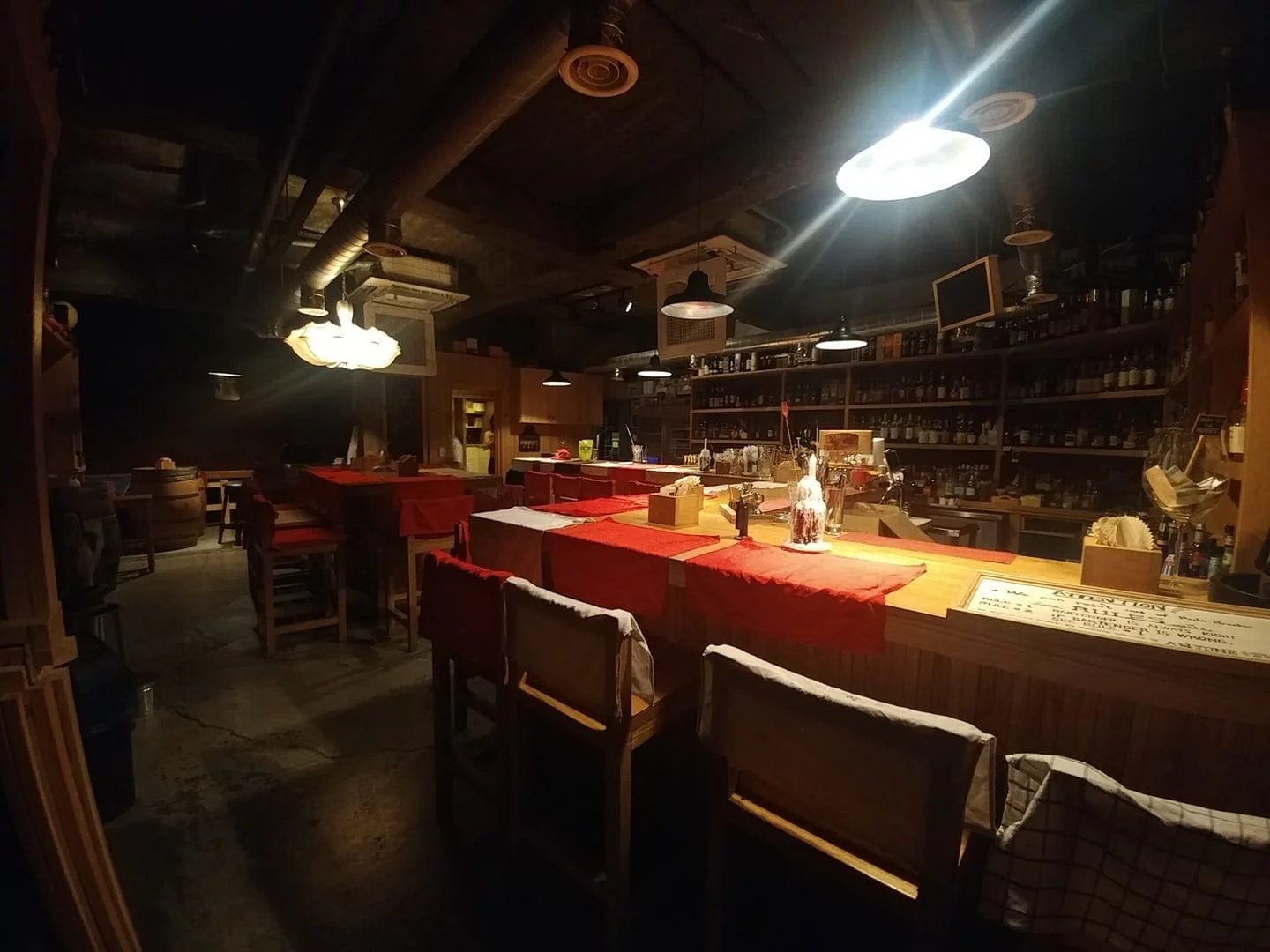
Dimmed lighting with calm, textured materials creating a modern Korean atmosphere that is quiet, private, and focused on the culinary experience.
Tags
Vibe
Best For
Experience
Sourcing
At the Table
- Dress Code
- Smart Casual
- Noise Level
- Quiet
- Service Style
- Formal
- Meal Pacing
- Leisurely
- Capacity
- Intimate
- Kitchen
- Modern
- Menu Format
- Tasting menu
- Drinks Focus
- Soju program
Signature Dishes
- perilla_oil_noodles
- dry-aged_hanwoo_sirloin
- aged_fish_tarts
Know before you go
Know Before You Go
- Getting there
- 805 Seolleung-ro, Gangnam-gu, Seoul, 06019, South Korea
Planning details
Hours
- Monday
- closed
- Tuesday
- 12 PM-10 PM
- Wednesday
- 12 PM-10 PM
- Thursday
- 12 PM-10 PM
- Friday
- 12 PM-10 PM
- Saturday
- 12 PM-10 PM
- Sunday
- closed
Location
805 Seolleung-ro, Gangnam-gu, Seoul, 06019, South Korea · Directions
Recognition and awards
Also consider
Also Consider
- 7th Door: Korean, Contemporary, ₩₩₩₩
- Solbam: Contemporary, ₩₩₩₩
- Onjium: Korean, ₩₩₩₩
- L'Amitié: French, ₩₩₩
- Zero Complex: Korean-French, Innovative, ₩₩₩₩
Restaurant context
YUN's clearest advantage over its Seoul peers is price accessibility combined with genuine technical depth. Against Onjium, 7th Door, and Zero Complex, all priced at ₩₩₩₩, YUN delivers a comparable counter-and-set-menu format at one price tier lower. If your ceiling is ₩₩₩ and you want Korean cuisine with a serious kitchen behind it, YUN and L'Amitié are the two strongest options in that bracket, though L'Amitié's French orientation makes them non-competing choices rather than direct alternatives. Pick YUN if Korean culinary technique is the priority; pick L'Amitié if you want a French tasting menu experience at a similar spend.
Against Solbam at ₩₩₩₩, YUN is the more accessible entry point for diners testing Seoul's serious Korean dining scene for the first time. Solbam operates at a higher price and formality level; YUN's renovated Gangnam room is elegant but not intimidating, and the booking difficulty is markedly lower. If you are choosing between the two for a first Seoul fine-dining experience, YUN is the lower-risk, lower-cost way to establish your benchmark. Reserve Solbam for a return visit when you have more context for what you are paying for.
The fermentation and noodle focus at YUN also carves out a specific identity that 7th Door and Zero Complex do not replicate. Zero Complex blends Korean and French techniques in a more fusion-forward direction; 7th Door's contemporary Korean approach is broader in scope. If you want a meal that goes deep on one culinary philosophy, aged fish, housemade noodles, fermented depth, rather than spanning multiple influences, YUN is the more coherent choice among this peer group. For the widest overview of where these restaurants sit in Seoul's dining picture, see our full Seoul restaurants guide.
Explore Seoul
Around this place
Discover more on Pearl
Unlock the full YUN guide in Pearl, including awards, comparisons, FAQs, planning details, and nearby places.
Compare YUN
| Venue | Cuisine | Price | Awards | Booking Difficulty |
|---|---|---|---|---|
| YUN | Korean | ₩₩₩ | Michelin Guide Seoul & Busan 20262025 Michelin 1 Star2024 Michelin 1 Star | Easy |
| 7th Door | Korean, Contemporary | ₩₩₩₩ | 2026 Asia's 50 Best Restaurants · #492026 OAD Top Restaurants in Asia Ranked · #842026 Black Pearl 1 DiamondMichelin Guide Seoul & Busan 20262026 La Liste Top Restaurants2025 Asia's 50 Best Restaurants · #232025 Michelin 1 Star2025 La Liste Top Restaurants2024 OAD Top Restaurants in Asia Ranked · #192 | Unknown |
| Solbam | Contemporary | ₩₩₩₩ | 2026 Asia's 50 Best Restaurants · #552026 Wine Spectator Best of Award of Excellence2026 OAD Top Restaurants in Asia RecommendedMichelin Guide Seoul & Busan 20262026 La Liste Top Restaurants2025 Asia's 50 Best Restaurants · #552025 OAD Top Restaurants in Asia Ranked · #277Tatler Best Restaurants Asia-Pacific 20252025 Wine Spectator Best of Award of Excellence | Unknown |
| Onjium | Korean | ₩₩₩₩ | 2026 Asia's 50 Best Restaurants · #142026 OAD Top Restaurants in Asia Ranked · #852026 La Liste Top RestaurantsMichelin Guide Seoul & Busan 20262026 Wine Spectator Best of Award of Excellence2025 Asia's 50 Best Restaurants · #102025 World's 50 Best Restaurants · #572025 OAD Top Restaurants in Asia Ranked · #1342025 La Liste Top Restaurants | Unknown |
| L'Amitié | French | ₩₩₩ | 2026 La Liste Top Restaurants2025 La Liste Top Restaurants2025 Michelin 1 Star2024 Michelin 1 Star | Unknown |
| Zero Complex | Korean-French, Innovative | ₩₩₩₩ | Star Wine Lists 20262026 OAD Top Restaurants in Asia Recommended2026 La Liste Top Restaurants2025 OAD Top Restaurants in Asia Ranked · #1992025 La Liste Top Restaurants2025 Michelin 1 Star2025 The Best Chef One Knife2024 OAD Top Restaurants in Asia Ranked · #2792024 Michelin 1 Star | Unknown |








What to weigh when choosing between YUN and alternatives.
FAQ
Frequently Asked Questions
Is YUN worth the price?
At ₩₩₩, YUN earns its price through preparation depth rather than luxury signalling: housemade noodles, house-aged fish, and fermented ingredients are the focus. The counter format, where chef-owner Kim Do-yun's aging and fermenting techniques are explained dish by dish, adds real value for food-interested diners. If you want Korean cooking that goes beyond the familiar without paying top-tier Seoul prices, YUN sits at a practical midpoint. Diners who prefer à la carte flexibility will find the fixed multi-course format limiting.
What are alternatives to YUN in Seoul?
Onjium is the closest alternative for technique-driven traditional Korean, though it is considerably harder to book and sits at a higher price point. Kwonsooksoo and La Yeon (referenced in YUN's own editorial context) cover similar ground at different price tiers. Zero Complex and L'Amitié offer fusion-leaning formats if the strictly Korean tasting menu structure at YUN is not what you are after.
How far ahead should I book YUN?
YUN is rated easy to book by Seoul fine-dining standards: one to two weeks ahead is generally sufficient, with weekend evenings the tightest window. This puts it in a different bracket from Seoul's hardest reservations, where months-out planning is standard. That relative accessibility is worth factoring in if you are building an itinerary late.
Is lunch or dinner better at YUN?
YUN opens at noon Tuesday through Saturday, and lunch gives access to the same kitchen and multi-course format as dinner. Lunch is the better call if you want the counter experience with more flexibility to extend the afternoon. Dinner works if you prefer the full-evening pacing, but the menu format does not change materially between services.
What should I order at YUN?
YUN runs a set multi-course menu, so there is no à la carte ordering: the kitchen decides the progression. The recurring anchors are the perilla oil noodles made from housemade Korean wheat noodles, house-aged fish dishes, and Korean beef preparations described as umami-forward. The chef's focus on aging, fermenting, and drying techniques runs through the full menu, so the experience is consistent rather than dependent on a single dish choice.