



Restaurant Jueun
Korean · 효자동, Seoul
Restaurant in Seoul, South Korea
 Book with Pearl
The Read
Jang-Driven Heritage Dining
Price
$150–200per person
Chef
Park Ju-eun
Dress
Smart Casual
Why go
A collaboration between chef Park Ju-eun and senior sommelier Juyong Kim, Restaurant Jueun is Seoul's clearest case for traditional Korean cuisine paired with serious wine expertise. Holding a Michelin Plate in 2024 and 2025 and ranked #272 in OAD Asia, it earns its ₩₩₩₩ price point. Book here for special occasions where substance matters more than spectacle.
About Restaurant Jueun
Here's What It Means for Your Decision.
Ranked #272 in Opinionated About Dining's Leading Restaurants in Asia (2025) and holding a Michelin Plate in both 2024 and 2025, this Jongno District address is not a casual discovery. It is a deliberate, considered project built around traditional Korean cuisine and serious wine knowledge. The question is whether that combination justifies booking it for your Seoul visit over the dozen other ₩₩₩₩ options in the city.
The short answer: yes, if traditional Korean cooking executed with sommelier-level attention to what you drink alongside it is the experience you're looking for. If you want creative Korean-contemporary fusion or a flashier tasting menu format, there are better fits in Seoul. But for a deeply rooted, ingredient-respecting Korean meal paired with expert guidance on what's in your glass, Jueun is one of the clearest choices in the city.
What This Restaurant Actually Is
Restaurant Jueun is a collaboration between chef Park Ju-eun, who works in the tradition of classical Korean cuisine, and Juyong Kim, described as one of Korea's most respected senior sommeliers. That pairing is the structural logic of the entire restaurant: the food comes from a place of deep culinary heritage, and the beverage program is built to match that register rather than overlay it with imported wine-list conventions.
This is worth understanding before you book. Traditional Korean cuisine: hanjeongsik in its full expression, is built on fermented, aged, and seasonal ingredients. The sourcing philosophy that underpins this style of cooking is not about novelty ingredients or theatrical presentation. It is about the quality of foundational materials: grains, vegetables, fermented pastes, and proteins handled with patience. When a restaurant commits to this register at the ₩₩₩₩ price point, the cost is justified not by spectacle but by the sourcing depth required to do it well. Expect the meal to reflect that, restrained in visual drama, demanding in ingredient quality.
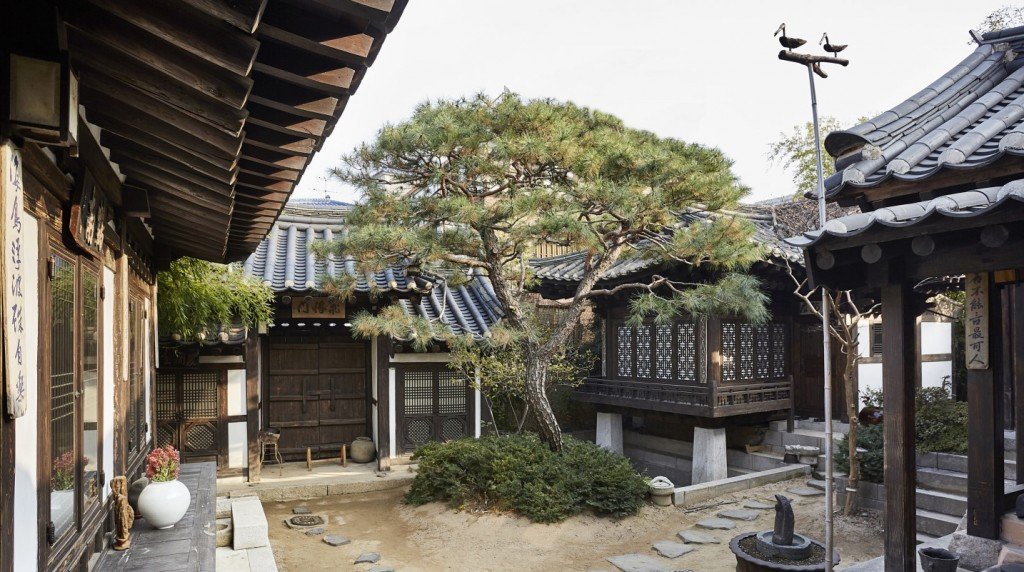
The Gyeonghuigung-gil address in Jongno places the restaurant in one of Seoul's most historically significant districts, near the Gyeonghuigung Palace. For a special occasion dinner, that context adds something real: the neighbourhood itself carries weight that newer dining districts don't. It also means the restaurant operates in a part of the city that rewards arriving early to walk before your reservation, rather than rushing in from elsewhere. See our full Seoul restaurants guide for neighbourhood context across the city.
Who Should Book This
Restaurant Jueun is the right call for special occasions where the experience should feel grounded and substantive rather than trend-chasing. A significant birthday dinner, a business meal where you want to show genuine knowledge of Seoul's food culture, or a date where the conversation matters as much as the food, these are the contexts where this restaurant delivers. The sommelier pedigree of Juyong Kim means the pairing component of your meal is taken seriously, which adds a layer of engagement that direct tasting menus don't always provide.
It is a less obvious choice if your priority is Instagram presentation, a louder and more social atmosphere, or Korean cuisine through a contemporary or fusion lens. For that profile, Mingles or Kwonsooksoo will likely be more satisfying. For a purely traditional Korean fine dining experience at a comparable price point, also consider Onjium and La Yeon before deciding, the traditional Korean category in Seoul is competitive enough that it pays to be specific about what you want from the meal.
If you are visiting Seoul from abroad and want to anchor your trip in Korean culinary tradition rather than its contemporary evolution, this restaurant belongs on your shortlist alongside Bicena. For Korean dining outside Seoul, Mori in Busan and Baegyangsa Temple in Jangseong-gun offer different regional angles worth knowing about.
Booking and Practical Details
Booking difficulty is rated Easy, which is relevant at this level of the market, many comparable Seoul fine dining addresses require weeks of advance planning or navigating difficult reservation systems. Restaurant Jueun appears more accessible. The Jongno location is accessible from central Seoul; the full address is 36, Gyeonghuigung-gil, 8th floor, Jongno District.
Price range is ₩₩₩₩, Seoul's top tier. At this level you are typically looking at a per-person spend that warrants treating the evening as a planned occasion rather than a spontaneous choice. The upside is that the sommelier involvement of Juyong Kim means the pairing guidance you receive is likely to be among the most informed available in the city at this price point. Spending that money with a senior sommelier at the table is a different proposition than spending it at a restaurant where wine is an afterthought.
For broader Seoul planning, explore our full Seoul hotels guide, our full Seoul bars guide, our full Seoul wineries guide, and our full Seoul experiences guide. If you are curious about how this style of Korean cooking translates internationally, bōm in New York City and DOSA in London offer useful reference points. For other Korean dining in the broader region, Kwon Sook Soo in Gangnam-gu, The Flying Hog in Seogwipo, Double T Dining in Gangneung, and Market Café in Incheon round out the national picture.
Ratings at a Glance
- OAD Asia 2025: #272
- Michelin Plate: 2024 and 2025
- Price tier: ₩₩₩₩
- Booking difficulty: Easy
How to Book
Booking difficulty is rated Easy relative to Seoul's fine dining category. The 8th floor location on Gyeonghuigung-gil makes it worth confirming the entrance and building access details when you reserve, particularly if arriving for an evening occasion.
Planning details
- Location
- South Korea, Seoul, Jongno District, Gyeonghuigung-gil, 36 8 층
- Website
- restaurantjueun.com
- Phone
- +82 2-540-8580
The take
The Take
The Vibe
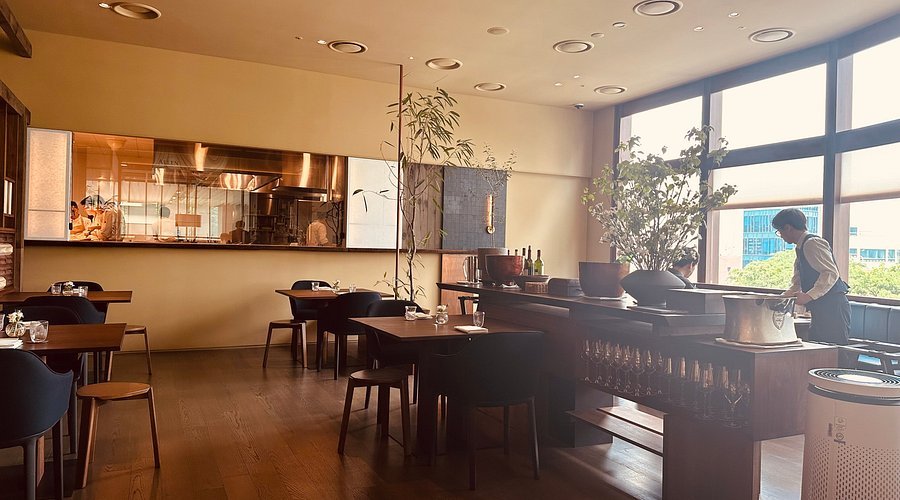
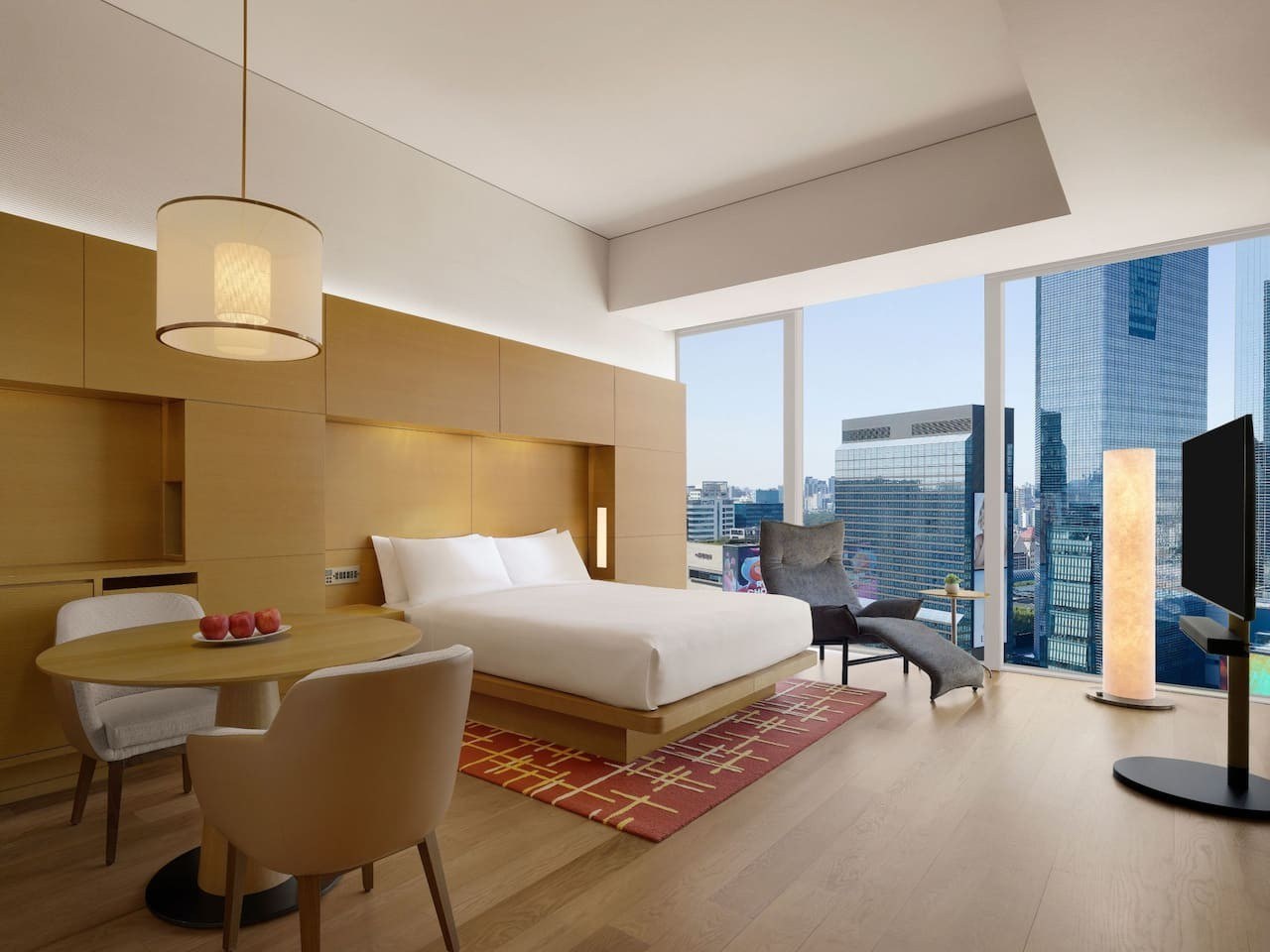
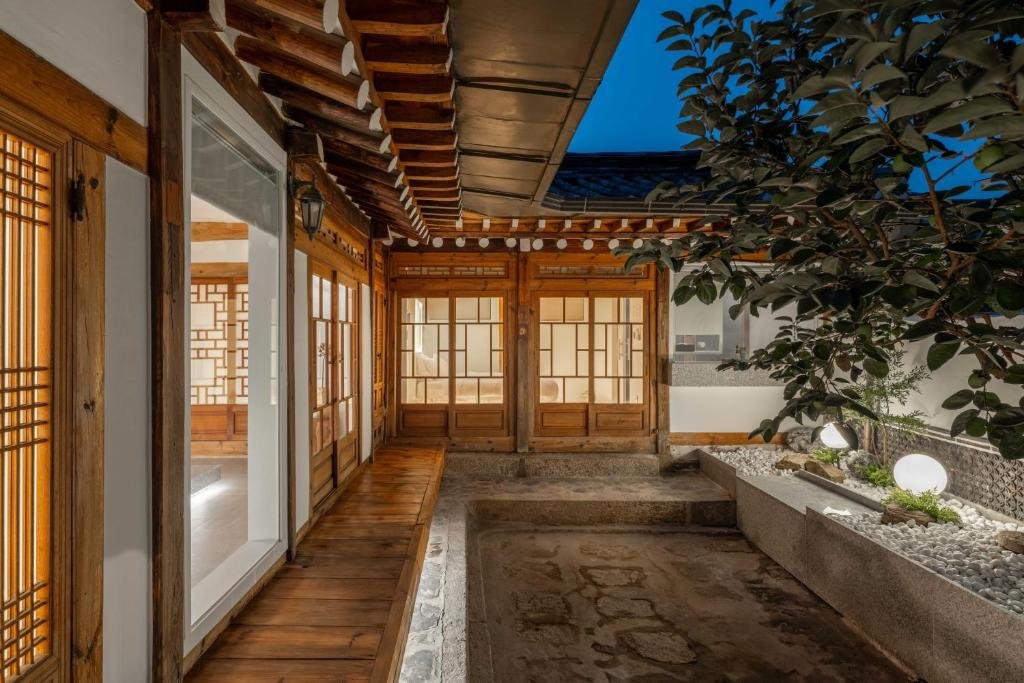
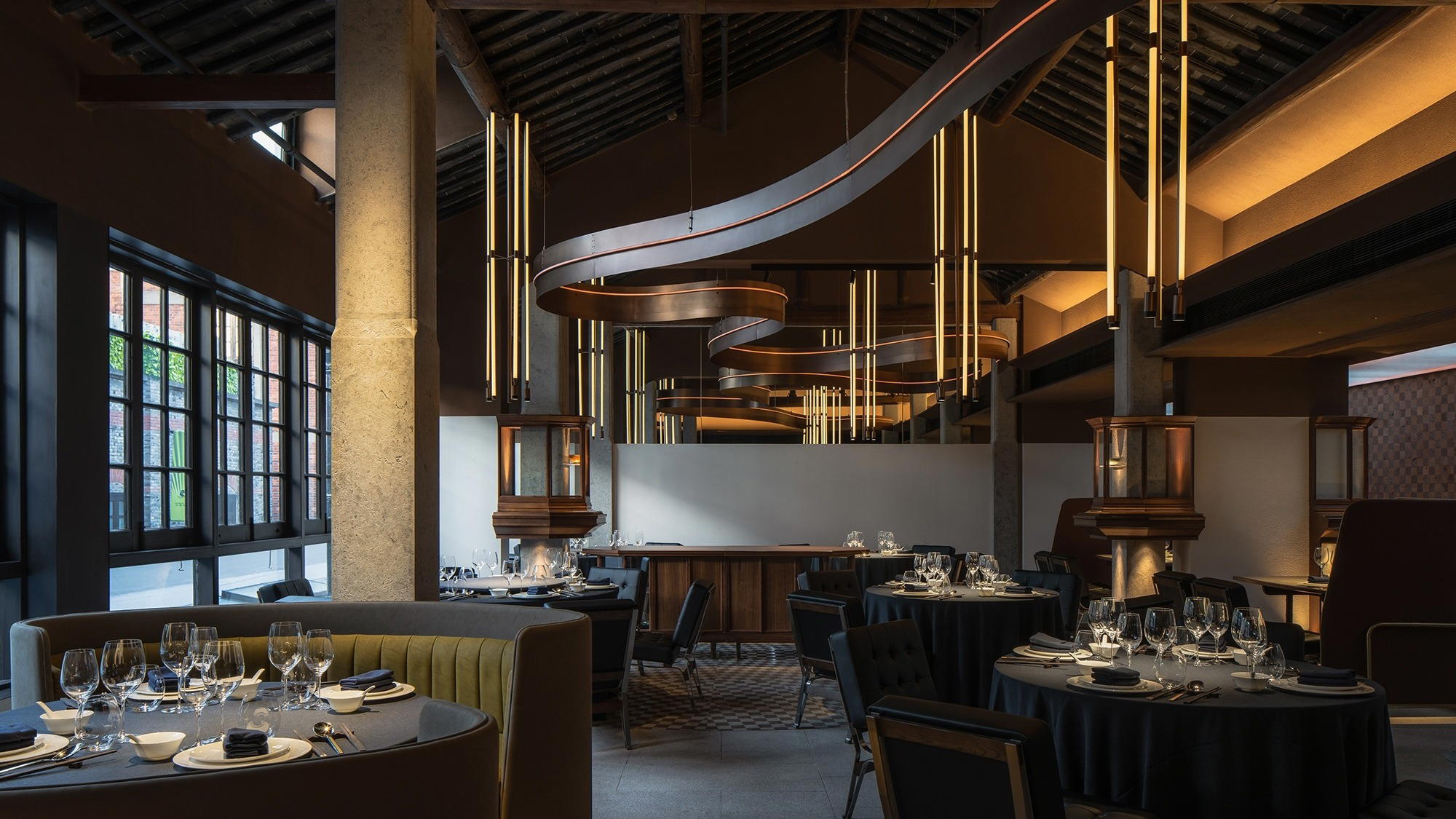
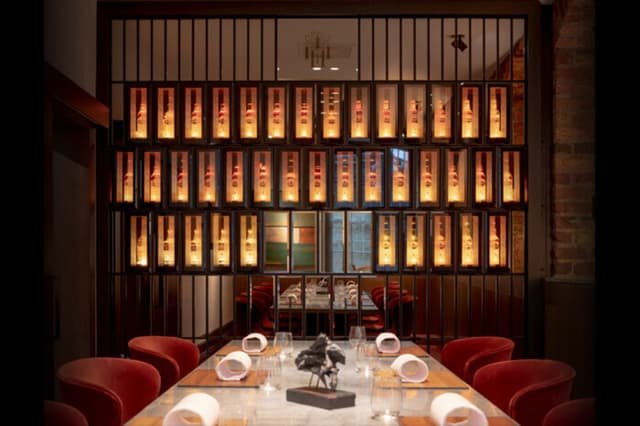
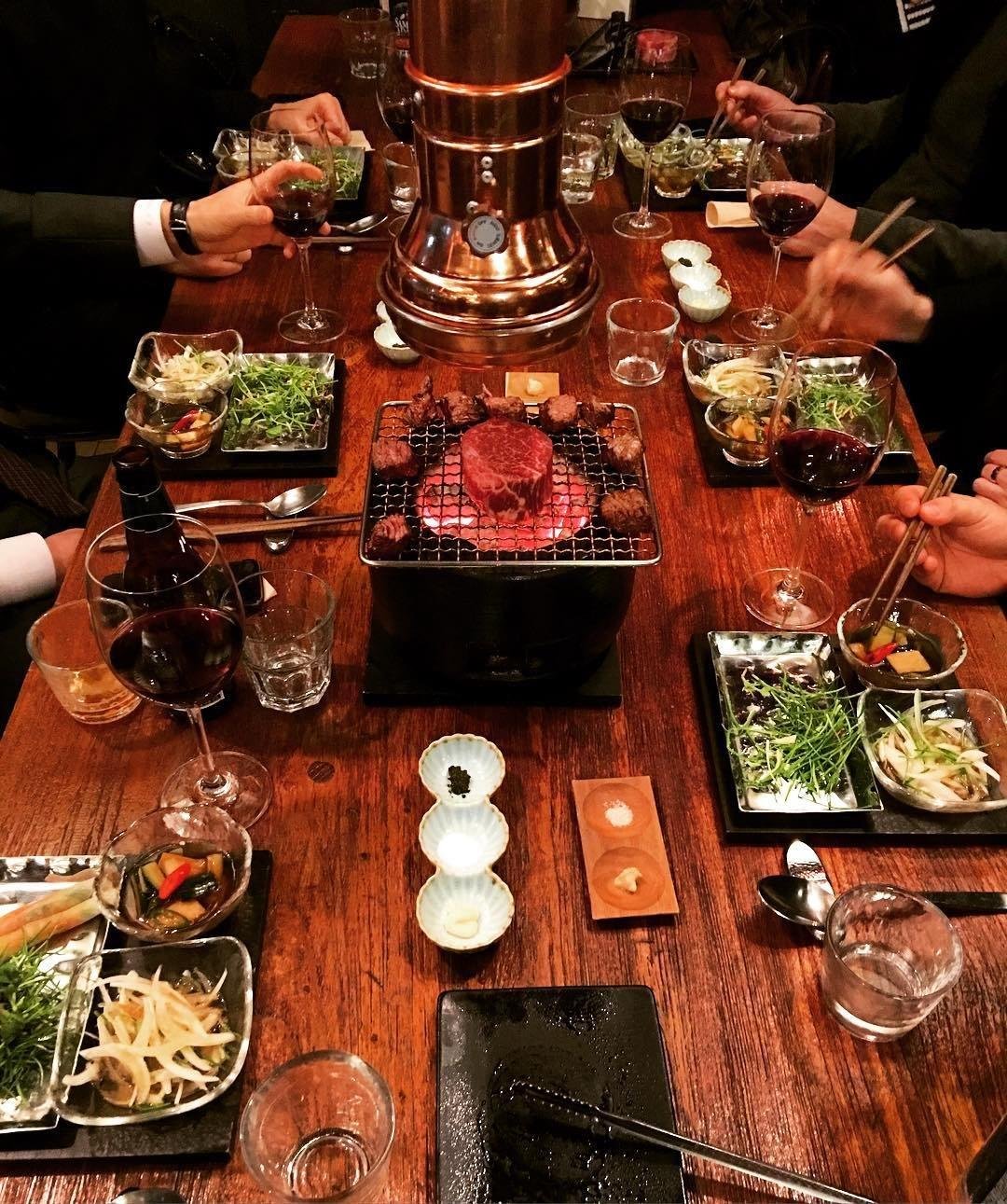
Restaurant Jueun presents a restrained, attentive atmosphere that prioritizes architecture and material culture as much as food. The dining room is intentional: a long media art wall modulates light through the evening while Buncheong, celadon, onggi and carved-wood tableware are treated as considered objects. Scattered nooks and crafted artifacts invite slow attention, producing an intimate, serene setting that suits guests who want a measured, contemplative meal. The tone is quietly authoritative rather than flashy: it foregrounds tradition and craft, asking diners to lean in and experience both the visual program and the culinary depth happening at the table.
Best For
Jueun is best for milestone dinners and formally minded gatherings where presence matters. The room is tailored to celebrations, date nights and business dinners that call for an elevated, attentive environment; description repeatedly frames the restaurant as a place for marking transitions or honoring people you love. The evening-focused media-art installation and careful tableware make it especially fitting for long dinners that unfold slowly. Travelers or Seoul residents seeking a serious, design-forward expression of Korean culinary tradition will find Jueun appropriate for special occasions and other moments that benefit from deliberate, unhurried service.
Ordering Tips
When dining at Jueun, favor dishes that exemplify its focus on Korean culinary lineage and fermentation-driven flavors. The signatures, imjasutang, scallop porridge, raw beef with pear and egg yolk, and tarakjuk, showcase both broth and porridge traditions and the restaurant’s attention to texture and balance. Plan to take your time with each course to appreciate the changing light from the media art wall and the tactile quality of the tableware. Share discreetly plated items and porridge courses so the table can experience contrasts in temperature, umami depth, and seasonal expression.
Venue details
Ambiance
Minimalist and refined dining room with serene digital displays of temple art and nature, elegant wooden tables, and artful ceramic dishware that creates an atmosphere reminiscent of a refined art gallery.
Tags
Vibe
Best For
Experience
Sourcing
At the Table
- Dress Code
- Smart Casual
- Noise Level
- Quiet
- Service Style
- Formal
- Meal Pacing
- Extended Experience
- Capacity
- Small
- Kitchen
- Traditional
- Menu Format
- Tasting menu, Set menu
- Wine Program
- Deep wine list
- Drinks Focus
- Wine, Traditional Korean spirits
- Private Dining
- Available
Signature Dishes
- imjasutang
- scallop porridge
- raw beef with pear and egg yolk
- Tarakjuk
Know before you go
Know Before You Go
- Getting there
- South Korea, Seoul, Jongno District, Gyeonghuigung-gil, 36 8 층
Planning details
Location
South Korea, Seoul, Jongno District, Gyeonghuigung-gil, 36 8 층 · Directions
Recognition and awards


Also consider
Also Consider
- Solbam: Contemporary, ₩₩₩₩
- Onjium: Korean, ₩₩₩₩
- 7th Door: Korean, Contemporary, ₩₩₩₩
- L'Amitié: French, ₩₩₩
- Zero Complex: Korean-French, Innovative, ₩₩₩₩
Restaurant context
At ₩₩₩₩, Restaurant Jueun sits in the same price tier as Onjium and 7th Door, but the experience profile is distinct. Onjium is arguably the most rigorous traditional Korean address in Seoul and is harder to book: if deep hanjeongsik scholarship is your priority and you can get a reservation, Onjium edges ahead on culinary depth. 7th Door takes a more contemporary approach to Korean ingredients and will suit diners who want the heritage framework with a modern visual language. Jueun sits between those two poles: traditional in cooking philosophy, but with the sommelier dimension of Juyong Kim giving it a pairing intelligence that neither Onjium nor 7th Door matches as a structural feature.
Solbam and Zero Complex both operate at ₩₩₩₩ with more creative, fusion-adjacent menus. If you want Korean ingredients pushed in unexpected directions, Zero Complex blends Korean and French technique, those are stronger choices. For a special occasion where you want to stay firmly within Korean culinary tradition and also drink well, Jueun is the more purposeful booking. L'Amitié drops to ₩₩₩ and offers French cuisine, so it occupies a different decision entirely: relevant if your group is split on cuisine preference and needs a lower price point.
On booking difficulty, Jueun is rated Easy, which gives it a practical advantage over some peers in this tier. If you are planning a Seoul itinerary and want a ₩₩₩₩ traditional Korean dinner without the reservation anxiety that Onjium can require, Jueun is the sensible call. For diners whose primary interest is the wine and pairing experience rather than the food alone, it is the clearest choice in this comparison set.
Explore Seoul
Around this place
Discover more on Pearl
Unlock the full Restaurant Jueun guide in Pearl, including awards, comparisons, FAQs, planning details, and nearby places.
Compare Restaurant Jueun
| Venue | Cuisine | Awards | Booking Difficulty |
|---|---|---|---|
| Restaurant Jueun | Korean | Star Wine Lists 20262026 Black Pearl 1 Diamond2026 OAD Top Restaurants in Asia RecommendedMichelin Guide Seoul & Busan 20262025 OAD Top Restaurants in Asia Ranked · #2722025 Michelin Plate2024 Michelin Plate | Easy |
| Solbam | Contemporary | 2026 Asia's 50 Best Restaurants · #552026 Wine Spectator Best of Award of Excellence2026 OAD Top Restaurants in Asia RecommendedMichelin Guide Seoul & Busan 20262026 La Liste Top Restaurants2025 Asia's 50 Best Restaurants · #552025 OAD Top Restaurants in Asia Ranked · #277Tatler Best Restaurants Asia-Pacific 20252025 Wine Spectator Best of Award of Excellence | Unknown |
| Onjium | Korean | 2026 Asia's 50 Best Restaurants · #142026 OAD Top Restaurants in Asia Ranked · #852026 La Liste Top RestaurantsMichelin Guide Seoul & Busan 20262026 Wine Spectator Best of Award of Excellence2025 Asia's 50 Best Restaurants · #102025 World's 50 Best Restaurants · #572025 OAD Top Restaurants in Asia Ranked · #1342025 La Liste Top Restaurants | Unknown |
| 7th Door | Korean, Contemporary | 2026 Asia's 50 Best Restaurants · #492026 OAD Top Restaurants in Asia Ranked · #842026 Black Pearl 1 DiamondMichelin Guide Seoul & Busan 20262026 La Liste Top Restaurants2025 Asia's 50 Best Restaurants · #232025 Michelin 1 Star2025 La Liste Top Restaurants2024 OAD Top Restaurants in Asia Ranked · #192 | Unknown |
| L'Amitié | French | 2026 La Liste Top Restaurants2025 La Liste Top Restaurants2025 Michelin 1 Star2024 Michelin 1 Star | Unknown |
| Zero Complex | Korean-French, Innovative | Star Wine Lists 20262026 OAD Top Restaurants in Asia Recommended2026 La Liste Top Restaurants2025 OAD Top Restaurants in Asia Ranked · #1992025 La Liste Top Restaurants2025 Michelin 1 Star2025 The Best Chef One Knife2024 OAD Top Restaurants in Asia Ranked · #2792024 Michelin 1 Star | Unknown |
.png?width=1200&quality=80)






Side-by-side comparison to help you decide where to book.
FAQ
Frequently Asked Questions
Can I eat at the bar at Restaurant Jueun?
No bar seating is documented for Restaurant Jueun. The format is structured around chef Park Ju-eun's classical Korean tasting experience, so expect a seated dining arrangement rather than a walk-in counter. If bar-format dining is your preference, venues like Zero Complex offer a more casual entry point into Seoul's contemporary Korean scene.
What should I order at Restaurant Jueun?
Restaurant Jueun operates as a tasting-format kitchen, so ordering à la carte is unlikely to be an option: the menu is guided by chef Park Ju-eun's interpretation of classical Korean cuisine. The sommelier pairing led by Juyong Kim, Korea's most respected senior sommelier, is the clearest differentiator here and worth including if budget allows at the ₩₩₩₩ price point.
Is Restaurant Jueun worth the price?
At ₩₩₩₩, Restaurant Jueun delivers a combination that's genuinely rare in Seoul: a classically trained Korean cuisine chef working alongside one of Korea's most credentialed sommeliers, backed by a Michelin Plate and an OAD Asia ranking of #272 in 2025. Compared to peers like Onjium, which occupies similar traditional-Korean territory, Jueun's booking difficulty is rated Easy: meaning you're not paying a premium for access scarcity on top of the food cost.
Is the tasting menu worth it at Restaurant Jueun?
Yes, if classical Korean cuisine is the format you want. The collaboration between chef Park Ju-eun and sommelier Juyong Kim is the core proposition: this isn't a trend-chasing menu but a structured expression of Korean culinary tradition with serious beverage credentials behind it. For guests who prefer a more contemporary or experimental Korean format, 7th Door or L'Amitié would be closer fits.