
Pildong Myeonok
Naengmyeon · 을지로동, Seoul
Restaurant in Seoul, South Korea
 Book with Pearl
The Read
Cold Noodle Precision
Price
$10–20per person
Dress
Casual
Why go
Pildong Myeonok holds a Michelin Bib Gourmand for both 2024 and 2025: the only naengmyeon credential that matters in Seoul at this price tier. At ₩, it is one of the most accessible Michelin-recognised meals in the city. Book for a weekday lunch, go in-house rather than takeout, and treat it as the confident low-key choice rather than the flashy one.
About Pildong Myeonok
Seoul's most affordable Michelin-recognised naengmyeon, two years running
Pildong Myeonok has held a Michelin Bib Gourmand in both 2024 and 2025: a recognition reserved for places that deliver exceptional quality at moderate prices. For a bowl of naengmyeon in Jung District, that consecutive Bib Gourmand matters: it tells you this is not a tourist-facing novelty but a kitchen that has earned the attention of the guide's inspectors across two separate visits. At a single ₩ price tier, it is one of the most accessible Michelin-recognised dining experiences in Seoul.
What to Know Before You Go
Pildong Myeonok specialises in naengmyeon, Korea's cold buckwheat or starch noodle dish served in a chilled beef broth or with a spiced sauce. The dish demands restraint and precision: the broth should be clean and subtly complex, the noodles firm without being rubbery, the garnish of sliced beef, cucumber, and half a boiled egg placed with care rather than abundance. When executed well, the aroma from the kitchen carries a faint earthiness from the buckwheat, a cold-mineral quality from the chilled broth, and a gentle fermented note from the mustard and vinegar condiments set on the table. These are the sensory cues that signal a kitchen working from proper foundations.
For a special occasion, Pildong Myeonok occupies an interesting position. It is not a white-tablecloth venue, and naengmyeon as a format is inherently casual. But there is a particular kind of occasion: the considered lunch with someone you want to impress with your knowledge of the city, or the meal you book to mark something quietly rather than loudly, where a Bib Gourmand naengmyeon specialist makes complete sense. You are bringing someone to a place that has been formally recognised for doing one thing with real skill. That carries its own weight.
Timing Your Visit
Naengmyeon is traditionally a summer dish in Korea, and demand at specialist restaurants spikes in the warmer months of June through August. If you want the full seasonal context, eating cold noodles in cold broth on a genuinely hot Seoul afternoon, aim for that window. But Pildong Myeonok operates year-round, and visiting in the shoulder months of April to May or September to October means shorter waits and a more relaxed room. Lunch is the preferred sitting at most naengmyeon specialists; the format suits midday rather than late evening, and the kitchen is typically at its sharpest in the first service of the day. A weekday lunch in late spring or early autumn is the optimal combination of quality, timing, and ease of access.
Takeout and Off-Premise Considerations
Naengmyeon is a format that raises real questions about portability. The dish depends on precise chilling, correct noodle texture at the moment of serving, and a broth that has been kept at the right temperature. In-restaurant, that balance is controlled. Off-premise, the variables multiply: broth warms in transit, noodles continue to soften, and the clean presentation that makes a well-executed bowl appealing degrades. If you are considering takeout for a special occasion, the case for eating naengmyeon in the restaurant is strong. The dish is low-cost enough that the price argument for eating at home is weaker than it would be at a higher-tier venue, and the quality argument for eating in-house is stronger than it would be for a dish less dependent on immediate service conditions.
How Pildong Myeonok Compares Among Seoul Naengmyeon Specialists
Seoul's naengmyeon category is dense and competitive. Jinmi Pyeongyang Naengmyeon and Jungin Myeonok are both respected options in the city's northern tradition, while Nampo Myeonok and Okdol Heyonok represent the broader range of regional styles available across Seoul. Bongmilga is another Seoul option worth considering if you want to compare across the category before committing. What separates Pildong Myeonok from most of these peers is the Michelin verification: two consecutive Bib Gourmands give it a credential that few naengmyeon specialists in the city can match. If you are visiting Seoul specifically to eat naengmyeon and want the highest confidence that your one or two meals in the category will deliver, Pildong Myeonok is the lower-risk choice at this price point.
Outside Seoul, 100.1.Pyeongnaeng in Busan and Buda Myeonoak in Busan are worth knowing if your itinerary extends south. And if you are building a wider picture of Korean dining on this trip, Kwon Sook Soo in Gangnam-gu and Mori in Busan represent different price tiers and formats worth comparing. For temple food, Baegyangsa Temple in Jangseong-gun is a useful point of contrast in the broader Korean culinary context.
Practical Details
Reservations: Booking difficulty is rated Easy, walk-in is likely viable, but arriving at peak lunch hours on summer weekends carries risk given the venue's Michelin profile. Dress: No dress code data available; naengmyeon specialists in Seoul are uniformly casual. Budget: ₩ price tier, among the most affordable meals you will eat in Seoul at a Michelin-recognised restaurant. Address: 26 Seoae-ro, Jung District, Seoul. Awards: Michelin Bib Gourmand 2024 and 2025.
For broader Seoul planning, see our full Seoul restaurants guide, our Seoul hotels guide, our Seoul bars guide, our Seoul wineries guide, and our Seoul experiences guide. If you are travelling more widely in South Korea, Double T Dining in Gangneung, Market Café in Incheon, and The Flying Hog in Seogwipo are among the Pearl-tracked venues worth knowing outside the capital.
Planning details
- Location
- 26 Seoae-ro, Jung District, Seoul, South Korea
- Phone
- +82 2-2266-2611
The take
The Take
The Vibe
Pildong Myeonok reads as an institutional, historically rooted naengmyeon house that channels Seoul’s mid‑century cold‑noodle tradition. It sits in Jung District’s long‑standing corridor of specialists and is evaluated by regulars within that peer set rather than against modern tasting‑menu players. The tone is unflashy and matter‑of‑fact: longevity and proximity to the dish’s northern Korean lineage give the place its authority. Expect an atmosphere shaped by routine trade and culinary continuity rather than contemporary dining trends.
Best For
This is a spot built for everyday eating and for people who prize tradition and value. Michelin’s Bib Gourmand nod underscores quality at moderate prices, and the restaurant’s single‑digit won price range keeps it accessible to regulars and passersby alike. It works well for casual hangouts, quick solo meals, and repeat visits by diners who want an authentic slice of Seoul’s naengmyeon culture. The emphasis is on straightforward, dependable service rather than formal occasions.
Ordering Tips
The menu centers on classic preparations of cold noodles; signature items listed include Mul Naengmyeon and Bibim Naengmyeon, with Jeyuk noted as another highlight. Given the restaurant’s standing among long‑time naengmyeon specialists and its Bib Gourmand recognition, ordering one of the house naengmyeon variants is a reliable way to assess its take on the tradition. Keep expectations aligned with an affordable, everyday dining format rather than a high‑concept tasting menu.
Venue details
Ambiance
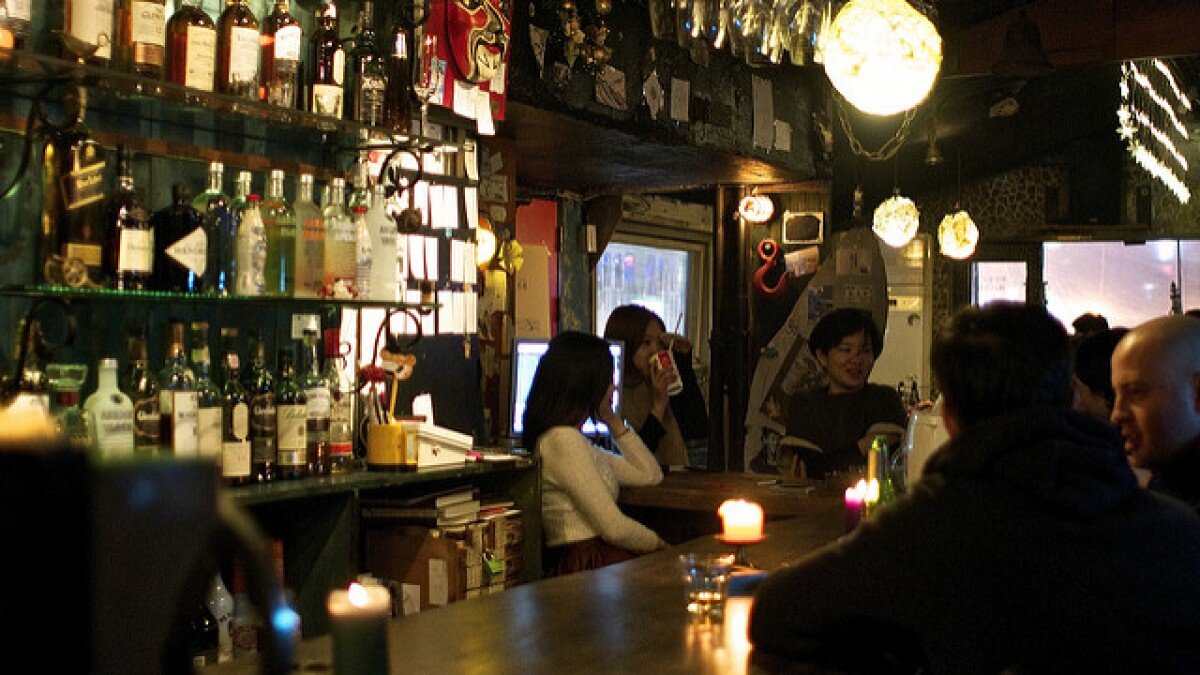
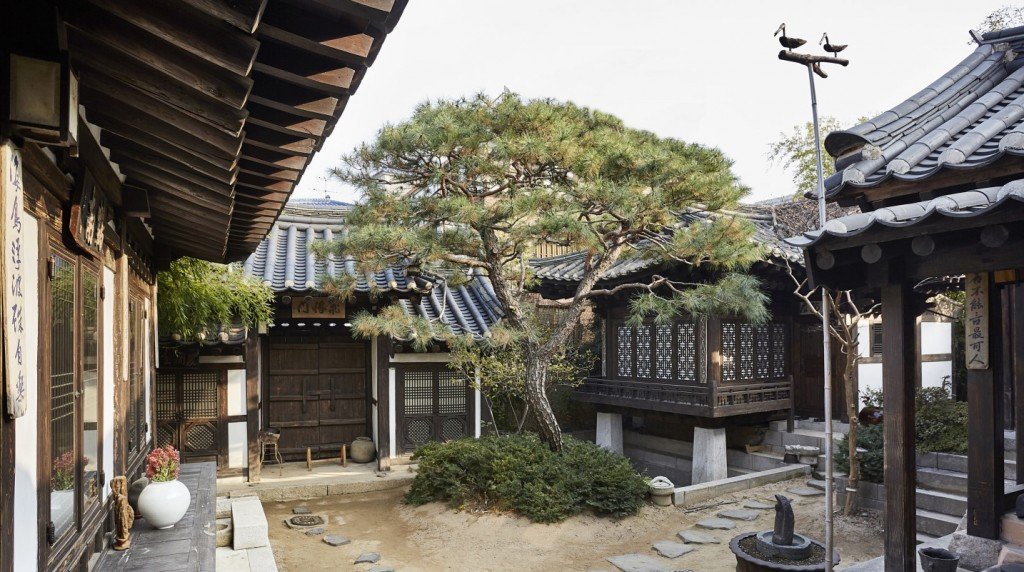
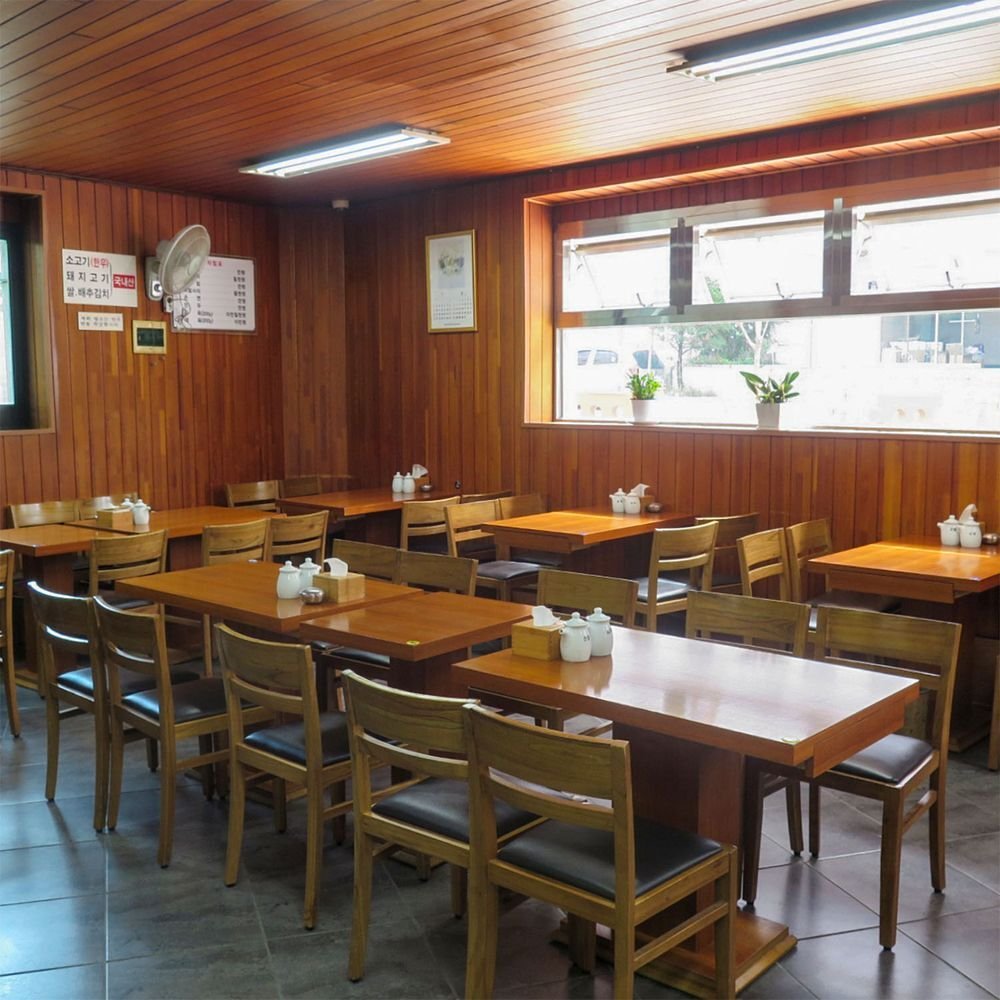
Simple wooden two-story interior with minimal decor, attracting an older local crowd in a no-frills traditional setting.
Tags
Vibe
Best For
Experience
Sourcing
View
At the Table
- Dress Code
- Casual
- Noise Level
- Conversational
- Service Style
- Casual
- Meal Pacing
- Standard
- Capacity
- Medium
- Kitchen
- Traditional
- Menu Format
- A la carte
- Dietary
- Vegetarian friendly
Signature Dishes
- Mul Naengmyeon
- Bibim Naengmyeon
- Jeyuk
Know before you go
Know Before You Go
- Getting there
- 26 Seoae-ro, Jung District, Seoul, South Korea
Planning details
Location
26 Seoae-ro, Jung District, Seoul, South Korea · Directions
Recognition and awards
Also consider
Also Consider
- Solbam: Contemporary, ₩₩₩₩
- Onjium: Korean, ₩₩₩₩
- 7th Door: Korean, Contemporary, ₩₩₩₩
- L'Amitié: French, ₩₩₩
- Zero Complex: Korean-French, Innovative, ₩₩₩₩
Restaurant context
Pildong Myeonok sits in a completely different price bracket from most of Seoul's recognised dining options. Solbam, Onjium, 7th Door, and Zero Complex all operate at ₩₩₩₩, where a meal typically runs several times the cost of a bowl of naengmyeon. L'Amitié at ₩₩₩ is closer in price but still a tier above. If your priority is a high-production special occasion dinner with wine pairings and elaborate plating, those ₩₩₩₩ venues are where you should be looking. Pildong Myeonok is not competing in that space.
Where Pildong Myeonok wins is on value density: a Michelin Bib Gourmand two years running at single-₩ prices is a rare combination in Seoul. If you are time-limited and want one affordable meal with a formal quality credential behind it, particularly one that connects to a specific Korean culinary tradition rather than a contemporary fusion format, Pildong Myeonok is the clearest choice in its tier. Onjium and 7th Door offer deeper explorations of Korean culinary heritage, but at prices and booking difficulties that make them a different kind of commitment.
For diners building a Seoul itinerary that spans both ends of the price range, the practical answer is: book one of the ₩₩₩₩ venues for your main occasion dinner, and use Pildong Myeonok as the lunch that rounds out your understanding of what Seoul actually eats day-to-day. The two experiences are complementary rather than interchangeable.
Explore Seoul
Around this place
Discover more on Pearl
Unlock the full Pildong Myeonok guide in Pearl, including awards, comparisons, FAQs, planning details, and nearby places.
Compare Pildong Myeonok
| Venue | Price | Booking Difficulty | Awards |
|---|---|---|---|
| Pildong Myeonok | ₩ | Easy | Michelin Guide Seoul & Busan 20262025 Michelin Bib Gourmand2024 Michelin Bib Gourmand |
| Solbam | ₩₩₩₩ | Unknown | 2026 Asia's 50 Best Restaurants · #552026 Wine Spectator Best of Award of Excellence2026 OAD Top Restaurants in Asia RecommendedMichelin Guide Seoul & Busan 20262026 La Liste Top Restaurants2025 Asia's 50 Best Restaurants · #552025 OAD Top Restaurants in Asia Ranked · #277Tatler Best Restaurants Asia-Pacific 20252025 Wine Spectator Best of Award of Excellence |
| Onjium | ₩₩₩₩ | Unknown | 2026 Asia's 50 Best Restaurants · #142026 OAD Top Restaurants in Asia Ranked · #852026 La Liste Top RestaurantsMichelin Guide Seoul & Busan 20262026 Wine Spectator Best of Award of Excellence2025 Asia's 50 Best Restaurants · #102025 World's 50 Best Restaurants · #572025 OAD Top Restaurants in Asia Ranked · #1342025 La Liste Top Restaurants |
| 7th Door | ₩₩₩₩ | Unknown | 2026 Asia's 50 Best Restaurants · #492026 OAD Top Restaurants in Asia Ranked · #842026 Black Pearl 1 DiamondMichelin Guide Seoul & Busan 20262026 La Liste Top Restaurants2025 Asia's 50 Best Restaurants · #232025 Michelin 1 Star2025 La Liste Top Restaurants2024 OAD Top Restaurants in Asia Ranked · #192 |
| L'Amitié | ₩₩₩ | Unknown | 2026 La Liste Top Restaurants2025 La Liste Top Restaurants2025 Michelin 1 Star2024 Michelin 1 Star |
| Zero Complex | ₩₩₩₩ | Unknown | Star Wine Lists 20262026 OAD Top Restaurants in Asia Recommended2026 La Liste Top Restaurants2025 OAD Top Restaurants in Asia Ranked · #1992025 La Liste Top Restaurants2025 Michelin 1 Star2025 The Best Chef One Knife2024 OAD Top Restaurants in Asia Ranked · #2792024 Michelin 1 Star |









How Pildong Myeonok stacks up against the competition.
FAQ
Frequently Asked Questions
Is Pildong Myeonok good for a special occasion?
Only if the occasion calls for a relaxed, affordable lunch rather than a formal dinner. Pildong Myeonok holds a Michelin Bib Gourmand for 2024 and 2025, which validates quality, but the ₩ price point and naengmyeon-specialist format make it a poor fit for celebratory dinners. For a low-key meal where the food itself is the point, it works well.
How far ahead should I book Pildong Myeonok?
Booking difficulty is rated Easy, so walk-ins are likely viable most of the time. The exception is peak summer months (June through August), when demand for naengmyeon specialists in Seoul climbs sharply. Arriving before peak lunch hours on summer weekends is the practical hedge if you want to avoid a wait.
Is the tasting menu worth it at Pildong Myeonok?
Pildong Myeonok is a naengmyeon specialist, not a tasting-menu venue. The format is focused and short: you are here for cold noodles, not a multi-course progression. Pildong Myeonok has ₩ pricing and two consecutive Michelin Bib Gourmand recognitions.