
Okdongsik
Dwaeji-gukbap · Seongsan-dong, Seoul
Restaurant in Seoul, South Korea
 Book with Pearl
The Read
Single-Bowl Pork Broth Precision
Price
$10–20per person
Chef
Ok Dongsik
Dress
Casual
Why go
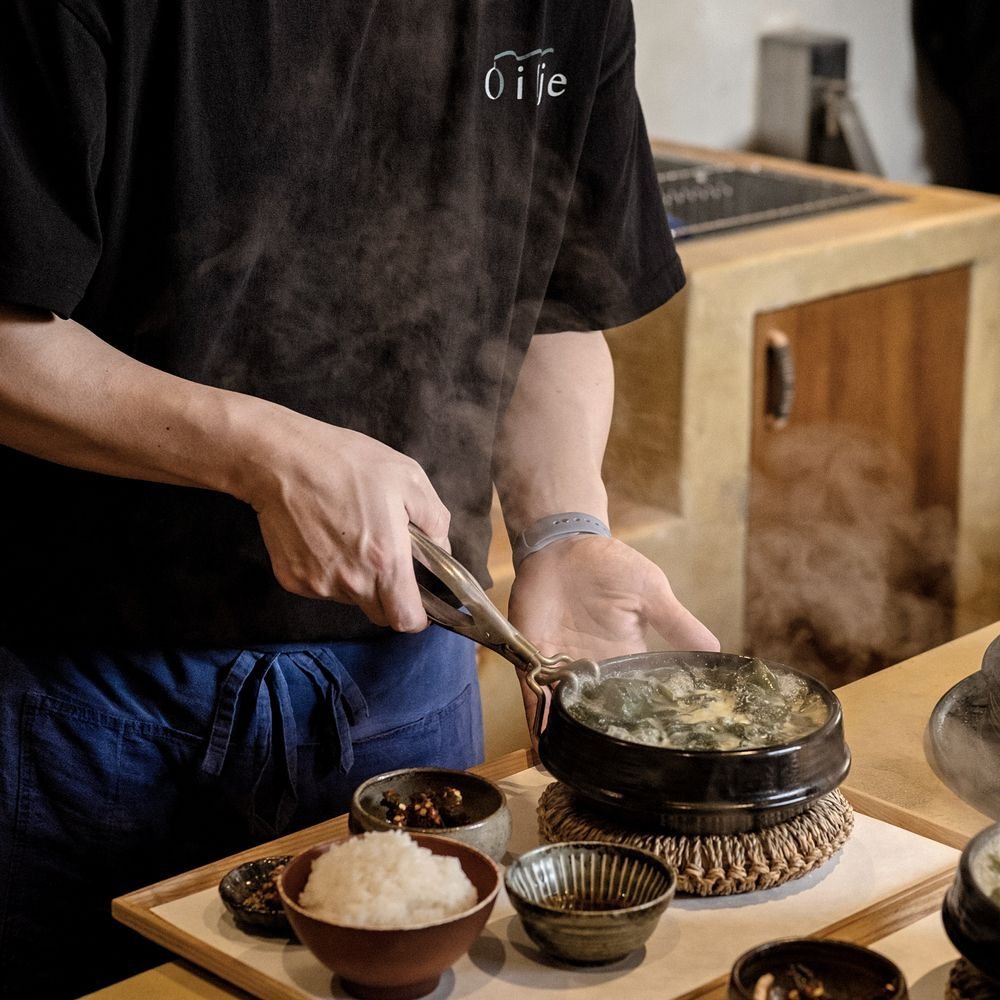
Okdongsik in Seoul's Mapo-gu has earned back-to-back Michelin Bib Gourmand recognition (2024 and 2025) for its dwaeji-gukbap, pork bone soup with rice, at a ₩ price that makes it one of the city's most credentialed low-cost meals. Walk-in friendly and well-suited to late evenings, it is the place to benchmark Seoul's take on a dish rooted in Korean culinary history.
About Okdongsik
Verdict
If you want one bowl that justifies a trip to Mapo-gu after dark, Okdongsik is it. This dwaeji-gukbap specialist has earned back-to-back Michelin Bib Gourmand recognition in 2024 and 2025: remarkable for a single-dish format that costs a fraction of what Seoul's fine-dining rooms charge. Book it as a late-night anchor: the address on Yanghwa-ro 7-gil in Mapo draws a steady crowd of locals who know exactly what they came for. If you are exploring Seoul's pork bone soup tradition, this is the most credentialed place in the city to start.
The Case for Okdongsik
Dwaeji-gukbap is a dish built on patience. Pork bones are simmered for hours until the broth turns milky and dense with collagen, then served with rice: either stirred in or on the side, alongside fermented kimchi and salted shrimp to season as you eat. It is a format that rewards simplicity done well, and that is precisely why Okdongsik has drawn Michelin's Bib Gourmand twice running. The award exists to flag places where quality and price are in unusual alignment, and at the ₩ price point, Okdongsik delivers a technically serious bowl at a cost that makes repeat visits easy.
The venue sits in Mapo-gu, one of Seoul's more residential western districts, away from the tourist circuits of Myeongdong or Insadong. That geography is part of the appeal for food-focused visitors: this is a neighbourhood restaurant doing one thing at a high level, not a concept designed for Instagram or foreign menus.
For the explorer who wants to understand Korean food culture at a foundational level, dwaeji-gukbap is essential context. The dish has deep roots in Korean working-class culinary history, particularly associated with Busan, where soup kitchens serving pork bone broth fed labourers through the mid-twentieth century. Okdongsik brings that tradition to Seoul in a form that has caught the attention of the Michelin inspectors two years running. If you want to compare Seoul's version against Busan's originals, Anmok in Busan and Hapcheon Gukbapjip in Busan represent the source tradition worth benchmarking against.
Late-Night Angle
Okdongsik functions well as a late-night destination in a way that most of Seoul's Michelin-recognised restaurants do not. Fine-dining rooms like Jungsik or Mingles operate on standard dinner-service windows and require advance planning. A gukbap counter operates on a different logic: it is the kind of place where showing up hungry is the main requirement. For a food-focused night out in Seoul, consider Okdongsik as the late meal that follows drinks rather than the main reservation you plan your evening around.
For Seoul context beyond this single restaurant, our full Seoul restaurants guide covers the city's range from street-level gukbap to multi-course tasting menus. If you are building a longer itinerary, our guides to Seoul hotels, Seoul bars, Seoul wineries, and Seoul experiences complete the picture.
Seoul Gukbap Context
Within Seoul's broader soup-and-rice category, Gwanghwamun Gukbap is the other name worth knowing, it operates in the Bib Gourmand tier and has a longer Seoul track record. The two venues serve different neighbourhoods and slightly different styles, so if you are in central Seoul, Gwanghwamun is the more convenient option; if you are in Mapo or passing through the western side of the city, Okdongsik is the call. For a different register entirely, ANAM and alla prima represent Seoul's more innovative end of the spectrum, useful comparisons when you are deciding how to spread your dining budget across a trip.
If your Seoul trip extends to other regions of Korea, the pork bone soup tradition is worth tracing further: Mori in Busan and Baegyangsa Temple in Jangseong-gun offer contrasting perspectives on how regional Korean food cultures operate outside the capital. Other venues worth knowing across Korea include Kwon Sook Soo in Gangnam-gu, The Flying Hog in Seogwipo, Double T Dining in Gangneung, and Market Café in Incheon.
Ratings & Recognition
- Michelin Bib Gourmand: 2024 and 2025
- Price tier: ₩ (single-dish, low cost)
Booking
Booking difficulty is rated easy. Arrive early in a service to avoid a wait, or time your visit for off-peak hours if you are going late in the evening.
Practical Details
| Detail | Okdongsik | Gwanghwamun Gukbap | Jungsik |
|---|---|---|---|
| Cuisine | Dwaeji-gukbap | Gukbap | Contemporary Korean |
| Price tier | ₩ | ₩ | ₩₩₩₩ |
| Michelin | Bib Gourmand ×2 | Bib Gourmand | Michelin Star |
| Booking difficulty | Easy (walk-in) | Easy (walk-in) | Plan 3–4 weeks out |
| Late-night suitability | High | Moderate | Low |
| Solo dining | Strong fit | Strong fit | Possible, less ideal |
Planning details
- Hours
- Monday: 11 AM–3 PM, 5–10 PM · Tuesday: 11 AM–3 PM, 5–10 PM
- Location
- 44-10 Yanghwa-ro 7-gil, Mapo-gu, Seoul, South Korea
- Website
- instagram.com/okdongsik
- Phone
- +82 2-6012-9915
The take
The Take
The Vibe
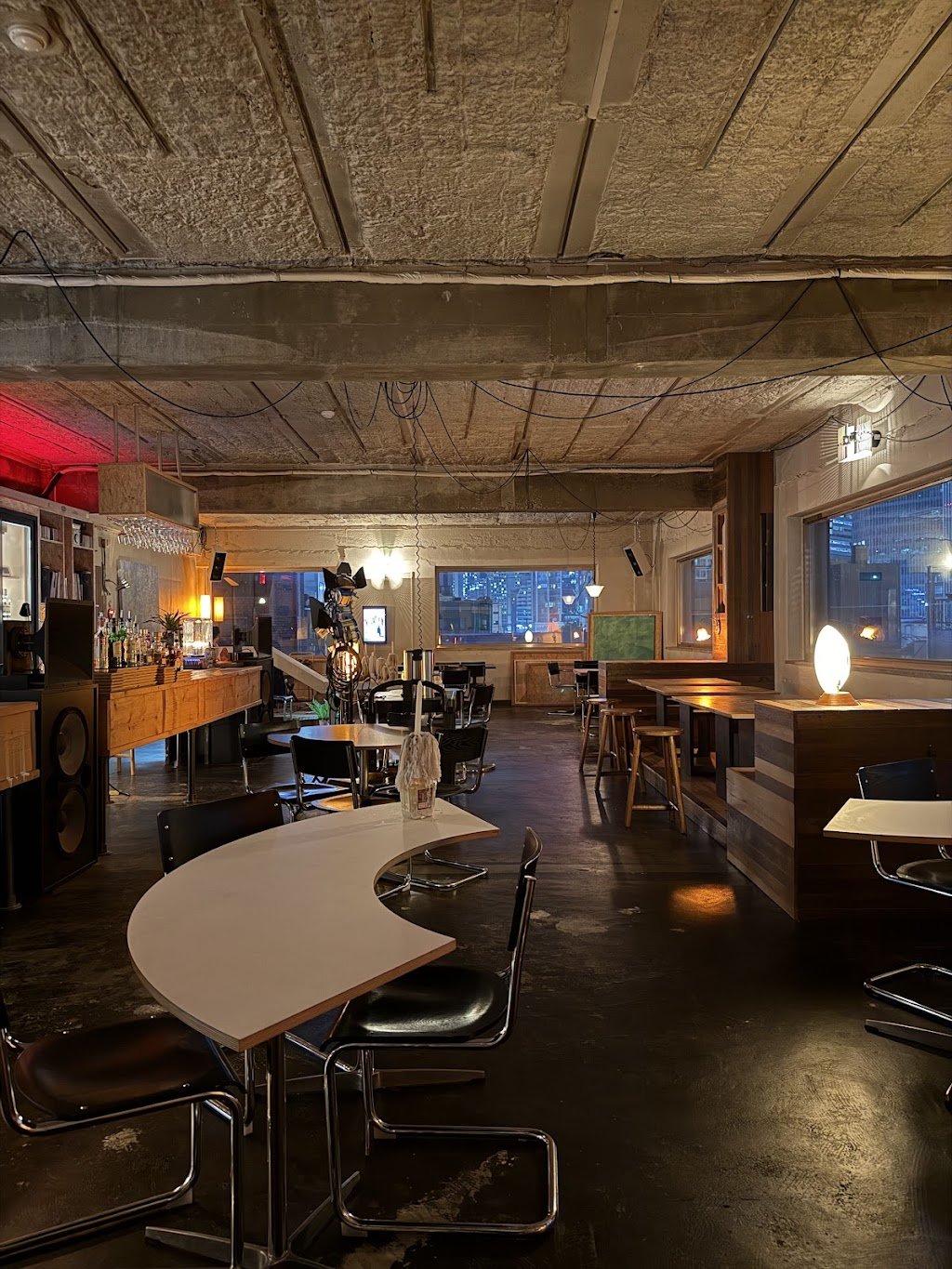
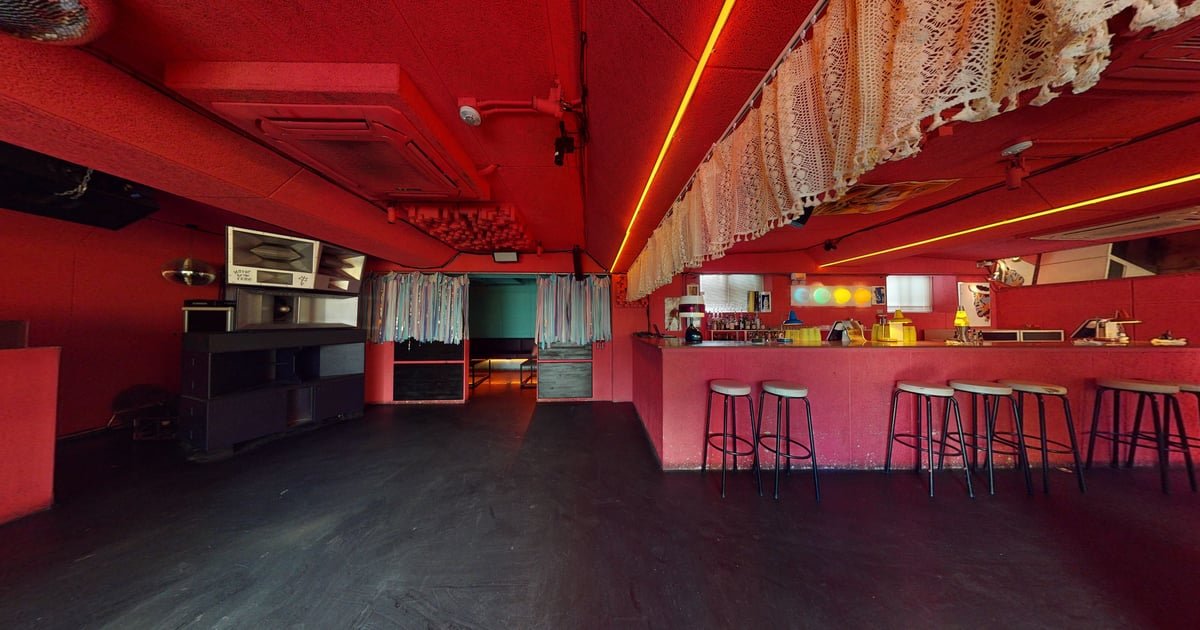
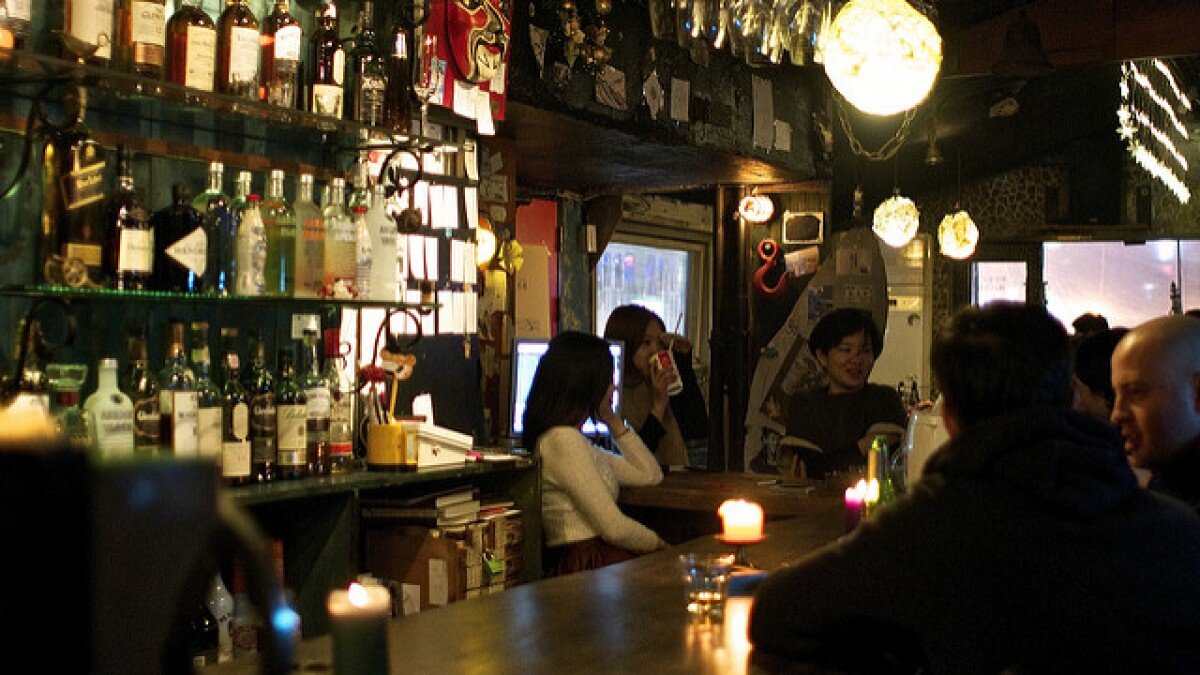
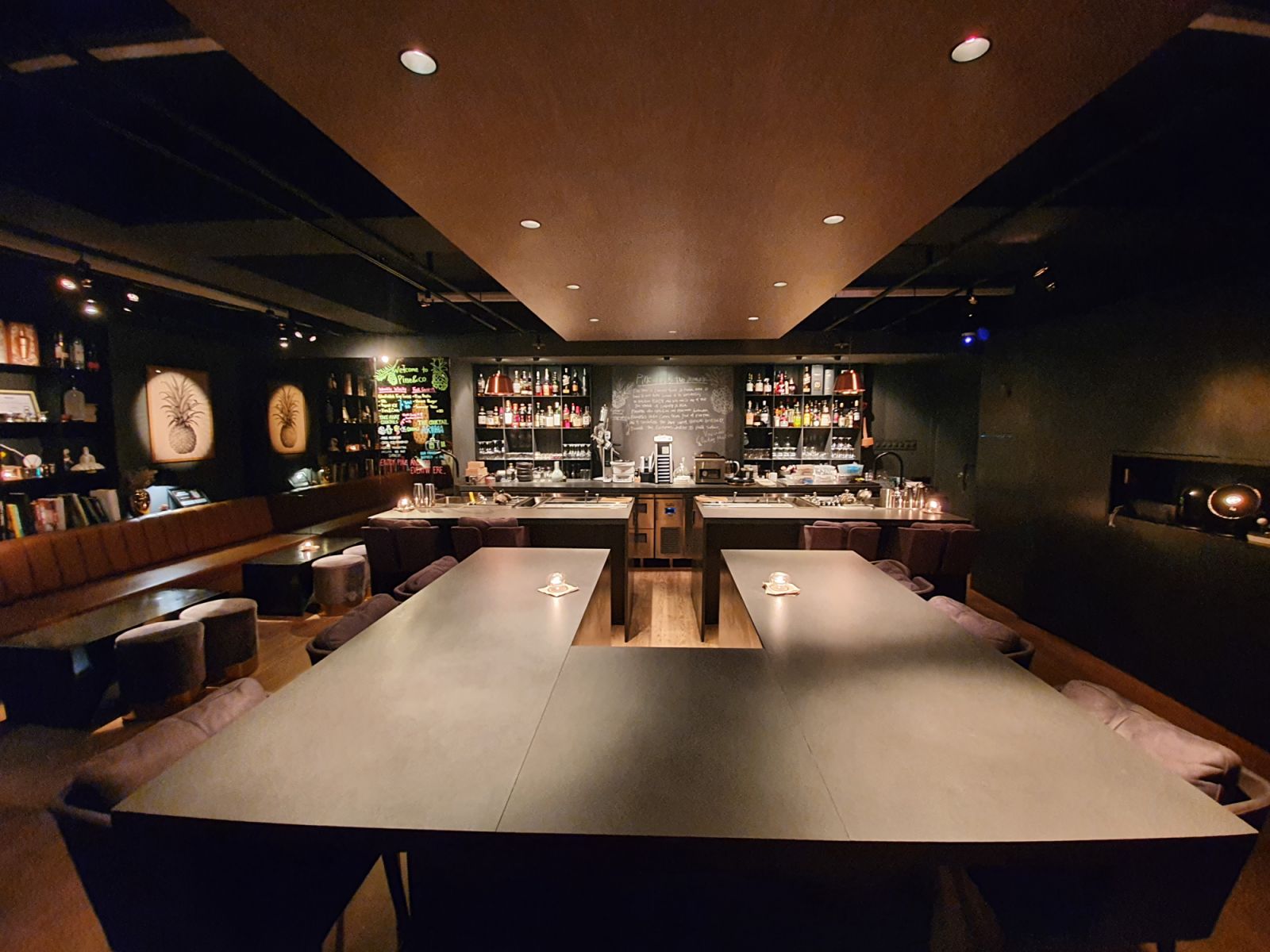
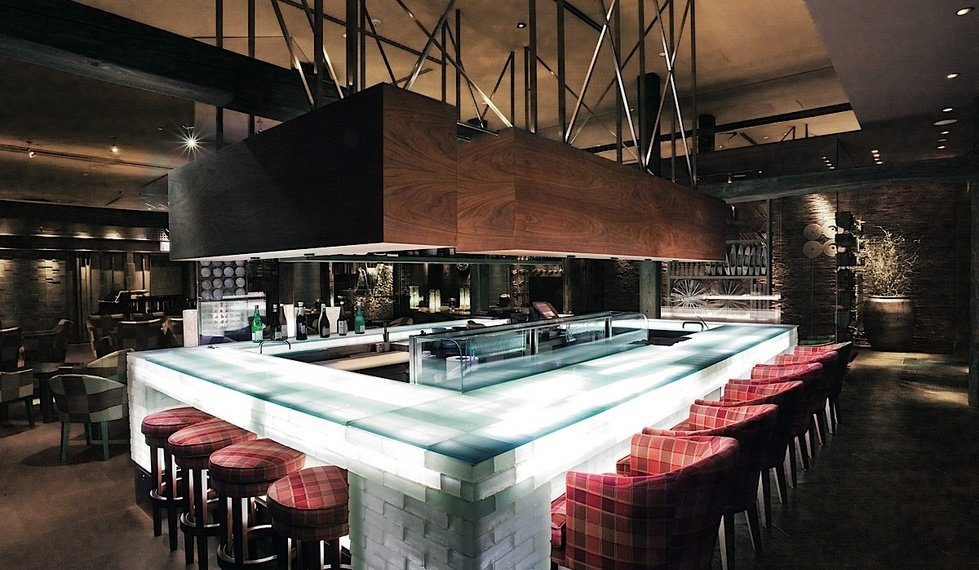
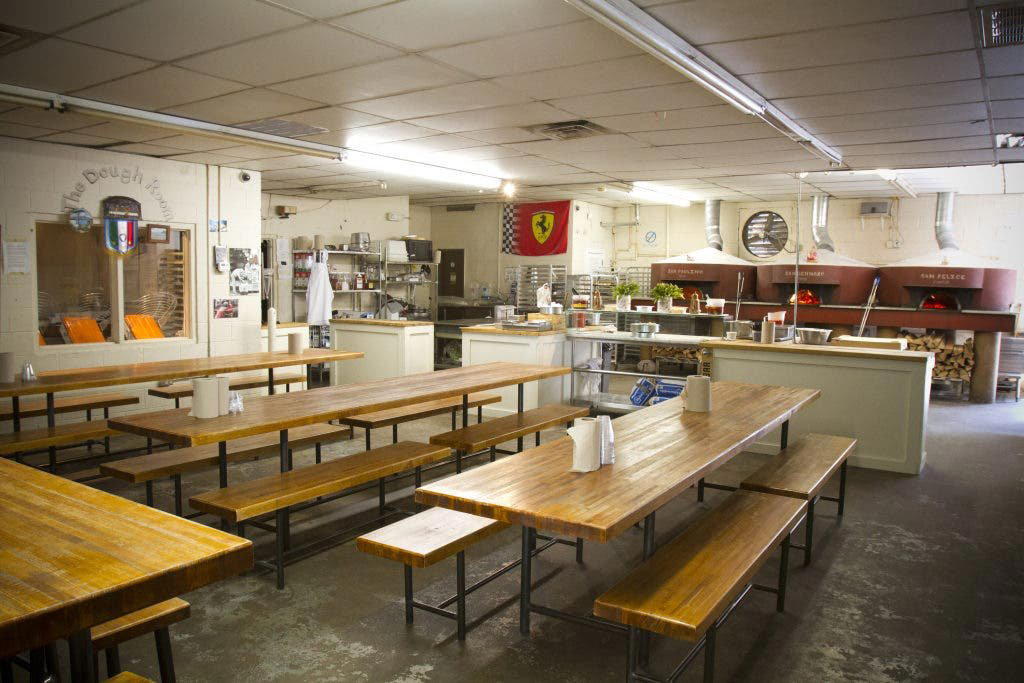
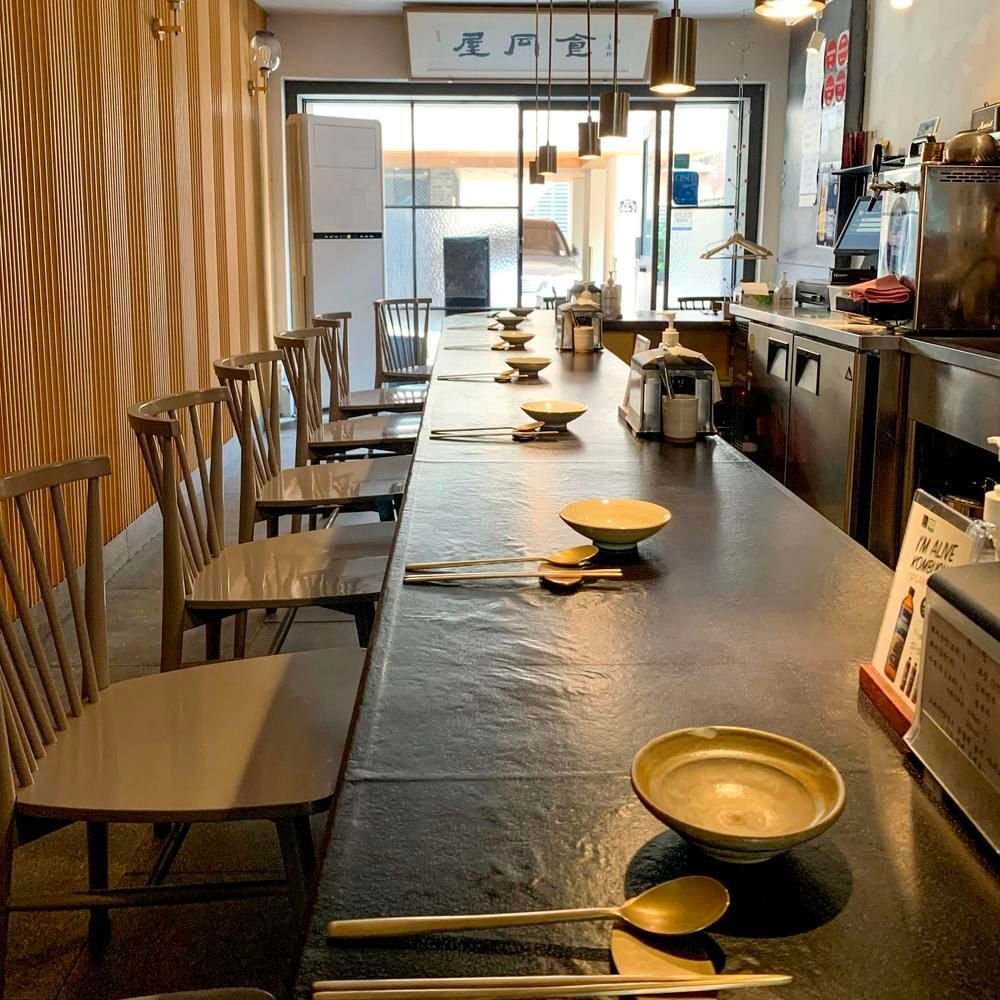
Okdongsik foregrounds the bowl above all else: the room is spare, purposeful and arranged around a single-dish tradition. The design recalls the tiled, workaday interiors of classic dwaeji-gukbap shops (communal benches, a visible kitchen and counter seating) so everything in the space points back to the soup. That functional austerity reads as modest rather than austere; Michelin’s consecutive Bib Gourmand nods underline a value-driven seriousness. If you appreciate places where architecture and service exist to serve the recipe, Okdongsik’s understated, classic-casual atmosphere makes that argument clearly and consistently.
Best For
This is a place built for focused, efficient meals: solo diners, colleagues grabbing a quick bowl and anyone after an unfussy, well-priced dish. The counter-focused layout and communal benches encourage short stays and steady turnover, so it’s ideal for a lunchtime stop or a straightforward dinner where the point is the broth and pork rather than lingering. Michelin’s Bib Gourmand highlights reliable quality at an accessible price, so expect a pragmatic, no-frills outing that centers on the food rather than ceremony.
Ordering Tips
Order the signature dwaeji-gukbap and follow the local cues: the canonical service often brings rice separately so you can combine it with the opaque pork broth to your taste. Fermented kimchi and salted shrimp arrive as customary condiments; use them and the table seasonings to adjust salt and heat. Because the format is single-dish and turnover is purposeful, come ready to eat when your bowl arrives and to savor the layered broth: this is a meal meant to be customized at the table, simply and directly.
Venue details
Ambiance
Sleek, modern, and serene with bar seating only; a calming environment where patrons speak quietly and the focus is entirely on the singular, meticulously prepared dish.
Tags
Vibe
Best For
Experience
Sourcing
At the Table
- Dress Code
- Casual
- Noise Level
- Quiet
- Service Style
- Counter Service
- Meal Pacing
- Quick Bite
- Capacity
- Intimate
- Kitchen
- Traditional
- Menu Format
- Counter dining, A la carte
- Drinks Focus
- Korean soju, Beer
Signature Dishes
- dwaeji gomtang
- kimchi dumplings
Know before you go
Know Before You Go
- Getting there
- 44-10 Yanghwa-ro 7-gil, Mapo-gu, Seoul, South Korea
Planning details
Hours
- Monday
- 11 AM–3 PM, 5–10 PM
- Tuesday
- 11 AM–3 PM, 5–10 PM
- Wednesday
- 11 AM–3 PM, 5–10 PM
- Thursday
- 11 AM–3 PM, 5–10 PM
- Friday
- 11 AM–3 PM, 5–10 PM
- Saturday
- 11 AM–8:30 PM
- Sunday
- 11 AM–8:30 PM
Location
44-10 Yanghwa-ro 7-gil, Mapo-gu, Seoul, South Korea · Directions
Recognition and awards
Also consider
Also Consider
- Solbam: Contemporary, ₩₩₩₩
- Onjium: Korean, ₩₩₩₩
- 7th Door: Korean, Contemporary, ₩₩₩₩
- L'Amitié: French, ₩₩₩
- Zero Complex: Korean-French, Innovative, ₩₩₩₩
Restaurant context
Against Seoul's upper-tier Korean restaurants, Okdongsik operates in a different category entirely. Onjium and 7th Door both sit at ₩₩₩₩ and offer multi-course formats grounded in Korean culinary tradition: they are the right choice if you want a structured, occasion-worthy meal. Zero Complex and Solbam lean toward Korean-French and contemporary directions at the same price tier. None of these are direct competitors to Okdongsik: the comparison is more useful as a budget-allocation decision: one dinner at any of the ₩₩₩₩ venues costs roughly the equivalent of several visits to Okdongsik.
If you are deciding between Okdongsik and Gwanghwamun Gukbap for a gukbap meal, the main variable is location rather than quality tier: Gwanghwamun is more accessible from central Seoul, while Okdongsik requires a trip to Mapo-gu. Both carry Bib Gourmand recognition. For a visitor whose Seoul itinerary is based in Mapo or the western districts, Okdongsik is the clear call. For anyone based in central or eastern Seoul, Gwanghwamun removes an unnecessary transit leg without sacrificing the Michelin credential.
For a French option at a mid-range price, L'Amitié at ₩₩₩ sits between Okdongsik's entry-level pricing and the ₩₩₩₩ pack: a useful middle ground if you want a table-service meal without committing to a full fine-dining spend. But if the goal is value density, the most Michelin credibility per won spent, Okdongsik is the answer in Seoul's current restaurant set.
Explore Seoul
Around this place
Discover more on Pearl
Unlock the full Okdongsik guide in Pearl, including awards, comparisons, FAQs, planning details, and nearby places.
Compare Okdongsik
| Venue | Cuisine | Price | Booking Difficulty | Awards |
|---|---|---|---|---|
| Okdongsik | Dwaeji-gukbap | ₩ | Easy | 2025 Michelin Bib Gourmand2024 Michelin Bib Gourmand |
| Solbam | Contemporary | ₩₩₩₩ | Unknown | 2026 Asia's 50 Best Restaurants · #552026 Wine Spectator Best of Award of Excellence2026 OAD Top Restaurants in Asia RecommendedMichelin Guide Seoul & Busan 20262026 La Liste Top Restaurants2025 Asia's 50 Best Restaurants · #552025 OAD Top Restaurants in Asia Ranked · #277Tatler Best Restaurants Asia-Pacific 20252025 Wine Spectator Best of Award of Excellence |
| Onjium | Korean | ₩₩₩₩ | Unknown | 2026 Asia's 50 Best Restaurants · #142026 OAD Top Restaurants in Asia Ranked · #852026 La Liste Top RestaurantsMichelin Guide Seoul & Busan 20262026 Wine Spectator Best of Award of Excellence2025 Asia's 50 Best Restaurants · #102025 World's 50 Best Restaurants · #572025 OAD Top Restaurants in Asia Ranked · #1342025 La Liste Top Restaurants |
| 7th Door | Korean, Contemporary | ₩₩₩₩ | Unknown | 2026 Asia's 50 Best Restaurants · #492026 OAD Top Restaurants in Asia Ranked · #842026 Black Pearl 1 DiamondMichelin Guide Seoul & Busan 20262026 La Liste Top Restaurants2025 Asia's 50 Best Restaurants · #232025 Michelin 1 Star2025 La Liste Top Restaurants2024 OAD Top Restaurants in Asia Ranked · #192 |
| L'Amitié | French | ₩₩₩ | Unknown | 2026 La Liste Top Restaurants2025 La Liste Top Restaurants2025 Michelin 1 Star2024 Michelin 1 Star |
| Zero Complex | Korean-French, Innovative | ₩₩₩₩ | Unknown | Star Wine Lists 20262026 OAD Top Restaurants in Asia Recommended2026 La Liste Top Restaurants2025 OAD Top Restaurants in Asia Ranked · #1992025 La Liste Top Restaurants2025 Michelin 1 Star2025 The Best Chef One Knife2024 OAD Top Restaurants in Asia Ranked · #2792024 Michelin 1 Star |










Key differences to consider before you reserve.
FAQ
Frequently Asked Questions
What should I wear to Okdongsik?
Dress casually. Okdongsik is a Bib Gourmand gukbap specialist in Mapo-gu, not a fine-dining room. Jeans and a t-shirt are entirely appropriate. There is no dress expectation that would make you feel underdressed.
What are alternatives to Okdongsik in Seoul?
Gwanghwamun Gukbap is the closest direct comparison: also Bib Gourmand tier, also walk-in focused, but based in central Seoul rather than Mapo-gu. If you want to stay in the affordable Seoul dining tier but branch into a different format, Solbam offers a contrasting style worth considering. For the same neighbourhood convenience at a higher price point, 7th Door operates nearby.
What should a first-timer know about Okdongsik?
The menu centres on dwaeji-gukbap: milky pork bone broth served with rice, a format built for repeat visits rather than exploration. No reservations appear to be available, so walk in. The price range is ₩, making this one of Seoul's most affordable Michelin Bib Gourmand entries. Come hungry and keep expectations calibrated to a specialist soup-and-rice operation.
Can Okdongsik accommodate groups?
Given the walk-in format and gukbap-counter style typical of this category, large groups should arrive early or be prepared to split across tables. Parties of two or three will likely have the easiest time.
Is Okdongsik worth the price?
Yes, straightforwardly. At a ₩ price point, Okdongsik has earned Michelin Bib Gourmand recognition in both 2024 and 2025, which the Bib specifically designates for good food at moderate prices. You are not paying a premium here: the value case is direct.
Is the tasting menu worth it at Okdongsik?
Okdongsik is not a tasting menu restaurant. It is a dwaeji-gukbap specialist: one core dish, pork bone broth with rice. If a multi-course format is what you are after, Onjium or L'Amitié are more appropriate Seoul options. Come to Okdongsik for a single, well-executed bowl.
Is Okdongsik good for a special occasion?
Only if the occasion calls for a low-key, no-fuss setting. Okdongsik's appeal is in its Bib Gourmand-level execution at ₩ prices, not in ambience or service theatre. For a celebratory dinner where setting matters, look at Seoul's fine-dining tier instead. For a late-night bowl after a long day: Okdongsik works.