
Jin Jin
Chinese · Seongsan-dong, Seoul
Restaurant in Seoul, South Korea
 Book with Pearl
The Read
Ten-Dish Chinese Precision
Price
$20–30per person
Chef
Hwang Jin-seon
Dress
Smart Casual
Why go
Jin Jin is a Michelin Bib Gourmand Chinese restaurant in Seoul's Mapo-gu, run by Chef Wang Yuk-sung for over 40 years. A menu of just ten dishes, including shrimp toast, crab with egg white, and mapo tofu, keeps quality consistently high at ₩₩ prices. Book Jin Jin for serious Chinese cooking in Seoul.
About Jin Jin
Verdict
Ten dishes. Forty years. One Michelin Bib Gourmand. Jin Jin in Mapo-gu is the most focused Chinese restaurant in Seoul, and at ₩₩ pricing it is almost certainly the best-value argument for serious Chinese cooking in the city. If you have been once and ordered well, coming back is easy to justify. If you have not been, book it before someone else tells you to.
The Case for Jin Jin
Chef Wang Yuk-sung has spent over four decades doing something that sounds simple and is not: running a Chinese restaurant in Seoul that refuses to be generic. The menu is capped at ten dishes. That constraint is the entire point. Where most Korean-style Chinese restaurants spread across sprawling menus of approximated classics, Jin Jin narrows its focus to a short list that the kitchen can execute at a consistently high level every service. The Michelin Bib Gourmand recognition in 2024 is the clearest external signal that the approach works.
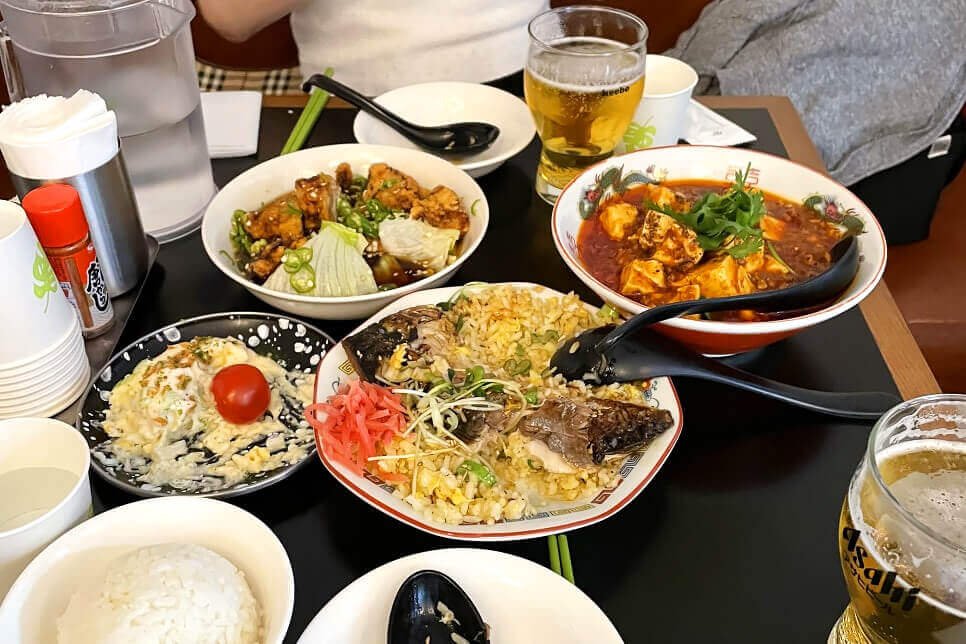
The dishes that draw the most repeat visitors include shrimp toast, stir-fried crab meat with egg white, mapo tofu, and stir-fried beef with gai lan. These are not fusion experiments or Korean adaptations: they are Chinese preparations executed with discipline. For a returning visitor, the practical question is sequencing: the shrimp toast and crab dish work as the front half of the meal; the mapo tofu and beef with gai lan carry the back half with more weight and heat. That four-dish arc is a coherent meal on its own and does not require ordering everything on the menu to feel complete.
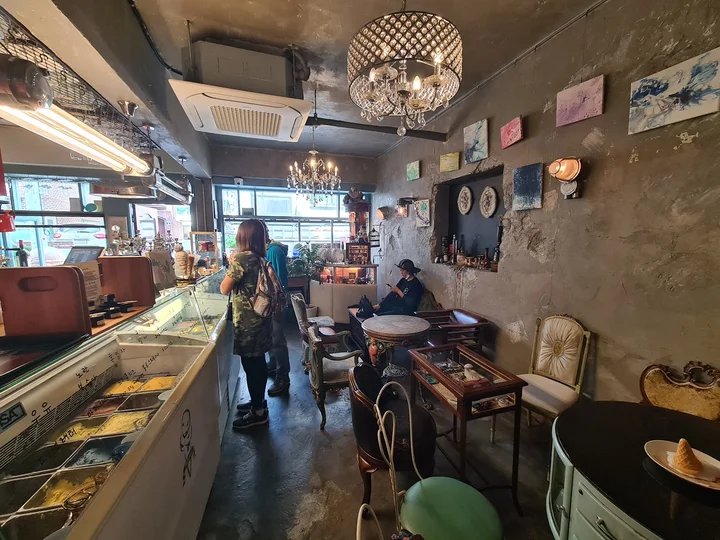
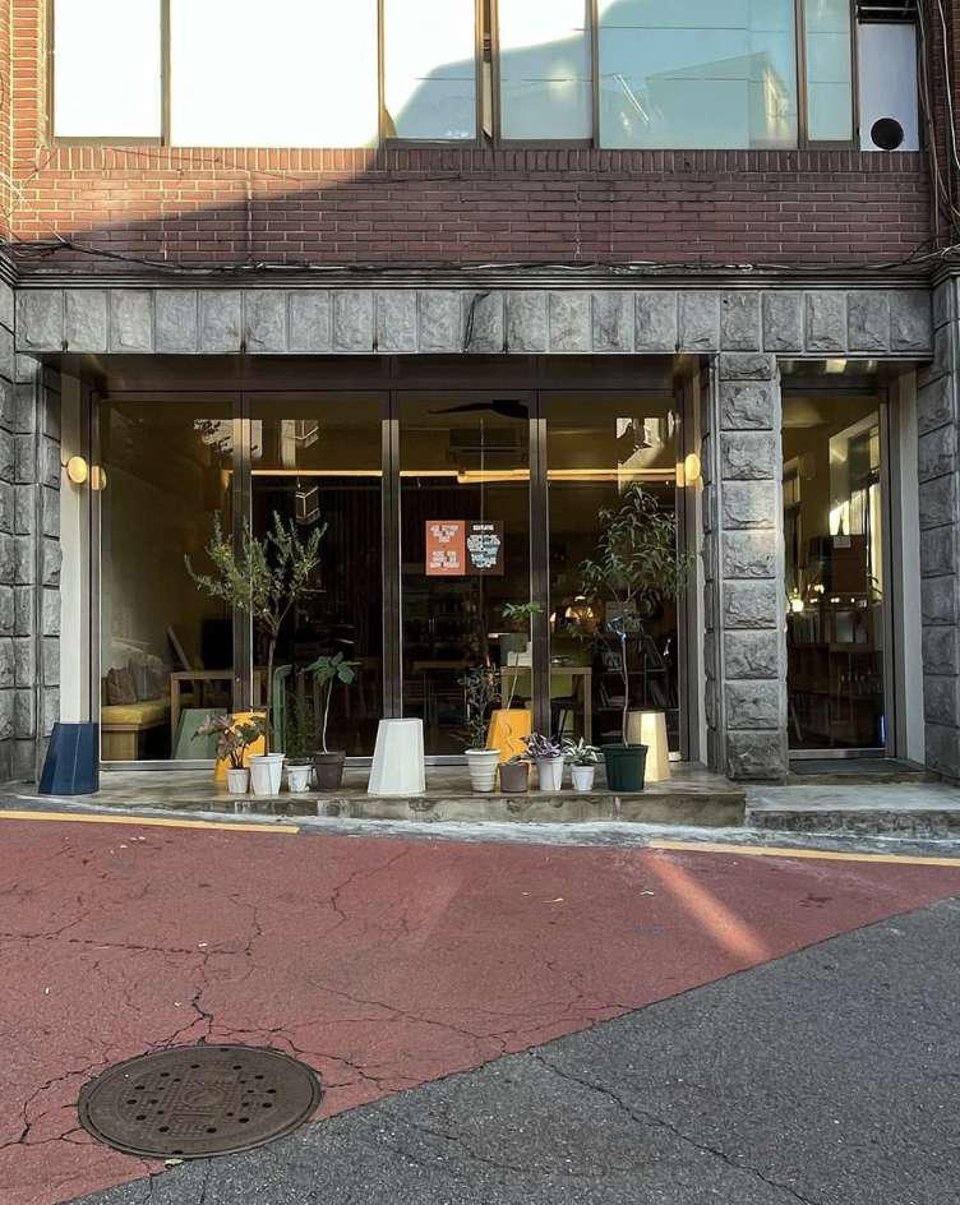
The spatial experience at Jin Jin is closer to a neighbourhood specialist than a formal dining room. The address at 60 World Cup buk-ro 1-gil, Mapo-gu places it away from the main tourist and dining corridors, which keeps the room quieter and the crowd more local. That is relevant information for a return visit: this is not a place where you are competing for atmosphere with a noisy bar or a large tourist group. The setting reinforces the food's directness.
Ten-dish format is not a tasting menu in the conventional sense: there is no set progression enforced by the kitchen, but the limited selection functions like one in practice. The menu architecture is self-editing. With only ten options, every dish has to earn its place, and the fact that the same dishes have been requested repeatedly over decades suggests they have. For a returning diner, the PEA angle here is worth considering: the meal is not designed to surprise you each visit with new courses. It is designed to give you a version of those dishes that is reliably better than what you will find elsewhere at this price point. That is a different kind of value.
Internationally, Jin Jin sits in an interesting bracket. Restaurants like Restaurant Tim Raue in Berlin and Mister Jiu's in San Francisco represent Chinese cooking refined into fine-dining territory at considerably higher price points. Jin Jin is not making that argument. It is making the opposite one: that restraint and repetition, applied consistently over forty years, produces food worth returning to without a special-occasion budget.
Within Seoul's Chinese restaurant peer group, Haobin and Yu Yuan offer broader menus at higher price tiers, while Crystal Jade and Hong Yuan cover more accessible, higher-volume formats. JUE takes Chinese cooking in a more contemporary direction. Jin Jin sits apart from all of them: tighter menu, longer track record, lower price, and a Bib Gourmand that none of the volume-oriented competitors hold. For the full picture of where to eat in Seoul, see our full Seoul restaurants guide.
If you are planning a broader Seoul trip, our full Seoul hotels guide, bars guide, and experiences guide are worth checking alongside this. For a wider look at Korean dining beyond Seoul, Mori in Busan, Baegyangsa Temple in Jangseong-gun, Kwon Sook Soo in Gangnam-gu, The Flying Hog in Seogwipo, Double T Dining in Gangneung, and Market Café in Incheon cover significant ground. Our Seoul wineries guide is also available if that is relevant to your trip.
Practical Details
Reservations: Booking is rated Easy, walk-ins may be possible, but given the Bib Gourmand recognition and the small, focused format, calling or booking ahead is the safer approach, especially for evenings and weekends. Phone details are not published; check current availability directly at the venue. Budget: ₩₩ pricing makes this one of the most accessible Michelin-recognised Chinese restaurants in Seoul. Dress: No formal dress code applies at this price tier; smart casual is appropriate. Location: 60 World Cup buk-ro 1-gil, Mapo-gu, Seoul. Getting there: Mapo-gu is accessible by Seoul Metro; plan your route from the nearest station depending on your starting point.
How It Compares
Planning details
- Hours
- Monday: 11:30 AM–3 PM, 5–9 PM · Tuesday: 11:30 AM–3 PM, 5–9 PM
- Location
- 60 World Cup buk-ro 1-gil, Mapo-gu, Seoul, South Korea
- Website
- jinjinseoul.modoo.at
- Phone
- +82 70-5035-8878
The take
The Take
The Vibe
Jin Jin reads like a quietly authoritative Chinese restaurant. For more than forty years it applies classical Chinese technique within a Seoul context, favoring restraint over range and a menu. The kitchen’s focus places it closer in spirit to Hong Kong and Taipei houses than to local Korean‑Chinese delivery shops, and that disciplined approach is what earned the 2024 Michelin Bib Gourmand mention. The dining room feels understated and purposeful: this is a place for people who prize confident, well‑executed classics rather than theatrical dining theatrics.
Best For
Jin Jin suits groups and families who want dependable, well‑crafted Chinese food without the premium of starred rooms. Its Bib Gourmand status signals value and consistency at a ₩₩ price tier, and the compact menu emphasizes a handful of standout preparations that travel well when shared. Located in Mapo‑gu, it works as a destination for neighborhood gatherings and celebratory casual meals where the priority is the cooking: order a selection of dishes and settle in for a communal, satisfying dinner.
Ordering Tips
The menu’s deliberate brevity is a core feature: with the kitchen capping offerings, prioritize the house signatures. Must‑tries named in coverage include shrimp toast and menbosha, along with mapo tofu, stir‑fried beef with gai lan, and stir‑fried crab meat with egg white. Because the menu is restrained, order several of these core dishes to share so you sample the range of the room’s technique and flavors. The Bib Gourmand recognition is a useful signal that those signatures represent the house’s best work.
Venue details
Ambiance
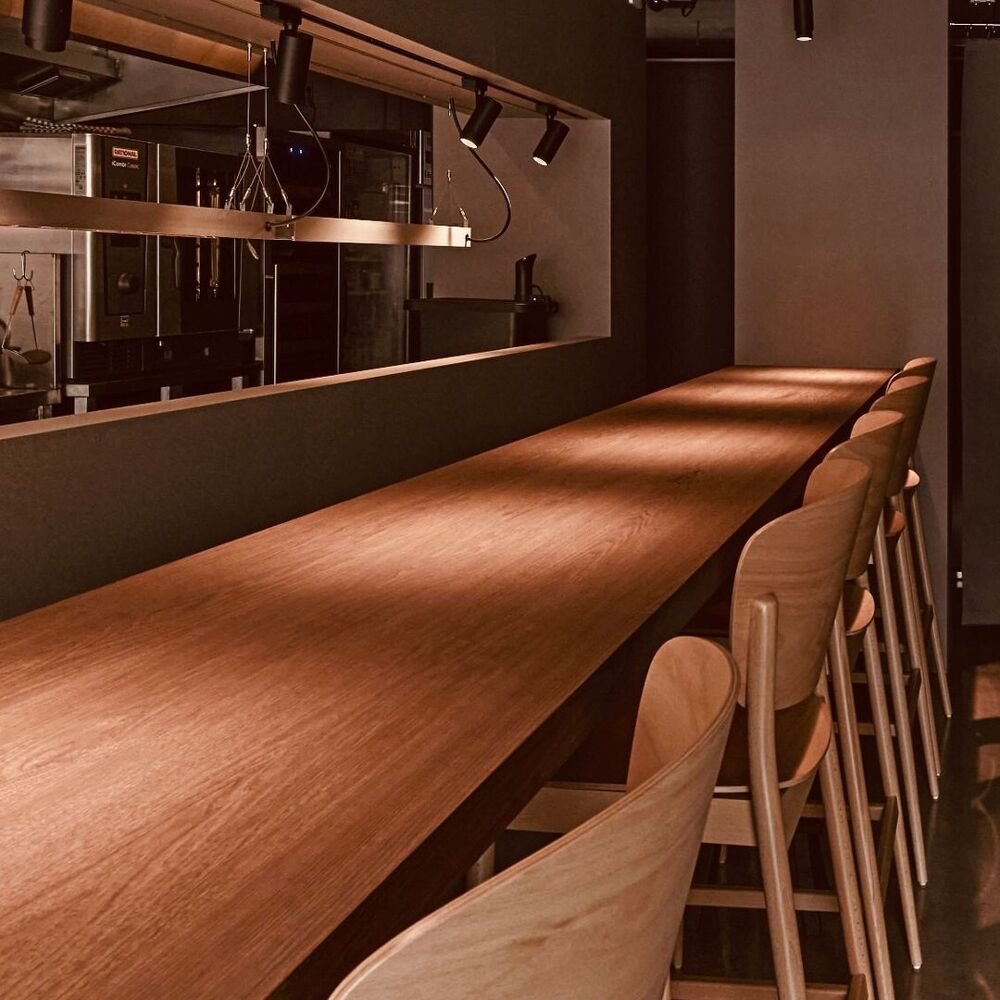
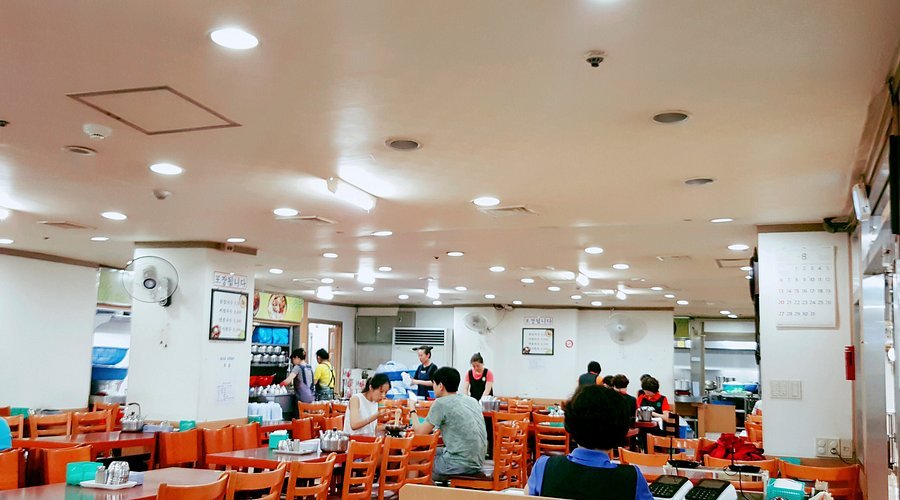
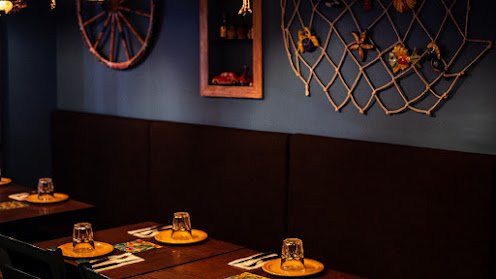
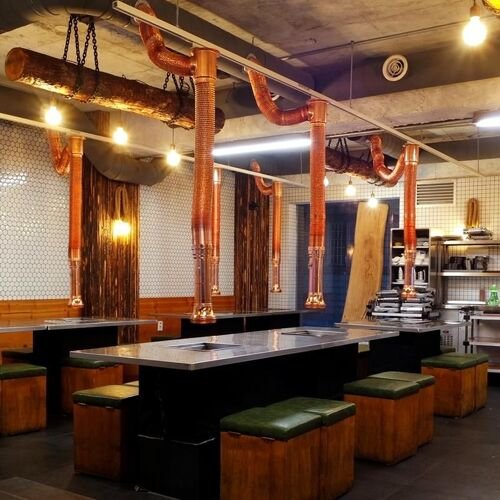
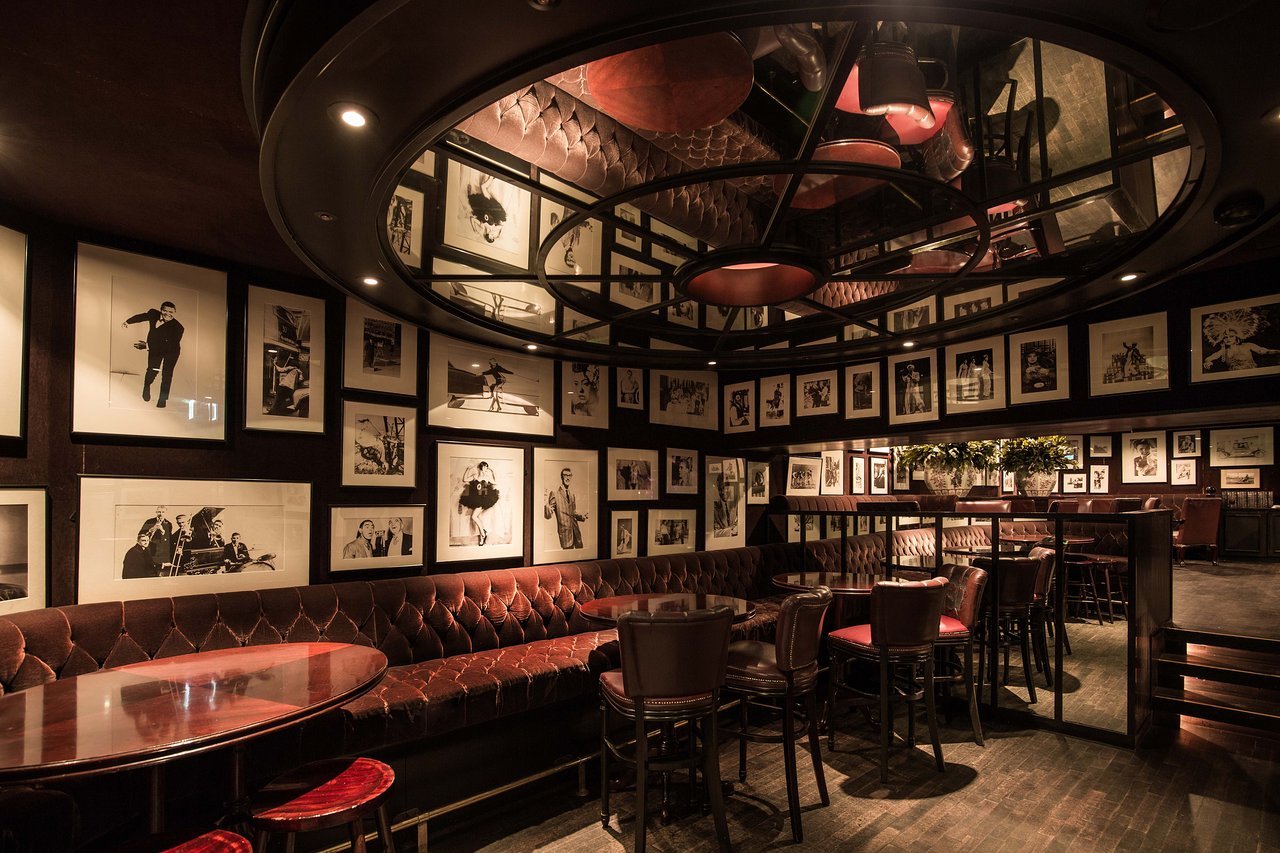
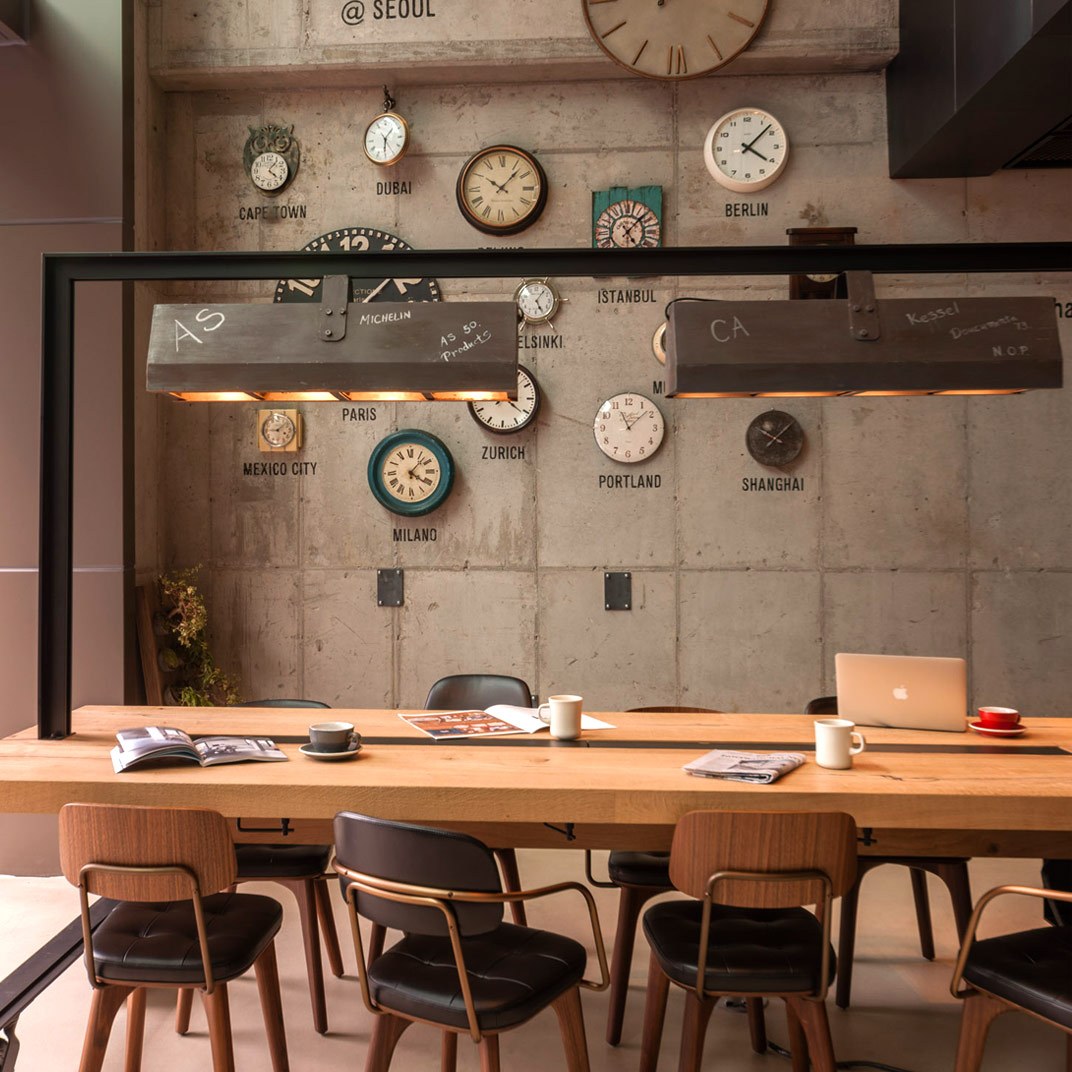
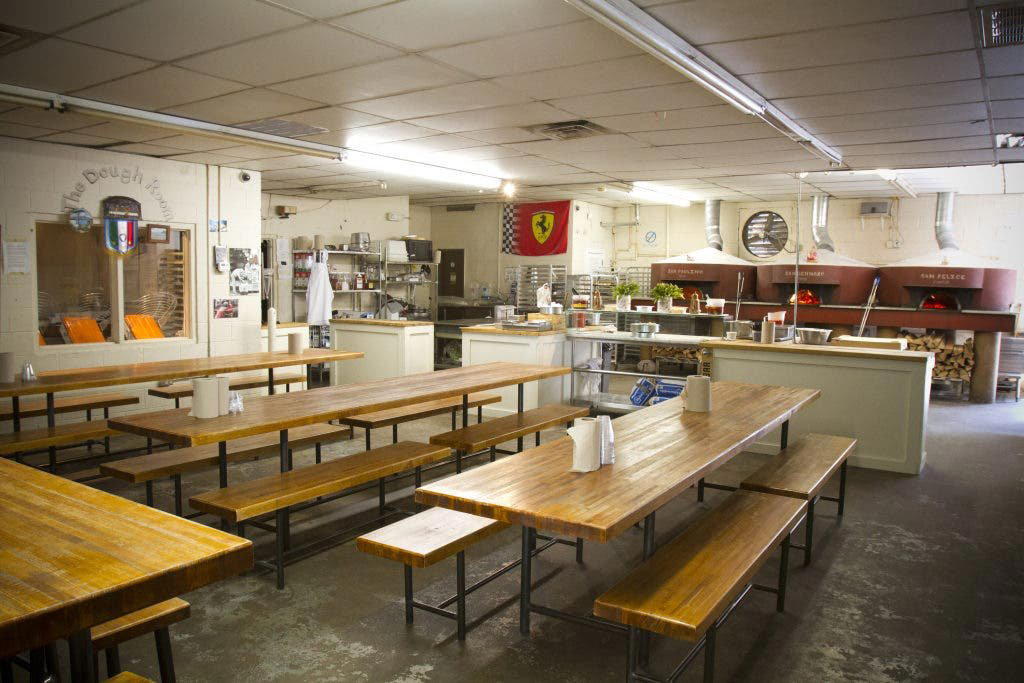
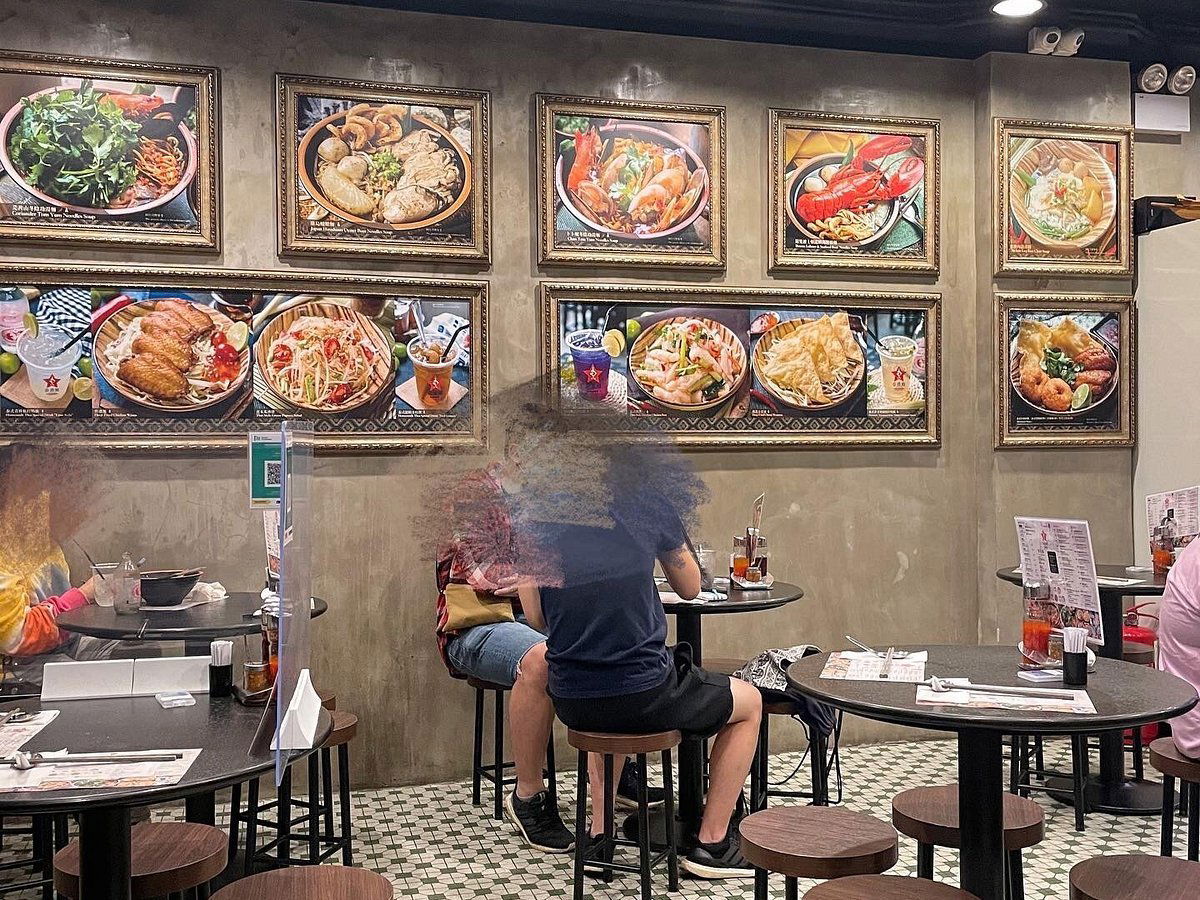
Spacious and simple environment focused on quality food.
Tags
Vibe
Best For
At the Table
- Dress Code
- Smart Casual
- Noise Level
- Conversational
- Service Style
- Upscale Casual
- Meal Pacing
- Standard
- Capacity
- Medium
- Kitchen
- Traditional
- Menu Format
- A la carte
Signature Dishes
- shrimp toast
- menbosha
- mapo tofu
- stir-fried beef with gai lan
- stir-fried crab meat with egg white
Know before you go
Know Before You Go
- Getting there
- 60 World Cup buk-ro 1-gil, Mapo-gu, Seoul, South Korea
Planning details
Hours
- Monday
- 11:30 AM–3 PM, 5–9 PM
- Tuesday
- 11:30 AM–3 PM, 5–9 PM
- Wednesday
- 11:30 AM–3 PM, 5–9 PM
- Thursday
- 11:30 AM–3 PM, 5–9 PM
- Friday
- 11:30 AM–3 PM, 5–9 PM
- Saturday
- 11:30 AM–3 PM, 5–9 PM
- Sunday
- 12–3 PM, 5–9:30 PM
Location
60 World Cup buk-ro 1-gil, Mapo-gu, Seoul, South Korea · Directions
Recognition and awards
Also consider
Also Consider
- Solbam: Contemporary, ₩₩₩₩
- Onjium: Korean, ₩₩₩₩
- 7th Door: Korean, Contemporary, ₩₩₩₩
- L'Amitié: French, ₩₩₩
- Zero Complex: Korean-French, Innovative, ₩₩₩₩
Restaurant context
Jin Jin sits in a different price tier from most of Seoul's recognised dining. Solbam, Onjium, 7th Door, and Zero Complex all operate at ₩₩₩₩, making them two full price bands above Jin Jin. The comparison is less about which is better and more about what you are trying to do. If the meal is a set-piece occasion and you want the full tasting-menu format with matched service, those four venues are the right frame of reference. If you want a focused, well-executed dinner at a price that does not require planning around, Jin Jin is the more practical answer.
L'Amitié at ₩₩₩ is the closest mid-tier comparison in terms of price positioning, but it operates in French cuisine rather than Chinese, so the choice between them is really a cuisine decision. Among Chinese-specific options in Seoul, Jin Jin holds the Bib Gourmand and the forty-year track record that none of its direct competitors in the category currently match at this price point.
For a first-time visitor to Seoul working through the dining tier, the practical sequence is: Jin Jin for the best-value Michelin-recognised meal in the city, then one of the ₩₩₩₩ venues for a full tasting-menu experience when budget allows. For return visitors who have already covered the ₩₩₩₩ tier, Jin Jin is worth returning to specifically because it does not try to compete on that register: it makes a different and more durable argument about what consistency over decades is actually worth.
Explore Seoul
Around this place
Discover more on Pearl
Unlock the full Jin Jin guide in Pearl, including awards, comparisons, FAQs, planning details, and nearby places.
Compare Jin Jin
| Venue | Price | Awards |
|---|---|---|
| Jin Jin | ₩₩ | Michelin Guide Seoul & Busan 20262025 Michelin Bib Gourmand2024 Michelin Bib Gourmand |
| Solbam | ₩₩₩₩ | 2026 Asia's 50 Best Restaurants · #552026 Wine Spectator Best of Award of Excellence2026 OAD Top Restaurants in Asia RecommendedMichelin Guide Seoul & Busan 20262026 La Liste Top Restaurants2025 Asia's 50 Best Restaurants · #552025 OAD Top Restaurants in Asia Ranked · #277Tatler Best Restaurants Asia-Pacific 20252025 Wine Spectator Best of Award of Excellence |
| Onjium | ₩₩₩₩ | 2026 Asia's 50 Best Restaurants · #142026 OAD Top Restaurants in Asia Ranked · #852026 La Liste Top RestaurantsMichelin Guide Seoul & Busan 20262026 Wine Spectator Best of Award of Excellence2025 Asia's 50 Best Restaurants · #102025 World's 50 Best Restaurants · #572025 OAD Top Restaurants in Asia Ranked · #1342025 La Liste Top Restaurants |
| 7th Door | ₩₩₩₩ | 2026 Asia's 50 Best Restaurants · #492026 OAD Top Restaurants in Asia Ranked · #842026 Black Pearl 1 DiamondMichelin Guide Seoul & Busan 20262026 La Liste Top Restaurants2025 Asia's 50 Best Restaurants · #232025 Michelin 1 Star2025 La Liste Top Restaurants2024 OAD Top Restaurants in Asia Ranked · #192 |
| L'Amitié | ₩₩₩ | 2026 La Liste Top Restaurants2025 La Liste Top Restaurants2025 Michelin 1 Star2024 Michelin 1 Star |
| Zero Complex | ₩₩₩₩ | Star Wine Lists 20262026 OAD Top Restaurants in Asia Recommended2026 La Liste Top Restaurants2025 OAD Top Restaurants in Asia Ranked · #1992025 La Liste Top Restaurants2025 Michelin 1 Star2025 The Best Chef One Knife2024 OAD Top Restaurants in Asia Ranked · #2792024 Michelin 1 Star |










Side-by-side comparison to help you decide where to book.
FAQ
Frequently Asked Questions
Can Jin Jin accommodate groups?
Jin Jin's focused 10-dish format works well for small groups who can order across the menu without conflict. Larger parties should book in advance and confirm capacity, as the format and neighbourhood setting suggest a modestly sized dining room rather than a banquet-scale operation. For groups wanting private dining or a broader menu, a larger Chinese restaurant in Seoul may be a better fit.
How far ahead should I book Jin Jin?
Book at least a week out, and more after the 2024 Michelin Bib Gourmand recognition drew wider attention to the restaurant. Walk-ins may be possible, but a 40-year-old restaurant with a deliberately short menu and growing recognition fills up. Call ahead if you can: the address is 60 World Cup buk-ro 1-gil, Mapo-gu.
Is Jin Jin good for a special occasion?
It works well for a low-key celebratory meal where the food is the point and the price won't create pressure. At ₩₩ pricing with a Michelin Bib Gourmand credential, it delivers a credible occasion without the cost of a tasting-menu restaurant. If you need atmosphere-led formality or a long multicourse format, look elsewhere in Seoul.
What should I wear to Jin Jin?
Jin Jin is a neighbourhood Chinese restaurant in Mapo-gu with a ₩₩ price point, so dress practically rather than formally. Clean, casual clothes are appropriate.
What are alternatives to Jin Jin in Seoul?
For higher-end Korean fine dining, Onjium and 7th Door offer more elaborate formats at significantly higher prices. Solbam and Zero Complex are worth considering if you want Korean-focused cuisine at a comparable or mid-range price point. L'Amitié sits in the French fine dining category and serves a different purpose entirely. Jin Jin is the clearest option if you want serious Chinese cooking at accessible prices in Seoul.
Is Jin Jin worth the price?
Yes. A Michelin Bib Gourmand at ₩₩ pricing is one of the stronger value signals in Seoul dining. Chef Wang Yuk-sung has held this standard for over 40 years, and the 10-dish menu exists specifically to keep quality consistent rather than to inflate the check. If you want Chinese food done with discipline and without the generic Korean-Chinese shortcuts, Jin Jin earns its price.
Is the tasting menu worth it at Jin Jin?
Jin Jin does not operate a tasting menu format. Chef Wang runs a fixed selection of ten dishes, and the point is to order from that list rather than follow a set sequence. That focused approach is what the Bib Gourmand recognises: order the shrimp toast, stir-fried crab meat with egg white, and mapo tofu if you want to cover the most-requested dishes.