
Gwanghwamun Gukbap
Dwaeji-gukbap · Sajik-dong, Seoul
Restaurant in Seoul, South Korea
 Book with Pearl
The Read
Clear-Broth Pork Discipline
Price
$10–20per person
Dress
Casual
Why go
Gwanghwamun Gukbap is a dwaeji-gukbap specialist in Seoul's Jung District that earns its 4.2 score (1,754 reviews) through sourcing discipline: Duroc pork shoulder and black pork ham, clear broth, rice served separately to preserve texture. At ₩ pricing with walk-in access, it delivers disproportionate ingredient quality for the cost. Come for a focused, honest Korean meal rather than a tasting-menu occasion.
About Gwanghwamun Gukbap
Over 1,700 people have weighed in on this dwaeji-gukbap specialist in Jung District, and the consensus holds at. That kind of volume at that score is not a fluke: it signals a kitchen doing something consistently right at a price point (₩) that makes every visit low-risk. If you are in central Seoul and want to understand what a focused, ingredient-led Korean soup kitchen looks like at its most deliberate, this is where to come.
What Gwanghwamun Gukbap is actually doing
The format here is dwaeji-gukbap: pork and rice soup, one of Korea's most unassuming everyday dishes. What separates Gwanghwamun Gukbap from the average gukbap counter is the sourcing decision Chef Park Chan-il has made at the protein level. The kitchen uses black pork ham and Duroc pork shoulder: two cuts chosen for flavour depth rather than cost efficiency. Duroc is a breed known for higher intramuscular fat content and a naturally sweeter, more complex meat flavour. Black pork, particularly from Jeju, carries similar characteristics. Boiling those cuts produces a broth that is clear rather than milky, fragrant rather than heavy.
That clarity is the point. The broth is not masked with heavy seasoning or augmented with additives, the ingredient quality has to do the work on its own. When the kitchen gets it right, the result is a soup that smells of clean pork and fresh chive the moment it arrives at the table. The chopped chives are added just before serving, which keeps their aroma sharp rather than wilted. That detail is small, but it is the kind of operational choice that separates a kitchen with a philosophy from one running on autopilot.
There is one more distinction worth noting: the rice is served separately from the broth, not pre-mixed as is standard in most gukbap restaurants. This is a deliberate preservation move. Rice that sits in hot soup loses its texture within minutes; by keeping the two elements apart, Chef Park ensures you are eating freshly steamed rice alongside the broth rather than a starchy mush. You can combine them yourself at the table if you prefer the traditional presentation, but the default here protects the integrity of both components.
Who should book, and when
Gwanghwamun Gukbap works as a special-occasion meal only in the sense that it is the kind of place you bring someone to demonstrate Seoul's food culture at its most honest. It is not a celebratory dinner venue with white tablecloths and tasting menus, the price range (₩) and the format make that clear. But if you are hosting a visitor who wants to eat something genuinely Korean, deeply considered, and completely free of performance, this is a stronger recommendation than any number of trendier options in the Gangnam corridor.
The Jung District address puts the restaurant close to the Gwanghwamun area, one of Seoul's most visited central precincts. That location is convenient if you are coming from the major central hotels or combining a meal with daytime sightseeing. For a deeper look at where to stay nearby, see our full Seoul hotels guide.
Given the price point and the walk-in culture typical of gukbap restaurants in Seoul, booking difficulty is low. This is not a reservation-dependent experience in the way that Seoul's high-end tasting menus are. For contrast, venues like Jungsik or Mingles require advance planning weeks out. Gwanghwamun Gukbap operates in an entirely different register, you show up, you eat well, you pay very little.
Practical details
Reservations: Walk-ins are the standard operating mode for a restaurant at this price tier; no advance booking expected. Dress: No dress code, come as you are. Budget: ₩ price range, making this one of Seoul's most accessible quality meals. Address: 53 Sejong-daero 21-gil, Jung District, Seoul. Hours: Not confirmed in available data, check locally before visiting. Solo dining: The counter or small-table format typical of gukbap restaurants makes solo dining natural here.
The dwaeji-gukbap context
Dwaeji-gukbap has its strongest roots in Busan, where it developed as a practical, filling meal during periods of scarcity. Seoul versions of the dish have historically been less celebrated than their Busan counterparts. If you want to compare the regional form directly, Anmok in Busan and Hapcheon Gukbapjip in Busan represent the dish in its home city. Gwanghwamun Gukbap's point of difference is not geography, it is the sourcing rigour applied to a format that most kitchens treat as a commodity.
For other Korean dining worth planning around Seoul, ANAM and Okdongsik offer contrasting approaches to Korean cooking at different price tiers. alla prima is worth considering if you want something innovative rather than traditional. For a broader view of what Seoul's dining scene offers, our full Seoul restaurants guide covers the range from gukbap counters to Michelin-starred tasting menus. You can also explore our full Seoul bars guide, our full Seoul wineries guide, and our full Seoul experiences guide to build out a complete itinerary.
If your trip extends beyond Seoul, Mori in Busan, Baegyangsa Temple in Jangseong-gun, Kwon Sook Soo in Gangnam-gu, The Flying Hog in Seogwipo, Double T Dining in Gangneung, and Market Café in Incheon are all worth flagging depending on your routing.
Planning details
- Hours
- Monday: 11 AM–9:30 PM · Tuesday: 11 AM–9:30 PM
- Location
- 53 Sejong-daero 21-gil, Jung District, Seoul, South Korea
- Website
- guide.michelin.com/kr/ko/seoul-capital-area/kr-seoul/restaurant/gwanghwamun-gukbap
- Phone
- +82 2-738-5688
The take
The Take
The Vibe
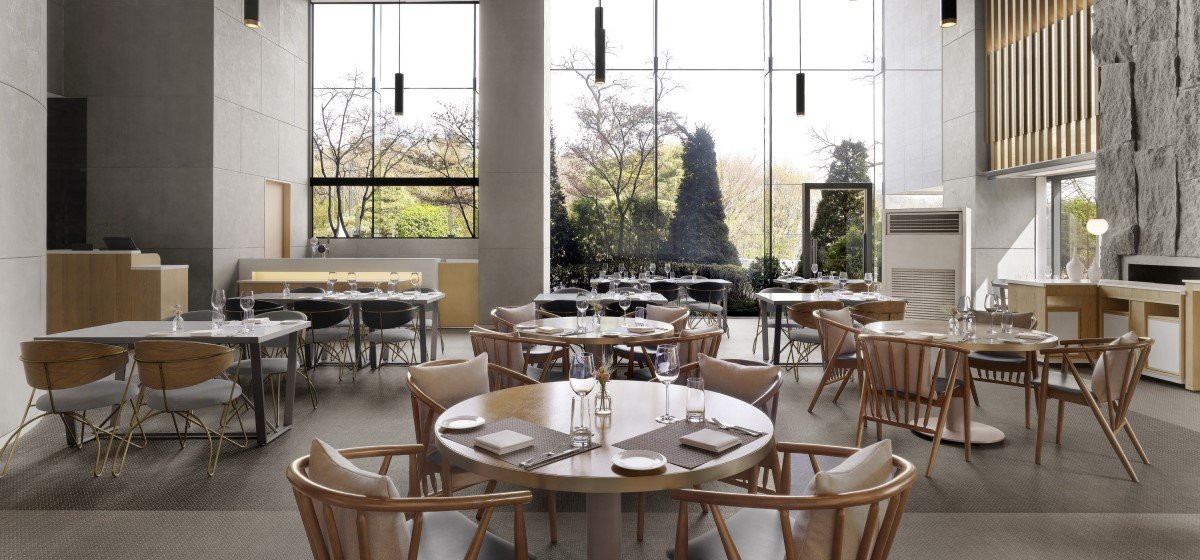
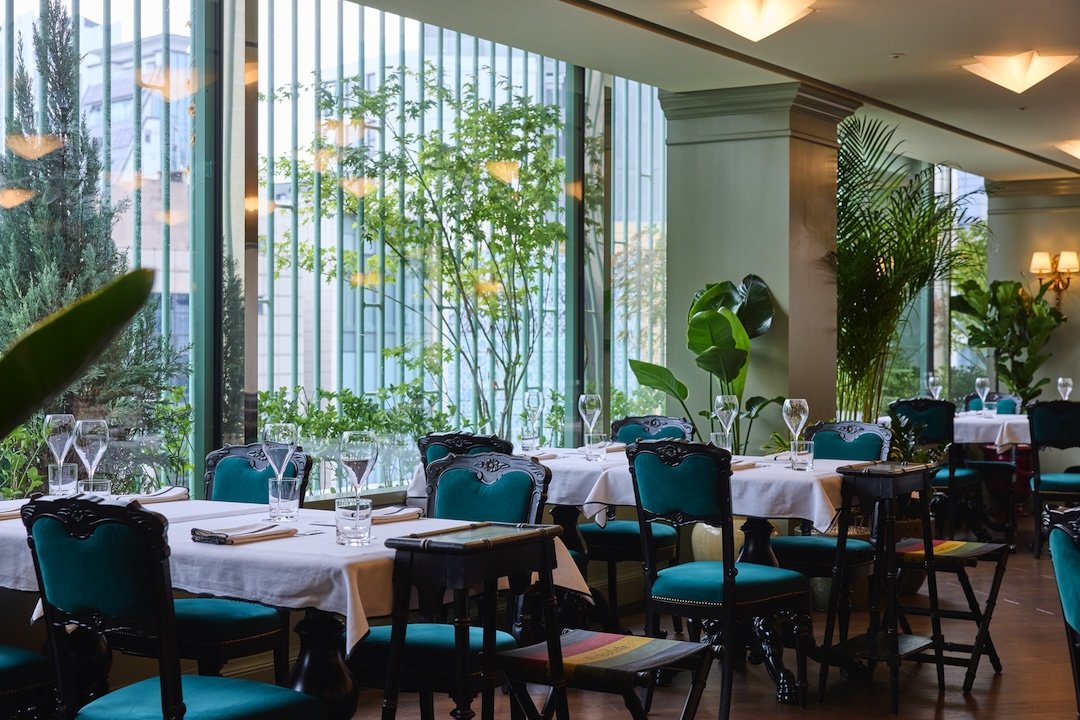
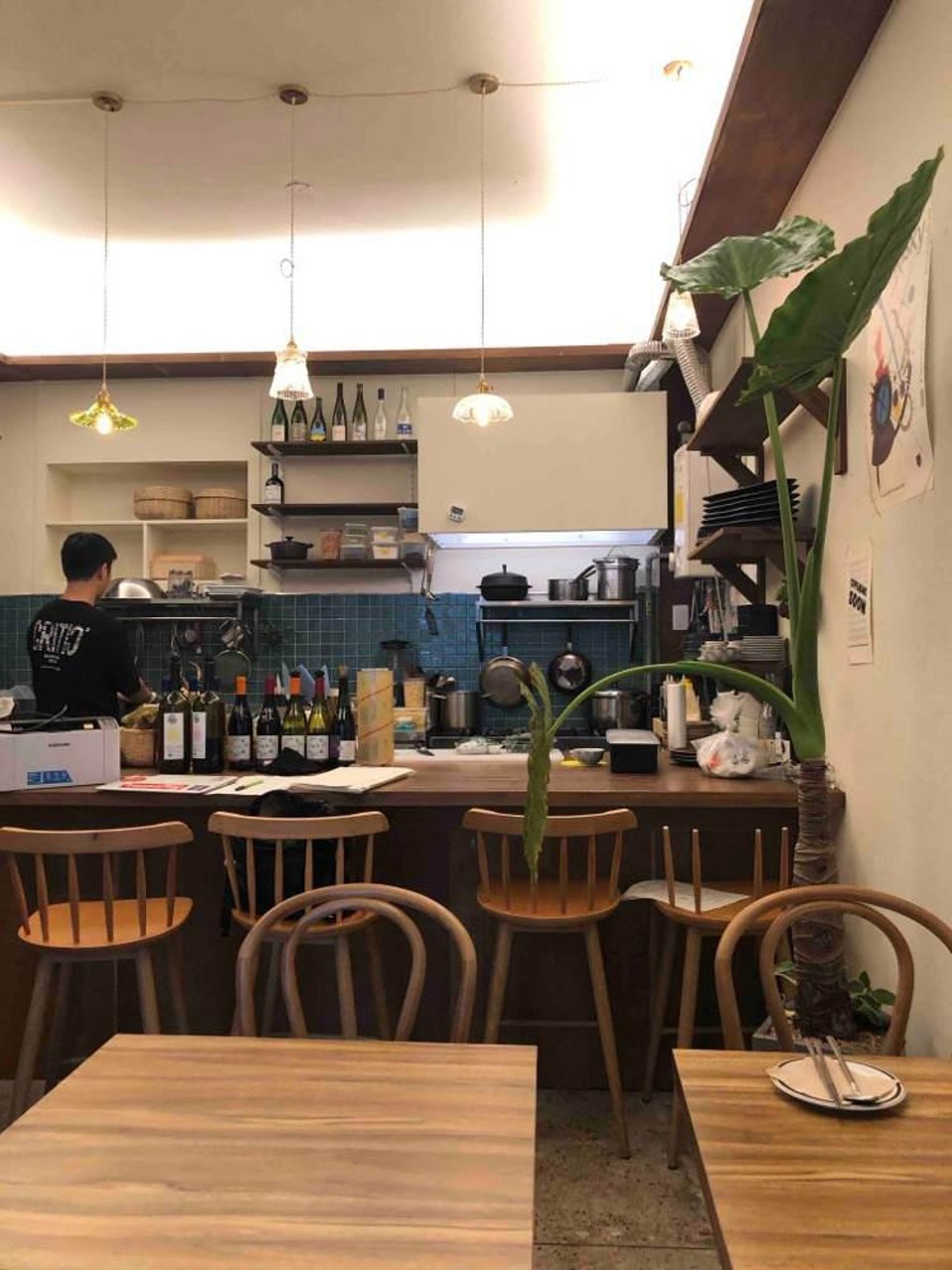
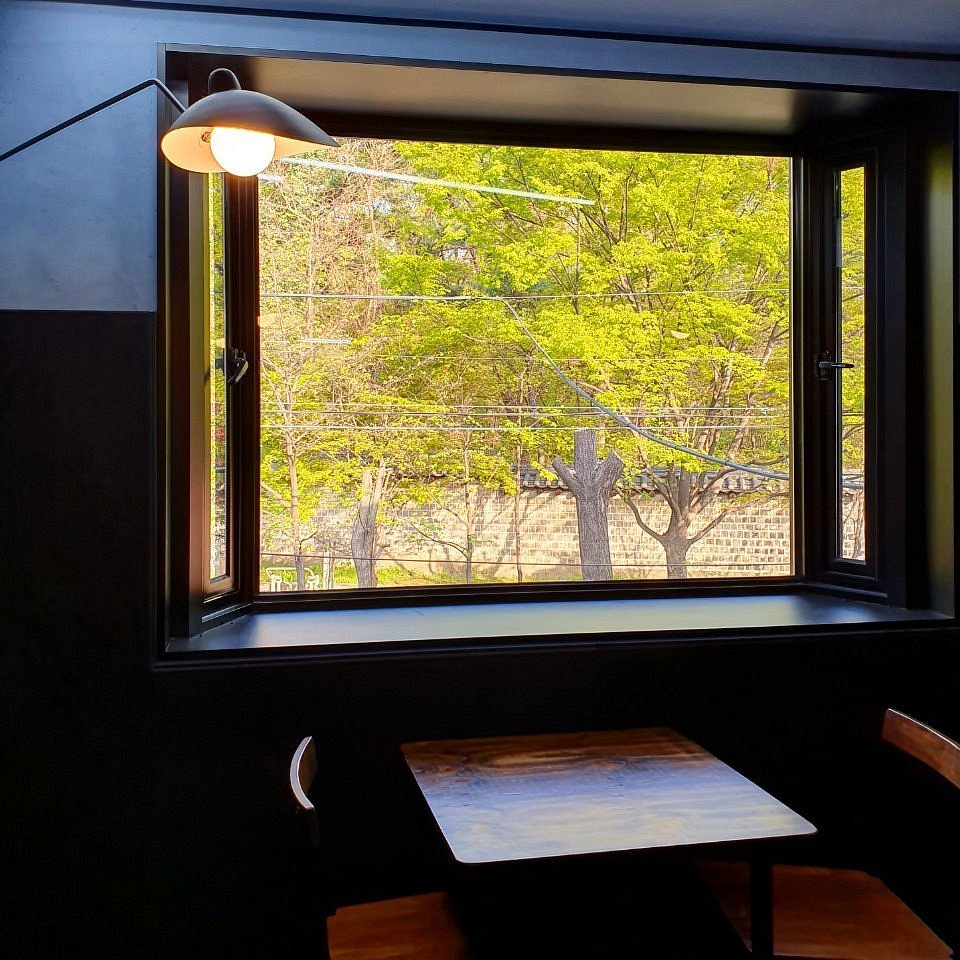
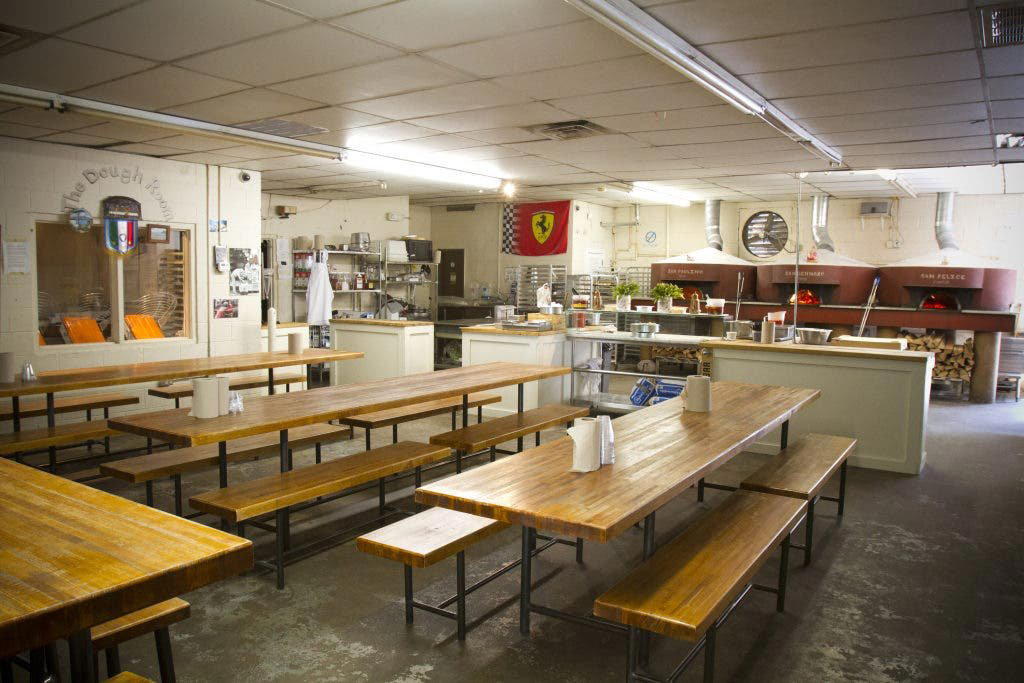
Gwanghwamun Gukbap presents a quiet, unadorned charm: a narrow storefront and spare interior that make a clear argument for restraint. The place eschews provenance copy and flashy presentation in favor of a single pursuit: a clean, aromatic pork broth. Its low-key signage and functional room read like the practical confidence of a place that trusts its cooking. The restaurant sits in Jung-gu between the city’s offices and cultural corridors, and its modest, workmanlike energy feels more like a local institution than a destination for spectacle.
Best For
This is a spot you visit when you want a straightforward, restorative bowl rather than a theatrical meal. It suits someone on their own, a local office worker, or anyone seeking a reliable breakfast or lunch that prioritizes flavor over frills. Because the kitchen centers on one dish and its technique, visits are pragmatic: pop in, eat, and leave satisfied. Its location between government buildings, office towers and cultural sites makes it especially convenient for weekday mornings and midday breaks.
Ordering Tips
Order the Dwaeji-gukbap, the pork soup at the centre of the restaurant’s identity. The kitchen’s methodical approach (black pork ham and Duroc shoulder boiled to produce a clear, fragrant broth) is the point of the meal, so let the soup stand on its own. Expect no elaborate menu or storytelling; the quality shows up in the broth’s clarity and aroma. If you value straightforward, traditional gukbap, this is the bowl to judge the place by.
Venue details
Ambiance
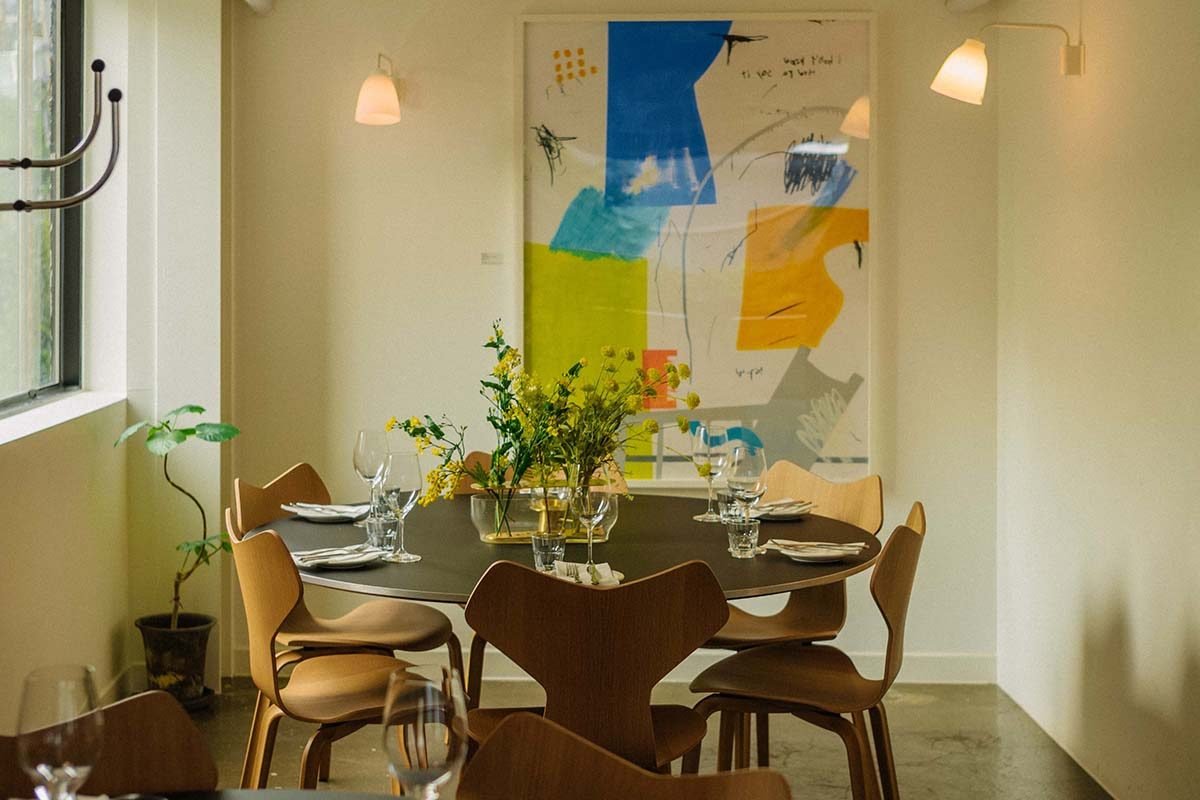
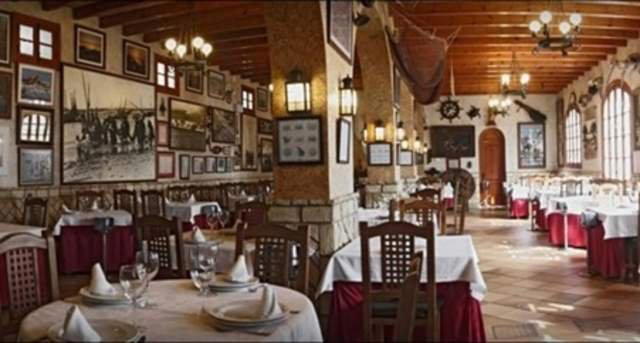
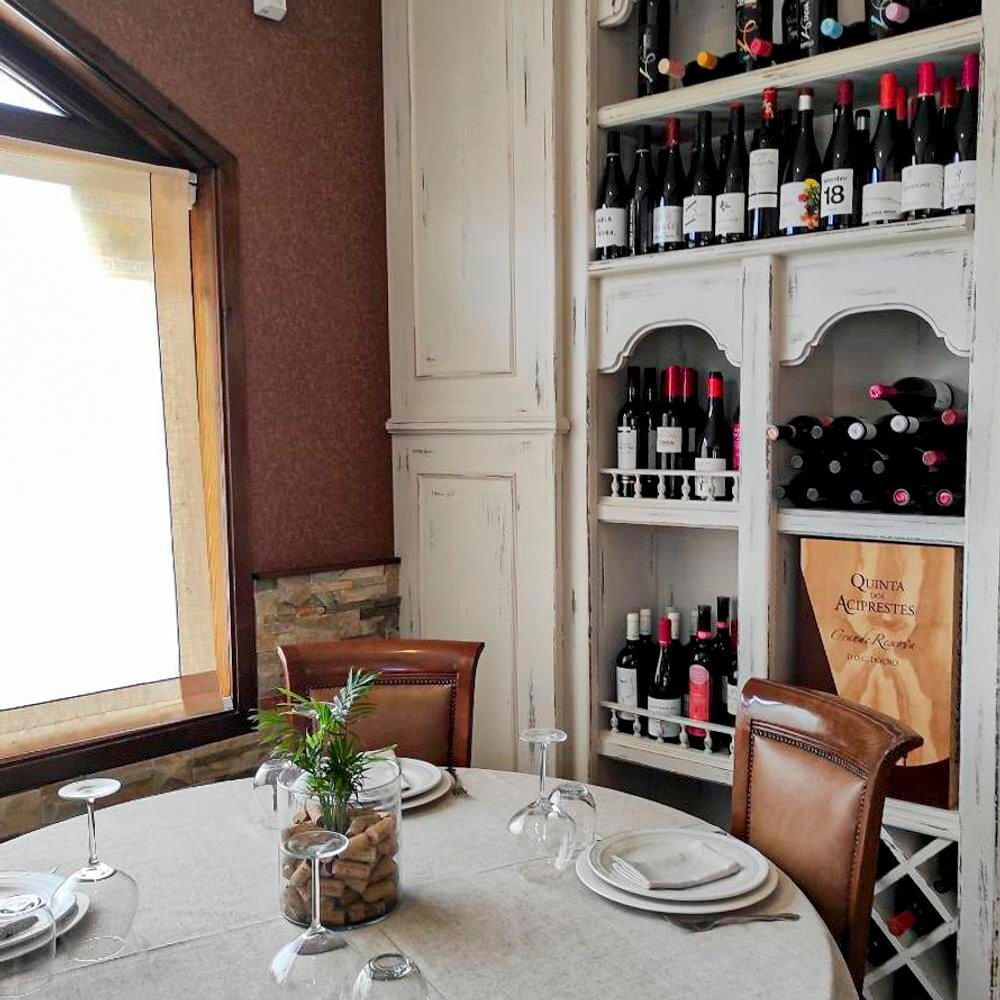
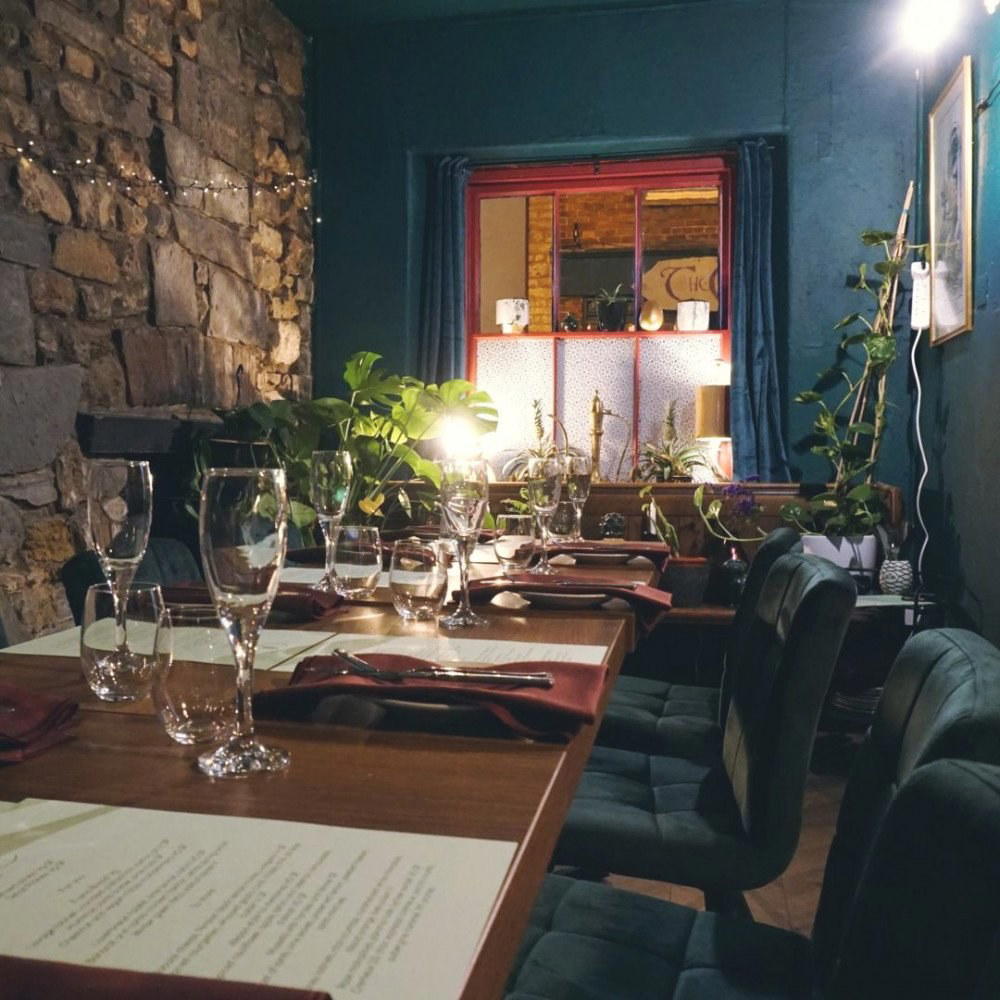
Modern and neat interior balancing trendy and welcoming, accommodating diverse age groups in a busy office district.
Tags
Vibe
Best For
Experience
At the Table
- Dress Code
- Casual
- Noise Level
- Conversational
- Service Style
- Casual
- Meal Pacing
- Standard
- Capacity
- Medium
- Kitchen
- Traditional
- Menu Format
- A la carte
Signature Dishes
Dwaeji Gukbap
Know before you go
Know Before You Go
- Getting there
- 53 Sejong-daero 21-gil, Jung District, Seoul, South Korea
Planning details
Hours
- Monday
- 11 AM–9:30 PM
- Tuesday
- 11 AM–9:30 PM
- Wednesday
- 11 AM–9:30 PM
- Thursday
- 11 AM–9:30 PM
- Friday
- 11 AM–9:30 PM
- Saturday
- 12–8:30 PM
- Sunday
- Closed
Location
53 Sejong-daero 21-gil, Jung District, Seoul, South Korea · Directions
guide.michelin.com/kr/ko/seoul-capital-area/kr-seoul/restaurant/gwanghwamun-gukbap
Recognition and awards
Also consider
Also Consider
- Solbam: Contemporary, ₩₩₩₩
- Onjium: Korean, ₩₩₩₩
- 7th Door: Korean, Contemporary, ₩₩₩₩
- L'Amitié: French, ₩₩₩
- Zero Complex: Korean-French, Innovative, ₩₩₩₩
Restaurant context
Gwanghwamun Gukbap and the ₩₩₩₩ venues on Seoul's radar are not competing for the same booking. If you are deciding between this and Onjium or 7th Door, the question is not which is better: it is which format you want. Onjium and 7th Door offer multi-course Korean tasting experiences with significant advance booking requirements and price commitments four or five times higher. Gwanghwamun Gukbap requires neither. For a single-dish meal that demonstrates ingredient rigour at a fraction of the cost, this kitchen wins the value comparison outright.
Within the broader Seoul dining spread, Solbam and Zero Complex sit at ₩₩₩₩ and serve contemporary or Korean-French menus built for occasion dining. Those are correct choices if you want a full evening with wine and courses. L'Amitié at ₩₩₩ is a closer price-tier comparison but operates in French rather than Korean territory. None of these overlap with what Gwanghwamun Gukbap does. The more useful comparison is within the gukbap category itself, where the Busan specialists at Anmok and Hapcheon Gukbapjip represent the dish's regional heartland.
Book Gwanghwamun Gukbap if you want a low-cost, high-integrity Korean meal in central Seoul with no planning overhead. Book Onjium or 7th Door if you want a structured tasting experience and are willing to plan weeks ahead. The two categories serve different trips entirely.
Explore Seoul
Around this place
Discover more on Pearl
Unlock the full Gwanghwamun Gukbap guide in Pearl, including awards, comparisons, FAQs, planning details, and nearby places.
Compare Gwanghwamun Gukbap
| Venue | Awards | Price |
|---|---|---|
| Gwanghwamun Gukbap | Michelin Guide Seoul & Busan 20262025 Michelin Bib Gourmand2024 Michelin Bib Gourmand | ₩ |
| Solbam | 2026 Asia's 50 Best Restaurants · #552026 Wine Spectator Best of Award of Excellence2026 OAD Top Restaurants in Asia RecommendedMichelin Guide Seoul & Busan 20262026 La Liste Top Restaurants2025 Asia's 50 Best Restaurants · #552025 OAD Top Restaurants in Asia Ranked · #277Tatler Best Restaurants Asia-Pacific 20252025 Wine Spectator Best of Award of Excellence | ₩₩₩₩ |
| Onjium | 2026 Asia's 50 Best Restaurants · #142026 OAD Top Restaurants in Asia Ranked · #852026 La Liste Top RestaurantsMichelin Guide Seoul & Busan 20262026 Wine Spectator Best of Award of Excellence2025 Asia's 50 Best Restaurants · #102025 World's 50 Best Restaurants · #572025 OAD Top Restaurants in Asia Ranked · #1342025 La Liste Top Restaurants | ₩₩₩₩ |
| 7th Door | 2026 Asia's 50 Best Restaurants · #492026 OAD Top Restaurants in Asia Ranked · #842026 Black Pearl 1 DiamondMichelin Guide Seoul & Busan 20262026 La Liste Top Restaurants2025 Asia's 50 Best Restaurants · #232025 Michelin 1 Star2025 La Liste Top Restaurants2024 OAD Top Restaurants in Asia Ranked · #192 | ₩₩₩₩ |
| L'Amitié | 2026 La Liste Top Restaurants2025 La Liste Top Restaurants2025 Michelin 1 Star2024 Michelin 1 Star | ₩₩₩ |
| Zero Complex | Star Wine Lists 20262026 OAD Top Restaurants in Asia Recommended2026 La Liste Top Restaurants2025 OAD Top Restaurants in Asia Ranked · #1992025 La Liste Top Restaurants2025 Michelin 1 Star2025 The Best Chef One Knife2024 OAD Top Restaurants in Asia Ranked · #2792024 Michelin 1 Star | ₩₩₩₩ |










What to weigh when choosing between Gwanghwamun Gukbap and alternatives.
FAQ
Frequently Asked Questions
Is the tasting menu worth it at Gwanghwamun Gukbap?
There is no tasting menu here. Gwanghwamun Gukbap is a single-dish specialist: dwaeji-gukbap, built from black pork ham and Duroc pork shoulder, served with rice on the side. That focus is the point. Come for the soup, not for a multi-course format.
Is Gwanghwamun Gukbap good for solo dining?
Yes, and arguably this is where it works best. Walk-in-only, counter-friendly gukbap spots are designed for solo diners. At ₩ pricing in Jung District, it is one of the most practical solo lunch stops near Gwanghwamun. No booking, no awkward table-for-one situation.
Is Gwanghwamun Gukbap worth the price?
At the ₩ price tier, the value case is straightforward. Chef Park Chan-il uses black pork ham and Duroc shoulder cuts, serves rice separately to keep it fresh, and finishes with chopped chives for aroma. Over 1,700 reviewers have settled on at this price point. That ratio is hard to argue.
What should I order at Gwanghwamun Gukbap?
The dwaeji-gukbap is the only dish that matters here. The broth is built from black pork ham and Duroc pork shoulder; the rice arrives separately so it does not go soggy. The chives are added just before serving. Order it as intended and follow Park's lead on the rice.
What are alternatives to Gwanghwamun Gukbap in Seoul?
For a full-format Korean dining experience, Onjium offers traditional Korean cuisine at a much higher price tier. For a modern tasting menu with Korean roots, 7th Door is a different category entirely. Gwanghwamun Gukbap is the call if budget, speed, and a single well-executed dish are the priority.
Does Gwanghwamun Gukbap handle dietary restrictions?
The core dish is pork-based, so it is not suitable for anyone avoiding meat or pork specifically. If pork is off the table, this is not the right stop.