

Goryori Ken
Contemporary · 압구정동, Seoul
Restaurant in Seoul, South Korea
 Book with Pearl
The Read
Seasonal Counter Precision
Price
$150–200per person
Chef
Kim Geon
Dress
Smart Casual
Why go
A Michelin-starred eight-seat counter in Gangnam where Chef Kim Geon builds seasonal contemporary menus in full view of every guest. La Liste-recognised at 79 points in both 2025 and 2026, Goryori Ken delivers serious cooking in a deliberately unassuming room. One of Seoul's harder bookings — and worth the effort, particularly for solo diners and second visits.
About Goryori Ken
Verdict
Book Goryori Ken if you want a Michelin-starred counter experience in Seoul that feels nothing like a formal tasting room. Chef Kim Geon's eight-seat bar in Gangnam delivers seasonal contemporary cooking at a price point that sits well below what comparable counter restaurants charge in Tokyo or Hong Kong. The format — watching a single chef work through highly seasonal ingredients at close range — rewards repeat visits more than first-timer restaurant tourism. If you have been once, come back for what is on the counter now, not the dish you remember.
About Goryori Ken
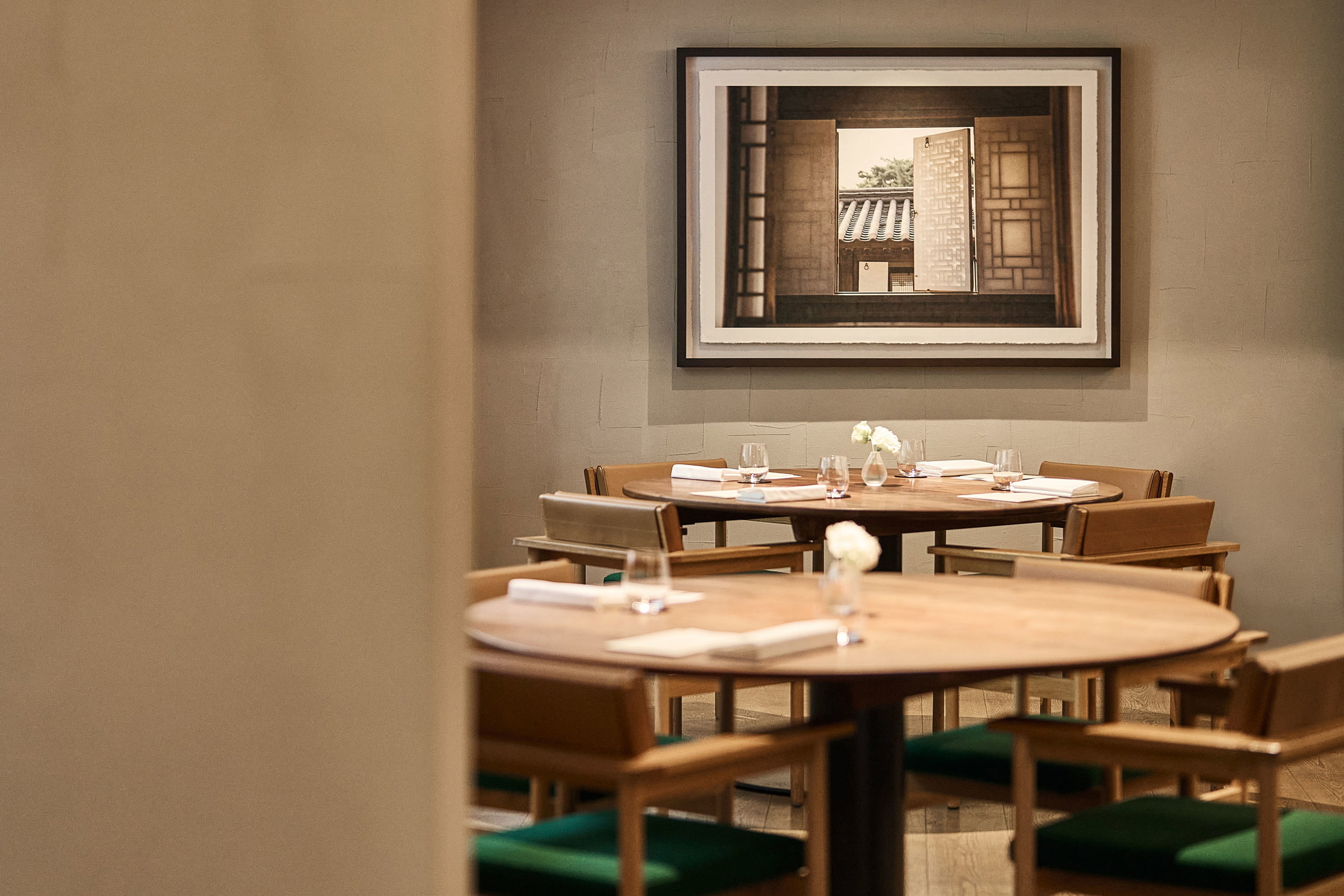
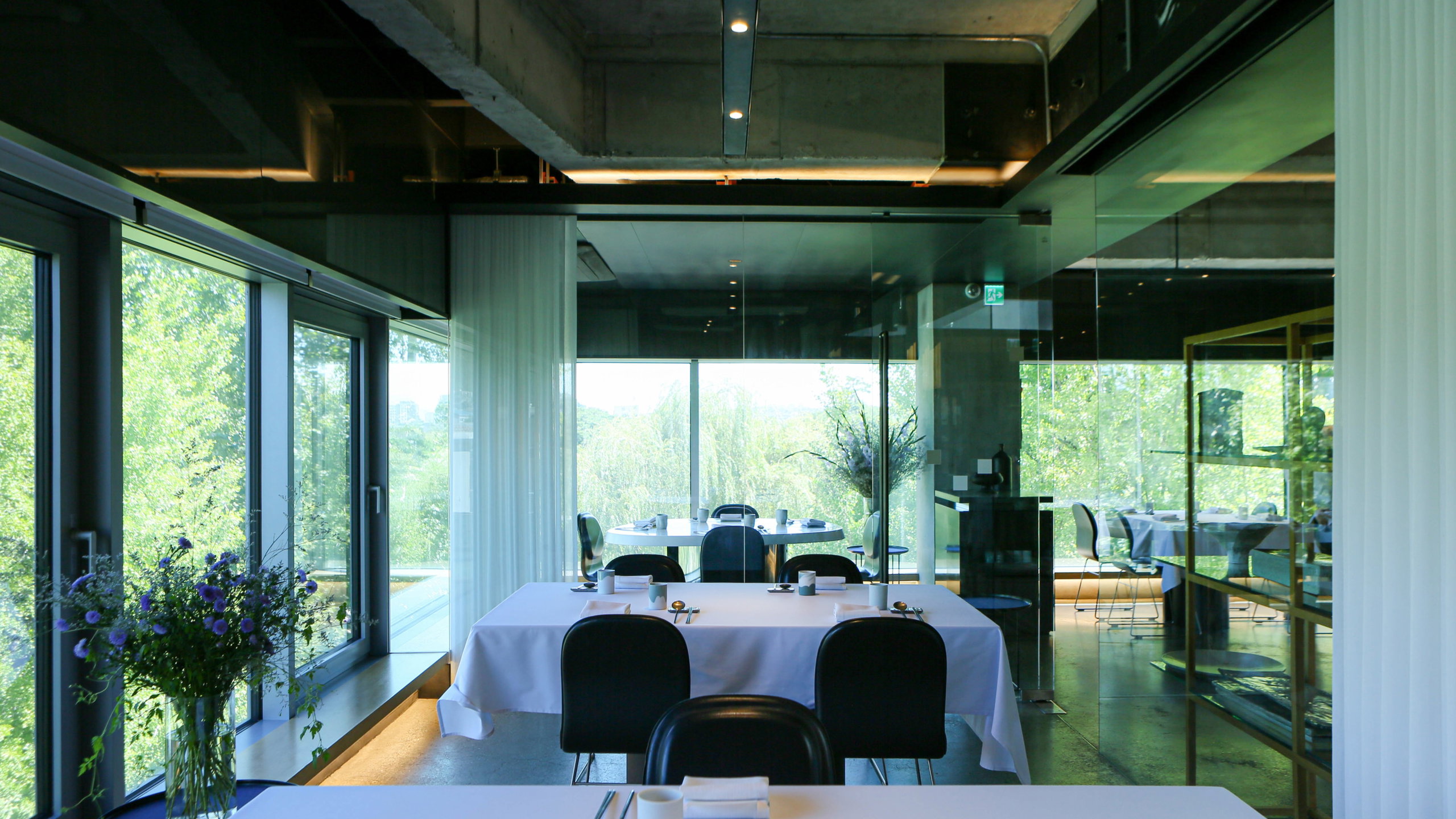
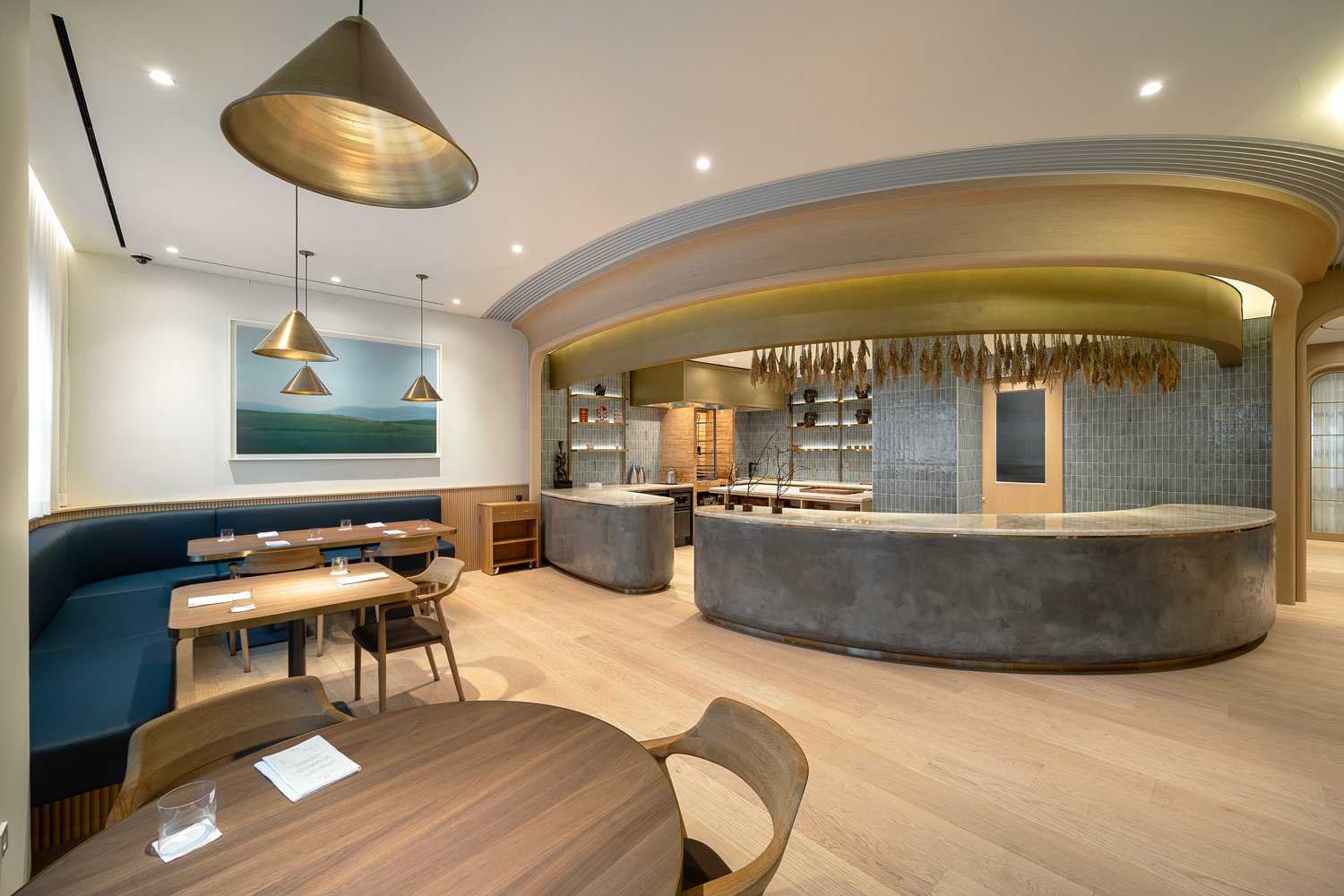
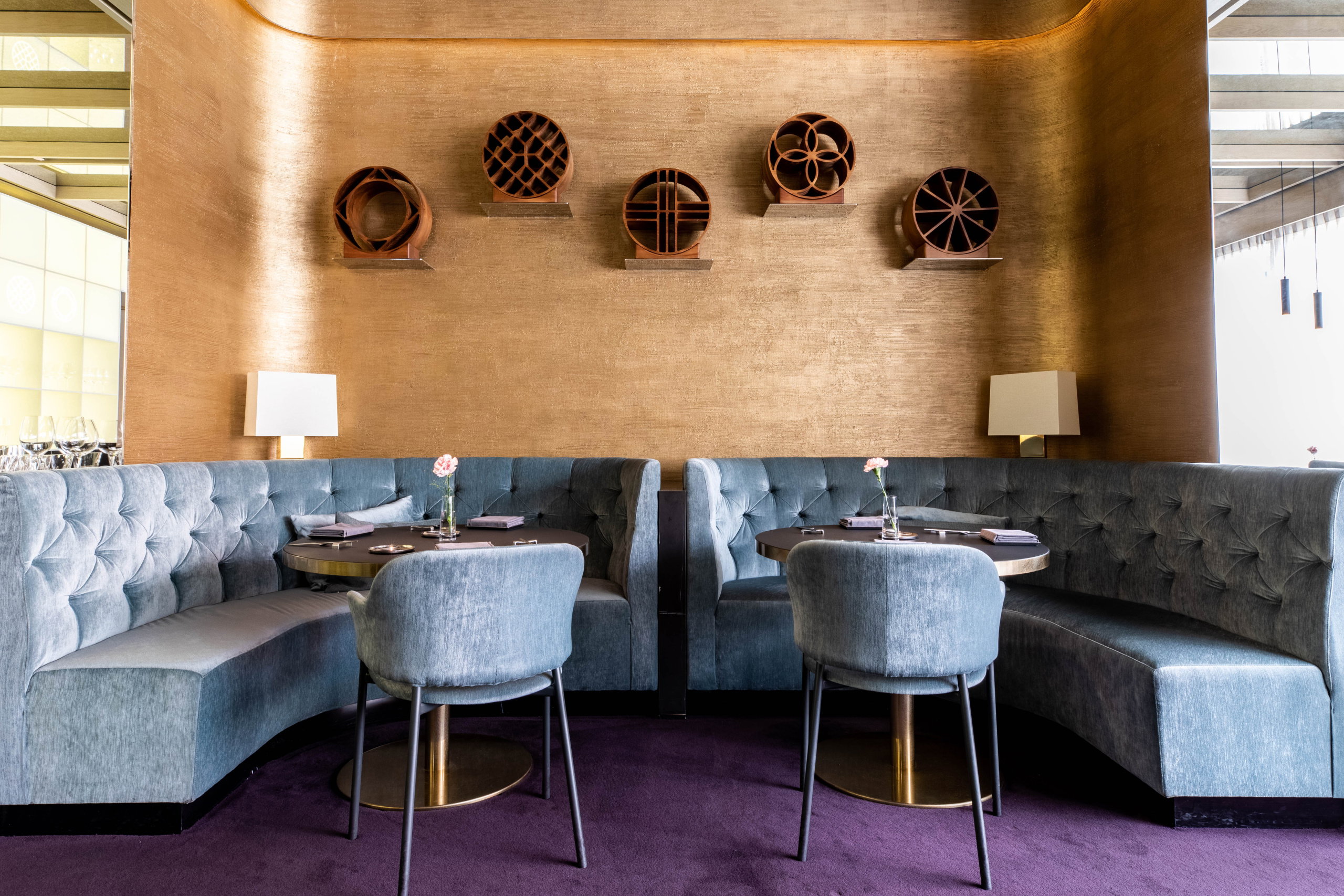
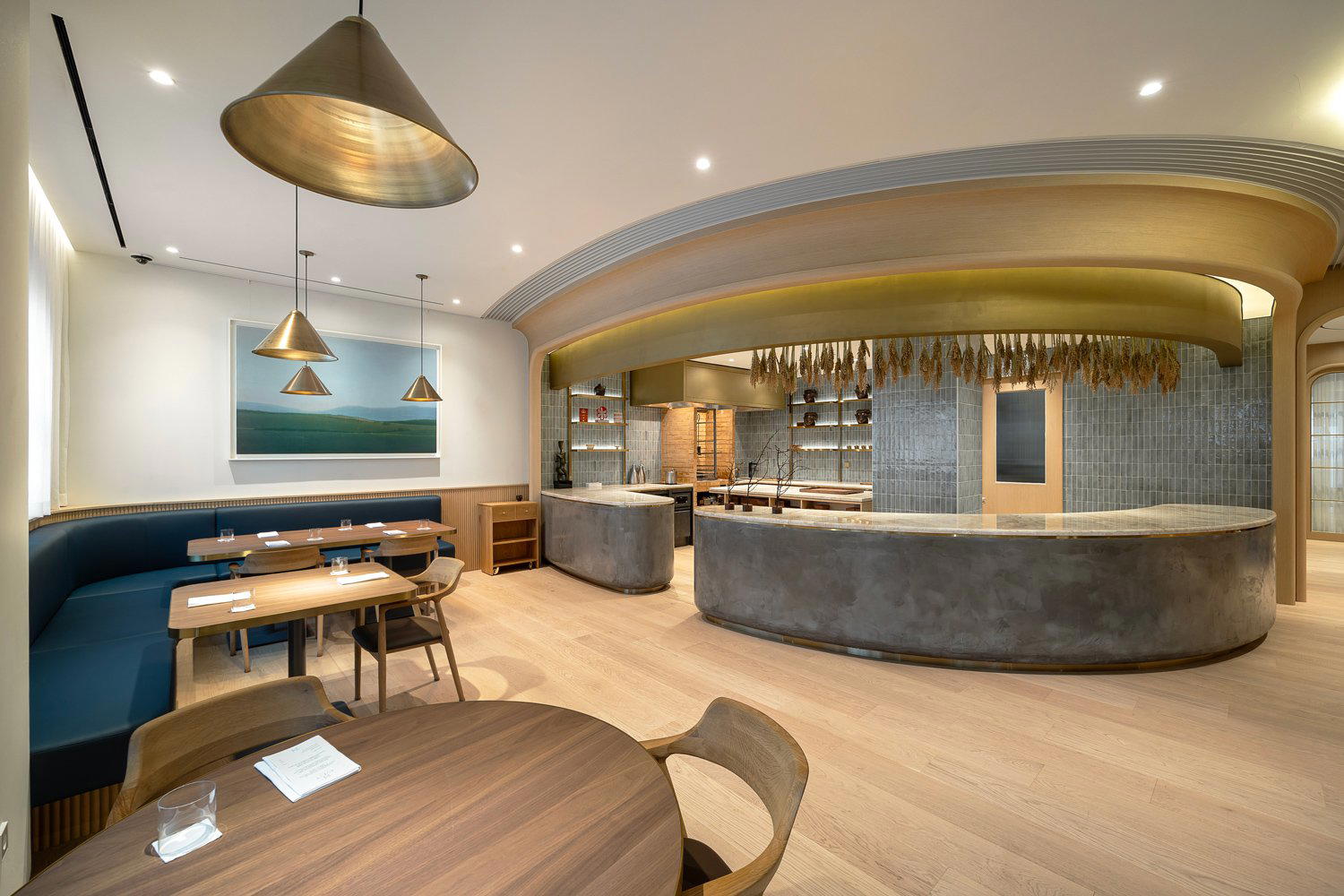
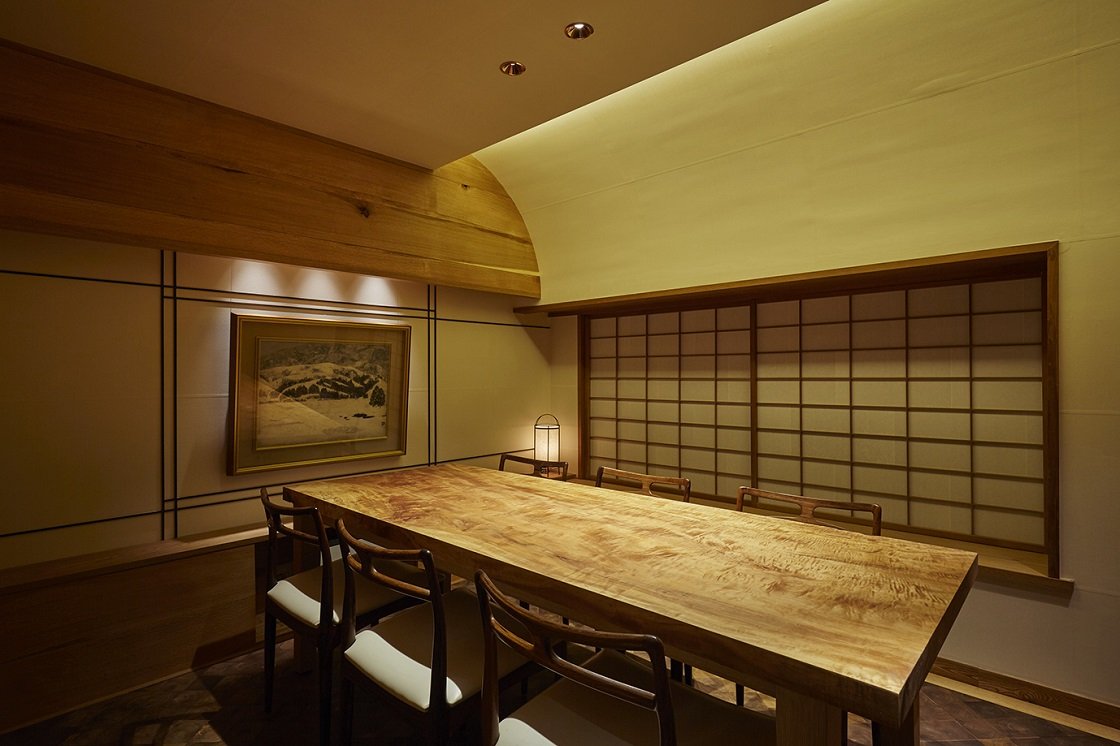
Goryori Ken occupies a second-floor space on Eonju-ro 152-gil in Gangnam, with the kind of unassuming exterior that makes first-timers double-check the address. That quiet approach to presentation carries through to the room itself: a main counter seating eight, a format that removes any separation between kitchen and guest. There are no dividing walls, no plating pass, no brigade to translate between chef and table. What Kim Geon is working on, you are watching in real time.
The cooking sits in contemporary territory without committing to a single national tradition. Kim sources highly seasonal produce and lets availability shape the menu direction rather than the reverse. That is not an unusual claim for a restaurant of this calibre, but the La Liste recognition at 79 points in both 2025 and 2026, combined with the 2024 Michelin star, suggests the approach is being executed with enough consistency to hold attention year on year.
The drinks programme deserves attention if sake is relevant to your interests. The menu draws from small Japanese breweries, a choice that complements the seasonal, produce-led cooking without defaulting to the predictable French-wine pairing that dominates Seoul's fine-dining tier. For a venue at ₩₩₩₩ pricing, the breadth of the sake selection reads as genuine curation rather than a secondary afterthought.
Kim Geon's stated priorities, consistency and care in equal measure, are the kind of values that sound generic in a press context but become legible at an eight-seat counter where there is nowhere to hide variance. Every plate travels directly from the chef's hands to the guest in front of them. The format makes that commitment visible rather than claimed.
If you are arriving for a second visit, the counter positioning is the right call again. The full view of Kim's process rewards accumulated familiarity: you start to read the prep cues and anticipate the direction of a dish before it arrives. That kind of engagement is not available at a four-leading in the middle of the room, and Goryori Ken's format exists precisely to make it the default rather than a privilege.
Timing matters here. Goryori Ken runs Tuesday through Saturday, evenings only, with Monday and Sunday closed. The five-day window and the eight-seat constraint combine to make this one of the harder bookings in Gangnam's ₩₩₩₩ tier. Treat the lead time accordingly: approach this booking the way you would approach Jungsik or Eatanic Garden in terms of advance planning, not as a walk-in fallback. There is no website or published phone number available, so the booking channel will need to be confirmed through the venue directly or via a concierge who knows Seoul's counter restaurant circuit.
The atmosphere runs quiet and deliberate, as you would expect from a room this size. If you are looking for energy and a full dining-room buzz, venues like Solbam or Restaurant Allen will give you more of that register. Goryori Ken is a concentration exercise: the noise level is low, the room is intimate, and the focus is entirely on what is on the counter. That is the draw, not a limitation. But go in knowing it.
For context on Seoul's broader fine-dining range, see our full Seoul restaurants guide. If you are planning a wider trip and need hotel or bar recommendations, our Seoul hotels guide and Seoul bars guide cover those categories. Internationally, the closest analogues in terms of format and ambition are César in New York City and Alo in Toronto, both operate at the intersection of casual physical setting and technically serious cooking. Elsewhere in South Korea, Mori in Busan and Kwon Sook Soo in Gangnam-gu offer different angles on the high-end counter and tasting format. You can also explore Exquisine and Double T Dining in Gangneung for additional reference points in the contemporary Korean tier. Seoul wineries and Seoul experiences round out the city guide if you are building a full itinerary.
Further afield, Baegyangsa Temple in Jangseong-gun and The Flying Hog in Seogwipo and Market Café in Incheon represent the regional range of dining worth knowing if Seoul is part of a longer trip through South Korea.
Quick reference: Gangnam, Seoul | Contemporary | ₩₩₩₩ | Michelin 1 Star 2024 | La Liste 79pts (2025, 2026) | Tue–Sat, 6–11 PM | 8-seat counter | Booking: hard.
How It Compares
Planning details
- Hours
- Monday: closed · Tuesday: 6 PM-11 PM
- Location
- 15-3 Eonju-ro 152-gil, Gangnam District, Seoul, South Korea
- Phone
- +82 2-511-7809
The take
The Take
The Vibe
Goryori Ken operates with the focused intensity of a high-level counter kitchen: compact, exacting and deliberately framed. The single-chef, eight-seat bar creates a quietly modern environment where technique and ingredient reading are foregrounded. The writing notes an intersection of Japanese methodology and Korean produce, so the room feels contemporary rather than traditionally stylized — it privileges execution and precision over theatricality. Accolades from Michelin and La Liste underline a steady, disciplined approach: this is a restaurant that favors reliable, measured refinement over flash, asking diners to slow down and observe the work unfolding at the counter.
Best For
This is a venue for diners who want an attentive, chef-led experience rather than a sprawling restaurant meal. With a main bar that seats eight and a single chef in view, the format suits focused evenings — think quiet date nights, after-work tasting sessions for food-minded guests, or small special occasions where the meal itself is the centerpiece. The omakase-adjacent format rewards guests who are comfortable surrendering course choices to the kitchen and who appreciate week-to-week variations driven by market produce; it is less appropriate for large groups or free-form casual dining.
Ordering Tips
Expect a market-driven, tasting-led sequence rather than an à la carte structure: the menu “changes with the market” and the restaurant is described as omakase-adjacent. Signature items to watch for include yakisoba and seasonal puffer-fish preparations when available. Seating is extremely limited — the main bar seats eight — so plan ahead and secure one of the counter spots if you want the full in-view chef experience. Trusting the kitchen’s brief and staying open to whatever the week’s produce offers will yield the most coherent meal.
Venue details
Ambiance
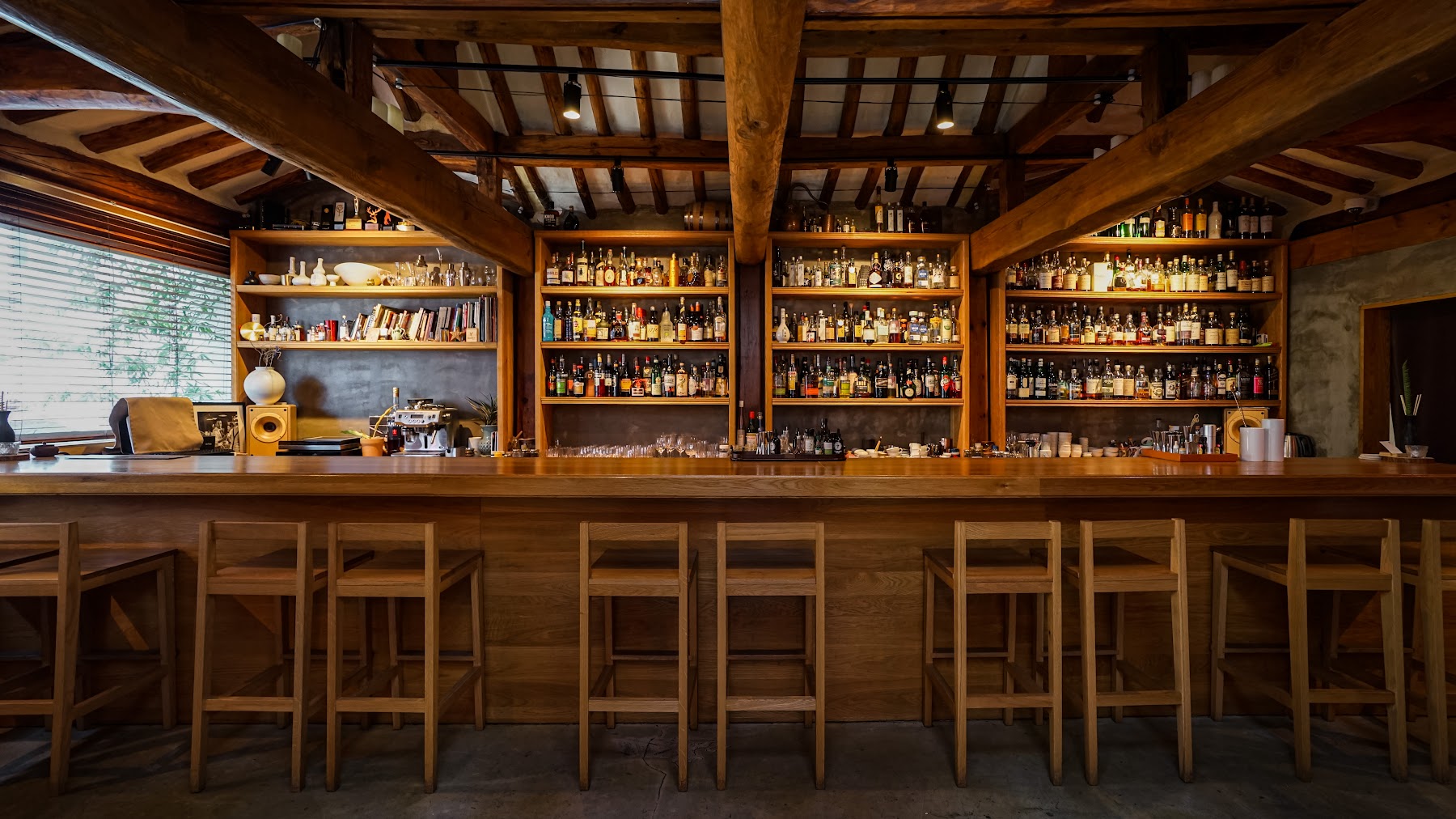
Warm wood-lined interior with an aged, classic aesthetic reminiscent of a Japanese countryside neighborhood bar, creating a familiar and comfortable setting without excessive decoration.
Tags
Vibe
Best For
Experience
At the Table
- Dress Code
- Smart Casual
- Noise Level
- Quiet
- Service Style
- Upscale Casual
- Meal Pacing
- Leisurely
- Capacity
- Intimate
- Kitchen
- Seasonal
- Menu Format
- Counter dining, Omakase
- Wine Program
- Exceptional
- Drinks Focus
- Sake
Signature Dishes
- yakisoba
- seasonal puffer fish preparations
Know before you go
Know Before You Go
- Getting there
- 15-3 Eonju-ro 152-gil, Gangnam District, Seoul, South Korea
Planning details
Hours
- Monday
- closed
- Tuesday
- 6 PM-11 PM
- Wednesday
- 6 PM-11 PM
- Thursday
- 6 PM-11 PM
- Friday
- 6 PM-11 PM
- Saturday
- 6 PM-11 PM
- Sunday
- closed
Location
15-3 Eonju-ro 152-gil, Gangnam District, Seoul, South Korea · Directions
Recognition and awards

Also consider
Also Consider
- Solbam, Contemporary, ₩₩₩₩
- Onjium, Korean, ₩₩₩₩
- 7th Door, Korean, Contemporary, ₩₩₩₩
- L'Amitié, French, ₩₩₩
- Zero Complex, Korean-French, Innovative, ₩₩₩₩
Restaurant context
At ₩₩₩₩ pricing across Seoul's contemporary fine-dining tier, Goryori Ken's strongest differentiator is format: an eight-seat counter where a single chef cooks in front of you is a genuinely different experience from a full tasting-room setup, and the Michelin star plus consecutive La Liste recognition at 79 points confirms the kitchen is operating at a level that justifies the comparison set. Solbam and Zero Complex both operate at ₩₩₩₩ with contemporary or Korean-French frameworks, and both offer more conventional dining-room energy, the right choice if you want a fuller room atmosphere. Goryori Ken is narrower in scope and more demanding of attention, which is either its appeal or its limitation depending on what you are after.
Onjium and 7th Door provide Korean-anchored alternatives at the same price tier for diners who want traditional reference points in the cooking rather than a produce-led contemporary approach without a national framework. If budget flexibility matters, L'Amitié drops to ₩₩₩ and delivers French cooking that represents a lower-commitment entry into Seoul's serious dining tier, a useful fallback if Goryori Ken's booking difficulty or price point is a constraint.
For booking difficulty, Goryori Ken and Onjium sit at the harder end of the Seoul ₩₩₩₩ tier. If availability is your primary concern and you need a more bookable option with comparable quality signals, Solbam or Zero Complex are worth prioritising. Goryori Ken is the call when the counter format itself is the point, when proximity to the chef and a highly seasonal, intuition-driven menu matter more than the broader dining-room experience that its peers in this tier offer.
Explore Seoul
Around this place
Discover more on Pearl
Unlock the full Goryori Ken guide in Pearl, including awards, comparisons, FAQs, planning details, and nearby places.
Compare Goryori Ken
| Venue | Awards | Price |
|---|---|---|
| Goryori Ken | 2026 La Liste Top Restaurants2025 La Liste Top Restaurants2025 Michelin 1 Star2024 Michelin 1 Star | ₩₩₩₩ |
| Solbam | 2026 Asia's 50 Best Restaurants · #552026 Wine Spectator Best of Award of Excellence2026 OAD Top Restaurants in Asia RecommendedMichelin Guide Seoul & Busan 20262026 La Liste Top Restaurants2025 Asia's 50 Best Restaurants · #552025 OAD Top Restaurants in Asia Ranked · #277Tatler Best Restaurants Asia-Pacific 20252025 Wine Spectator Best of Award of Excellence | ₩₩₩₩ |
| Onjium | 2026 Asia's 50 Best Restaurants · #142026 OAD Top Restaurants in Asia Ranked · #852026 La Liste Top RestaurantsMichelin Guide Seoul & Busan 20262026 Wine Spectator Best of Award of Excellence2025 Asia's 50 Best Restaurants · #102025 World's 50 Best Restaurants · #572025 OAD Top Restaurants in Asia Ranked · #1342025 La Liste Top Restaurants | ₩₩₩₩ |
| 7th Door | 2026 Asia's 50 Best Restaurants · #492026 OAD Top Restaurants in Asia Ranked · #842026 Black Pearl 1 DiamondMichelin Guide Seoul & Busan 20262026 La Liste Top Restaurants2025 Asia's 50 Best Restaurants · #232025 Michelin 1 Star2025 La Liste Top Restaurants2024 OAD Top Restaurants in Asia Ranked · #192 | ₩₩₩₩ |
| L'Amitié | 2026 La Liste Top Restaurants2025 La Liste Top Restaurants2025 Michelin 1 Star2024 Michelin 1 Star | ₩₩₩ |
| Zero Complex | Star Wine Lists 20262026 OAD Top Restaurants in Asia Recommended2026 La Liste Top Restaurants2025 OAD Top Restaurants in Asia Ranked · #1992025 La Liste Top Restaurants2025 Michelin 1 Star2025 The Best Chef One Knife2024 OAD Top Restaurants in Asia Ranked · #2792024 Michelin 1 Star | ₩₩₩₩ |








How Goryori Ken stacks up against the competition.
FAQ
Frequently Asked Questions
What should a first-timer know about Goryori Ken?
The entrance is deliberately low-key — a second-floor space on Eonju-ro 152-gil in Gangnam that you can easily walk past. Inside, the counter seats only eight, so you are watching Chef Kim Geon work at close range for the entire meal. Goryori Ken holds a Michelin star (2024) and has scored 79 points in La Liste two years running, so the format is intimate but the execution is serious. Book well in advance; with eight covers a night, availability goes fast.
Is Goryori Ken worth the price?
At ₩₩₩₩, Goryori Ken is in Seoul's top pricing tier, and the Michelin star plus consecutive La Liste recognition justify that spend if counter dining suits you. The value case rests on Chef Kim Geon's seasonal focus and the attentiveness that comes from serving only eight guests per service. If you want a larger, more social setting, L'Amitié or Onjium may offer better value for the format. If an eight-seat counter with direct chef interaction is what you are after, the price is fair.
Can I eat at the bar at Goryori Ken?
The bar counter is the entire dining room — all eight seats face the kitchen, so every guest at Goryori Ken is essentially eating at the bar. There is no separate table section. This is the defining feature of the experience, and it is worth knowing before you book if you prefer a more private or secluded setting.
Is Goryori Ken good for solo dining?
Yes, and it is one of the stronger solo options in Seoul's fine dining scene. An eight-seat counter means solo diners are not seated at oversized tables or treated as an afterthought — the format is built around individual engagement with the chef. Solo travellers who enjoyed counter experiences at venues like 7th Door will find Goryori Ken a comparable fit.
Is Goryori Ken good for a special occasion?
For a two-person occasion, yes. The intimacy of eight seats and direct chef interaction gives the meal a personal quality that larger special-occasion restaurants cannot replicate. For groups larger than two or three, the format becomes logistically awkward — the counter has a fixed capacity, and there is no private dining room indicated in the venue record. For a group celebration, consider Zero Complex or L'Amitié instead.
Is the tasting menu worth it at Goryori Ken?
Based on the La Liste notes, the menu is driven by highly seasonal ingredients and Chef Kim Geon's own creative instincts, with consistency described as a priority. At ₩₩₩₩ with a Michelin star and back-to-back La Liste recognition, the format delivers at the price point for guests who want a chef-led progression rather than à la carte choice. If you prefer selecting individual dishes, this counter format is not the right fit.
Is lunch or dinner better at Goryori Ken?
Goryori Ken only operates Tuesday through Saturday from 6 PM to 11 PM, so dinner is the only option. The venue is closed Sunday and Monday. Plan accordingly, particularly if you are visiting Seoul over a weekend and need a Sunday or Monday slot.