
Wataru
Sushi · Ravenna, Seattle
Restaurant in Seattle, United States
 Book with Pearl
The Read
Residential Counter Omakase
Price
$200–300per person
Chef
Kotaro Kumita
Dress
Smart Casual
Why go
Chef Kotaro Kumita runs a sourcing-focused sushi progression Wednesday through Sunday. Book one to two weeks ahead; booking difficulty is lower than comparable counters nationally.
About Wataru
Should You Book Wataru?
Getting a table at Wataru is easier than at most omakase counters of this calibre, but don't let that fool you into thinking you can leave it until the weekend. This is one of the more credibly recognised sushi restaurants in Seattle, holding an Opinionated About Dining Leading Restaurants in North America ranking (#530 in 2024, Recommended in 2023), and word has spread. Book a week or two in advance to be safe, especially for Thursday and Friday evenings. If you are in town for a special occasion and serious about sushi, this deserves to be your first call.
What Wataru Is
Wataru sits in the Ravenna neighbourhood at 2400 NE 65th St, a few miles north of downtown Seattle. Chef Kotaro Kumita runs the kitchen, and the format is omakase-style Japanese sushi. The room operates on a tight schedule: Wednesday through Friday service begins at 7:30 pm, Saturday and Sunday open earlier at 4:30 pm, and Monday and Tuesday the restaurant is closed. The operating window is narrow, which means seats are finite and fill reliably.
The OAD recognition is the clearest trust signal here. Opinionated About Dining draws on votes from serious diners and food professionals, not general public aggregators, so a North America ranking carries real weight.
The Case for Booking
The editorial angle that matters most at Wataru is sourcing. Omakase at a credible level lives or dies on the quality of fish coming into the kitchen, and Wataru's OAD recognition implies that sourcing discipline is central to what Kumita is doing. Seattle's geography is an asset here: access to Pacific Northwest seafood, including local species that rarely appear on omakase menus in landlocked cities, is a genuine competitive advantage over comparable counters in, say, Chicago or Denver. Diners coming from cities where omakase fish has to travel further should notice the difference.
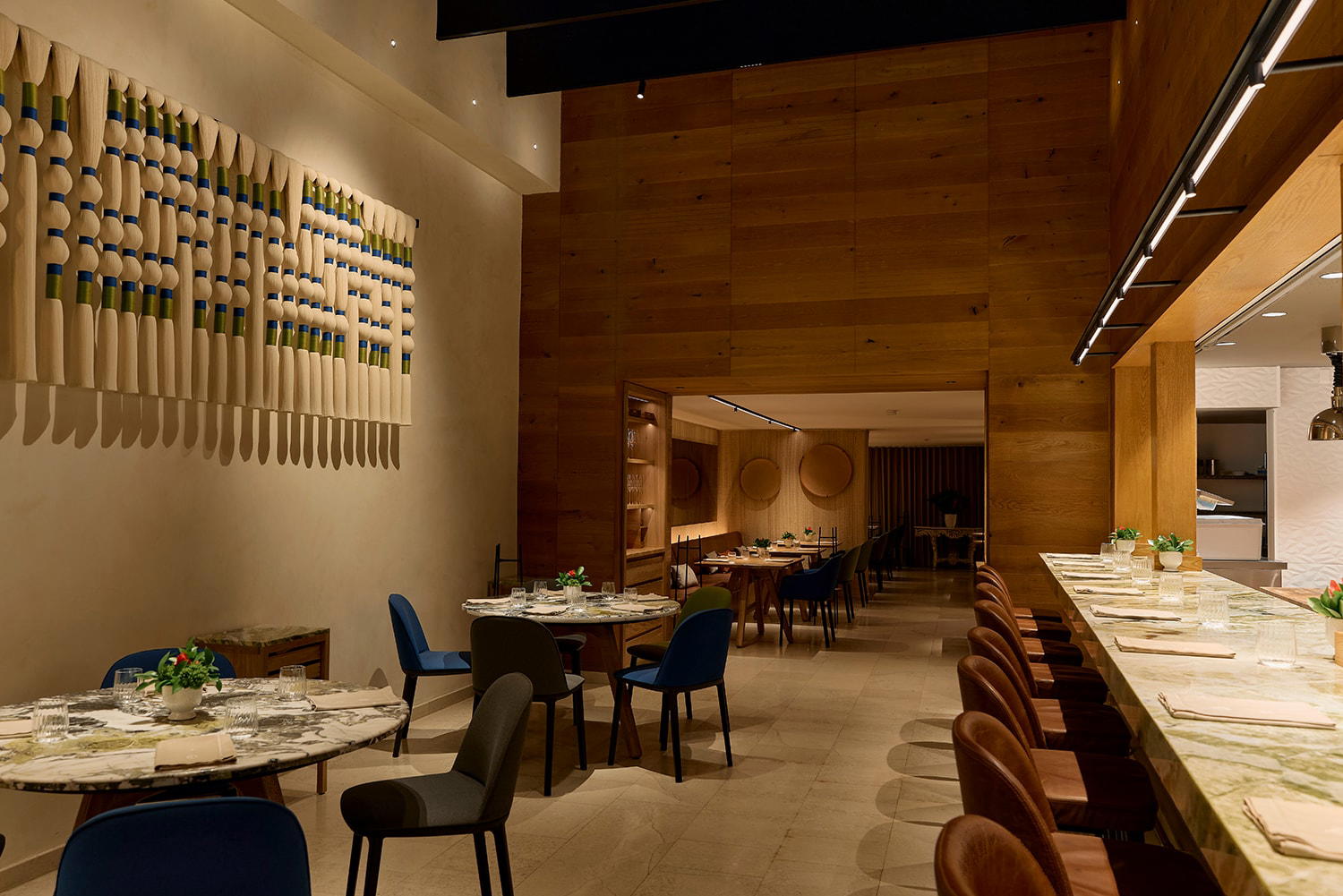
Atmosphere at Wataru is intimate and focused. Counter omakase at this level runs quiet by design: the energy is concentrated, not loud, and the format rewards guests who want to engage with the progression of the meal rather than those looking for a social backdrop. If you want conversation and noise, this is the wrong room. If the ambient experience you want is close attention to what is being placed in front of you, it is the right one. Compare this to a venue like Sushi Kashiba, which operates at higher volume and broader capacity, or Shiro's Sushi, where the room has more casual energy. Wataru is the more considered, focused option.
For Seattle sushi specifically, the comparisons that matter are Sushi Kappo Tamura, which offers a broader menu and easier access, and Sushi Kashiba, which carries significant name recognition from chef Shiro Kashiba's history. Wataru's OAD ranking puts it in distinct company for sourcing-focused omakase in the Pacific Northwest. Globally, the format sits in the same category as counters like Harutaka in Tokyo or Sushi Shikon in Hong Kong, though those operate at a different price tier and scale of recognition.
Practical Details
| Detail | Wataru | Sushi Kashiba | Sushi Kappo Tamura |
|---|---|---|---|
| Cuisine | Omakase Sushi | Omakase Sushi | Sushi / Kappo |
| Booking difficulty | Easy–Moderate | Moderate–Hard | Moderate |
| OAD recognition | Yes (#530, 2024) | Not listed | Not listed |
| N/A | N/A | ||
| Service days | Wed–Sun | Varies | Varies |
| Earliest dinner | 4:30 pm (Sat–Sun) | Varies | Varies |
Price range data is not available in our records for Wataru. Omakase in this OAD tier in North American cities typically runs $150–$250 per person before drinks. Confirm pricing directly when booking.
Who Should Book
Wataru is the right choice if you want omakase-format sushi in Seattle with critical recognition and a sourcing-focused approach. It suits solo diners, pairs, and small groups who want a focused, quiet progression through a meal. It is less suited to groups looking for a social dinner with noise and movement. For broader Japanese dining options in Seattle, Maneki offers a completely different, more casual atmosphere. For the city's wider dining picture, the full Seattle restaurants guide covers the range.
If you are visiting Seattle and weighing your one serious dinner against alternatives at comparable ambition levels, Wataru belongs in that conversation alongside Canlis for New American or Joule for New Asian. The format is different but the level of care is comparable. For broader Seattle planning, see also our guides to Seattle hotels, Seattle bars, Seattle wineries, and Seattle experiences.
Planning details
- Hours
- Monday: Closed · Tuesday: Closed
- Location
- 2400 NE 65th St, Seattle, WA 98115
- Reservations
- Book on Tock
- Website
- wataruseattle.com
- Phone
- (206) 525-2073
The take
The Take
The Vibe
Wataru presents itself as a quietly accomplished neighborhood sushi counter tucked into a residential stretch of NE 65th Street. The profile is deliberately low — a spot that can be missed unless you know to look — and the experience reflects that restraint. Critics and frequent diners have recognized the kitchen's steady work, moving the restaurant into OAD rankings and sustaining a high Google rating. Instead of bustling tourist traffic, Wataru cultivates controlled volume and measured service, attracting diners who prize concentrated, reputation-driven sushi counters over high-turnover dining rooms.
Best For
Wataru is best encountered in the evening, when its limited seatings and counter-focused format are in full effect. The restaurant runs a narrow service schedule that keeps covers small and pacing deliberate, a setup that suits quieter, focused meals. That structure — plus the place’s critical recognition and consistently high reviews — makes it a fit for date nights and special occasions where you want a composed, reputation-driven sushi experience rather than a busy, high-visibility outing.
Ordering Tips
Plan around Wataru’s defined service pattern: it operates Wednesday through Sunday with evening seatings that begin at 7:30 pm on weeknights and 4:30 pm on weekends. The emphasis on counter seating and controlled capacity means seatings are curated and volume is limited; arriving for the stated seating times is important. Expect a counter-first format and a measured pace rather than quick, high-turnover service. The restaurant’s strong reputation and limited availability suggest checking availability in advance and allowing for the focused nature of the evening seating.
Venue details
Ambiance
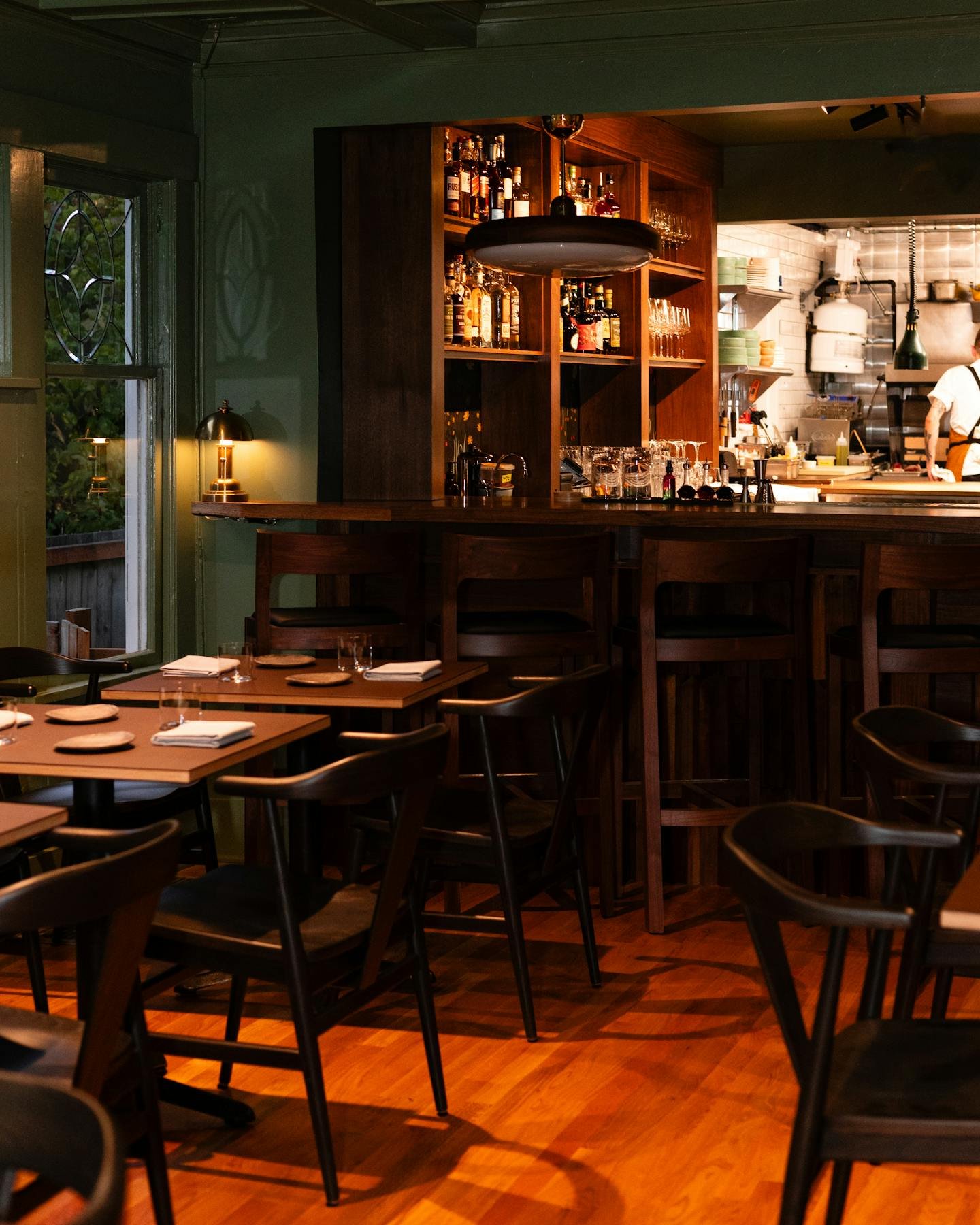
Warmly lit with a quaint, intimate sushi bar atmosphere.
Tags
Vibe
Best For
Experience
Accessibility
At the Table
- Dress Code
- Smart Casual
- Noise Level
- Quiet
- Service Style
- Omakase Bar
- Meal Pacing
- Leisurely
- Capacity
- Intimate
- Kitchen
- Traditional
- Menu Format
- Omakase, Counter dining
- Wine Program
- Curated
Know before you go
Know Before You Go
- Getting there
- 2400 NE 65th St, Seattle, WA 98115
Planning details
Hours
- Monday
- Closed
- Tuesday
- Closed
- Wednesday
- 7:30–10 pm
- Thursday
- 7:30–10 pm
- Friday
- 7:30–10 pm
- Saturday
- 4:30–10 pm
- Sunday
- 4:30–10 pm
Location

Also consider
Also Consider
- Canlis, New American, New American
- Joule, New Asian, New Asian
- Kamonegi, Soba, Soba
- Maneki, Japanese, Japanese
- Walrus & Carpenter, New American - Seafood, New American - Seafood
Restaurant context
For omakase sushi specifically, Wataru holds the clearest critical credentials in Seattle's current market. Sushi Kashiba carries more general name recognition given chef Shiro Kashiba's profile, and it is the booking you will hear recommended most often in mainstream Seattle dining conversations. But Wataru's OAD North America ranking is a harder credential to earn, drawing on votes from serious diners rather than aggregated public scores. If sourcing precision and omakase format matter to you, Wataru is the stronger argument. If you want name recognition and a slightly more accessible format, Kashiba works. Sushi Kappo Tamura is the right pick if you want sushi without committing to a full omakase progression.
Against Seattle's broader Japanese dining options, Maneki is in a completely different category: it is the city's oldest Japanese restaurant, casual, affordable, and suited to groups who want comfort food rather than a focused tasting sequence. Kamonegi is a soba-focused counter with its own critical following and is worth knowing about if you want a Japanese meal at a lower price point with a different format entirely.
If you are deciding between Wataru and Seattle's top non-Japanese options for a single serious dinner, the comparison comes down to format preference. Canlis offers the full-service New American experience with a legendary room and strong wine program, better suited to groups or anyone who wants tableside service and a longer evening. Joule is the choice if you want New Asian cooking with more energy and flexibility than counter omakase allows. Walrus and Carpenter is the oyster bar and seafood option for guests who want Pacific Northwest product in a more casual, walk-in-friendly setting. Wataru is the right call if a focused, quiet omakase progression is exactly what you are after.
Around this place
Discover more on Pearl
Unlock the full Wataru guide in Pearl, including awards, comparisons, FAQs, planning details, and nearby places.
Compare Wataru
| Venue | Location | Cuisine | Awards |
|---|---|---|---|
| Wataru | Seattle | Sushi | 2026 OAD Top Restaurants in North America Recommended2024 OAD Top Restaurants in North America Ranked · #5302023 OAD Top Restaurants in North America Recommended |
| Canlis | Seattle | New American | 2026 OAD Top Restaurants in North America Ranked · #65Star Wine Lists 20262026 Relais Chateaux Restaurants2026 Wine Spectator Grand Award2025 Food & Wine Global Tastemakers Top Restaurants · #22025 Robb Report 100 Greatest American Restaurants of the 21st Century · #212025 OAD Top Restaurants in North America Ranked · #64World's Best Wine Lists 20252025 James Beard Award Semifinalists |
| Joule | Seattle | New Asian | 2026 OAD Casual in North America Recommended2025 OAD Casual in North America Ranked · #3612024 OAD Casual in North America Ranked · #4862023 OAD Casual in North America Recommended2022 James Beard Awards |
| Kamonegi | Seattle | Soba | 2026 OAD Casual in North America Recommended2025 OAD Casual in North America Ranked · #1192024 OAD Casual in North America Ranked · #1312023 OAD Casual in North America Highly Recommended |
| Maneki | Seattle | Japanese | 2026 OAD Casual in North America Recommended2025 OAD Casual in North America Ranked · #3772024 OAD Casual in North America Ranked · #4012023 OAD Casual in North America Recommended |
| Walrus & Carpenter | Seattle | New American - Seafood | 2025 OAD Casual in North America Ranked · #6352024 OAD Casual in North America Ranked · #4982023 OAD Gourmet Casual Dining in North America Ranked · #682023 OAD Casual in North America Recommended |







How Wataru Seattle compares with similar nearby venues.
FAQ
Frequently Asked Questions
What should I order at Wataru?
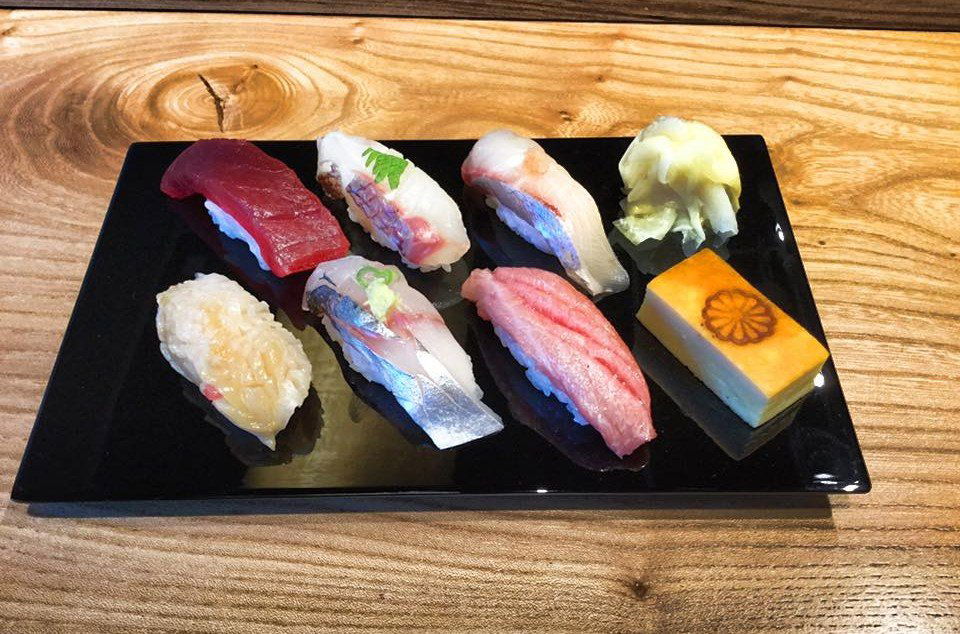
Wataru runs an omakase format, so ordering is not part of the equation — Chef Kotaro Kumita sets the menu. Your job is to show up and communicate any dietary restrictions when you book. The focus is sourcing-driven nigiri, so trust the progression rather than trying to redirect it.
Can I eat at the bar at Wataru?
Wataru operates as an omakase counter, which means the bar-style seating is the experience, not an alternative to it. There is no separate à la carte bar menu. If you want to watch the chef work up close, you are already in that format by default.
How far ahead should I book Wataru?
Book at least two to three weeks out. Wataru runs four to five services per week with limited covers, and its OAD recognition in both 2023 and 2024 keeps demand consistent. Leaving it to the week of is a risk, particularly for Friday and Saturday seatings.
Is lunch or dinner better at Wataru?
Wataru does not serve lunch — service runs evenings only, from 7:30 pm Wednesday through Friday and from 4:30 pm on weekends. Monday and Tuesday are closed. There is no lunch format to compare against, so dinner is your only option.
What are alternatives to Wataru in Seattle?
For a different format at a comparable commitment level, Walrus & Carpenter offers raw bar dining in Fremont with a more casual, walk-in-friendly structure and no omakase lock-in. Maneki is the right pick if you want traditional Japanese in a historic setting rather than a chef-driven counter. Kamonegi suits you better if soba and izakaya-style plates interest you more than sushi. Canlis is the comparison if the occasion demands a full fine-dining room rather than a counter format. Joule works if you want Korean-influenced cooking at a high level without the omakase commitment.
Is Wataru good for a special occasion?
Yes, with the right expectations. Wataru's omakase format, OAD Top Restaurants recognition, and Chef Kumita's sourcing focus make it a credible choice for a significant dinner. It works best for occasions where the meal itself is the event — anniversaries, milestone birthdays — rather than settings where you need flexible pacing or a large group dynamic. For a celebration that needs a full dining room with tableside service, Canlis is the stronger fit.
Is Wataru good for solo dining?
Wataru is one of the better solo dining options in Seattle's serious restaurant tier. Counter-format omakase is structurally suited to solo guests — you are seated at the bar, the chef's progression keeps the experience moving, and there is no awkwardness around table sizing. Book a single seat and you are in a better position than at a table-service restaurant where solo diners are often deprioritised.