
Sushi Kappo Tamura
Sushi · Eastlake, Seattle
Restaurant in Seattle, United States
 Book with Pearl
The Read
Pacific Kappo Format
Price
$50–100per person
Chef
Taichi Kitamura
Dress
Smart Casual
Why go
Sushi Kappo Tamura is an OAD-ranked Japanese counter on Seattle's Eastlake Ave, climbing from #429 to #359 in North America between 2024 and 2025. Chef Taichi Kitamura's kappo format delivers serious technical cooking in a relaxed room — and with easy booking, the quality-to-effort ratio is hard to argue. Lunch is the value play; Friday or Saturday dinner for the full experience.
About Sushi Kappo Tamura
Worth the Effort? Here's the Honest Answer
Getting a table at Sushi Kappo Tamura is easier than you might expect for a restaurant that has climbed from a recommended listing to #359 on the Opinionated About Dining Leading Restaurants in North America in just two years. That trajectory — from #429 in 2024 to #359 in 2025 — reflects what regulars have known for a while: this Eastlake spot under chef Taichi Kitamura punches well above what the relaxed room implies. Booking is listed as easy, which makes the quality-to-effort ratio one of the more compelling arguments for prioritising it on any Seattle food itinerary.
What Sushi Kappo Tamura Actually Is
The kappo format sits between omakase and à la carte, a style rooted in Japanese counter cooking where the kitchen exercises more creative control than a traditional sushi bar, but without the full lock-step progression of a multi-course omakase. At Eastlake Ave E, that translates to a room that feels genuinely relaxed: lower ambient noise than the city's more formal Japanese counters, a pace that doesn't hurry you, and an atmosphere more neighbourhood restaurant than destination theatre. For context, Seattle diners used to serious Japanese cooking often compare the energy here to something between Shiro's Sushi and Wataru, technically attentive, but without the reverential quiet that can make a solo dinner feel awkward.
For a food-focused explorer comparing notes on OAD-ranked restaurants across North America, the kind of diner also tracking Harutaka in Tokyo or Sushi Shikon in Hong Kong, Sushi Kappo Tamura sits in an interesting tier: credentialled enough to take seriously, accessible enough that you can actually get in.
Timing Your Visit
Restaurant closes Sunday and Monday, so plan accordingly. Lunch runs 11:30am–2pm Tuesday through Saturday; dinner runs from 5pm, closing at 9pm on weekdays and 9:30pm on Friday and Saturday. Lunch at a kappo restaurant of this calibre is a genuine opportunity, the format tends to offer better value at midday and a less pressured environment than Friday or Saturday dinner service. If your schedule allows a weekday lunch, that's the practical choice for a first visit. Friday and Saturday evenings get the extra 30 minutes of service, which gives the kitchen more room to move.
How It Compares Across Seattle's Japanese Dining Scene
If you're weighing Sushi Kappo Tamura against Sushi Kashiba, the main distinction is format and legacy: Kashiba carries the historical weight of Shiro Kashiba's lineage, while Kitamura's kitchen leans into the kappo format's creative range. Neither is easier to recommend universally, it comes down to whether you want a more traditional sushi counter or something with a broader seasonal menu. For a diner who has done the Napa circuit at The French Laundry or tracked farm-driven tasting menus at Single Thread Farm in Healdsburg, Sushi Kappo Tamura will feel familiar in its ambition but deliberately lower-key in its presentation.
Know Before You Go
- Address: 2968 Eastlake Ave E, Seattle, WA 98102
- Lunch: Tuesday–Saturday, 11:30am–2pm
- Dinner: Tuesday–Thursday, 5–9pm; Friday–Saturday, 5–9:30pm
- Closed: Sunday and Monday
- Booking difficulty: Easy
- Recognition: Opinionated About Dining Leading Restaurants in North America, #359 (2025), #429 (2024), Recommended (2023)
- Chef: Taichi Kitamura
- Dress code: Not specified, smart casual is a safe default for dinner
The Verdict
Book it, especially if you're visiting Seattle with a serious interest in Japanese cooking. The easy booking difficulty means you're not trading months of planning for the experience, something you cannot say about comparably credentialled restaurants at this level elsewhere in the country, including the counter-heavy scene in New York. For Seattle explorers building a thoughtful food itinerary, Sushi Kappo Tamura earns its place alongside any stop in the city's Japanese dining circuit. Check the full Seattle restaurants guide for broader context, or explore Seattle bars, hotels, wineries, and experiences to round out your trip.
Planning details
- Hours
- Monday: Closed · Tuesday: 11:30 am–2 pm, 5–9 pm
- Location
- 2968 Eastlake Ave E, Seattle, WA 98102
- Reservations
- Book on OpenTable
- Website
- sushikappotamura.com
- Phone
- (206) 547-0937
The take
The Take
The Vibe
Sushi Kappo Tamura presents a refined, sophisticated atmosphere rooted in a traditional Japanese kappo practice rather than a pure nigiri counter. The writing emphasizes formality and technique — kappo lets the kitchen range across composed small plates and sushi — which gives the dining room a measured, serious tone. It reads like a restaurant that balances ritual and creativity: not ostentatious but deliberate, with an emphasis on season, produce, and chef-driven sequences. In Seattle’s market it occupies a rare, quietly notable position, appealing to diners who want thoughtful, elevated Japanese cooking rather than casual sushi service.
Best For
Tamura is best approached as a destination for an elevated dinner: the kappo format is inherently suited to a multi-course evening that alternates composed dishes with nigiri. The piece situates the restaurant in the Japanese fine-dining conversation and highlights its rarity in the region, which makes it a natural fit for milestone meals and deliberate tasting experiences. Because the format privileges technique, seasonality, and a curated progression, visitors come prepared to linger and follow the kitchen’s sequence rather than treat the visit as a quick night out.
Ordering Tips
Expect a kappo-style progression that shifts between composed small plates and sushi rather than a nigiri-only omakase; the kitchen exercises latitude across technique and season. Given the house specialties, look for prized seafood preparations such as Neah Bay Black Cod, King Salmon nigiri, hamachi belly and toro when offered, and let the kitchen guide the sequence to experience the range of cooking. Also be prepared for fine-dining pricing: the write-up frames Tamura within the higher end of American sushi economics, so treat reservations and timing as important components of the visit.
Venue details
Ambiance
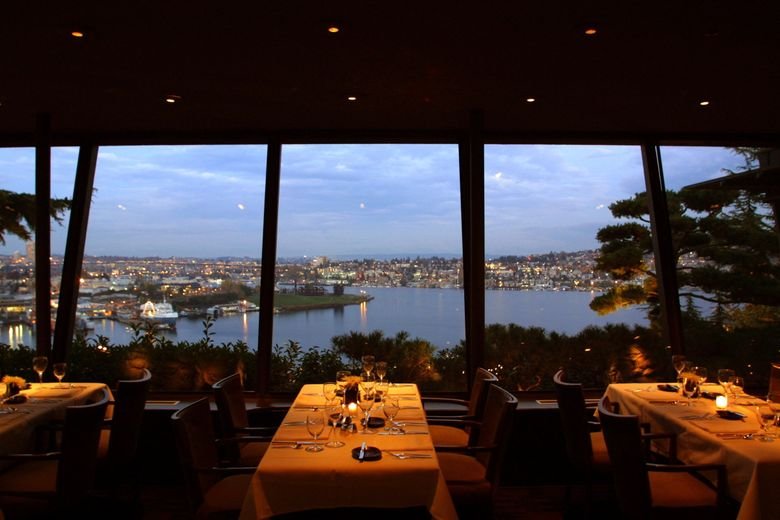
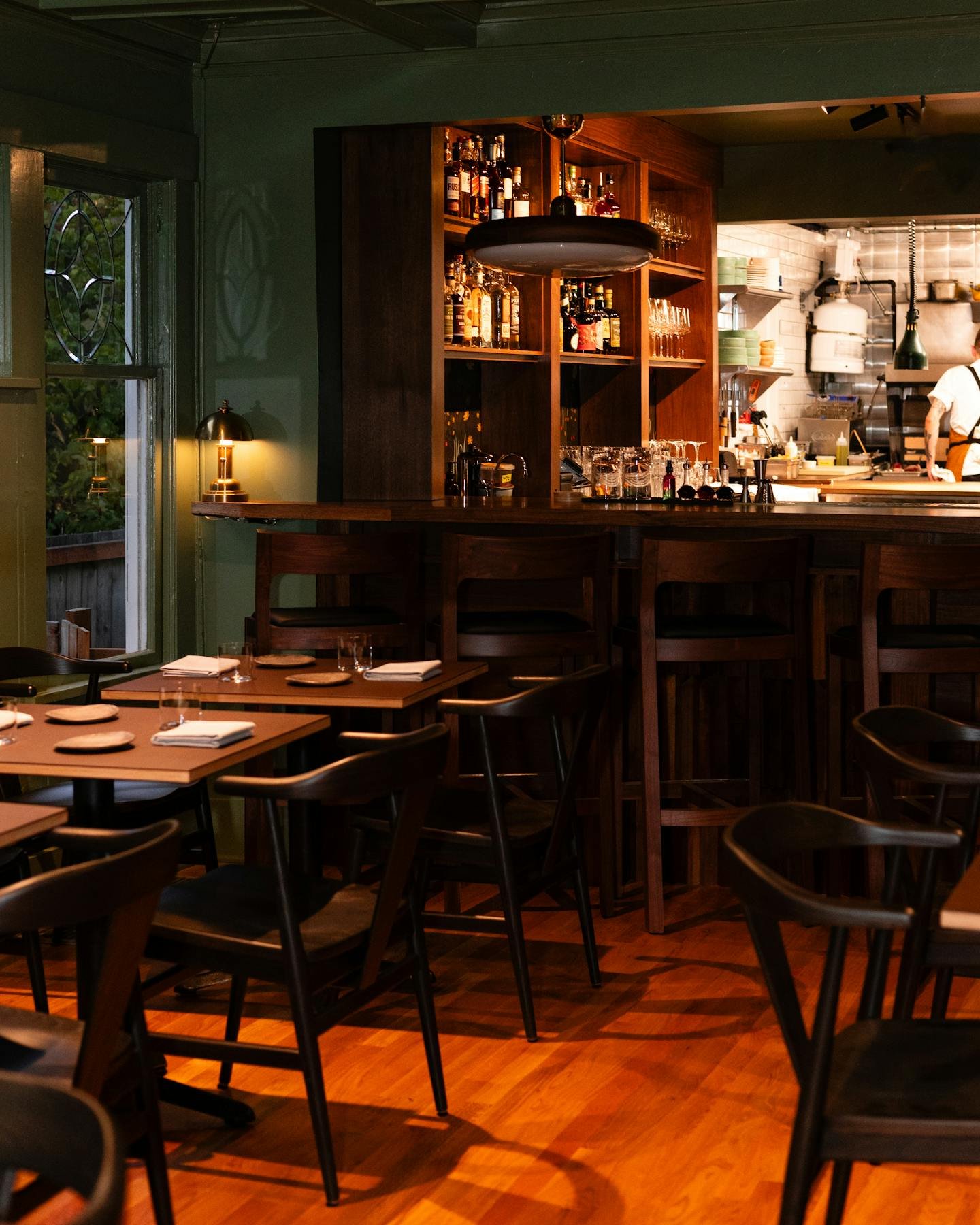
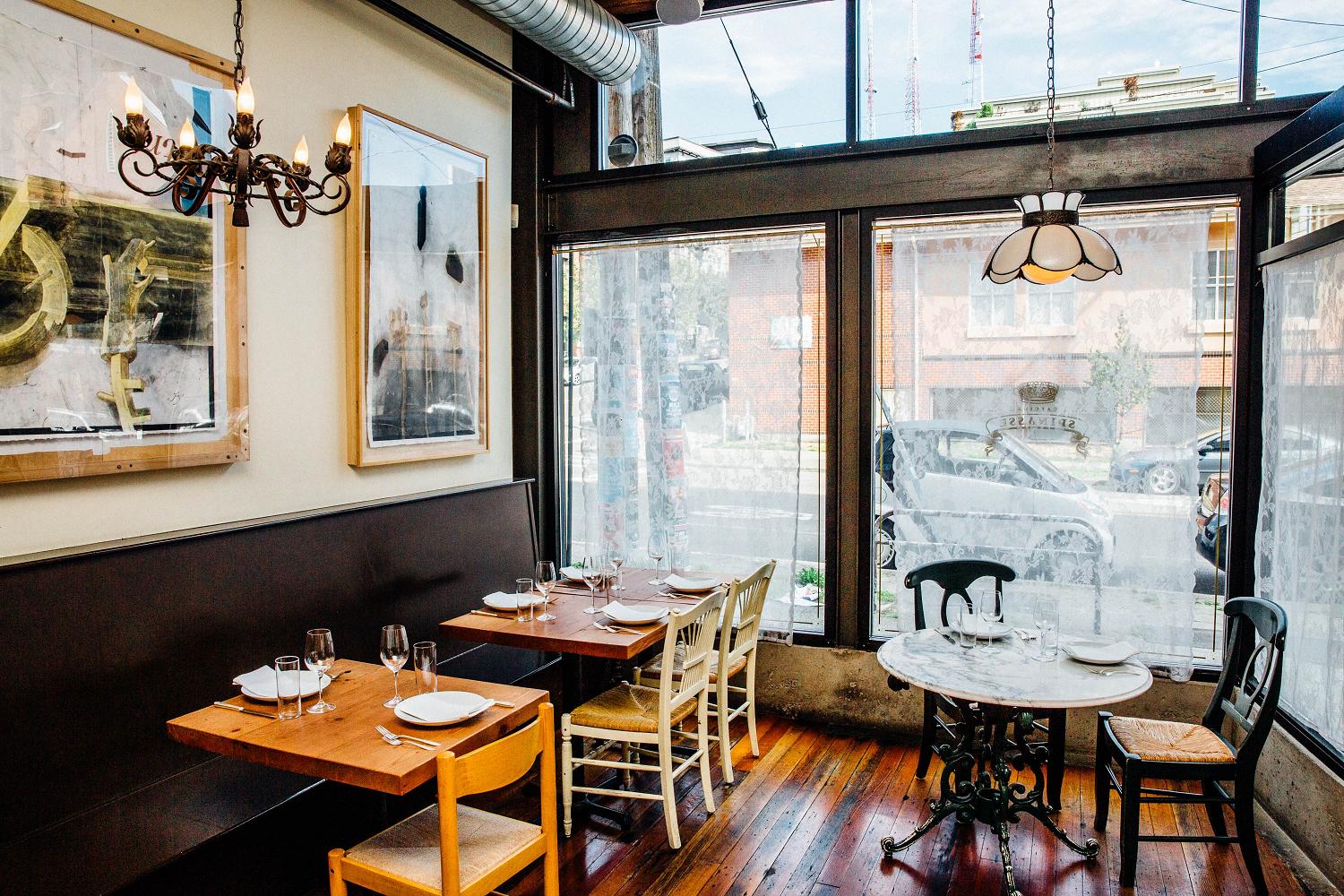
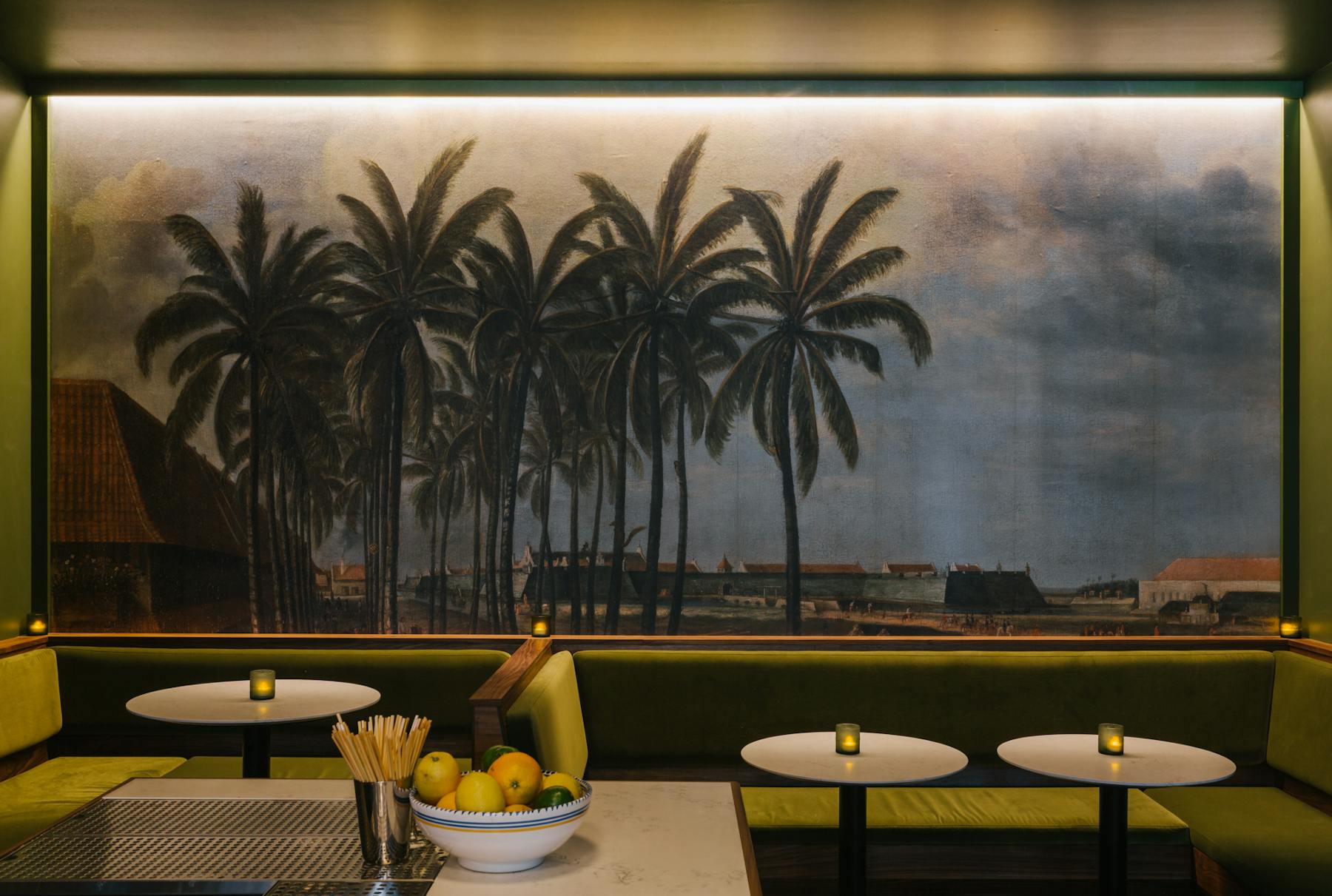
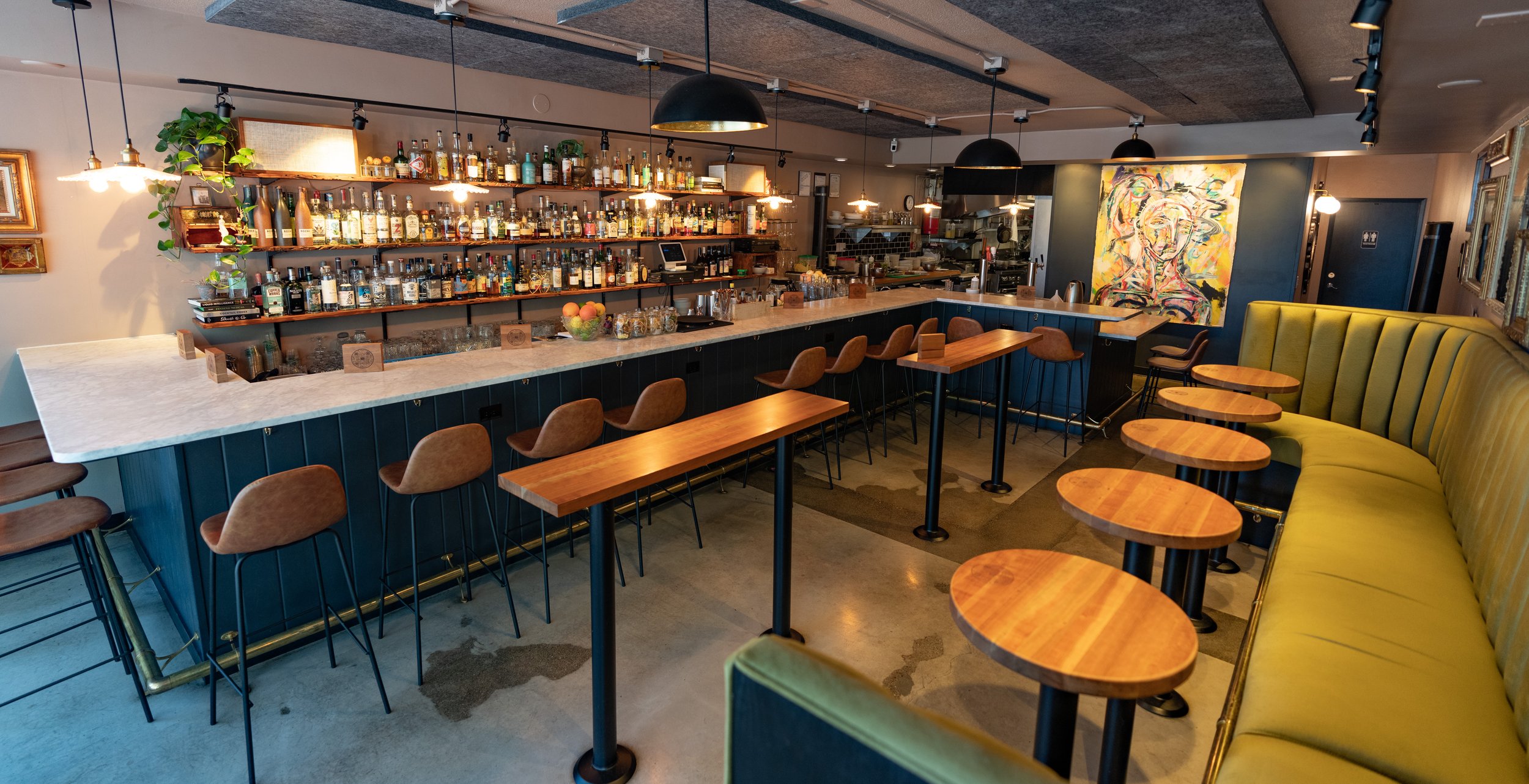
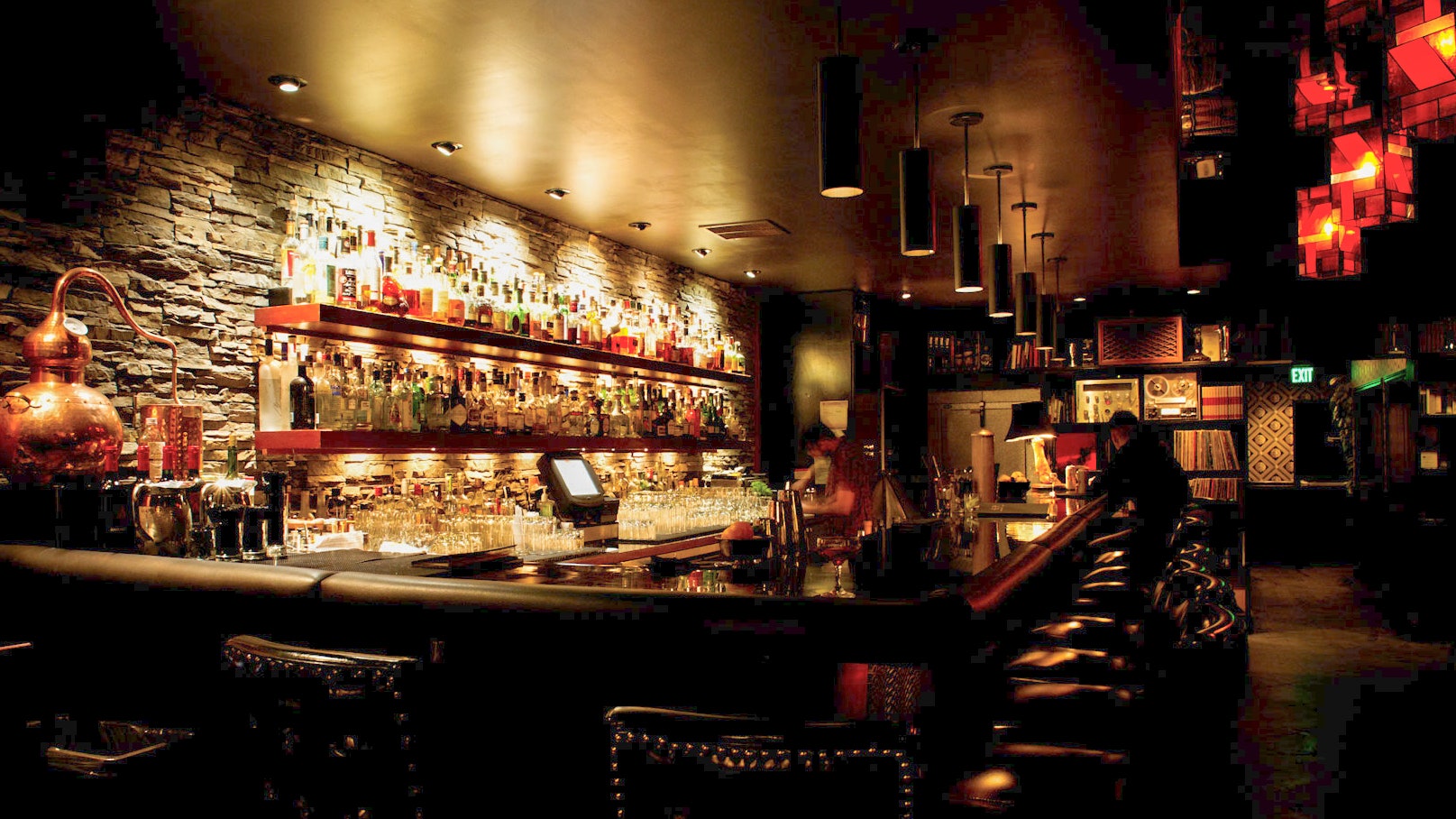
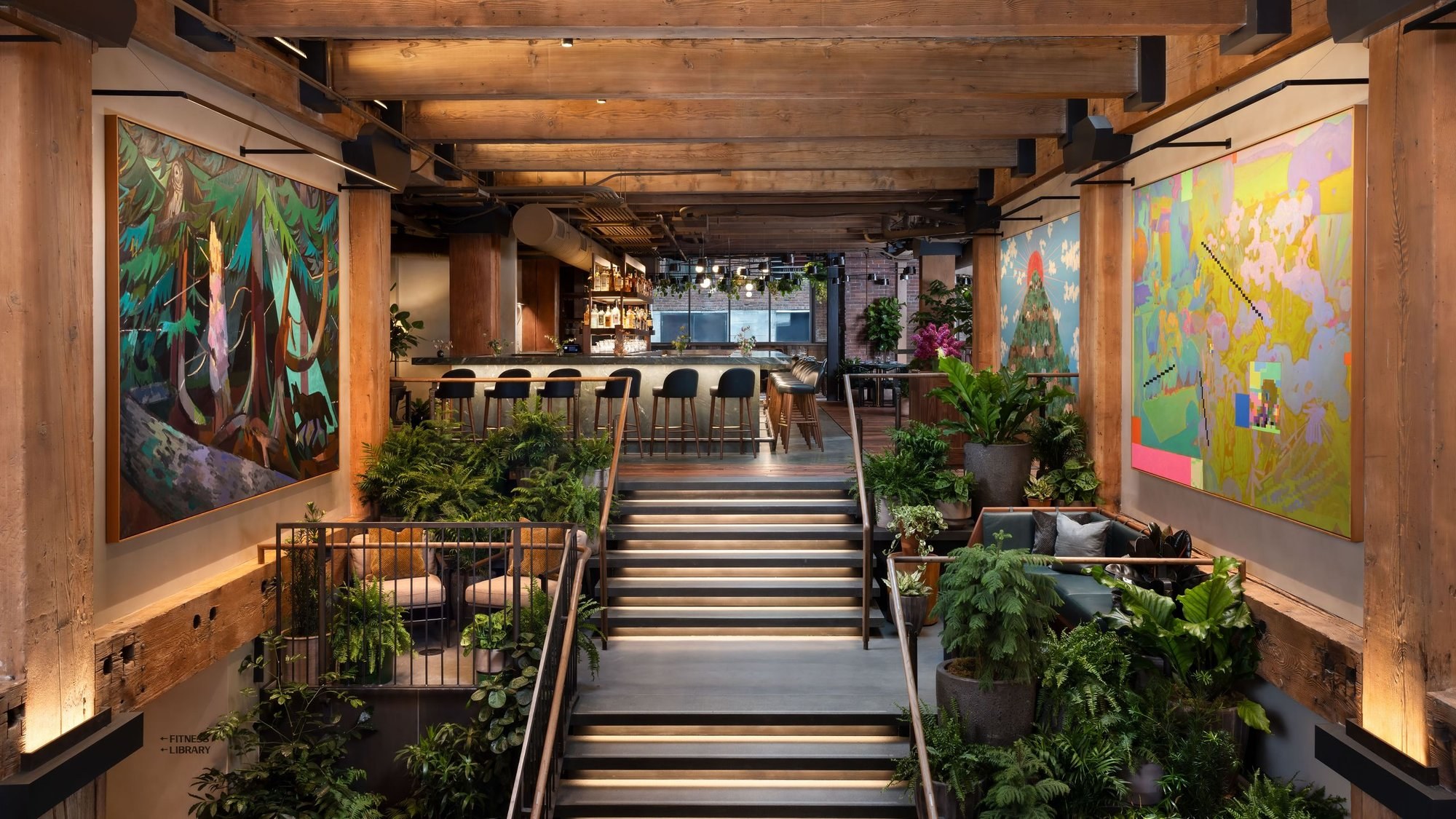
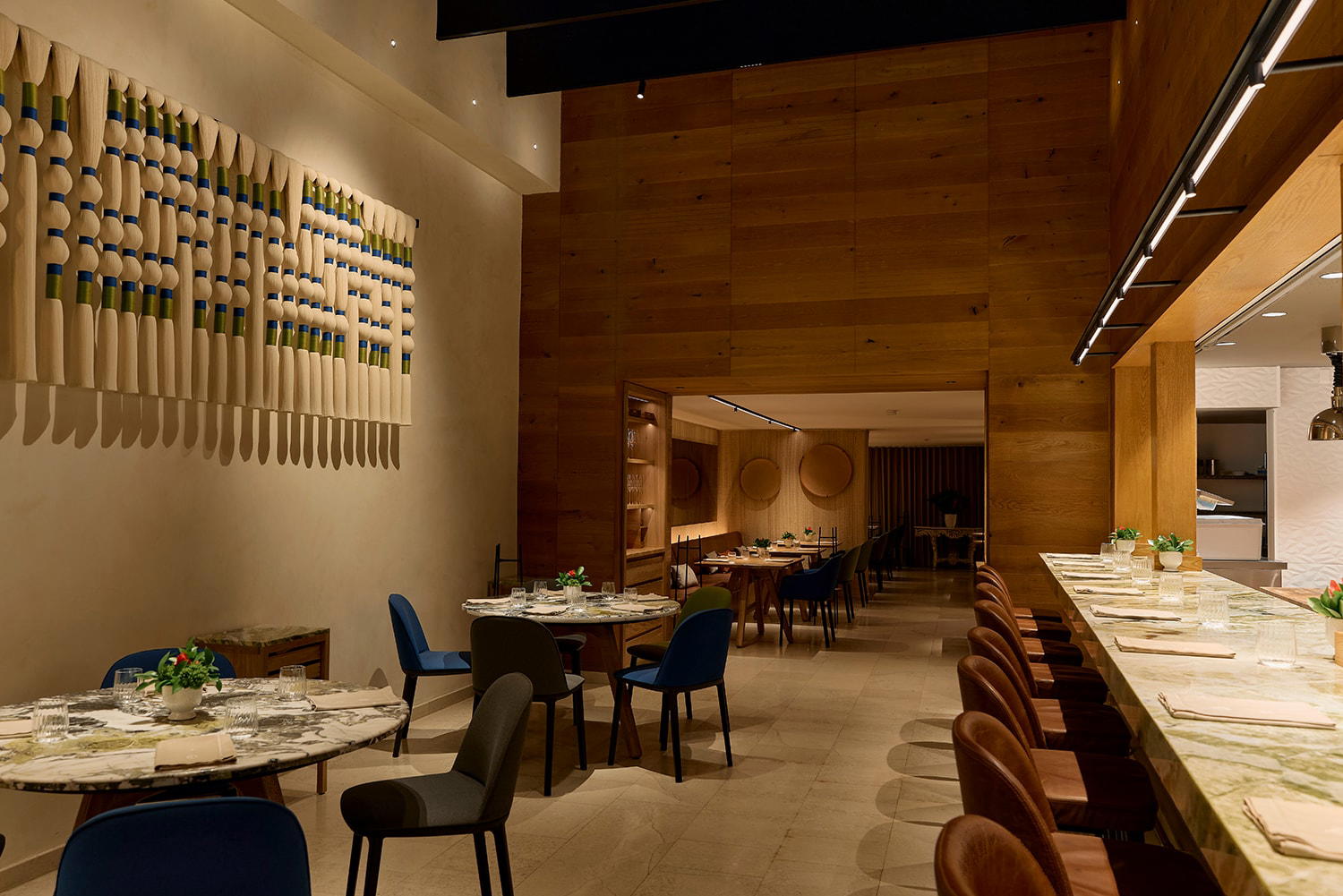
Elegant and tastefully designed with varied textures including paper, leather, concrete, and wood; calm and friendly atmosphere with moderate noise level; vibrant yet refined environment where staff and guests discuss the food.
Tags
Vibe
Best For
Experience
Sourcing
At the Table
- Dress Code
- Smart Casual
- Noise Level
- Conversational
- Service Style
- Upscale Casual
- Meal Pacing
- Leisurely
- Capacity
- Small
- Kitchen
- Seasonal
- Menu Format
- A la carte, Omakase
- Wine Program
- Curated
- Drinks Focus
- Sake, Craft cocktails
- Dietary
- Vegetarian friendly, Pescatarian friendly, Allergy accommodating, Organic focus
Signature Dishes
- Neah Bay Black Cod
- King Salmon Nigiri
- Hamachi Belly
- Toro
- Monkfish Liver
- Chestnut Crème Brûlée
Know before you go
Know Before You Go
- Getting there
- 2968 Eastlake Ave E, Seattle, WA 98102
Planning details
Hours
- Monday
- Closed
- Tuesday
- 11:30 am–2 pm, 5–9 pm
- Wednesday
- 11:30 am–2 pm, 5–9 pm
- Thursday
- 11:30 am–2 pm, 5–9 pm
- Friday
- 11:30 am–2 pm, 5–9:30 pm
- Saturday
- 11:30 am–2 pm, 5–9:30 pm
- Sunday
- Closed
Location
2968 Eastlake Ave E, Seattle, WA 98102 · Directions

Also consider
Also Consider
- Canlis, New American, New American
- Joule, New Asian, New Asian
- Kamonegi, Soba, Soba
- Maneki, Japanese, Japanese
- Walrus & Carpenter, New American - Seafood, New American - Seafood
Restaurant context
How It Compares
Within Seattle's Japanese dining options, Sushi Kappo Tamura occupies a specific and useful tier: OAD-credentialled, easy to book, and deliberately informal in atmosphere. Sushi Kashiba and Shiro's Sushi carry more historical prestige in the Seattle sushi conversation, but neither is necessarily easier to recommend for every diner, Kashiba skews more traditional counter, Shiro's carries legacy weight. If the kappo format's broader seasonal range appeals more than a strict sushi progression, Tamura is the clearer call. Wataru is the quieter, more intimate alternative for solo diners or couples who want minimal ambient noise.
Against Seattle's wider Japanese and Asian dining scene, Joule is the go-to if Korean-inflected New Asian cooking is more appealing than a Japanese counter format. Kamonegi makes sense if you want to eat seriously in a more casual, soba-focused setting at a lower price point. Maneki is Seattle's oldest Japanese restaurant and brings neighbourhood institution character that Tamura doesn't try to compete with, they serve different purposes.
If you're deciding between Sushi Kappo Tamura and Canlis for a special occasion, the choice is really about format: Canlis is Seattle's benchmark for formal, high-spend dining with consistent service polish; Tamura is where you go when the food matters more than the ceremony. For a group splitting a big-occasion dinner, Canlis is the safer choice for mixed dietary needs and full-service formality. For a food-focused couple or solo diner who wants the best Japanese cooking the city offers in a room that doesn't require dressing up, Tamura wins on value and accessibility. Walrus & Carpenter is worth knowing as the oyster bar alternative when you want seafood without a full restaurant commitment.
Around this place
Discover more on Pearl
Unlock the full Sushi Kappo Tamura guide in Pearl, including awards, comparisons, FAQs, planning details, and nearby places.
Compare Sushi Kappo Tamura
| Venue | Location | Cuisine | Awards |
|---|---|---|---|
| Sushi Kappo Tamura | Seattle | Sushi | 2026 OAD Top Restaurants in North America Recommended2025 OAD Top Restaurants in North America Ranked · #3592024 OAD Top Restaurants in North America Ranked · #4292023 OAD Top Restaurants in North America Recommended |
| Canlis | Seattle | New American | 2026 OAD Top Restaurants in North America Ranked · #65Star Wine Lists 20262026 Relais Chateaux Restaurants2026 Wine Spectator Grand Award2025 Food & Wine Global Tastemakers Top Restaurants · #22025 Robb Report 100 Greatest American Restaurants of the 21st Century · #212025 OAD Top Restaurants in North America Ranked · #64World's Best Wine Lists 20252025 James Beard Award Semifinalists |
| Joule | Seattle | New Asian | 2026 OAD Casual in North America Recommended2025 OAD Casual in North America Ranked · #3612024 OAD Casual in North America Ranked · #4862023 OAD Casual in North America Recommended2022 James Beard Awards |
| Kamonegi | Seattle | Soba | 2026 OAD Casual in North America Recommended2025 OAD Casual in North America Ranked · #1192024 OAD Casual in North America Ranked · #1312023 OAD Casual in North America Highly Recommended |
| Maneki | Seattle | Japanese | 2026 OAD Casual in North America Recommended2025 OAD Casual in North America Ranked · #3772024 OAD Casual in North America Ranked · #4012023 OAD Casual in North America Recommended |
| Walrus & Carpenter | Seattle | New American - Seafood | 2025 OAD Casual in North America Ranked · #6352024 OAD Casual in North America Ranked · #4982023 OAD Gourmet Casual Dining in North America Ranked · #682023 OAD Casual in North America Recommended |







How Sushi Kappo Tamura Seattle compares with similar nearby venues.
FAQ
Frequently Asked Questions
What should I order at Sushi Kappo Tamura?
The kappo format means the kitchen drives the menu, so ordering is less a la carte decision-making and more a matter of trusting chef Taichi Kitamura's direction. Lean into that structure rather than fighting it. The OAD ranking — #359 in North America in 2025, up from #429 in 2024 — suggests the kitchen is firing on all cylinders, so going with the flow is the right call here.
Can I eat at the bar at Sushi Kappo Tamura?
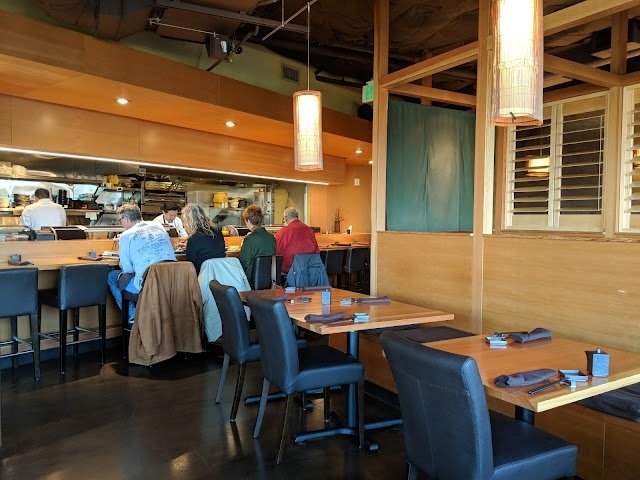
Counter seating is central to the kappo format, and at Sushi Kappo Tamura that counter experience is the point, not an afterthought. It gives you a direct line to the kitchen and is the format that makes the OAD recognition make sense. If counter dining isn't your preference, this may not be your venue.
Can Sushi Kappo Tamura accommodate groups?
Kappo restaurants are generally better suited to small parties of two to four than large groups — the counter format and kitchen-driven pacing don't lend themselves to big tables. For a group of six or more in Seattle, Canlis has private dining infrastructure that works better for those logistics.
What are alternatives to Sushi Kappo Tamura in Seattle?
Sushi Kashiba is the closest comparison — stronger on historical legacy, heavier on traditional Edomae technique. Kamonegi works if you want Japanese cooking with a noodle focus rather than fish. Walrus & Carpenter is the pick if you want a more casual, oyster-forward seafood counter without the kappo structure.
Is Sushi Kappo Tamura good for a special occasion?
Yes, particularly if the occasion involves people who care about Japanese cooking — the OAD #359 North America ranking gives it credible weight for a celebration dinner. It's a more considered choice than a splashy room: the experience is about the food and the counter, not the atmosphere. For a milestone where visual drama matters, Canlis on the water will read better to a general crowd.
Is lunch or dinner better at Sushi Kappo Tamura?
Dinner runs later on Fridays and Saturdays (until 9:30pm versus 9pm Tuesday through Thursday), which gives those evenings a slightly more relaxed pace. Lunch from 11:30am is available Tuesday through Saturday and is worth considering if you want a shorter commitment or lower spend — kappo lunch seatings at this level typically run lighter than dinner without dropping significantly in quality.
Is Sushi Kappo Tamura good for solo dining?
It's a strong solo option. The counter format is built for single diners — you're positioned directly in front of the kitchen, which suits the kappo style. Chef Taichi Kitamura's OAD-ranked restaurant at 2968 Eastlake Ave E is the kind of place where eating alone is genuinely more engaging than sitting at a table for one.