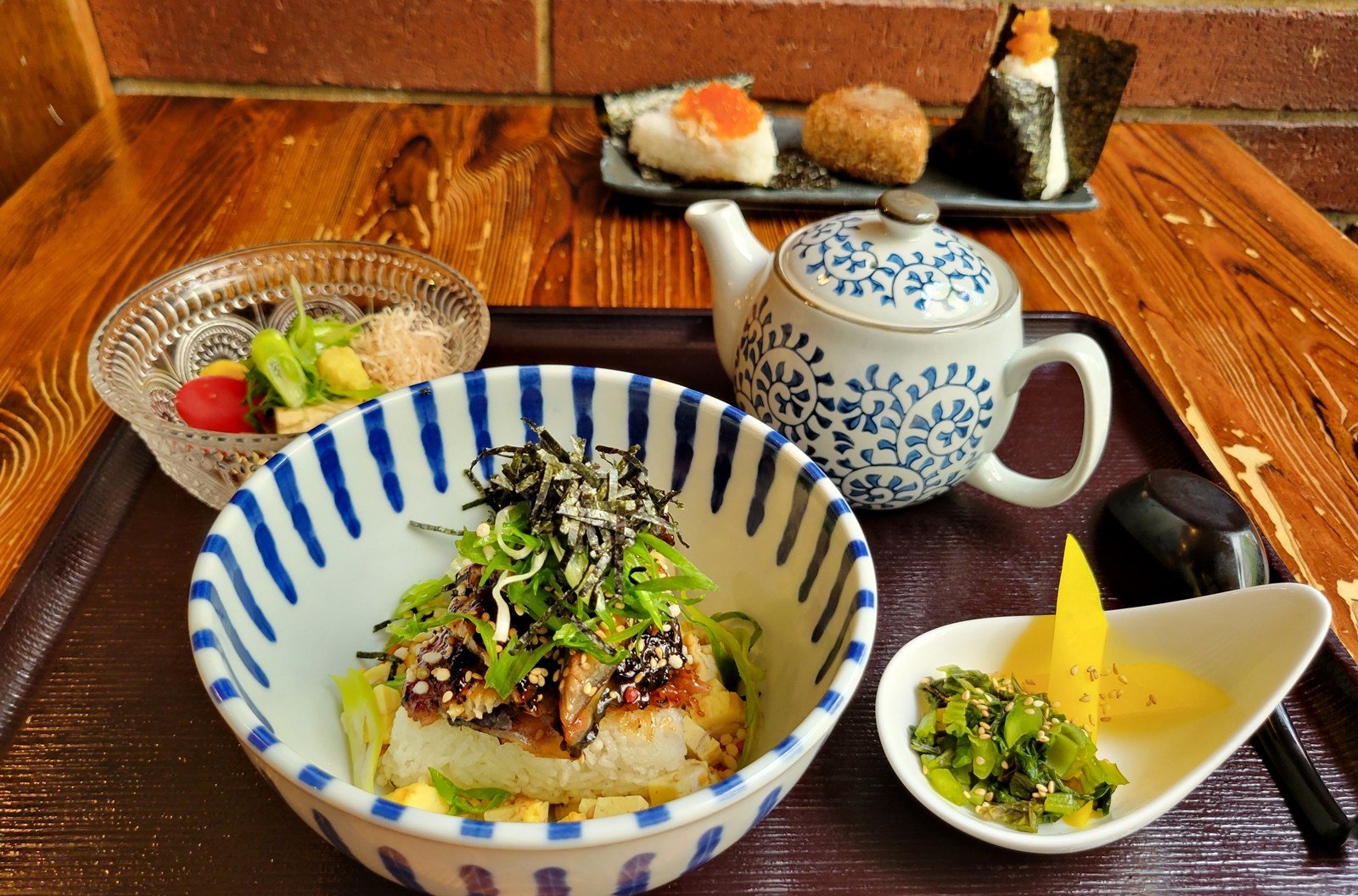
Onibaba by Tsukushinbo
Japantown, Seattle
Restaurant in Seattle, United States
 Book with Pearl
The Read
Price
$20–30per person
Dress
Casual
Why go
Onibaba by Tsukushinbo brings focused Japanese dining to Seattle's International District, with counter seating that rewards food-curious diners who want proximity to the kitchen. Booking is straightforward, the atmosphere is concentrated rather than loud, and it sits comfortably between casual neighbourhood izakayas and the city's most formal Japanese rooms. A solid call for a deliberate weeknight dinner or a low-key special occasion.
About Onibaba by Tsukushinbo
Who Should Book Onibaba by Tsukushinbo
If you want Japanese food in Seattle's International District that goes beyond sushi conveyor belts and bento boxes, Onibaba by Tsukushinbo at 515 South Main St is worth your attention. This is a venue for food-focused diners who want to sit close to the action, eat well, and spend an evening rather than just a meal. It is not the right call for a quick weeknight dinner or a group of six who want a round table and plenty of room.
The Counter Experience
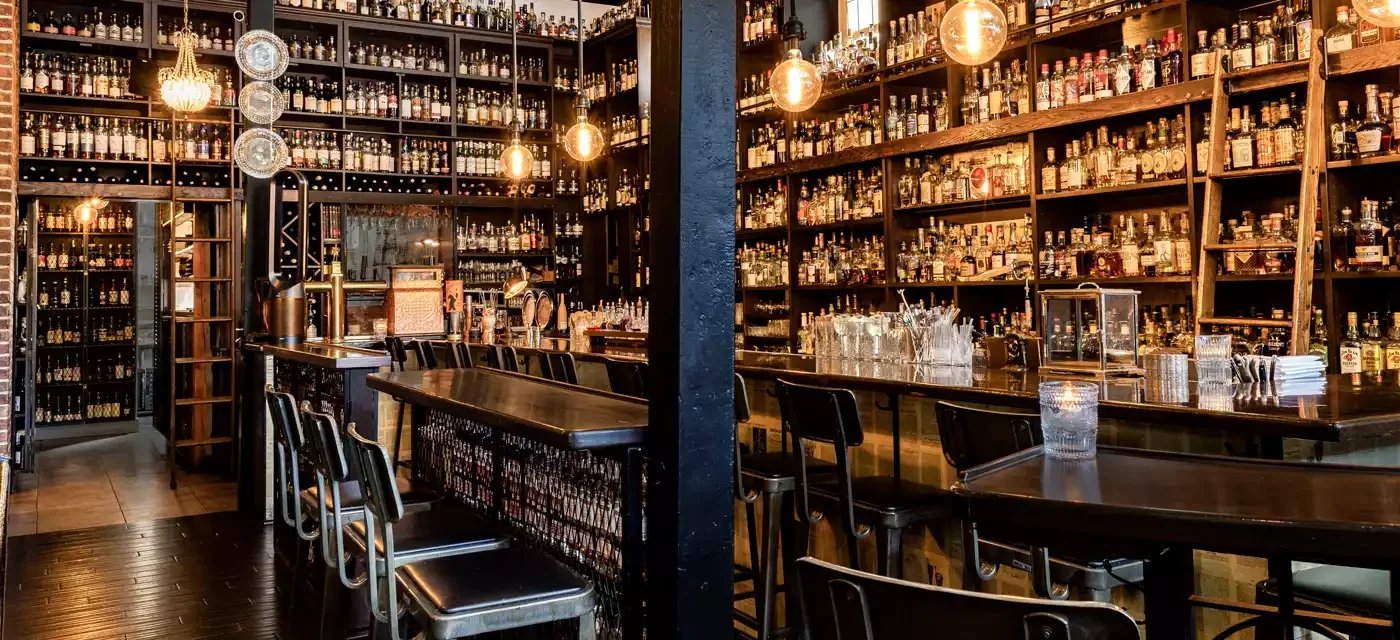
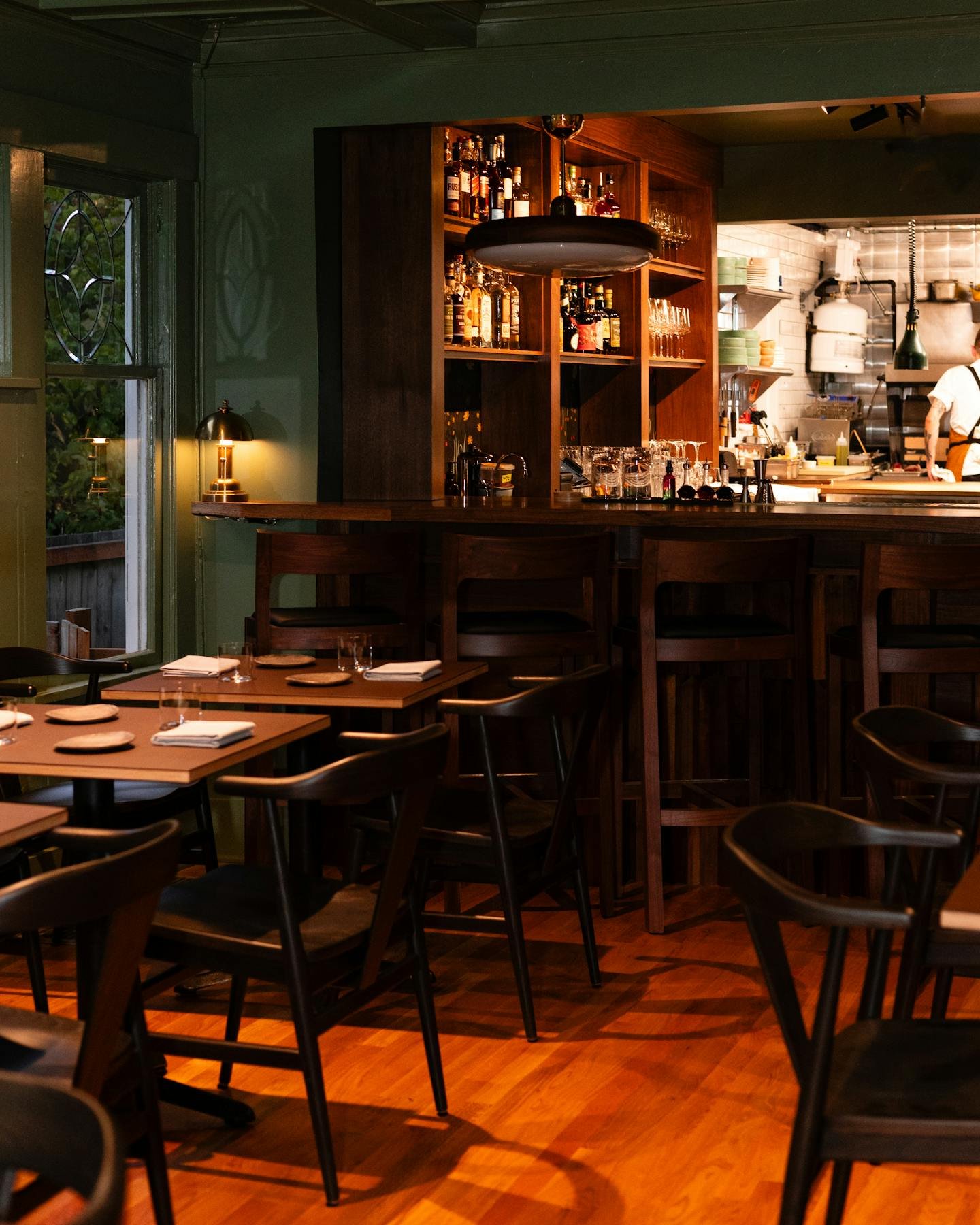
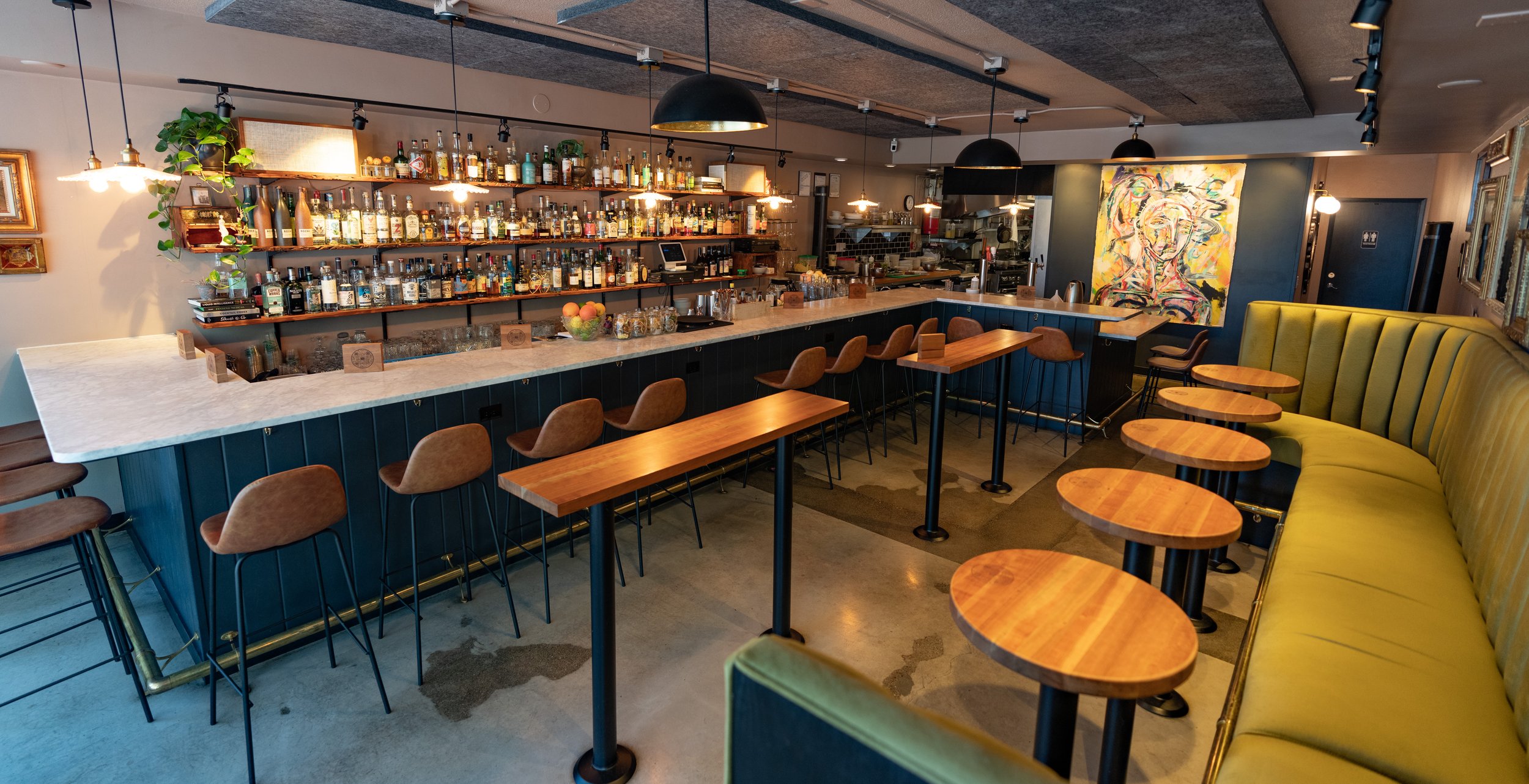
The name Tsukushinbo carries history in Seattle's Japanese dining community, and Onibaba represents its next chapter. Counter seating, where it is available, is the format to request. Eating at the counter in a focused Japanese kitchen puts you closer to the pacing, the plating, and the rhythm of the meal in a way a booth simply does not. The ambient energy here reads as concentrated rather than loud — the kind of room where conversation is possible without raising your voice, and where the atmosphere supports attention to what is in front of you rather than competing with it. For a food enthusiast, that is a meaningful distinction against louder, more casual options in the neighbourhood.
The International District location places Onibaba by Tsukushinbo in a part of Seattle with genuine culinary density. You are a short distance from Maneki, one of Seattle's oldest Japanese restaurants, which gives useful context: where Maneki leans on longevity and comfort, Onibaba by Tsukushinbo signals a sharper, more contemporary intent.
Practical Details
Booking here is rated easy, which means you are unlikely to need weeks of lead time in the way you would for Canlis or a counter seat at a tightly-held omakase. That accessibility is part of the appeal. For a special occasion dinner in the International District, it sits in a different register than a casual izakaya but does not demand the full-ceremony commitment of Seattle's most formal Japanese dining rooms. Pair a visit here with exploration of the broader neighbourhood, and consult our full Seattle restaurants guide for context on where it fits within the city's wider dining options. If you are building a full trip, our Seattle hotels guide, bars guide, and experiences guide are useful starting points.
Planning details
- Location
- 515 South Main St, Seattle, WA 98104
- Website
- onibabaseattle.com
- Phone
- +1 206 467 4004
The take
The Take
The Vibe
Onibaba by Tsukushinbo lives in Seattle’s International District, rooted in a long-standing Japanese dining tradition rather than the flash of trend-forward scenes. The kitchen favors precision and an unhurried approach, and the meal unfolds with careful sequencing that privileges balance and seasonal logic over à la carte choice. That restraint makes for a sophisticated, classic evening—less about spectacle than about disciplined technique and compositional clarity. The restaurant feels contained and focused: a place where serious diners settle in for a structured progression of courses rather than casual grazing.
Best For
This is a destination for diners who want a thoughtful, multi-course evening rather than a quick, à la carte meal. The kaiseki-like sequencing and emphasis on the arc of a meal suit special occasions and date nights, or anyone looking for a composed, deliberate dining experience. Because Onibaba occupies a quieter, older culinary layer of the city, it appeals to guests who value tradition and precision over tourist-driven hot spots—people who enjoy being guided through a planned progression of dishes and who appreciate measured pacing.
Ordering Tips
Approach Onibaba as a sequence rather than a checklist. The description explicitly advises against arriving with a list of dishes to request—this is not the omakase-counter model that prioritizes a la carte demands. Instead, let the restaurant’s composed progression dictate the evening: expect a planned flow of courses and resist trying to assemble the meal piece by piece. That orientation will give you the clearest sense of the kitchen’s intent and the seasonal logic behind each transition.
Venue details
Ambiance
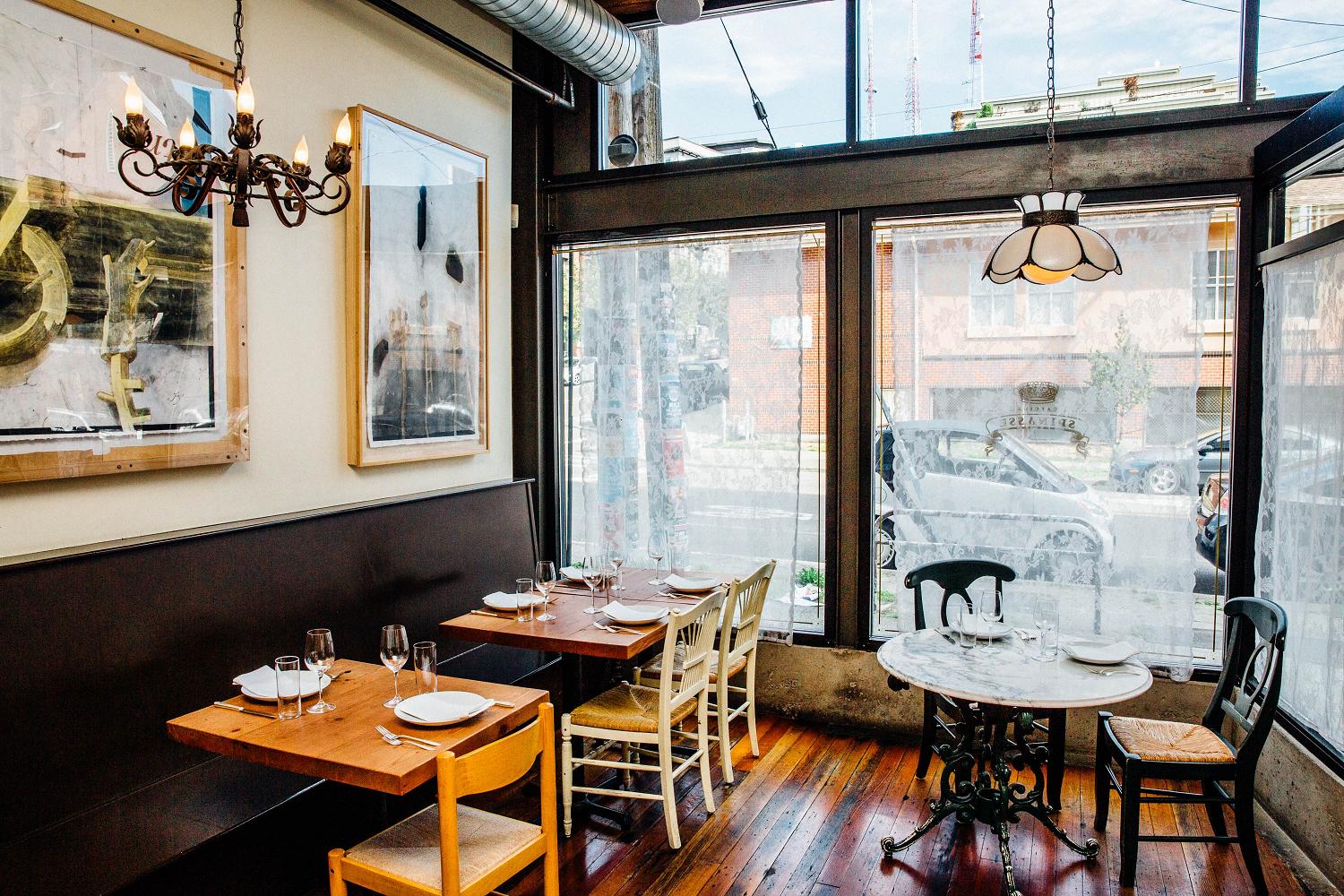
Casual hip atmosphere in a tiny spot in Seattle's Japantown with limited seating.
Tags
Vibe
Best For
Experience
At the Table
- Dress Code
- Casual
- Noise Level
- Conversational
- Service Style
- Casual
- Meal Pacing
- Quick Bite
- Capacity
- Intimate
- Kitchen
- Traditional
- Menu Format
- A la carte, Small plates
- Drinks Focus
- Sake
- Dietary
- Vegetarian friendly
Signature Dishes
- Katsu Curry Donburi
- Oyako Onigiri
- Karaage Onigiri
Know before you go
Know Before You Go
- Getting there
- 515 South Main St, Seattle, WA 98104
Planning details
Location
Also consider
Also Consider
- Canlis, New American, New American
- Joule, New Asian, New Asian
- Kamonegi, Soba, Soba
- Maneki, Japanese, Japanese
- Walrus & Carpenter, New American - Seafood, New American - Seafood
Restaurant context
For Japanese dining in Seattle, the comparison that matters most is between Onibaba by Tsukushinbo and Maneki, the International District institution that has been running for over a century. Maneki wins on history and comfort-food familiarity; Onibaba by Tsukushinbo is the better pick if you want something that feels more considered and current. Neither requires the booking difficulty of Canlis, which demands planning weeks out and carries a significantly higher price floor.
If your priority is Japanese cuisine with a specific regional lens, Kamonegi is worth comparing directly: it focuses on handmade soba and has earned strong editorial attention for doing one thing at a high level. Onibaba by Tsukushinbo and Kamonegi serve different cravings, so the decision comes down to format. For something broader in scope and more energetic in atmosphere, Joule brings a Korean-inflected New Asian approach that suits diners who want more noise and a livelier room. Onibaba by Tsukushinbo is the quieter, more focused alternative.
For a celebratory meal where seafood is the priority rather than Japanese cuisine specifically, Walrus & Carpenter offers an oyster-forward experience with its own counter culture and a reputation that holds up well for special occasions. The two venues do not compete directly, but if you are deciding between a Japanese dinner and a Pacific Northwest seafood counter for the same evening, Walrus & Carpenter is the higher-profile, harder-to-book option. Onibaba by Tsukushinbo is the easier and more intimate booking.
Around this place
Discover more on Pearl
Unlock the full Onibaba by Tsukushinbo guide in Pearl, including awards, comparisons, FAQs, planning details, and nearby places.
Compare Onibaba by Tsukushinbo
| Venue | Booking Difficulty | Awards |
|---|---|---|
| Onibaba by Tsukushinbo | Easy | No published awards |
| Canlis | Unknown | 2026 OAD Top Restaurants in North America Ranked · #65Star Wine Lists 20262026 Relais Chateaux Restaurants2026 Wine Spectator Grand Award2025 Food & Wine Global Tastemakers Top Restaurants · #22025 Robb Report 100 Greatest American Restaurants of the 21st Century · #212025 OAD Top Restaurants in North America Ranked · #64World's Best Wine Lists 20252025 James Beard Award Semifinalists |
| Joule | Unknown | 2026 OAD Casual in North America Recommended2025 OAD Casual in North America Ranked · #3612024 OAD Casual in North America Ranked · #4862023 OAD Casual in North America Recommended2022 James Beard Awards |
| Kamonegi | Unknown | 2026 OAD Casual in North America Recommended2025 OAD Casual in North America Ranked · #1192024 OAD Casual in North America Ranked · #1312023 OAD Casual in North America Highly Recommended |
| Maneki | Unknown | 2026 OAD Casual in North America Recommended2025 OAD Casual in North America Ranked · #3772024 OAD Casual in North America Ranked · #4012023 OAD Casual in North America Recommended |
| Walrus & Carpenter | Unknown | 2025 OAD Casual in North America Ranked · #6352024 OAD Casual in North America Ranked · #4982023 OAD Gourmet Casual Dining in North America Ranked · #682023 OAD Casual in North America Recommended |








Comparing your options in Seattle for this tier.
FAQ
Frequently Asked Questions
How far ahead should I book Onibaba by Tsukushinbo?
Booking is rated easy, so you are unlikely to need weeks of lead time. A few days' notice should be sufficient in most cases, unlike counter-focused spots where demand outpaces supply. That said, Friday and Saturday evenings at 515 South Main St fill faster, so book ahead if your date is fixed.
Can Onibaba by Tsukushinbo accommodate groups?
Counter-style Japanese venues in the International District typically suit parties of two to four most comfortably. If you are bringing a group of six or more, confirm table availability directly with the restaurant before assuming it can absorb the whole party without splitting.
Is Onibaba by Tsukushinbo good for a special occasion?
Yes, if your occasion calls for a focused, considered Japanese meal rather than a splashy celebration setting. The Tsukushinbo name carries genuine history in Seattle's Japanese dining community, which gives the meal context that a generic occasion restaurant cannot. For a larger, more theatrical special-occasion dinner, Canlis is the comparison to make.
What are alternatives to Onibaba by Tsukushinbo in Seattle?
Kamonegi is the call for handmade soba in a similarly low-key, chef-driven format. Maneki is the International District institution for traditional Japanese comfort food with decades of local standing. Joule covers Korean-inflected modern cooking if you want to stay in the neighbourhood-focused, chef-led category. Walrus & Carpenter is the right move if seafood and oysters are the priority over Japanese cuisine specifically.