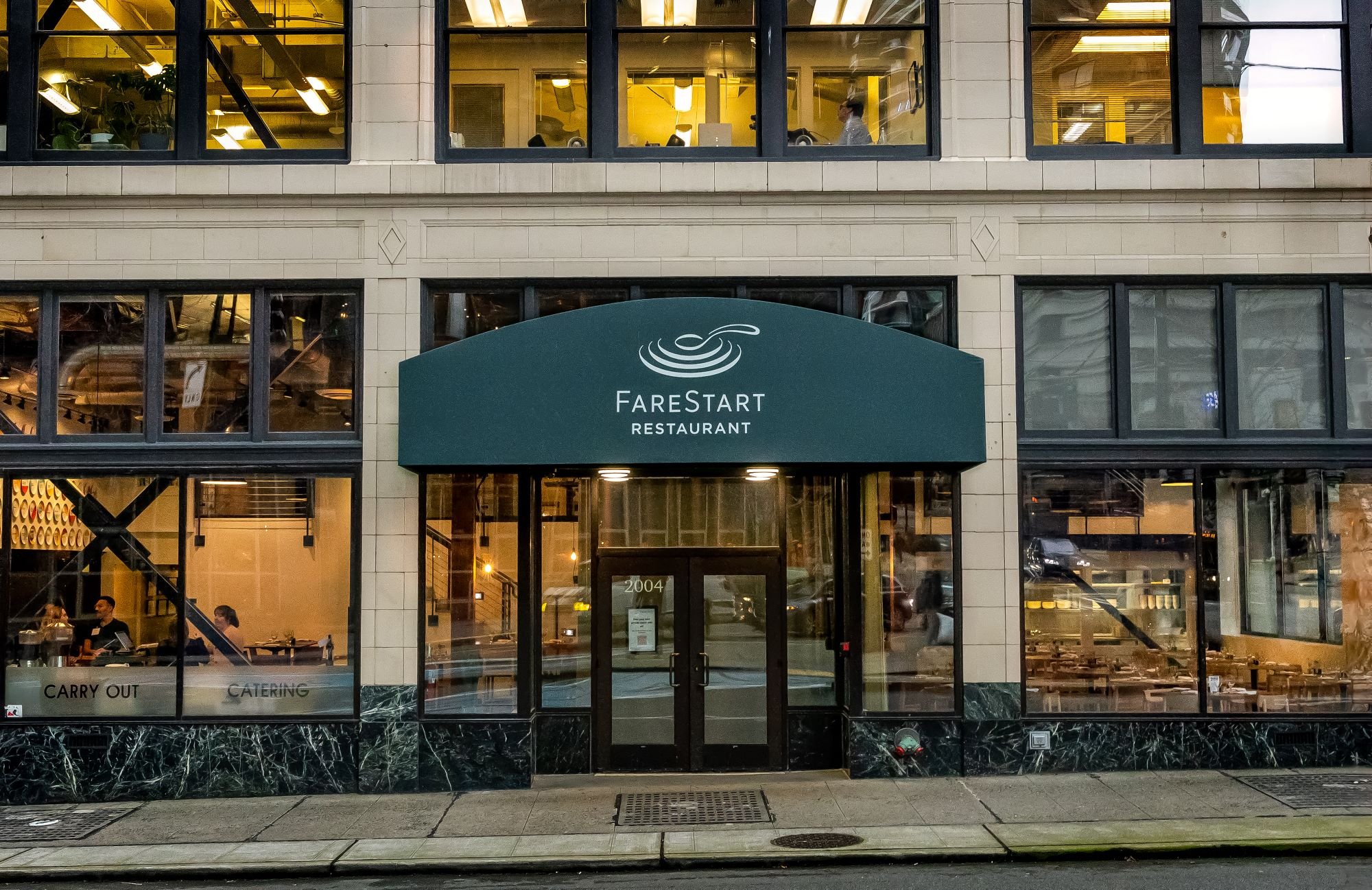
FareStart Restaurant
Denny Triangle, Seattle
Restaurant in Seattle, United States
 Book with Pearl
The Read
Price
$20–30per person
Dress
Casual
Why go
FareStart Restaurant on Westlake Ave is one of Seattle's most purposeful dining choices: a workforce-training kitchen that sources Pacific Northwest ingredients seriously and lets the food justify the visit on its own terms. Easy to book, accessibly priced, and worth your time if you want a meal with a clear, verifiable reason behind every sourcing decision.
About FareStart Restaurant
Pearl Verdict
FareStart Restaurant at 2004 Westlake Ave is worth booking if you want a meal that carries genuine social purpose without sacrificing kitchen quality. This is a workforce-training restaurant where every plate is prepared by people learning professional culinary skills — which means the sourcing choices and cooking standards have to hold up on their own merits, not just on goodwill. For Seattle diners who care about where their money goes, FareStart delivers a meaningful answer to that question.
What Makes It Worth Your Time
The core proposition at FareStart is that ingredient sourcing and culinary training are inseparable. The kitchen works with local Pacific Northwest producers because the training program is built around real professional standards — not because it is a marketing choice. That means the menu reflects seasonal Washington-state ingredients, and the cooking is done by trainees who are learning to execute at a credible level under professional supervision. The result is food that earns its place on the table rather than relying on the charitable framing to do the heavy lifting.
For food and travel enthusiasts who seek depth, FareStart offers something few Seattle restaurants can: a dining experience with a documented, verifiable rationale behind every sourcing decision. Compare that to venues like Single Thread Farm in Healdsburg or Atelier Moessmer Norbert Niederkofler in Brunico, where ingredient provenance is central to a high-ticket tasting format. FareStart makes a version of that same commitment accessible at a community-restaurant price point in Seattle.
The Westlake Ave location puts FareStart within easy reach of South Lake Union, making it a practical lunch or dinner stop for anyone already in that part of the city. It is not a destination in the way that Canlis is, but it does not need to be. It occupies a different position: approachable, purposeful, and locally grounded.
Reservations: Easy to book with reasonable lead time. Dress: Casual to smart casual. Budget: Accessible price point by Seattle standards, expect mid-range spend per head. Group size: Works for pairs or small groups. Timing: Check current service hours before visiting, as training-program restaurants sometimes adjust schedules seasonally.
For more Seattle options, see our full Seattle restaurants guide, our full Seattle bars guide, and our full Seattle hotels guide. You may also want to explore our full Seattle wineries guide and our full Seattle experiences guide.
Planning details
- Location
- 2004 Westlake Ave, Seattle, WA 98101
- Website
- farestart.org/dining/restaurant
- Phone
- +1 206 443 1233
The take
The Take
The Vibe
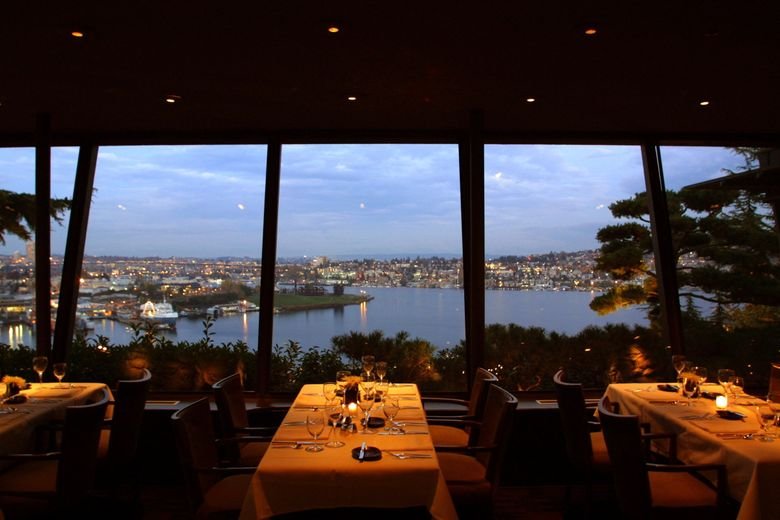
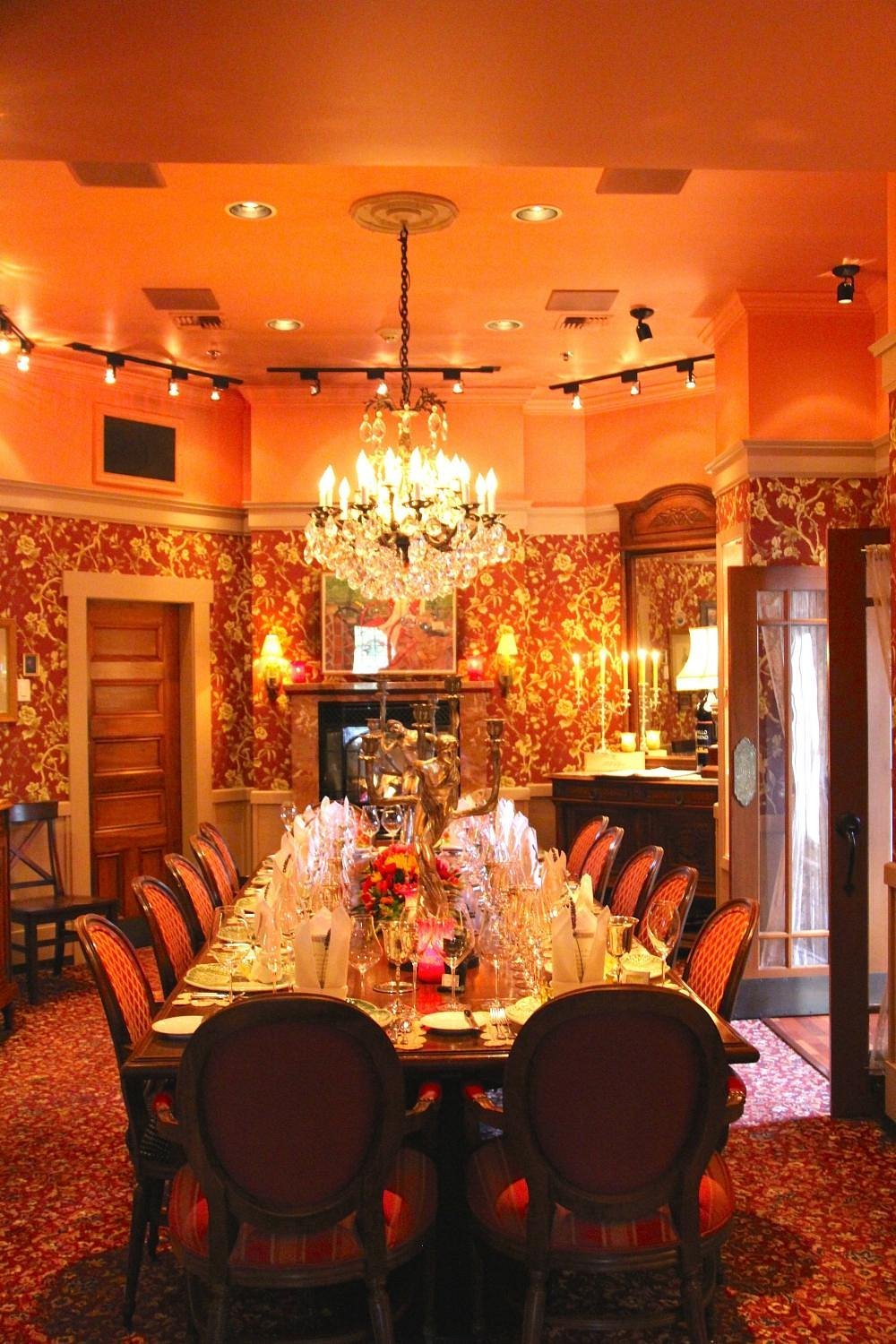
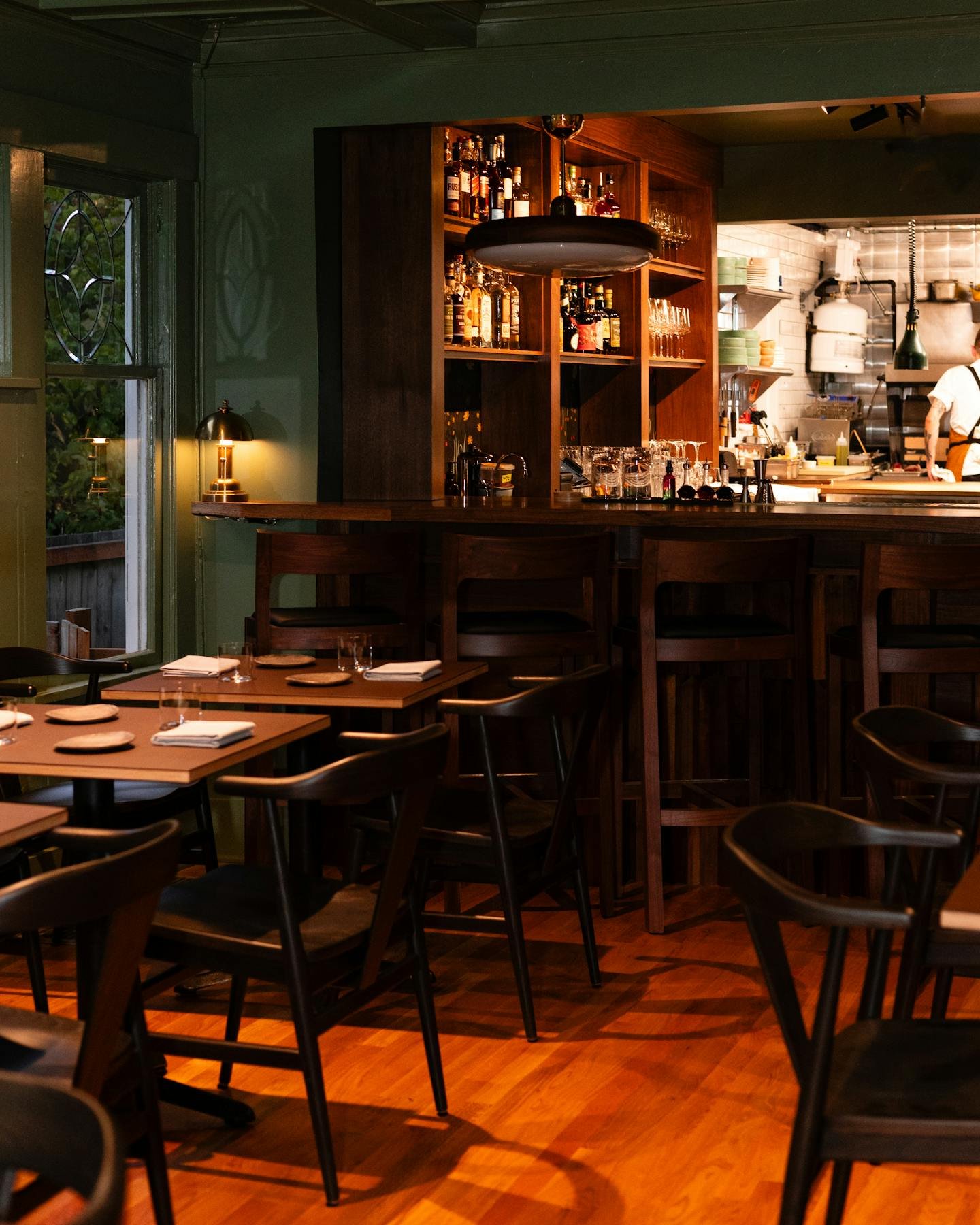
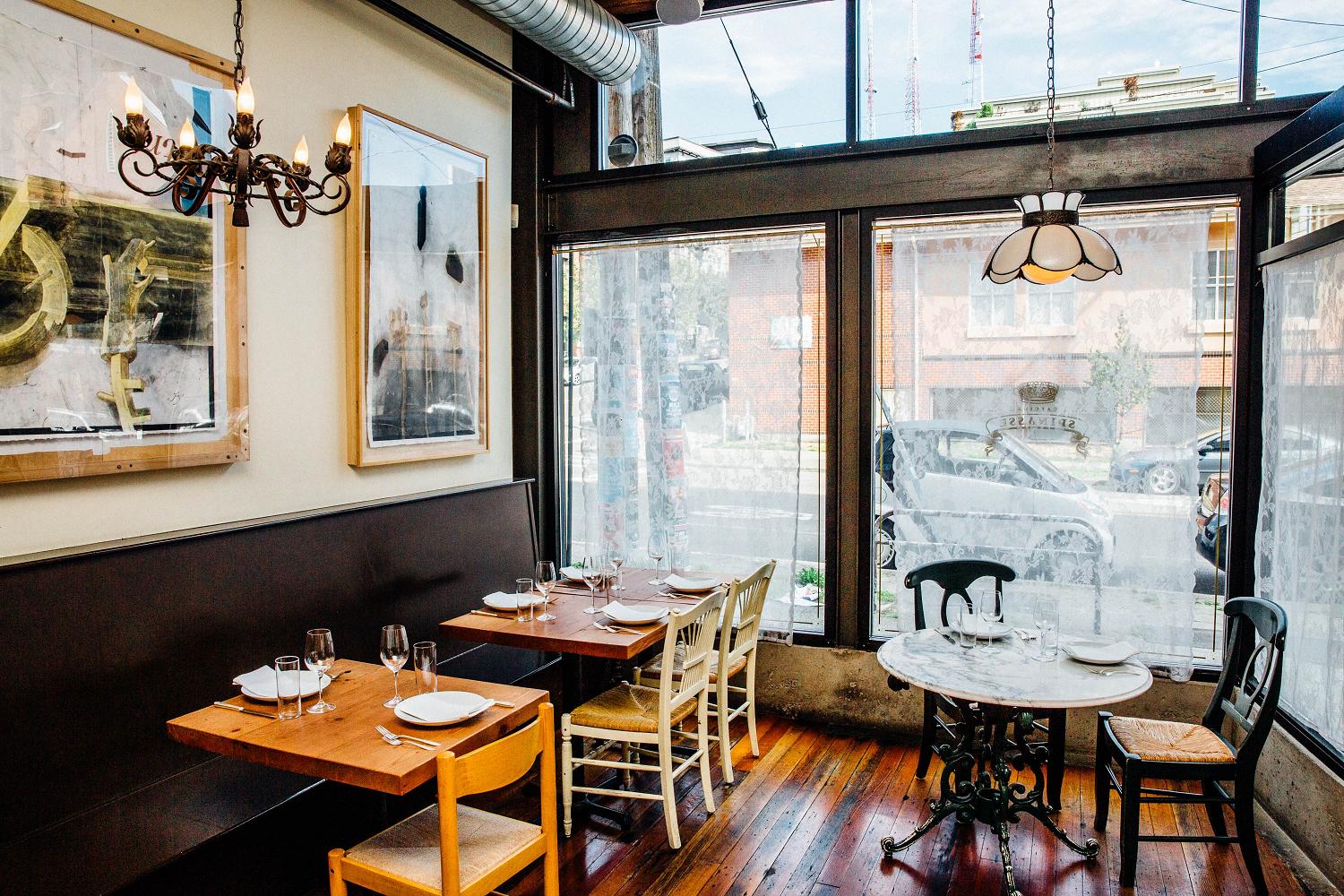
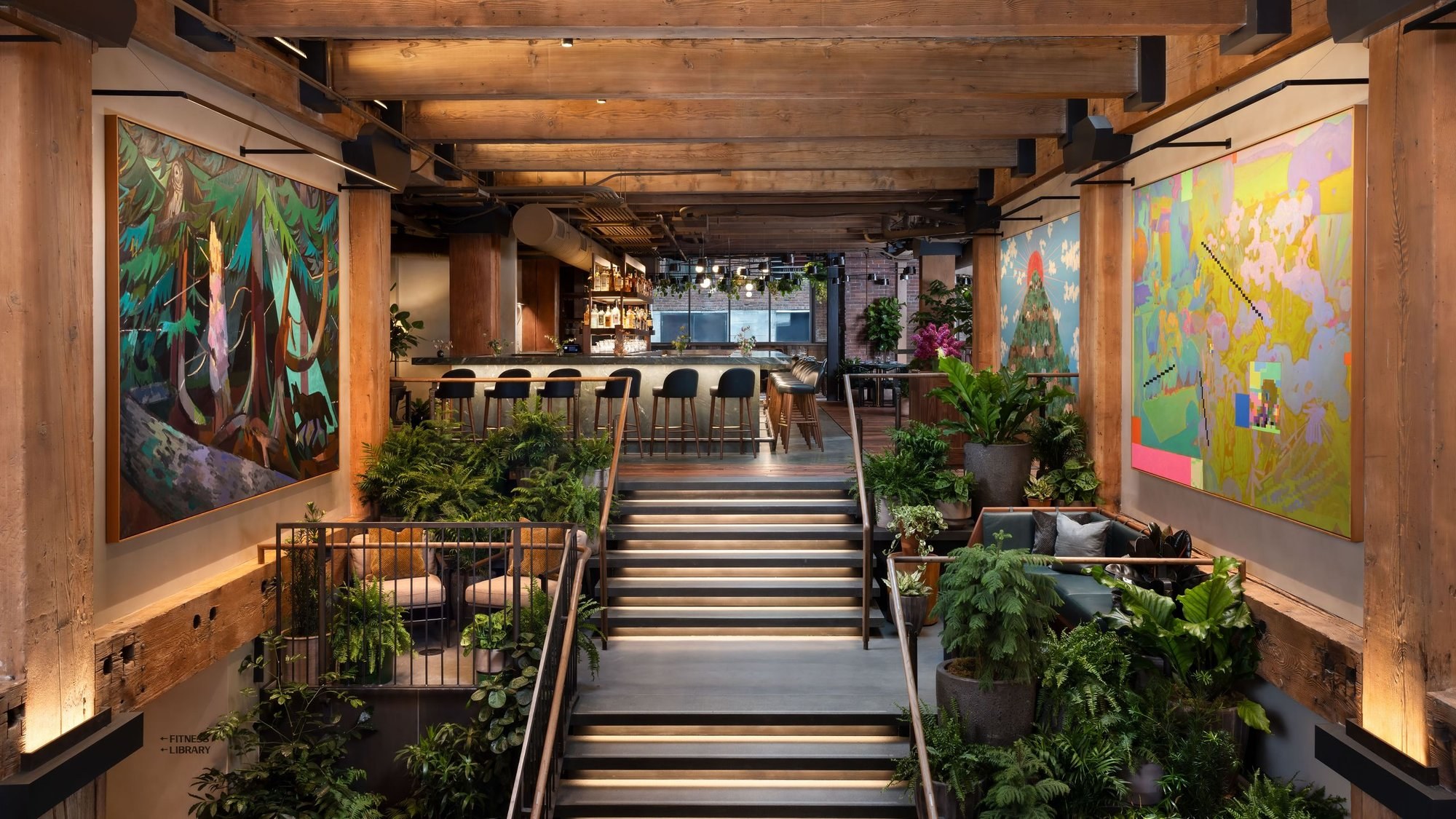
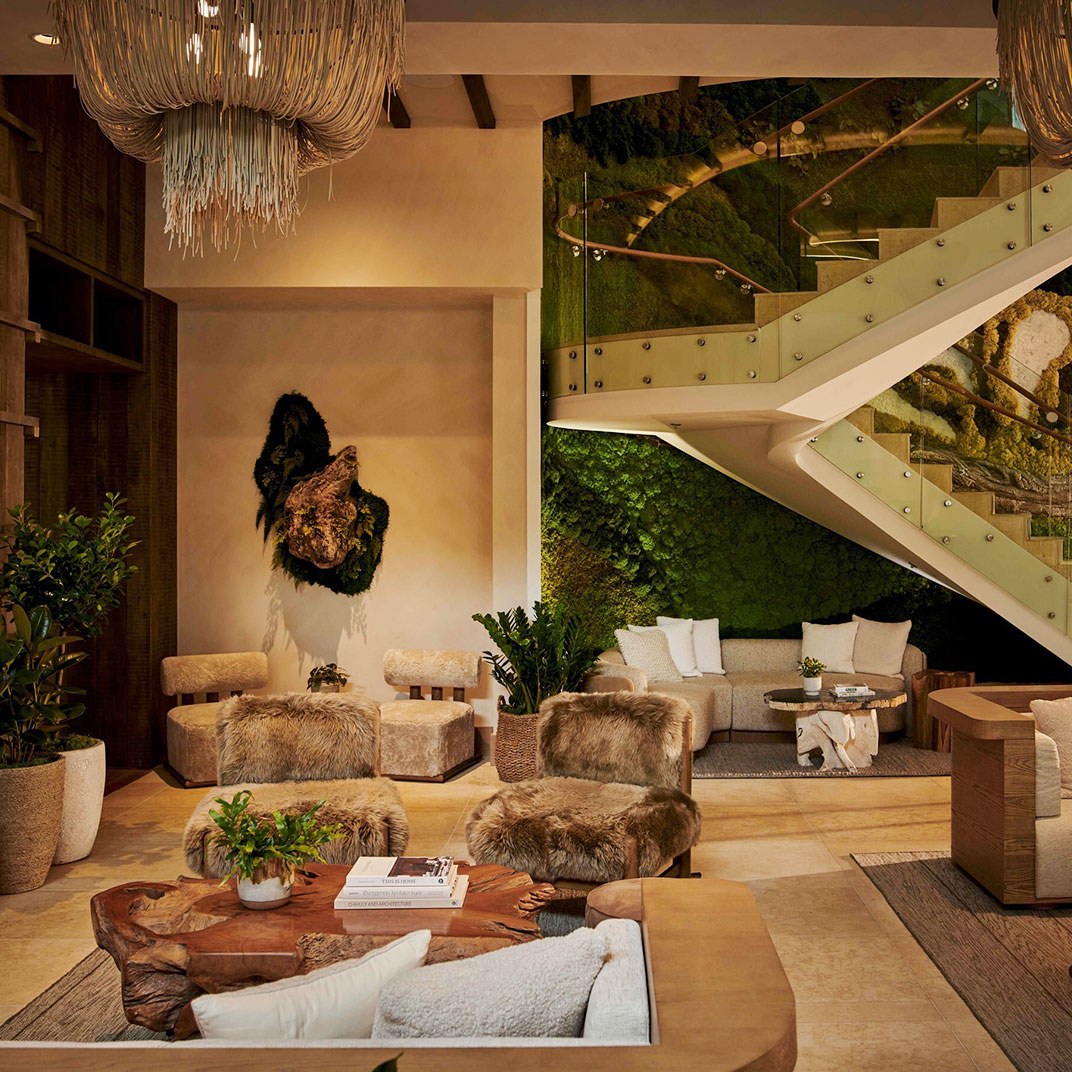
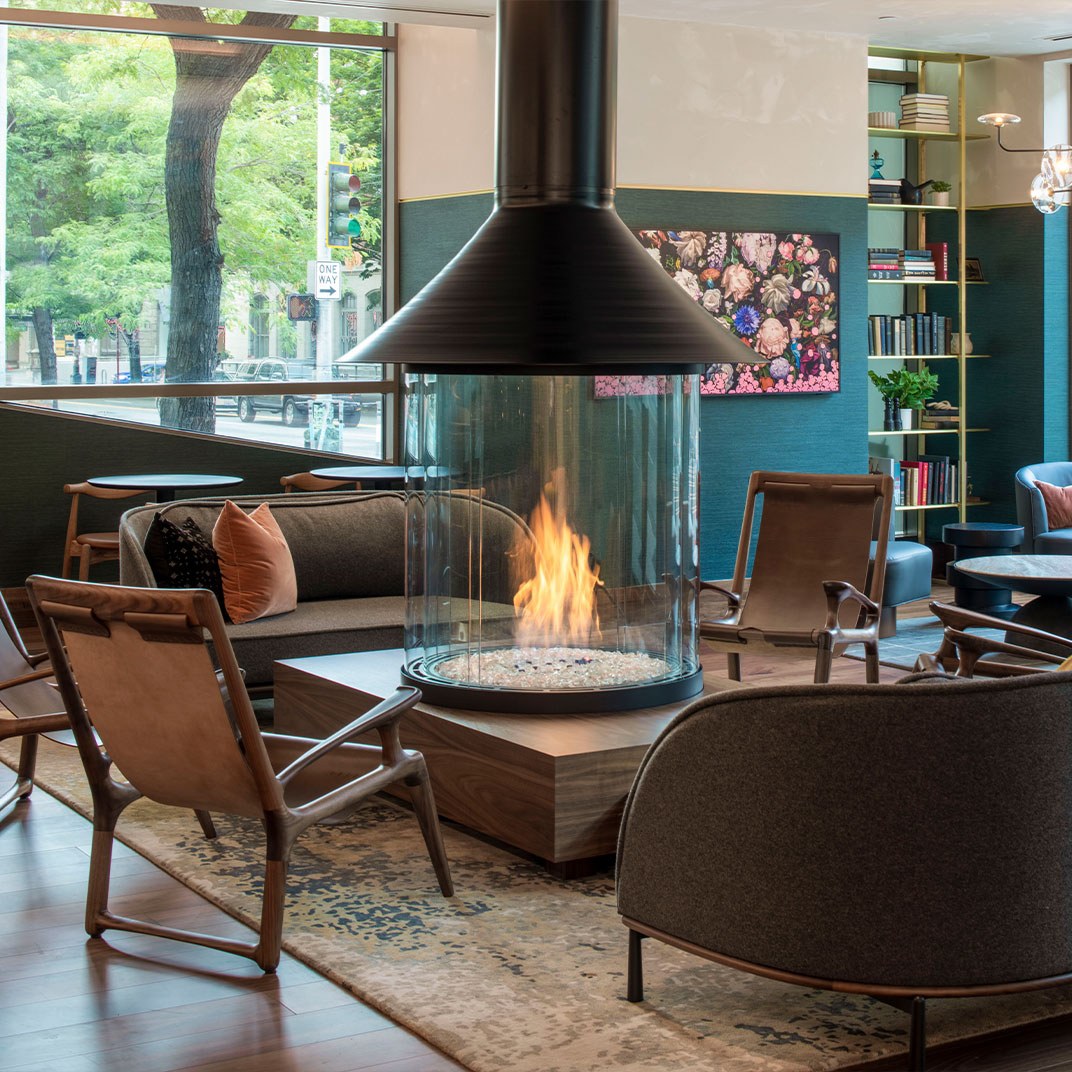
FareStart presents a purposeful, neighborhood-minded dining room where the mission of the program is the point of view. The service and layout make the kitchen part of the experience: trainees and staff work visibly, and that practical, hands-on energy defines the room more than polish or pretense. The setting feels modern in its context—converted warehouses and a recently transformed corridor—yet intentionally relaxed; you’re dining inside a working training kitchen rather than a showcase restaurant. The result is an earnest, community-focused place where intent matters as much as the food on the plate.
Best For
FareStart suits midday and evening visits. Its location in a rapidly changing Westlake corridor makes it appropriate for lunch crowds who work nearby as well as for dinners, especially on the nights when the guest-chef program is in effect. The guest-chef format raises the technical standards of what arrives at the table while keeping the broader training mission front and center, so it works for diners who want thoughtful, chef-driven plates without the formality of a white-tablecloth dinner. It’s a neighborhood spot anchored in purpose more than hype.
Ordering Tips
Look for the guest-chef Thursdays when an invited chef programs the menu alongside trainees; those evenings showcase higher technical ambition and rotating offerings. Because the kitchen functions as both training ground and service operation, expect menus and preparations to reflect collaboration between visiting chefs and the program’s cooks. If you’re focused on sampling the most elevated or unique dishes, target a guest-chef night; for a straightforward neighborhood meal, lunch and regular dinner service reflect the restaurant’s everyday mission-driven approach.
Venue details
Ambiance
Moderate noise with welcoming atmosphere focused on community and training.
Tags
Vibe
Best For
Experience
Sourcing
At the Table
- Dress Code
- Casual
- Noise Level
- Conversational
- Service Style
- Casual
- Meal Pacing
- Quick Bite
- Capacity
- Medium
- Kitchen
- Comfort cooking
- Menu Format
- A la carte
- Dietary
- Vegetarian friendly, Gluten-free options
- Private Dining
- Available
Know before you go
Know Before You Go
- Getting there
- 2004 Westlake Ave, Seattle, WA 98101
Planning details
Location
Also consider
Also Consider
- Canlis, New American, New American
- Joule, New Asian, New Asian
- Kamonegi, Soba, Soba
- Maneki, Japanese, Japanese
- Walrus & Carpenter, New American - Seafood, New American - Seafood
Restaurant context
Against Seattle's mid-to-upper dining field, FareStart occupies a distinct position. Canlis is the obvious benchmark for occasion dining in the city, the room, the service depth, and the price point are all significantly higher, and it requires planning weeks or months in advance. If you are choosing between the two, Canlis is the better call for a landmark celebratory meal; FareStart is the better call when the dining decision itself carries meaning beyond the plate.
Joule and Kamonegi both offer stronger technical menus for the food-first diner who wants culinary ambition as the primary draw. Kamonegi in particular is worth prioritising if handmade soba and a focused, chef-driven format matter more to you than social mission. Maneki, as Seattle's oldest Japanese restaurant, brings a different kind of institutional depth, history and consistency rather than training-program purpose. For pure seafood focus, Walrus and Carpenter is the stronger choice on ingredient quality and sourcing specificity, particularly for oysters.
Book FareStart when the social context of the meal matters as much as the food itself, or when you want a mid-range Seattle dinner with a genuinely local supply chain behind it. For technical cooking, splurge occasions, or ingredient-forward seafood, the alternatives above each have a clearer edge in their respective lanes.
Around this place
Discover more on Pearl
Unlock the full FareStart Restaurant guide in Pearl, including awards, comparisons, FAQs, planning details, and nearby places.
Compare FareStart Restaurant
| Venue | Awards |
|---|---|
| FareStart Restaurant | No published awards |
| Canlis | 2026 OAD Top Restaurants in North America Ranked · #65Star Wine Lists 20262026 Relais Chateaux Restaurants2026 Wine Spectator Grand Award2025 Food & Wine Global Tastemakers Top Restaurants · #22025 Robb Report 100 Greatest American Restaurants of the 21st Century · #212025 OAD Top Restaurants in North America Ranked · #64World's Best Wine Lists 20252025 James Beard Award Semifinalists |
| Joule | 2026 OAD Casual in North America Recommended2025 OAD Casual in North America Ranked · #3612024 OAD Casual in North America Ranked · #4862023 OAD Casual in North America Recommended2022 James Beard Awards |
| Kamonegi | 2026 OAD Casual in North America Recommended2025 OAD Casual in North America Ranked · #1192024 OAD Casual in North America Ranked · #1312023 OAD Casual in North America Highly Recommended |
| Maneki | 2026 OAD Casual in North America Recommended2025 OAD Casual in North America Ranked · #3772024 OAD Casual in North America Ranked · #4012023 OAD Casual in North America Recommended |
| Walrus & Carpenter | 2025 OAD Casual in North America Ranked · #6352024 OAD Casual in North America Ranked · #4982023 OAD Gourmet Casual Dining in North America Ranked · #682023 OAD Casual in North America Recommended |








Side-by-side comparison to help you decide where to book.
FAQ
Frequently Asked Questions
What should a first-timer know about FareStart Restaurant?
FareStart at 2004 Westlake Ave is a working culinary training program — the kitchen is staffed by people rebuilding their lives through the hospitality industry, and that context shapes the whole experience. The food draws on Pacific Northwest sourcing, so the menu reflects what's locally available rather than a fixed chef-driven vision. Go in knowing the service may be less polished than a conventional restaurant, and that's part of the point. It's a good choice for anyone who wants a meal that does something beyond feeding them.
What are alternatives to FareStart Restaurant in Seattle?
If the social mission is secondary and you're mainly after ingredient-forward Pacific Northwest cooking, Joule and Kamonegi are sharper bets for culinary ambition. For a special occasion with more formal polish, Canlis is the obvious step up. Walrus & Carpenter is the better call if you want local seafood without a sit-down commitment. Maneki is worth considering if you want historic Seattle character over social purpose. FareStart is the right choice specifically when the purpose behind the meal matters as much as the plate.
How far ahead should I book FareStart Restaurant?
FareStart draws a consistent local following, particularly for its Thursday evening Guest Chef Night events, which book up faster than regular service. For weekday lunch, a few days' notice is usually enough. If your visit has a fixed date, booking a week or two out is a sensible precaution. Check availability directly through the venue, as booking windows vary by service type.
Is FareStart Restaurant good for a special occasion?
It works for a special occasion if the occasion suits the format — a birthday or work lunch where the story of the place adds meaning lands well here. For a milestone dinner requiring a high-gloss experience, Canlis is a more reliable call. FareStart's Guest Chef Night events, where guest chefs from Seattle's broader restaurant community lead the kitchen, offer more occasion-worthy energy than standard lunch service and are the booking to target if timing allows.
What should I order at FareStart Restaurant?
The menu at FareStart rotates based on Pacific Northwest seasonal sourcing and what the training kitchen is working, so there are no fixed signature dishes to point to. The safest strategy is to go with whatever the kitchen is leading with that day rather than arriving with a specific dish in mind. Guest Chef Night events are where the menu ambition tends to peak, making those evenings the stronger food-first booking.
Is FareStart Restaurant good for solo dining?
Solo dining works fine at FareStart — the lunch service format is relaxed enough that a single cover doesn't feel out of place. It's a low-pressure environment compared to a counter-format omakase or a formal tasting room. If you're solo and want a livelier atmosphere, the Guest Chef Night events have more energy than a standard weekday lunch sitting.