
De Tuinkamer
Schuinesloot
Restaurant in Schuinesloot, Netherlands
 Book with Pearl
The Read
Dress
Smart Casual
Why go
De Tuinkamer operates inside a converted greenhouse on the 60-year-old Priona estate in Schuinesloot, open April to Christmas. Chef Alwin Leemhuis builds a weekly-changing menu around what the surrounding ecological gardens produce, with every dish at least 80% plants. Booking is easy by Dutch fine-dining standards, making this one of the more accessible routes into serious garden-to-table cooking in the country.
About De Tuinkamer
Verdict: A seasonal garden restaurant that earns serious attention without the serious price tag
The most common assumption about plant-forward dining in the Netherlands is that it means a high-design urban restaurant charging €€€€ for a tasting menu. De Tuinkamer, operating out of a converted greenhouse on the grounds of the Priona gardens in Schuinesloot, breaks that assumption. This is a kitchen anchored to one of the most ecologically significant garden landscapes in the country, running a weekly-changing menu with over 80% plant content, and doing it in a setting that reads as relaxed rather than reverent. If you have visited once and left impressed, the case for returning is the menu rotation: it changes every week, tied directly to what the surrounding gardens are producing.
The Space
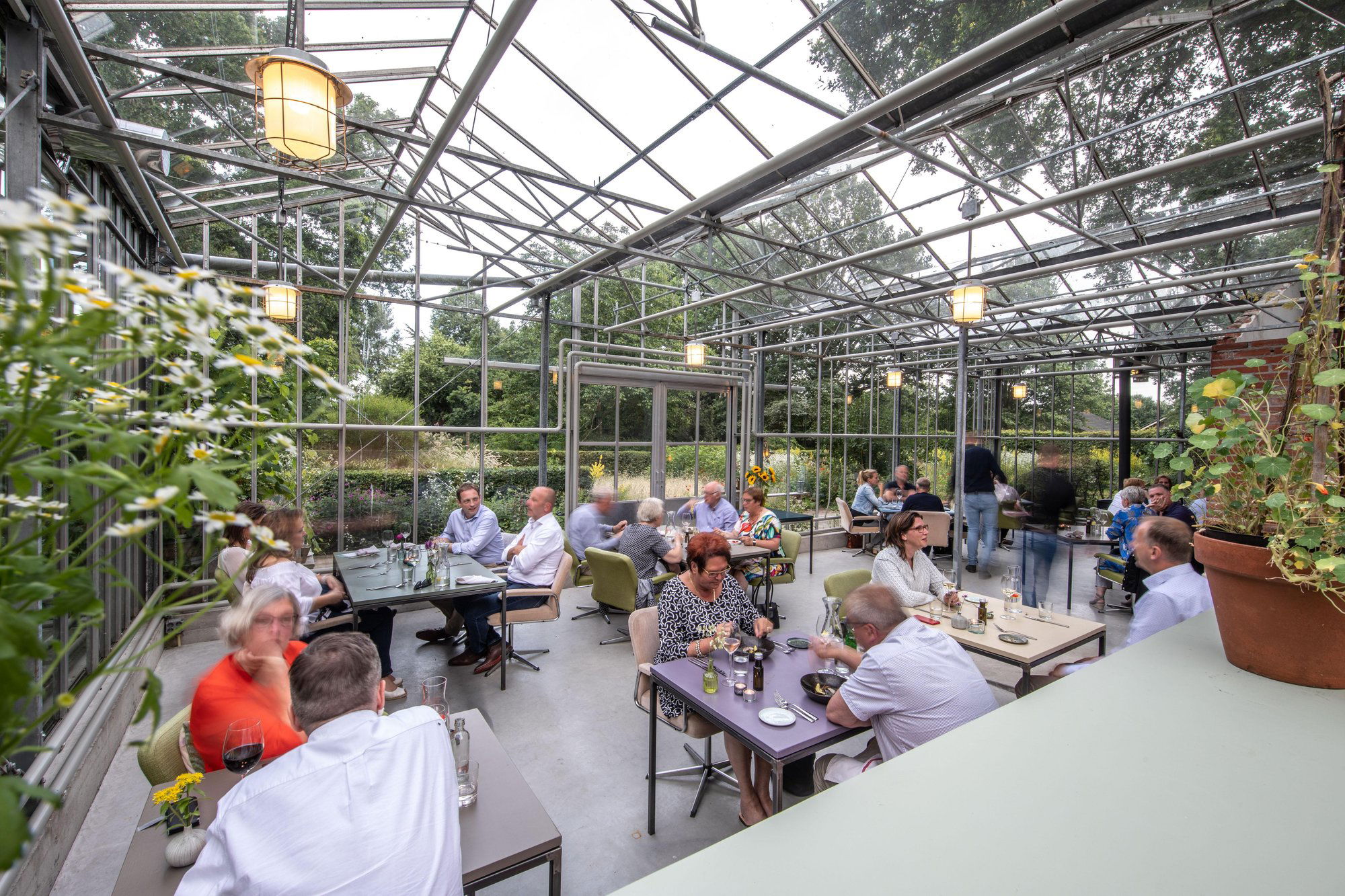
The physical setting is a meaningful part of the decision here. The restaurant occupies a former greenhouse within the Priona gardens, which were designed roughly 60 years ago and became a reference point for Dutch wave-landscape architecture. That context is not incidental — the dining room sits inside a working garden estate, surrounded by over 6,000 plant species, including approximately 1,000 that appear on the red list of threatened plants. The spatial experience is unusual for a restaurant of this type: you are eating inside a structure that was built to grow things, enclosed by the same landscape that supplies the kitchen. If design-led restaurants like De Nieuwe Winkel in Nijmegen feel urban and architectural, De Tuinkamer feels genuinely rural and grounded. That distinction matters when choosing between them.
The Food
Chef Alwin Leemhuis structures the menu around what the Priona gardens are producing in any given week. Every dish contains a minimum of 80% plants — this is not a vegetarian restaurant in the strict sense, but plant material is the clear priority and the starting point for each creation. Because the gardens have been managed ecologically since their founding, the supply chain is about as short and traceable as it gets. The weekly rotation means repeat visits are never redundant, which is the practical upside of a hyper-seasonal model. If you visited earlier in the season, a return trip even a month later will produce a meaningfully different menu. The kitchen is open from April through Christmas, the window when the gardens are productive. Outside of that period, there is no service.
Booking and Timing
Booking difficulty is rated easy, which is notable for a restaurant operating on a weekly-changing garden menu in a genuinely distinctive setting. This is partly a function of location, Schuinesloot is not a destination most diners pass through by accident, but it means you can plan a visit without the three-month lead time that comparable plant-forward restaurants at the €€€€ tier require. The season runs April to Christmas, so plan accordingly. If you are travelling from Amsterdam or Zwolle, treat this as a day-trip destination and consider pairing it with an overnight stay by checking our Schuinesloot hotels guide.
Practical Details
| Detail | De Tuinkamer | De Nieuwe Winkel (Nijmegen) | De Lindehof (Nuenen) |
|---|---|---|---|
| Price tier | Not confirmed | €€€€ | €€€€ |
| Cuisine focus | Plant-forward, garden-led | Organic, plant-based | Contemporary Dutch, Creative |
| Booking difficulty | Easy | Harder | Harder |
| Season / hours | April to Christmas | Year-round | Year-round |
| Setting | Converted greenhouse, estate garden | Urban restaurant | Country house |
For a broader view of what is available in the area, see our full Schuinesloot restaurants guide, bars guide, and experiences guide.
Planning details
- Location
- Rondweg 1a, 7777 SM Schuinesloot, Netherlands
- Website
- tuinkamer-priona.nl
- Phone
- +31 523 769 047
The take
The Take
The Vibe
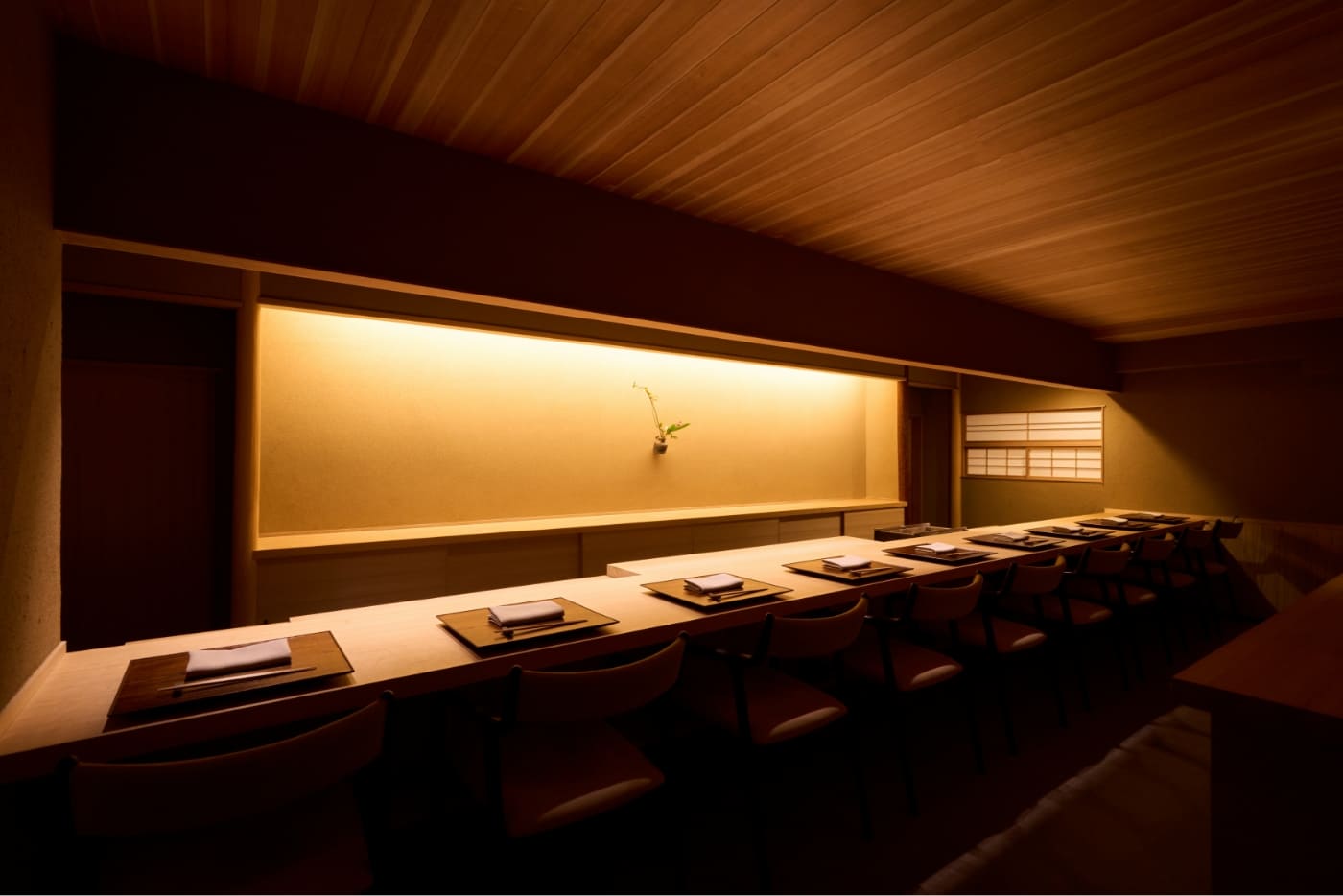
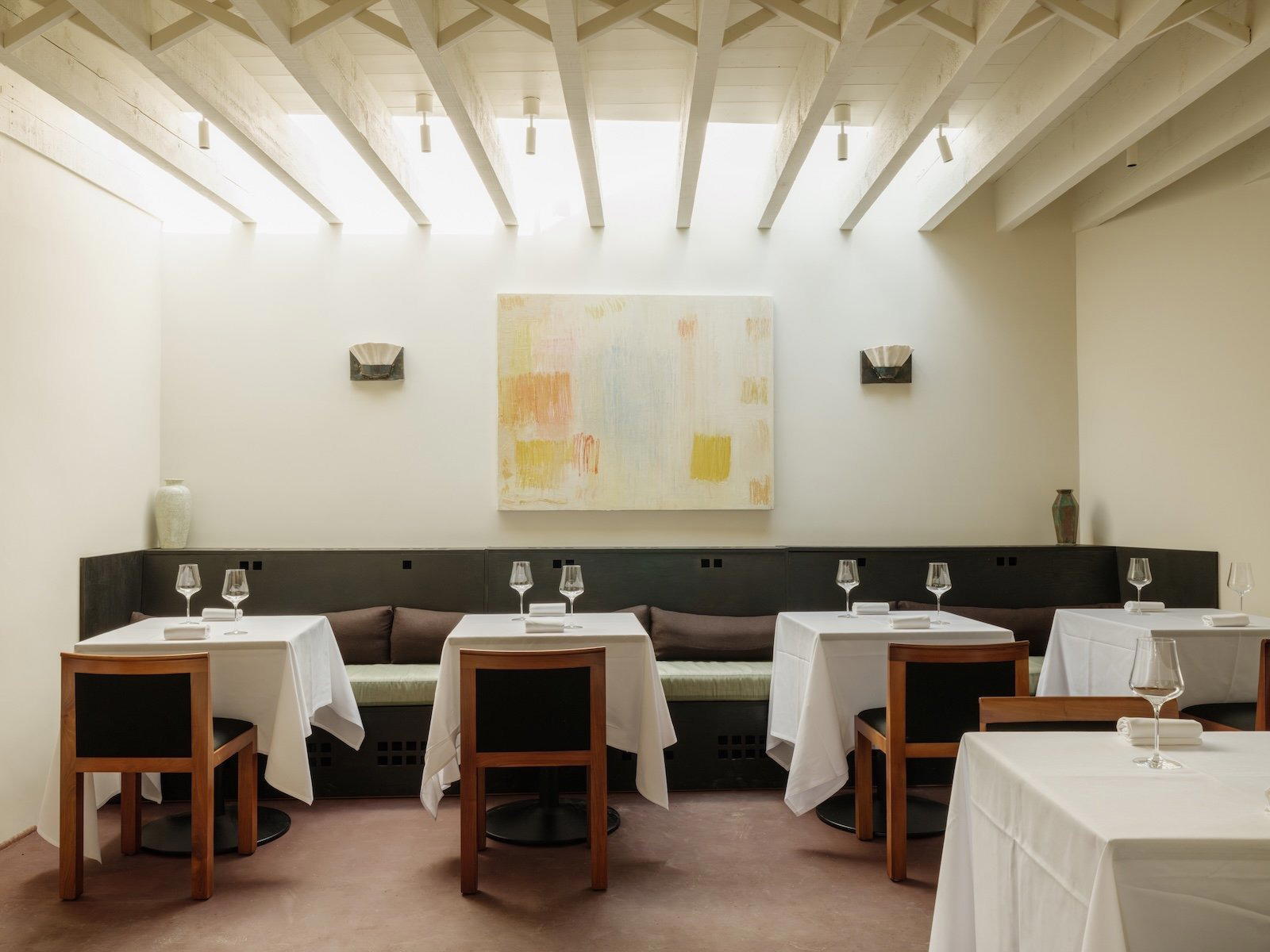
De Tuinkamer occupies an old greenhouse at the edge of the Priona gardens, and the architecture of that setting shapes the entire experience. The converted glass structure and the wave-landscape design of the surrounding gardens create a quietly enclosed, measured atmosphere that reframes expectations as you arrive. Chef Alwin Leemhuis treats the gardens as the primary source, so the room feels less like a stage for chefs’ signatures and more like an intimate room set aside for seasonal, garden-led compositions. The result is a calm, contemplative dining environment where place and plate are inseparable.
Best For
This is a place for diners who prize provenance and a strong sense of place. Because the menu is dictated by what is ready in the Priona gardens and changes weekly, De Tuinkamer suits those seeking a focused, thoughtful dining outing rather than a predictable menu. It reads as a destination for occasion-driven visits — quiet, attentive and rooted in horticultural practice — making it particularly well suited to date nights and special-occasion meals for guests willing to follow the chef’s ecological lead.
Ordering Tips
Expect to adapt to what the gardens provide: the menu changes each week in response to what is in condition, and the kitchen sources plants directly from the Priona estate. When you arrive, ask staff which items are coming from the gardens and which preparations reflect recent yields; that will give you the clearest sense of the meal. Because the sourcing comes first, plan to be flexible and to privilege dishes that showcase the garden ingredients rather than seeking fixed, long-standing signatures.
Venue details
Ambiance
Cozy and relaxed atmosphere in a beautifully decorated former industrial greenhouse amidst stunning gardens, creating an intimate and nature-immersed dining experience.
Tags
Vibe
Best For
Experience
Sourcing
View
At the Table
- Dress Code
- Smart Casual
- Noise Level
- Quiet
- Service Style
- Upscale Casual
- Meal Pacing
- Leisurely
- Capacity
- Intimate
- Kitchen
- Seasonal
- Menu Format
- Set menu
- Wine Program
- Curated
- Dietary
- Vegetarian friendly
- Outdoor Seating
- Yes
Know before you go
Know Before You Go
- Getting there
- Rondweg 1a, 7777 SM Schuinesloot, Netherlands
Planning details
Location
Recognition and awards
Also consider
Also Consider
- De Librije, €€€€ · Modern Cuisine, €€€€
- 't Nonnetje, €€€€ · Creative, €€€€
- De Lindehof, Contemporary Dutch, Creative, €€€€
- De Nieuwe Winkel, €€€€ · Organic, €€€€
- Fred, €€€€ · Creative French, €€€€
Restaurant context
If you are choosing between De Tuinkamer and the top end of the Dutch plant-forward and creative dining market, the key variable is formality and price. De Nieuwe Winkel in Nijmegen is the most direct stylistic comparison: both kitchens prioritise plant material and ecological sourcing, but De Nieuwe Winkel operates at a confirmed €€€€ price point with a more urban, design-led setting. De Tuinkamer's price tier is not publicly confirmed, but its rural greenhouse format and easy booking difficulty suggest a more accessible entry point. If the physical setting matters to you and you want the food to feel genuinely connected to a landscape rather than to a design concept, De Tuinkamer has the stronger case.
De Librije in Zwolle and 't Nonnetje in Harderwijk are both €€€€ creative restaurants with serious reputations, but they are not plant-forward in the same structural way and they require more advance planning. De Lindehof in Nuenen offers Contemporary Dutch cooking at the €€€€ tier and is worth considering if you want a country-house format with broader menu range. None of these comparisons offer the specific combination of working estate gardens, ecological provenance, and weekly menu rotation that defines De Tuinkamer's proposition.
For diners who have already covered the top-tier Dutch options and want something that feels different in kind rather than just in style, De Tuinkamer is the more interesting next booking. The easy booking difficulty is a genuine advantage: you are not competing with six-month waitlists. The trade-off is location, Schuinesloot requires deliberate travel, and the seasonal window means you cannot visit year-round. Plan around the April-to-Christmas calendar and treat the journey as part of the experience.
Explore Schuinesloot
Around this place
Discover more on Pearl
Unlock the full De Tuinkamer guide in Pearl, including awards, comparisons, FAQs, planning details, and nearby places.
Compare De Tuinkamer
| Venue | Location | Cuisine | Awards | Price |
|---|---|---|---|---|
| De Tuinkamer | Schuinesloot | , | We're Smart World Top Restaurants 2025We're Smart World Top 100 2025 | , |
| De Librije | Zwolle | €€€€ · Modern Cuisine | Star Wine Lists 2026 · #12026 OAD Top Restaurants in Europe Ranked · #162026 La Liste Top Restaurants2026 Les Grandes Tables du Monde Members2026 Falstaff Restaurant Guide2025 OAD Top Restaurants in Europe Ranked · #202025 Michelin 3 StarsWe're Smart World Top Restaurants 2025We're Smart World Top 100 2025 | €€€€ |
| 't Nonnetje | Harderwijk | €€€€ · Creative | Star Wine Lists 20262026 La Liste Top Restaurants2026 Falstaff Restaurant Guide2025 OAD Classical in Europe Ranked · #294We're Smart World Top Restaurants 20252025 Michelin 2 Stars2025 La Liste Top Restaurants2024 OAD Classical in Europe Ranked · #3412024 Michelin 2 Stars | €€€€ |
| De Lindehof | Nuenen | Contemporary Dutch, Creative | 2025 OAD Classical in Europe Ranked · #3392025 La Liste Top Restaurants2024 OAD Classical in Europe Ranked · #3312024 Michelin 2 Stars2023 OAD Classical in Europe Recommended | €€€€ |
| De Nieuwe Winkel | Nijmegen | €€€€ · Organic | Star Wine Lists 2026 · #12026 OAD Top Restaurants in Europe Recommended2026 La Liste Top Restaurants2026 Falstaff Restaurant Guide2025 OAD Top Restaurants in Europe Ranked · #426We're Smart World Top Restaurants 20252025 La Liste Top Restaurants2025 The Best Chef One Knife2025 Michelin 2 Stars | €€€€ |
| Fred | Rotterdam | €€€€ · Creative French | 2026 Les Grandes Tables du Monde Members2026 La Liste Top Restaurants2026 Falstaff Restaurant Guide2025 La Liste Top Restaurants2025 Michelin 2 Stars2024 OAD Classical in Europe Ranked · #2632024 Michelin 2 Stars2023 OAD Classical in Europe Recommended | €€€€ |








How De Tuinkamer compares with similar nearby venues.
FAQ
Frequently Asked Questions
How far ahead should I book De Tuinkamer?
Book as early as you can, particularly for weekend visits between April and Christmas, which is the only window the restaurant operates. The combination of a short season, a weekly-changing menu, and a distinctive setting in Schuinesloot means demand concentrates into a narrow calendar. Mid-week slots may be more available, but there is no public booking data to confirm lead times precisely.
What should I order at De Tuinkamer?
There is no fixed menu to select from — chef Alwin Leemhuis builds the menu around what the Priona gardens are producing that week, with every dish containing at least 80% plants. You are eating whatever the garden dictates, not choosing from a static list. That format suits guests who trust the kitchen; if you need menu certainty in advance, this is not the right format for you.
What are alternatives to De Tuinkamer in Schuinesloot?
There are no direct comparators in Schuinesloot itself. For plant-forward cooking at a higher price point and with more formal credentials, De Nieuwe Winkel in Nijmegen is the reference in the Netherlands. For a different style of serious Dutch regional cooking, De Lindehof in Nuenen or 't Nonnetje in Harderwijk are worth the drive depending on your direction.
Is De Tuinkamer good for a special occasion?
Yes, with the right expectations. The setting — a former greenhouse surrounded by the monumental Priona gardens, which took 60 years to develop — provides genuine atmosphere without manufactured occasion. The weekly-changing garden menu makes it feel considered rather than generic. It works well for a celebration where the experience itself is the point, not a predictable luxury formula.
What should I wear to De Tuinkamer?
No dress code is documented, and the garden greenhouse setting suggests the tone is relaxed rather than formal. Practical, comfortable clothing appropriate for a rural setting in the Netherlands makes sense — the Priona gardens are part of the experience, and the converted greenhouse is unlikely to demand black-tie presentation. Confirm with the restaurant if you are uncertain.
Is De Tuinkamer good for solo dining?
The format — a set weekly menu driven by garden produce, in a greenhouse setting — translates well to solo dining if you are comfortable with a kitchen-led experience. There is no à la carte to negotiate alone. Booking difficulty is rated easy, which removes the usual friction for solo guests trying to secure a single seat at a desirable restaurant.