

Refectorio
Creative · Sardón de Duero
Restaurant in Sardón de Duero, Spain
 Book with Pearl
The Read
Monastery Estate Gastronomy
Price
$150–200per person
Dress
Formal
Why go
Refectorio earns its Michelin star inside a 12th-century monastery at Abadía Retuerta, where chef Marc Segarra's creative menus draw on estate produce, farm ingredients, and the bodega's own wines. The three-menu format with estate wine pairing makes this one of Spain's most coherent destination dining propositions for serious food and wine travelers. Book well ahead — this is a hard reservation.
About Refectorio
A Michelin-starred meal inside a 12th-century monastery, with wines made on the same estate — Refectorio earns its €€€€ price tag, but only if you commit to the full experience
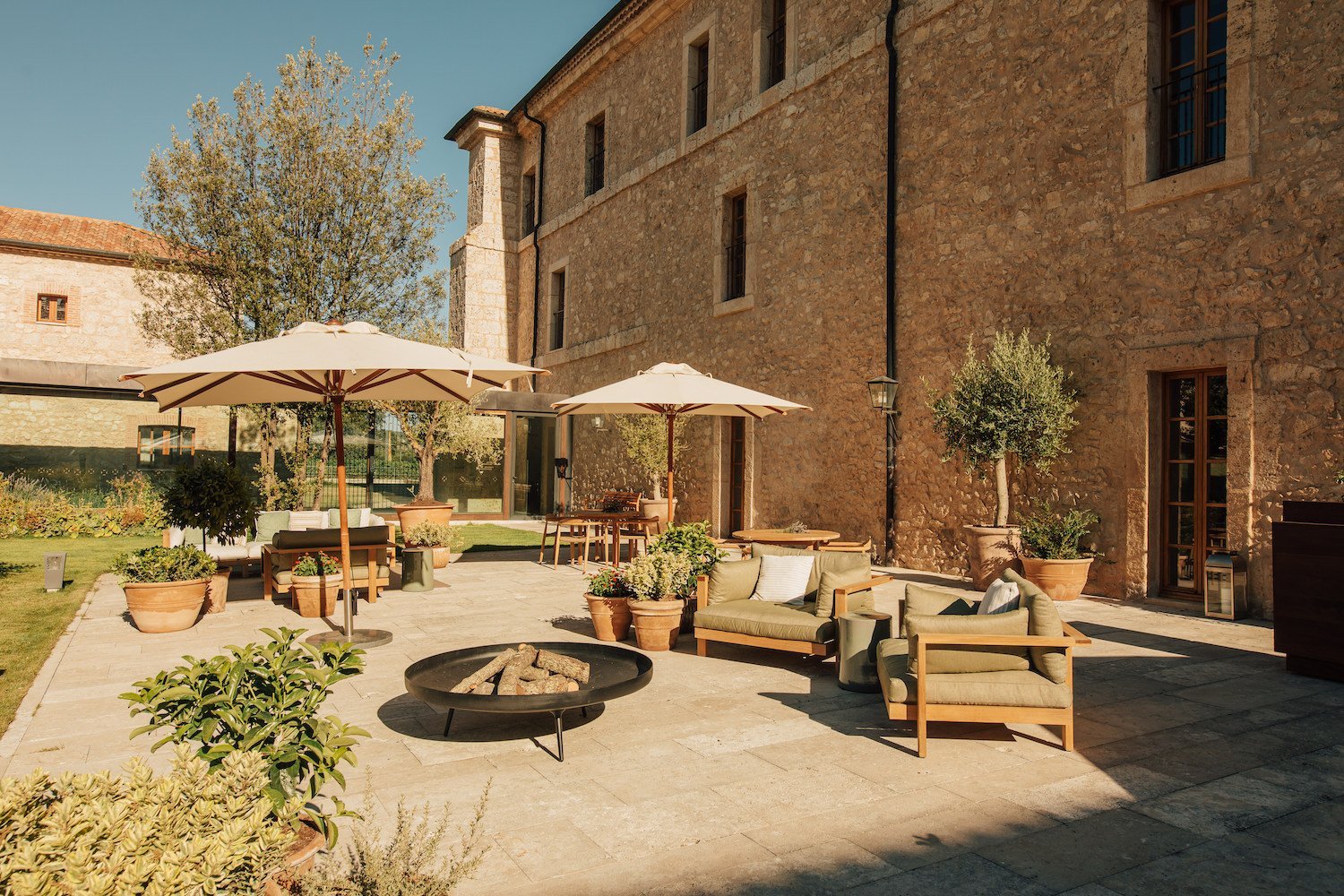
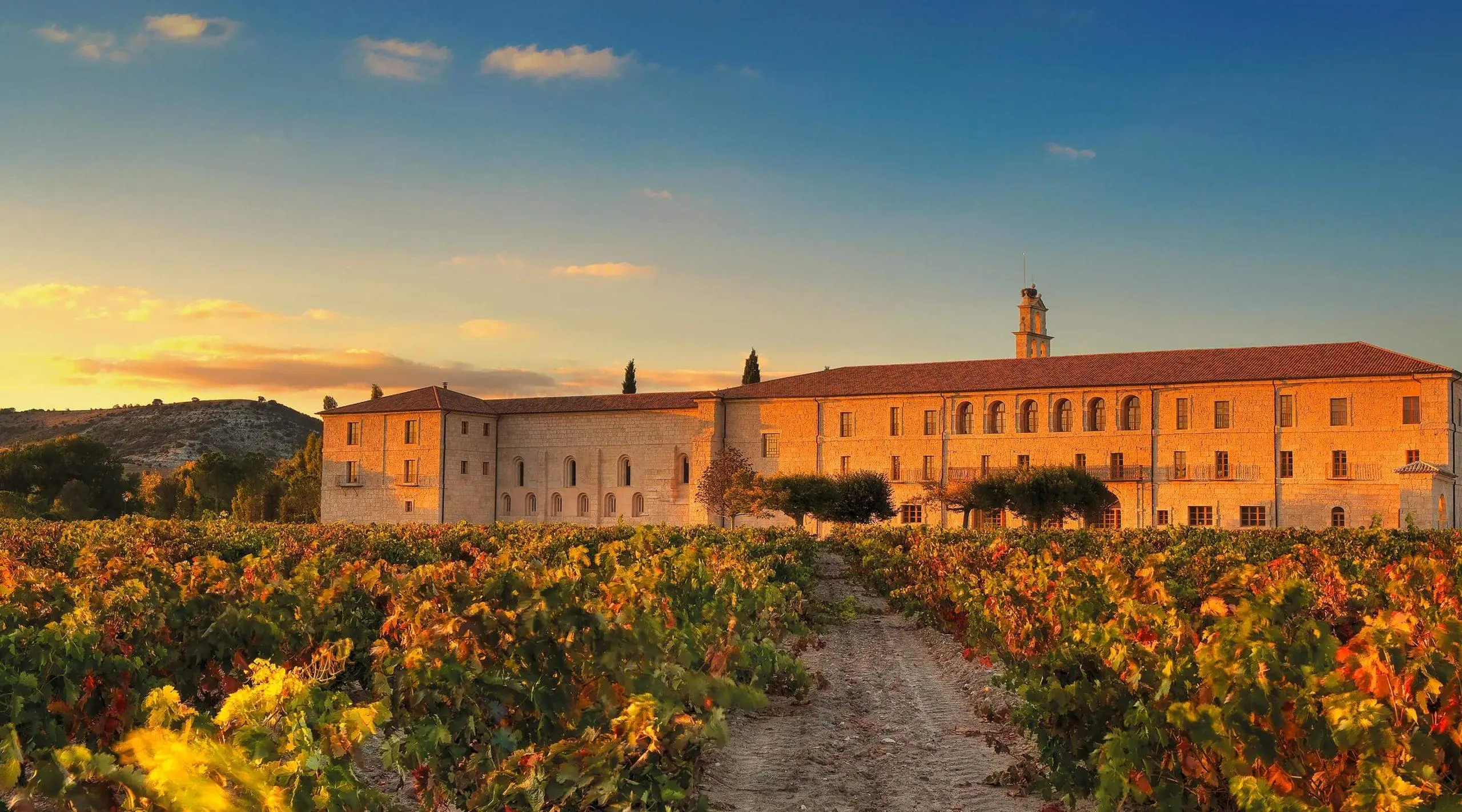
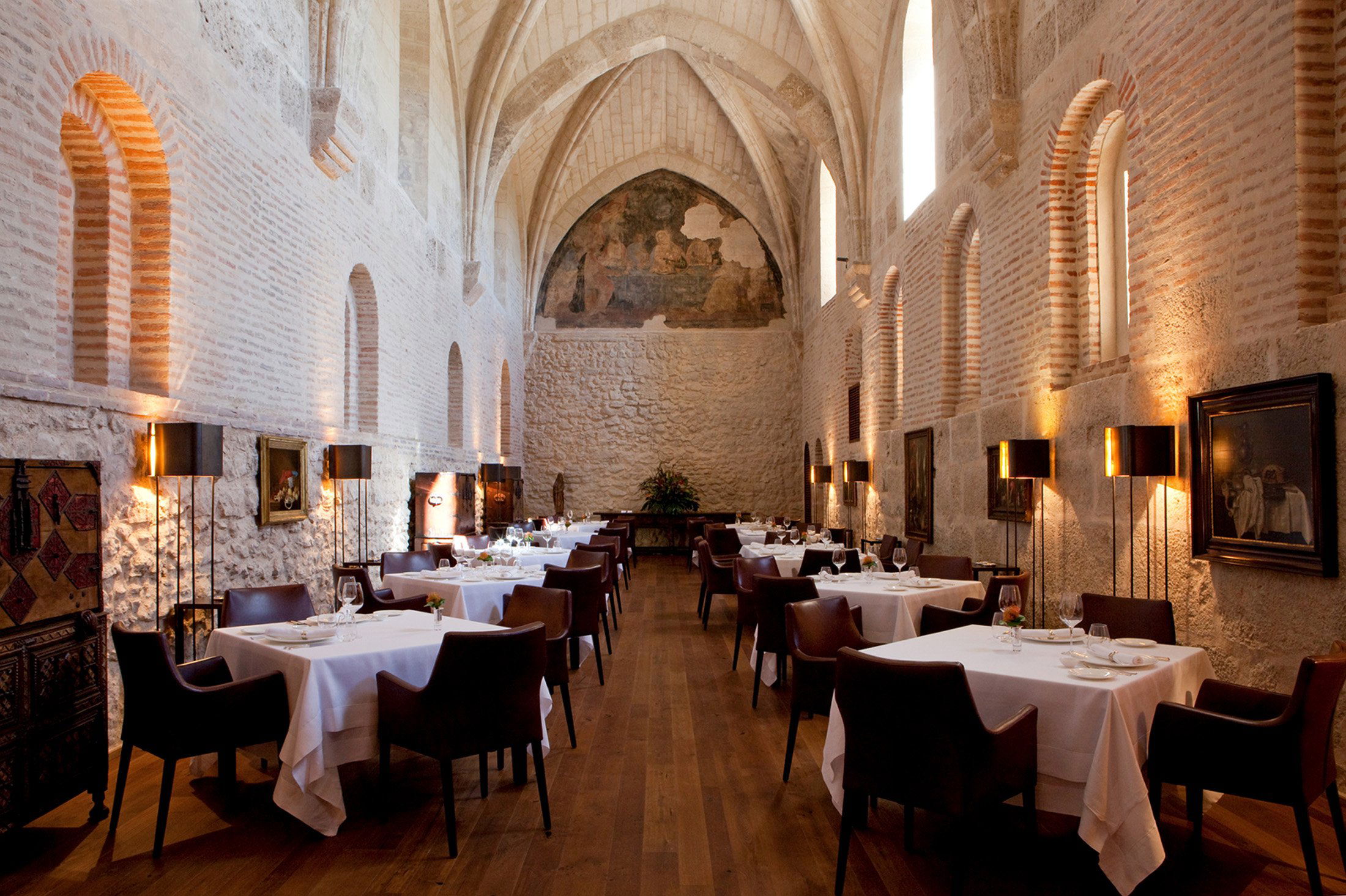
At the top end of Spain's creative dining tier, Refectorio is one of the few restaurants where the setting, the kitchen, and the wine program form a genuinely integrated argument for spending a serious amount of money. Dining here means eating inside the restored refectory hall of the Monastery of Santa María de Retuerta in Sardón de Duero — a structure that dates to the 12th century, with the estate's own vineyards visible through the windows and the bodega's private collection one floor below. For food and wine travelers who treat a restaurant visit as a full-day commitment rather than a meal, this is a strong candidate for a dedicated trip from Valladolid or Salamanca.
What the Kitchen Does
Chef Marc Segarra, originally from Reus in Catalonia, runs a creative menu built around three distinct offerings: Terroir, Origin, and Legacy. Each is structured as a tasting format with wine-pairing options that draw directly from Abadía Retuerta's own production, an advantage that sharply separates Refectorio from most Michelin-starred contemporaries, where wine pairings are assembled from elsewhere. The kitchen's use of lees, the sediment produced during wine fermentation, as a functional cooking ingredient in both a monkfish emulsion and the house butter is a technically interesting move: it creates a direct sensory link between the wine cellar downstairs and the plate in front of you. This is not decorative theming. It reflects a coherent approach to using the estate as a larder and a laboratory simultaneously.
Seasonal produce comes from the monastery's own farm, supplemented by small-scale local producers from across Castilla y León. The 14th-century escabeche is flagged in Michelin's assessment as a recommended dish, a preparation that references the monastery's medieval history while remaining clearly a product of contemporary technique. This is the clearest expression of what Segarra's kitchen does well: using historical context as creative structure rather than costume. Compared to the more freeform avant-garde registers of Mugaritz in Errenteria or the Asian-inflected provocation of DiverXO in Madrid, Refectorio operates in a more anchored, terroir-driven mode, closer in spirit to Atrio in Cáceres in how it fuses place, heritage, and serious cooking without losing accessibility.
The Setting as a Decision Factor
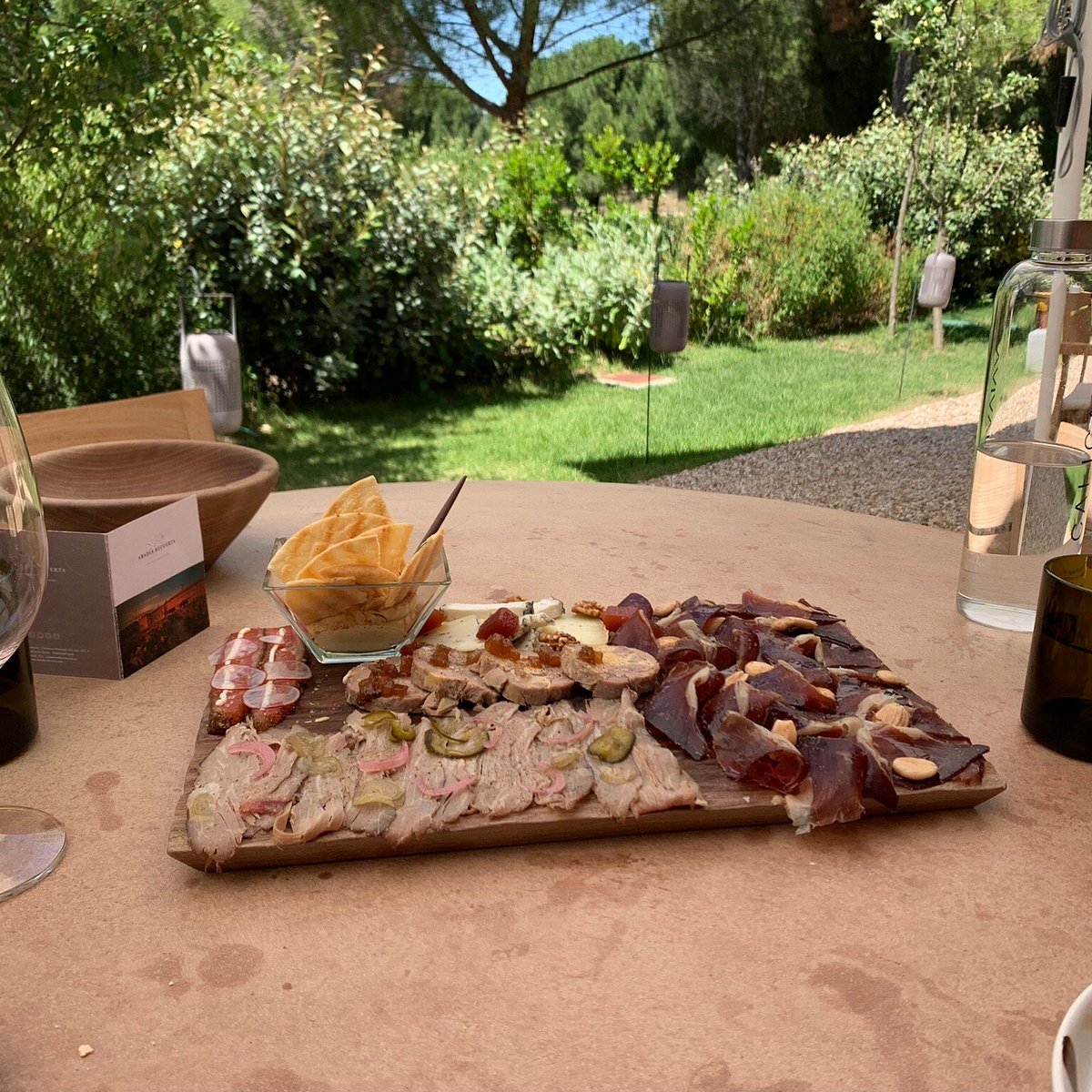
The aperitif sequence begins in La Cueva, the bodega's private collection space, before guests move into the dining room itself. This matters logistically: plan for a longer experience than a standard tasting-menu dinner. The monastery setting is not incidental. Arriving in daylight, when the vineyards and the Romanesque cloister are visible, significantly changes the experience compared to a purely evening visit. Michelin specifically cites the setting as part of the restaurant's case, which is unusual, most starred citations focus exclusively on the food. The fact that the environment is foregrounded in the award language tells you something about how integrated the whole proposition is.
Refectorio earned its first Michelin star in 2024. That makes it a relatively recent addition to Spain's starred dining map, though Abadía Retuerta as an estate has operated at a high level for considerably longer. The restaurant has been functioning as the estate's fine-dining anchor for years before the formal recognition arrived, which means the team is not in an adjustment phase. This is a kitchen and service operation that has been running at this level consistently, now with external validation behind it.
Service and Wine
Michelin describes the service at Refectorio as both spectacular and precise, strong language in a citation that tends toward understatement. The wine program is the obvious strength here relative to peers: tasting Abadía Retuerta's own vintages in the space where the wine was made, in a building that predates the estate's modern winemaking operation by several centuries, adds a layer of context that a wine list from an external supplier cannot replicate. For serious wine travelers, particularly those interested in the Ribera del Duero appellation, this alone justifies the visit. See our full Sardón de Duero wineries guide for broader context on the appellation and what else is worth visiting in the area.
Know Before You Go
- Price tier: €€€€, plan for a full tasting-menu spend with wine pairing on leading
- Menu formats: Three options, Terroir, Origin, and Legacy, all with wine-pairing availability
- Booking difficulty: Hard, this is a destination restaurant inside a hotel estate with limited covers; book as far in advance as possible
- Leading timing: Arrive in daylight to make full use of the estate, the vineyard views, and the pre-dinner La Cueva aperitif sequence
- Getting there: Sardón de Duero is in Valladolid province; driving is the practical option, the estate is not served by public transport
- Awards: Michelin 1 Star (2024)
- Dietary restrictions: Contact the estate directly well ahead of your visit, no public policy is listed, but a kitchen at this level should be able to accommodate with advance notice
Who Should Book
Refectorio is the right choice if you are a food and wine traveler who wants a single experience that combines serious creative cooking, estate wine in context, and a setting with genuine historical weight, and who is willing to structure a trip around the restaurant rather than treating it as one stop among several. It is not the right choice if you want an urban dining experience, need a quick lunch, or are primarily focused on the most technically experimental edge of Spanish creative cooking. For that register, Mugaritz or Arzak in San Sebastián are better fits. But for the specific combination of winery dining, medieval architecture, and Michelin-level execution, Refectorio has no direct equivalent in the Duero Valley. Explore our full Sardón de Duero restaurants guide, hotels guide, and experiences guide to plan the wider trip.
Located inside
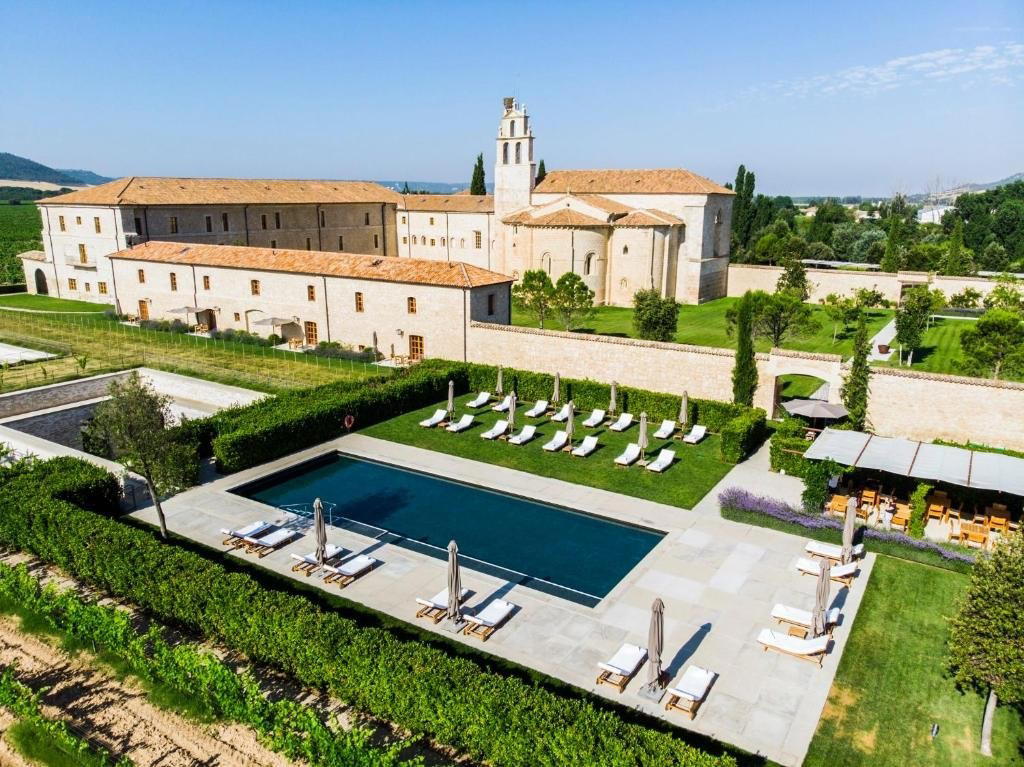 HotelAbadía Retuerta LeDomaineFull hotel guide
Planning details
- Hours
- Location
- Location
- Monastery of Santa María de Retuerta, 122 Km. 332, 5, 47340 Retuerta, Valladolid, Spain
- Reservations
- Book on CoverManager
- Website
- abadia-retuerta.com/restaurantes-valladolid/refectorio-estrella-michelin
- Phone
- +34 983 68 76 00
The take
The Take
The Vibe
Refectorio inhabits an estate-scale sense of place: you arrive along the Duero through vineyards and pass a Romanesque abbey before dining in the monastery’s old refectory. Vaulted ceilings, stonework and measured proportions supply most of the atmosphere, lending the room a classic, serene dignity rather than flashy design flourishes. The kitchen’s roots in the estate’s agriculture and vineyards reinforce a scenic, terroir-driven mood—intense, composed and quietly theatrical—so the overall impression is of refined country dining grounded in history and the land that surrounds it.
Best For
This is a dinner destination for diners seeking a considered, terroir-led Michelin experience in the heart of Castilla y León. It suits date nights, business dinners and special celebrations that call for formal service, tasting menus and a setting with genuine historical weight. The estate context makes it particularly appealing to guests who value provenance—farm-to-table sourcing and vineyard-minded gastronomy—and to travelers who want a culinary anchor while exploring the region’s wines and landscape.
Ordering Tips
Menus at Refectorio revolve around estate-driven tasting sequences; the Terruño, Origin and Legacy menus are the clearest way to experience the kitchen’s philosophy. The description recommends understanding the estate’s sourcing structure before you arrive, so plan to take a multi-course menu rather than à la carte and ask your server about the provenance of standout items like the local lamb. Given the restaurant’s formal, tasting-menu focus and Michelin recognition, book ahead for dinner and allow the kitchen to guide pairings and sequencing.
Venue details
Ambiance
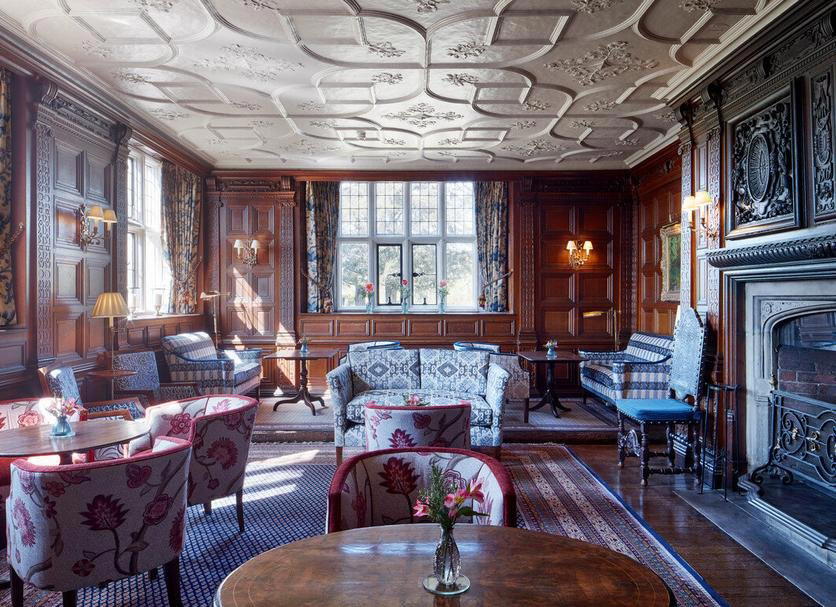
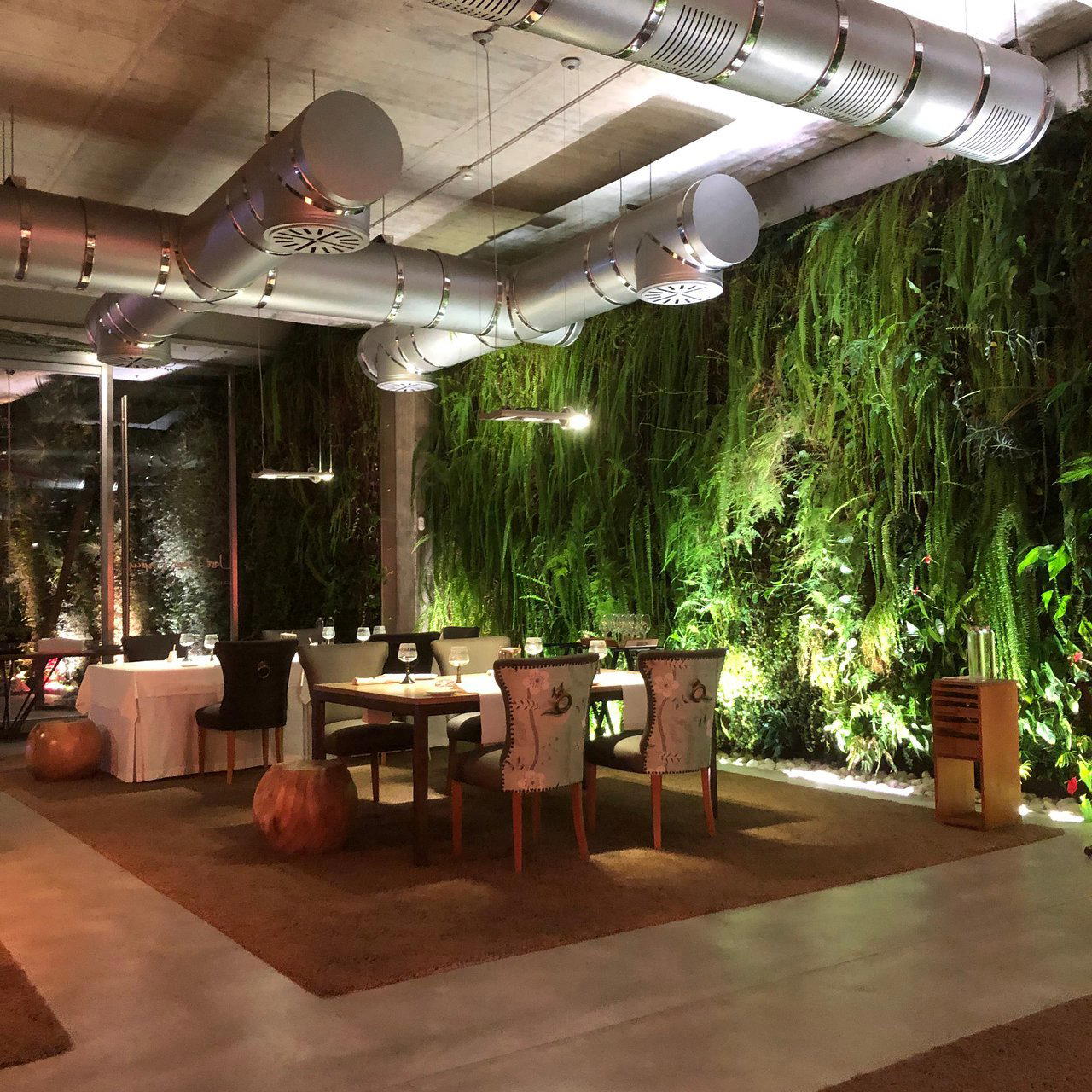
Elegant and historic with grand vaulted ceilings, soft lighting, and a refined atmosphere that feels both luxurious and contemplative, housed in a former monks' refectory.
Tags
Vibe
Best For
Experience
Sourcing
View
Accessibility
At the Table
- Dress Code
- Formal
- Noise Level
- Quiet
- Service Style
- Formal
- Meal Pacing
- Extended Experience
- Capacity
- Intimate
- Kitchen
- Modern
- Menu Format
- Tasting menu, Prix fixe
- Wine Program
- Exceptional
- Drinks Focus
- Wine pairing, Local wines, Repsol-rated wine program
- Dietary
- Allergy accommodating, Vegetarian friendly
- Private Dining
- Available
- Outdoor Seating
- Yes
Signature Dishes
- Terruño menu
- Origin menu
- Legacy menu
- local lamb
Know before you go
Know Before You Go
- Getting there
- Monastery of Santa María de Retuerta, 122 Km. 332, 5, 47340 Retuerta, Valladolid, Spain
Planning details
Hours
Location
Location
Monastery of Santa María de Retuerta, 122 Km. 332, 5, 47340 Retuerta, Valladolid, Spain · Directions
abadia-retuerta.com/restaurantes-valladolid/refectorio-estrella-michelin
Recognition and awards
Also consider
Also Consider
- Aponiente, Progressive - Seafood, Creative, €€€€
- Arzak, Modern Basque, Creative, €€€€
- Azurmendi, Progressive, Creative, €€€€
- Cocina Hermanos Torres, Creative, €€€€
- DiverXO, Progressive - Asian, Creative, €€€€
Restaurant context
At €€€€, Refectorio sits in the same price tier as Spain's most celebrated creative kitchens, but it occupies a different decision category from most of them. DiverXO in Madrid and Mugaritz in Errenteria push harder at the experimental edge, DiverXO with three stars and an Asian-inflected avant-garde program, Mugaritz with a conceptually demanding format that divides opinion. Refectorio's creative register is more grounded and more immediately accessible, which makes it a stronger choice for travelers who want serious cooking without the deliberate challenge of those kitchens. If your priority is the most technically daring meal in Spain, DiverXO wins. If you want a meal that rewards a food and wine traveler with depth and context rather than provocation, Refectorio has a strong case.
Azurmendi in Larrabetzu is the clearest value comparison: three Michelin stars at a similar price point, with a similarly strong integration of setting, sustainability narrative, and Basque terroir. Azurmendi is easier to access from Bilbao and carries more formal recognition. Refectorio's advantage is the wine, eating inside an estate winery with your pairing poured from that same bodega is a specific experience that Azurmendi does not replicate. Cocina Hermanos Torres in Barcelona delivers two Michelin stars in a more urban, accessible format with a different creative sensibility; it is a better option for travelers already in Catalonia who want creative Spanish cooking without a dedicated journey.
Arzak in San Sebastián and Aponiente in El Puerto de Santa María both offer immersive destination experiences at three-star level, meaning that if you are already committing to a trip built around a restaurant, those two raise the ceiling on what €€€€ delivers. Refectorio's positioning is distinct: it is the right choice when the Duero Valley, estate wine, and medieval architecture are already part of your itinerary, or when you want a one-star experience with a physical setting and wine program that punches above that formal designation.
Around this place
Discover more on Pearl
Unlock the full Refectorio guide in Pearl, including awards, comparisons, FAQs, planning details, and nearby places.
Compare Refectorio
| Venue | Cuisine | Awards | Booking Difficulty |
|---|---|---|---|
| Refectorio | Creative | Guía Repsol Soles 20262026 Michelin 1 Star2025 Michelin 1 Star2024 Michelin 1 Star | Hard |
| Aponiente | Progressive - Seafood, Creative | 2026 OAD Top Restaurants in Europe Ranked · #62Guía Repsol Soles 20262026 Michelin 3 Stars2026 La Liste Top Restaurants2025 OAD Top Restaurants in Europe Ranked · #632025 World's 50 Best Restaurants · #84Chef's Table Featured Restaurants · 20252025 Michelin 3 Stars2025 The Best Chef Three Knives | Unknown |
| Arzak | Modern Basque, Creative | 2026 OAD Top Restaurants in Europe Ranked · #102Star Wine Lists 2026Guía Repsol Soles 20262026 La Liste Top Restaurants2026 Michelin 3 Stars2025 OAD Top Restaurants in Europe Ranked · #1252025 The Best Chef Two Knives2025 Michelin 3 Stars2025 La Liste Top Restaurants | Unknown |
| Azurmendi | Progressive, Creative | 2026 OAD Top Restaurants in Europe Ranked · #25Star Wine Lists 2026Guía Repsol Soles 20262026 La Liste Top Restaurants2026 Michelin 3 Stars2026 Falstaff Restaurant Guide2025 OAD Top Restaurants in Europe Ranked · #19We're Smart World Top Restaurants 20252025 La Liste Top Restaurants | Unknown |
| Cocina Hermanos Torres | Creative | Star Wine Lists 2026 · #12026 OAD Top Restaurants in Europe Ranked · #40Guía Repsol Soles 20262026 La Liste Top Restaurants2026 Michelin 3 Stars2026 Falstaff Restaurant Guide2025 OAD Top Restaurants in Europe Ranked · #352025 World's 50 Best Restaurants · #78We're Smart World Top Restaurants 2025 | Unknown |
| DiverXO | Progressive - Asian, Creative | 2026 OAD Top Restaurants in Europe Ranked · #7Guía Repsol Soles 20262026 La Liste Top Restaurants2026 Michelin 3 Stars2025 World's 50 Best Restaurants · #42025 OAD Top Restaurants in Europe Ranked · #62025 La Liste Top Restaurants2025 The Best Chef Three Knives2025 Michelin 3 Stars | Unknown |











What to weigh when choosing between Refectorio and alternatives.
FAQ
Frequently Asked Questions
Can I eat at the bar at Refectorio?
There is no bar dining format documented for Refectorio. The experience is structured around the dining room inside the monastery, with the aperitif sequence in La Cueva — the bodega's private collection space — as a precursor. If you are looking for a more informal entry point, this is not the venue for it.
Is Refectorio good for solo dining?
It is a workable solo experience if you are comfortable with long, structured tasting menus. The three menu options (Terroir, Origin, and Legacy) and wine pairing sequences are designed for absorption rather than conversation, which suits solo diners focused on food and wine. That said, the setting and pace reward those who want to linger, not those eating quickly between commitments.
Is lunch or dinner better at Refectorio?
No service hours are confirmed in the available data, so a firm lunch-versus-dinner call is not possible here. Given the monastery grounds and vineyard surroundings, daytime visits are likely to make more of the setting — but confirm current service times directly when booking.
What should a first-timer know about Refectorio?
The experience starts before you sit down: the aperitif in La Cueva is part of the format, not optional theatre. Chef Marc Segarra runs three distinct menus, so choose based on how deep you want to go rather than defaulting to the shortest option. At €€€€ pricing with a Michelin Star (2024), this is a full half-day commitment — plan your day around it, not into it.
Is the tasting menu worth it at Refectorio?
Yes, if you want creative cooking, estate wine pairings, and a setting that no urban restaurant can replicate in a single booking. The Michelin Star (2024) validates the kitchen, and the use of estate-produced lees in dishes like the monkfish with emulsion reflects genuine integration between the wine program and the menu. If you want à la carte flexibility or a shorter format, this is the wrong venue.
What are alternatives to Refectorio in Sardón de Duero?
There are no comparable alternatives within Sardón de Duero itself — Refectorio is the only serious dining destination at the Santa María de Retuerta estate. For creative Michelin-level cooking elsewhere in Spain, Azurmendi (Basque Country) or Cocina Hermanos Torres (Barcelona) offer similarly ambitious menus in distinct settings, without the estate-winery context.
Is Refectorio good for a special occasion?
It is one of the stronger choices in Spain for a milestone meal where setting, wine, and kitchen quality all need to land together. The combination of a 12th-century monastery, a Michelin Star, and an estate wine program with private collection access in La Cueva gives it a structure that most city restaurants cannot match for occasion dining.