
TARAZ
South American · Vila Bela Vista, São Paulo
Restaurant in São Paulo, Brazil
 Book with Pearl
The Read
Open-Fire South American
Dress
Smart Casual
Why go
TARAZ earns its Michelin Plate (2025) with South American cooking anchored by an open grill and Felipe Bronze's menu signature, inside the Rosewood São Paulo. At $$$, it sits in a competitive tier alongside Maní and above A Casa do Porco, and delivers most value when you book the terrace for dinner. A strong return-visit restaurant with genuine range to work through.
About TARAZ
TARAZ, São Paulo: Worth Returning For?
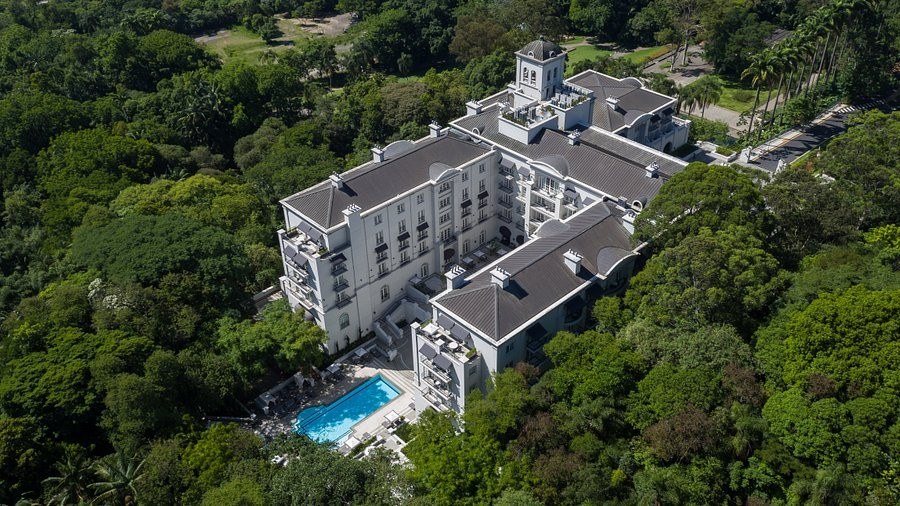
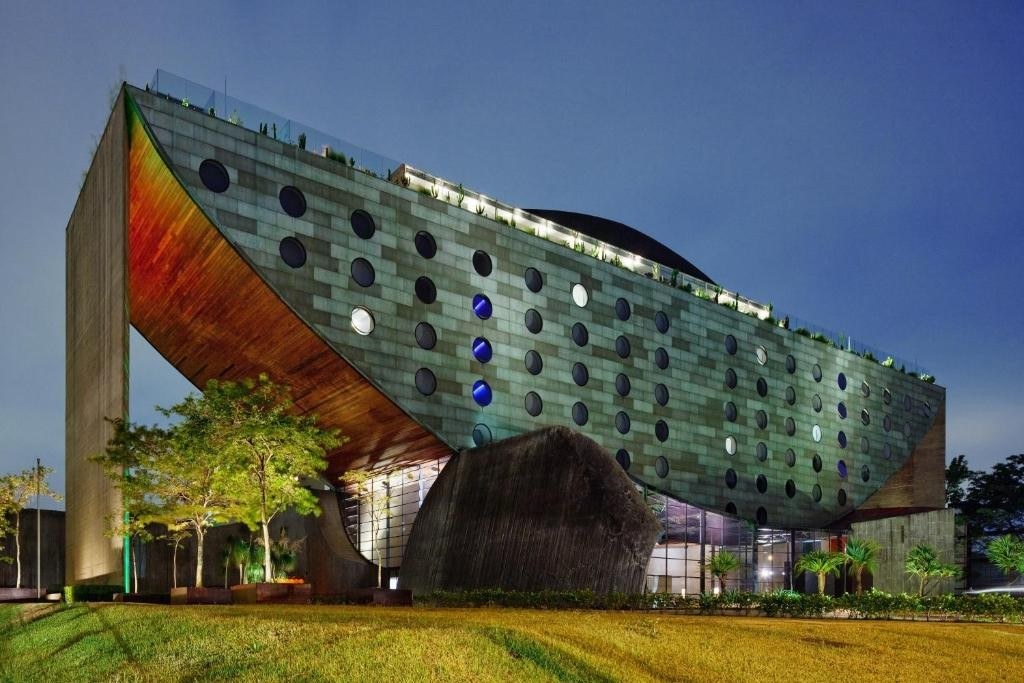
If you visited TARAZ once and left impressed, the question on a second visit is whether the experience holds up or whether the novelty carried most of the weight the first time. The short answer: it holds up. Situated inside the Rosewood São Paulo, a conversion of the historic Condessa Filomena Matarazzo Maternity hospital complex in Bela Vista, the restaurant benefits from a setting that does not age quickly. The open grill at the center of the cooking format gives the kitchen a physical anchor that stays consistent across visits, and the South American scope of the menu means there is genuine range to work through over multiple meals.
Chef Felipe Bronze's signature runs through the menu in a way that rewards repeat diners. If your first visit leaned on the tuna ceviche with caramelised peanuts, shiso, sesame, peanut milk, and crispy tapioca as an entry point into the kitchen's register, a return visit opens up the meatier terrain of the open grill and dishes like duck with tucupi (fermented manioc juice), sheep curd, and toasted pineapple. The latter is a genuinely Brazilian construction that earns its place on a $$$ menu. The kitchen draws ingredients from across South America, and the grill work gives the room its most distinctive quality: a slow, fat-rich smoke that settles into the dining space and signals what the kitchen is about before a dish arrives at the table.
Lunch vs. Dinner at TARAZ
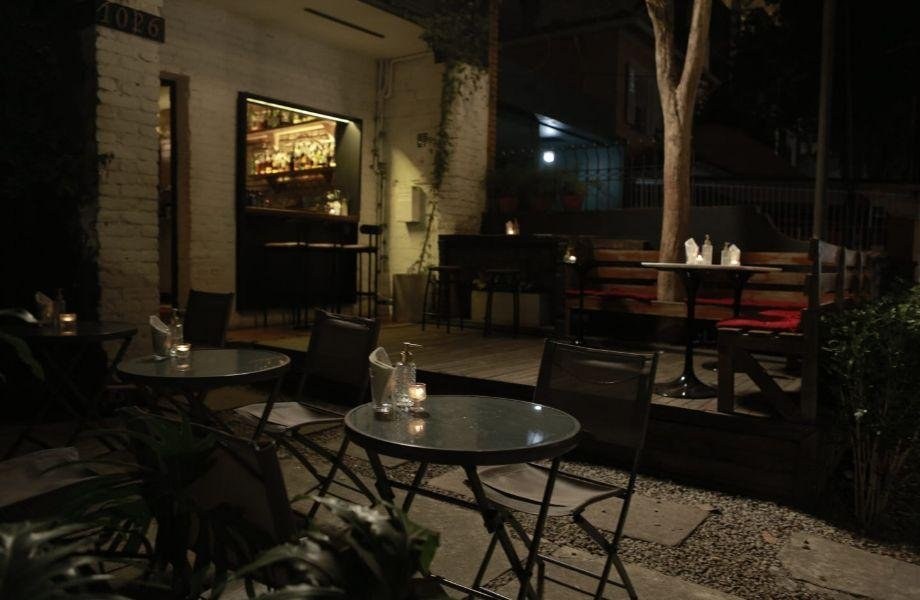
This is where the practical calculus matters for return visitors. TARAZ sits inside a five-star hotel, which means the evening format leans into occasion dining: the terrace is available, the room is set for a longer pace, and the full arc of the South American menu is in play. Dinner is the format to choose if you want the complete version of the kitchen. The terrace itself, which looks out over the Rosewood's converted architectural frame, changes the experience in a way that a table inside the main dining room does not replicate.
Lunch, by contrast, works well as a more contained meal. At $$$ pricing, a midday visit at TARAZ competes with some of the better standalone restaurants in São Paulo at the same price point, including Maní and Fame Osteria. For the hotel setting and the kitchen pedigree, the daytime format offers reasonable value if you keep the order tight. The Michelin Plate recognition (2025) applies to the kitchen as a whole, not a specific format, but it is the dinner experience that the Michelin assessors are most likely to have evaluated. If value is the deciding factor, lunch is the more efficient entry point. If the full experience is the point, book dinner and request the terrace.
How to Approach the Menu
On a second visit, resist the pull of the ceviche as an opener and push further into the grill-driven section of the menu. The tuna ceviche with caramelised peanuts and peanut milk is the dish most likely to have anchored your first impression, and it does what it does well, but the kitchen's ambition is more visible in the protein-forward dishes where the South American ingredient sourcing and the open fire technique combine. Duck with tucupi is the clearest example: tucupi is a fermented manioc juice used across northern Brazilian cuisine, and its sharp, slightly acidic character is a contrast to the richness of duck fat that takes some calibration to land correctly. The fact that it works here is the most useful signal about the kitchen's technical range.
For a table of two, the counter or terrace seating gives you access to the kitchen's rhythm in a way that a mid-room table does not. Groups of four or more should prioritise the terrace when available, particularly in the evening.
Ratings and Recognition
- Michelin Plate, 2025
- Price range: $$$
Booking
Booking difficulty at TARAZ is moderate. As a hotel restaurant at the Rosewood São Paulo, reservations can typically be made through the hotel directly, which gives it a slightly more accessible booking path than standalone destination restaurants like D.O.M. or Evvai, where demand is more concentrated and lead times are longer. For weekend dinner or terrace seating, book at least two weeks in advance. Weekday lunch is likely to have more availability.
Know Before You Go
- Address: R. Itapeva, 435, Bela Vista, São Paulo, SP 01332-000
- Price range: $$$
- Awards: Michelin Plate (2025)
- Setting: Inside the Rosewood São Paulo, a converted historic maternity hospital
- Chef: Felipe Bronze (menu signature)
- Cuisine: South American, open grill-focused
- Terrace: Available for alfresco dining; request in advance
- Booking difficulty: Moderate — two weeks minimum for weekend dinner
- Dress code: Not formally confirmed, but the Rosewood context warrants smart casual at minimum
Exploring Further in São Paulo and Beyond
TARAZ fits within a specific tier of São Paulo dining: hotel-anchored, Michelin-recognised, South American in scope. If you are building an itinerary around the city's serious restaurants, it pairs logically with Tuju for creative Brazilian cooking and Maní for Brazilian-international at the same price tier. For the broader São Paulo dining picture, see our full São Paulo restaurants guide. If you are staying in the city and want to think about where to drink or sleep, our São Paulo bars guide and São Paulo hotels guide cover the wider picture.
For South American cooking in a comparable register outside São Paulo, Oteque in Rio de Janeiro and Origem in Salvador are worth knowing. Further afield, Nuema in Quito and Amazónico in London represent the South American cuisine format in different geographic contexts. Within Brazil, Birosca S2 in Belo Horizonte, Mina in Campos do Jordão, Orixás North Restaurant in Itacaré, and State of Espírito Santo in Rio Bananal extend the picture of what Brazilian regional cooking is doing at a serious level.
FAQs
Is the tasting menu worth it at TARAZ?
At $$$ pricing with a Michelin Plate (2025) and Felipe Bronze's name attached, TARAZ justifies the spend if South American-focused cooking with open grill technique is the format you want. It is not the most technically ambitious kitchen in São Paulo at this price point, but the ingredient sourcing and the cooking coherence are strong enough to make it a worthwhile choice. If you want to push further into tasting-menu territory at a higher price, D.O.M. at $$$$ is the more demanding option.
What are alternatives to TARAZ in São Paulo?
At the same $$$ tier, Maní is the closest comparison: Brazilian-international, creative, and consistently well-regarded. For Japanese at the same price level, Jun Sakamoto is the reference point for sushi. If budget is a factor, A Casa do Porco at $$ gives you serious Brazilian cooking at a fraction of the price. For the $$$$ tier, Evvai is the contemporary Italian option with comparable ambition. See our full São Paulo restaurants guide for a broader set of options.
What should I order at TARAZ?
On a first visit, the tuna ceviche with caramelised peanuts, shiso, sesame, peanut milk, and crispy tapioca is the kitchen's clearest statement in a single dish. On a return visit, move toward the grill-driven mains: the duck with tucupi, sheep curd, and toasted pineapple is the dish that leading shows the kitchen's range and its Brazilian ingredient knowledge. Let the open grill section of the menu guide your choices.
Is TARAZ good for solo dining?
Yes, with some caveats. The hotel restaurant context and $$$ pricing make solo dining a considered spend, but the format works for a single diner who wants access to a Michelin-recognised kitchen without the full commitment of a tasting menu. Counter seating, if available, will give you the leading view of the kitchen's grill work. Weekday lunch is the most practical solo format at this venue.
Is TARAZ good for a special occasion?
It is a strong choice for a special occasion, particularly if the group values setting as much as food. The Rosewood São Paulo's converted hospital architecture is genuinely distinctive, and the terrace option adds a visual dimension that most São Paulo restaurants cannot offer. For a purely food-driven occasion at a higher spend level, D.O.M. or Evvai at $$$$ make a stronger case. TARAZ works well for occasions where the full hotel experience (drinks, setting, terrace) is part of the plan.
What should I wear to TARAZ?
No dress code is formally confirmed, but the Rosewood São Paulo context sets clear expectations: smart casual is the practical minimum for dinner. Shorts and casual beachwear will feel out of place. For lunch, the standard relaxes slightly, but the hotel setting means that business casual is a reasonable default. Observe what other diners are wearing if you arrive uncertain, and err toward slightly more dressed-up for an evening reservation.
Part of
Rosewood79 locations on PearlLocated inside
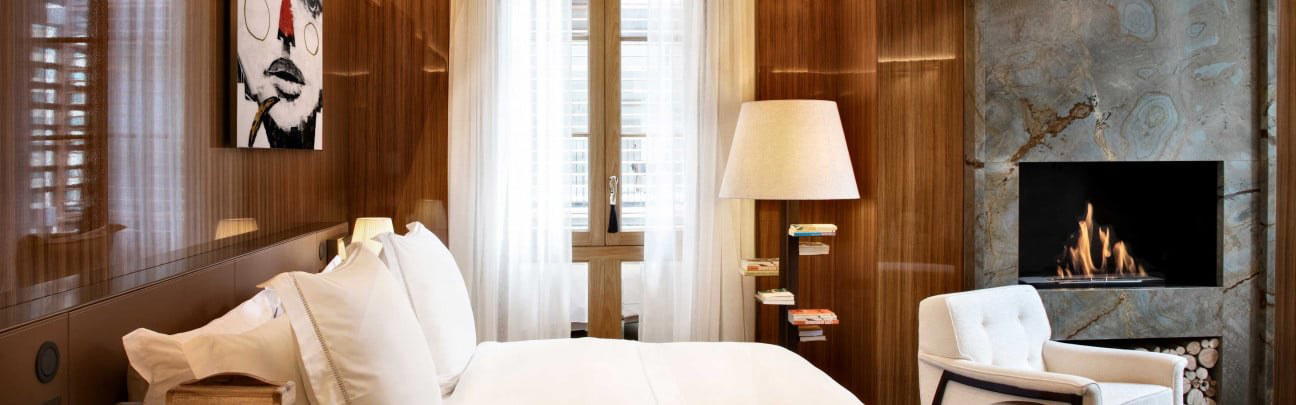 HotelRosewood São PauloFull hotel guide
Planning details
- Location
- R. Itapeva, 435 - Bela Vista, São Paulo - SP, 01332-000, Brazil
- Reservations
- Book on SevenRooms
- Website
- rosewoodhotels.com/pt/sao-paulo/dining/taraz
- Phone
- +55 11 3797-0500
The take
The Take
The Vibe
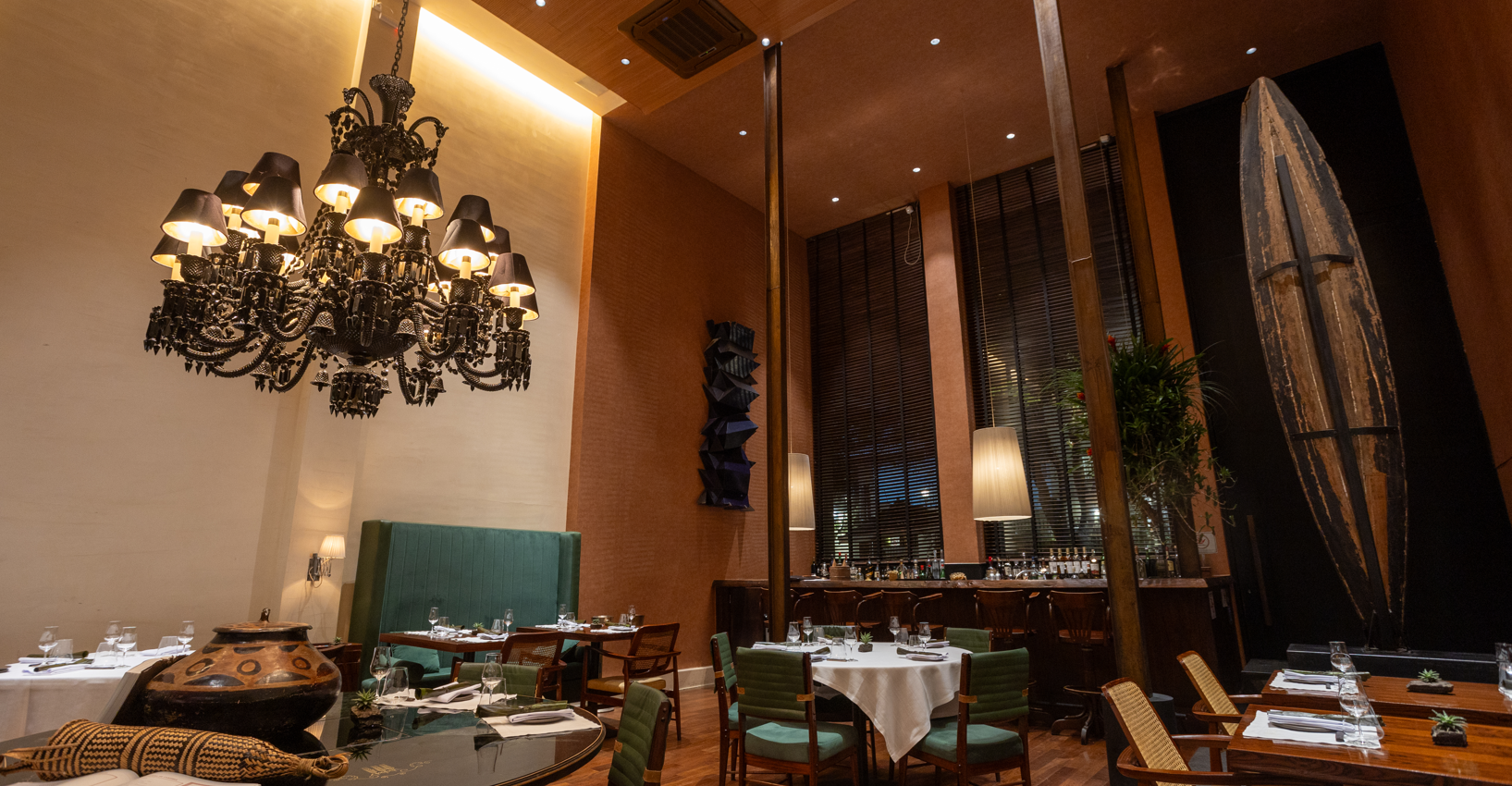
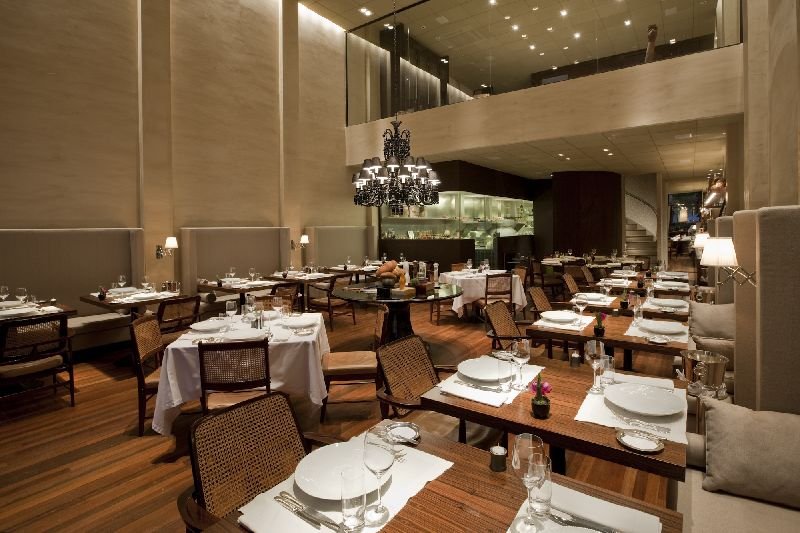
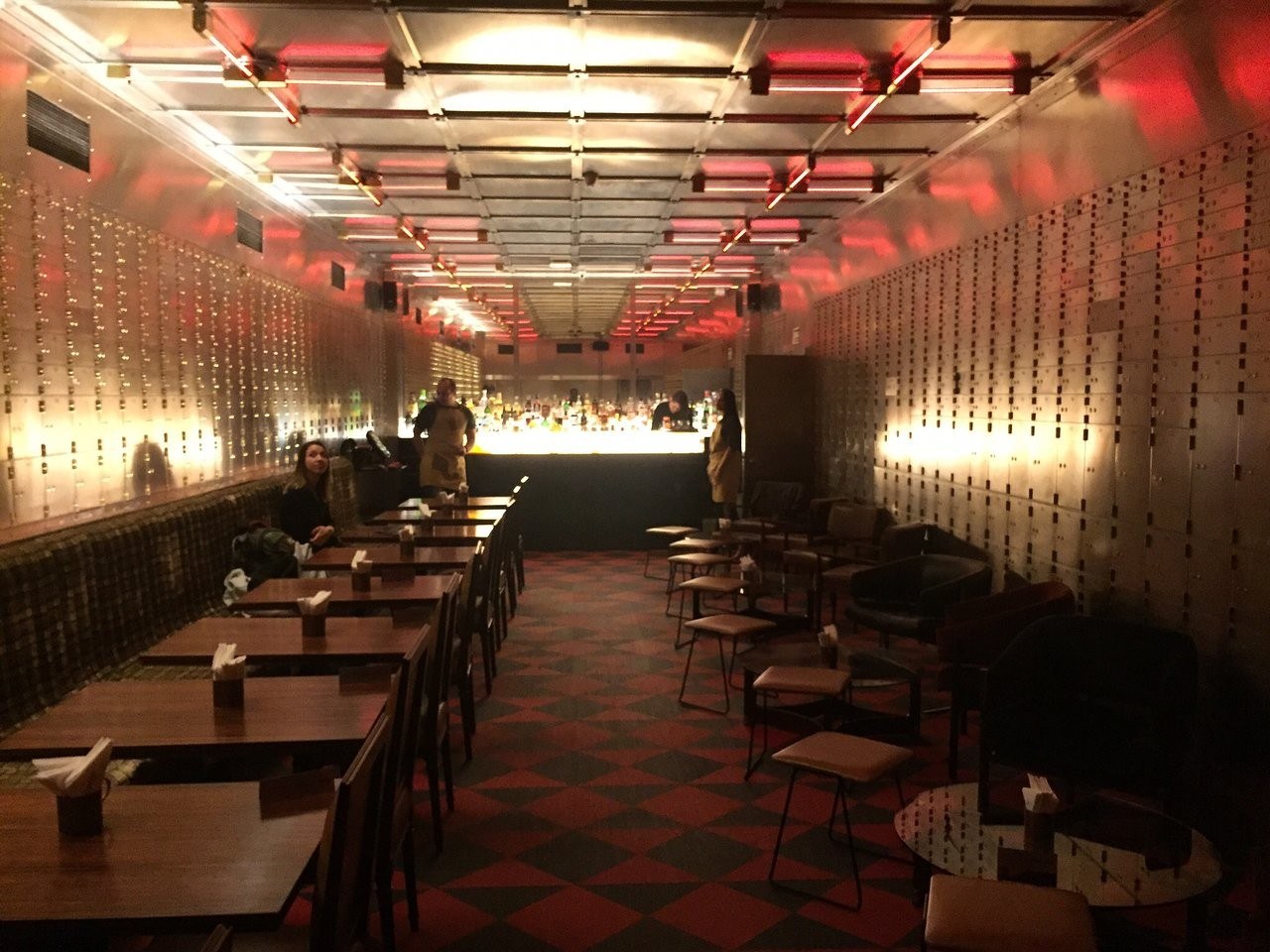
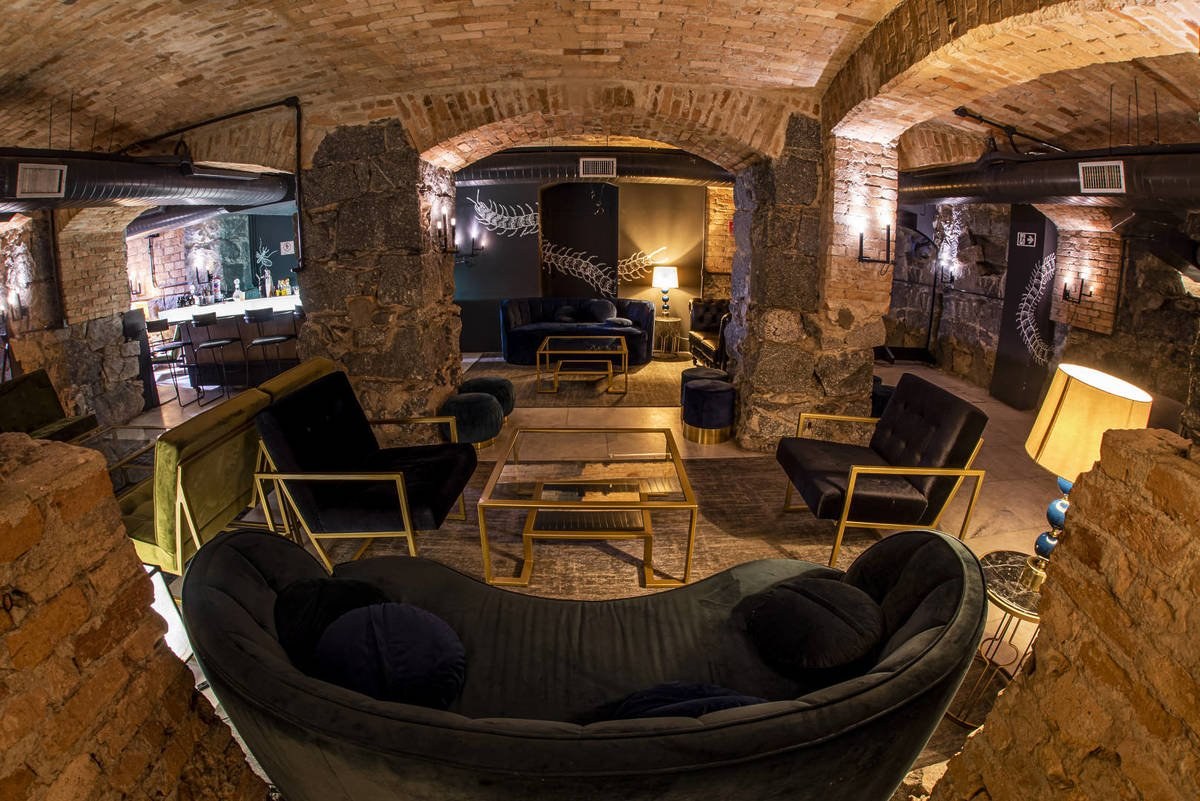
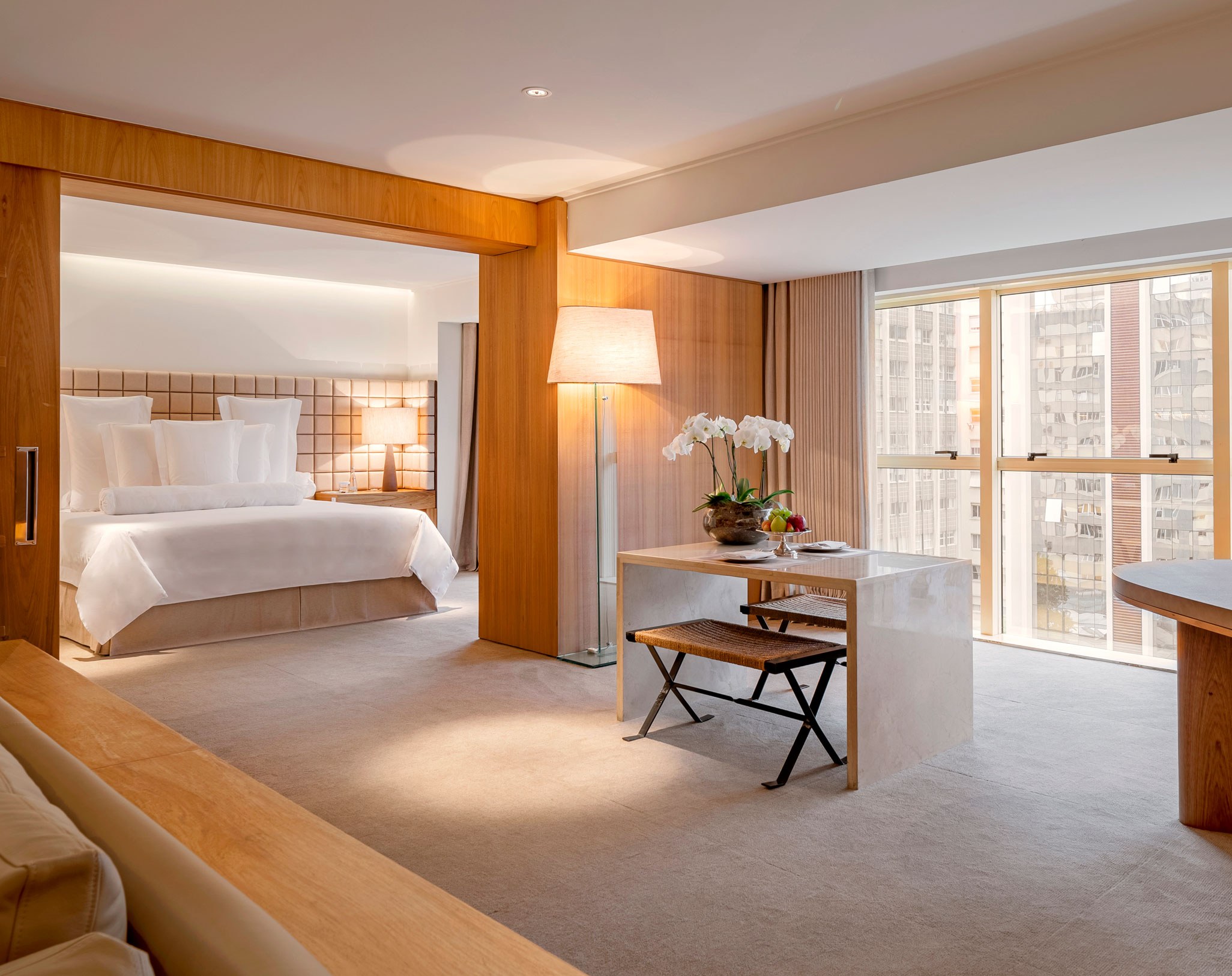
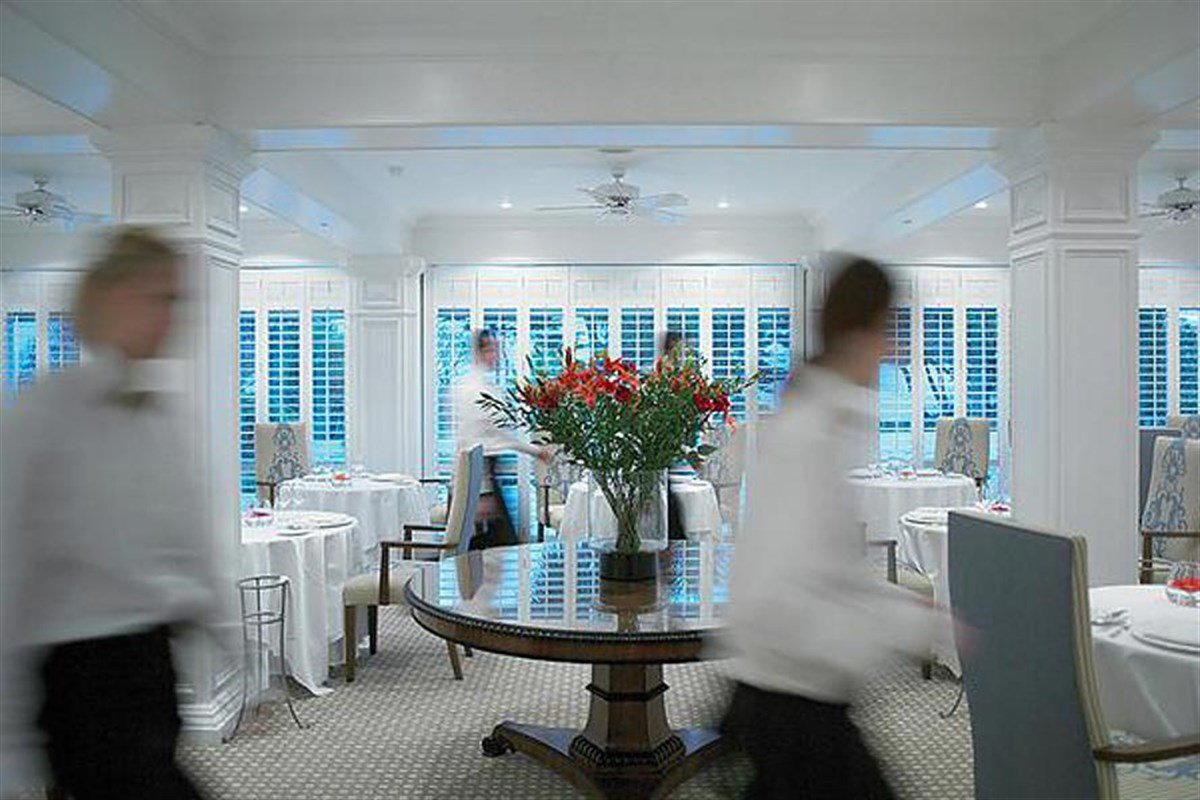
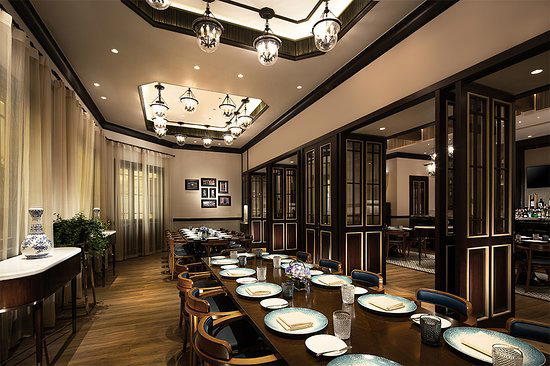
TARAZ occupies a converted, listed maternity hospital whose high ceilings, ornate facades and institutional corridors are softened into restrained luxury. The dining room feels like architecture in itself: a building with visible history that reframes the food’s drama. The menu’s organising principle — an open, char-forward grill — mirrors the strong bones of the space, so the cooking reads as an extension of the site rather than decoration. When the terrace is active, the tree-lined streets of Bela Vista and nearby Paulista Avenue add an alfresco, scenic layer, giving the whole place a sense of occasion grounded in local urban texture.
Best For
TARAZ suits nights when the architecture matters as much as the food: think memorable date nights, special occasions and hotel-based dining for visiting guests. Its alignment with South American fine-dining traditions — tasting-menu sequences, wine pairings and the theatre of service — positions it as a destination for diners seeking a composed, formal experience around the open grill. Groups that appreciate a considered progression from raw to charred will find the format rewarding, while the terrace option lets parties move between indoor refinement and alfresco atmosphere depending on the evening.
Ordering Tips
Opt for the tasting-menu rhythm if you want the restaurant’s full intent: the narrative of fire and char is the through-line, and the tasting sequence showcases how raw, grilled and sweet elements converse. Highlight dishes that emphasise that logic — the tuna and mango ceviches showcase the raw-to-cooked progression, while richer plates such as the black pork belly speak to the grill’s smoke and depth. Reserve the terrace when it’s open to enjoy the Bela Vista streetscape, and consider the wine pairing to complement the char-forward flavors and the restaurant’s focus on South American technique.
Venue details
Ambiance
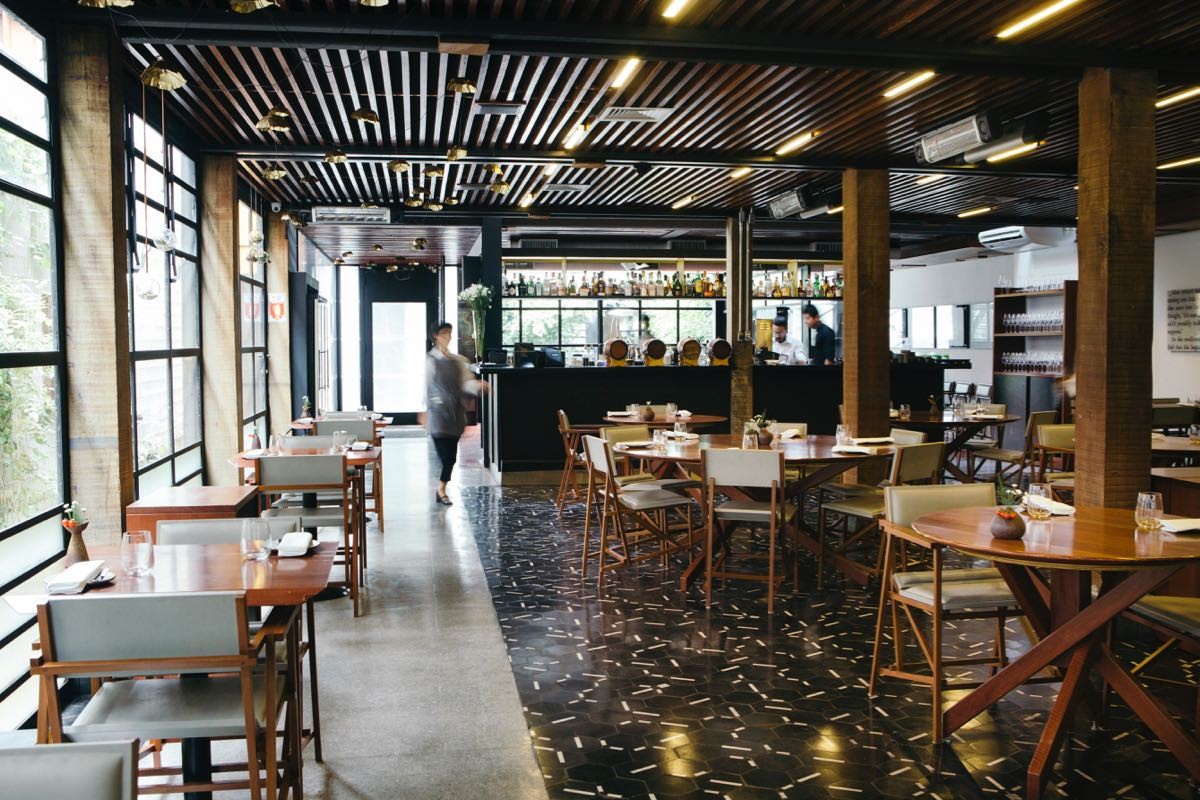
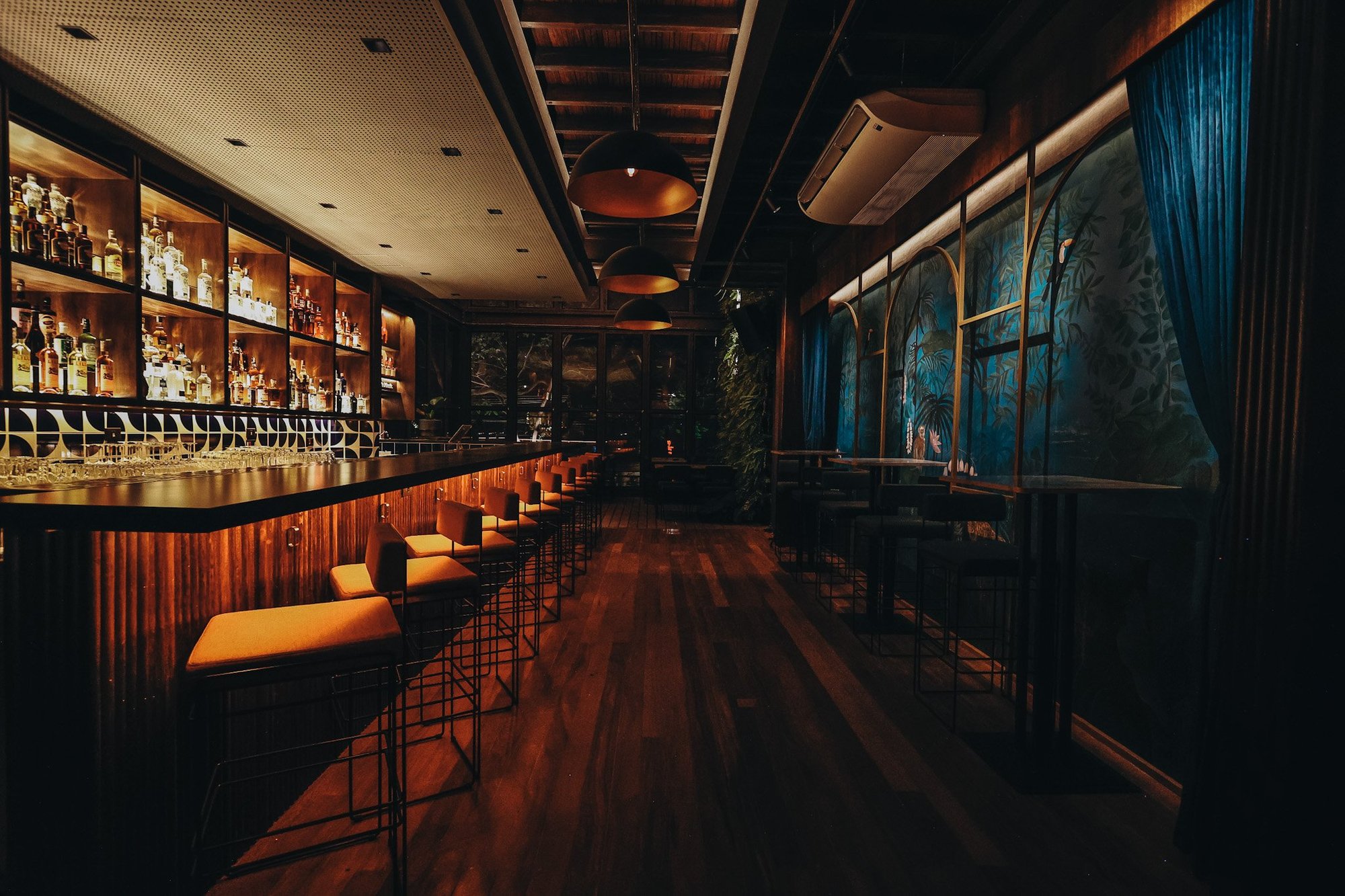
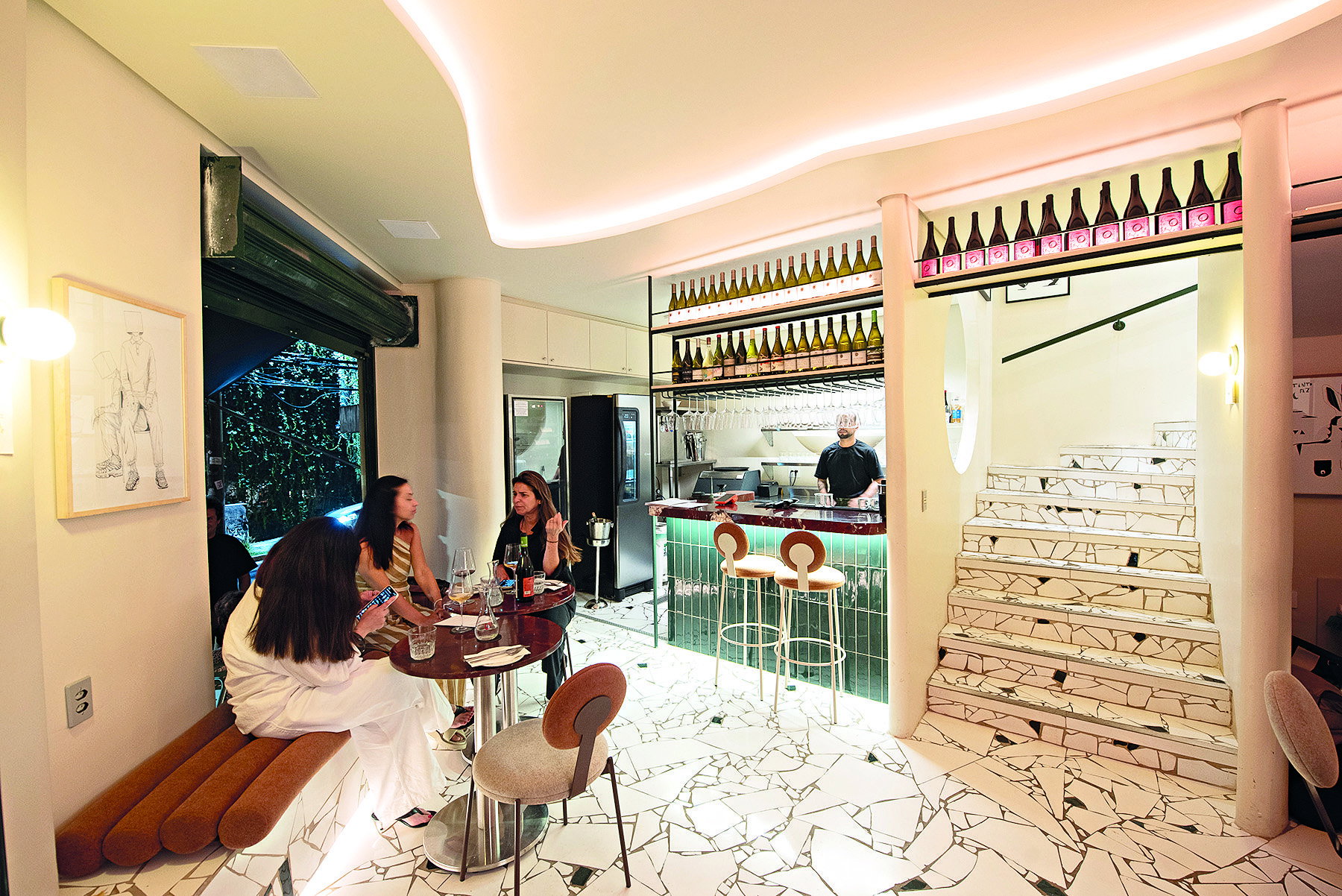
Refined atmosphere with vibrant Amazon-inspired design, lush outdoor garden under olive trees, and occasional Latin music or DJ.
Tags
Vibe
Best For
Experience
View
Accessibility
At the Table
- Dress Code
- Smart Casual
- Noise Level
- Lively
- Service Style
- Upscale Casual
- Meal Pacing
- Leisurely
- Capacity
- Medium
- Kitchen
- Modern
- Menu Format
- Small plates, A la carte
- Wine Program
- Curated
- Private Dining
- Available
- Outdoor Seating
- Yes
Signature Dishes
- tuna ceviche
- mango ceviche
- black pork belly
Know before you go
Know Before You Go
- Getting there
- R. Itapeva, 435 - Bela Vista, São Paulo - SP, 01332-000, Brazil
Planning details
Location
R. Itapeva, 435 - Bela Vista, São Paulo - SP, 01332-000, Brazil · Directions
Recognition and awards
Also consider
Also Consider
- D.O.M., Modern Brazilian, Creative, $$$$
- Evvai, Contemporary Italian, Modern Cuisine, $$$$
- Maní, Brazilian - International, Creative, $$$
- Jun Sakamoto, Sushi, Japanese, $$$
- A Casa do Porco, Regional Brazilian, Brazilian, $$
Restaurant context
At $$$, TARAZ shares a price tier with Maní and Jun Sakamoto, and the comparison with Maní is the most direct. Both kitchens work with Brazilian and South American ingredients at a serious level, but Maní leans further into creative, technique-forward cooking while TARAZ prioritises the open grill and a broader continental South American scope. If the grill format and the Rosewood setting matter to you, TARAZ wins on ambiance. If you want cooking that pushes harder at the creative edge, Maní is the stronger call at the same price point.
Stepping up to D.O.M. or Evvai at $$$$ means a significantly higher spend and, at D.O.M. in particular, a longer booking lead time. D.O.M. remains the reference point for modern Brazilian cooking at the top of the market; if this is a once-per-trip meal and budget is not the constraint, D.O.M. is the more ambitious kitchen. Evvai is the option if contemporary Italian is the preference. TARAZ is the more accessible choice across all three metrics: price, booking difficulty, and format flexibility.
At the other end of the spectrum, A Casa do Porco at $$ makes TARAZ look expensive for the volume of food delivered, but the comparison is not quite fair: the settings, formats, and diner experiences are different enough that they serve different occasions. A Casa do Porco is the better call for a lively, food-focused dinner where value-per-plate is the priority. TARAZ is the call when the hotel setting, the terrace, and a longer-paced meal are part of what you are booking.
Explore São Paulo
Around this place
Discover more on Pearl
Unlock the full TARAZ guide in Pearl, including awards, comparisons, FAQs, planning details, and nearby places.
Compare TARAZ
| Venue | Cuisine | Price | Booking Difficulty | Awards |
|---|---|---|---|---|
| TARAZ | South American | $$$ | Moderate | Michelin Guide Rio de Janeiro & Sao Paulo 20262025 Michelin Plate2024 Michelin Plate |
| D.O.M. | Modern Brazilian, Creative | $$$$ | Unknown | 2026 OAD Top Restaurants in South America Ranked · #11Michelin Guide Rio de Janeiro & Sao Paulo 20262026 La Liste Top Restaurants2025 Latin America's 50 Best Restaurants · #74We're Smart World Top Restaurants 20252025 The Best Chef Three KnivesChef's Table Featured Restaurants · 20252025 La Liste Top Restaurants2025 Michelin 2 Stars |
| Evvai | Contemporary Italian, Modern Cuisine | $$$$ | Unknown | 2026 OAD Top Restaurants in South America Ranked · #36Michelin Guide Rio de Janeiro & Sao Paulo 20262026 La Liste Top Restaurants2025 Latin America's 50 Best Restaurants · #202025 OAD Top Restaurants in South America Ranked · #432025 World's 50 Best Restaurants · #952025 Michelin 2 Stars2025 La Liste Top Restaurants2025 Michelin Plate |
| Maní | Brazilian - International, Creative | $$$ | Unknown | 2026 OAD Top Restaurants in South America Ranked · #21Michelin Guide Rio de Janeiro & Sao Paulo 20262026 La Liste Top Restaurants2025 OAD Top Restaurants in South America Ranked · #202025 Latin America's 50 Best Restaurants · #67We're Smart World Top Restaurants 20252025 La Liste Top Restaurants2025 The Best Chef One Knife2025 Michelin 1 Star |
| Jun Sakamoto | Sushi, Japanese | $$$ | Unknown | 2026 OAD Top Restaurants in South America Ranked · #69Michelin Guide Rio de Janeiro & Sao Paulo 20262026 La Liste Top Restaurants2025 OAD Top Restaurants in South America Ranked · #592025 Michelin 1 Star2025 La Liste Top Restaurants2024 OAD Top Restaurants in South America Ranked · #522024 Michelin 1 Star |
| A Casa do Porco | Regional Brazilian, Brazilian | $$ | Unknown | 2026 OAD Top Restaurants in South America Ranked · #17Michelin Guide Rio de Janeiro & Sao Paulo 20262026 La Liste Top Restaurants2025 OAD Top Restaurants in South America Ranked · #142025 Latin America's 50 Best Restaurants · #252025 World's 50 Best Restaurants · #832025 La Liste Top Restaurants2025 The Best Chef Two Knives2025 Michelin Bib Gourmand |
.png?width=1200&quality=80)











A quick look at how TARAZ measures up.
FAQ
Frequently Asked Questions
Is the tasting menu worth it at TARAZ?
At $$$ pricing with a 2025 Michelin Plate and Felipe Bronze's name behind the menu, TARAZ earns the spend if an open-grill, South American-focused format suits you. The kitchen's range — from tuna ceviche with caramelised peanuts and crispy tapioca to duck with tucupi and toasted pineapple — shows enough ambition to justify the price. If you want pure Brazilian cuisine without the hotel-restaurant framing, A Casa do Porco delivers more intensity at a lower price point.
What are alternatives to TARAZ in São Paulo?
Maní is the closest like-for-like: Brazilian-international, $$$ tier, and consistently well-regarded without the hotel anchor. For a sharper grill focus, D.O.M. operates at a higher price and ambition level. Jun Sakamoto is the call if you want Japanese precision at comparable pricing, and Evvai suits those who want a more chef-driven tasting format. A Casa do Porco is the better option if you prioritise ingredient-forward Brazilian cooking over setting.
What should I order at TARAZ?
Start with the tuna ceviche with caramelised peanuts, shiso, sesame, peanut milk, and crispy tapioca — it's the kitchen's clearest signature dish and a reliable first-visit anchor. Follow with the duck with tucupi (fermented manioc juice), sheep curd, and toasted pineapple, which is a Brazilian classic executed with quality ingredients. On a return visit, push into the grill-driven section of the menu rather than repeating the ceviche opener.
Is TARAZ good for solo dining?
Yes, though the Rosewood São Paulo context and $$$ pricing make it a considered solo spend. The format works well for a single diner focused on the food rather than the occasion — the open grill provides counter-level interest without requiring a group. Book directly through the hotel to confirm seating arrangements before you arrive.
Is TARAZ good for a special occasion?
It is a strong choice if the group values setting alongside food: the converted Condessa Filomena Matarazzo Maternity hospital complex inside Rosewood São Paulo adds architectural weight that most São Paulo restaurants can't match. The Michelin Plate (2025) and Felipe Bronze's reputation provide the credibility to support a celebratory booking. For occasions where food alone needs to carry the evening, D.O.M. or Evvai push harder on the plate.
What should I wear to TARAZ?
No formal dress code is confirmed in available records, but TARAZ sits inside the Rosewood São Paulo, a five-star hotel, which sets practical expectations. Smart casual is a sensible floor for dinner; anything below that risks standing out for the wrong reasons. For lunch or terrace dining, the standard drops slightly but the hotel context still applies.