Restaurante Sallvattore
Itaim Bibi, São Paulo
Restaurant in São Paulo, Brazil
 Book with Pearl
Why go
Restaurante Sallvattore is worth booking when you want a polished Itaim Bibi Italian-Mediterranean meal with a veranda, wine focus, and enough à la carte range for a mixed table. It is less compelling for diners chasing awards, tasting menus, or chef-counter energy, but strong for relaxed lunches, family dinners, solo meals, and group celebrations.
About Restaurante Sallvattore
Restaurante Sallvattore is a São Paulo restaurant for diners seeking Italian-Mediterranean food in a smart-casual setting. With a $$$ price level, approach it as a polished choice rather than a budget stop, especially when the meal should feel considered rather than purely practical. Its clearest reasons to consider it are the cuisine, dress code, and named dishes that give the venue a defined shape without broader claims.
Plan around the essentials: Italian-Mediterranean cooking, smart-casual dress, and a higher-than-casual São Paulo price bracket. For diners comparing by occasion, that means preparing a little before arrival: dress with care, expect a bill above an everyday casual meal, and focus on the dishes specifically associated with the house.
An Italian-Mediterranean choice in São Paulo
Restaurante Sallvattore’s profile is direct: Italian-Mediterranean cuisine, $$$ pricing, and a smart-casual dress code. That makes it a reasonable candidate for a composed São Paulo meal without relying on awards, chef-driven formats, or special seating arrangements.
The Italian-Mediterranean framing is the most helpful lens for the named dishes. It points to familiar, hearty, structured choices rather than a venue defined here by novelty or a highly specific format. For diners who want the basics before visiting, that restraint helps: the restaurant is presented through concrete fundamentals, not unsupported promises.
Dress neatly and budget for a $$$ restaurant.
Signature dishes to know
The most useful guidance is the signature dishes list. Start with bruschettas de alho, tomate e manjericão for a simple Italian-Mediterranean opening built around the ingredients named. For deeper comfort, consider polenta de ragu de fraldinha or capeletti in brodo, both suggesting a warmer, more substantial direction. For the most substantial direction, keep ossobuco and rabada in mind.
Those dishes give the most grounded path through the restaurant and set expectations for the meal’s style.
Who should consider it, and who should look elsewhere
Choose Restaurante Sallvattore if Italian-Mediterranean cooking, smart-casual dress, and a $$$ São Paulo restaurant setting match the occasion. It is stronger for diners interested in the confirmed signature dishes than for those seeking a tasting menu, documented drinks program, or specific accessibility, dietary, delivery, or seating features.
It should also suit diners comfortable deciding from a concise, essentials-first profile. If the priority is knowing cuisine direction, dress expectation, price bracket, and a few dishes before choosing, this information frames the visit.
Venue details
Ambiance
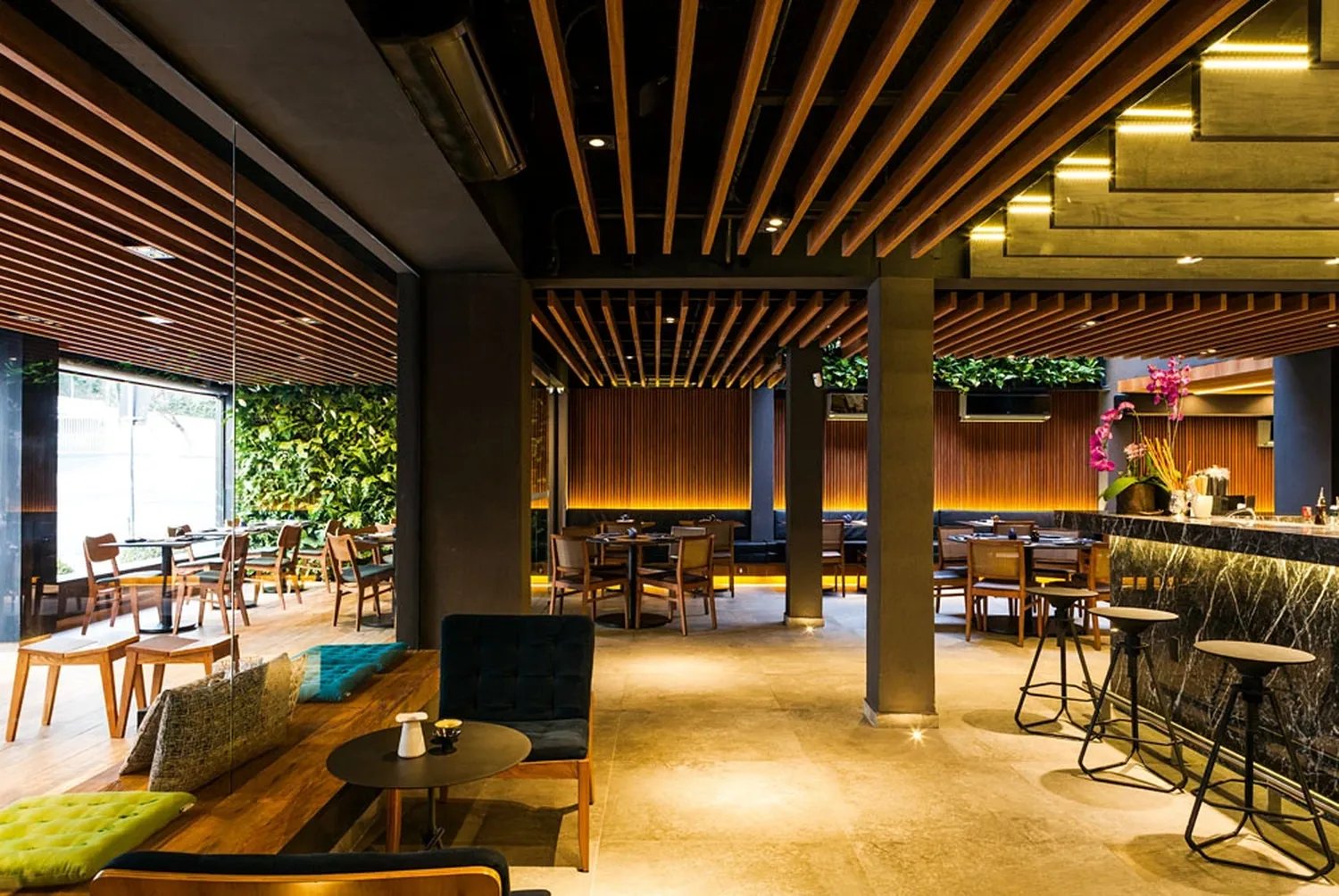
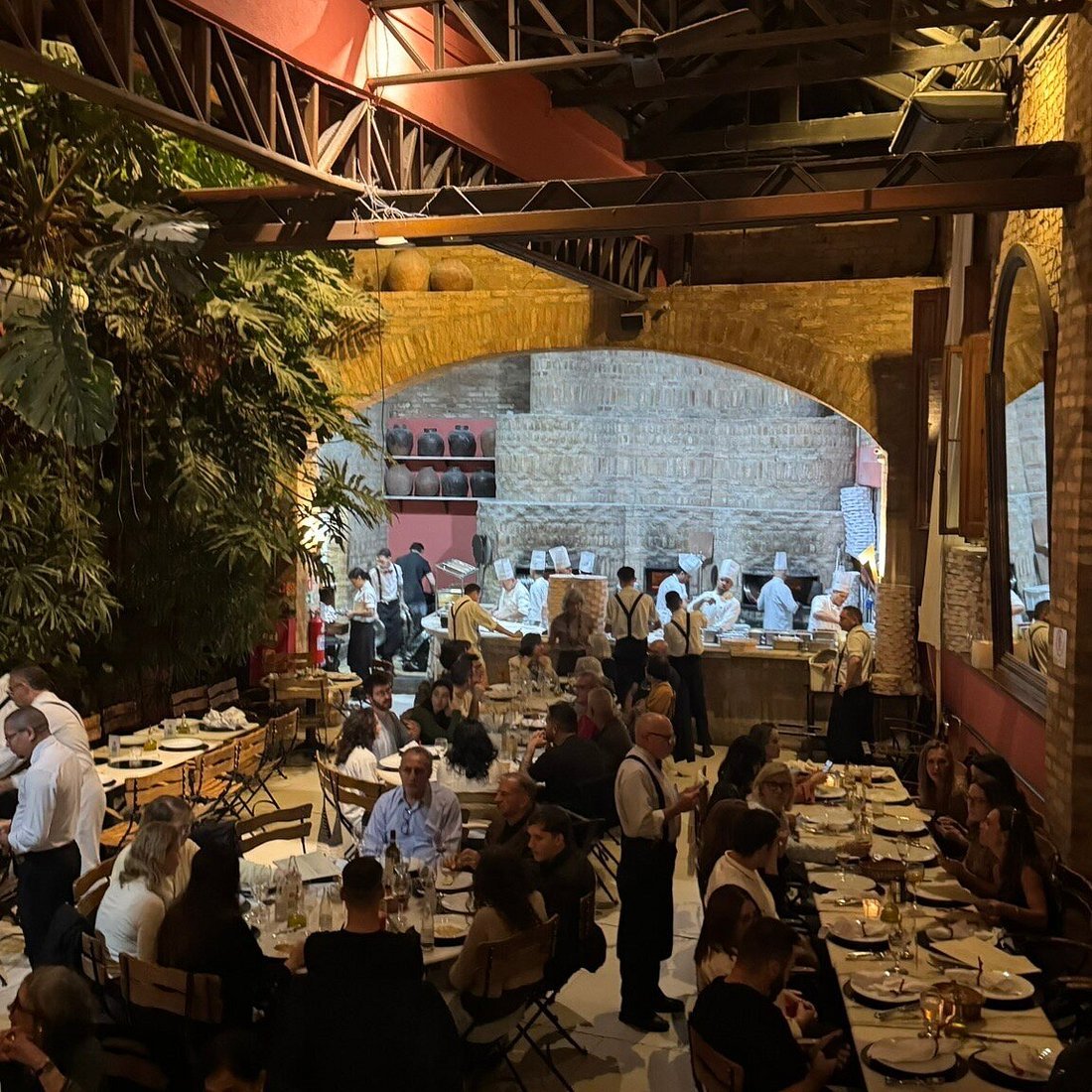
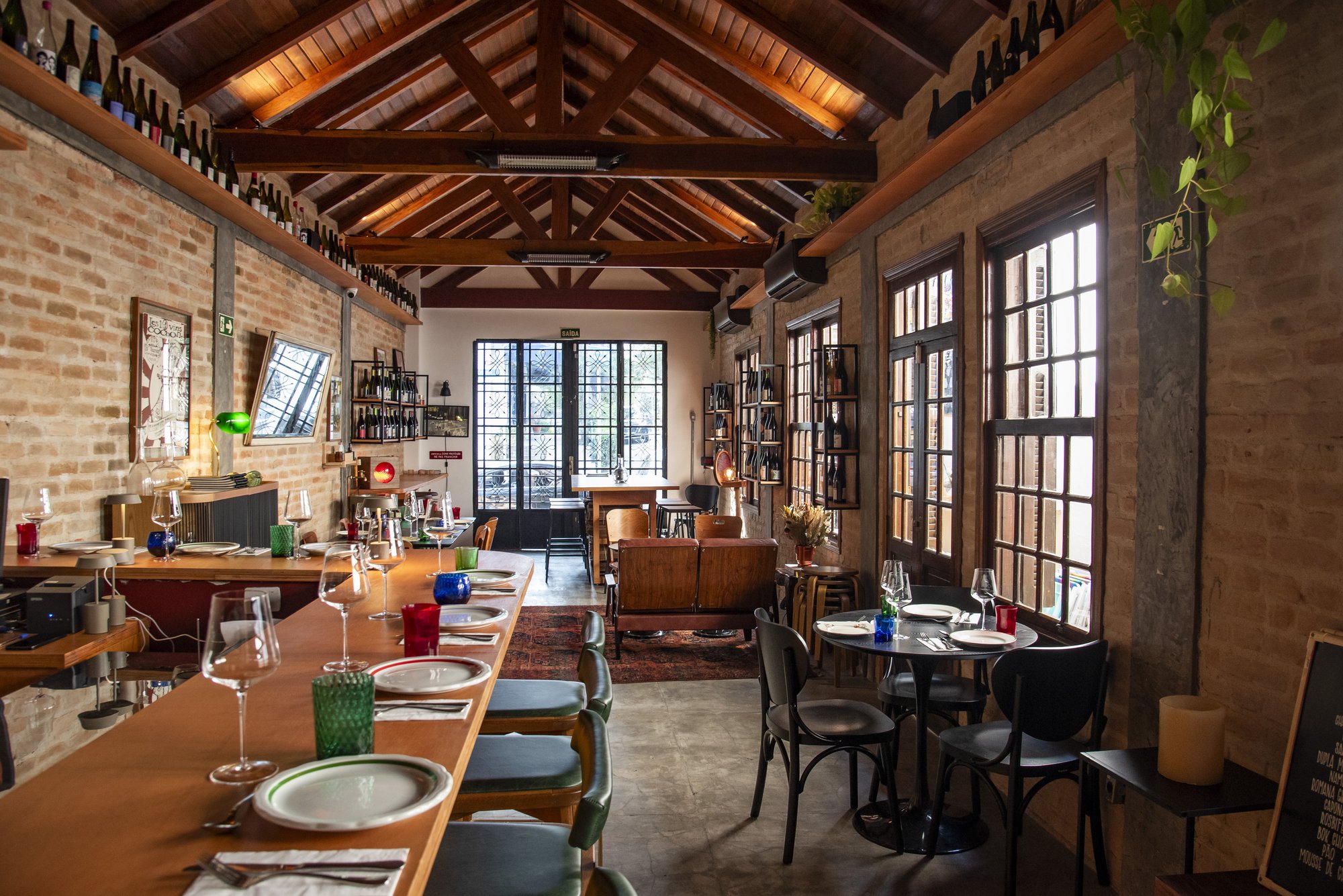
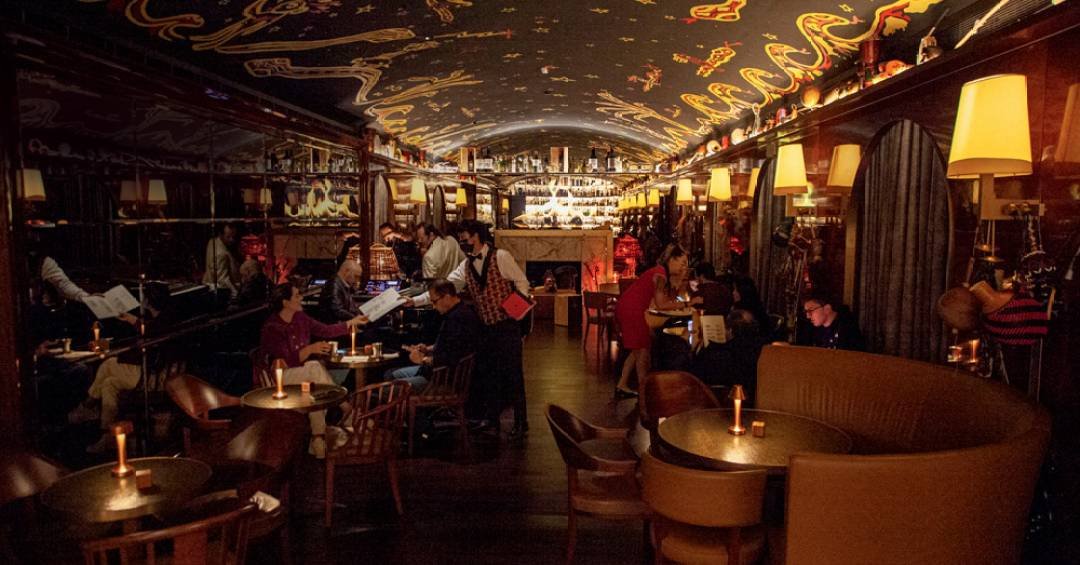
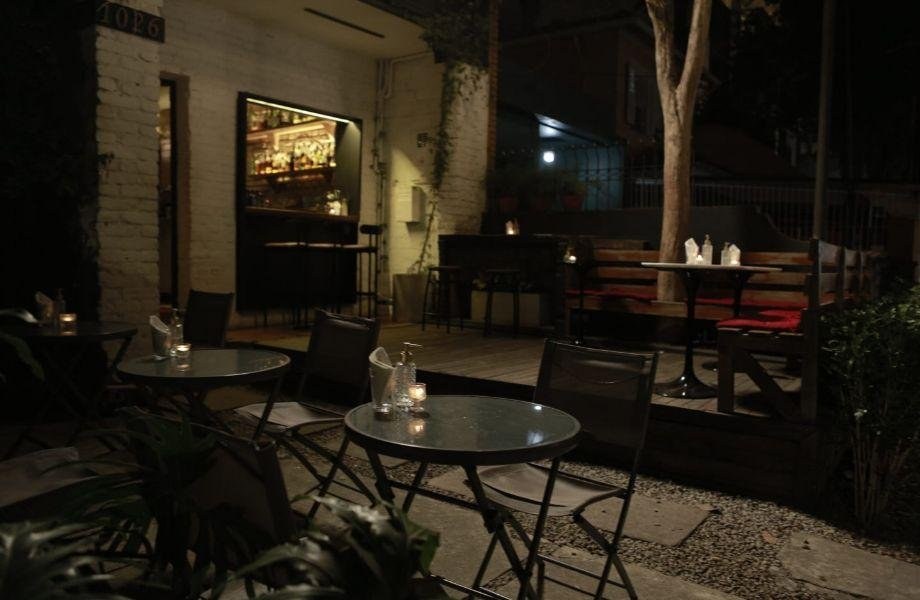
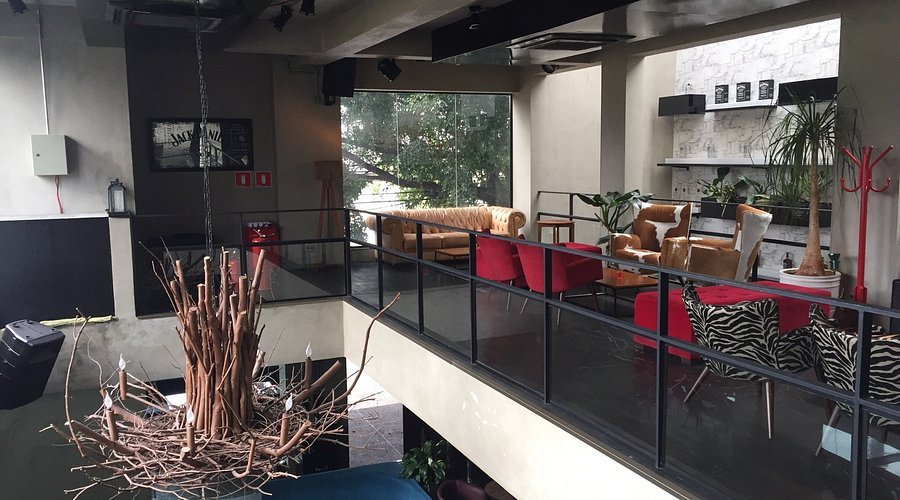
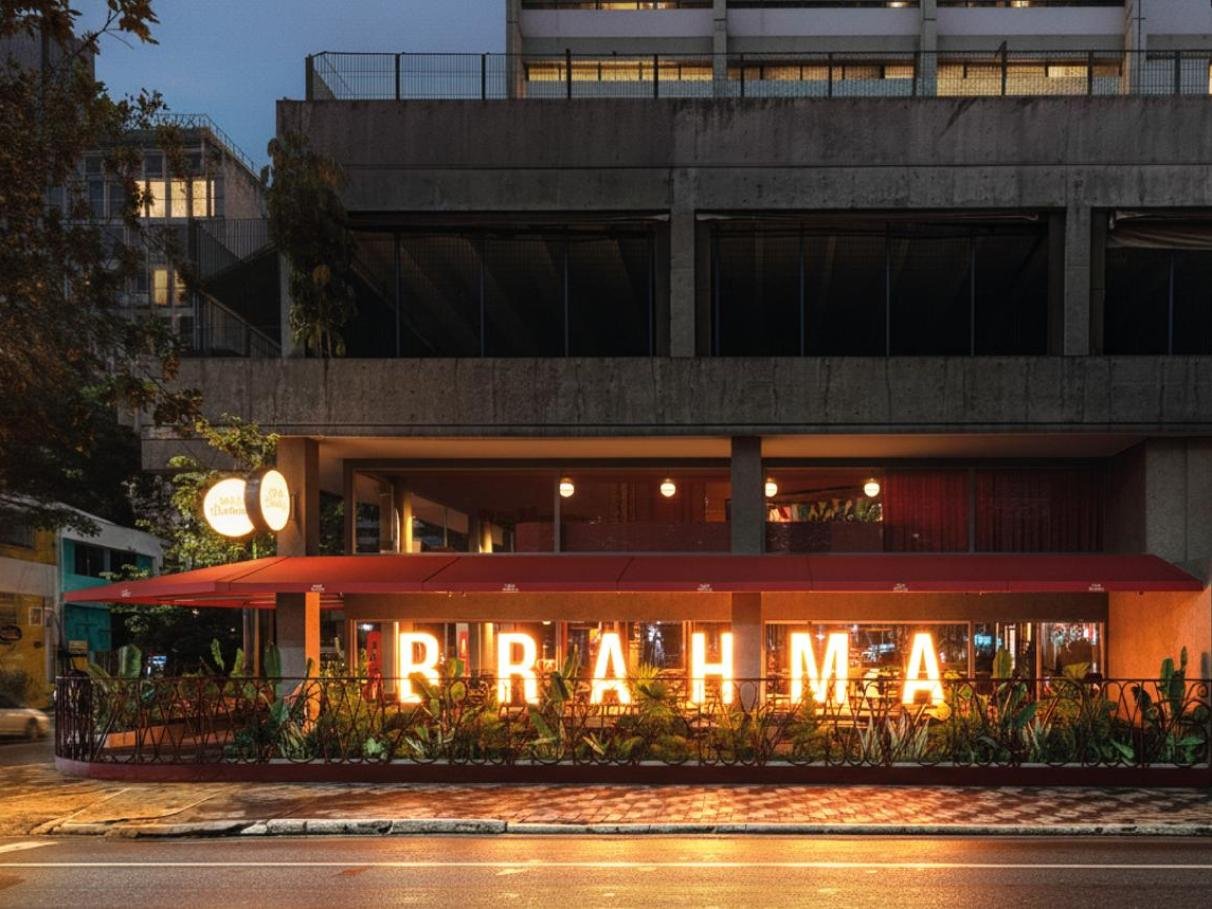
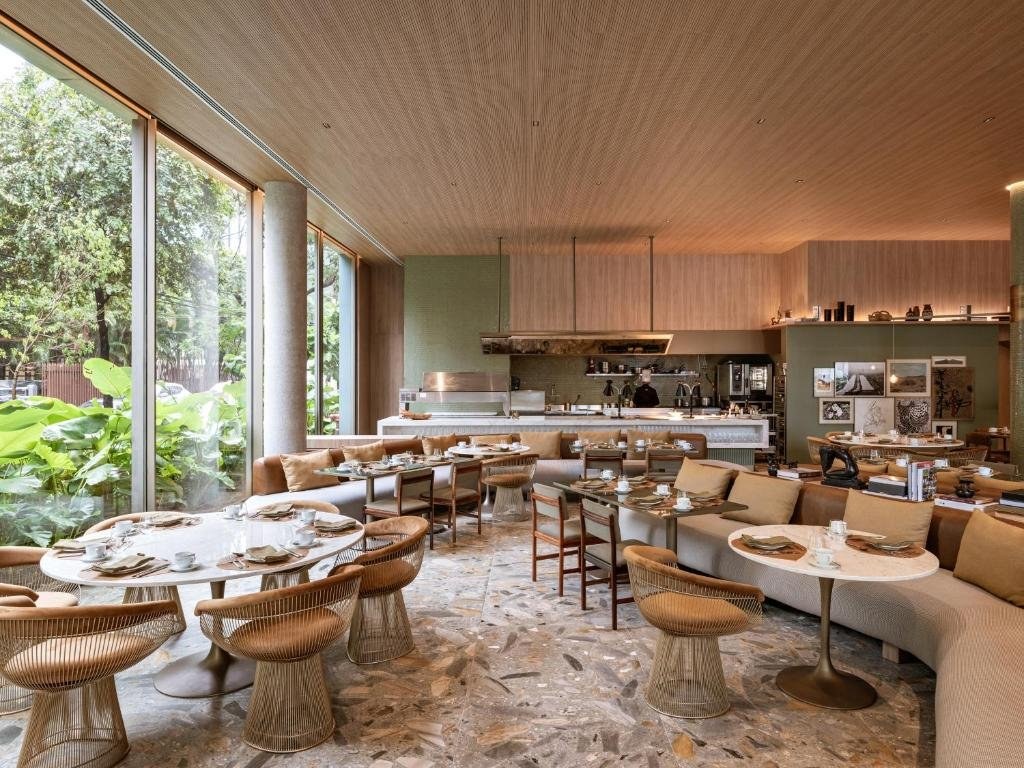
A cozy, Mediterranean-tinged Italian atmosphere with a blend of classic and modern design, described as spacious and well-lit with a charming veranda and a warm, inviting feel.
Tags
Vibe
Best For
Experience
View
Accessibility
At the Table
- Dress Code
- Smart Casual
- Noise Level
- Conversational
- Service Style
- Upscale Casual
- Meal Pacing
- Leisurely
- Capacity
- Medium
- Kitchen
- Traditional
- Menu Format
- A la carte
- Drinks Focus
- Wine
- Dietary
- Vegetarian friendly
- Outdoor Seating
- Yes
- Opened
- 2005
Signature Dishes
- bruschettas de alho, tomate e manjericão
- polenta de ragu de fraldinha
- capeletti in brodo
- ossobuco
- rabada
Questions
Is Restaurante Sallvattore worth the price?
It can be, if you want Italian-Mediterranean food in São Paulo and are comfortable with a $$$ price level. The best reasons to go are the cuisine and signature dishes, including bruschettas de alho, tomate e manjericão, polenta de ragu de fraldinha, capeletti in brodo, ossobuco, and rabada.