.png?width=1200&quality=80)
Naga
Japanese · Pinheiros, São Paulo
Restaurant in São Paulo, Brazil
 Book with Pearl
The Read
Brazilian-Japanese Precision
Price
$50–100per person
Dress
Smart Casual
Why go
A Michelin Plate-recognised Japanese restaurant in São Paulo's Itaim Bibi district, Naga has earned back-to-back recognition in 2024 and 2025 at the $$$ price tier — making it one of the stronger value propositions in the city's deep Japanese dining scene. Book for business dinners, date nights, or solo meals when you want quality-verified cooking without the full $$$$ commitment.
About Naga
Naga, Itaim Bibi: Should You Book?
If you have already been to Naga once, the question on a return visit is not whether the food holds up — two consecutive Michelin Plate recognitions (2024 and 2025) suggest it does — but whether the room still earns its place in a neighbourhood that now has more Japanese options than ever before. The short answer: yes, it does, and Itaim Bibi would feel noticeably thinner without it.
The Venue and the Room
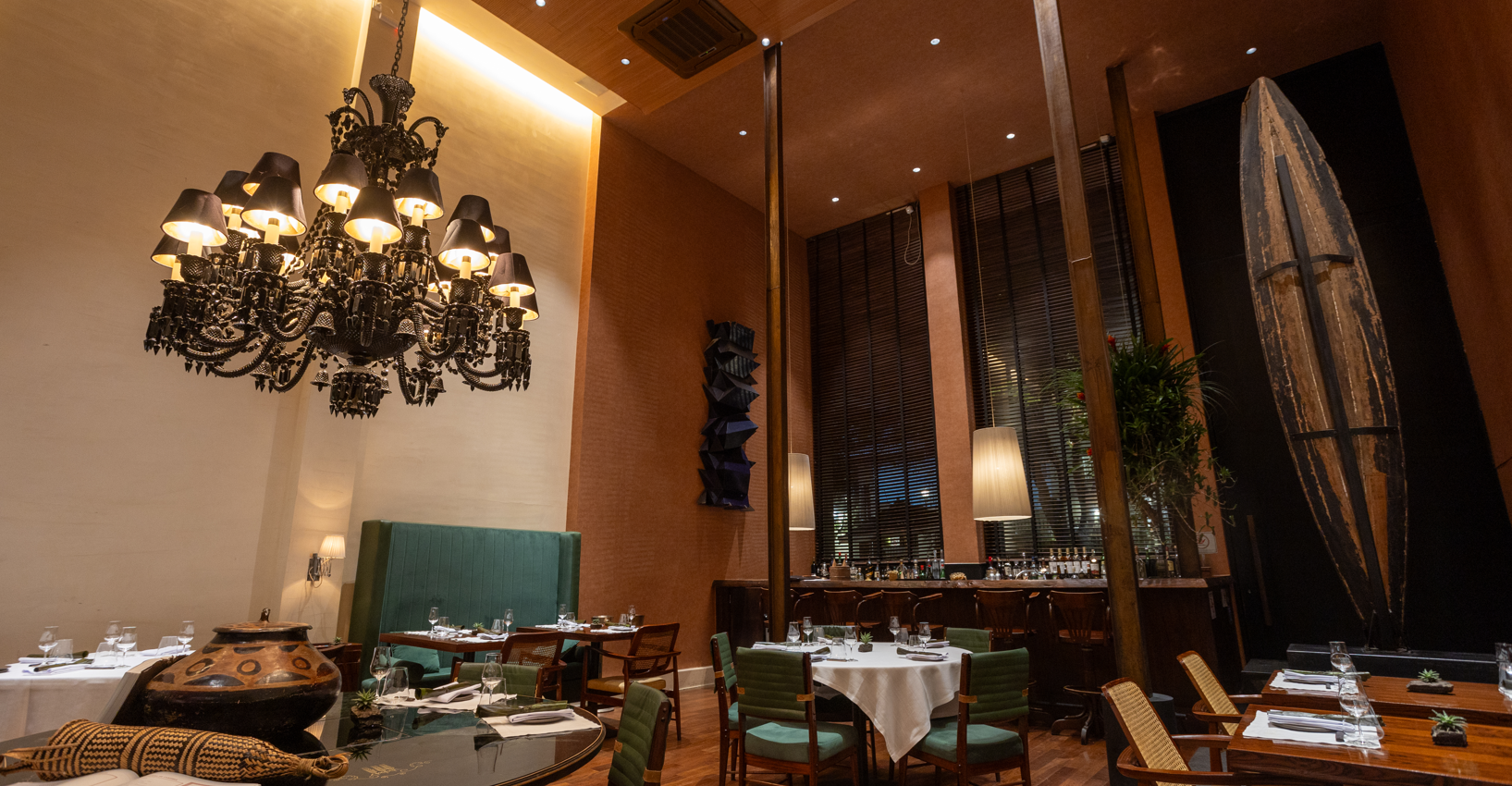
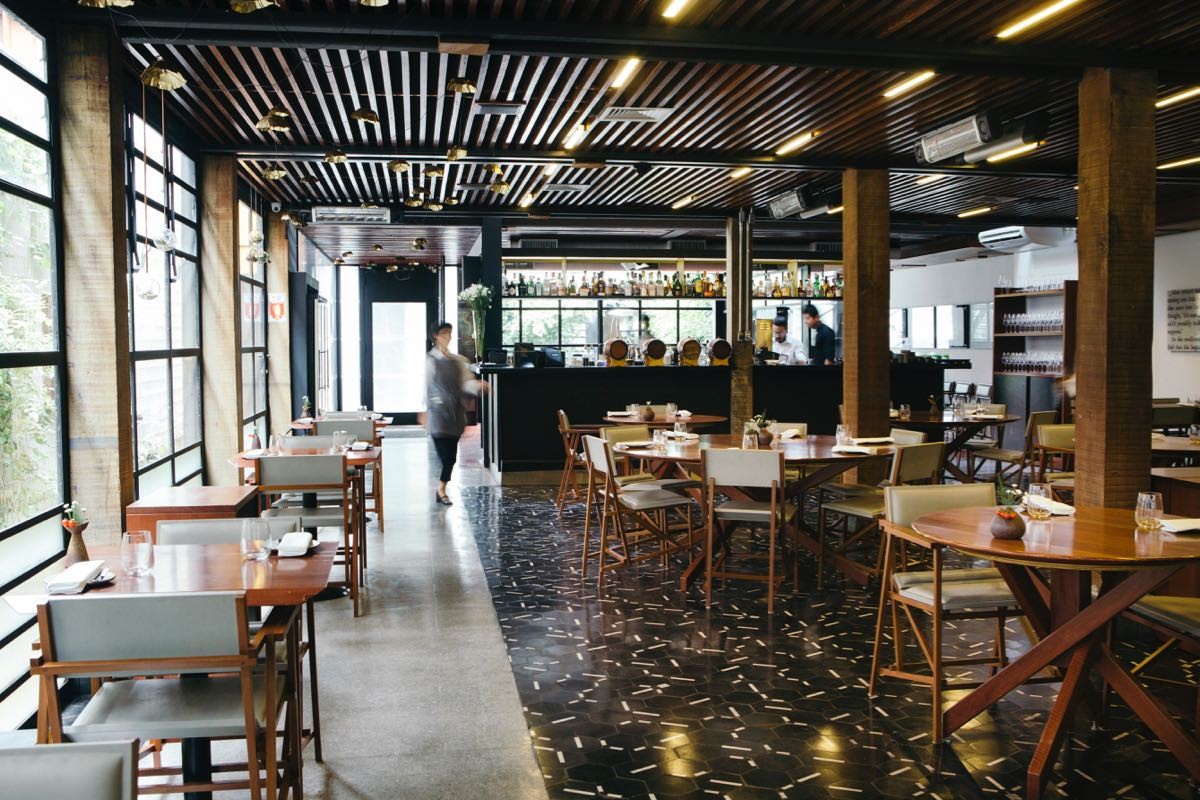
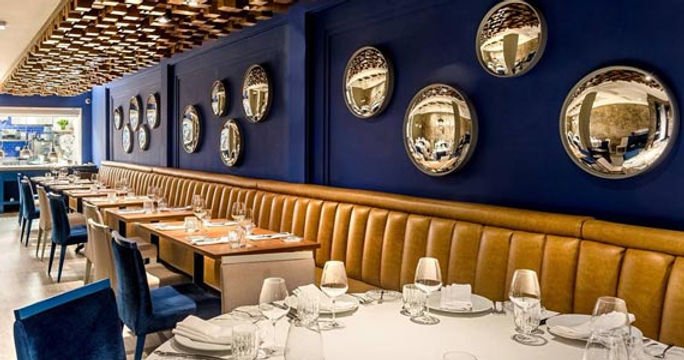
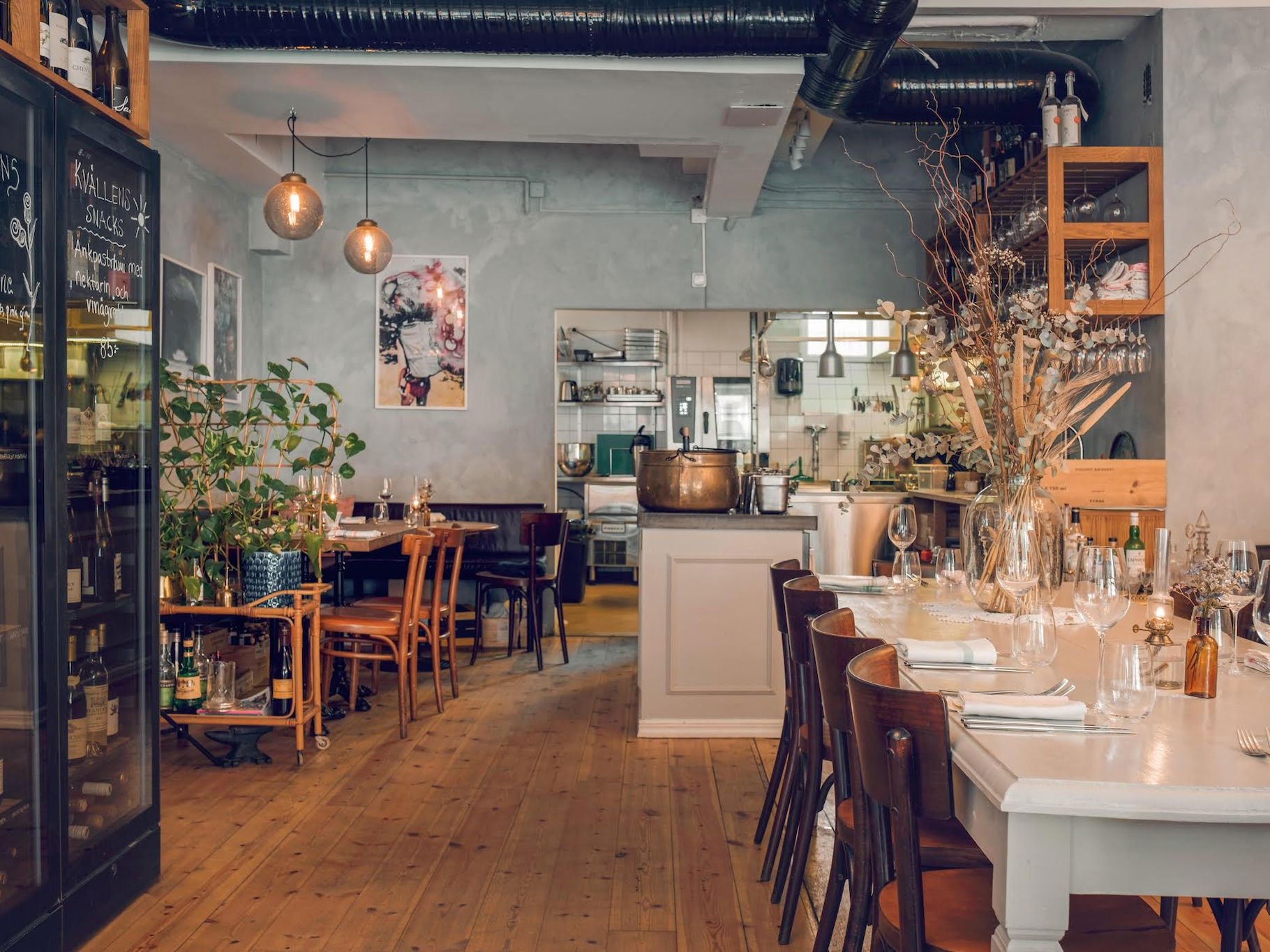
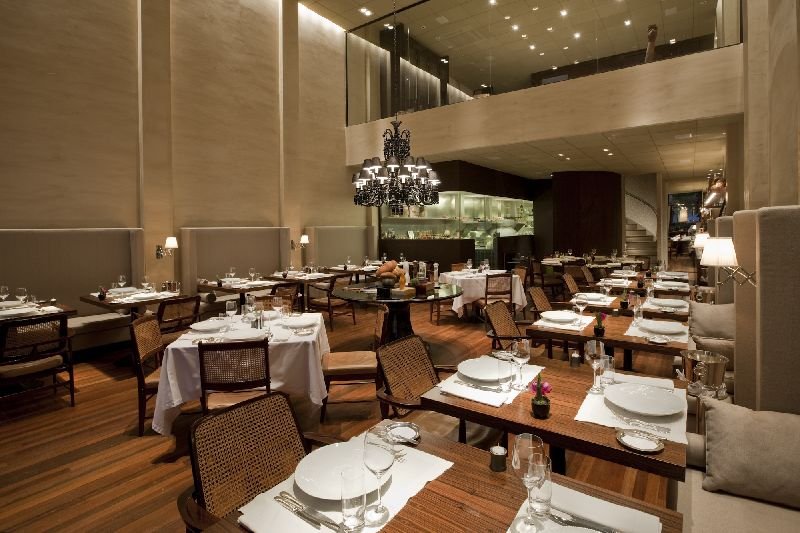
Naga sits on Rua Bandeira Paulista, one of Itaim Bibi's cleaner commercial stretches, where finance workers, international business travellers, and São Paulo's more money-conscious food crowd converge. The address is useful shorthand: this is a neighbourhood that rewards polished, reliable execution over experimentation, and Naga's physical presence reflects that contract. Without confirmed seat counts in the public record, it is not possible to state precise capacity, but the spatial register in Itaim Bibi's mid-range Japanese dining category tends toward contained, composed rooms rather than sprawling ones. Expect a setting calibrated for focus rather than spectacle, more suited to a business dinner or a considered two-person meal than a loud group celebration.
For a food enthusiast seeking depth, the spatial intimacy is an asset. Itaim Bibi's Japanese dining corridor, which also includes Kinoshita, Kuro, and Kan Suke, competes on precision and consistency. Naga's Michelin Plate status signals it has cleared the bar for both.
Why Itaim Bibi Needs Naga
São Paulo's Japanese dining scene is the most developed in Latin America, a direct product of the city's large Nikkei population and decades of ingredient sourcing infrastructure that rivals what you find in major Japanese cities. Within that scene, Itaim Bibi functions as the corporate-accessible end of the spectrum, not the most adventurous address, but the one that delivers reliable quality to a high volume of diners who need the combination of location, price, and standard to actually work on a given Tuesday evening.
Naga earns its place in that ecosystem because it holds a Michelin Plate at the $$$ price tier, a combination that is harder to find than it sounds. Many of the neighbourhood's Japanese restaurants either push into $$$$ territory (where the Michelin credentials feel more expected) or stay closer to casual pricing without the recognition. At $$$, Naga occupies the precise middle ground where the value case is strongest. Compare it to Jun Sakamoto, which operates at the same price tier but in a different neighbourhood with a sushi-specific focus. The choice between them depends on format preference as much as geography.
For visitors approaching São Paulo's food scene from outside Brazil, it is worth knowing that the city's Japanese dining infrastructure, ingredient access, trained staff, cultural familiarity, means that a Michelin-recognised Japanese restaurant here is operating in a genuinely competitive environment, not simply the leading option by default. Naga has earned its recognition in a city where venues like Kinoshita and KANOE set a high floor for the category.
Who Should Book
Book Naga if you want Michelin-recognised Japanese cooking at a price point that does not require the full $$$$ commitment of São Paulo's top-tier tasting menu circuit. It works for business meals, date nights, and solo diners who want a composed, quieter room. It is less suited to large group dinners or anyone seeking the theatrical edge of São Paulo's more experimental Japanese addresses. If you are building a multi-day itinerary across Brazil, Naga fits naturally alongside other Michelin-tracked venues in the city, and the Itaim Bibi location makes logistics easy if you are staying in or near the neighbourhood. For broader context on where Naga sits in the city's dining map, see our full São Paulo restaurants guide.
First-time visitors to São Paulo's Japanese dining scene who want a reference-point meal should note that Naga is a reliable entry point, but the city rewards exploration. Huto and KANOE offer different registers within the same broad category. If you are arriving from a context like Myojaku in Tokyo or Azabu Kadowaki, São Paulo's Japanese dining will meet you with more depth than most international visitors expect.
Booking and Practical Details
Booking difficulty is rated moderate. Unlike the city's hardest-to-book tables, A Casa do Porco requires planning weeks in advance, Naga is not the kind of venue that demands a two-month lead time. That said, weekday evenings in Itaim Bibi fill with business diners, so same-day bookings are a risk worth avoiding. Book two to five days ahead for weekday dinners; slightly earlier for Friday and Saturday. Phone and online booking details are not published in the current record, check the venue directly or via a hotel concierge if you are visiting from out of town.
Price tier is $$$, which in São Paulo's current market places Naga in the range where a full dinner with drinks is a meaningful spend but not an occasion-only commitment. Dress expectations in Itaim Bibi's mid-tier Japanese category tend toward smart-casual; nothing here suggests a strict dress code, but the neighbourhood's business-professional character means you will feel comfortable in neat, contemporary clothes rather than resort casual.
If you are planning a wider Brazil trip, note that Pearl tracks Michelin-recognised venues across the country, from Lasai in Rio de Janeiro to Manu in Curitiba and Manga in Salvador. For everything else in São Paulo beyond restaurants, see our São Paulo hotels guide, bars guide, and experiences guide.
How It Compares
| Venue | Cuisine | Price | Michelin | Leading for | Booking difficulty |
|---|---|---|---|---|---|
| Naga | Japanese | $$$ | Plate ×2 | Business dinner, date night | Moderate |
| Jun Sakamoto | Sushi | $$$ | Check Pearl | Sushi-focused meals | Moderate |
| Maní | Brazilian-International | $$$ | Check Pearl | Creative, relaxed dining | Moderate |
| D.O.M. | Modern Brazilian | $$$$ | Check Pearl | Splurge, prestige | High |
| Evvai | Contemporary Italian | $$$$ | Check Pearl | Tasting menu format | High |
| A Casa do Porco | Regional Brazilian | $$ | Check Pearl | Value, energy, walk-in culture | Very high |
Planning details
- Location
- R. Bandeira Paulista, 383 - Itaim Bibi, São Paulo - SP, 04532-011, Brazil
- Website
- nagayama.com.br
- Phone
- +55 11 3167-6049
The take
The Take
The Vibe
Naga presents a quietly modern take on Japanese dining, leaning into discipline and technical precision rather than theatrical flourishes. The writing situates the kitchen work between Japanese rigor and a Brazilian context, so the room reads as focused and refined — an attentive environment where foodcraft is the central attraction. Rather than loud or trendy gestures, the restaurant favors a restrained, well-judged approach that rewards diners who value technique, seasonal integrity, and a calm dining tempo.
Best For
This is a dinner-forward address that suits diners who are looking for a thoughtful, elevated meal without theatrical excess. Positioned in a demanding São Paulo postcode, Naga appeals to regular weeknight bookings as well as planned outings; it fits date nights and business dinners comfortably while remaining accessible for guests who eat widely around the city. The mid-to-upper pricing and culinary focus make it a solid choice for those prioritizing culinary craft over casual late-night visits.
Ordering Tips
The kitchen is presented as part of a cohort that balances Japanese technique with Brazilian ingredients, so allow the menu's crafted combinations to guide you. The listed signature, 'Naga Case 2,' is an obvious starting point and a good way to sample the restaurant's approach. Given the neighbourhood's competitiveness and the restaurant's positioning, make a reservation for dinner on busier evenings; arrive ready to enjoy composed, precisely executed plates rather than high-volume, fast-paced service.
Venue details
Ambiance
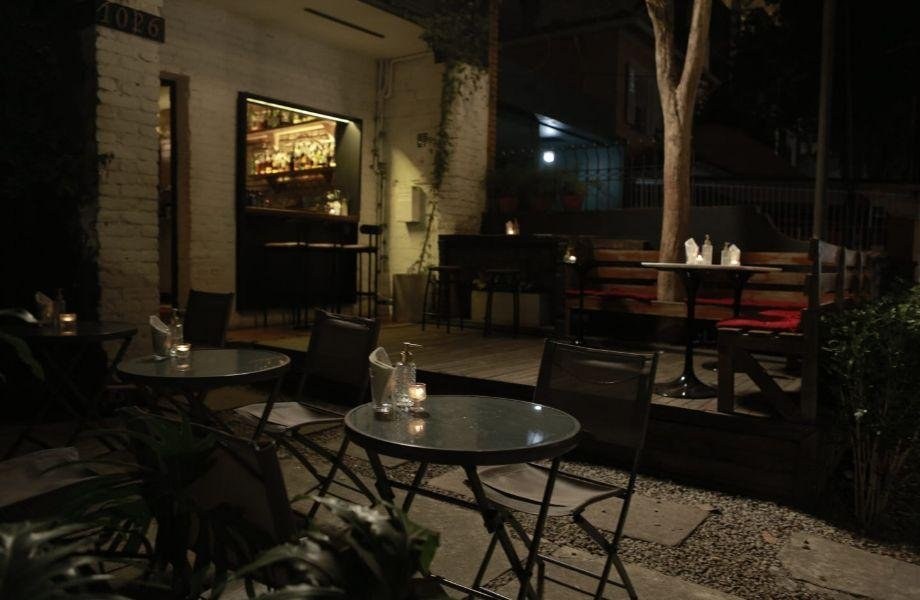
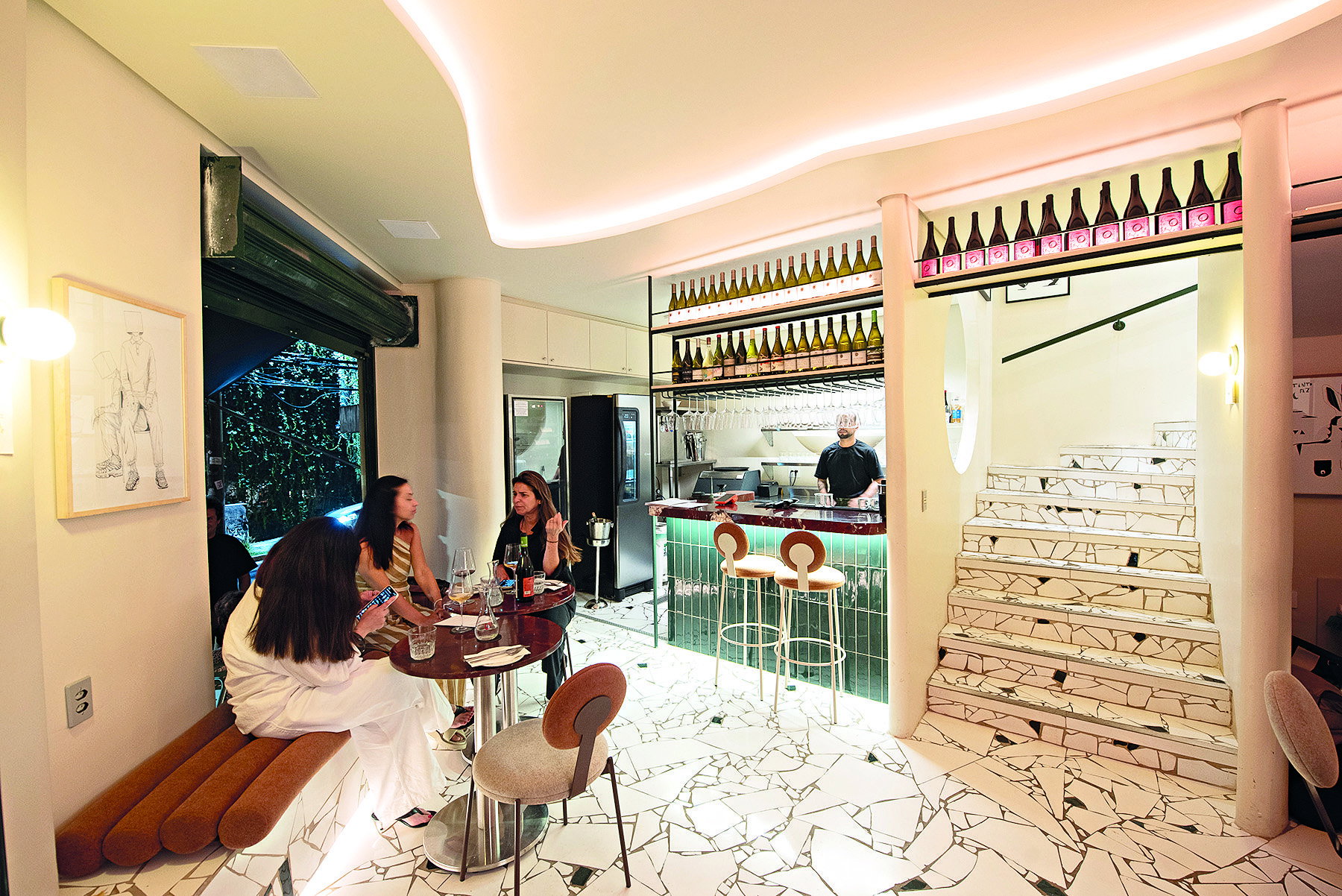
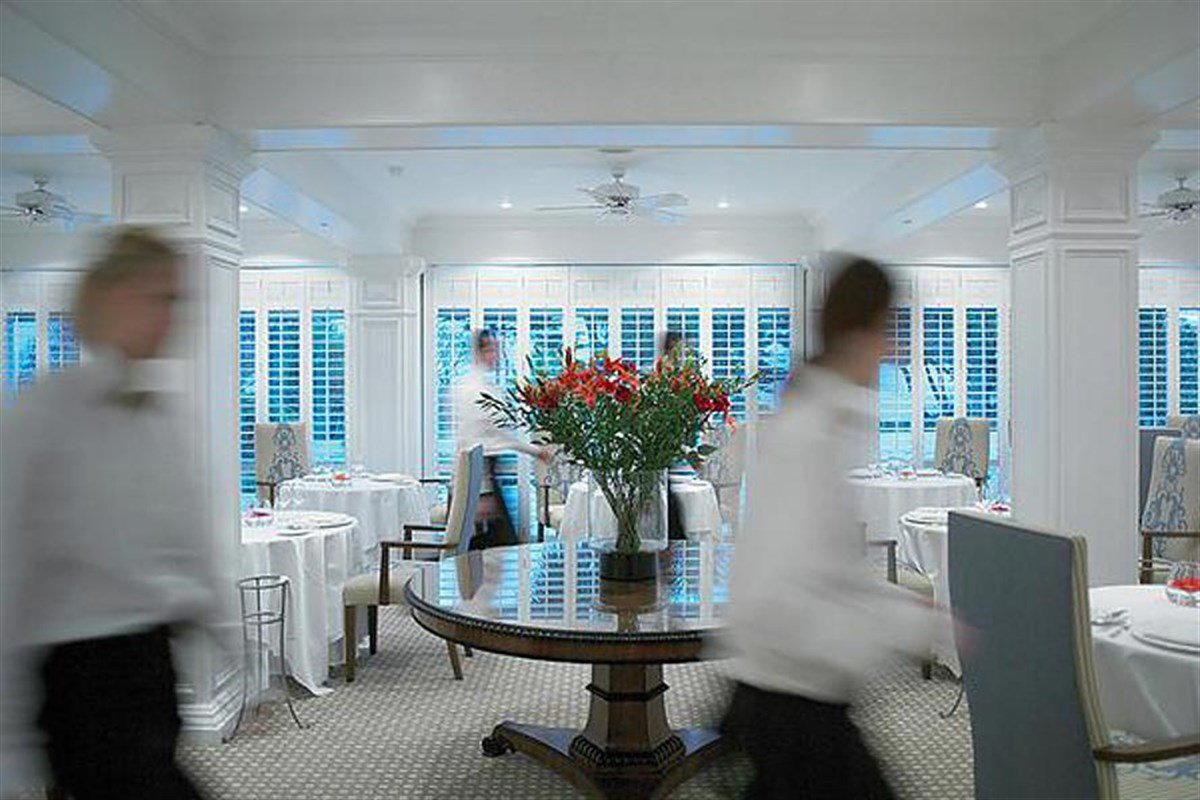
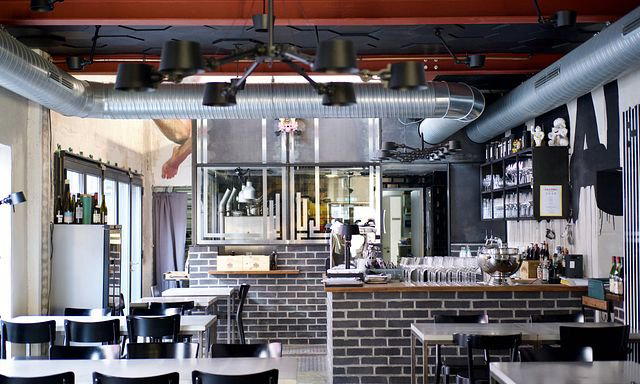
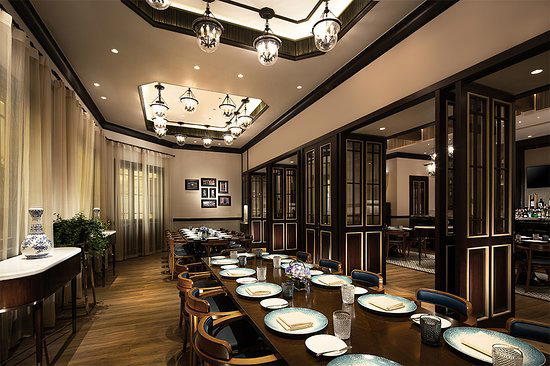
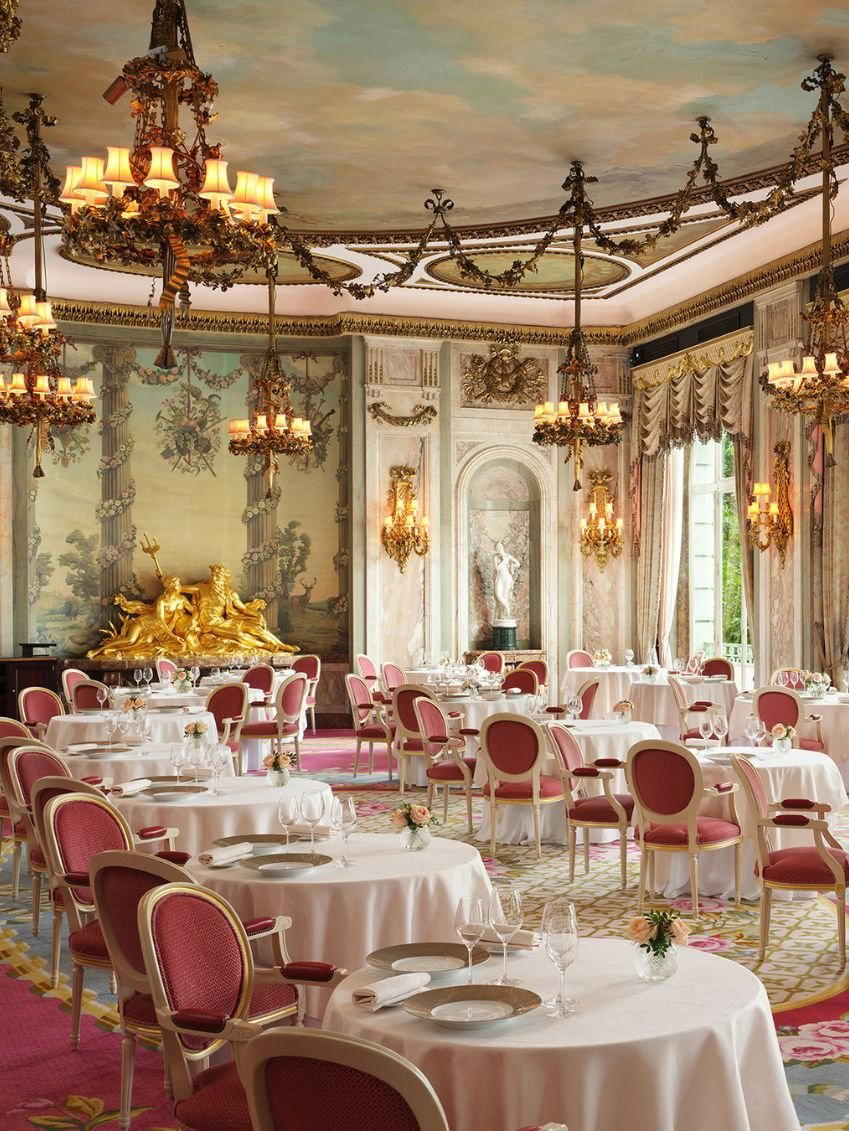
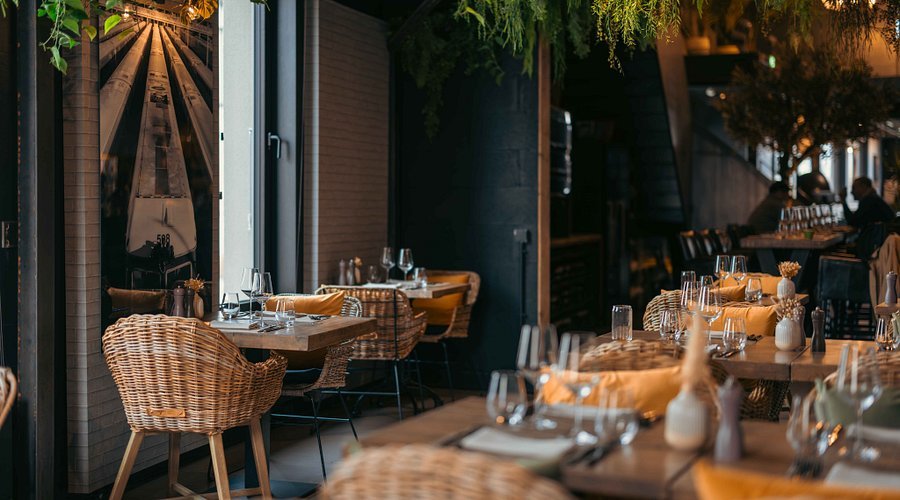
Polished wood and soft, contemplative lighting create a serene, refined atmosphere with subtle illumination highlighting the sushi bar.
Tags
Vibe
Best For
Experience
At the Table
- Dress Code
- Smart Casual
- Noise Level
- Conversational
- Service Style
- Upscale Casual
- Meal Pacing
- Leisurely
- Capacity
- Small
- Kitchen
- Traditional
- Menu Format
- Omakase, A la carte, Counter dining
- Wine Program
- Curated
- Drinks Focus
- Sake
Signature Dishes
Naga Case 2
Know before you go
Know Before You Go
- Getting there
- R. Bandeira Paulista, 383 - Itaim Bibi, São Paulo - SP, 04532-011, Brazil
Planning details
Location
R. Bandeira Paulista, 383 - Itaim Bibi, São Paulo - SP, 04532-011, Brazil · Directions
Recognition and awards
Also consider
Also Consider
- D.O.M., Modern Brazilian, Creative, $$$$
- Evvai, Contemporary Italian, Modern Cuisine, $$$$
- Maní, Brazilian - International, Creative, $$$
- Jun Sakamoto, Sushi, Japanese, $$$
- A Casa do Porco, Regional Brazilian, Brazilian, $$
Restaurant context
At the $$$ tier, Naga's closest direct peer is Jun Sakamoto. Both carry Michelin recognition and operate at the same price point, but Jun Sakamoto is sushi-specific, the right call if that format is your priority, and the stronger option for counter-dining purists. Naga's broader Japanese menu gives it more flexibility for groups with mixed preferences. If you are choosing between the two on location, Itaim Bibi versus Jun Sakamoto's address will likely settle it.
Step up to $$$$ and the conversation shifts to D.O.M. and Evvai. Both deliver more in terms of tasting menu formality and service depth, and both are harder to book. If the occasion justifies the extra spend and lead time, either is the stronger prestige choice. At the same $$$ tier but with a Brazilian-international identity, Maní is the comparison for diners who want creative, chef-driven cooking over Japanese precision, a genuinely different experience, not a like-for-like alternative.
A Casa do Porco sits at $$ and competes on energy and value rather than refinement, the right pick if you want São Paulo's most talked-about casual dining experience, but a different proposition entirely from Naga's composed room. The practical summary: book Naga when you want Michelin-quality Japanese at a price that does not require a special occasion budget. Book Jun Sakamoto when format specificity matters. Book D.O.M. or Evvai when the occasion demands the full $$$$ treatment.
Explore São Paulo
Around this place
Discover more on Pearl
Unlock the full Naga guide in Pearl, including awards, comparisons, FAQs, planning details, and nearby places.
Compare Naga
| Venue | Cuisine | Awards | Booking Difficulty |
|---|---|---|---|
| Naga | Japanese | 2025 Michelin Plate2024 Michelin Plate | Moderate |
| D.O.M. | Modern Brazilian, Creative | 2026 OAD Top Restaurants in South America Ranked · #11Michelin Guide Rio de Janeiro & Sao Paulo 20262026 La Liste Top Restaurants2025 Latin America's 50 Best Restaurants · #74We're Smart World Top Restaurants 20252025 The Best Chef Three KnivesChef's Table Featured Restaurants · 20252025 La Liste Top Restaurants2025 Michelin 2 Stars | Unknown |
| Evvai | Contemporary Italian, Modern Cuisine | 2026 OAD Top Restaurants in South America Ranked · #36Michelin Guide Rio de Janeiro & Sao Paulo 20262026 La Liste Top Restaurants2025 Latin America's 50 Best Restaurants · #202025 OAD Top Restaurants in South America Ranked · #432025 World's 50 Best Restaurants · #952025 Michelin 2 Stars2025 La Liste Top Restaurants2025 Michelin Plate | Unknown |
| Maní | Brazilian - International, Creative | 2026 OAD Top Restaurants in South America Ranked · #21Michelin Guide Rio de Janeiro & Sao Paulo 20262026 La Liste Top Restaurants2025 OAD Top Restaurants in South America Ranked · #202025 Latin America's 50 Best Restaurants · #67We're Smart World Top Restaurants 20252025 La Liste Top Restaurants2025 The Best Chef One Knife2025 Michelin 1 Star | Unknown |
| Jun Sakamoto | Sushi, Japanese | 2026 OAD Top Restaurants in South America Ranked · #69Michelin Guide Rio de Janeiro & Sao Paulo 20262026 La Liste Top Restaurants2025 OAD Top Restaurants in South America Ranked · #592025 Michelin 1 Star2025 La Liste Top Restaurants2024 OAD Top Restaurants in South America Ranked · #522024 Michelin 1 Star | Unknown |
| A Casa do Porco | Regional Brazilian, Brazilian | 2026 OAD Top Restaurants in South America Ranked · #17Michelin Guide Rio de Janeiro & Sao Paulo 20262026 La Liste Top Restaurants2025 OAD Top Restaurants in South America Ranked · #142025 Latin America's 50 Best Restaurants · #252025 World's 50 Best Restaurants · #832025 La Liste Top Restaurants2025 The Best Chef Two Knives2025 Michelin Bib Gourmand | Unknown |












What to weigh when choosing between Naga and alternatives.
FAQ
Frequently Asked Questions
What should a first-timer know about Naga?
Naga holds two consecutive Michelin Plates (2024 and 2025), which signals consistent execution rather than a one-season spike. It sits at the $$$ price point — serious enough to warrant a reservation, accessible enough that you are not committing to a full tasting-menu format at top-tier prices. Come with a specific appetite for Japanese cooking; this is not a fusion-casual option.
What should I wear to Naga?
Itaim Bibi draws a finance and business-travel crowd, and Naga's Michelin recognition places it in that bracket. Neat, put-together clothing is the safe call — think business casual rather than suits. There is no data suggesting a formal dress code, but arriving underdressed at a Michelin Plate restaurant in this neighbourhood would stand out.
Is Naga good for solo dining?
Yes. Japanese restaurants at this level typically accommodate solo diners well, particularly at counter seating where the kitchen interaction compensates for dining alone. At $$$, a solo visit is financially manageable compared to São Paulo's higher-ticket tasting venues.
What are alternatives to Naga in São Paulo?
Jun Sakamoto is the benchmark for precision Japanese in São Paulo and sits above Naga in prestige and price. For a different register entirely, Evvai and Maní offer contemporary Brazilian-led cooking at comparable price points if Japanese cuisine is not the priority. A Casa do Porco is a harder reservation and a completely different format — Brazilian-focused, counter-service, and more difficult to book weeks out.
Is Naga worth the price?
At $$$, Naga sits below São Paulo's most expensive tables while delivering Michelin-recognised Japanese cooking two years running. That combination makes it a reasonable value proposition for the category. If you want the city's most technically demanding Japanese experience regardless of cost, Jun Sakamoto is the comparison; if you want Michelin-level food with less financial commitment, Naga is the more practical choice.
Is Naga good for a special occasion?
It works for a special occasion where the focus is quality Japanese cooking rather than theatrical ceremony. The $$$ price and Michelin Plate status give it enough weight for a birthday or business dinner, but it is not São Paulo's most extravagant setting. If the occasion demands a showier room or a longer tasting format, D.O.M. or Evvai may suit the moment better.