
Kubo Zushi
Japanese · Alto de Pinheiros, São Paulo
Restaurant in São Paulo, Brazil
 Book with Pearl
Why go
Backstreet Sushi Tradition
Kubo Zushi holds a Michelin Plate for both 2024 and 2025 and rates 4.7 across 430 reviews: strong credentials for a $$-priced neighbourhood sushi spot in Vila Madalena. Kubo Zushi is more accessible than Jun Sakamoto, making it the practical choice for reliable Japanese in São Paulo without the omakase price commitment.
About Kubo Zushi
Should You Go Back? Yes, and Order Differently This Time
If you visited Kubo Zushi once and left satisfied, that is enough reason to return. The restaurant has held a Michelin Plate in both 2024 and 2025, which in the context of São Paulo's Japanese dining scene signals consistent technical reliability rather than a one-off performance. The question for a return visit is how to get more out of it.
Kubo Zushi sits in Vila Madalena, a neighbourhood that already draws a crowd for food and nightlife, which means the venue benefits from foot traffic but also competes for attention in a dense local dining environment. At a $$ price point, it is positioned as accessible Japanese rather than a splurge occasion, and that positioning matters for how you plan your visit. Compared to Jun Sakamoto, which operates at $$$ and tilts toward purist omakase formatting, Kubo Zushi offers more flexibility for diners who want Japanese food without committing to a set menu price tier.
Lunch vs Dinner: Which Visit Is Worth More
The practical calculus for lunch versus dinner at a neighbourhood sushi spot in São Paulo is worth thinking through. Dinner at Kubo Zushi is the default choice for most visitors, and the 4.7 rating suggests that experience lands well. But for a second visit, lunch is worth considering for two reasons: the room will be quieter, and at a $$ price range, a midday meal carries lower financial stakes if you want to experiment with what you order.
Vila Madalena is a neighbourhood that gets busy in the evenings, and a restaurant of this scale will feel different at lunch: less pressured, more room to ask questions about what you are eating. If your first visit was a dinner and you ordered conservatively, a lunch return is the right format to try more, spend less per head, and pay closer attention to the kitchen's output. For groups or special occasions, dinner remains the more appropriate frame.
Where It Sits in São Paulo's Japanese Dining Picture
São Paulo has one of the largest Japanese-Brazilian communities in the world, and the city's Japanese restaurant density reflects that. Within that field, Kubo Zushi occupies a specific and useful tier: Michelin-recognised, neighbourhood-priced, and not requiring you to book a tasting menu format. That combination is harder to find than it sounds.
For the full São Paulo Japanese dining range, Kinoshita operates at a higher price point with stronger omakase credentials, while Kuro and Kan Suke offer comparable neighbourhood-format options worth comparing. Huto and KANOE round out the tier if you are building a shortlist across the city.
If you are cross-referencing against Japanese dining in other cities, Myojaku in Tokyo and Azabu Kadowaki in Tokyo give useful calibration for what Michelin recognition looks like at the source. Kubo Zushi is operating in a Brazilian-Japanese context with its own pricing and audience logic.
Practical Details
Kubo Zushi is at R. das Tabocas, 158, Vila Madalena. The expectation is almost certainly smart-casual. Group bookings are possible in principle at a neighbourhood spot of this type. For São Paulo dining context beyond Japanese, see our full São Paulo restaurants guide, and for everything else in the city: hotels, bars, wineries, and experiences.
For Brazilian dining beyond São Paulo, Oteque in Rio de Janeiro, Origem in Salvador, Birosca S2 in Belo Horizonte, Mina in Campos do Jordão, Orixás North Restaurant in Itacaré, and State of Espírito Santo in Rio Bananal are all worth your attention depending on where you are headed.
The Verdict
Kubo Zushi earns its Michelin Plate recognition and its 4.7 rating through consistent delivery at an accessible price point. It is not the right venue if you are looking for a full omakase experience or a major occasion dinner with ceremony, Kinoshita or Jun Sakamoto serve that need better. What Kubo Zushi offers is reliable, recognised Japanese cooking in Vila Madalena at a price point that makes a return visit easy to justify. Book it for lunch on a return trip and order more broadly than you did the first time.
The take
The Vibe
Kubo Zushi reads like a neighborhood find: tucked onto Rua das Tabocas in Vila Madalena’s quieter residential orbit, it attracts repeat local tables rather than one‑night curiosity. It is part of São Paulo’s layered Japanese scene, technically committed and priced accessibly, and has consecutive Michelin Plate recognitions. That combination of modest scale, steady local patronage and inspector nods gives Kubo Zushi a discreet, reliable charm: a calm, tucked‑away address for people who value crafted Japanese cooking without the ceremony of high‑formality counters.
Best For
Kubo Zushi is best for diners seeking serious Japanese cooking in a low‑fuss neighborhood setting. The restaurant’s mid‑register pricing, repeated Michelin Plate mentions and settled local clientele make it a sensible choice for dinner, especially for couples on a relaxed date night, solo diners who return regularly and families in search of consistent quality. It rewards those who prioritize technical execution and value over formality; guests come for food that sits between the high‑end omakase tier and everyday neighborhood sushi bars.
Ordering Tips
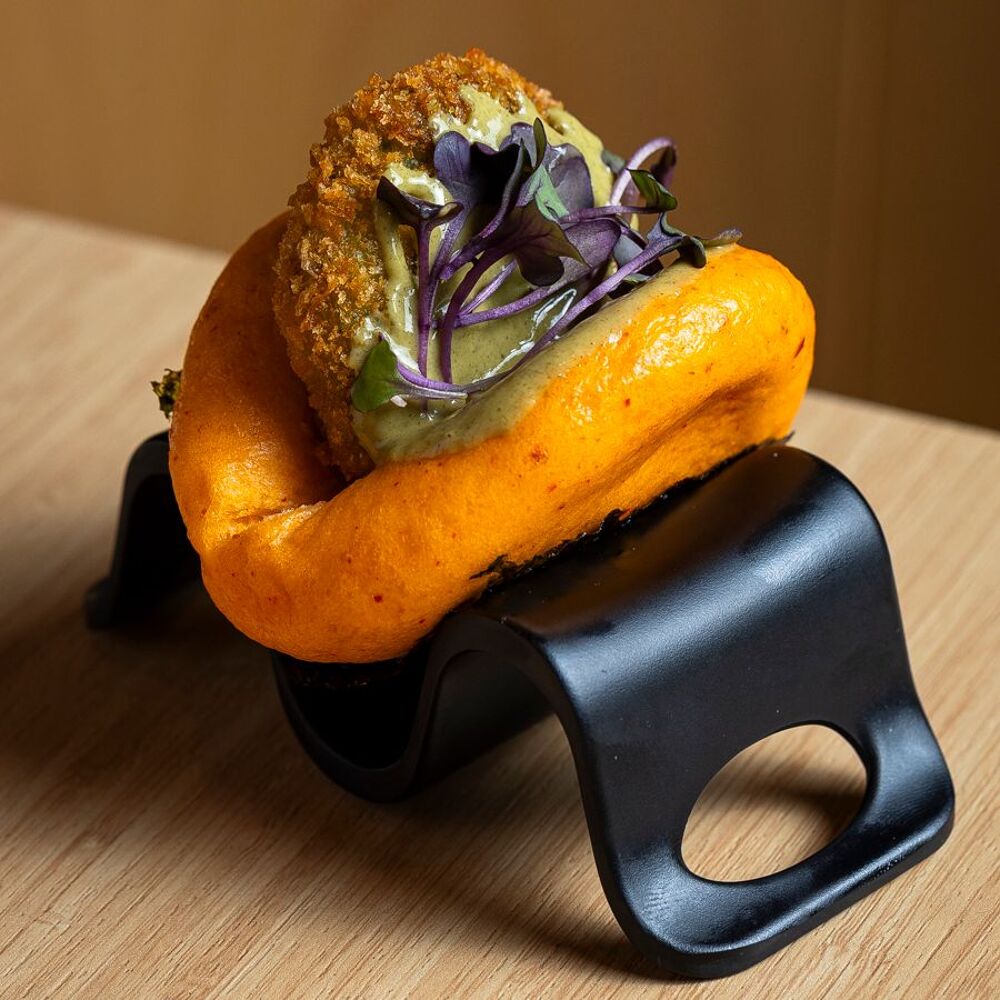
Focus orders on tuna tartare and nakauchi. The Michelin Plate recognitions suggest the kitchen prioritizes precise technique, so lean toward composed, ingredient‑forward plates rather than expecting theatrical omakase service. Because the spot operates as a neighborhood anchor, expect a menu built for repeat visits: try the highlighted signatures first to get a clear sense of the restaurant’s strengths.
Venue details
Ambiance
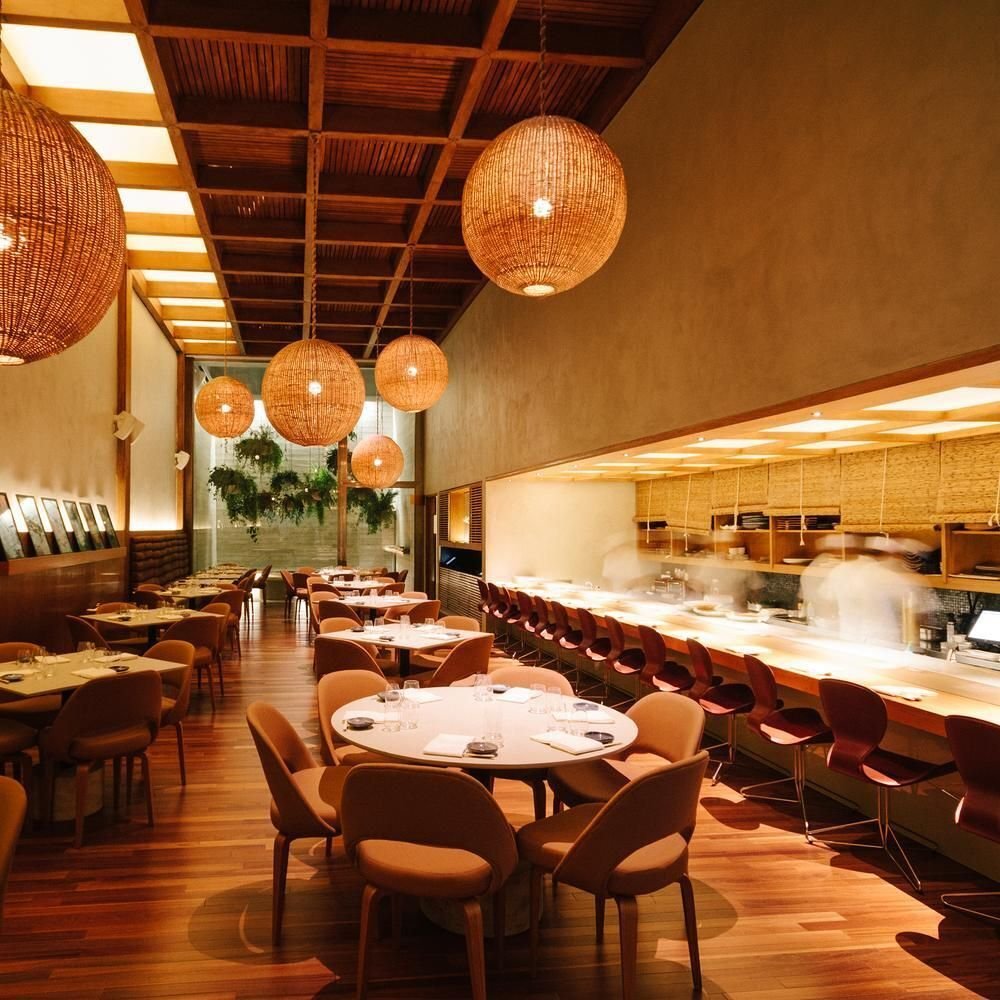
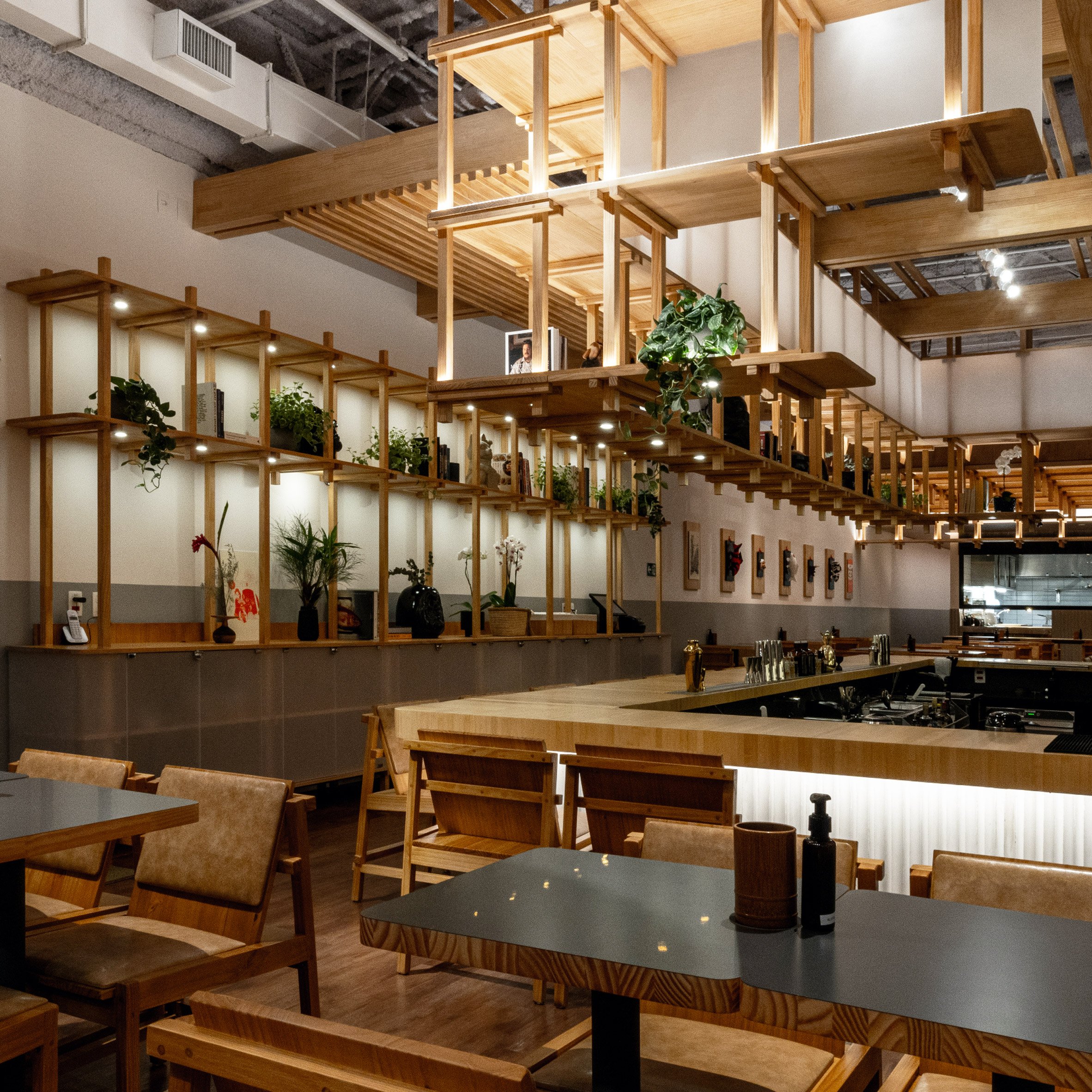
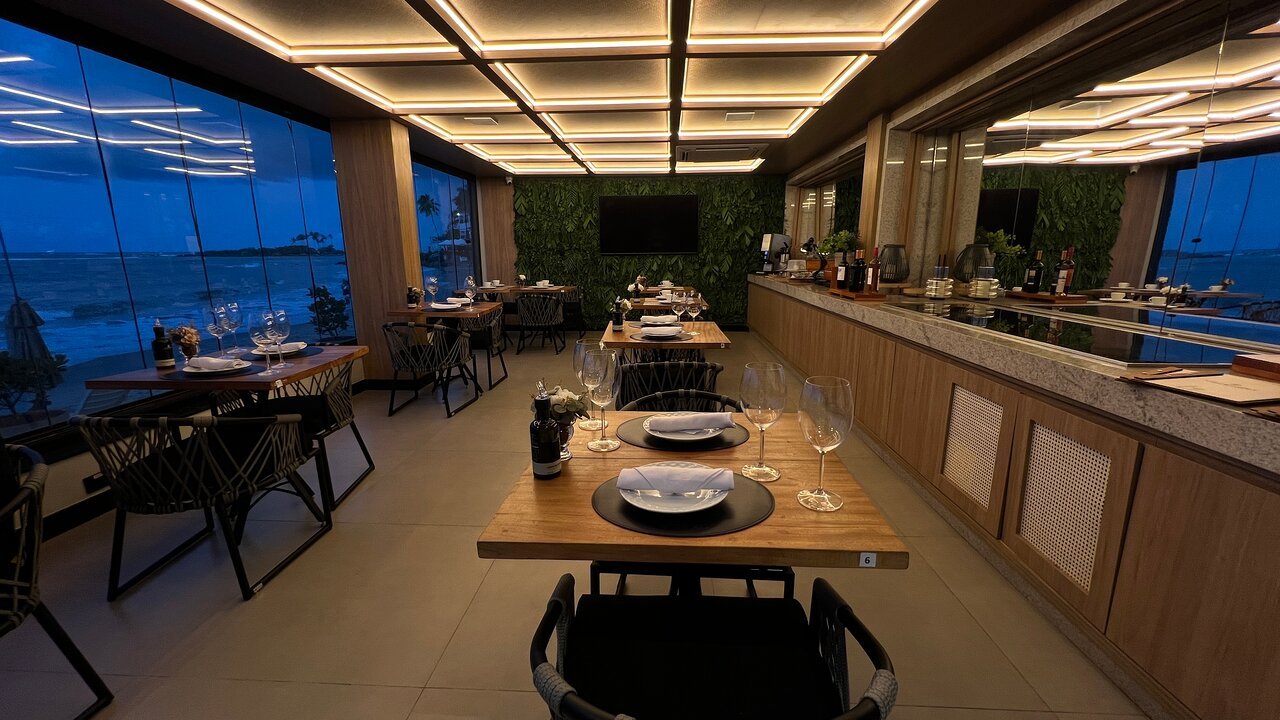
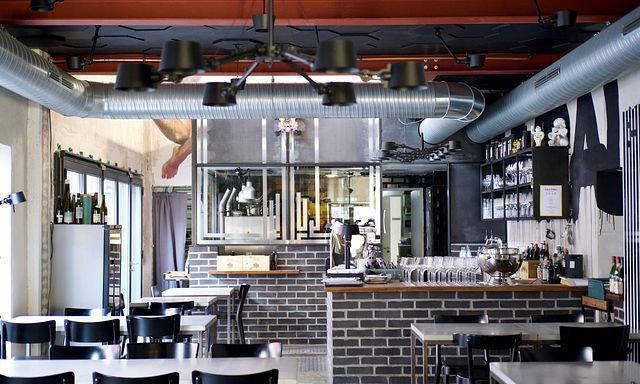
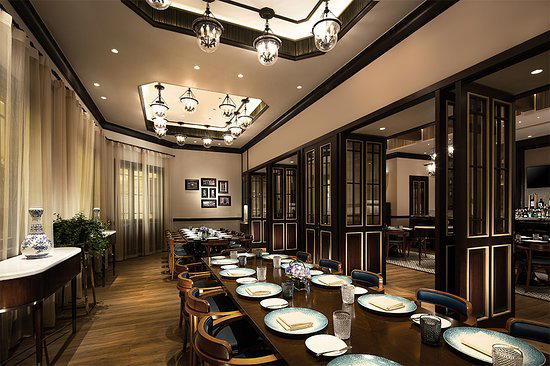
Simple decor with a welcoming atmosphere centered around the sushi bar, good lighting, and friendly energetic service.
Tags
Vibe
Best For
Experience
At the Table
- Dress Code
- Smart Casual
- Noise Level
- Conversational
- Service Style
- Upscale Casual
- Meal Pacing
- Leisurely
- Capacity
- Small
- Kitchen
- Traditional
- Menu Format
- A la carte, Counter dining
- Drinks Focus
- Sake
Signature Dishes
- tuna tartare
- nakauchi
Recognition and awards
Alternatives to Kubo Zushi
- D.O.M.: Modern Brazilian, Creative, $$$$
- Evvai: Contemporary Italian, Modern Cuisine, $$$$
- Maní: Brazilian - International, Creative, $$$
- Jun Sakamoto: Sushi, Japanese, $$$
- A Casa do Porco: Regional Brazilian, Brazilian, $$
| Venue | Cuisine | Awards |
|---|---|---|
| Kubo Zushi | Japanese | Michelin Guide Rio de Janeiro & Sao Paulo 20262025 Michelin Plate2024 Michelin Plate |
| D.O.M. | Modern Brazilian, Creative | 2026 OAD Top Restaurants in South America Ranked · #11Michelin Guide Rio de Janeiro & Sao Paulo 20262026 La Liste Top Restaurants2025 Latin America's 50 Best Restaurants · #74We're Smart World Top Restaurants 20252025 The Best Chef Three KnivesChef's Table Featured Restaurants · 20252025 La Liste Top Restaurants2025 Michelin 2 Stars |
| Evvai | Contemporary Italian, Modern Cuisine | 2026 OAD Top Restaurants in South America Ranked · #36The 50 Best Restaurants 2026: 1–100 · #68Michelin Guide Rio de Janeiro & Sao Paulo 20262026 La Liste Top Restaurants2025 Latin America's 50 Best Restaurants · #202025 OAD Top Restaurants in South America Ranked · #432025 World's 50 Best Restaurants · #952025 Michelin 2 Stars2025 La Liste Top Restaurants |
| Maní | Brazilian - International, Creative | 2026 OAD Top Restaurants in South America Ranked · #21Michelin Guide Rio de Janeiro & Sao Paulo 20262026 La Liste Top Restaurants2025 OAD Top Restaurants in South America Ranked · #202025 Latin America's 50 Best Restaurants · #67We're Smart World Top Restaurants 20252025 La Liste Top Restaurants2025 The Best Chef One Knife2025 Michelin 1 Star |
| Jun Sakamoto | Sushi, Japanese | 2026 OAD Top Restaurants in South America Ranked · #69Michelin Guide Rio de Janeiro & Sao Paulo 20262026 La Liste Top Restaurants2025 OAD Top Restaurants in South America Ranked · #592025 Michelin 1 Star2025 La Liste Top Restaurants2024 OAD Top Restaurants in South America Ranked · #522024 Michelin 1 Star |
| A Casa do Porco | Regional Brazilian, Brazilian | 2026 OAD Top Restaurants in South America Ranked · #17Michelin Guide Rio de Janeiro & Sao Paulo 20262026 La Liste Top Restaurants2025 OAD Top Restaurants in South America Ranked · #142025 Latin America's 50 Best Restaurants · #252025 World's 50 Best Restaurants · #832025 La Liste Top Restaurants2025 The Best Chef Two Knives2025 Michelin Bib Gourmand |












Key differences to consider before you reserve.
Within São Paulo's broader dining scene, Kubo Zushi occupies a distinct position: Michelin-recognised Japanese at a $$ price point, which no direct competitor in the city quite matches at the same level of documented recognition. Jun Sakamoto is the obvious comparison for Japanese food, but it operates at $$$ with a stronger omakase focus: the right choice if you want the full format and are prepared to spend more, but a harder booking and a different commitment. For visitors who want Japanese quality with lower stakes on price, Kubo Zushi is the clearer call.
If your priority is São Paulo's broader fine dining tier, D.O.M. and Evvai both operate at $$$$ with tasting menu formats and a different level of occasion weight: neither is a sushi alternative, but both are the right frame if the meal is the event rather than the cuisine. Maní at $$$ sits closer in spirit: creative, neighbourhood-facing, and worth booking if Brazilian-international cooking is what you want instead. A Casa do Porco matches Kubo Zushi on price tier but serves regional Brazilian: a very different meal, but the right alternative if you are choosing between the two on value grounds.
For a return visitor choosing between Kubo Zushi and its Japanese-category peers, Kubo Zushi is the most accessible on price. It will not replace a high-commitment omakase experience, but for a weekday lunch or a low-friction dinner in Vila Madalena, it outperforms its price bracket clearly enough to recommend over the alternatives at the same tier.
Questions
What are alternatives to Kubo Zushi in São Paulo?
Jun Sakamoto is the benchmark for serious omakase in São Paulo and sits at a significantly higher price point. Kubo Zushi's $$ pricing and consecutive Michelin Plate recognition (2024, 2025) make it the stronger choice if you want Michelin-acknowledged Japanese food without the spend of the city's top-tier sushi counters.
Can Kubo Zushi accommodate groups?
Neighbourhood sushi restaurants at the $$ price range in São Paulo typically work better for small groups of two to four. Larger parties should call ahead: there is no confirmed private dining information in current records, so checking directly before booking for six or more is advisable.
Is Kubo Zushi good for a special occasion?
It works well for a low-key special occasion where the food matters more than the theatre. Two consecutive Michelin Plates (2024 and 2025) give it credibility, and the $$ price range means you are not overpaying for the setting. For a milestone dinner with more formality or a longer tasting format, Jun Sakamoto or Evvai would be a stronger fit.