

Kotori
Japanese · Pinheiros, São Paulo
Restaurant in São Paulo, Brazil
 Book with Pearl
The Read
Yōshoku-Brazilian Crossover
Price
$30–50per person
Dress
Smart Casual
Why go
Kotori holds a Michelin Bib Gourmand for 2024 and 2025, two consecutive years, and charges $$ for it. That makes it one of the clearest value plays in São Paulo's Japanese dining scene. The yōshoku and grilled skewer format sets it apart from straight sushi counters; for pure sushi precision at a higher price, Jun Sakamoto is the alternative. For everything else, book Kotori.
About Kotori
Verdict
Kotori is one of the most accessible Michelin-recognized restaurants in São Paulo: and that accessibility is the point. At $$, with a Bib Gourmand in both 2024 and 2025, it delivers consistent quality at a price that makes repeat visits realistic. If you are looking for a serious Japanese meal in Pinheiros without the commitment of a $$$+ tasting menu, book here. If you want pure sushi precision, Jun Sakamoto is the better call: but you will pay more for it.
What Kotori Actually Is
The most common misconception about Kotori is that it is a conventional Japanese restaurant. It is not. The kitchen focuses on yōshoku, a culinary tradition built around Japanese reinterpretations of Western dishes, combined with grilled skewers. This is not the format you associate with a hushed, ceremonial Japanese dining room. Expect a livelier space, a more casual register, and food that reflects the creative tension between Japanese technique and Brazilian ingredients. That combination is not accidental: it reflects São Paulo's position as home to the largest Japanese diaspora outside Japan, a context that gives yōshoku cooking here a particular depth of local reference.
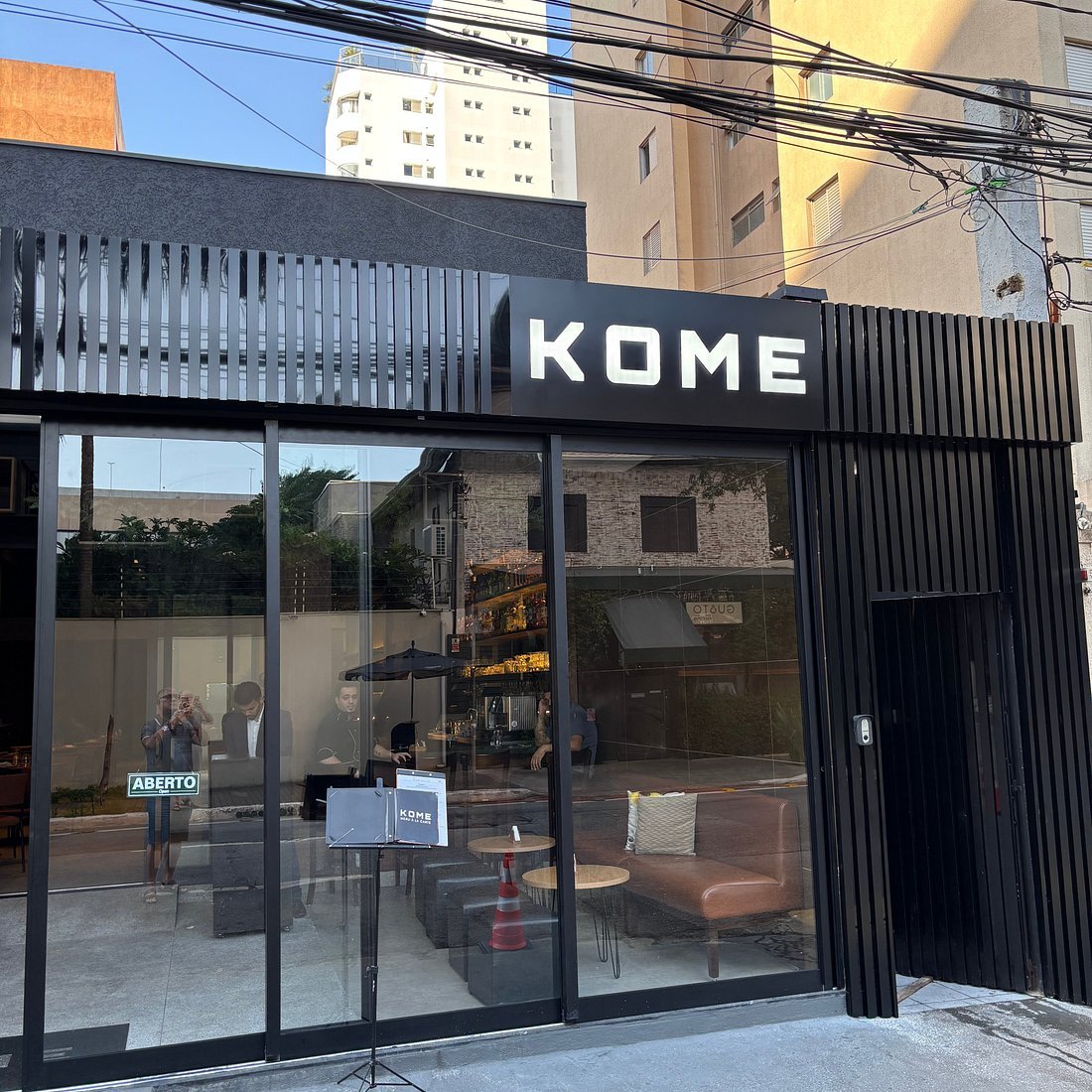
The address, R. Cônego Eugênio Leite, 639 in Pinheiros, places Kotori in one of São Paulo's most food-literate neighbourhoods. Pinheiros rewards walking: the streets around the venue carry a concentration of serious independent restaurants, which makes Kotori a natural anchor for a longer evening rather than a standalone destination. If you are staying elsewhere in the city, factor in travel time; Pinheiros is well-connected but São Paulo traffic is unpredictable.
The Space and Counter Experience
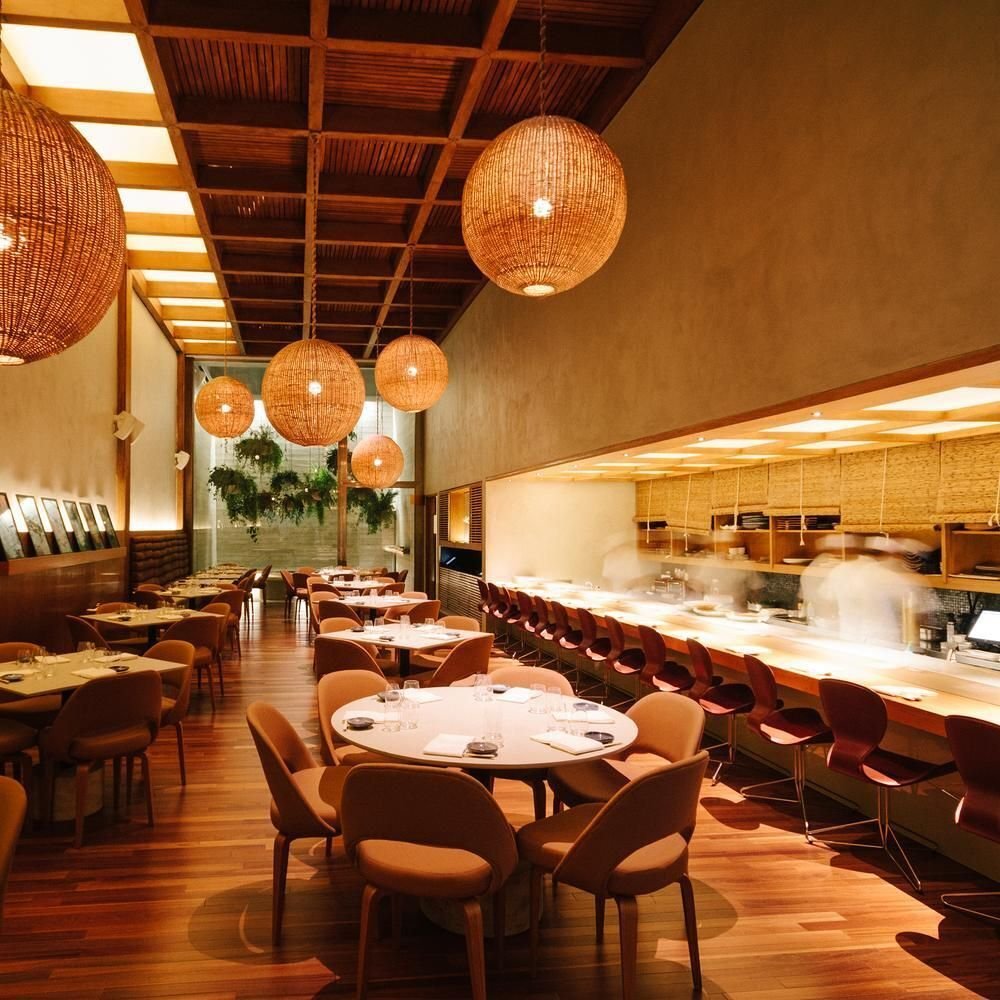
Spatially, Kotori operates at an intimate scale. The physical format, a compact room with counter seating options, positions it closer to a Japanese izakaya or yakitori-ya than to a large-format Brazilian dining room. Counter seating, where available, is worth prioritising here. The grilled skewer component of the menu makes direct kitchen-facing seats genuinely informative: you can watch the pacing of the grill and order accordingly rather than committing to a fixed sequence upfront. For solo diners and pairs, the counter is the most engaged way to eat at Kotori. It also tends to move faster, which matters if you are fitting Kotori into a broader evening in Pinheiros.
The spatial atmosphere is casual without being loud, a register that suits both a focused food conversation and a relaxed dinner between friends. For explorers who want to eat well without the formality of a tasting-menu room, the room delivers on that promise. Compare this to Kinoshita, which operates at a more traditional and formal Japanese register at a higher price point. Kotori is the better choice when you want depth without ceremony.
Timing and When to Go
Weekday evenings are the optimal window. Pinheiros restaurants at the $$ tier fill quickly on Friday and Saturday nights, and Kotori's relatively small footprint means that weekend walk-ins carry real risk. A midweek visit gives you more room, spatially and logistically, and counter seats are more likely to be available without a long wait. Booking is rated Easy, which is a genuine advantage over comparable venues in the city. Use it: even if the booking process is low-friction, reserving a counter seat in advance is worth the two minutes it takes.
There is no strong seasonal argument for one time of year over another, São Paulo's restaurant culture runs consistently year-round. That said, December and January see a notable volume of tourists alongside local celebrations, so if you prefer a quieter room, avoid peak summer weeks.
How Kotori Compares to São Paulo's Japanese Options
São Paulo's Japanese restaurant scene is dense and serious. Kotori sits in a specific lane within it: Michelin-endorsed, accessibly priced, and format-distinctive. For comparable Japanese experiences at the $$ tier, Huto, Kan Suke, KANOE, and Kuro all operate in the same neighbourhood cluster and are worth considering depending on what format you are after. Kotori's yōshoku and skewer focus sets it apart from straight sushi counters in that group.
If you are spending more time in Brazil and want a reference point for how Kotori fits the broader high-end dining picture, Lasai in Rio de Janeiro, Manu in Curitiba, and Manga in Salvador each represent regional excellence in their respective cities. Kotori occupies a different tier, more casual, more accessible, but the Bib Gourmand credential puts it in credible company nationally.
For Japanese reference points beyond Brazil, Myojaku and Azabu Kadowaki in Tokyo represent the kind of precise, restrained Japanese cooking that Kotori consciously diverges from. Kotori is not trying to replicate Tokyo, it is doing something specific to São Paulo, and that is the reason to go.
Ratings and Trust Signals
- Michelin Bib Gourmand: 2024 and 2025, two consecutive years, which removes any doubt about consistency
- Price tier: $$, competitive for Michelin-recognized dining anywhere in South America
Booking and Practical Details
Booking difficulty is Easy. Kotori does not require weeks of advance planning the way the city's $$$$ venues do. That said, counter seats at a small restaurant fill faster than tables, so if your priority is sitting at the counter, book ahead and specify it. The address, R. Cônego Eugênio Leite, 639, Pinheiros, is well-served by rideshare from most parts of São Paulo. Pinheiros is also walkable to several other notable venues if you are planning a longer evening. For a fuller picture of what else is worth your time in the city, see our full São Paulo restaurants guide, our full São Paulo bars guide, and our full São Paulo hotels guide. If you are planning beyond the city, our São Paulo experiences guide and wineries guide cover the wider region. For a mountain dining detour, Mina in Campos do Jordão and Castelo Saint Andrews in Gramado are worth noting. Orixás | North Restaurant in Itacaré rounds out the regional picture for coastal travel.
Planning details
- Hours
- Monday: Closed · Tuesday: 7–11 PM
- Location
- R. Cônego Eugênio Leite, 639 - Pinheiros, São Paulo - SP, 05414-011, Brazil
- Phone
- +55 11 3891-0043
The take
The Take
The Vibe
Kotori occupies a quietly assured corner of Pinheiros, favoring conversation and culinary curiosity over theatrical service. The kitchen treats Japanese yōshoku as a two-way conversation with Brazilian ingredients, which gives the room an approachable, lived-in quality: guests come to taste craft rather than witness performance. The space reads as intimate and charming, the kind of place where technique is evident but not showy, and where a grilled skewer programme complements thoughtful reinterpretations of familiar dishes. Expect a relaxed, unhurried energy that suits readers of menus and diners who prefer warmth and intent over formality.
Best For
Kotori is well suited to intimate outings and low-key date nights, and it also rewards solo diners who appreciate careful menus and unexpected flavor pairings. The restaurant's focus on yōshoku and a skewer programme makes it a natural choice for small, relaxed gatherings and casual hangouts among friends who like to share plates and compare bites. Because the kitchen leans into dialogue with local produce rather than spectacle, it favors diners who enjoy tasting-driven meal experiences and thoughtful pacing over loud or high-energy nights out.
Ordering Tips
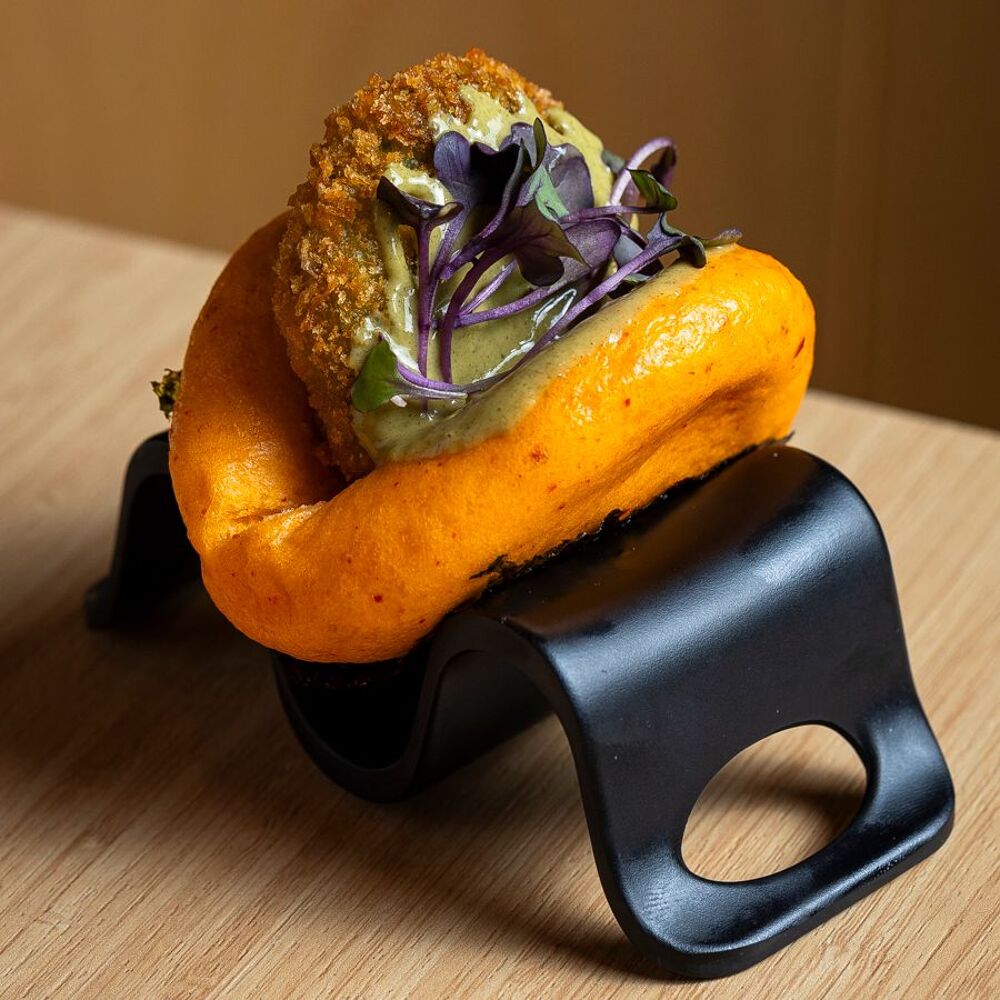
Lean into the kitchen's strengths by sampling items that showcase the yōshoku influence and the grill programme. Start with the signature eryngii mushrooms and a portion of chicken karaage to feel the balance of Japanese technique and Brazilian ingredients, then try several skewers to understand the grill-focused lineup. Save room for the shokupan rabanada as a sweet finish. Ask servers about daily or seasonal variations: the menu’s conversation with local produce means specials or tweaks are likely, and the staff can help pace skewers and shared plates so the table flows naturally.
Venue details
Ambiance
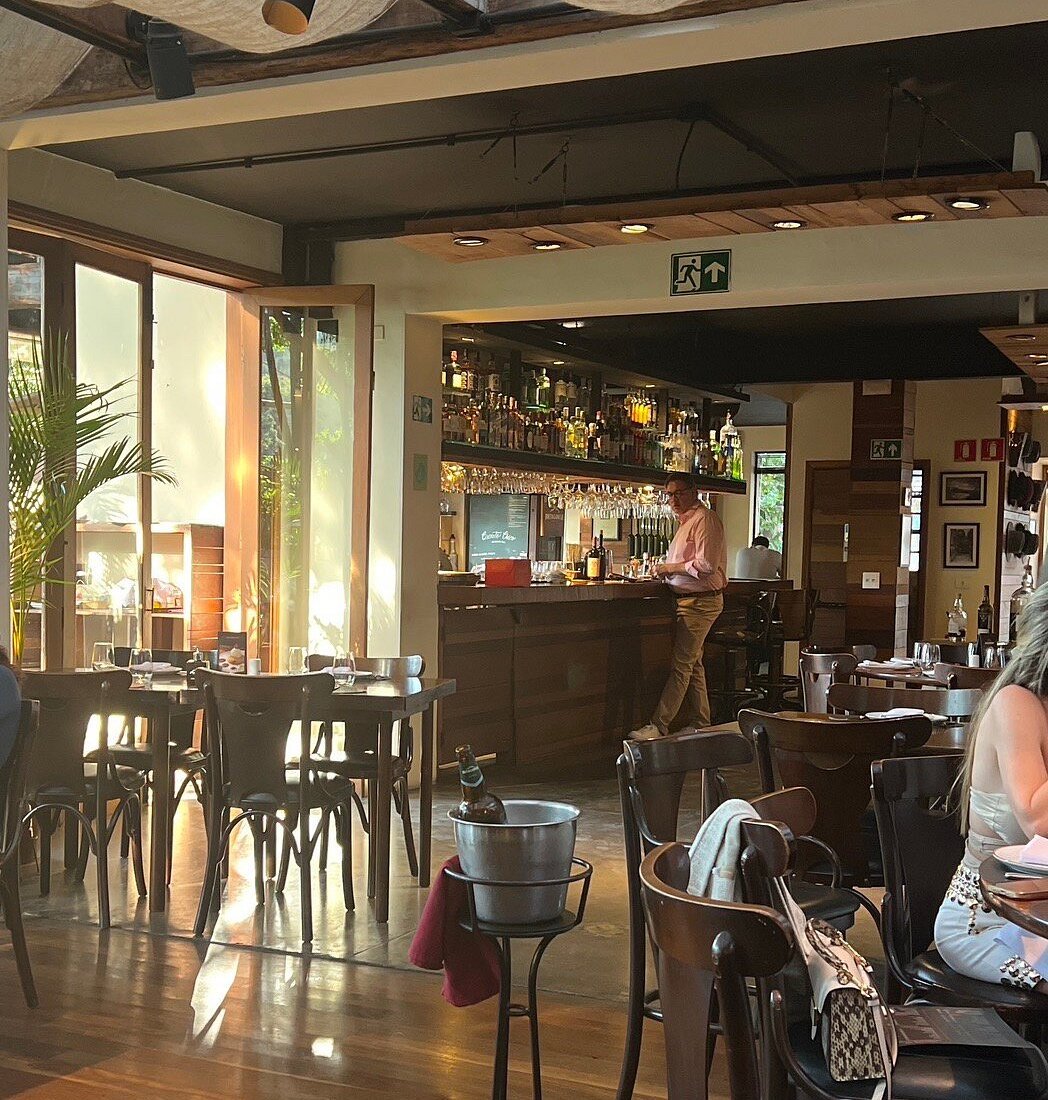
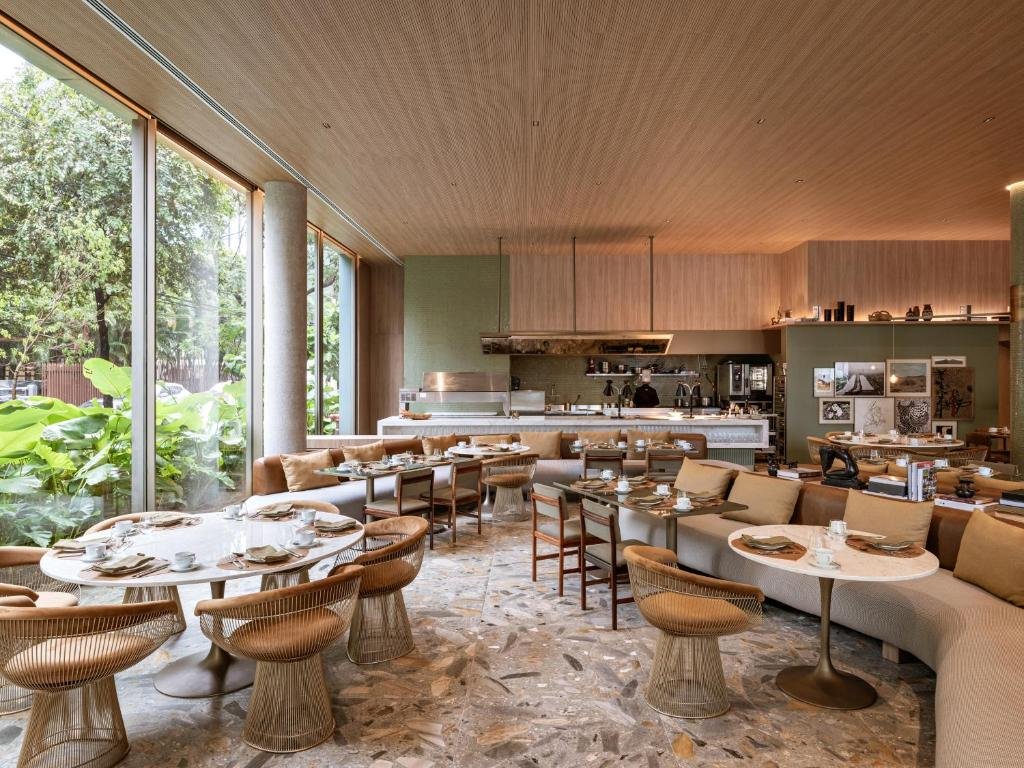
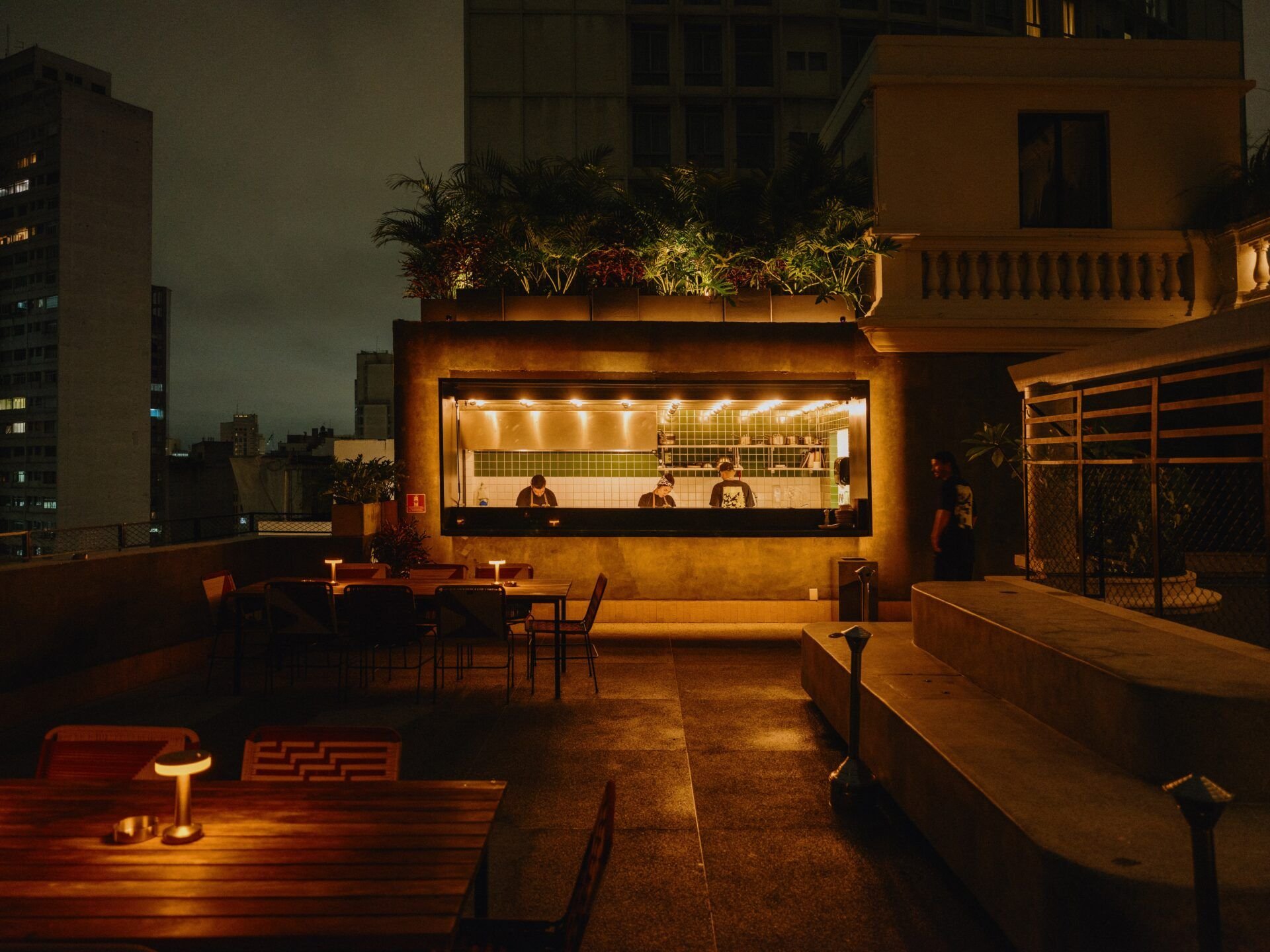
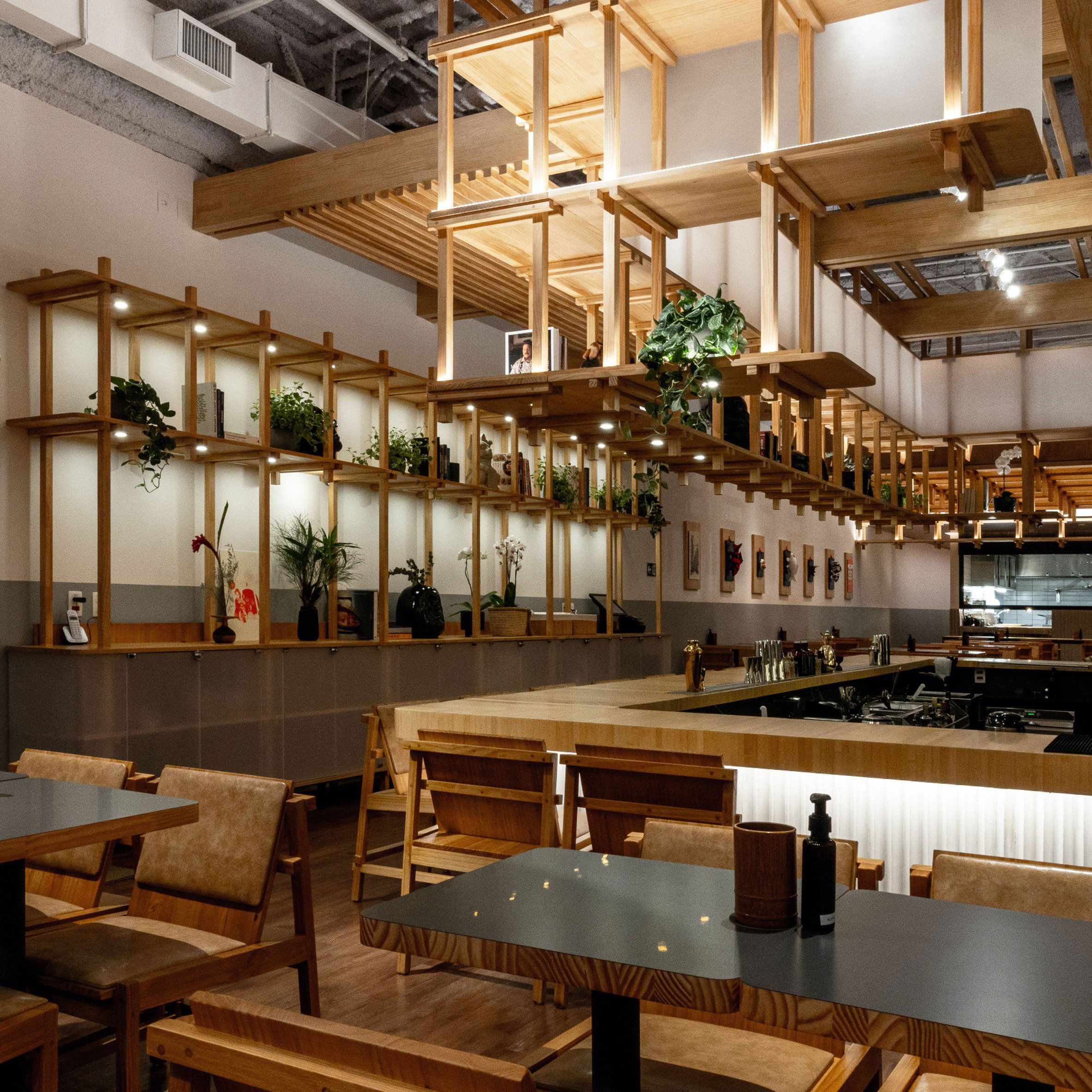
Cozy yet cool interior with wooden lattice ceilings, open kitchen, and Japanese design elements inspired by moorings, high fashion, and washi paper for an intimate, serene atmosphere.
Tags
Vibe
Best For
Experience
Sourcing
At the Table
- Dress Code
- Smart Casual
- Noise Level
- Conversational
- Service Style
- Upscale Casual
- Meal Pacing
- Leisurely
- Capacity
- Small
- Kitchen
- Modern
- Menu Format
- Small plates, A la carte
- Drinks Focus
- Sake program, Craft cocktails
Signature Dishes
- Eryngii mushrooms
- shokupan rabanada
- chicken karaage
Know before you go
Know Before You Go
- Getting there
- R. Cônego Eugênio Leite, 639 - Pinheiros, São Paulo - SP, 05414-011, Brazil
Planning details
Hours
- Monday
- Closed
- Tuesday
- 7–11 PM
- Wednesday
- 7–11 PM
- Thursday
- 7–11 PM
- Friday
- 7–11 PM
- Saturday
- 12–4 PM, 7–11 PM
- Sunday
- Closed
Location
R. Cônego Eugênio Leite, 639 - Pinheiros, São Paulo - SP, 05414-011, Brazil · Directions

Also consider
Also Consider
- D.O.M.: Modern Brazilian, Creative, $$$$
- Evvai: Contemporary Italian, Modern Cuisine, $$$$
- Maní: Brazilian - International, Creative, $$$
- Jun Sakamoto: Sushi, Japanese, $$$
- A Casa do Porco: Regional Brazilian, Brazilian, $$
Restaurant context
Kotori sits at $$ in a São Paulo dining market where most Michelin-recognized venues charge $$$–$$$$. That gap defines its positioning. D.O.M. and Evvai are both $$$$ and deliver experiences where the room, the service architecture, and the tasting menu format are part of what you are paying for. If that full-format experience is what you want, they are worth the price. If you want serious cooking without the commitment, in time, formality, or spend, Kotori is the more practical choice for a weeknight in Pinheiros.
Jun Sakamoto at $$$ is the direct Japanese comparator. It delivers greater technical precision in the sushi register and suits diners for whom Japanese cooking means omakase and nigiri. Kotori's yōshoku and skewer format is a meaningfully different proposition: more casual, more interactive, and more rooted in the São Paulo context of Japanese-Brazilian fusion. Choose Jun Sakamoto if sushi craft is your priority; choose Kotori if you want depth of concept at a lower price point. Maní at $$$ is worth mentioning for diners who are weighing Brazilian-international creative cooking against Kotori: Maní operates at a more formal register and covers different culinary ground, but sits in a comparable consideration set for a serious dinner out.
A Casa do Porco at $$ is the only peer in the same price tier, and the comparison is instructive: A Casa do Porco is harder to book, louder, and Brazilian in focus. Kotori is easier to secure, more intimate in scale, and Japanese in identity. For value-conscious diners who want Michelin-level cooking without queue management, Kotori has the cleaner booking experience of the two.
Explore São Paulo
Around this place
Discover more on Pearl
Unlock the full Kotori guide in Pearl, including awards, comparisons, FAQs, planning details, and nearby places.
Compare Kotori
| Venue | Cuisine | Price | Awards | Booking Difficulty |
|---|---|---|---|---|
| Kotori | Japanese | $$ | Michelin Guide Rio de Janeiro & Sao Paulo 20262025 Latin America's 50 Best Restaurants · #552025 Michelin Bib Gourmand2024 Michelin Bib Gourmand | Easy |
| D.O.M. | Modern Brazilian, Creative | $$$$ | 2026 OAD Top Restaurants in South America Ranked · #11Michelin Guide Rio de Janeiro & Sao Paulo 20262026 La Liste Top Restaurants2025 Latin America's 50 Best Restaurants · #74We're Smart World Top Restaurants 20252025 The Best Chef Three KnivesChef's Table Featured Restaurants · 20252025 La Liste Top Restaurants2025 Michelin 2 Stars | Unknown |
| Evvai | Contemporary Italian, Modern Cuisine | $$$$ | 2026 OAD Top Restaurants in South America Ranked · #36Michelin Guide Rio de Janeiro & Sao Paulo 20262026 La Liste Top Restaurants2025 Latin America's 50 Best Restaurants · #202025 OAD Top Restaurants in South America Ranked · #432025 World's 50 Best Restaurants · #952025 Michelin 2 Stars2025 La Liste Top Restaurants2025 Michelin Plate | Unknown |
| Maní | Brazilian - International, Creative | $$$ | 2026 OAD Top Restaurants in South America Ranked · #21Michelin Guide Rio de Janeiro & Sao Paulo 20262026 La Liste Top Restaurants2025 OAD Top Restaurants in South America Ranked · #202025 Latin America's 50 Best Restaurants · #67We're Smart World Top Restaurants 20252025 La Liste Top Restaurants2025 The Best Chef One Knife2025 Michelin 1 Star | Unknown |
| Jun Sakamoto | Sushi, Japanese | $$$ | 2026 OAD Top Restaurants in South America Ranked · #69Michelin Guide Rio de Janeiro & Sao Paulo 20262026 La Liste Top Restaurants2025 OAD Top Restaurants in South America Ranked · #592025 Michelin 1 Star2025 La Liste Top Restaurants2024 OAD Top Restaurants in South America Ranked · #522024 Michelin 1 Star | Unknown |
| A Casa do Porco | Regional Brazilian, Brazilian | $$ | 2026 OAD Top Restaurants in South America Ranked · #17Michelin Guide Rio de Janeiro & Sao Paulo 20262026 La Liste Top Restaurants2025 OAD Top Restaurants in South America Ranked · #142025 Latin America's 50 Best Restaurants · #252025 World's 50 Best Restaurants · #832025 La Liste Top Restaurants2025 The Best Chef Two Knives2025 Michelin Bib Gourmand | Unknown |







.png?width=1200&quality=80)



Key differences to consider before you reserve.
FAQ
Frequently Asked Questions
Does Kotori handle dietary restrictions?
The kitchen's yōshoku format means dishes are built around specific Japanese-Brazilian technique pairings, which can limit flexibility. Mention any dietary restrictions when booking: at a compact counter-style restaurant in this category, the kitchen generally prefers advance notice. Guests with seafood or soy allergies should flag these early given the Japanese cuisine framework.
What should I order at Kotori?
Kotori's kitchen centers on two things: yōshoku dishes and grilled skewers, both drawing on Brazilian ingredients interpreted through Japanese technique. Those are the reasons to be here: ordering around them is the right move. Skewers are the counter format's natural focus, so prioritize those over anything that reads as an afterthought on the menu.
Can I eat at the bar at Kotori?
Yes: counter seating is part of Kotori's format, not a fallback option. The compact room with counter positions makes it one of the more practical solo or two-person dining setups in Pinheiros. Counter seats do fill on busier nights, so booking ahead even for counter spots is advisable on weekends.
Is Kotori worth the price?
At $$, with back-to-back Michelin Bib Gourmand recognition in 2024 and 2025, Kotori is one of the strongest value cases in São Paulo's Japanese dining scene. The Bib Gourmand designation specifically signals good cooking at accessible prices: that is what you are getting. If you want a full omakase experience, Jun Sakamoto operates at a higher tier; Kotori is the right call when value-to-quality ratio matters.
Is Kotori good for a special occasion?
It works for a low-key special occasion, a birthday dinner or a treat-yourself weeknight meal, but the intimate, informal counter setting means it reads more as a great regular spot than a formal celebration venue. For a milestone that calls for a grander room, Evvai or Maní fit that bill better. Kotori's appeal is the food and the value, not ceremony.
Can Kotori accommodate groups?
Groups larger than four will find Kotori's compact format a challenge. The counter-focused room is built for pairs and small parties, not large bookings. For groups of five or more, A Casa do Porco or D.O.M. offer more space and format flexibility: Kotori is better reserved for two to four guests.
Is Kotori good for solo dining?
Yes: this is one of the better solo dining options in Pinheiros. Counter seating at a focused Japanese-format restaurant is purpose-built for eating alone and engaging with what's being cooked. At $$ with Michelin Bib Gourmand credentials, the solo spend-to-quality ratio is difficult to beat in this neighborhood.