
Restaurant in Santiago, Chile · Inside W Santiago
Karai by Mitsuharu
230Pearl PointsMaido's Santiago outpost. Book it.

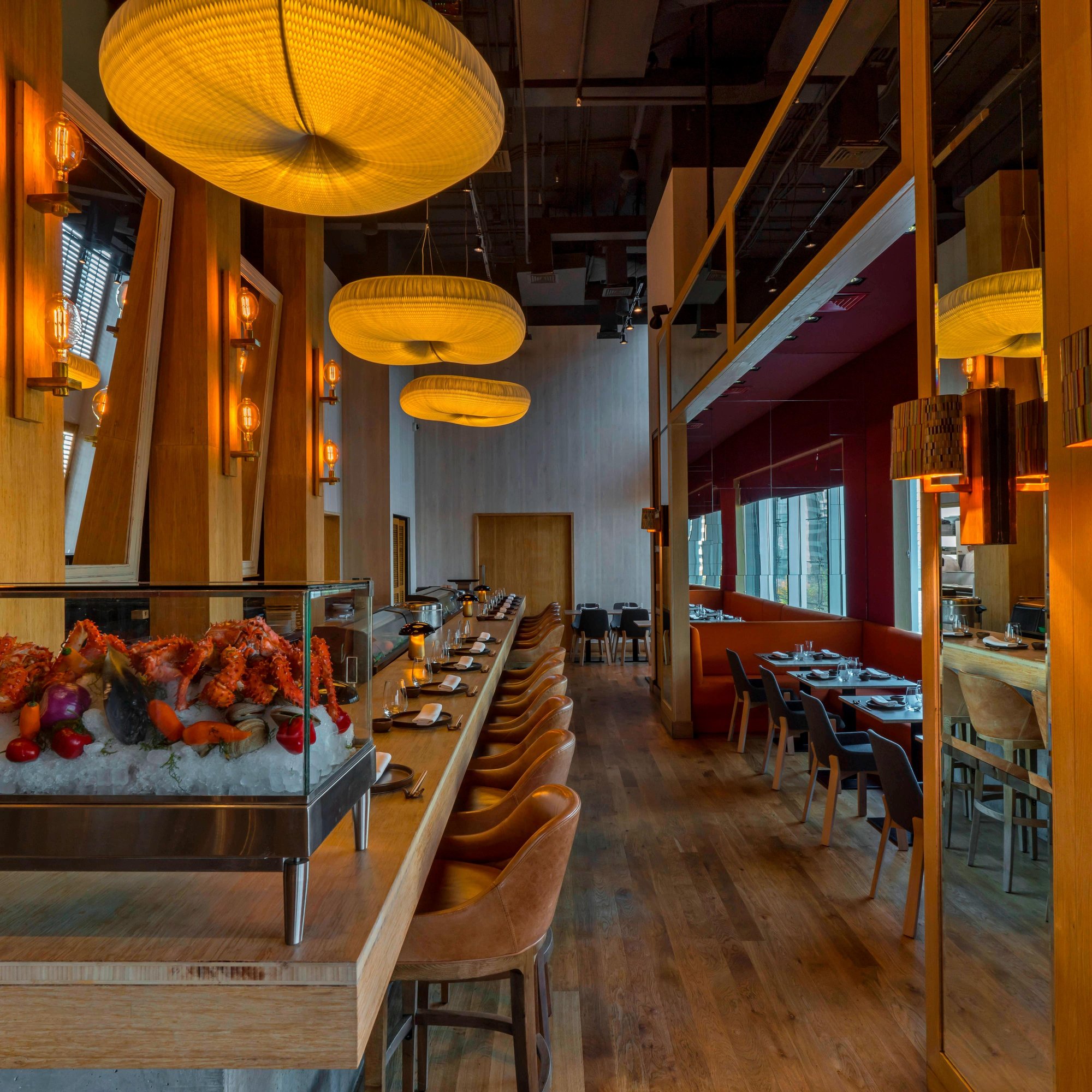
About Karai by Mitsuharu
Karai by Mitsuharu brings the Nikkei cooking tradition of Lima's Maido to Santiago, applying Japanese precision and Peruvian flavour logic to high-quality Chilean seafood and local produce. Based in the W Hotel Las Condes, it is among the most reliable special-occasion choices in the city and one of the easier fine-dining bookings you will make in Santiago.
Should You Book Karai by Mitsuharu?
Booking a table at Karai is easy by Santiago fine-dining standards — no months-long waitlist, no lottery system. That accessibility, combined with the pedigree behind the kitchen, makes it one of the more direct calls in Las Condes: if Nikkei cuisine interests you and you want a special-occasion room that delivers on the night, book it. The harder question is whether the W Hotel setting and the price point align with what you're after. For most visitors and Santiago residents planning a celebration dinner, the answer is yes.
The Karai Portrait
Karai by Mitsuharu arrived in Santiago as a direct extension of Maido, the Lima restaurant that has placed consistently on the World's 50 Best Restaurants list. That lineage matters here because it shapes the entire sourcing logic of the menu. Mitsuharu "Micha" Tsumura built Maido on the principle that Nikkei cooking — the fusion tradition born from Japanese immigration to Peru , earns its credibility through ingredient discipline. At Karai, that same framework is applied with a Chilean lens: local seafood and regional produce from Chile's extraordinary coastline and agricultural zones are run through Japanese technique, with Peruvian flavour architecture providing the connective tissue.
The result is a menu where Chilean sourcing is not a cosmetic addition but the actual point. The cold Pacific waters off Chile produce shellfish and fish with a clean, mineral intensity that works directly with the restraint of Japanese preparation , think precision-cut nigiri built around Chilean product rather than imported fish. The Peruvian elements, particularly the citrus-driven ceviches and the layered heat of aji-based sauces, give the menu a warmth and boldness that pure Japanese omakase would not. If you are familiar with Nikkei cooking from Lima or from restaurants like Le Bernardin in New York City or Lazy Bear in San Francisco, the flavour register here will feel coherent rather than experimental , disciplined fusion with a clear point of view.
The room sits on the fourth floor of the W Santiago at Isidora Goyenechea 3000 in Las Condes, which places it firmly in the city's financial and hotel-dining corridor. The W setting brings a level of service infrastructure that standalone restaurants in Santiago often cannot match: trained floor staff, consistent pacing, and a wine and beverage programme capable of handling a business dinner as fluently as a date night. That hotel polish is a genuine asset for special occasions rather than a trade-off. The atmosphere skews contemporary and energetic rather than hushed and reverent, which means it works well for groups celebrating, for corporate entertaining, and for first-time visitors to Santiago who want a high-confidence dinner in a controlled environment.
For diners planning around Santiago's produce calendar, the menu's reliance on local Chilean ingredients means the kitchen is responsive to seasonal availability. Summer (December through February in Chile) brings the widest selection of fresh coastal product; that is the period when the sourcing logic is most visible on the plate. Visiting in this window is worth prioritising if the Nikkei-Chilean ingredient story is the main draw for you.
If you are building a broader Santiago dining itinerary, Karai sits in a different category from Boragó's native Chilean tasting menus or the French-inflected cooking at Ambrosia. It also occupies distinct territory from the city's strong seafood-focused options like La Calma by Fredes. Karai is the right choice when the specific combination of Japanese technique, Peruvian flavour, and premium Chilean product is what you want , not as a compromise, but as an intentional first choice.
Explore more of Santiago's dining options in our full Santiago restaurants guide, or check our Santiago hotels guide if you are also considering where to stay. For neighbourhood options nearby, Peumayen in Providencia and D.O. Restoran in Lo Barnechea are worth considering. Further afield, Pasta e Vino Ristorante in Valparaiso and Aquí Jaime in Concon are strong coastal alternatives if your trip extends beyond the capital. Wine-focused travellers should also look at our Santiago wineries guide and Viña Concha y Toro in Pirque for cellar-door experiences.
Practical Details
| Detail | Karai by Mitsuharu | Boragó | La Calma by Fredes |
|---|---|---|---|
| Cuisine | Nikkei (Japanese-Peruvian-Chilean) | Modern Chilean tasting menu | Chilean seafood |
| Setting | W Hotel, Las Condes (4th floor) | Standalone, Las Condes | Standalone restaurant |
| Booking difficulty | Easy | Moderate to hard | Moderate |
| Leading for | Special occasion, business dinner, date night | Deep Chilean tasting experience | Focused seafood dinner |
| Price tier | High (hotel fine dining) | High (tasting menu) | Mid to high |
For bars and wine-focused dining in Santiago, see our full Santiago bars guide and 99 Restaurante. For a more casual exploration of Santiago's food scene, Demencia and Rosario in Rengo offer different reference points. Check our Santiago experiences guide for context on how Karai fits within a broader visit.
Frequently Asked Questions
Does Karai by Mitsuharu handle dietary restrictions?
Nikkei cuisine at this level typically accommodates pescatarian and gluten-aware diners well, given the heavy seafood and rice focus. Confirm specific needs directly with the W Santiago hotel team when booking, as Karai operates within the hotel and reservation queries can be routed through the property. Severe allergies deserve a direct call rather than an assumption.
Is Karai by Mitsuharu good for a special occasion?
Yes, and it is one of the stronger calls for a celebration in Santiago's Las Condes area. The W Hotel setting on the fourth floor gives it event-worthy atmosphere, and the Nikkei format — precise nigiri and inventive seafood from Mitsuharu Tsumura's Maido lineage — delivers enough culinary ambition to feel like an occasion without requiring a months-long wait to get a table. If you want something more rooted in Chilean produce specifically, Boragó is the alternative worth considering.
What should a first-timer know about Karai by Mitsuharu?
Karai is a Nikkei restaurant, meaning the menu sits at the intersection of Japanese technique and Peruvian flavor, with Chilean local products folded in. It is not a standard sushi bar or a Chilean tasting-menu restaurant — expect nigiri alongside dishes with Peruvian seasoning profiles. Mitsuharu Tsumura built his reputation at Maido in Lima, which has featured on the World's 50 Best Restaurants list, so the pedigree is documented. Come with an appetite for seafood; it is the format's backbone.
Can Karai by Mitsuharu accommodate groups?
Groups are feasible given the W Hotel infrastructure behind the restaurant. For parties of six or more, check the venue's official channels to discuss seating options rather than booking through standard channels. Smaller groups of two to four will have the most straightforward experience at the table without additional coordination.
What are alternatives to Karai by Mitsuharu in Santiago?
Boragó is the obvious alternative if you want Chile-first cooking with indigenous ingredients and a tasting-menu format. Ambrosia is a better fit for a quieter, neighbourhood-scale fine-dining meal. La Calma by Fredes focuses on Chilean seafood with a less internationally inflected approach. None of them deliver the Nikkei format that Karai offers, so if Japanese-Peruvian technique is the draw, there is no direct substitute in the city.
How far ahead should I book Karai by Mitsuharu?
A week to ten days ahead is typically enough by Santiago fine-dining standards — Karai does not carry the multi-month waitlists common at comparable restaurants in Lima or Buenos Aires. For weekend dinners or large groups, extend that to two to three weeks. Booking through the W Santiago hotel is the most reliable channel given no dedicated website is listed for the restaurant.
Can I eat at the bar at Karai by Mitsuharu?
The W Hotel setting means bar seating options exist within the property, but whether Karai's kitchen serves the bar directly is worth confirming when you call. If counter or bar dining is your priority, ask specifically when you reserve — do not assume the full menu is available outside the main dining room.
Location
W Santiago, Isidora Goyenechea 3000, piso 4, 7550000 Las Condes, Región Metropolitana, Chile
Santiago, Chile
Compare Karai by Mitsuharu
| Venue | Cuisine | Awards | Booking Difficulty |
|---|---|---|---|
| Karai by Mitsuharu | Easy | ||
| Boragó | Modern Chilean | World's 50 Best | Unknown |
| Ambrosia | French - Chilean | Unknown | |
| La Calma by Fredes | Seafood | World's 50 Best | Unknown |
| Bocanáriz | Wine Bar | Unknown | |
| The Singular Santiago, Lastarria Hotel | Chilean Modern | Unknown |
Key differences to consider before you reserve.
Also Consider
- Boragó, Modern Chilean, Modern Chilean
- Ambrosia, French - Chilean, French - Chilean
- La Calma by Fredes, Seafood, Seafood
- Bocanáriz, Wine Bar, Wine Bar
- The Singular Santiago, Lastarria Hotel, Chilean Modern, Chilean Modern
For a special-occasion dinner in Santiago's upper tier, Karai by Mitsuharu and Boragó are the two most frequently compared options, but they serve different purposes. Boragó is harder to book, runs a more demanding tasting-menu format, and is the choice if you want the deepest engagement with Chilean culinary identity and native ingredients. Karai is the better call if you want a high-confidence, celebratory dinner with polished service and a menu that balances precision with flavour intensity. Both sit at a similar price tier, so the decision comes down to format preference rather than budget.
Ambrosia offers French-Chilean cooking at a comparable level of refinement and is easier to book than Boragó, but its flavour register is fundamentally different from the citrus-driven, umami-layered profile at Karai. If your group is split between preferences, Ambrosia is the safer consensus choice; if everyone is on board with Nikkei, Karai wins clearly. La Calma by Fredes is worth considering if Chilean seafood in a more focused, less hotel-inflected setting is what you want, it sits at a lower price point and delivers strong product-driven cooking without the W Hotel premium.
For wine-focused evenings rather than a full dinner, Bocanáriz is a separate category altogether, it works as a complement to a Karai dinner rather than a replacement. The Singular Santiago, Lastarria Hotel offers modern Chilean cooking in a hotel setting comparable to Karai's W context, but the Lastarria neighbourhood gives it a different character, more local, less corporate-corridor. For visitors staying in or near Las Condes, Karai is the most convenient high-quality option; for visitors based in Lastarria or Bellavista, The Singular Santiago may save unnecessary travel without sacrificing quality.
Recognized By

Explore Santiago
Save or rate Karai by Mitsuharu on Pearl
Keep this venue in your Pearl passport, rate it after you visit, and track it alongside every other place you collect.