.png?width=1200&quality=80)
Lume
Modern Cuisine · Santiago de Compostela
Restaurant in Santiago de Compostela, Spain
 Book with Pearl
The Read
Galician Ground-Level Modern
Price
$50–100per person
Dress
Smart Casual
Why go
Lume holds a 2025 Michelin Selected listing and a 4.2 rating from over 800 reviews, making it one of Santiago de Compostela's most reliable modern cuisine options at the € price tier. For the cost, the quality-to-price ratio is hard to argue. Easy to book, solo-friendly, and a strong return visit.
About Lume
Lume, Santiago de Compostela: The Verdict
If you have already eaten at Lume once, the question on a return visit is not whether to go back — it is whether anything has changed enough to matter. The short answer: probably not in ways that would disappoint you. Lume holds two consecutive Michelin Plates (2024 and 2025), which signals consistent kitchen standards rather than a venue chasing a moving target. Book it with confidence, but read on before you decide exactly when and why.
What to Expect on a Second Visit
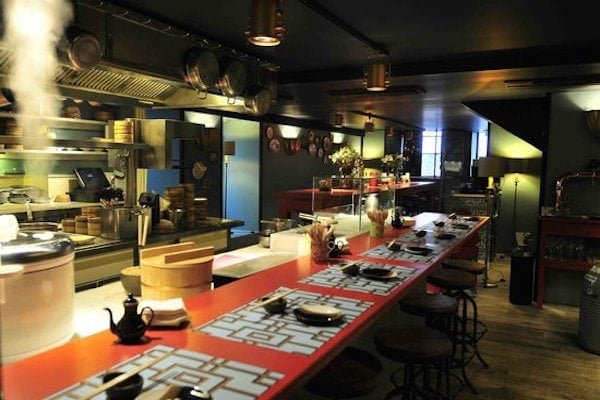
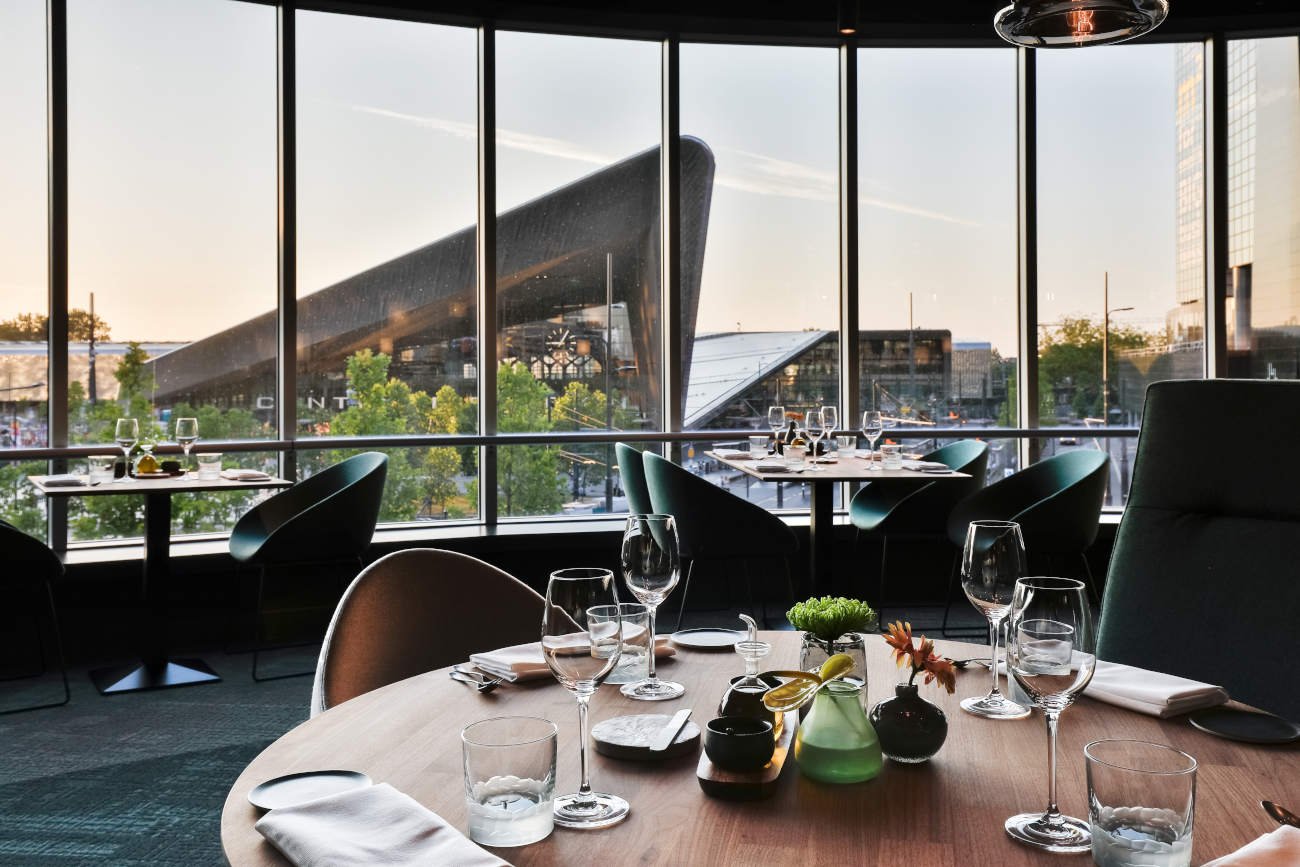
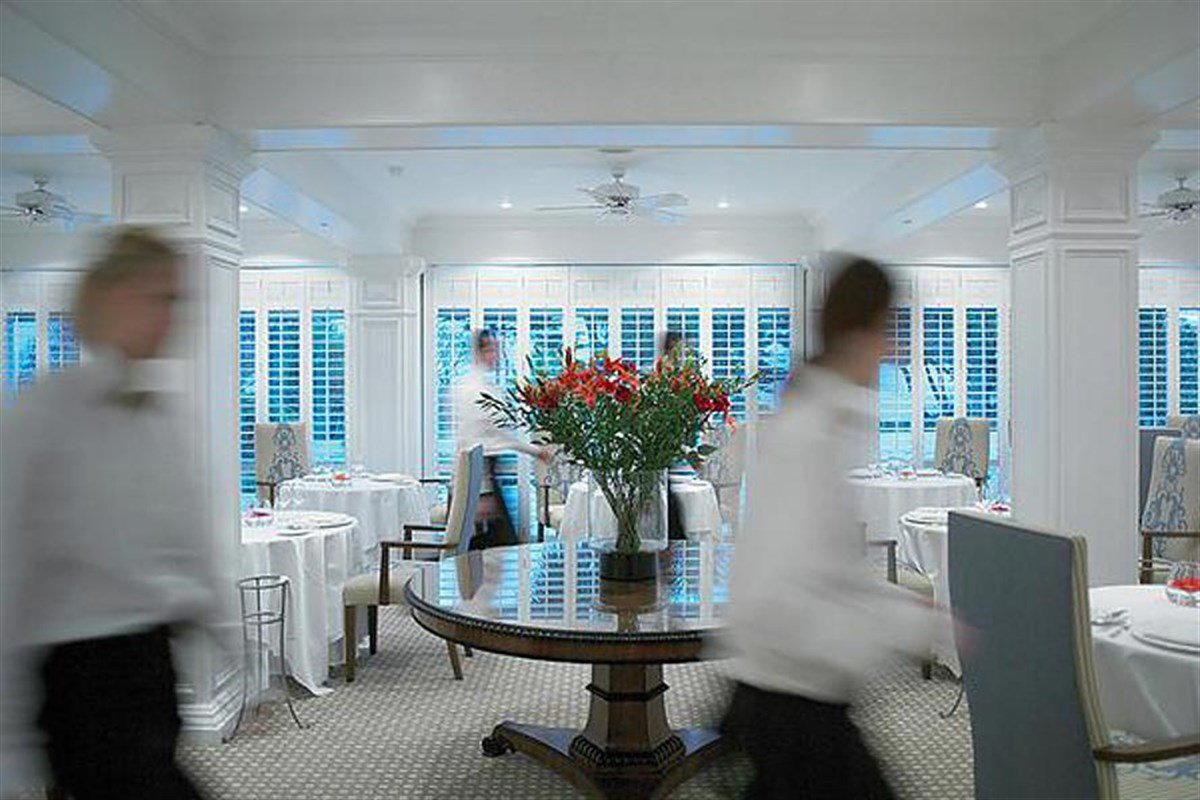
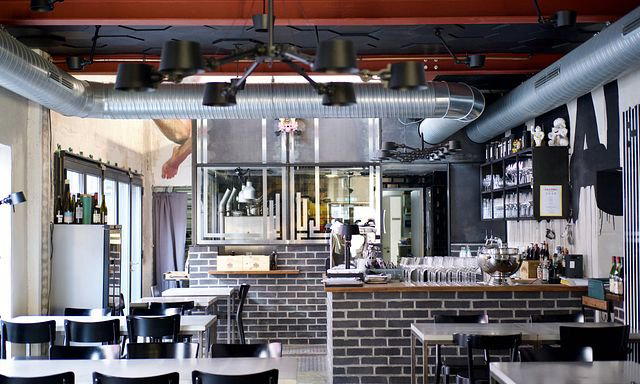
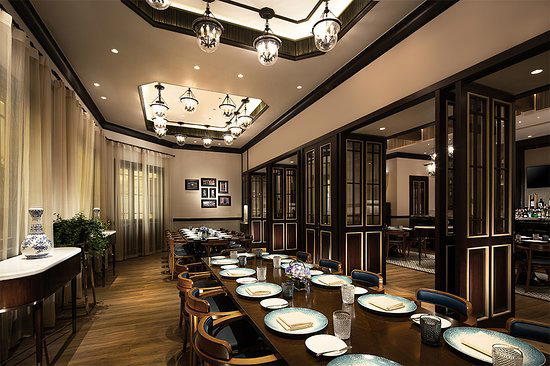
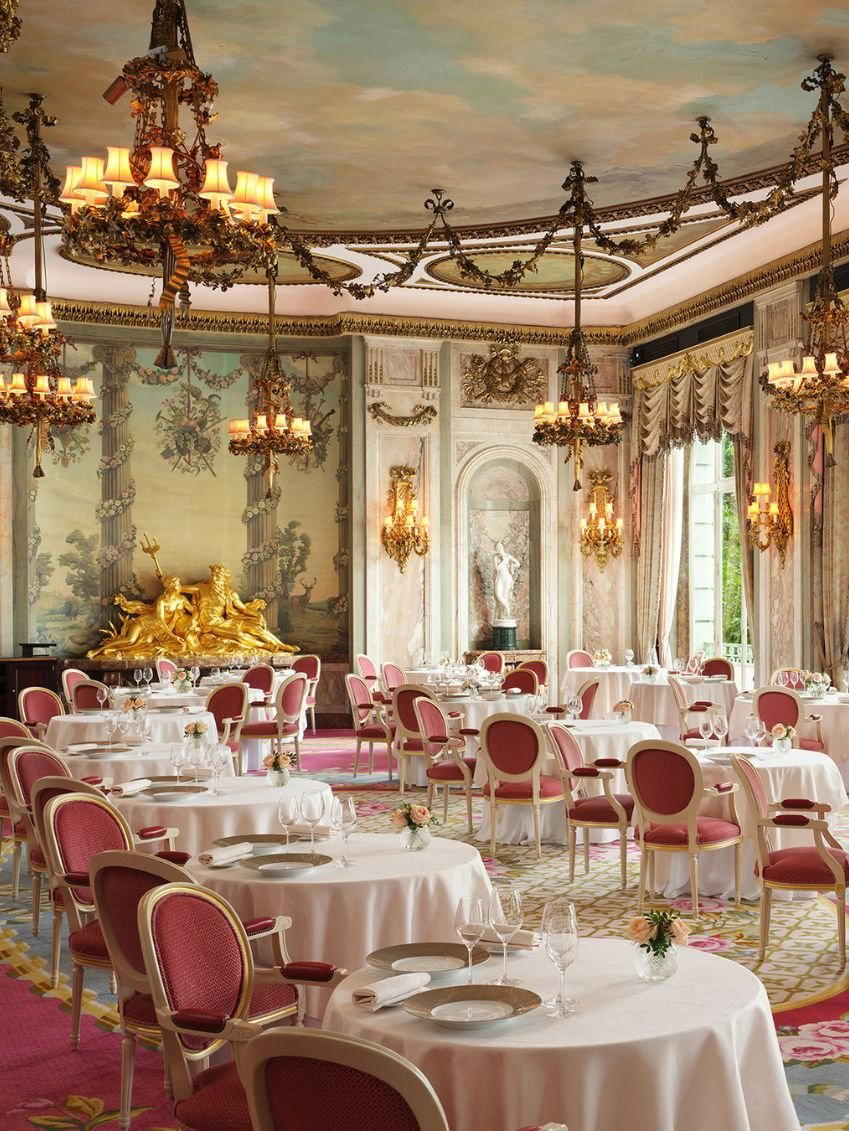
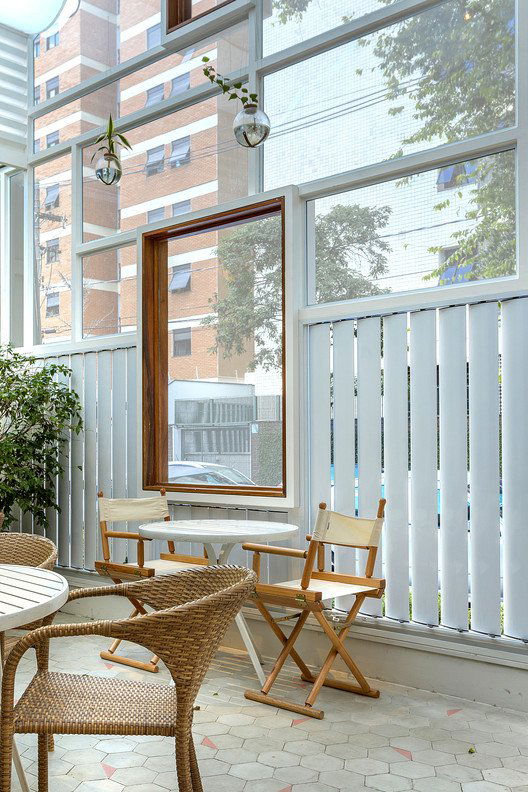
The physical space at Lume is where most returning visitors recalibrate their expectations. This is not a cavernous dining room angling for drama, nor a cramped spot that leans on atmosphere as a substitute for cooking. The layout reads as considered without being precious — the kind of room that does not get in the way of why you are there. For solo diners or couples, the seating arrangement tends to work in your favour: you are not marooned at a large table or pressed into an awkward corner. Groups will find it functional, though larger parties should contact the venue directly to confirm configuration options, since specific capacity data is not publicly confirmed.
What Lume does well, and what a second visit makes clearer, is the ratio of quality to cost. At the € price point, the cooking sits in a tier where most kitchens either coast on Galician produce without much ambition, or push ambition at the expense of coherence. Lume threads that gap more reliably than the price bracket would suggest. The Michelin Plate recognition, awarded in both 2024 and 2025, is not a starred accolade, but it does indicate that the guide's inspectors found the food worth flagging two years running. That matters for a venue at this price level, where the bar for recognition is the same as it is for restaurants charging three times as much.
If you are returning specifically because the modern cuisine format worked for you last time, the practical advice is to arrive with the same expectations rather than assuming the menu has dramatically shifted. Specific dishes are not confirmed in available data, so ordering blind is part of the experience. What the category implies is a kitchen that is not locked into traditional Galician formula but is working with contemporary technique and, likely, regional produce. For a second visit, that approach rewards diners who are curious about how the cooking evolves rather than those who want to re-order a specific dish they remember.
Booking and Timing
Lume is an easy book by Santiago de Compostela standards. Given the city's role as a pilgrimage terminus, restaurant footfall is high and unpredictable across the year, but Lume's price point and the absence of a starred profile means it does not attract the forward-planning pressure of, say, A Tafona, where the €€€€ tier and stronger awards draw well in advance. For most travel windows, a booking made one to two weeks out should be sufficient. If you are visiting during peak pilgrimage season or around Semana Santa, extend that window and plan to confirm as early as possible. A phone number is not publicly confirmed in available data, so approaching via the address directly or through a booking platform is the most reliable route. The venue is located at Rúa das Ameas, 2 in the old city, which puts it within easy reach of the cathedral quarter.
Solo diners visiting Santiago often face the structural problem of restaurants that do not handle single covers gracefully. Lume's spatial setup does not punish the solo visitor in the way that larger, more formal rooms can. If you are travelling the Camino or arriving as a solo pilgrim looking for a step up from the standard menú del día, this is a practical option that does not require a companion to justify the booking.
How It Performs Against Spain's Modern Cuisine Benchmark
To calibrate Lume correctly, it helps to position it within the broader Spanish modern cuisine context. Galicia as a region does not carry the same international dining profile as the Basque Country, where venues like Arzak in San Sebastián and Azurmendi in Larrabetzu have defined what Spanish fine dining looks like abroad, or Catalonia, where El Celler de Can Roca in Girona and Cocina Hermanos Torres in Barcelona set a different kind of benchmark. Lume is not competing in that league, and it is not trying to. What it offers is something more accessible: modern cooking at a price that does not require a special occasion to justify, in a city that is easy to underestimate as a dining destination.
For comparison against similarly priced modern cuisine venues internationally, the reference points shift considerably. Operations like Frantzén in Stockholm or Maison Lameloise in Chagny occupy an entirely different price and ambition tier. Lume's honest lane is: Michelin-acknowledged modern cuisine at a low price point in a city with a lively food scene. That is a lane worth occupying, and it does so with enough consistency to merit repeat visits.
For a fuller picture of what Santiago de Compostela offers across categories, see our full Santiago de Compostela restaurants guide, and also explore our full Santiago de Compostela bars guide, our full Santiago de Compostela hotels guide, our full Santiago de Compostela wineries guide, and our full Santiago de Compostela experiences guide to plan around it.
Practical Details
- Address: Rúa das Ameas, 2, 15704 Santiago de Compostela, A Coruña, Spain
- Cuisine: Modern Cuisine
- Price range: € (budget-friendly for the category)
- Awards: Michelin Plate 2024 and 2025
- Booking difficulty: Easy, one to two weeks out is typically sufficient outside peak season
- Leading for: Solo diners, couples, returning visitors seeking reliable modern cooking at a low price point
FAQ
Is Lume good for solo dining?
- Yes. The room does not penalise single covers, and the price tier makes it easy to justify without a group. It is one of the more comfortable solo options in Santiago for a step above a menú del día.
Can Lume accommodate groups?
- Possibly, but confirm directly. Specific capacity data is not publicly confirmed, so contact the venue before assuming a larger party will be seated comfortably. The € price point makes it an accessible group option if logistics work out.
What are alternatives to Lume in Santiago de Compostela?
- For a similar price, Abastos 2.0 - Barra offers farm-to-table tapas at the € tier with strong local credentials. If you want to spend more, A Tafona at €€€€ is the city's most serious contemporary kitchen. A Maceta and A Viaxe are worth considering for fusion options at a mid-range price.
Does Lume handle dietary restrictions?
- Not confirmed in available data. Contact the venue ahead of your visit, specific booking contact details are not publicly listed, so approach via a booking platform or in person if needed.
Is Lume worth the price?
- At the € tier with two consecutive Michelin Plates, yes. The value case is strong: you are getting recognised modern cuisine at a price point where most kitchens are not operating at this standard. It is not a destination restaurant in the starred sense, but for what it costs, the quality-to-price ratio is the point.
Is the tasting menu worth it at Lume?
- Specific menu format details are not confirmed in available data, so it is not possible to state definitively whether a tasting menu is offered. At the € price tier, any tasting format would represent good value if available. Confirm directly before booking specifically for this.
Is Lume good for a special occasion?
- It works for a low-key celebration where the food matters more than the formality of the room. If you want a more ceremonial setting with a higher production level, A Tafona at €€€€ is the stronger choice for a genuinely special-occasion spend in Santiago.
What should I order at Lume?
- Specific dishes are not confirmed in available data, so arriving without a fixed agenda is part of the format here. The modern cuisine classification suggests the kitchen is making decisions about what to highlight, follow their lead and ask staff what is current when you arrive.
Explore More in Santiago de Compostela
Lume sits within a food scene that has more range than most visitors expect. For context on the full picture, see our guides to A Horta d'Obradoiro for regional Galician cooking and A Maceta for fusion at a different register. The full Santiago de Compostela restaurants guide covers the category more broadly if you are planning several meals around a visit.
Planning details
- Location
- Lume, Rúa das Ameas, 2, 15704 Santiago de Compostela, A Coruña, Spain
- Reservations
- Book on TheFork
- Website
- luciafreitas.es
- Phone
- +34 981 56 47 73
The take
The Take
The Vibe
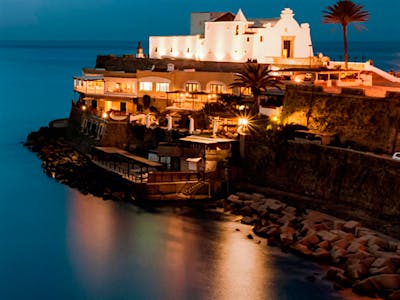
Lume sits quietly on a stone-walled street in Santiago's historic centre, trading the tourist bustle for a residential calm. The room leans into a contemporary approach to Galician ingredients, so the atmosphere balances the gravity of the old city with a modern, restrained dining room. It feels intimate and compact rather than theatrical — a place where careful technique and local product take the foreground. The result is a quietly charming, historically rooted restaurant that both honors its setting and presents a polished, contemporary voice in Galician cooking.
Best For
Lume is best experienced in the evening, where its Six-Course Tasting Menu and higher-end contemporary programme come into focus. The restaurant caters to food-focused visitors alongside locals and pilgrims who pass through the neighbourhood, and its tasting format positions it as a destination dinner rather than a casual stop. Expect a composed sequence that highlights regional ingredients—percebes, grilled meats and rich pork—prepared through a modern kitchen sensibility. It suits date nights, solo diners seeking a refined tasting experience, and special-occasion dinners where technical cooking and local product are the draw.
Ordering Tips
Opt for the Six-Course Tasting Menu to get the clearest sense of the kitchen's contemporary take on Galician ingredients; the menu is called out explicitly as a signature format. Leave room for the house highlights—local percebes and the richer pork and grilled-meat preparations that the write-up singles out. The kitchen works product-driven material through formal technique, so allow the sequence to play out rather than piecing together à la carte. Reservations for the tasting service are advisable given its higher-end positioning and destination appeal.
Venue details
Ambiance
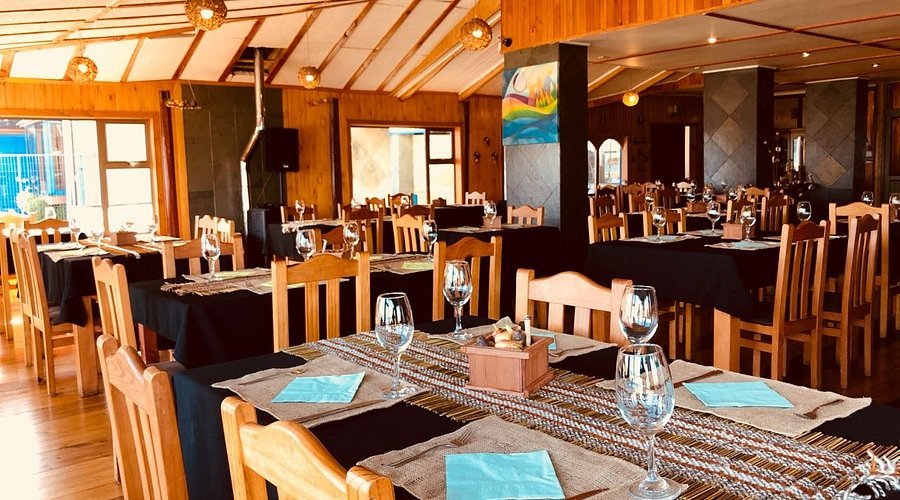
Contemporary and intimate with warm woods and soft lighting, creating an inviting space where each meal feels special.
Tags
Vibe
Best For
Experience
Sourcing
At the Table
- Dress Code
- Smart Casual
- Noise Level
- Conversational
- Service Style
- Upscale Casual
- Meal Pacing
- Leisurely
- Capacity
- Small
- Kitchen
- Seasonal
- Menu Format
- Tasting menu, Small plates
- Wine Program
- Curated
- Drinks Focus
- Local wines, Craft cocktails, Nonalcoholic infusions
- Dietary
- Vegetarian friendly, Allergy accommodating
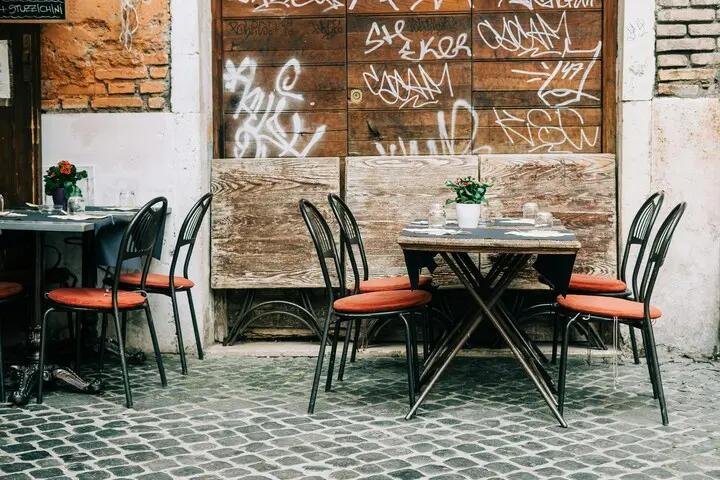
- Outdoor Seating
- Yes
Signature Dishes
- Six-Course Tasting Menu
- Local Percebes
- Rich Pork Dish
- Grilled Meats
Know before you go
Know Before You Go
- Getting there
- Lume, Rúa das Ameas, 2, 15704 Santiago de Compostela, A Coruña, Spain
Planning details
Location
Lume, Rúa das Ameas, 2, 15704 Santiago de Compostela, A Coruña, Spain · Directions
Recognition and awards
Also consider
Also Consider
- Abastos 2.0 - Mesas, Farm to Table-Tapas, Galician, €€
- Casa Marcelo, Asian Small Plates, Fusion, €€€
- A Tafona, Contemporary, €€€€
- Abastos 2.0 - Barra, Farm to Table-Tapas, €
- Gaio, Fusion, €€
Restaurant context
At the € tier, Lume's closest comparison is Abastos 2.0 - Barra, which operates a farm-to-table tapas format at the same price level. Barra is the better pick if you want something more informal and snack-driven; Lume suits diners who want a sit-down modern cuisine experience without committing to a big spend. Both are easy to book, but the formats are different enough that the choice comes down to what kind of meal you are after.
Step up a tier and the comparison shifts. Abastos 2.0 - Mesas at €€ and Gaio at €€ both offer more spend for different formats, Mesas leans into Galician produce with a farm-to-table identity, while Gaio takes a fusion approach. If you are returning to Santiago and want to trade up from Lume without going to the top of the market, Abastos 2.0 - Mesas is the most natural next step. Casa Marcelo at €€€ goes further still, with an Asian-influenced small plates format that is the most distinctive offer in the mid-range tier.
At the top of the Santiago market, A Tafona at €€€€ is the clearest upgrade if budget is not a constraint, it is the city's most serious contemporary kitchen and the right call for a genuinely occasion-worthy dinner. Lume, by contrast, is the practical choice: Michelin-acknowledged, low-cost, and consistent enough to justify a repeat booking without the planning effort that A Tafona requires. For most visitors, Lume handles the everyday modern cuisine slot and A Tafona handles the special occasion one, they are not really competing for the same decision.
Explore Santiago de Compostela
Around this place
Discover more on Pearl
Unlock the full Lume guide in Pearl, including awards, comparisons, FAQs, planning details, and nearby places.
Compare Lume
| Venue | Price | Booking Difficulty | Awards |
|---|---|---|---|
| Lume | € | Easy | 2025 Michelin Plate2024 Michelin Plate |
| Abastos 2.0 - Mesas | €€ | Unknown | 2026 Bib Gourmand2025 Michelin Bib Gourmand2024 Michelin Bib Gourmand |
| Casa Marcelo | €€€ | Unknown | 2026 OAD Casual in Europe Ranked · #102Guía Repsol Soles 20262026 Michelin 1 Star2025 OAD Casual in Europe Ranked · #1852025 Michelin 1 Star2024 OAD Casual in Europe Ranked · #1992024 Michelin 1 Star2023 OAD Casual in Europe Ranked · #129 |
| A Tafona | €€€€ | Unknown | Guía Repsol Soles 20262026 Michelin 1 StarWe're Smart World Top Restaurants 20252025 Michelin 1 Star2024 Michelin 1 Star |
| Abastos 2.0 - Barra | € | Unknown | 2026 OAD Casual in Europe Recommended2026 Michelin Plate2025 OAD Casual in Europe Ranked · #8732025 Michelin Plate |
| Gaio | €€ | Unknown | 2026 Michelin Plate2025 Michelin Plate2024 Michelin Plate |
.png?width=1200&quality=80)





Key differences to consider before you reserve.
FAQ
Frequently Asked Questions
Is Lume good for solo dining?
Yes — at the € price point and with a Michelin Plate behind it, Lume is a low-risk solo call in Santiago de Compostela. The modern cuisine format tends to work well for solo diners who want to eat seriously without committing to a large group table. Check the floor layout on arrival if you prefer counter or smaller seating.
Can Lume accommodate groups?
Groups are possible, but confirm capacity directly with the restaurant before assuming a large table is available. Santiago de Compostela sees high and unpredictable footfall as a pilgrimage terminus, so advance contact matters more here than in a typical city. For a party of six or more, book as far ahead as you can.
What are alternatives to Lume in Santiago de Compostela?
A Tafona is the strongest alternative if you want more formal modern Galician cooking with higher national recognition. Casa Marcelo suits those who want a more personal, chef-driven format. Abastos 2.0 — Mesas is the market-adjacent option for produce-led plates, while Abastos 2.0 — Barra is better for a casual, lower-commitment meal. Gaio fills the gap if you want something lighter and less structured than Lume.
Is Lume worth the price?
At the € price range, Lume is among the lower-cost ways to access Michelin Plate-recognised modern cuisine in Spain. That makes it worth trying, particularly compared to Galicia's pricier options or the higher ticket costs in Madrid or San Sebastián. The question is less about value and more about whether modern cuisine format is what you want — if you are after traditional Galician cooking, redirect elsewhere.
Is the tasting menu worth it at Lume?
No tasting menu details are confirmed in the venue record, so this cannot be assessed specifically. What is documented is that Lume holds a Michelin Plate for 2024 and 2025 at a € price point — which suggests the format, whatever it is, has been recognised as meeting a consistent cooking standard. Verify current menu format directly with the restaurant before booking around this.
Is Lume good for a special occasion?
It works for a low-key special occasion, particularly if budget is a consideration — the € price range and Michelin Plate recognition make it a credible choice without requiring a significant outlay. For a higher-stakes celebration where atmosphere and formality matter more, A Tafona is a stronger option in the same city. Lume fits best when the food matters more than the occasion's theatre.