.png?width=1200&quality=80)
Kajiken
Noodles · Downtown San Mateo, San Mateo
Restaurant in San Mateo, United States
 Book with Pearl
The Read
Broth-Free Mazesoba Counter
Price
$10–20per person
Dress
Casual
Why go
Kajiken is the Peninsula's most accessible Michelin-recognised noodle address: two consecutive Michelin Plate awards, and a specialised mazesoba format at the $ price tier. Easy to book, well-suited to solo diners and regulars, and one of the clearer value decisions in San Mateo dining.
About Kajiken
Who Should Book Kajiken — and When
If you are a solo diner, a ramen regular looking for something outside the usual tonkotsu-and-shoyu circuit, or someone who has already eaten their way through San Mateo's more expensive options and wants a reliable weeknight destination you can return to repeatedly, Kajiken is the right call. At the $ price point with back-to-back Michelin Plate recognition in 2024 and 2025, it earns its place on the short list of Peninsula noodle spots that actually deliver on quality rather than just convenience.
The Michelin Plate designation matters here in a specific way: it signals that inspectors found the cooking consistent and the product worth seeking out, without implying the kind of ceremony or price premium that a star venue carries. For a noodle shop in San Mateo, that is a meaningful credential. It puts Kajiken in a different bracket from the average quick-service bowl, and it is the main reason to choose this address over other nearby options when you want something with a track record.
The Format: What Kajiken Is, and Why It Rewards Repeat Visits
Kajiken specialises in mazesoba, the brothless, oil-and-tare-dressed noodle format that originated in Nagoya and has been gaining ground in the Bay Area. If you are coming from a ramen-first background, the format shift is the single most important thing to understand before your first visit. There is no broth. The noodles arrive in a bowl with a seasoned sauce base, a soft egg, and various toppings, and the technique is to mix everything thoroughly before eating. The result is a richer, more concentrated flavour per bite than a broth-based bowl delivers.
This is precisely why a multi-visit approach works well here. On a first visit, the format itself is the experience: understanding how the mixing works, how the egg integrates, and how the noodle-to-topping ratio affects each bite. On a second visit, you know the mechanics and can focus on ordering differently, trying a variation, or adjusting the add-ons. The $ price point removes the financial friction that would otherwise make returning feel like a commitment. At these prices, you can treat it the way you would a neighbourhood ramen shop: come back when you want, try different options, and build a preference over time.
The aroma profile of a mazesoba kitchen is distinct from a broth-heavy ramen operation. Without large vats of simmering stock, the dominant scents are rendered fat, soy-based tare, and the sharp edge of toasted sesame and scallion. It is a denser, more savoury smell than the steam-heavy atmosphere of a tonkotsu shop, and it registers on arrival in a way that immediately signals what kind of food is coming.
Booking and Timing
Kajiken is easy to book. Given the format — counter and table seating at a noodle shop in the $ range, walk-ins are generally viable, particularly outside peak lunch and dinner hours. That said, the combination of Michelin Plate recognition and a loyal local following means the room can fill quickly during the Friday and Saturday dinner window and weekend lunch. If you are planning around a specific time, booking ahead removes the uncertainty without requiring the weeks-out lead time that the Peninsula's higher-end Japanese venues demand.
For comparison: getting into Wakuriya or Sushi Yoshizumi requires planning well in advance and a significantly larger budget. Kajiken asks neither. That accessibility is part of the value proposition, and it is one of the reasons this works as a regular rather than a special-occasion address.
Value Assessment
At the $ price tier, Kajiken is one of the more direct value decisions in San Mateo dining. It reflects a broad sample of visits.
For context, the noodle format globally has a strong track record at the value end of the Michelin spectrum. Venues like A Niang Mian Guan in Shanghai and A Xin Xian Lao in Fuzhou demonstrate that noodle shops can achieve inspector-level recognition without fine-dining pricing. Kajiken fits that pattern on the Peninsula.
If your benchmark is other Michelin-recognised San Mateo addresses, Kajiken operates at the opposite end of the spend spectrum from All Spice. Both carry credibility. They serve entirely different purposes and should not be compared on a like-for-like basis. Kajiken is not a cheaper substitute for a fine-dining dinner; it is a noodle shop that happens to have earned inspector recognition, which is a different and useful thing.
Solo Dining and Group Fit
Solo diners are arguably the ideal Kajiken customer. The counter format common to Japanese noodle shops suits single diners well, the format is quick enough for a solo weekday lunch, and the $ price point means you are not spending event-level money on a meal for one. For groups, the venue works for pairs and small tables, but the noodle shop format means this is not where you plan a long, multi-course dinner with conversation as the main event. Come to eat well and efficiently, not to linger.
For a longer, occasion-appropriate dinner in San Mateo, Pausa or Wursthall Restaurant & Bierhaus offer formats that better suit extended dining. Kajiken is the pre-show dinner or the Tuesday-night regular, not the Saturday celebration meal. Knowing that distinction makes it easier to book with confidence when the occasion fits.
For a full picture of where Kajiken sits in the Peninsula dining scene, see our full San Mateo restaurants guide. If you are planning a broader trip, our San Mateo hotels guide, bars guide, wineries guide, and experiences guide cover the rest of the city.
Planning details
- Location
- 112 S B St, San Mateo, CA 94401
- Website
- kajikenusa.com
The take
The Take
The Vibe
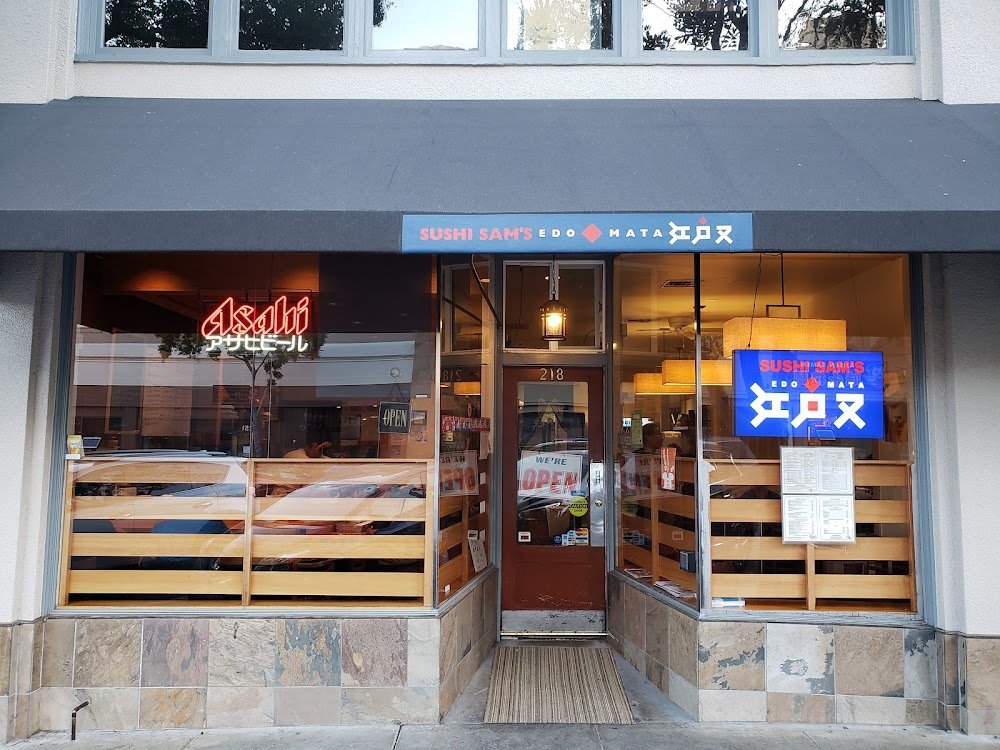
Kajiken presents a focused, compact experience centered on mazesoba. The storefront reads as a dedicated noodle counter—single-format and deliberately pared back—so the dining room feels intimate and immediate. Despite its modest price point the kitchen earns serious attention: the Michelin Plate in consecutive guide cycles signals craft and consistency rather than gimmickry. The result is a quietly charming spot on South B Street that sits comfortably among higher-end neighbors while keeping the energy concentrated on texture, seasoning and the ritual of mixing a dense, sauce-forward bowl.
Best For
Kajiken is best for diners who come specifically for tightly executed mazesoba and for those seeking high culinary value in a casual package. The counter format and single-focus menu make it especially suited to solo diners or pairs who want a quick, focused meal; it also works well for small family outings or casual hangouts where the emphasis is on the food rather than a long sit-down service. Because the restaurant occupies a key downtown corridor and carries Michelin Plate recognition, it also appeals to inquisitive eaters looking for notable local cooking without premium prices.
Ordering Tips
Order one of the signature mazesoba preparations and follow the house ritual: the noodles arrive with concentrated sauces and fats pooled at the base, so mix thoroughly to distribute aromatics and texture before you eat. Standouts listed include Homura Aburasoba, Tantan Aburasoba and the meat-forward Nikumori Aburasoba; Karaage is noted as a classic side. The Michelin Plate mentions in the write-up are a helpful signal—expect careful seasoning and thoughtful execution even at a low price point, so let the bowl’s built-in intensity guide portion choices.
Venue details
Ambiance
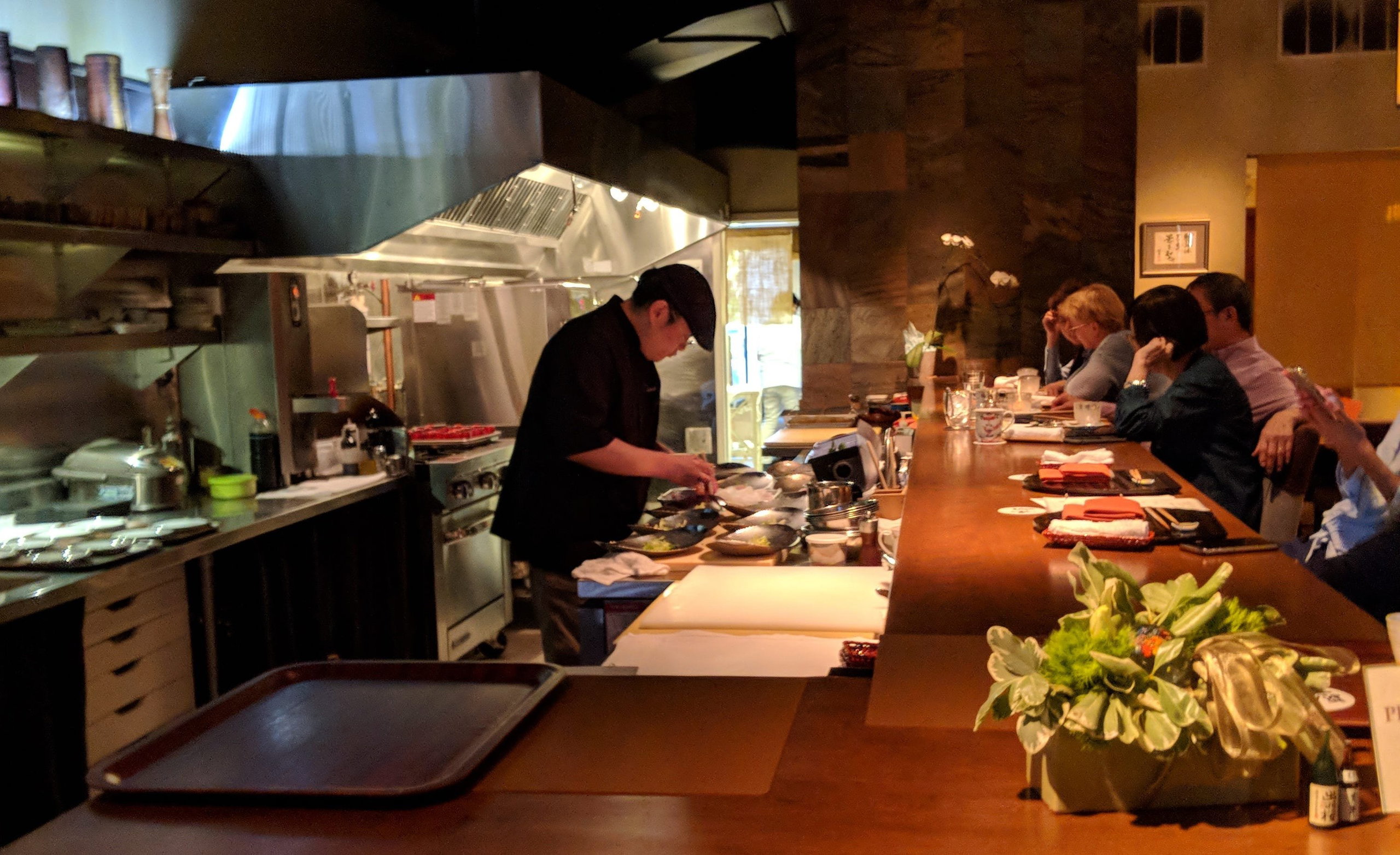
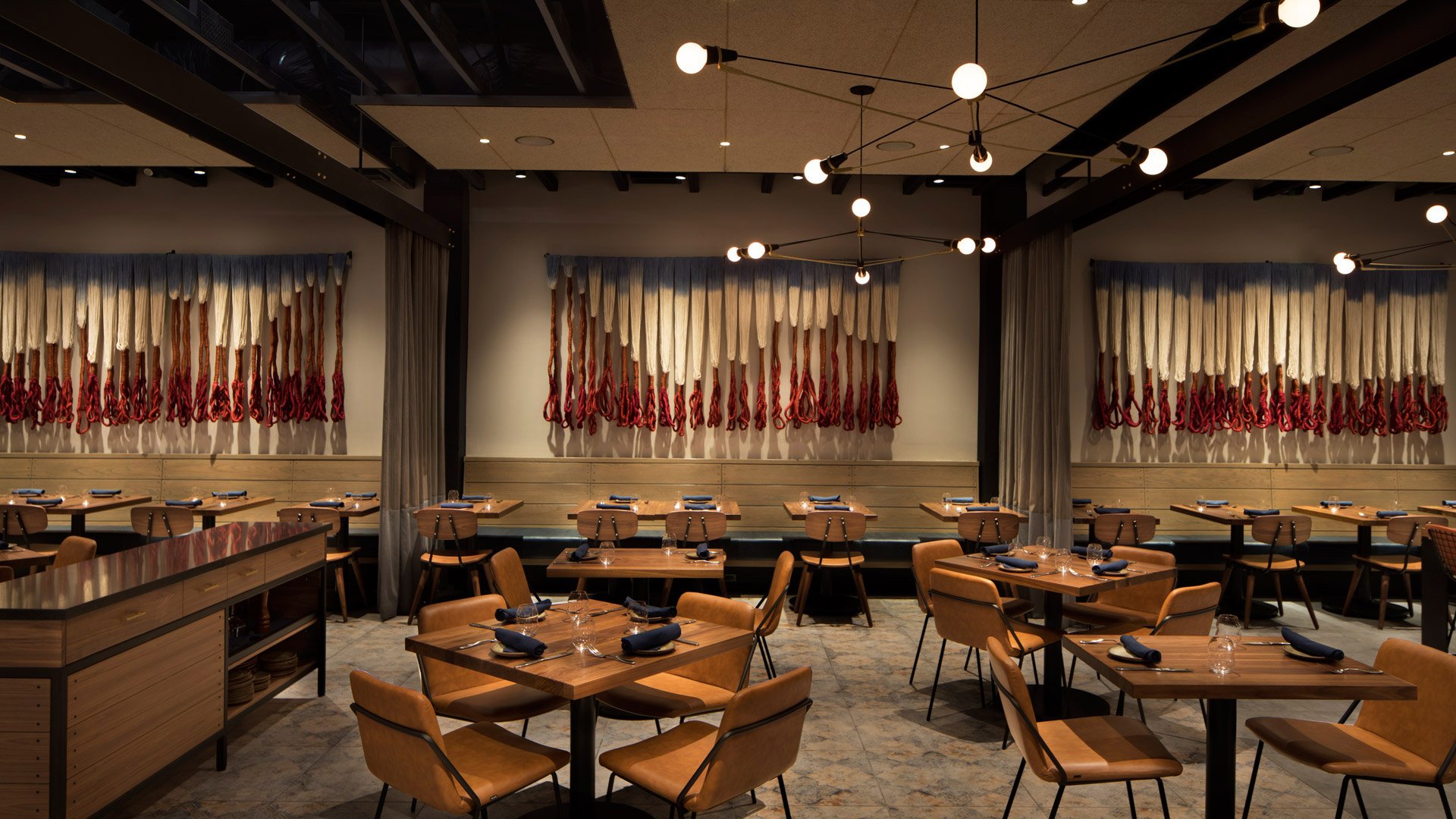
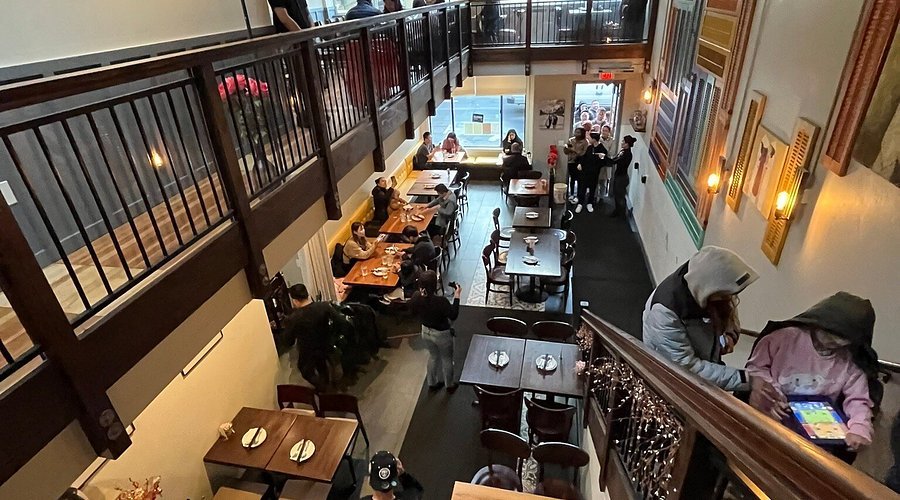
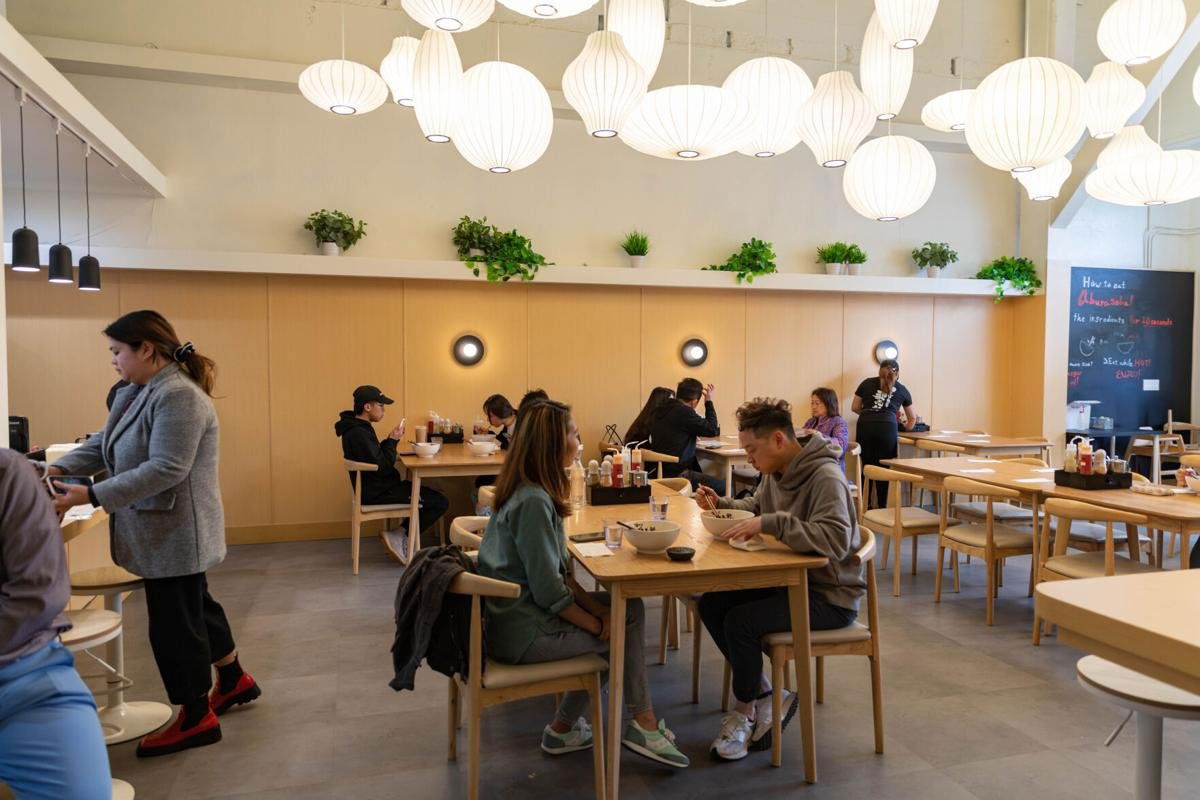
Basic, casual atmosphere with communal-style seating; bright and modern with a windowed noodle-making area visible to diners.
Tags
Vibe
Best For
Experience
At the Table
- Dress Code
- Casual
- Noise Level
- Lively
- Service Style
- Counter Service
- Meal Pacing
- Quick Bite
- Capacity
- Small
- Kitchen
- Traditional
- Menu Format
- A la carte, Counter dining
- Dietary
- Vegetarian friendly, Allergy accommodating
- Outdoor Seating
- Yes
Signature Dishes
- Homura Aburasoba
- Tantan Aburasoba
- Nikumori Aburasoba
- Karaage
Know before you go
Know Before You Go
- Getting there
- 112 S B St, San Mateo, CA 94401
Planning details
Location
112 S B St, San Mateo, CA 94401 · Directions
Recognition and awards
Also consider
Also Consider
- Wakuriya, Sushi, Japanese, $$$$
- Pausa, Italian, $$
- Wursthall Restaurant & Bierhaus, German-American, German-American
- All Spice, International, $$$$
- Sushi Yoshizumi, Sushi, Japanese, $$$$
Restaurant context
Kajiken sits in a different category from most of San Mateo's Michelin-recognised dining. Wakuriya and Sushi Yoshizumi are both $$$$ omakase destinations that require advance planning and a serious spend commitment. If the goal is inspector-validated Japanese food with as little booking friction and as low a spend as possible, Kajiken is the answer. If the goal is a long, chef-led omakase experience, those two addresses serve a different purpose and should not be treated as alternatives to each other.
All Spice is the city's most ambitious fine-dining option at $$$$, covering international cuisine with the kind of tasting-menu format suited to special occasions. It occupies the opposite end of the spend and formality spectrum from Kajiken. For a casual mid-week dinner where quality matters but budget and speed are also factors, Kajiken wins on all three counts. For a celebration or client dinner, All Spice is the right choice instead. Pausa at $$ fills the mid-tier Italian slot and is a reasonable alternative when the format needs to support longer dining and more conversation than a noodle shop allows.
Wursthall Restaurant & Bierhaus is the better call when the group is larger, the mood is louder, or beer is part of the plan. Kajiken and Wursthall share a casual register, but the formats are entirely different. If you want Michelin-level cooking at a price point that lets you return without budgeting for it, Kajiken is the clearest option in San Mateo's current restaurant set.
Explore San Mateo
Around this place
Discover more on Pearl
Unlock the full Kajiken guide in Pearl, including awards, comparisons, FAQs, planning details, and nearby places.
Compare Kajiken
| Venue | Location | Cuisine | Awards | Price |
|---|---|---|---|---|
| Kajiken | San Mateo | Noodles | Michelin Plate 20262026 Michelin Plate2025 Michelin Plate2024 Michelin Plate | $ |
| Wakuriya | San Mateo | Sushi, Japanese | 2026 OAD Top Restaurants in North America Recommended2026 Michelin 1 Star2025 OAD Top Restaurants in North America Ranked · #2742025 Michelin 1 Star2024 OAD Top Restaurants in North America Ranked · #4822024 Michelin 1 Star2023 OAD Top Restaurants in North America Recommended | $$$$ |
| Pausa | San Mateo | Italian | 2026 Bib Gourmand2025 Michelin Bib Gourmand2024 Michelin Bib Gourmand | $$ |
| Wursthall Restaurant & Bierhaus | San Mateo | German-American | 2025 OAD Casual in North America Ranked · #8542024 OAD Casual in North America Ranked · #834 | , |
| All Spice | San Mateo | International | 2026 Michelin Plate2025 Michelin Plate2024 Michelin Plate | $$$$ |
| Sushi Yoshizumi | San Mateo | Sushi, Japanese | 2026 OAD Top Restaurants in North America Ranked · #282026 Michelin Plate2025 OAD Top Restaurants in North America Ranked · #262025 Michelin Plate2024 OAD Top Restaurants in North America Ranked · #242024 Michelin Plate2023 OAD Top Restaurants in North America Ranked · #28Pearl Recommended Restaurants | $$$$ |


.png?width=1200&quality=80)


How Kajiken San Mateo compares with similar nearby venues.
FAQ
Frequently Asked Questions
Can I eat at the bar at Kajiken?
Counter seating is part of the format at Kajiken, making bar-style dining the norm rather than the exception. It suits solo diners particularly well and fits the quick, focused mazesoba format. No reservation is typically needed for a single seat at the counter during off-peak hours.
Is Kajiken worth the price?
At the $ price tier, yes — two consecutive Michelin Plate recognitions (2024 and 2025) at this price point is a strong signal. You are getting a considered, format-driven noodle experience for the cost of a fast-casual meal. For the same spend in San Mateo, few alternatives offer the same level of culinary credibility.
Is Kajiken good for solo dining?
Solo diners are the natural fit here. The counter format, the focused mazesoba menu, and the $ price range all suit a single diner who wants a quick, well-executed meal without the overhead of a full-table reservation. It is a better solo option than a sit-down restaurant like Pausa, where the format favors groups.
Is Kajiken good for a special occasion?
Not really, unless the occasion is celebrating good food on a budget. The $ price range and noodle-shop format do not lend themselves to milestone dinners. For a special occasion in San Mateo, Wakuriya or Sushi Yoshizumi are better fits — Kajiken is where you go when the food itself is the point, not the setting.
How far ahead should I book Kajiken?
Walk-ins are generally viable at this type of $ noodle shop, especially outside peak lunch and dinner windows. Same-day visits are realistic for most party sizes. If you are arriving on a weekend or with a group, arriving early or checking for reservations in advance is sensible, but multi-week lead times are not required.