![[àbitat], Restaurant in San Fermo della Battaglia](https://cdn.enprimeurclub.com/storage/v1/object/public/images/locations/reccZe1YVSUf2uNsv/hero1.jpg?width=2560&quality=80)

.png?width=1200&quality=80)
[àbitat]
Innovative · San Fermo della Battaglia
Restaurant in San Fermo della Battaglia, Italy
 Book with Pearl
The Read
Forage-to-Fire Circularity
Price
$100–150per person
Dress
Smart Casual
Why go
A Michelin Plate-recognised kitchen in San Fermo della Battaglia running a serious sustainability programme — daily foraging, circular cooking, fire and fermentation — at a €€€ price tier that undercuts most comparable creative addresses in northern Italy. Book two to three weeks ahead. Smart casual dress. Confirm service days before travelling.
About [àbitat]
Who Should Book [àbitat]
If you are travelling through the Lago di Como province with a serious interest in how a kitchen translates a specific landscape into a meal, [àbitat] in San Fermo della Battaglia is the right table. This is the restaurant for food and wine explorers who want to see what a committed, sustainability-led kitchen looks like in practice — not just in the PR copy. It earns its 2025 Michelin Plate, and at the €€€ price tier it asks for less than most comparable creative kitchens in northern Italy. Book it for a long lunch or a considered dinner when you want substance over spectacle.
The Restaurant
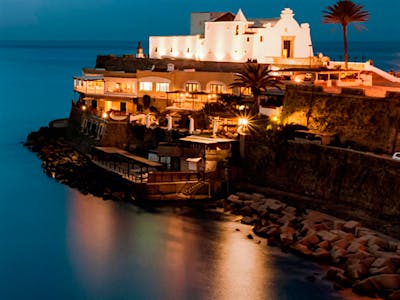
San Fermo della Battaglia sits just above Como, the kind of small Lombard town that rarely appears in international dining guides. That is partly what makes [àbitat] worth the detour. A young couple runs the room and the kitchen here, and their approach — seasonal, circular, rooted in what grows or grazes within reach, is not a concept grafted onto the menu as a marketing exercise. Wild foraging, herbs from their own garden, and direct relationships with suppliers who share their ethic of animal and environmental respect are the operational reality. The Michelin inspectors noted as much: the kitchen draws on mountain and sea produce from the region, keeps food waste to a minimum, and has built a genuinely circular model around what is available at any given time of year.
Right now, in the current season, that philosophy becomes most visible. The kitchen forages daily when conditions allow, meaning the menu is genuinely subject to what is growing and in what state. For an explorer diner, that is an asset: you are eating what this specific corner of Lombardy is producing at this specific moment, prepared by a team that knows the territory. That is a different experience from the polished tasting menus you will find at €€€€-tier addresses like Osteria Francescana in Modena or Le Calandre in Rubano. Those restaurants have deeper resources and longer track records, but they are also operating at a different price point and a very different level of accessibility.
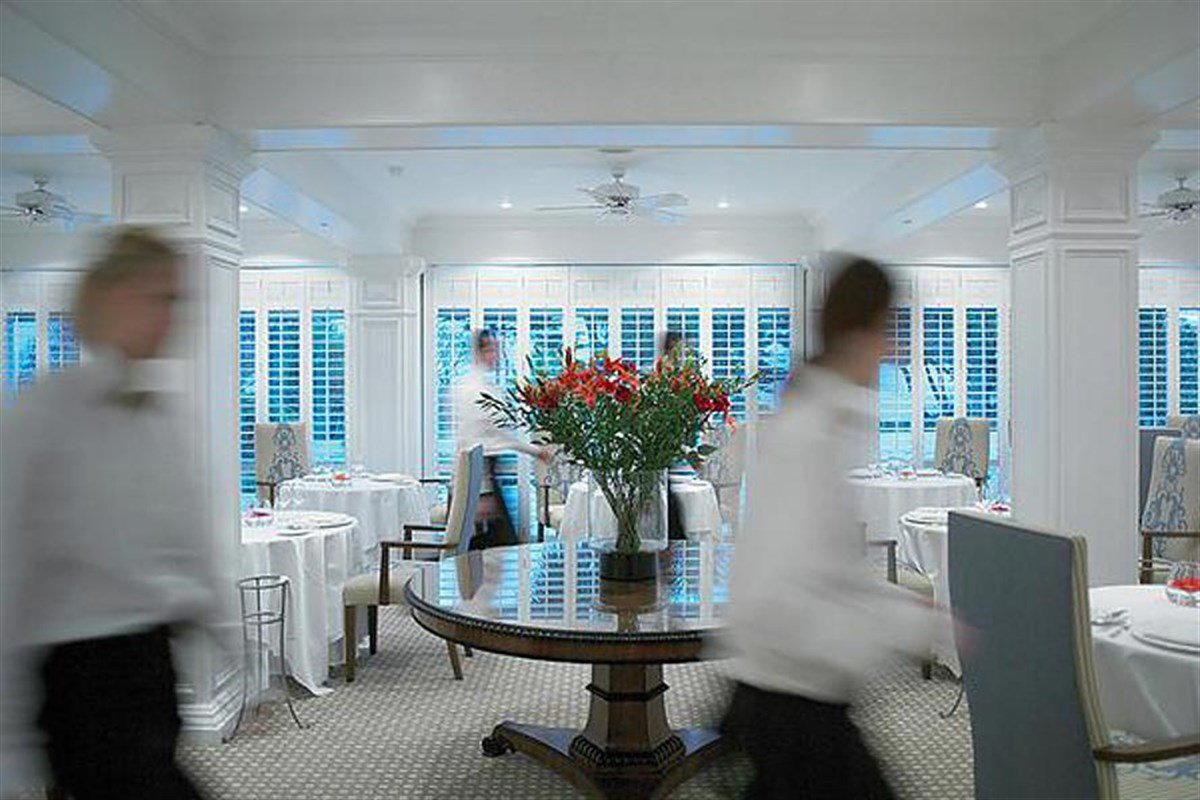
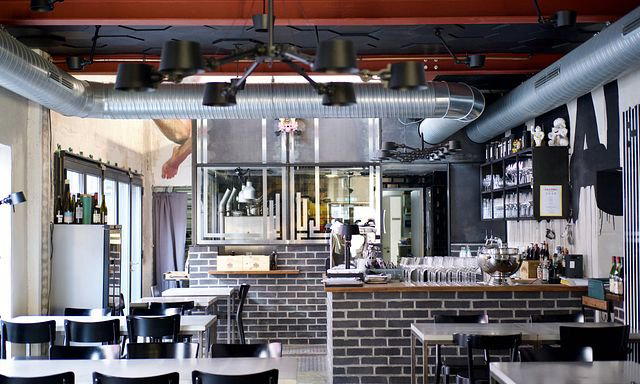
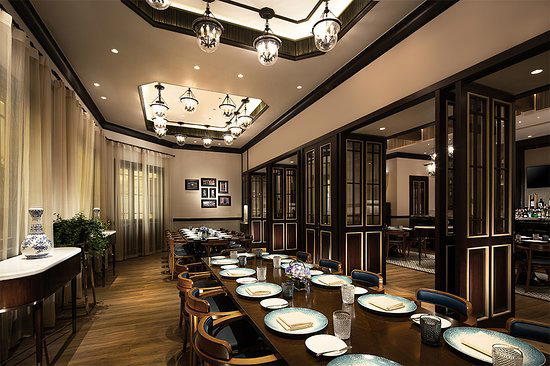
The atmosphere at [àbitat] reads as modern and welcoming, the Michelin description uses both those words, and they are consistent with what a €€€ restaurant run by an enthusiastic young team in a small Lombard town would produce. Do not arrive expecting the hushed formality of a two- or three-star dining room. The energy here is engaged and forward-leaning, the room functional and personal rather than theatrical. The noise level should be comfortable for conversation; this is not a place that prioritises ambient buzz over the meal. If you want the full experience, go at a pace that lets the kitchen's intentions land, do not rush.
Fire, nature, and fermentation are the three pillars the kitchen has built around, according to Michelin's own assessment notes. Plants take a central role, though meat and fish remain on the menu. The Michelin Green Star programme has flagged this kitchen directly, noting that a fully plant-based direction is within reach if the team chooses to pursue it, a signal that the sustainability credentials here are being assessed seriously rather than taken on faith. For diners who prioritise ecological responsibility in how they spend their restaurant budget, [àbitat] is one of the more coherent options in this part of northern Italy at this price tier.
Practically, booking here is rated as easy. Booking two to three weeks ahead should be sufficient for most dates; if you are targeting a specific Saturday evening or a holiday period, add a week or two of buffer. The restaurant does not have published hours in the current data, so confirm current service days directly before you travel, this is a small operation and schedules can reflect seasonal realities. Dress code is not formally stated, but a smart-casual approach fits the tone: this is not a jeans-and-trainers room, but it is also not a black-tie occasion. The address is San Fermo della Battaglia, CO, Italy, accessible from Como city centre without a long drive.
For more options in the area, see our full San Fermo della Battaglia restaurants guide. If you are planning a longer stay, our San Fermo della Battaglia hotels guide, bars guide, wineries guide, and experiences guide cover the surrounding area. Internationally, if the innovative, sustainability-led format interests you, Thevar in Singapore and Soigné in Seoul operate in a comparable creative register in their respective cities.
The one honest caveat: [àbitat] is a kitchen still finding the outer edge of its ambition. The Michelin notes explicitly encourage a fully plant-based menu as a natural next step. That means you are eating at a restaurant in motion, which is exciting for explorers but worth knowing if you are looking for a fully settled, polished experience. At this price and in this location, the trade-off favours the diner who enjoys watching a serious kitchen develop its identity in real time.
How It Compares
[àbitat] sits at €€€ in a region where most of the well-known creative Italian addresses operate at €€€€. If your comparison set includes Atelier Moessmer Norbert Niederkofler in Brunico or Dal Pescatore in Runate, you are looking at a meaningfully lower spend for a kitchen that is genuinely serious about its craft. Those restaurants have Michelin stars and decades of reputation; [àbitat] has a Plate and a clear upward trajectory. The value argument for [àbitat] is strong if you are comfortable betting on a kitchen mid-development rather than paying a premium for an established name.
Against Reale in Castel di Sangro or Quattro Passi in Marina del Cantone, the comparison shifts to style: both are €€€€ and technically polished, but neither is doing what [àbitat] does with foraging-led, zero-waste circular cooking in a small-town Lombard context. If the philosophy matters to you as much as the technical execution, [àbitat] wins on specificity. If you want the safest guaranteed high-level meal, Quattro Passi or Dal Pescatore are lower-risk choices.
Osteria Francescana in Modena is in a different category entirely, it requires advance planning of months, costs significantly more, and delivers one of Italy's most discussed tasting menu experiences. Compare it to [àbitat] only if you are deciding how to allocate a finite dining budget across a northern Italy trip, in which case: Osteria Francescana for the landmark meal, [àbitat] for the regional, seasonal counter-argument. For other northern Italian creative kitchens worth considering alongside this trip, Piazza Duomo in Alba, Uliassi in Senigallia, Enoteca Pinchiorri in Florence, Enrico Bartolini in Milan, and Casa Perbellini 12 Apostoli in Verona all represent the €€€€ tier with star pedigree.
Planning details
- Location
- [àbitat], San Fermo della Battaglia, CO, Italy
- Website
- abitatproject.it
- Phone
- +39 349 068 3973
The take
The Take
The Vibe
Set on the hills above Como, [àbitat] reads like a quietly ambitious neighborhood restaurant that treats provenance as its central design principle. The kitchen builds dishes from herbs grown in its own garden, daily foraged finds when the season allows, and both mountain and coastal suppliers nearby; that geographic range—Alpine to lakeside—gives the menu a distinct sense of place. Though it operates in a small town rather than a city, the cooking’s discipline and Michelin Plate recognition give the room a refined air. The overall impression is a scenic, considered hideaway for diners who prize traceable ingredients over flash.
Best For
This is best for diners who prioritize ingredient provenance and a thoughtful, course-led evening. The restaurant’s sourcing-first architecture rewards people who want food that reads of place—herbs from the on-site garden, foraged seasonal items, and a mix of mountain and coastal flavors. Its Michelin Plate nod and measured approach to technique make it a natural choice for milestone dinners and occasions when the meal itself is the point. Expect a dinner-forward experience that appeals to curious eaters rather than quick, casual visits.
Ordering Tips
Treat the menu as a map of the kitchen’s supply chain: ask what’s coming from the garden and what was foraged that day, since those elements are central to the dishes. Servers can guide you toward plates that showcase the restaurant’s Alpine and lakeside sourcing, and seasonal specials are likely to reflect very recent foraging or market pickups. Given the restaurant’s emphasis on provenance and menu architecture, let the staff highlight a few dishes that demonstrate the balance between mountain produce and coastal ingredients rather than trying to piece together a la carte substitutions.
Venue details
Ambiance
Cozy yet stylish with comfortable chairs, ambient music, relaxed atmosphere, modern and intimate design, warm lighting, and well-spaced tables.
Tags
Vibe
Best For
Experience
Sourcing
At the Table
- Dress Code
- Smart Casual
- Noise Level
- Quiet
- Service Style
- Upscale Casual
- Meal Pacing
- Leisurely
- Capacity
- Intimate
- Kitchen
- Modern
- Menu Format
- Tasting menu
- Wine Program
- Curated
- Dietary
- Vegetarian friendly
Know before you go
Know Before You Go
- Getting there
- [àbitat], San Fermo della Battaglia, CO, Italy
Planning details
Location
Recognition and awards
Also consider
Also Consider
- Atelier Moessmer Norbert Niederkofler, Italian, Creative, €€€€
- Dal Pescatore, Italian, Italian Contemporary, €€€€
- Osteria Francescana, Progressive Italian, Creative, €€€€
- Quattro Passi, Italian, Mediterranean Cuisine, €€€€
- Reale, Progressive Italian, Modern Cuisine, €€€€
Restaurant context
[àbitat] sits at €€€ in a region where most of the well-known creative Italian addresses operate at €€€€. If your comparison set includes Atelier Moessmer Norbert Niederkofler in Brunico or Dal Pescatore in Runate, you are looking at a meaningfully lower spend for a kitchen that is genuinely serious about its craft. Those restaurants have Michelin stars and decades of reputation; [àbitat] has a Plate and a clear upward trajectory. The value argument for [àbitat] is strong if you are comfortable betting on a kitchen mid-development rather than paying a premium for an established name.
Against Reale in Castel di Sangro or Quattro Passi in Marina del Cantone, the comparison shifts to style: both are €€€€ and technically polished, but neither is doing what [àbitat] does with foraging-led, zero-waste circular cooking in a small-town Lombard context. If the philosophy matters to you as much as the technical execution, [àbitat] wins on specificity. If you want the most reliable guaranteed high-level meal, Quattro Passi or Dal Pescatore carry less risk.
Osteria Francescana in Modena is in a different category entirely, it requires months of advance planning, costs significantly more, and delivers one of Italy's most discussed tasting menu experiences. Compare it to [àbitat] only if you are allocating a finite dining budget across a northern Italy trip, in which case the case is clear: Osteria Francescana for the landmark meal, [àbitat] for the regional, seasonal alternative that costs less and is far easier to book.
Explore San Fermo della Battaglia
Around this place
Discover more on Pearl
Unlock the full [àbitat] guide in Pearl, including awards, comparisons, FAQs, planning details, and nearby places.
Compare [àbitat]
| Venue | Awards | Price |
|---|---|---|
| [àbitat] | We're Smart World Top Restaurants 20252025 Michelin Plate2024 Michelin Plate | €€€ |
| Atelier Moessmer Norbert Niederkofler | 2026 OAD Top Restaurants in Europe Ranked · #92026 Falstaff Restaurant Guide2026 Les Grandes Tables du Monde Members2026 Michelin 3 Stars2026 La Liste Top Restaurants2025 World's 50 Best Restaurants · #202025 OAD Top Restaurants in Europe Ranked · #362025 The Best Chef Three Knives2025 Michelin 3 Stars | €€€€ |
| Dal Pescatore | 2026 OAD Classical in Europe Ranked · #172026 Relais Chateaux Restaurants2026 Les Grandes Tables du Monde Members2026 La Liste Top Restaurants2026 Michelin 3 Stars2026 Falstaff Restaurant Guide2025 OAD Classical in Europe Ranked · #162025 Michelin 3 Stars2025 Relais Chateaux Award | €€€€ |
| Osteria Francescana | 2026 OAD Top Restaurants in Europe Ranked · #212026 La Liste Top Restaurants2026 Les Grandes Tables du Monde Members2026 Michelin 3 Stars2026 Falstaff Restaurant Guide2025 OAD Top Restaurants in Europe Ranked · #27Chef's Table Featured Restaurants · 20252025 Michelin 3 Stars2025 The Best Chef Three Knives | €€€€ |
| Quattro Passi | 2026 OAD Top Restaurants in Europe Ranked · #972026 Les Grandes Tables du Monde Members2026 La Liste Top Restaurants2026 Michelin 3 Stars2026 Falstaff Restaurant Guide2025 OAD Classical in Europe Ranked · #522025 La Liste Top Restaurants2025 Michelin 3 Stars2024 OAD Classical in Europe Ranked · #116 | €€€€ |
| Reale | 2026 OAD Top Restaurants in Europe Ranked · #222026 Les Grandes Tables du Monde Members2026 La Liste Top Restaurants2026 Michelin 3 Stars2026 Falstaff Restaurant Guide2025 World's 50 Best Restaurants · #182025 OAD Top Restaurants in Europe Ranked · #25We're Smart World Top 100 2025We're Smart World Top Restaurants 2025 | €€€€ |










Comparing your options in San Fermo della Battaglia for this tier.
FAQ
Frequently Asked Questions
What are alternatives to [àbitat] in San Fermo della Battaglia?
San Fermo della Battaglia itself offers no direct alternative at this level — you are choosing [àbitat] because of its location, not despite it. For comparable creative Italian cooking in the broader region, Atelier Moessmer Norbert Niederkofler in South Tyrol operates at a similar sustainability-driven philosophy but at a higher price point (€€€€). Dal Pescatore in Mantua is a more classical benchmark at the same spend. If you want zero-waste, fire-led cooking and can get a table at [àbitat]'s €€€ price, there is no closer like-for-like in the Lago di Como province.
What should I wear to [àbitat]?
The Michelin description uses the word 'welcoming' and the kitchen's identity is built around nature, foraging, and circular farming rather than formality — that signals a relaxed but considered dress code. Nothing in the venue record suggests a jacket requirement. Clean, unfussy clothes that read as intentional fit the room better than either resort casual or black-tie.
What should I order at [àbitat]?
No specific dishes are documented in the Pearl database, so naming items would be guesswork. What the Michelin record confirms is that plants take a lead role, fire and fermentation are structuring techniques, and wild forage ingredients appear seasonally. The kitchen's own garden and mountain and coastal produce from vetted suppliers shape what is available on any given day — which means the menu you see when you arrive will be the one worth ordering.
Is the tasting menu worth it at [àbitat]?
At €€€ in a region where most addresses with comparable creative ambition charge €€€€, [àbitat] sits at a relative value point if the format suits you. The Michelin Plate (2025) confirms the kitchen is cooking at a level that warrants attention, and the sustainability framework — zero waste, foraging, circular farming — adds a layer of coherence that makes a multi-course format the logical way to experience it. If you want à la carte flexibility, this kitchen's philosophy makes a tasting format the stronger fit.
Is [àbitat] good for a special occasion?
Yes, with a qualification on expectation-setting. [àbitat] is a young couple's restaurant in a small Lombard town above Como — the occasion it suits is one where the cooking itself is the event, not the backdrop. It holds a Michelin Plate (2025), the setting is described as modern and welcoming, and the €€€ price means a full dinner for two is meaningful but not prohibitive. If your group expects a grand dining room, look at Dal Pescatore or Quattro Passi. If the occasion is a dinner worth remembering for what was on the plate, [àbitat] is a defensible choice.