
Le Rabelais
Farm to table · Saint-Chamas
Restaurant in Saint-Chamas, France
 Book with Pearl
The Read
Provençal Market Precision
Price
$50–100per person
Chef
Robin Cannard
Dress
Smart Casual
Why go
Le Rabelais in Saint-Chamas holds back-to-back Michelin Bib Gourmand recognition (2024 and 2025) for farm-to-table cooking that punches well above its €€ price point. Chef Robin Cannard runs a produce-led kitchen drawing on the agricultural richness of the Bouches-du-Rhône. Book here when you want serious, seasonal cooking in Provence without the cost of a gastronomic destination.
About Le Rabelais
The Verdict
At the €€ price point, Le Rabelais offers some of the most credible farm-to-table cooking in the Bouches-du-Rhône, backed by back-to-back Michelin Bib Gourmand recognition in 2024 and 2025. If you want the discipline of produce-led, seasonally anchored cooking without the three-figure bill of a gastronomic temple, this is where to book in Saint-Chamas. The Bib Gourmand is Michelin's signal that the quality-to-price ratio is doing real work, and two consecutive awards confirm this is not a fluke. Book here over a generic Provençal bistro whenever ingredient integrity matters to you.
The Restaurant
Le Rabelais sits at 8 Rue Auguste Fabre in Saint-Chamas, a small lakeside town on the Étang de Berre in the western fringe of Provence. The town itself sees a fraction of the tourist traffic of Aix-en-Provence or Arles, which has a direct effect on the restaurant: you are eating in a genuinely local context, not a dining room calibrated for passing visitors. For a food-focused traveller, that distinction matters. The experience here is shaped by proximity to the agricultural land of the Crau plain and the Provençal hinterland, and chef Robin Cannard has built a kitchen philosophy around that geography.
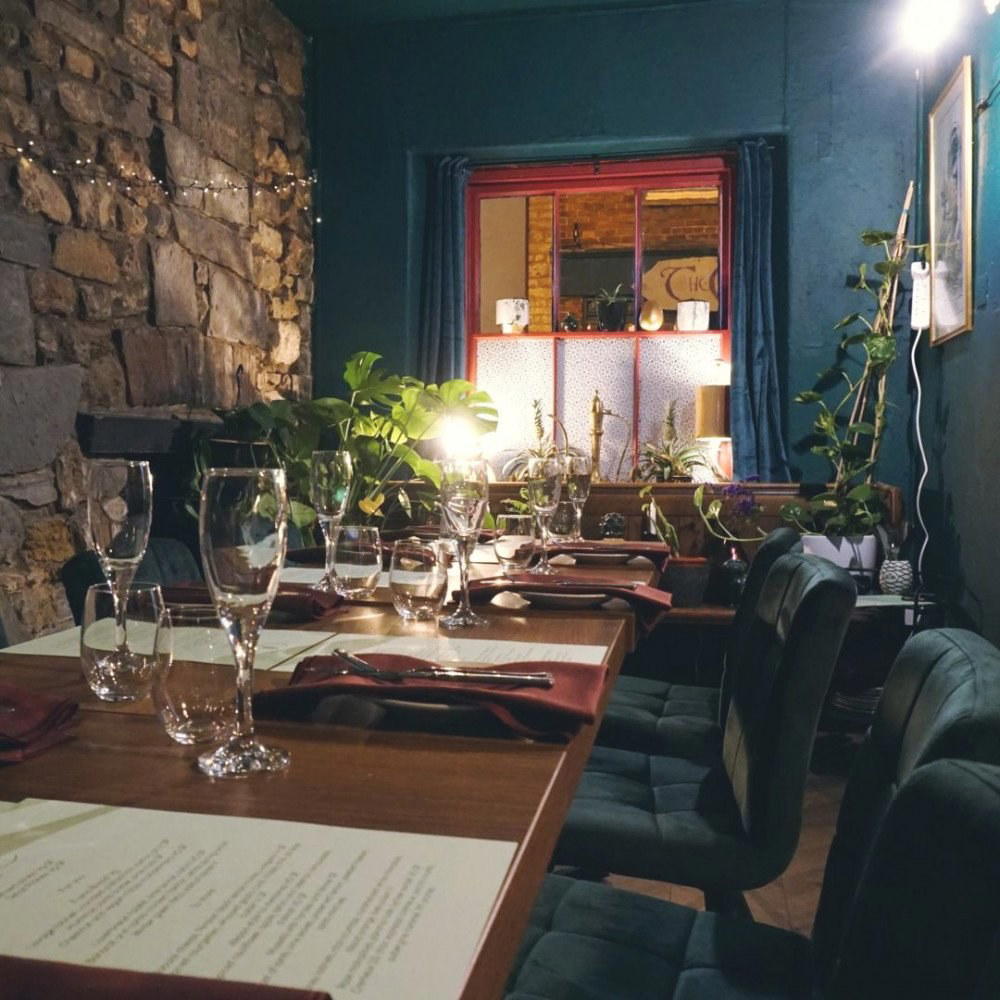
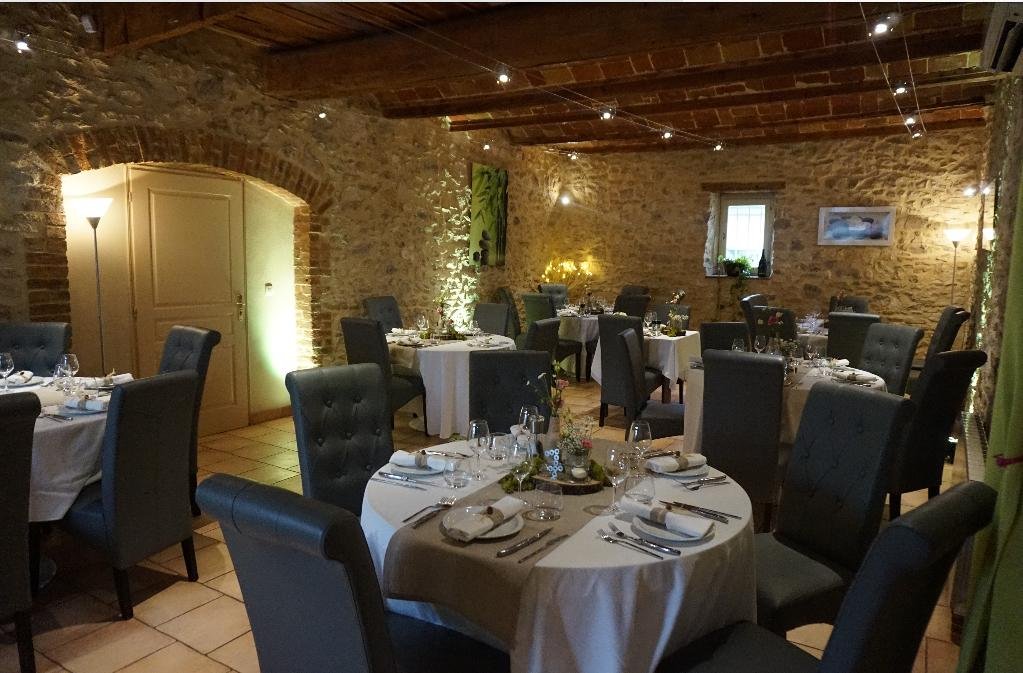
The spatial character of Le Rabelais, based on its address and scale in a town of this size, reads as intimate rather than grand. A room at this price tier in a village restaurant in Provence is almost certainly modest in seating capacity, which is precisely what suits the farm-to-table format. Tighter rooms reward slower service rhythms, and slower service rhythms suit a menu that progresses course by course through what the season is producing. If you are looking for a large, animated dining room with the energy of a brasserie, this is not the right venue. If you want focused cooking in a contained, unhurried space, it is.
The farm-to-table framing is not decorative here. In the context of the Bouches-du-Rhône, this means access to some of the most productive agricultural land in France: Camargue rice, Crau asparagus, local lamb, and the full Provençal canon of summer and autumn produce. The Bib Gourmand signals that this sourcing ambition is being delivered at a price accessible to a broad range of diners, not just those willing to spend at the level of AM par Alexandre Mazzia in Marseille, which represents the region's highest technical ceiling but at a dramatically different price tier. Le Rabelais operates in a different register entirely, and that is a feature, not a limitation.
The Tasting Experience
Farm-to-table format at this tier typically means a short, seasonally rotating menu rather than an extended tasting sequence of eight or ten courses. Expect the menu structure to follow the logic of market availability: a small number of starters, a tight selection of mains anchored by whatever protein and produce the season is yielding, and desserts that stay in the same key. This is disciplined menu architecture of the kind that the Bib Gourmand consistently rewards: no dish that is there to fill space, and no ingredient used out of season simply because a diner might expect it.
For comparison, consider that the farm-to-table philosophy executed at this level in other French regions, such as Au Gré du Vent in Seneffe or BOK Restaurant Brust oder Keule in Münster, follows a similar discipline of short, honest menus shaped by supply rather than by ambition to impress. At its finest, this format produces cooking that is harder to replicate than technique-heavy haute cuisine, because the ingredient is the argument.
When to Go
Spring and autumn are the strongest seasons for farm-to-table cooking in this part of Provence. Late spring brings asparagus and early vegetables from the Crau plain; autumn delivers game, mushrooms, and the full weight of preserved-summer produce. Summer visits are feasible, but the heat in Saint-Chamas can be intense, and restaurants at this scale sometimes reduce their hours or close briefly in August. If you are making a specific journey, spring (April to early June) is the safest bet for peak produce quality and reliable opening schedules. Midweek lunch is generally the lowest-pressure session for a room of this size; weekend evenings will fill faster and should be booked further in advance.
Practical Details
Reservations: Easy to book relative to major Michelin-recognised restaurants; advance booking is still advisable for weekend evenings. Budget: €€, making this one of the most accessible Bib Gourmand tables in the Bouches-du-Rhône. Dress: No formal dress code data available; smart-casual is appropriate for a Provençal village restaurant at this tier. Location: 8 Rue Auguste Fabre, Saint-Chamas, 13250. Phone and website: Not publicly listed in current data; check local booking platforms or contact the restaurant directly. Dietary restrictions: Contact the restaurant directly in advance; farm-to-table kitchens working with short, seasonal menus typically have limited ability to accommodate major substitutions without prior notice.
How It Compares
Explore More in Saint-Chamas
- Our full Saint-Chamas restaurants guide
- Our full Saint-Chamas hotels guide
- Our full Saint-Chamas bars guide
- Our full Saint-Chamas wineries guide
- Our full Saint-Chamas experiences guide
Other French Bib Gourmand and Farm-to-Table Benchmarks
- Flocons de Sel in Megève
- Mirazur in Menton
- Troisgros - Le Bois sans Feuilles in Ouches
- Auberge de l'Ill in Illhaeusern
- Bras in Laguiole
- Paul Bocuse - L'Auberge du Pont de Collonges in Collonges-au-Mont-d'Or
- Assiette Champenoise in Reims
- Au Crocodile in Strasbourg
- Auberge du Vieux Puits in Fontjoncouse
- Alléno Paris au Pavillon Ledoyen in Paris
Planning details
- Location
- 8 Rue Augustre Fabre, 13250 Saint-Chamas, France
- Reservations
- Book on Zenchef
- Website
- restaurant-le-rabelais.com
- Phone
- +33 4 90 50 84 40
The take
The Take
The Vibe
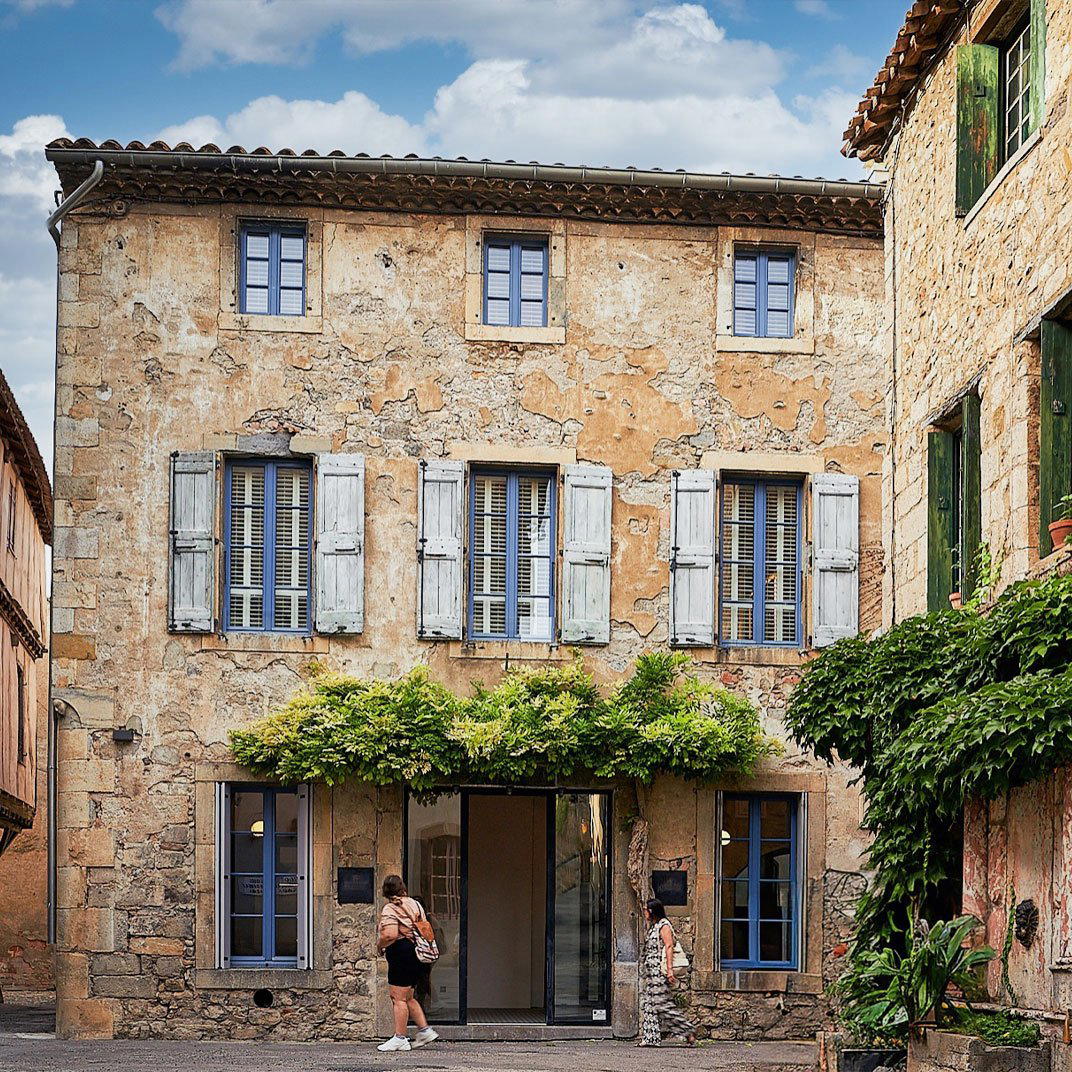
Le Rabelais tucks into a quiet corner of Saint-Chamas, a small lakeside town on the Étang de Berre, and trades exterior restraint for serious cooking. From a modest, untheatrical façade on Rue Auguste Fabre the dining room reveals a level of craft rewarded by consecutive Michelin Bib Gourmand listings. The overall impression is one of Provençal calm — market-driven, ingredient-led cuisine delivered without fuss — which feels like discovering a quietly scenic, reliably excellent neighborhood spot rather than a theatrical destination.
Best For
The restaurant's double Bib Gourmand recognition signals reliable, high-quality cooking at accessible prices, making Le Rabelais suited both to considered evenings out and repeat, everyday visits. Its Provençal, farm-to-table approach highlights market freshness and local sourcing, so meals here are equally appropriate for a relaxed dinner in town or a small special evening when you want food-first dining without formality. The consistency across inspection cycles underscores that this is a place people can return to for genuinely dependable cooking.
Ordering Tips
Menus here lean on close-to-source ingredients and seasonal choices, so prioritize dishes that foreground provenance; the kitchen rewards simplicity and ingredient quality. The pâté en croûte, listed as a signature, is a natural starting point to sample the house technique and flavors. Beyond that, follow the day's market-driven options — the writing emphasizes tightening the sourcing radius and letting ingredient quality carry the dish — and trust the kitchen to present straightforward, well-executed preparations rather than elaborate embellishment.
Venue details
Ambiance
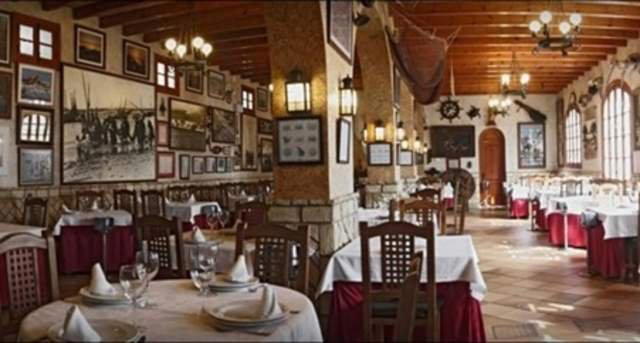
Feutrée atmosphere in a stone-vaulted historic room with exposed stones, cozy and authentic; shaded terrace under trees.
Tags
Vibe
Best For
Experience
Sourcing
Accessibility
At the Table
- Dress Code
- Smart Casual
- Noise Level
- Quiet
- Service Style
- Upscale Casual
- Meal Pacing
- Leisurely
- Capacity
- Small
- Kitchen
- Seasonal
- Menu Format
- A la carte
- Wine Program
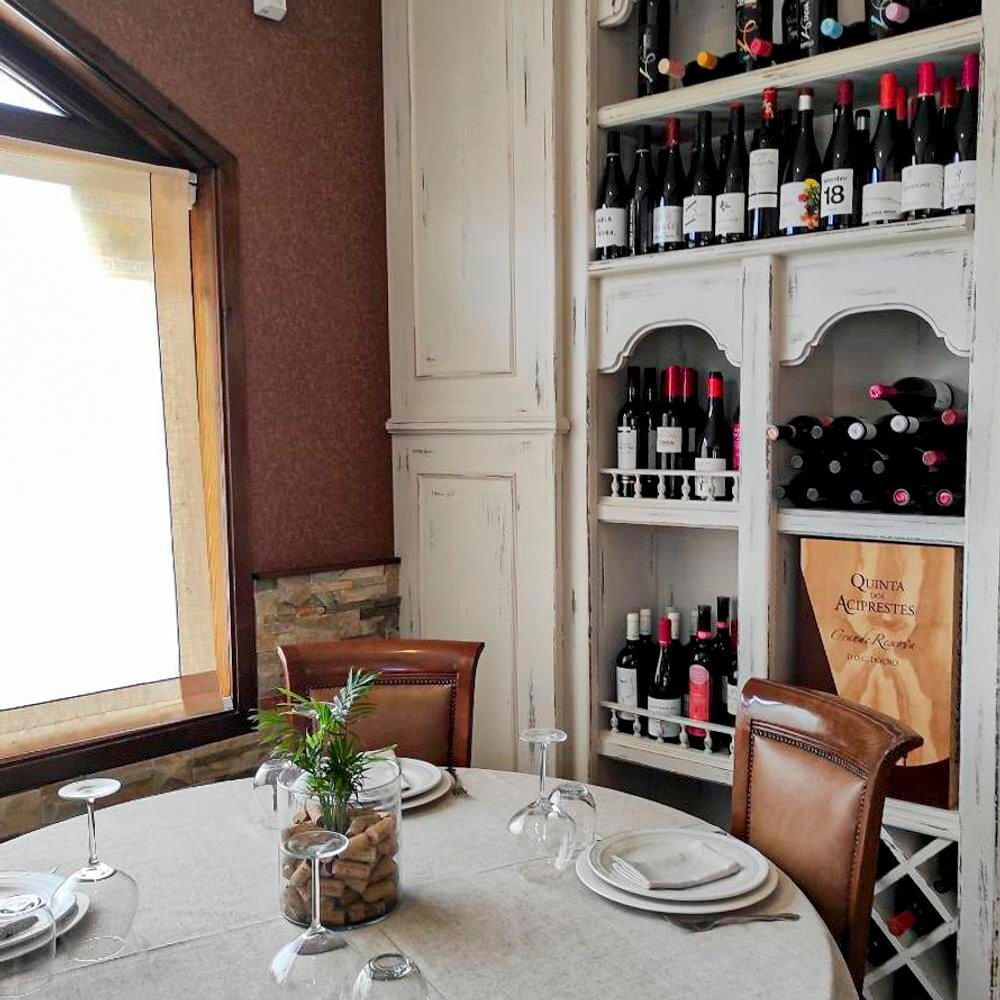
- Curated
- Drinks Focus
- Wine
- Dietary
- Vegetarian friendly
- Outdoor Seating
- Yes
Signature Dishes
pâté en croûte
Know before you go
Know Before You Go
- Getting there
- 8 Rue Augustre Fabre, 13250 Saint-Chamas, France
Planning details
Location
8 Rue Augustre Fabre, 13250 Saint-Chamas, France · Directions
Recognition and awards
Also consider
Also Consider
- Alléno Paris au Pavillon Ledoyen, Creative, €€€€
- Kei, Contemporary French, Modern Cuisine, €€€€
- L'Ambroisie, French, Classic Cuisine, €€€€
- Le Cinq - Four Seasons Hôtel George V, French, Modern Cuisine, €€€€
- Mirazur, Modern French, Creative, €€€€
Restaurant context
Le Rabelais sits in an entirely different tier from the comparison venues in this category. Alléno Paris au Pavillon Ledoyen, Kei, L'Ambroisie, Le Cinq at the Four Seasons George V, and Mirazur are all €€€€ operations with multi-star Michelin credentials and price-per-head figures that can reach several hundred euros. Le Rabelais is a €€ Bib Gourmand restaurant in a village in Provence. These are not competing for the same booking.
The decision to make is whether you want the full gastronomic experience of a destination restaurant, or whether your priority is quality cooking at a fraction of the cost. If technical ambition and an extended multi-course progression with sommelier depth matter most, L'Ambroisie or Le Cinq will deliver that and Le Rabelais will not. If you want seasonally anchored, ingredient-led cooking with genuine Provençal context at an accessible price, Le Rabelais is the stronger choice. Mirazur in Menton is the southern French benchmark for produce-driven cooking at the highest level, but the investment is proportionally higher and the booking difficulty is significantly greater.
For a food-focused traveller building a trip around Provence, the most practical approach is to treat Le Rabelais as your local, high-quality weekday table and reserve budget for one meal at a €€€€ destination if that register matters to you. Le Rabelais is the easier booking, the better value, and the more representative experience of eating well in the actual fabric of the region, rather than in a dining room designed for destination diners.
Explore Saint-Chamas
Around this place
Discover more on Pearl
Unlock the full Le Rabelais guide in Pearl, including awards, comparisons, FAQs, planning details, and nearby places.
Compare Le Rabelais
| Venue | Price | Booking Difficulty | Awards |
|---|---|---|---|
| Le Rabelais | €€ | Easy | Michelin Guide France & Monaco 20262025 Michelin Bib Gourmand2024 Michelin Bib Gourmand |
| Alléno Paris au Pavillon Ledoyen | €€€€ | Unknown | 2026 OAD Classical in Europe Ranked · #35Michelin Guide France & Monaco 20262026 La Liste Top Restaurants2025 OAD Classical in Europe Ranked · #342025 The Best Chef Three Knives2025 Gault & Millau Exceptional Restaurant2025 Michelin 3 Stars2024 OAD Classical in Europe Ranked · #342024 World's 50 Best Restaurants · #79 |
| Kei | €€€€ | Unknown | 2026 OAD Classical in Europe Ranked · #29Michelin Guide France & Monaco 20262026 Les Grandes Tables du Monde Members2026 La Liste Top Restaurants2026 Falstaff Restaurant Guide2025 OAD Classical in Europe Ranked · #262025 Michelin 3 Stars2025 Gault & Millau Prestige Restaurant2025 La Liste Top Restaurants |
| L'Ambroisie | €€€€ | Unknown | 2026 OAD Classical in Europe Ranked · #10Michelin Guide France & Monaco 20262026 La Liste Top Restaurants2026 Falstaff Restaurant Guide2025 Michelin 3 Stars2025 La Liste Top Restaurants2024 OAD Classical in Europe Ranked · #102024 Michelin 3 Stars2023 OAD Classical in Europe Ranked · #11 |
| Le Cinq - Four Seasons Hôtel George V | €€€€ | Unknown | No published awards |
| Mirazur | €€€€ | Unknown | 2026 OAD Top Restaurants in Europe Ranked · #422026 Relais Chateaux RestaurantsMichelin Guide France & Monaco 20262026 Les Grandes Tables du Monde Members2026 La Liste Top Restaurants2025 OAD Top Restaurants in Europe Ranked · #68We're Smart World Top Restaurants 20252025 Michelin 3 Stars2025 The Best Chef Three Knives |











Key differences to consider before you reserve.
FAQ
Frequently Asked Questions
What are alternatives to Le Rabelais in Saint-Chamas?
Saint-Chamas has a small dining scene, so most comparable alternatives are in the wider Bouches-du-Rhône or Provence region. For Bib Gourmand-level farm-to-table cooking at a similar €€ price point, look at options in Arles or Aix-en-Provence. If you want to step up to a full Michelin-starred experience in the region, Mirazur in Menton is the benchmark, though the price gap is significant. Le Rabelais is the strongest Michelin-recognised option at this budget within Saint-Chamas itself.
Is Le Rabelais good for a special occasion?
Yes, with the right expectations. Back-to-back Michelin Bib Gourmands (2024, 2025) give it credibility for a celebration, and the €€ price point means you can mark the occasion without the financial weight of a starred restaurant. It suits an intimate dinner for two or a small group more than a large party event. If you need a grander setting or a longer tasting sequence, a starred Provence restaurant would be a better fit.
Does Le Rabelais handle dietary restrictions?
Farm-to-table kitchens at this tier typically run short, seasonal menus with limited substitutions, so dietary needs are best communicated at the time of booking rather than on arrival. Call ahead or note requirements in your reservation — the smaller the kitchen, the more notice matters. No specific dietary policy is documented for Le Rabelais, so direct contact before your visit is the practical step.
What should a first-timer know about Le Rabelais?
Le Rabelais is a Michelin Bib Gourmand restaurant run by chef Robin Cannard in Saint-Chamas, a small lakeside town on the Étang de Berre in western Provence. The €€ price point and farm-to-table format mean you should expect a short, seasonal menu rather than an extended tasting sequence. Book in advance for weekends, and treat this as a destination lunch or dinner rather than a casual drop-in — it has earned back-to-back Bib Gourmands for a reason.
Is Le Rabelais worth the price?
At €€, it is one of the stronger value propositions in Michelin-recognised Provence dining. Two consecutive Bib Gourmands (2024 and 2025) signal consistent quality at a price well below the region's starred restaurants. If you are in the area and want credible, produce-driven cooking without a significant outlay, it is worth booking. Travellers making a long detour solely for this meal should weigh the journey against the format.
Is the tasting menu worth it at Le Rabelais?
Farm-to-table restaurants at the Bib Gourmand level typically offer a concise seasonal menu rather than a long multi-course tasting format, so do not arrive expecting eight or ten courses. What Le Rabelais delivers at €€ is focused, ingredient-led cooking backed by Michelin recognition two years running. If a shorter, well-executed seasonal menu is what you want, it is worth it. Those seeking an extended tasting experience should look at starred options in the broader Provence region.