

Bistro de Montcaud
Traditional Cuisine · Sabran
Restaurant in Sabran, France
 Book with Pearl
The Read
Guest-Directed Southern French Table
Price
€€
Dress
Smart Casual
Why go
Bistro de Montcaud holds a Michelin Plate for 2024 and 2025 and operates a genuinely unusual format: menus are personalised through advance conversation with the kitchen, including a committed plant-based option. At the €€ price tier within a château property in Sabran, this level of flexibility is rare. Book if you value a tailored meal over a fixed tasting sequence; plan ahead rather than arriving without prior contact.
About Bistro de Montcaud
Verdict
If you're making a second trip to the Gard region and want a meal that rewards advance planning, Bistro de Montcaud at Château de Montcaud earns its place on the itinerary. The kitchen holds a Michelin Plate for 2024 and 2025, which signals consistent technical competence rather than fireworks, the format is genuinely unusual: menus are discussed and adapted with each guest in advance, meaning you're not choosing from a fixed card but collaborating on what arrives. At the €€ price tier, that level of personalisation is rare. Book this if you want a considered, unhurried meal in a château setting with a team willing to meet you where you are, including on plant-based choices. Skip it if you want spontaneity; the pre-visit conversation is part of the experience, turning up without it will shortchange the meal.
About Bistro de Montcaud
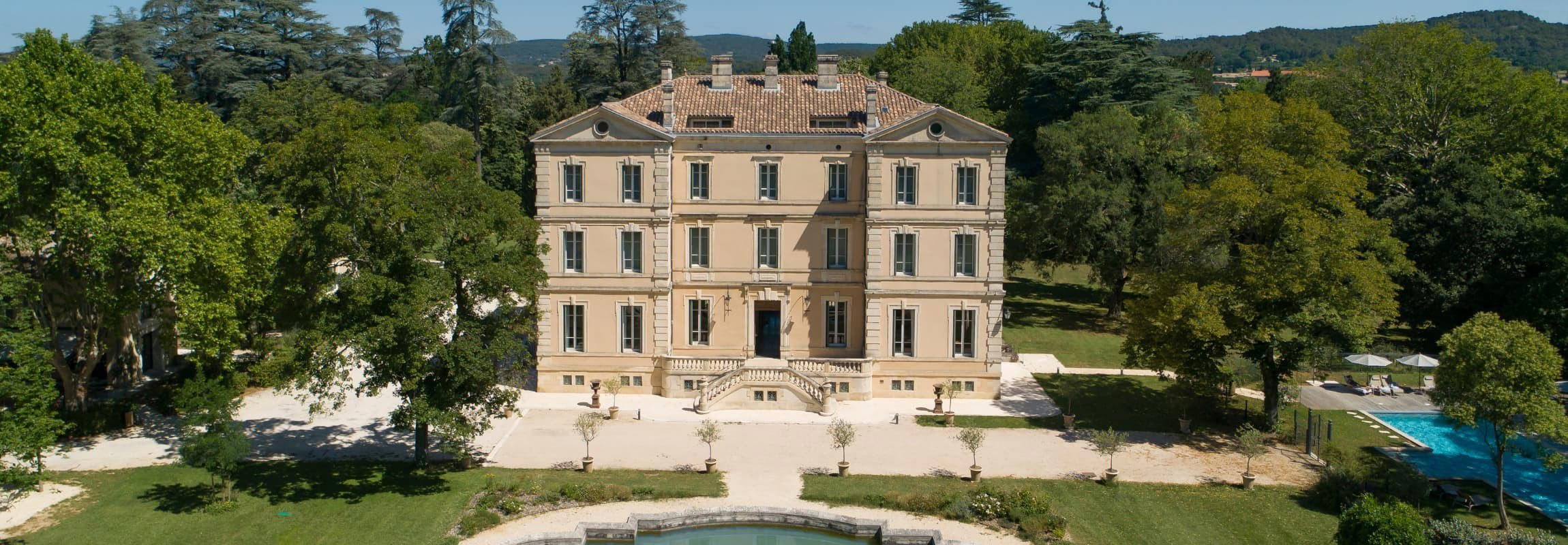
Bistro de Montcaud sits within the grounds of Château de Montcaud in Sabran, a village in the southern Gard between the Rhône and the Ardèche. The surrounding region is better known for its wine and Roman heritage than for dining destination travel, which makes the presence of a Michelin-recognised kitchen here worth paying attention to. For the wider Sabran dining and hospitality picture, see our full Sabran restaurants guide, our full Sabran hotels guide, and our full Sabran bars guide.
The kitchen is led by Chef Matthieu Hervé, whose project at the château extends to a second restaurant on the same property: Le Cèdre de Montcaud, the fine-dining sibling that operates at a higher register. Bistro de Montcaud is the more accessible format, but the same kitchen philosophy applies: talk to the team before you arrive, tell them what you want to eat, the menu will be shaped around that conversation. In practice, this means dietary preferences, ingredient dislikes, even the balance between richness and lightness can all be discussed. The vegetable-forward option is a genuine commitment rather than a token gesture.
On that plant-based point: the kitchen has a clear facility with vegetable cookery. Where some restaurants treat a vegetable menu as a concession, the team here appears to treat it as a full expression of what they can do. The one editorial note from independent observers is that the enthusiasm to showcase range can lead to menus that combine too many ingredients across a single course. If you're discussing the menu in advance, it's worth raising a preference for restraint in composition, specifically a focus on the primary vegetable rather than surrounding it with competing elements. That one directional note aside, the offer is genuine and worth exploring if plant-based cooking is your interest.
The tasting progression at Bistro de Montcaud follows a logic shaped by the pre-visit conversation rather than a fixed sequence. This is architecturally different from the standard tasting menu format, where the kitchen decides the arc and the guest follows. Here the negotiation happens beforehand, which means the meal on the night should feel like it belongs to you. The tradeoff is that the kitchen's own creative instincts are partly subordinated to the brief you've given them. For guests who enjoy the theatre of being surprised by a chef's sequence, this format is less satisfying. For guests who've had one too many tasting menus derailed by a single course they couldn't eat, it's a practical solution. Given the €€ price point, this degree of flexibility represents strong value relative to what a comparably priced fixed menu elsewhere in the south of France would deliver.
The setting at Château de Montcaud adds context to the meal without dominating it. That rating is modest in sample size but consistent in sentiment. For comparison, the wider region's fine-dining reference points operate at significantly higher price tiers: Mirazur in Menton and Bras in Laguiole are the southern French benchmarks for ambitious cooking in non-urban settings, but both are multi-Michelin propositions at €€€€. Bistro de Montcaud is not competing at that level, nor is it trying to. It's a well-executed, personalised kitchen at an accessible price in a beautiful property, it should be evaluated on those terms.
Booking is direct. The venue does not carry the demand pressure of a starred restaurant, availability is generally accessible without significant lead time. That said, because the menu preparation requires advance conversation, you shouldn't treat this as a walk-in option. Contact the restaurant before your visit to begin the menu discussion; this is the working assumption of the format, arriving without that preparation means the kitchen defaults to a standard offering rather than one built around you. For an overview of wine options in the area to pair with a visit, see our full Sabran wineries guide.
If you're already a guest at Château de Montcaud, the decision to eat here is easy. If you're driving to Sabran specifically for this meal, the case rests on how much you value the personalised format and the château setting over the raw cooking ambition you'd find at higher price points elsewhere. Traditional cuisine at €€ with Michelin Plate recognition and a kitchen that will adapt the menu to your preferences: that combination is unusual enough to justify the trip for the right diner. For a wider sense of what the area offers beyond the table, see our full Sabran experiences guide.
Located inside
 HotelChâteau de MontcaudFull hotel guide
Planning details
- Location
- Moncaut, 30200 Sabran, France
- Website
- chateaudemontcaud.com
- Phone
- +33 4 66 89 18 00
The take
The Take
The Vibe
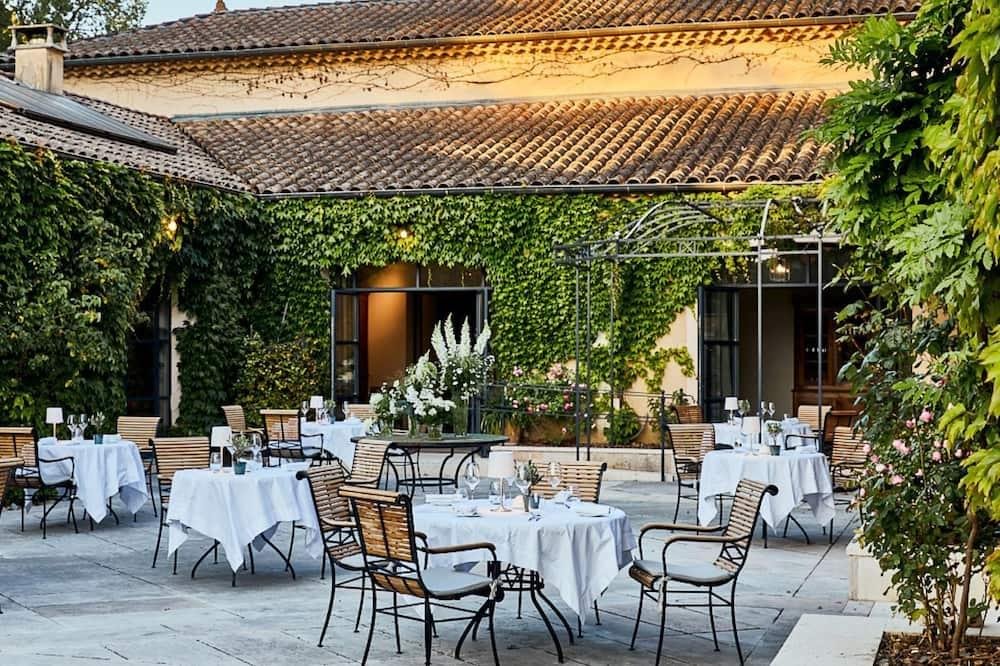
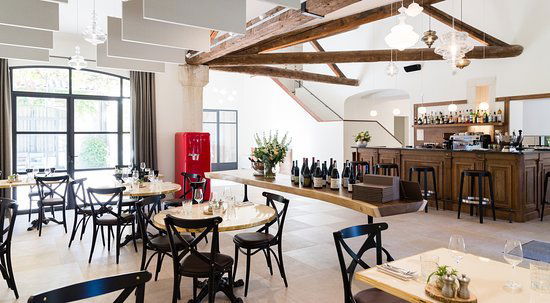
Bistro de Montcaud leans into a quietly refined rural mood. Set on the château's grounds amid mature trees and warm limestone, the bistro foregrounds the calm, late-afternoon stillness of inland Occitanie. The room reads as approachable and rustic rather than theatrical: a place for unfussy, ingredient-led cooking that still feels composed. The kitchen’s plant-forward strand and bistro format keep the experience intimate and comfortable rather than formal; guests arrive for the landscape as much as the food, finding a serene, charming setting that highlights the region’s light and durable stonework as part of the meal’s backdrop.
Best For
Bistro de Montcaud is best for relaxed lunches and straightforward dinners when you want château atmosphere without a tasting-menu commitment. Its €€ bistro positioning and daily-rotation format make it a natural stop for visitors exploring the southern Rhône and for locals seeking seasonally focused cooking anchored in regional produce. The estate setting and quieter pace suit pairs and small groups who appreciate leisurely meals framed by mature trees and limestone architecture. It functions as the accessible counterpoint to the estate’s more formal dining room: less ceremonial, more immediate, and ideal for enjoying classic French dishes alongside vegetable-led compositions.
Ordering Tips
Lean into the kitchen’s stated plant-forward orientation while keeping an eye on the bistro’s classic proteins. Start with vegetable-focused plates that showcase local stone-fruits, wild herbs, and legumes, then consider one of the signature meat or seafood dishes—Bouillabaisse, Côte de Boeuf or Filet de Boeuf Rossini—if you want something more substantial. The format rewards sharing and a mix of courses: order a couple of vegetable compositions to sample regional produce textures, then choose a principal to anchor the table. Opting for the bistro lets you enjoy estate atmosphere without committing to the formal tasting menu upstairs.
Venue details
Ambiance
Warm and welcoming with pleasant natural lighting from the shaded terrace under sycamore and chestnut trees; elegant yet relaxed atmosphere emphasizing the luxury of simplicity.
Tags
Vibe
Best For
Experience
Sourcing
View
Accessibility
At the Table
- Dress Code
- Smart Casual
- Noise Level
- Conversational
- Service Style
- Upscale Casual
- Meal Pacing
- Leisurely
- Capacity
- Medium
Signature Dishes
- Bouillabaisse
- Côte de Boeuf
- Filet de Boeuf Rossini
- Sole
- Scallops
- Pâté en Croûte
Planning details
Location
Recognition and awards
Also consider
Also Consider
- Plénitude; Contemporary French, €€€€
- Pierre Gagnaire; French, Creative, €€€€
- Alléno Paris au Pavillon Ledoyen; Creative, €€€€
- Kei; Contemporary French, Modern Cuisine, €€€€
- Le Cinq - Four Seasons Hôtel George V; French, Modern Cuisine, €€€€
Restaurant context
Stacking Bistro de Montcaud against Plénitude, Pierre Gagnaire, Alléno Paris au Pavillon Ledoyen, Kei, and Le Cinq at the Four Seasons George V is not an apples-to-apples exercise. Those are all Paris-based, multi-Michelin-starred restaurants operating at €€€€, where the tasting menu is fixed, the creative authority rests entirely with the kitchen, booking pressure is substantial. If your goal is to experience the top tier of French fine dining with maximum chef-driven ambition, those addresses are the right category and Bistro de Montcaud is simply not in the same conversation.
Where Bistro de Montcaud makes sense over those alternatives is on accessibility: price, location, booking ease all point in the same direction. For a diner staying in the Gard or driving through the southern Rhône Valley, spending €€ on a personalised meal at a château is a materially different proposition from a €€€€ reservation in Paris requiring weeks of advance planning. The personalised menu format is also genuinely distinct: none of the Paris comparators offer pre-visit menu collaboration as a structural feature. For regional French cooking with a similar spirit of locality and personalisation at a higher price tier, Bras in Laguiole and Les Prés d'Eugénie in Eugénie-les-Bains are the more direct comparators in terms of setting and ethos, though both operate at a higher recognition level.
The practical verdict: if you're in Paris and want the best French tasting menu your budget allows, book Plénitude or Le Cinq and leave Bistro de Montcaud for a different trip. If you're in the south of France and want a meal that adapts to you rather than the reverse, Bistro de Montcaud at €€ with Michelin Plate standing is the easier, more personal choice. It won't challenge the Paris kitchens on technical ambition, but it doesn't need to. The offer is coherent on its own terms, for the right diner in the right context, it's the better decision.
Explore Sabran
Around this place
Discover more on Pearl
Unlock the full Bistro de Montcaud guide in Pearl, including awards, comparisons, FAQs, planning details, and nearby places.
Compare Bistro de Montcaud
| Venue | Price | Booking Difficulty | Awards |
|---|---|---|---|
| Bistro de Montcaud | €€ | Easy | Michelin Guide France & Monaco 2026We're Smart World Top Restaurants 20252025 Michelin Plate2024 Michelin Plate |
| Plénitude | €€€€ | Unknown | 2026 OAD Classical in Europe Ranked · #1Michelin Guide France & Monaco 20262026 La Liste Top Restaurants2025 OAD Classical in Europe Ranked · #12025 World's 50 Best Restaurants · #142025 The Best Chef Three Knives2025 La Liste Top Restaurants2025 Gault & Millau Exceptional Restaurant2025 Michelin 3 Stars |
| Pierre Gagnaire | €€€€ | Unknown | 2026 OAD Classical in Europe Ranked · #402026 Relais Chateaux RestaurantsMichelin Guide France & Monaco 20262026 Les Grandes Tables du Monde Members2026 La Liste Top Restaurants2025 OAD Classical in Europe Ranked · #902025 OAD Top Restaurants in Japan Ranked · #157We're Smart World Top Restaurants 20252025 Relais Chateaux Award |
| Alléno Paris au Pavillon Ledoyen | €€€€ | Unknown | 2026 OAD Classical in Europe Ranked · #35Michelin Guide France & Monaco 20262026 La Liste Top Restaurants2025 OAD Classical in Europe Ranked · #342025 The Best Chef Three Knives2025 Gault & Millau Exceptional Restaurant2025 Michelin 3 Stars2024 OAD Classical in Europe Ranked · #342024 World's 50 Best Restaurants · #79 |
| Kei | €€€€ | Unknown | 2026 OAD Classical in Europe Ranked · #29Michelin Guide France & Monaco 20262026 Les Grandes Tables du Monde Members2026 La Liste Top Restaurants2025 OAD Classical in Europe Ranked · #262025 Michelin 3 Stars2025 Gault & Millau Prestige Restaurant2025 La Liste Top Restaurants2025 The Best Chef Three Knives |
| Le Cinq - Four Seasons Hôtel George V | €€€€ | Unknown | No published awards |
.png?width=1200&quality=80)








A quick look at how Bistro de Montcaud measures up.
FAQ
Frequently Asked Questions
Can Bistro de Montcaud accommodate groups?
Groups are a reasonable fit here because the kitchen customises each menu in advance by discussing the table's wishes beforehand. That process works well for groups with dietary requirements or mixed preferences, including vegetarians. Contact the château directly to arrange the pre-meal discussion; this is not a walk-in, order-off-a-menu format.
Is Bistro de Montcaud worth the price?
At €€ pricing, Bistro de Montcaud sits in a bracket where expectations are modest and the personalised menu format makes the value case stronger than a fixed carte. The Michelin Plate recognition in both 2024 and 2025 confirms consistent kitchen quality. For the Gard region, where serious cooking at this price point is not common, it earns its money; provided you engage with the pre-visit menu discussion.
Is the tasting menu worth it at Bistro de Montcaud?
The format here is closer to a bespoke set menu than a classical tasting menu; you agree on the dishes in advance with the team. The plant-based direction is a genuine strength, though the kitchen's enthusiasm can tip into over-complexity when too many flavours are combined. If you brief them clearly on your preferences, the result is more focused and satisfying.
How far ahead should I book Bistro de Montcaud?
Book at least one to two weeks out and use that window to complete the pre-meal menu discussion the kitchen requires. Sabran is not a high-traffic destination, so last-minute tables may occasionally be available, but the personalised format means the restaurant needs lead time to prepare properly. Arriving without that conversation removes the main point of difference.
What should a first-timer know about Bistro de Montcaud?
The defining feature is that your menu is discussed and adapted in advance; this is not a venue where you turn up and order from a card. It sits within Château de Montcaud in Sabran, between the Rhône and the Ardèche, so you're committing to a destination meal. Chef Matthieu Hervé's team holds a Michelin Plate for 2024 and 2025, which signals reliable technique without the formality of a starred room.
What are alternatives to Bistro de Montcaud in Sabran?
Sabran itself has few direct competitors at this level, which is part of why Bistro de Montcaud matters in the region. For more ambitious cooking in the broader Gard and southern Rhône corridor, look at starred addresses in Nîmes or Avignon. If you want a similarly relaxed, château-setting meal with personalised service, Bistro de Montcaud has little local competition in its price bracket.