.png?width=1200&quality=80)
Sushisen
Japanese Contemporary · Ostiense, Rome
Restaurant in Rome, Italy
 Book with Pearl
The Read
Dual-Room Omakase Format
Price
$50–100per person
Dress
Smart Casual
Why go
Sushisen offers two distinct dining experiences in Rome: a conveyor-belt room for casual grazing and a contemporary omakase room with a sake-forward by-the-glass list. Michelin Plate recognition in 2024 and 2025 confirms consistent kitchen quality. At the €€ price tier, it is one of the stronger cases for Japanese contemporary dining in the city.
About Sushisen
Should You Book Sushisen on a Return Visit to Rome?
If you have already been to Sushisen and are deciding whether to go back, the answer depends entirely on which room you chose last time. The conveyor-belt dining room and the contemporary omakase room are genuinely different experiences under one roof — and most first-time visitors default to the belt. On a second visit, the omakase room is where the decision becomes more interesting, and where the wine and sake program actually comes into its own.
For explorers of food and drink looking for something outside Rome's Italian-centric fine dining circuit, Sushisen at the €€ price tier is one of the more considered bets in the city.
Two Rooms, Two Decisions
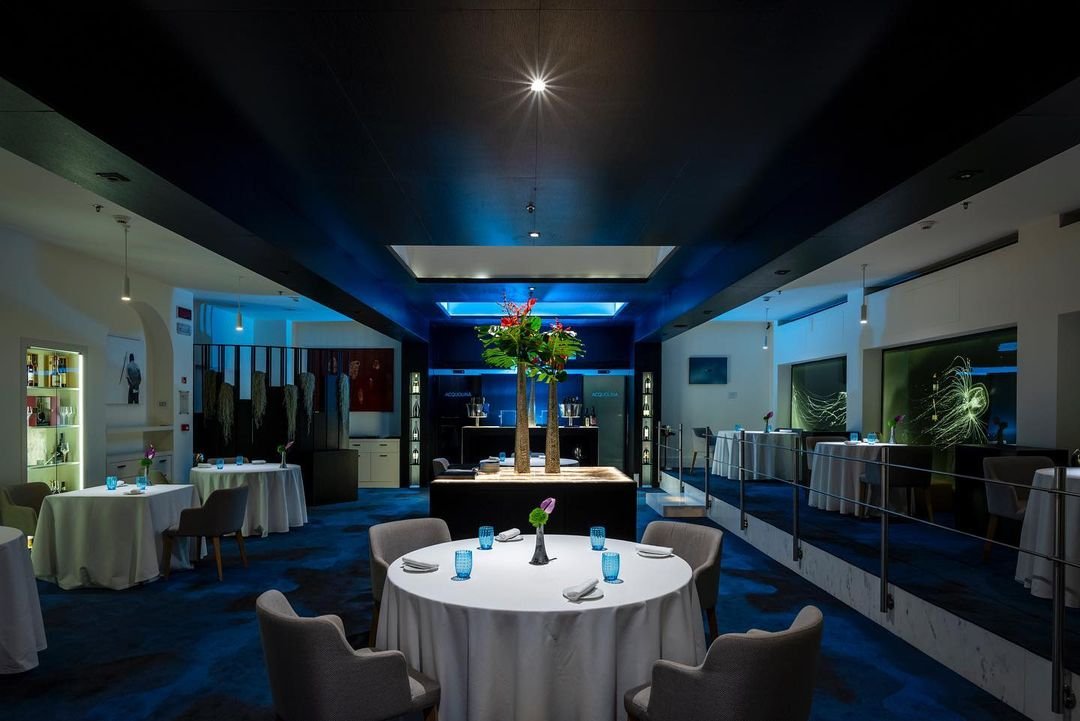
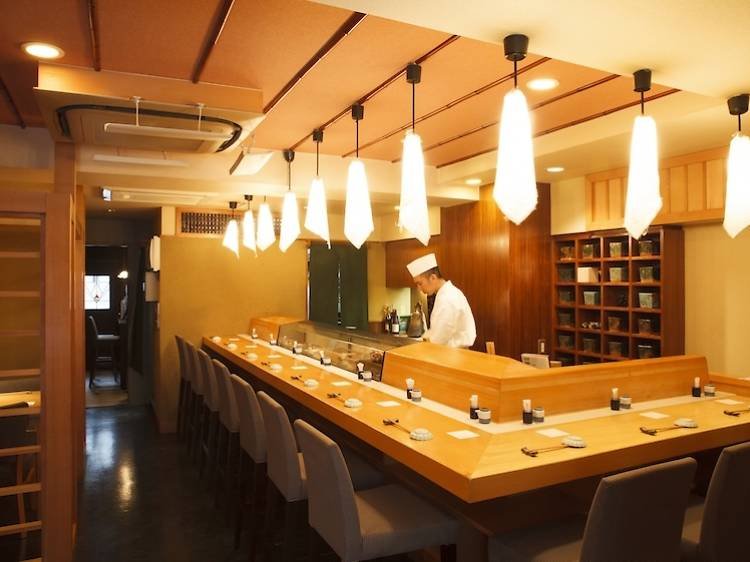
The structural split at Sushisen is worth understanding before you book. One dining room offers counter seating at a bar with a conveyor belt of traditional Japanese dishes — a format that works well for solo diners, couples who want to graze, or anyone who finds tasting menus constraining. The other room operates as a more formal contemporary Japanese restaurant, anchored by an omakase tasting menu. These are not two versions of the same meal. They are two separate propositions, and the right choice depends on what you are after.
For the explorer who wants depth rather than novelty, the omakase room is the more rewarding choice. The format allows the kitchen to sequence and pace the meal, and it is in this context that the wine and sake list becomes a meaningful part of the evening rather than an afterthought. Nearly all wines and sakes on the list are available by the glass, a practical decision that matters significantly when pairing across a multi-course Japanese menu, where the right match shifts course by course. You are not locked into a bottle of something that works for two dishes and clashes with the rest.
The Wine and Sake Program
For a Japanese restaurant at the €€ price point, the by-the-glass depth here is worth noting. The fact that nearly the entire wine and sake list is poured by the glass is unusual and genuinely useful, it allows diners to pair differently across the conveyor belt format or build a proper progression through the omakase. Sake by the glass in Rome is not a given, and having access to the full list without committing to a bottle makes the beverage program approachable at a price that does not compound the spend unnecessarily.
If you are comparing this to how the wine programs work at higher-price-tier Rome restaurants like Il Pagliaccio or Enoteca La Torre, where wine lists skew deep into Italian and French bottles, Sushisen's sake-forward list is a different kind of depth, narrower in geography but more specific to the cuisine. For food and drink explorers, that specificity is an asset. For Italian wine devotees who want Barolo with their fish courses, it may feel like a gap. Know which camp you are in before you book.
For further context on how Japanese contemporary cuisine is being executed across Europe, it is worth looking at what venues like The Japanese Restaurant in Andermatt and Sankai by Nagaya in Istanbul are doing at comparable price tiers, both offer useful benchmarks for the genre's current direction outside Japan.
Atmosphere and Timing
The two-room format also means the energy levels differ. The conveyor-belt room is likely to be livelier, more casual, and louder, the kind of setting where conversation flows without effort and the pace is set by you rather than the kitchen. The omakase room will be quieter and more structured. If you are looking for a restaurant that can hold a serious conversation across the table, book the omakase side. If you want something more relaxed and interactive, the belt room fits better.
Rome's Japanese dining scene is smaller than Tokyo's, obviously, but also smaller than what you find in cities like London or Paris, which makes a Michelin-recognised option at the €€ tier more notable here than it might be elsewhere. For a city where most ambitious dining gravitates toward Italian cuisine, Sushisen occupies a specific gap.
Booking and Logistics
Booking at Sushisen is rated as easy. At the €€ price tier, without a starred Michelin rating (the Plate recognition signals quality control rather than the kind of acclaim that triggers reservation queues), you are unlikely to face the three-week lead times required at restaurants like La Pergola. That said, if you are planning around the omakase room specifically, it is worth confirming availability in advance rather than arriving and hoping for the right table. The conveyor-belt room is more likely to accommodate walk-ins or same-week bookings.
The restaurant sits in the 00154 postal district in Rome. No phone or website data is available in our current records, check platforms like TheFork or Google for current contact and reservation options.
How It Compares
Against Rome's broader dining options, Sushisen sits in a distinct position: the only Michelin-recognised Japanese contemporary venue at the €€ price point in the city's current guide. For further reading on Rome's wider restaurant scene, our full Rome restaurants guide covers the full range of options, including the Acquolina and Kohaku for alternative creative directions. If your trip extends beyond dining, our Rome hotels guide, Rome bars guide, Rome wineries guide, and Rome experiences guide are worth checking before you go.
For a sense of how Italy's most ambitious kitchens are operating beyond Rome, Osteria Francescana in Modena, Uliassi in Senigallia, Reale in Castel di Sangro, Dal Pescatore in Runate, Quattro Passi in Marina del Cantone, and Atelier Moessmer Norbert Niederkofler in Brunico offer useful reference points across price tiers and styles.
Ratings and At a Glance
- Michelin recognition: Plate (2024, 2025)
- Price tier: €€
- Cuisine: Japanese Contemporary
- Address: Via Giuseppe Giulietti, 21A, 00154 Roma
- Booking difficulty: Easy
Planning details
- Location
- Via Giuseppe Giulietti, 21A, 00154 Roma RM, Italy
- Website
- sushisen.it
- Phone
- +39 06 575 6945
The take
The Take
The Vibe
Sushisen presents a two-room concept that splits its personality between casual kaiten dining and a composed contemporary omakase room. The contrast creates a modern, sophisticated presence within Rome’s dining scene: one space hums with the practical accessibility of a conveyor-belt counter while the other adopts the restrained choreography of an omakase tasting experience. Michelin Plate recognition and a strong review record underline the restaurant’s culinary credibility. The overall effect is contemporary Japanese fine dining that feels considered rather than flashy, appealing to diners who want meticulous technique and high-quality raw materials in a polished, modern setting.
Best For
Sushisen is best experienced at dinner, where the omakase tasting menu and the restaurant’s fine-dining credentials come into focus. The split layout makes it versatile: book the tasting room for a focused, chef-led sequence suited to a date night or special evening; choose the kaiten conveyor-belt counter for quicker, more casual solo meals or an accessible outing with friends. Its Michelin Plate recognition signals a refined meal rather than a quick snack, so evenings—when the tasting menu is most likely to run—are the clear highlight.
Ordering Tips
Match the room to your mood: if you want a curated progression of dishes center-stage, opt for the omakase tasting menu in the contemporary dining room; if you prefer grab-and-go variety and a more informal pace, sit at the conveyor-belt counter. Look for the kitchen’s standout preparations: smoked lobster, sea bass carpaccio, scallops and shrimp ravioli are highlighted signature plates. Because the two rooms offer very different experiences, decide before you go whether you want a ceremonial, ingredient-driven tasting or a more accessible kaiten meal to set expectations.
Venue details
Ambiance
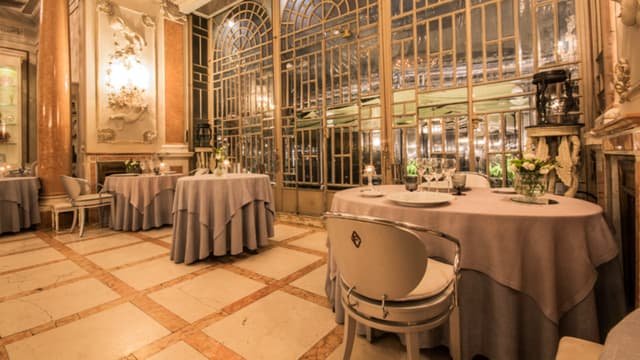
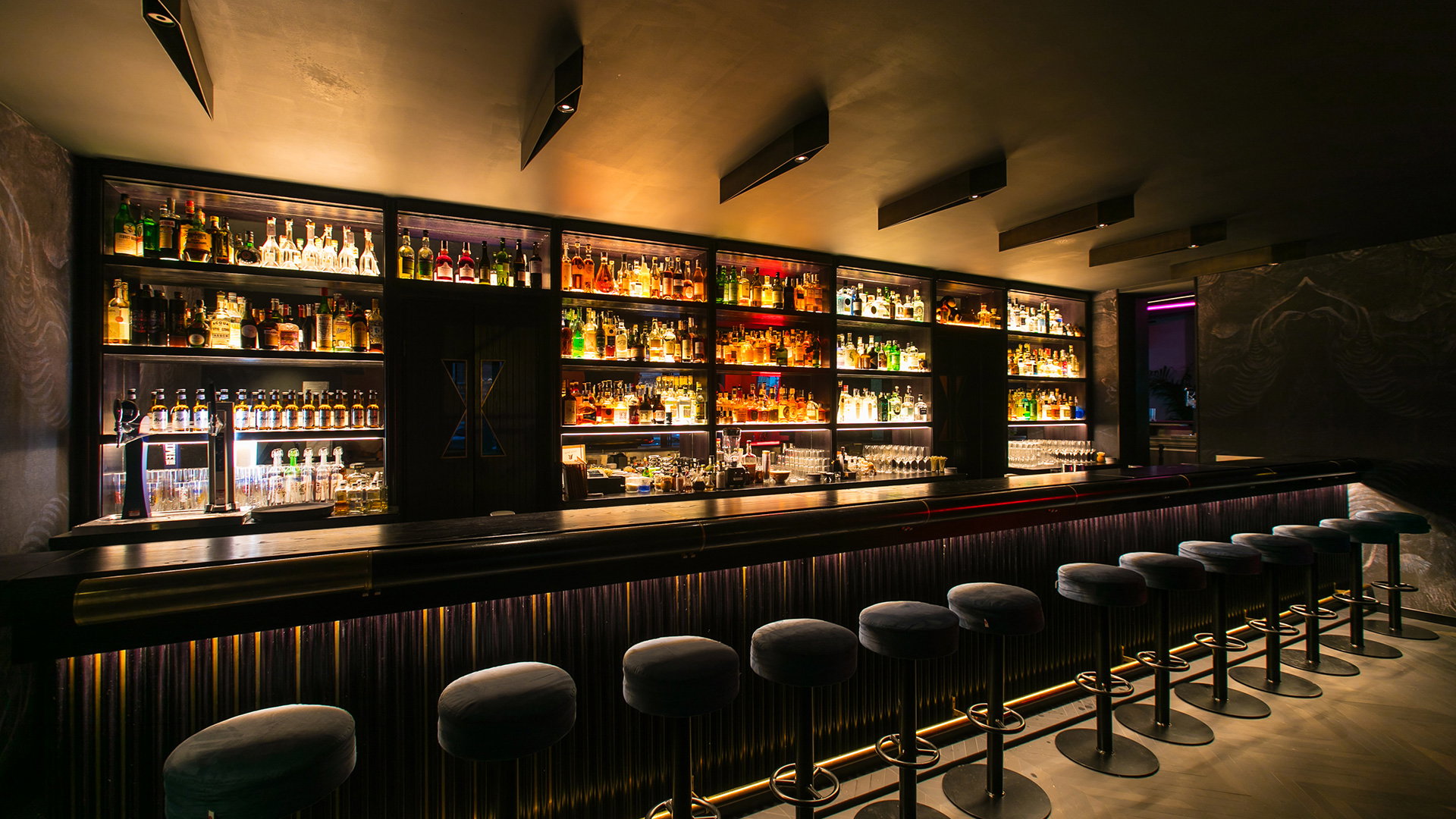
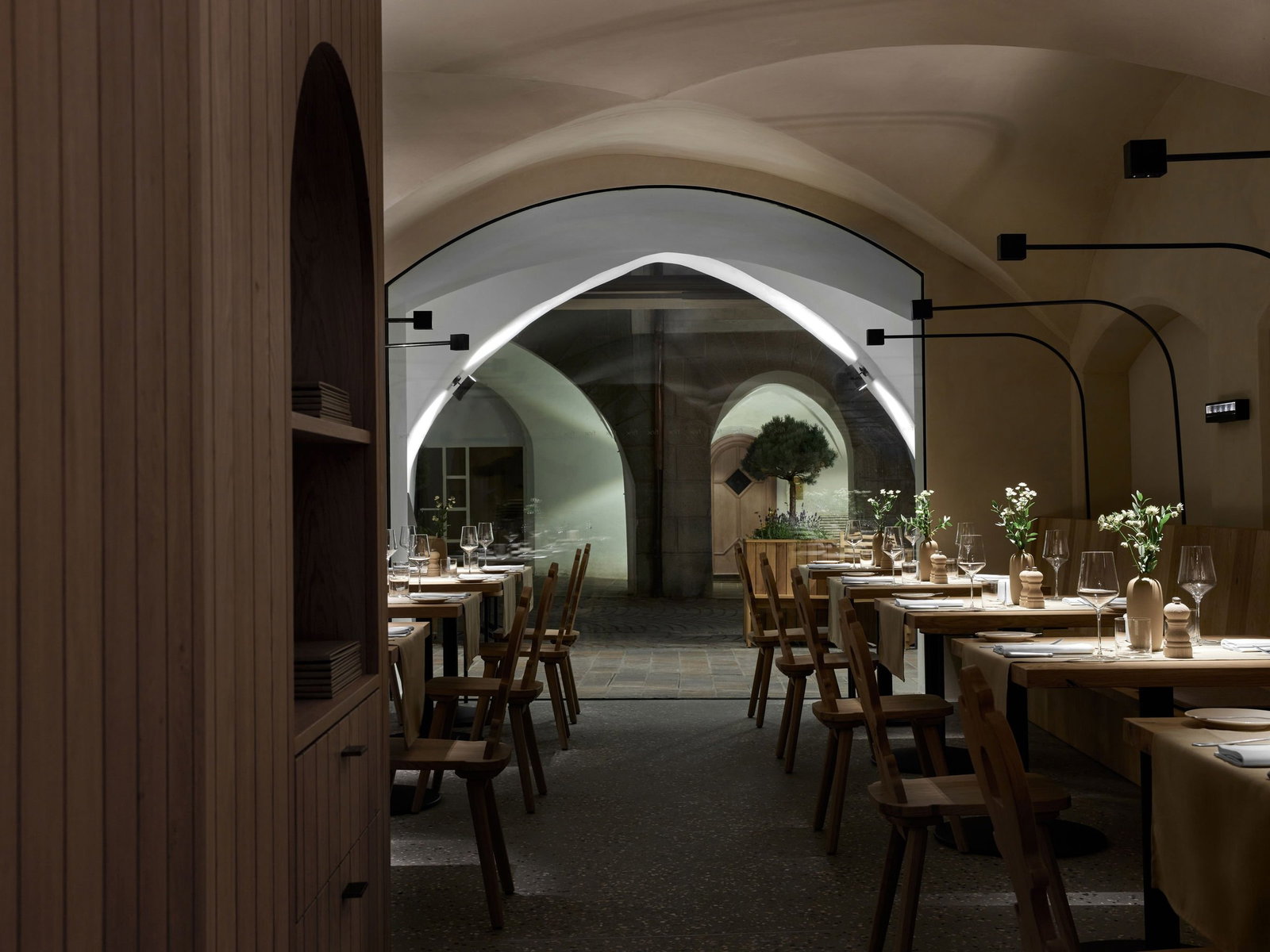
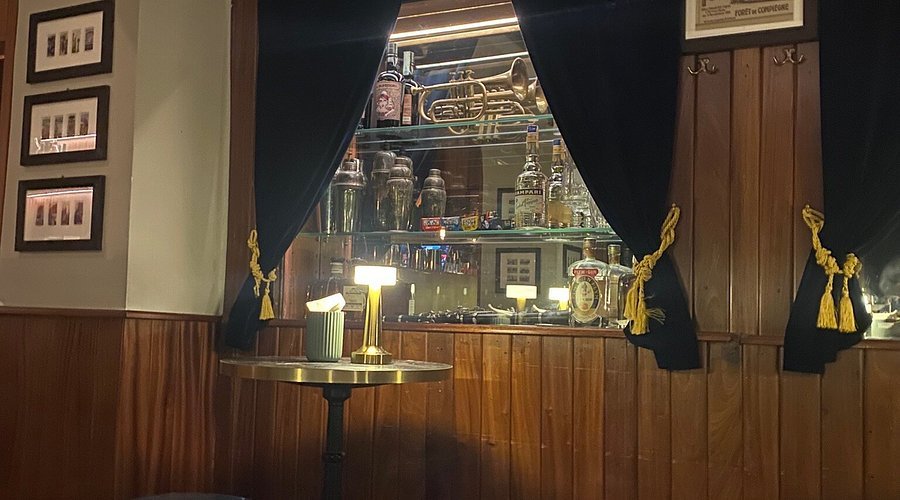
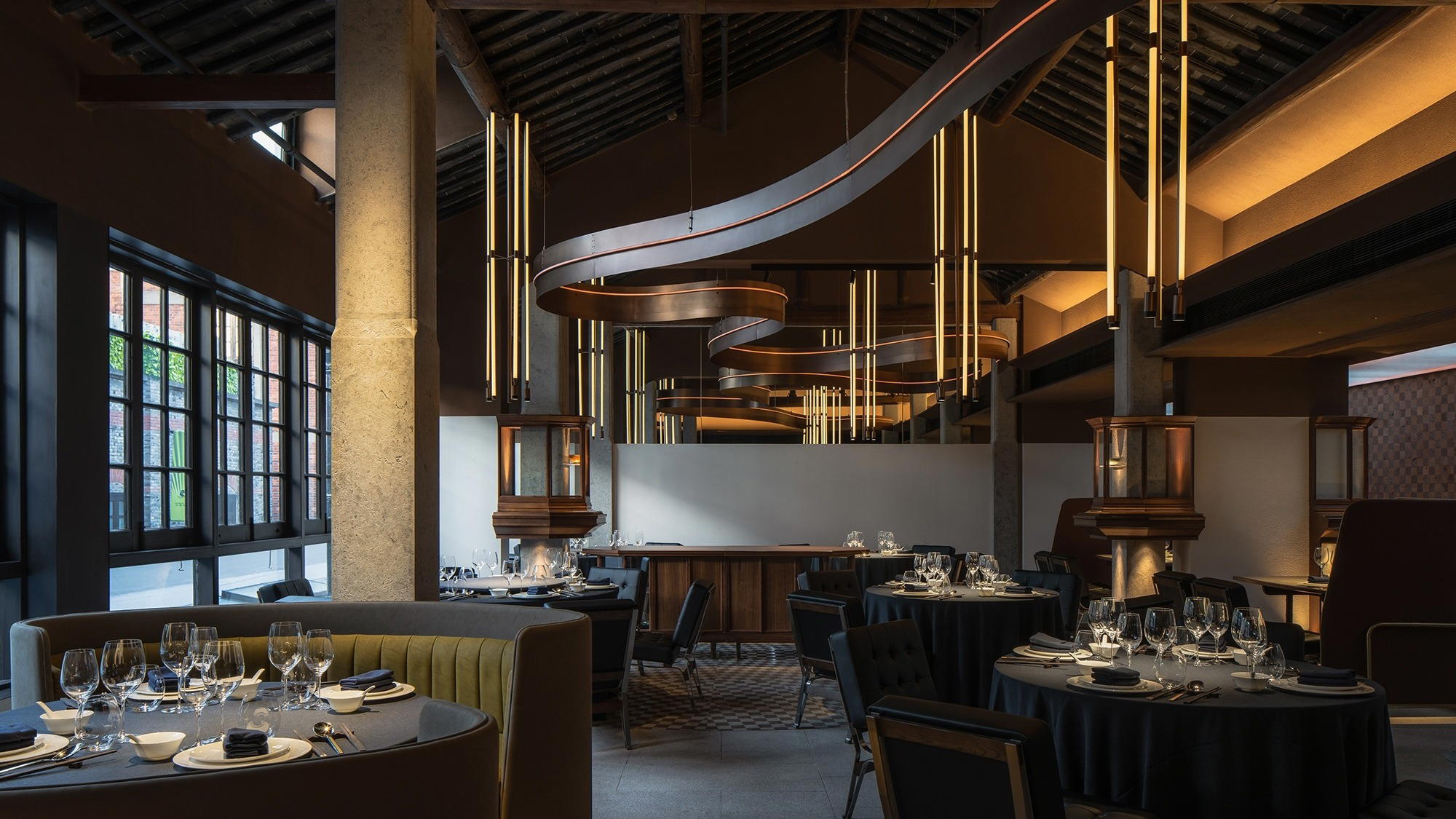
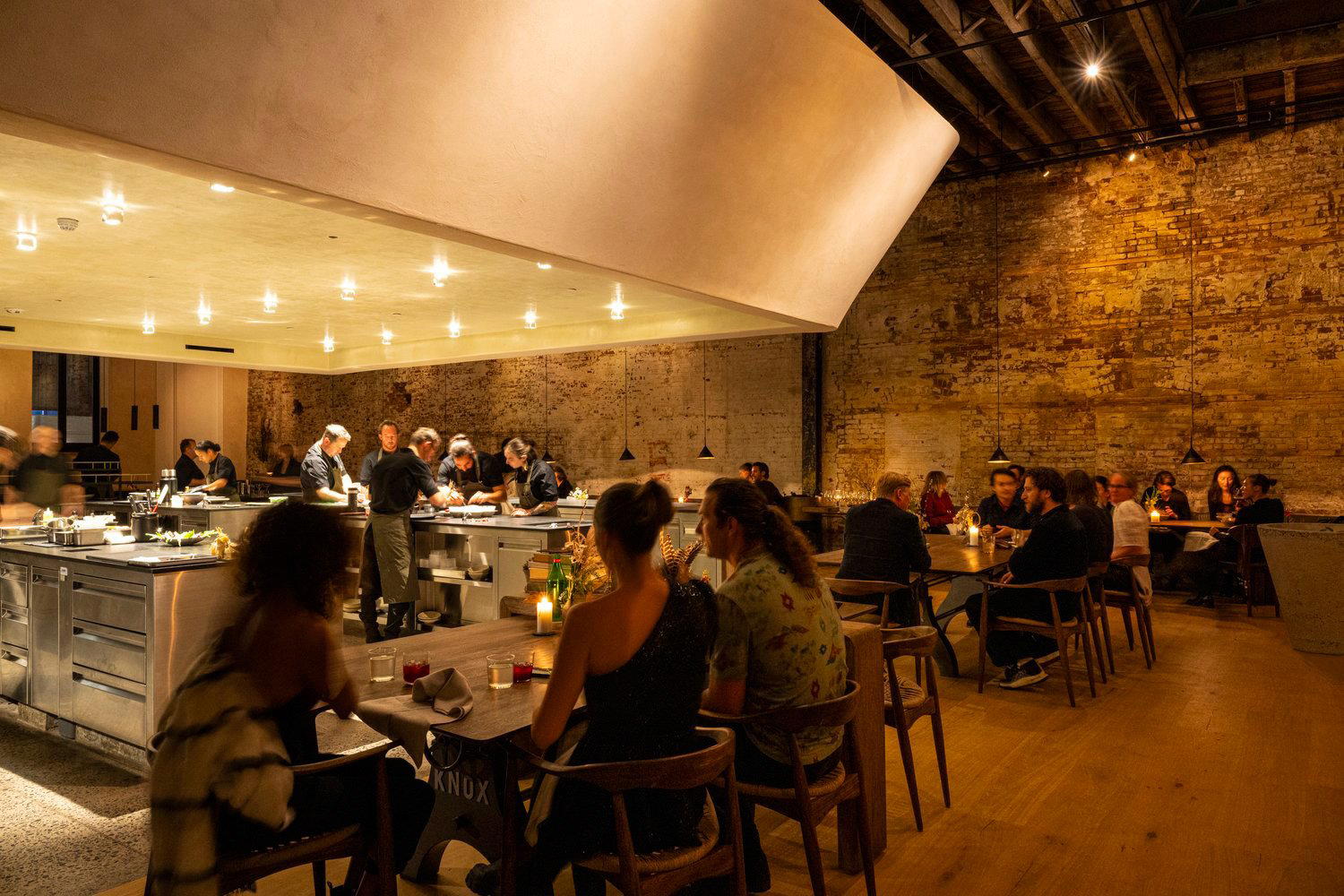
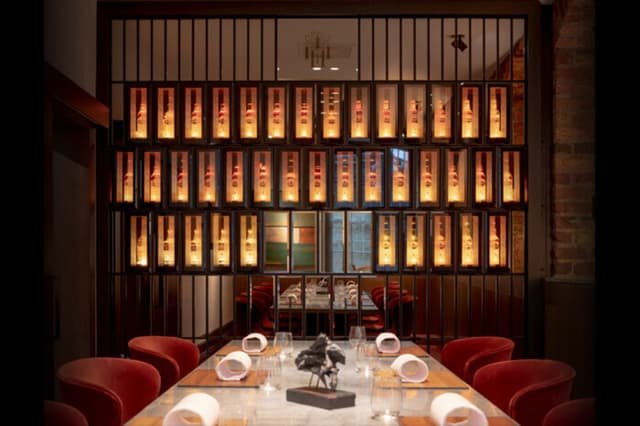
Relaxing and low-key atmosphere in cozy rooms with a refined, welcoming feel.
Tags
Vibe
Best For
Experience
At the Table
- Dress Code
- Smart Casual
- Noise Level
- Conversational
- Service Style
- Upscale Casual
- Meal Pacing
- Leisurely
- Capacity
- Small
- Kitchen
- Modern
- Menu Format
- A la carte, Omakase, Counter dining
- Wine Program
- Curated
- Drinks Focus
- Sake
- Dietary
- Vegetarian friendly
Signature Dishes
- smoked lobster
- sea bass carpaccio
- scallops
- shrimp ravioli
Know before you go
Know Before You Go
- Getting there
- Via Giuseppe Giulietti, 21A, 00154 Roma RM, Italy
Planning details
Location
Recognition and awards
Also consider
Also Consider
- Il Pagliaccio, Contemporary Italian, Creative, €€€€
- Enoteca La Torre, Creative, €€€€
- Idylio by Apreda, Modern Italian, Italian Contemporary, €€€€
- La Palta, Country cooking, €€€
- Zia, Modern Italian, Innovative, €€€
Restaurant context
Sushisen sits at €€ while most of Rome's Michelin-recognised alternatives, Il Pagliaccio, Enoteca La Torre, and Idylio by Apreda, operate at €€€€. The price gap is significant. If your priority is maximising what Rome's fine dining scene can do with Italian and Mediterranean ingredients at full ambition, those three venues justify the higher spend. Il Pagliaccio in particular is the strongest case for contemporary Italian creativity at the top tier. But if you want a formal tasting menu experience without the €€€€ outlay, Sushisen's omakase room is the more accessible entry point, different cuisine, comparable structure, lower cost.
At the €€€ tier, Zia and La Palta are the closer price comparisons, both offering modern Italian with creative intent. Between those two and Sushisen, the decision is cuisine-driven: if you want to eat Italian in Rome, Zia is the stronger pick in that bracket. If you want Japanese contemporary with a sake list, Sushisen has no direct competition at this price in the current Michelin guide.
On booking difficulty, all three €€€€ venues require more lead time than Sushisen, which is rated as easy to book. For spontaneous trips or shorter planning windows, Sushisen is the path of least resistance among the Michelin-recognised options in Rome.
Around this place
Discover more on Pearl
Unlock the full Sushisen guide in Pearl, including awards, comparisons, FAQs, planning details, and nearby places.
Compare Sushisen
| Venue | Cuisine | Price | Awards | Booking Difficulty |
|---|---|---|---|---|
| Sushisen | Japanese Contemporary | €€ | 2026 Michelin Plate2025 Michelin Plate2024 Michelin Plate | Easy |
| Il Pagliaccio | Contemporary Italian, Creative | €€€€ | 2026 OAD Classical in Europe Ranked · #121Star Wine Lists 20262026 Wine Spectator Best of Award of Excellence2026 Les Grandes Tables du Monde Members2026 Michelin 2 Stars2026 La Liste Top Restaurants2026 Falstaff Restaurant Guide2025 OAD Classical in Europe Ranked · #1162025 Wine Spectator Best of Award of Excellence | Unknown |
| Enoteca La Torre | Creative | €€€€ | 2026 La Liste Top Restaurants2026 Michelin 2 Stars2026 Falstaff Restaurant Guide2025 OAD Classical in Europe Ranked · #2562025 La Liste Top Restaurants2025 Michelin 2 Stars2024 OAD Classical in Europe Ranked · #2082024 Michelin 2 Stars | Unknown |
| Idylio by Apreda | Modern Italian, Italian Contemporary | €€€€ | 2026 OAD Top Restaurants in Europe Recommended2026 La Liste Top Restaurants2026 Michelin 1 Star2025 OAD Top Restaurants in Europe Ranked · #5152025 La Liste Top Restaurants2025 The Best Chef One Knife2025 Michelin 1 Star2024 OAD Top Restaurants in Europe Ranked · #4802024 Michelin 1 Star | Unknown |
| La Palta | Country cooking | €€€ | 2026 OAD Top Restaurants in Europe Recommended2026 Michelin 1 Star2025 OAD Casual in North America Ranked · #8142025 Michelin 1 Star2025 The Best Chef One Knife2024 OAD Casual in North America Ranked · #7812024 Michelin 1 Star2023 OAD Casual in North America Recommended | Unknown |
| Zia | Modern Italian, Innovative | €€€ | 2026 OAD Top Restaurants in Europe Ranked · #992026 Michelin 1 Star2026 Falstaff Restaurant Guide2025 OAD Top Restaurants in Europe Ranked · #962025 Michelin 1 Star2025 The Best Chef One Knife2024 OAD Top Restaurants in Europe Ranked · #1002024 Michelin 1 Star2023 OAD Top New Restaurants in Europe Ranked · #140 | Unknown |










How Sushisen stacks up against the competition.
FAQ
Frequently Asked Questions
Can I eat at the bar at Sushisen?
Yes — one of Sushisen's two dining rooms is specifically set up for counter seating at a conveyor belt of traditional Japanese dishes. It's the more casual format and likely the easier booking. If you want the omakase tasting menu, request the second dining room when you reserve.
Is Sushisen good for a special occasion?
It works for a low-key celebration, particularly if you book the omakase room, which is the more composed of the two formats. At €€ pricing with Michelin Plate recognition in both 2024 and 2025, it punches above its price tier — but for a major milestone dinner, the format is relaxed rather than ceremonial.
Is the tasting menu worth it at Sushisen?
At the €€ price point, an omakase format in a Michelin Plate-recognised venue is a strong proposition by Rome standards. The contemporary Japanese room runs the Omakase tasting menu alongside a wine and sake list available almost entirely by the glass — which means you can pair without committing to full bottles. That combination makes it worth ordering if you're already in the right room.
What should I wear to Sushisen?
The €€ price range and dual-room setup — one with a conveyor belt, one with an omakase menu — suggest a relaxed but considered approach. Neat casual fits both rooms; you won't need a jacket, but the contemporary dining room carries a slightly more composed atmosphere than the conveyor-belt side.
Can Sushisen accommodate groups?
The two-room format at Sushisen likely suits smaller parties better than large groups. The conveyor-belt bar and the omakase counter both imply structured seating rather than flexible table configurations. Groups of two to four will find the format works well; larger parties should confirm availability and seating arrangement when booking.
Is Sushisen worth the price?
At €€ with back-to-back Michelin Plate recognition (2024 and 2025), Sushisen delivers a value case that's hard to find in Rome's Japanese dining options. The omakase format and by-the-glass sake and wine program at this price tier make it worth booking. If you're after a la carte sushi without commitment, the conveyor-belt room keeps the spend flexible.