.png?width=1200&quality=80)
Poldo e Gianna Osteria
Roman · Campo Marzio, Rome
Restaurant in Rome, Italy
 Book with Pearl
The Read
Seasonal Roman Trattoria
Price
$30–50per person
Dress
Smart Casual
Why go
A Michelin Plate Roman osteria near the Parliament building with a single-€ price point and a 4.6 rating from over 3,200 reviews. Named after the owner's grandparents and focused on traditional Roman cooking with seasonal ingredients. Book ahead for the outdoor terrace — indoor seats are easier to secure, but the kitchen is worth the effort either way.
About Poldo e Gianna Osteria
Verdict: Book It for Traditional Roman Cooking at a Price That Makes Sense
Poldo e Gianna Osteria earns a clear recommendation for anyone who wants honest Roman cuisine near the Parliament building without paying the tourist-trap prices that cluster around this part of the centro storico. The food stays rooted in Roman tradition, seasonal ingredients keep the menu from feeling static, and the room carries a warmth that comes from being named after real people — the owner's grandparents, Poldo and Gianna, who originally started the business. Book it, especially for a weekday lunch or an early dinner before the post-parliament crowds arrive.
The Portrait
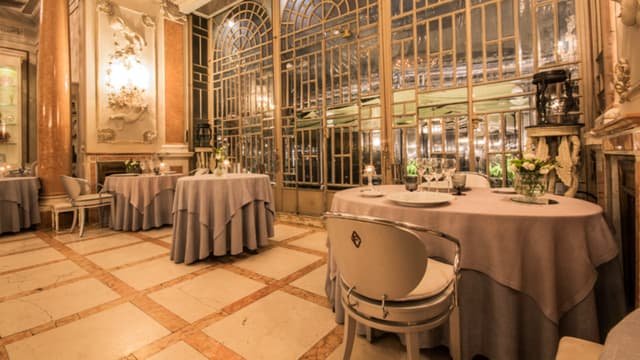
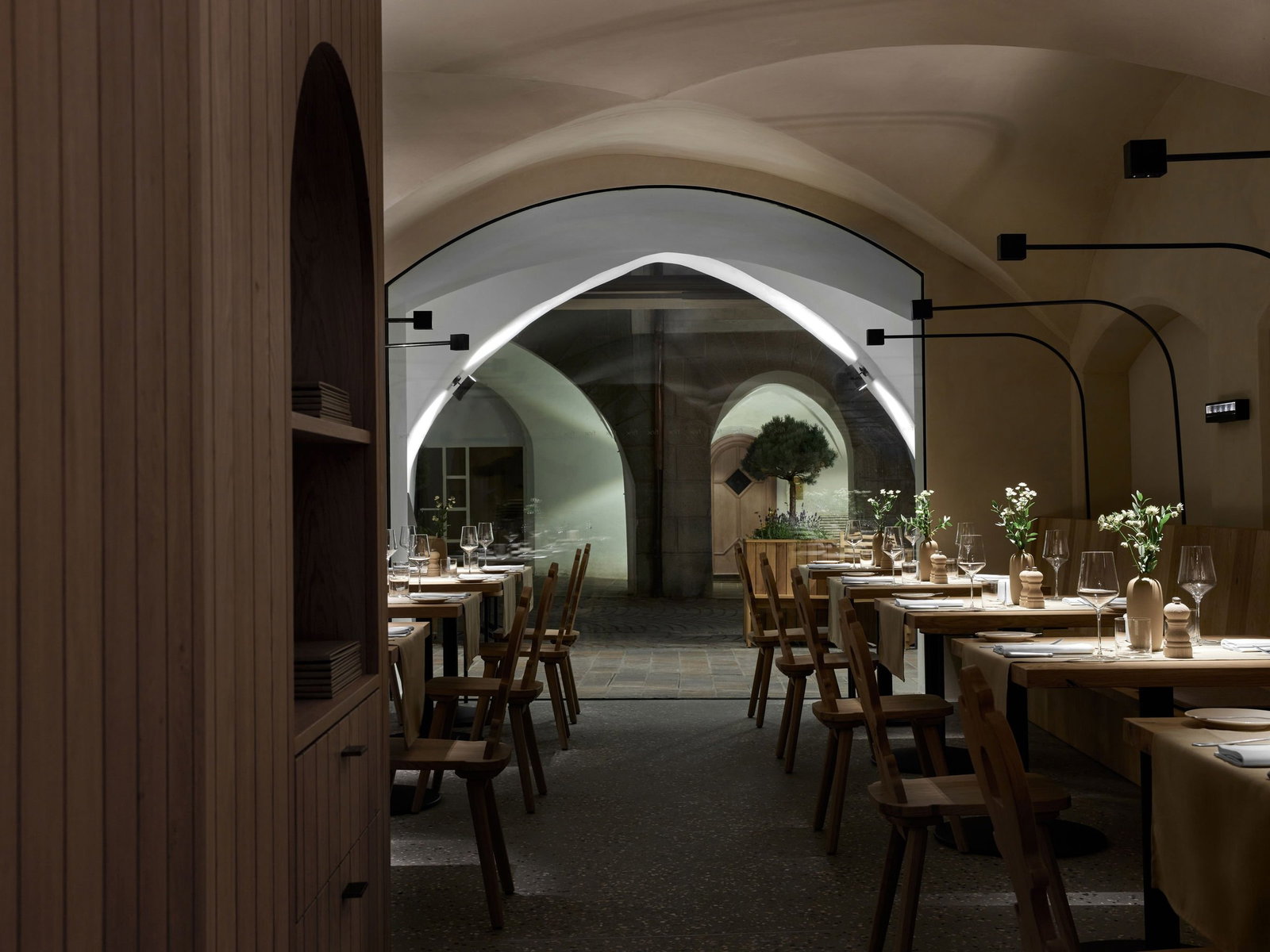
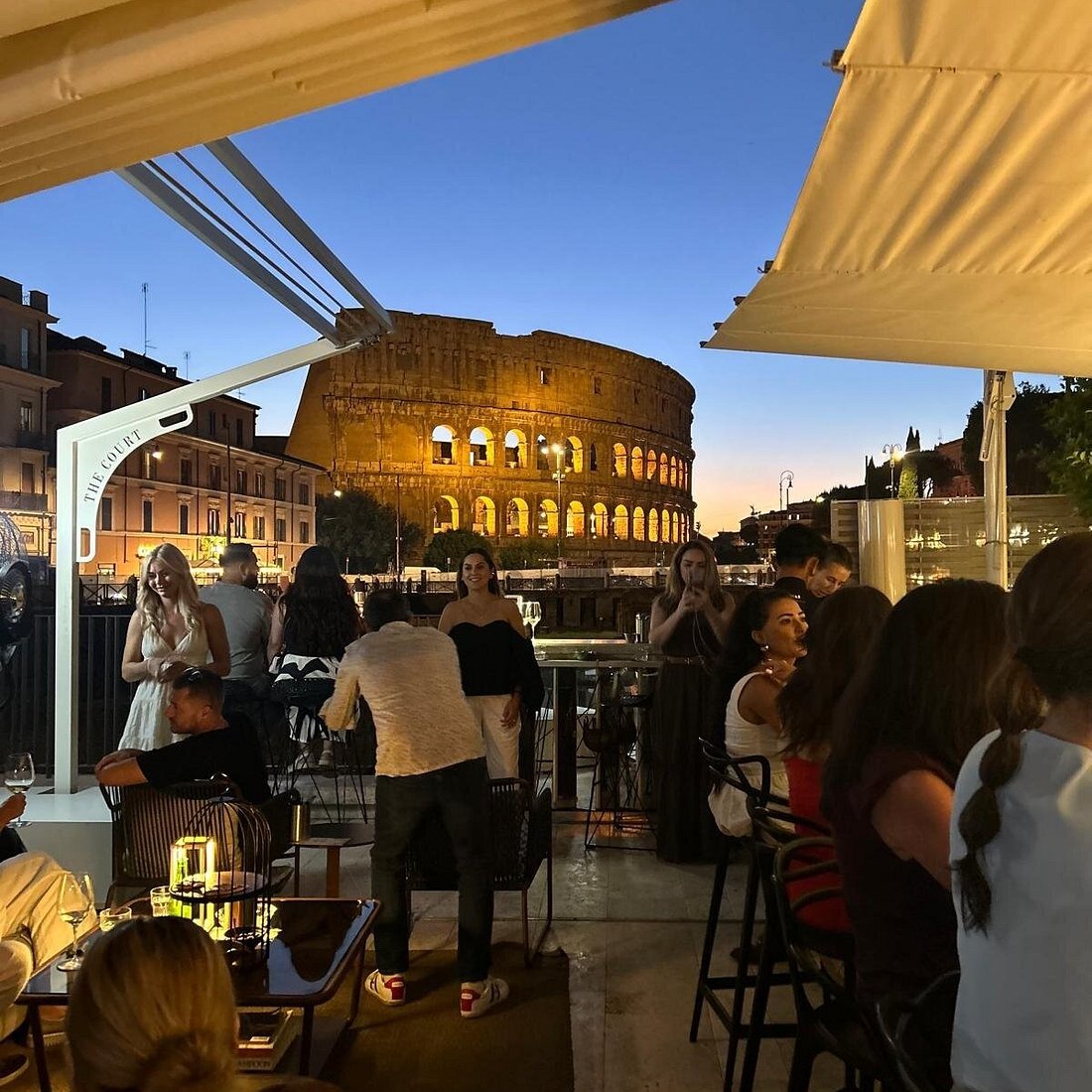
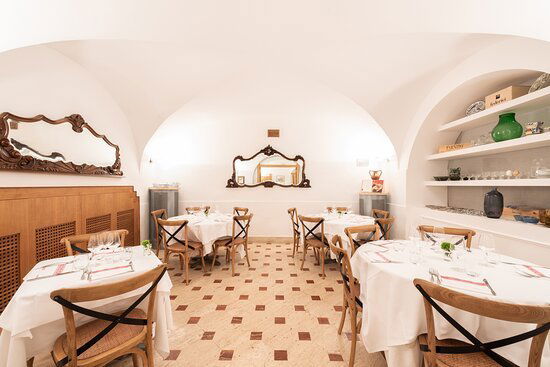
When you walk past Vicolo Rosini and spot the outdoor tables, you are looking at the visual argument for booking early. The street-level terrace is compact and clearly in demand — this is not a sprawling piazza setup with fifty seats to spare, but a considered outdoor space where the atmosphere at a good table, on a clear Roman afternoon, does a lot of the work. Inside, the room is described as cheerful and contemporary, which in Roman osteria terms means you are getting something lighter and less heavy-handed than the dark-wood trattorias that trade on nostalgia. The overall feel is approachable without being casual, which suits the neighbourhood well.
The kitchen works a traditional Roman register: the cuisine type is Roman, full stop, and the menu emphasis is on seasonal ingredients interpreted through classical technique rather than reinterpreted through a modernist lens. For a food-focused traveller, this matters. Rome's canonical dishes, cacio e pepe, coda alla vaccinara, abbacchio, artichokes in season, exist on a spectrum from factory-line to genuinely considered, and a Michelin Plate signals that the panel found the cooking here worth noting without the full-star apparatus. Two consecutive Plate recognitions (2024 and 2025) suggest consistency, not a one-time performance.
The kitchen's orientation is toward tradition rather than experimentation. For the explorer diner, that is a useful signal: you are not coming here for provocation or novelty technique, you are coming for Roman cooking done with care and seasonal discipline. The comparison that matters is not with Rome's creative fine-dining tier but with the city's honest mid-range osteria circuit, where Poldo e Gianna holds its own clearly.
Ideal time to visit
Weekday lunches are the practical sweet spot. The Parliament proximity means the neighbourhood has a working rhythm during the week, and lunch service at a well-run Roman osteria tends to be more relaxed than dinner in terms of pace. If outdoor seating is your priority, and given the setting, it should be, book as far ahead as the venue allows, particularly for Thursday or Friday lunch when the area is busiest. Saturday dinner is possible but the outdoor tables will be gone to reservations well before service begins. Sunday is variable; Roman osterie near institutional buildings often adjust hours on weekends, so confirm before you go.
Seasonally, spring and autumn are when a terrace in Rome earns its keep: mild enough to sit outside comfortably, and the seasonal menu will reflect produce at its most useful. Summer outdoor dining in central Rome is entirely possible, but midday heat is a factor. Winter visitors should weight toward the interior, which is genuinely pleasant rather than a fallback option.
Is the Food Worth Taking Away?
This is an osteria built around the experience of eating in the room or at the terrace. Roman cuisine at this level, hand-made pasta, braised cuts, vegetable preparations that depend on timing, does not travel particularly well. Cacio e pepe eaten twenty minutes after it leaves the kitchen is a different dish from the one served at the table. If you are considering off-premise options, the honest answer is that the cooking here is designed for the sit-down experience, and the value of the single-€ price point is best realised when you are in the space. For Roman food that holds up better as takeaway, markets and street-food operations are a more practical format. Poldo e Gianna is worth the table.
Booking and Logistics
Booking difficulty is rated easy, which likely reflects the indoor capacity more than the outdoor terrace. The outdoor tables are specifically flagged as needing advance booking, so treat those differently. Plan to book through third-party platforms or by visiting in person. Given the location on Vicolo Rosini in the 00186 postcode, the restaurant is walkable from multiple Rome centro storico points of reference, including Campo de' Fiori, Piazza Navona, and the Pantheon area.
For other strong Roman cooking options in the city, Armando al Pantheon operates on a similar traditional register in an equally competitive location. Checchino Dal 1887 goes deeper into offal and the cucina povera tradition if that is your angle. Antica Pesa offers more room and a slightly wider price range. Da Danilo and CiPASSO are worth considering if availability is an issue here.
For context on where Roman cooking sits in Italy's wider restaurant scene, the country's most-discussed kitchens, Osteria Francescana in Modena, Uliassi in Senigallia, Reale in Castel di Sangro, and Atelier Moessmer Norbert Niederkofler in Brunico, operate at a different price tier and culinary register entirely. Dal Pescatore in Runate and Quattro Passi in Marina del Cantone are further reference points for Italian regional cooking at a higher spend level. Poldo e Gianna is not competing with those rooms, it is offering something more immediate and more affordable, which is exactly the point.
If you are in Milan or Brussels and want Roman food before the trip, see Il Marchese in Milan and Osteria Romana in Brussels
See our full guides for Rome restaurants, Rome hotels, Rome bars, Rome wineries, and Rome experiences.
Practical Details
| Detail | Poldo e Gianna Osteria | Armando al Pantheon | Da Danilo |
|---|---|---|---|
| Price range | € | €€ | €€ |
| Cuisine | Roman | Roman | Roman |
| Booking difficulty | Easy (indoor); plan ahead for terrace | Moderate | Moderate |
| Award recognition | Michelin Plate 2024, 2025 | Michelin Plate | |
| Outdoor seating | Yes (book in advance) | Limited | No |
| Location | Near Parliament, centro storico | Near Pantheon | Esquilino |
How It Compares
Planning details
- Location
- Vicolo Rosini, 6, 00186 Roma RM, Italy
- Reservations
- Book on TheFork
- Website
- poldoegianna.it
- Phone
- +39 06 689 3499
The take
The Take
The Vibe
Poldo e Gianna reads like a small, historic Roman osteria anchored in family memory. It occupies a corner of the centro storico where the narrow vicoli and civic architecture give the dining room an old‑world context; the owner's choice to name the place after grandparents signals continuity rather than chef‑driven novelty. The kitchen favors the Roman canon — cacio e pepe, carbonara, carciofi — but keeps things lively by following market seasons. The result is a warm, charming spot that feels rooted in neighborhood tradition and practical, ingredient‑led cooking rather than culinary spectacle.
Best For
This is a place built for attentive, sit‑down meals, especially midday: the neighborhood attracts parliamentarians, journalists and professionals who still treat lunch as a proper affair. That makes Poldo e Gianna an excellent option for business lunches and deliberate daytime dining, and it also suits quiet dinners for diners who value straightforward, seasonal Roman cooking. It’s less about theatrical tasting menus and more about dependable, well‑timed plates — good for anyone seeking a classic, neighborhood osteria experience in the centro storico.
Ordering Tips
Stick to the Roman staples and follow the season: the kitchen emphasizes timing and technique, so order classics like carbonara, cacio e pepe and amatriciana to judge the house style. Because the menu responds to market produce, ask staff what’s in season or what the kitchen is highlighting that day — artichokes, puntarelle or abbacchio when available — and finish with a traditional tiramisu. Avoid expecting theatrical presentations; the strength here is simple, well‑executed dishes built from ingredients at their best.
Venue details
Ambiance
Warm, welcoming, and elegant with refined decor, perfect for a relaxing special dinner.
Tags
Vibe
Best For
Experience
At the Table
- Dress Code
- Smart Casual
- Noise Level
- Conversational
- Service Style
- Upscale Casual
- Meal Pacing
- Leisurely
- Capacity
- Intimate
- Kitchen
- Traditional
- Menu Format
- A la carte
- Wine Program
- Curated
- Dietary
- Gluten-free options
- Outdoor Seating
- Yes
Signature Dishes
- carbonara
- cacio e pepe
- amatriciana
- tiramisu
Know before you go
Know Before You Go
- Getting there
- Vicolo Rosini, 6, 00186 Roma RM, Italy
Planning details
Location
Recognition and awards
Also consider
Also Consider
- Il Pagliaccio, Contemporary Italian, Creative, €€€€
- Enoteca La Torre, Creative, €€€€
- Idylio by Apreda, Modern Italian, Italian Contemporary, €€€€
- La Palta, Country cooking, €€€
- Zia, Modern Italian, Innovative, €€€
Restaurant context
Poldo e Gianna occupies a different tier from most of Rome's award-recognised restaurants, and that is a feature rather than a limitation. If you are comparing it to Il Pagliaccio, Enoteca La Torre, or Idylio by Apreda, all operating at €€€€ with creative or contemporary Italian menus, you are comparing two different dining intentions. Those rooms offer technical ambition and a high-investment experience; Poldo e Gianna offers Roman tradition at a fraction of the price. If your trip calls for one serious fine-dining meal and one honest osteria dinner, Poldo e Gianna is the right answer for the second slot.
Zia and La Palta are closer in price tier at €€€, but both lean toward modern Italian and innovative cooking rather than the classical Roman register. If you specifically want Roman cuisine, not a contemporary interpretation of it, Poldo e Gianna is a more direct choice than either. Zia in particular suits diners who want creativity with Italian ingredients; Poldo e Gianna suits diners who want the Roman canon executed with care.
On value for money, Poldo e Gianna is difficult to argue against for what it delivers: two consecutive Michelin Plate recognitions, a 4.6 rating at scale, and a single-€ price bracket in a central Rome location. It books easier than the fine-dining tier and costs significantly less. The trade-off is that you are not getting the inventiveness or the service depth of a starred room. For most travellers eating in Rome, that trade-off is entirely worth making.
Around this place
Discover more on Pearl
Unlock the full Poldo e Gianna Osteria guide in Pearl, including awards, comparisons, FAQs, planning details, and nearby places.
Compare Poldo e Gianna Osteria
| Venue | Cuisine | Price | Awards | Booking Difficulty |
|---|---|---|---|---|
| Poldo e Gianna Osteria | Roman | € | 2026 Michelin Plate2025 Michelin Plate2024 Michelin Plate | Easy |
| Il Pagliaccio | Contemporary Italian, Creative | €€€€ | 2026 OAD Classical in Europe Ranked · #121Star Wine Lists 20262026 Wine Spectator Best of Award of Excellence2026 Les Grandes Tables du Monde Members2026 Michelin 2 Stars2026 La Liste Top Restaurants2026 Falstaff Restaurant Guide2025 OAD Classical in Europe Ranked · #1162025 Wine Spectator Best of Award of Excellence | Unknown |
| Enoteca La Torre | Creative | €€€€ | 2026 La Liste Top Restaurants2026 Michelin 2 Stars2026 Falstaff Restaurant Guide2025 OAD Classical in Europe Ranked · #2562025 La Liste Top Restaurants2025 Michelin 2 Stars2024 OAD Classical in Europe Ranked · #2082024 Michelin 2 Stars | Unknown |
| Idylio by Apreda | Modern Italian, Italian Contemporary | €€€€ | 2026 OAD Top Restaurants in Europe Recommended2026 La Liste Top Restaurants2026 Michelin 1 Star2025 OAD Top Restaurants in Europe Ranked · #5152025 La Liste Top Restaurants2025 The Best Chef One Knife2025 Michelin 1 Star2024 OAD Top Restaurants in Europe Ranked · #4802024 Michelin 1 Star | Unknown |
| La Palta | Country cooking | €€€ | 2026 OAD Top Restaurants in Europe Recommended2026 Michelin 1 Star2025 OAD Casual in North America Ranked · #8142025 Michelin 1 Star2025 The Best Chef One Knife2024 OAD Casual in North America Ranked · #7812024 Michelin 1 Star2023 OAD Casual in North America Recommended | Unknown |
| Zia | Modern Italian, Innovative | €€€ | 2026 OAD Top Restaurants in Europe Ranked · #992026 Michelin 1 Star2026 Falstaff Restaurant Guide2025 OAD Top Restaurants in Europe Ranked · #962025 Michelin 1 Star2025 The Best Chef One Knife2024 OAD Top Restaurants in Europe Ranked · #1002024 Michelin 1 Star2023 OAD Top New Restaurants in Europe Ranked · #140 | Unknown |










Side-by-side comparison to help you decide where to book.
FAQ
Frequently Asked Questions
What should a first-timer know about Poldo e Gianna Osteria?
Book in advance and ask for an outdoor table — the terrace on Vicolo Rosini is the reason most people make the trip, and it fills faster than the indoor room. This is a Michelin Plate osteria named after the owner's grandparents, so the food is rooted in Roman tradition, not experimentation. At the € price point, it over-delivers for the neighbourhood. First-timers near the Parliament building who want honest cooking over tourist-facing menus will find it a strong fit.
Does Poldo e Gianna Osteria handle dietary restrictions?
Roman cuisine is built around meat, offal, pasta, and dairy, so the kitchen's defaults lean heavily in that direction. If you or your group have strict requirements, contact them directly before booking — the menu's traditional focus means flexibility may be limited compared to a more contemporary restaurant.
What should I order at Poldo e Gianna Osteria?
The kitchen focuses on traditional Roman cuisine using seasonal ingredients, so the practical approach is to follow what the menu emphasises on the day. Roman staples — braised cuts, hand-made pasta — are the format this kitchen is built around. Ordering from the seasonal or house recommendations is the safest route at any Michelin Plate osteria in this category.