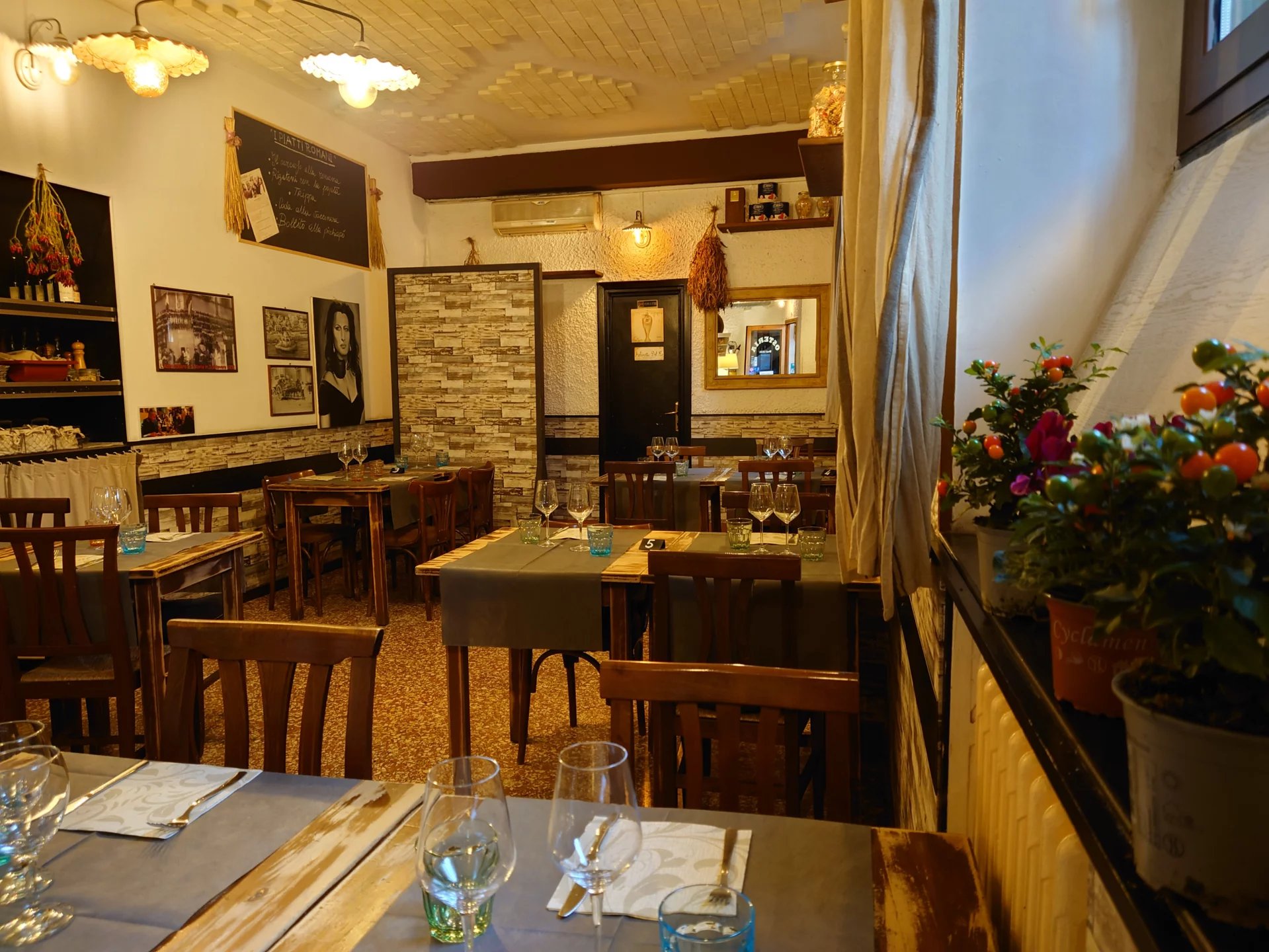
Osteria dal 1931
Gianicolese, Rome
Restaurant in Rome, Italy
 Book with Pearl
The Read
Price
$30–50per person
Dress
Smart Casual
Why go
Osteria dal 1931 is a neighbourhood trattoria in Rome's Gianicolense quarter, operating since before the war and still focused on classic Roman cooking. Easy to book, local in feel, and best suited to diners who want restraint and tradition over spectacle. A reliable return visit for anyone who found the first meal grounded and unfussy.
About Osteria dal 1931
Worth booking — if you can find it on the map
Osteria dal 1931 sits on Via di Donna Olimpia in the Gianicolense quarter, well outside the tourist circuit. Getting a table is easy by Rome standards — this is not a venue where you need to plan weeks ahead or refresh a booking app at midnight. That accessibility is part of the appeal, but do not mistake easy booking for a casual fallback: the 1931 founding date signals a kitchen with a long institutional memory for Roman cooking, and the Trastevere-adjacent neighbourhood means the clientele skews local rather than transient.
If you have been once and are deciding whether to return, the answer is yes, particularly if your first visit confirmed that this is a place that takes Roman trattoria tradition seriously rather than repackaging it for visitors. The cooking here sits in the tradition of slow-braised meats, house-made pasta, and offal-forward Roman classics: the category where technical discipline shows not in complexity but in restraint, timing, and respect for the source ingredient. That is a harder standard to meet consistently than it looks, and trattorias with nearly a century of practice have an institutional edge over newer entrants in that specific register.
The room runs at a comfortable volume during lunch service. Evenings get livelier, but this is not a venue where conversation becomes difficult, the atmosphere is convivial rather than loud, suited to a group that wants to eat well and talk without competing with a sound system. For solo diners, the counter or smaller tables near the bar work well; the staff at long-running Roman establishments tend to be comfortable with solo guests in a way that more formal rooms are not.
For context on where Osteria dal 1931 sits in Rome's broader dining picture, see our full Rome restaurants guide. If you are building a longer itinerary, our Rome hotels guide, Rome bars guide, and Rome experiences guide cover the rest. For Italian fine dining at a different register, Dal Pescatore in Runate and Uliassi in Senigallia represent the upper end of the national tradition. Within Rome itself, La Pergola and Il Pagliaccio occupy the fine-dining tier if the occasion calls for it.
Quick reference: Easy to book, neighbourhood trattoria near Gianicolense, Roman cuisine rooted in a pre-war founding tradition.
Frequently Asked Questions
What should I order at Osteria dal 1931?
- Focus on Roman classics: pasta dishes built on guanciale, pecorino, or offal, and slow-braised secondi. A kitchen operating since 1931 has had time to refine these specific preparations, and they are the strongest reason to visit over a newer trattoria.
Is Osteria dal 1931 good for a special occasion?
- It works well for a low-key celebration with someone who appreciates Roman food culture over spectacle. For a milestone dinner where presentation and formality matter, Aroma or Enoteca La Torre are better fits at the €€€€ tier.
Is Osteria dal 1931 good for solo dining?
- Yes. Long-running neighbourhood trattorias in Rome are generally solo-friendly, and the bar or smaller tables near the front work well. Less pressure here than at a tasting-menu restaurant where a solo seat can feel conspicuous.
Can Osteria dal 1931 accommodate groups?
- Groups of four to six are standard for a trattoria of this type. For larger parties, call ahead, contact details are not published in our current data, so confirm directly via their website or a walk-in visit.
Does Osteria dal 1931 handle dietary restrictions?
- Roman trattoria cooking is meat-forward and often relies on lard, guanciale, and offal-based preparations. Vegetarians will find options limited. If dietary restrictions are a primary concern, confirm with the restaurant directly before booking.
What are alternatives to Osteria dal 1931 in Rome?
- For the same neighbourhood trattoria register but with more documentation: look at long-running spots in Testaccio, which is Rome's traditional offal quarter. For a step up in ambition and price, Acquolina and Achilli al Parlamento cover creative Italian in Rome. For the full fine-dining tier, Idylio by Apreda and La Pergola are the benchmark comparisons.
Planning details
- Location
- Via di Donna Olimpia, 44, 00152 Roma RM, Italy
- Reservations
- Book on the venue's website
- Website
- osteriadal1931.com
- Phone
- +39 06 537 0032
The take
The Take
The Vibe
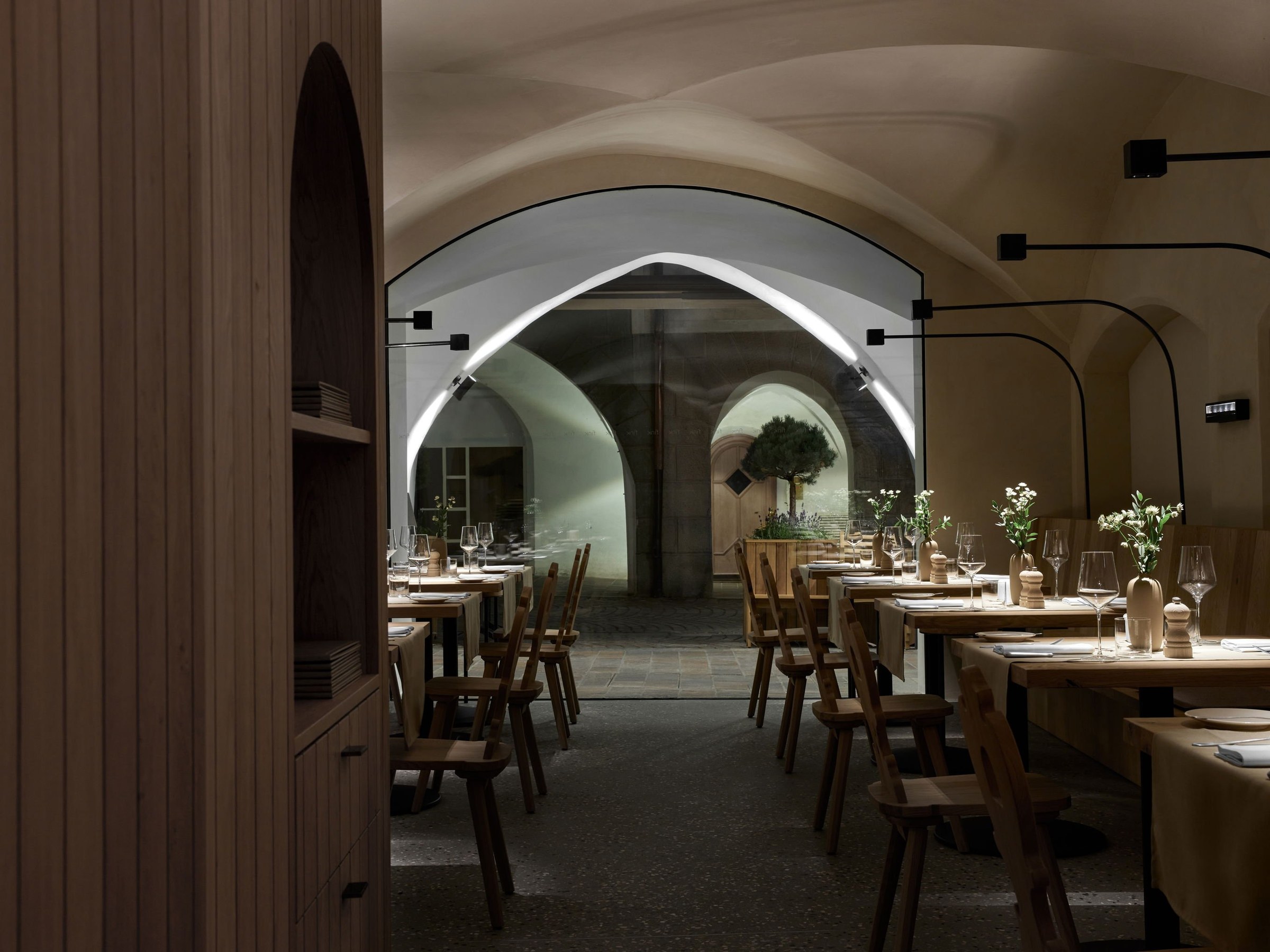
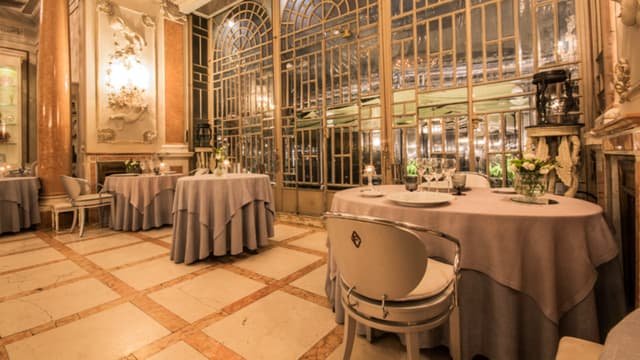
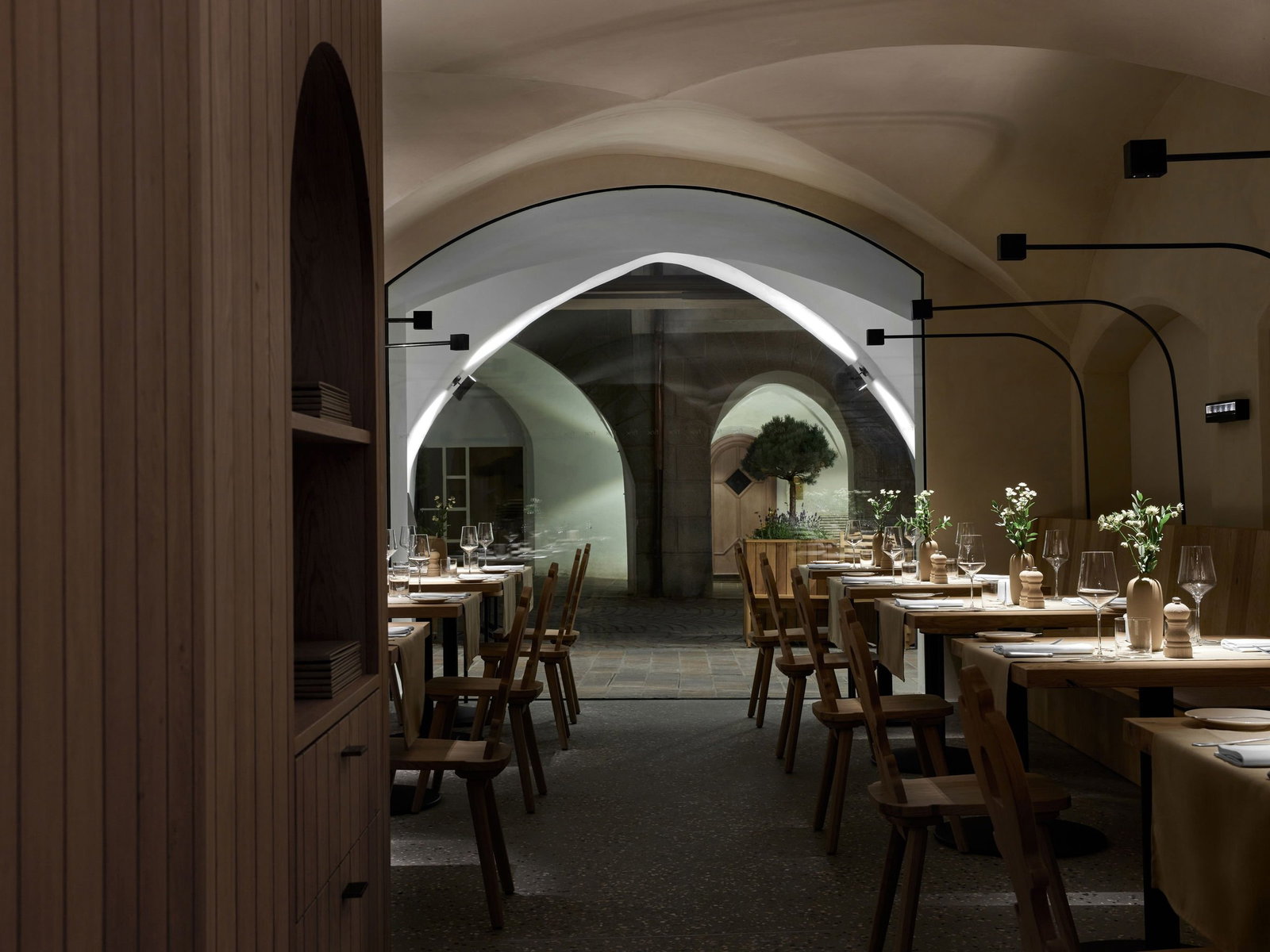
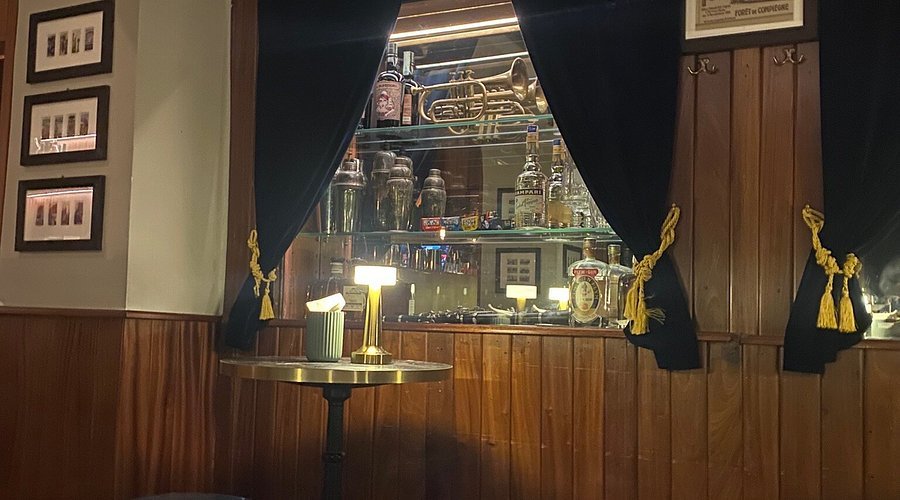
Osteria dal 1931 reads like a stubborn, lovable survivor of old Rome. It sits on a residential stretch of Via di Donna Olimpia and has been operating for more than nine decades, so the dining rooms feel small, familiar and quietly established. The format resists modern fine‑dining trends: menus are anchored in Roman cooking, wines are the kind you drink at the table, and service follows long-standing local habits. The overall impression is intimate and historic—a neighborhood place where the past of Roman osteria culture remains very much alive rather than a polished reinterpretation for visitors.
Best For
This is a place for people who want straightforward Roman cooking in a neighborhood setting. The osteria works well for couples seeking an intimate dinner and for families or groups who appreciate classic dishes served in small rooms without the fuss of contemporary tasting menus. Because it sits outside the main tourist arteries and focuses on traditional recipes and table wine, it appeals to diners looking for an authentic, unpretentious evening meal in Monteverde rather than a destination for high‑concept dining.
Ordering Tips
Lean into the Roman classics on the menu: the cacio e pepe and fettuccine with guanciale are signature preparations to try, and carciofi alla giudia highlights the traditional vegetable repertoire. The house leans on table wine rather than an international, sommelier‑led list, so ask about the everyday wines by the glass or carafe. Portions and courses follow a straightforward osteria logic—order a couple of antipasti, a pasta to share and a main if you’re hungry, and let the simple, well‑executed recipes do the work.
Venue details
Ambiance
Cozy and welcoming with unfussy, timeless atmosphere evoking old-school Rome.
Tags
Vibe
Best For
Experience
At the Table
- Dress Code
- Smart Casual
- Noise Level
- Conversational
- Service Style
- Upscale Casual
- Meal Pacing
- Standard
- Capacity
- Small
- Kitchen
- Traditional
- Menu Format
- A la carte
- Wine Program
- Curated
- Dietary
- Vegetarian friendly
- Outdoor Seating
- Yes
Signature Dishes
- cacio e pepe
- fettuccine with guanciale
- carciofi alla giudia
Know before you go
Know Before You Go
- Getting there
- Via di Donna Olimpia, 44, 00152 Roma RM, Italy
Planning details
Location
Via di Donna Olimpia, 44, 00152 Roma RM, Italy · Directions
Also consider
Also Consider
- Enoteca La Torre, Creative, €€€€
- Il Pagliaccio, Contemporary Italian, Creative, €€€€
- Aroma, Modern Cuisine, €€€€
- Idylio by Apreda, Modern Italian, Italian Contemporary, €€€€
- La Palta, Country cooking, €€€
Restaurant context
If you are choosing between Osteria dal 1931 and Rome's higher-end options, the decision mostly comes down to format and budget. Enoteca La Torre and Il Pagliaccio operate at the €€€€ tier with creative, chef-driven menus, they are the right choice if you want technical ambition and a formal room. Osteria dal 1931 offers something different: a trattoria built on repetition and institutional memory rather than invention. These are not competing for the same diner on the same night.
Aroma and Idylio by Apreda are both €€€€ modern Italian options with strong production values and easier access to the city centre. Book either if the occasion requires polish. For a closer comparison in register and price, country-style cooking with a long track record, La Palta at €€€ offers a useful benchmark, though it operates outside Rome in Emilia-Romagna.
Within Rome's trattoria tier, Osteria dal 1931 is a stronger choice than newer spots that perform rusticity without the operational depth behind it. If you are building a Rome itinerary and want one traditional trattoria alongside a fine-dining booking, pair it with Il Pagliaccio or Enoteca La Torre for contrast. The two formats complement rather than duplicate each other.
Around this place
Discover more on Pearl
Unlock the full Osteria dal 1931 guide in Pearl, including awards, comparisons, FAQs, planning details, and nearby places.
Compare Osteria dal 1931
| Venue | Cuisine | Price | Booking Difficulty | Awards |
|---|---|---|---|---|
| Osteria dal 1931 | , | , | Easy | No published awards |
| Enoteca La Torre | Creative | €€€€ | Unknown | 2026 La Liste Top Restaurants2026 Michelin 2 Stars2026 Falstaff Restaurant Guide2025 OAD Classical in Europe Ranked · #2562025 La Liste Top Restaurants2025 Michelin 2 Stars2024 OAD Classical in Europe Ranked · #2082024 Michelin 2 Stars |
| Il Pagliaccio | Contemporary Italian, Creative | €€€€ | Unknown | 2026 OAD Classical in Europe Ranked · #121Star Wine Lists 20262026 Wine Spectator Best of Award of Excellence2026 Les Grandes Tables du Monde Members2026 Michelin 2 Stars2026 La Liste Top Restaurants2026 Falstaff Restaurant Guide2025 OAD Classical in Europe Ranked · #1162025 Wine Spectator Best of Award of Excellence |
| Aroma | Modern Cuisine | €€€€ | Unknown | We're Smart World Top Restaurants 20252025 Michelin Plate |
| Idylio by Apreda | Modern Italian, Italian Contemporary | €€€€ | Unknown | 2026 OAD Top Restaurants in Europe Recommended2026 La Liste Top Restaurants2026 Michelin 1 Star2025 OAD Top Restaurants in Europe Ranked · #5152025 La Liste Top Restaurants2025 The Best Chef One Knife2025 Michelin 1 Star2024 OAD Top Restaurants in Europe Ranked · #4802024 Michelin 1 Star |
| La Palta | Country cooking | €€€ | Unknown | 2026 OAD Top Restaurants in Europe Recommended2026 Michelin 1 Star2025 OAD Casual in North America Ranked · #8142025 Michelin 1 Star2025 The Best Chef One Knife2024 OAD Casual in North America Ranked · #7812024 Michelin 1 Star2023 OAD Casual in North America Recommended |









.png?width=1200&quality=80)


Key differences to consider before you reserve.
FAQ
Frequently Asked Questions
Can Osteria dal 1931 accommodate groups?
The address on Via di Donna Olimpia suggests a mid-sized neighbourhood room rather than a large-format venue, so groups above eight should call ahead to confirm layout. Reservations for parties of four to six are unlikely to be a problem given the venue sits outside the tourist circuit and fills at a steadier pace than central Rome restaurants. Contact details are not currently listed, so booking in person or via a local concierge is the practical route.
Is Osteria dal 1931 good for solo dining?
Yes — a traditional Roman osteria in the Gianicolense quarter is a reasonable solo call. Neighbourhood spots at this format tend to have counter or small table options, and the relaxed pace suits a solo lunch better than a tasting-menu restaurant would. It's not a bar-seat omakase experience, but you won't feel out of place eating alone here.
What are alternatives to Osteria dal 1931 in Rome?
For a step up in ambition and price, Il Pagliaccio (two Michelin stars) and Idylio by Apreda are the credentialed options for serious tasting menus. Aroma delivers the theatrical Colosseum backdrop if setting is the priority. Enoteca La Torre suits a wine-forward special occasion. La Palta is worth flagging for comparison if you're willing to travel outside Rome for a Michelin-starred rural alternative. Osteria dal 1931 is the pick when you want to eat well without the booking competition or the bill that comes with the above.
Is Osteria dal 1931 good for a special occasion?
It can work for a low-key anniversary or a birthday with the right group, but it's not positioned for high-ceremony dining the way Aroma or Il Pagliaccio are. The Gianicolense location and neighbourhood format signal a relaxed, unstuffy meal rather than a produced event. If the occasion calls for tableside theatre or a wine list with depth, look elsewhere — if it calls for a genuine Roman dinner without the performance, this is a credible choice.
What should I order at Osteria dal 1931?
No menu is documented in our current data, so treat this as a neighbourhood osteria where the daily specials are the safest bet. At a venue named after 1931, expect Roman classics: cacio e pepe, abbacchio, and seasonal antipasti are typical anchors at this type of Gianicolense trattoria. Ask the floor staff what came in that morning — that question will tell you more than any printed menu.