.png?width=1200&quality=80)
Novo Osteria
Contemporary · Appio-Latino, Rome
Restaurant in Rome, Italy
 Book with Pearl
The Read
Monastery-to-Table Heritage
Dress
Smart Casual
Why go
A Michelin Plate address for two consecutive years, Novo Osteria occupies an 11th-century monastery in Borgonovo Val Tidone with seven attached guestrooms. At €€€, it is the right call for a special-occasion overnight rather than a Rome-day-trip dinner — the setting and traditional Piacenza cooking with modern technique justify the two-hour drive when you stay the night.
About Novo Osteria
Verdict
Novo Osteria earns a confident recommendation for anyone making a deliberate trip to the Piacenza countryside. At €€€ pricing, it sits in the accessible end of serious Italian dining, and the seven-room Locanda Borgo Impero attached to the building makes it a logical overnight anchor for a two-day food itinerary rather than a single meal. If you are looking for a special-occasion dinner within reach of Piacenza, Novo Osteria is the right call. For Rome-based diners considering a day trip or weekend out of the city, the context below will help you decide whether the journey is worth building around this address.
The Space
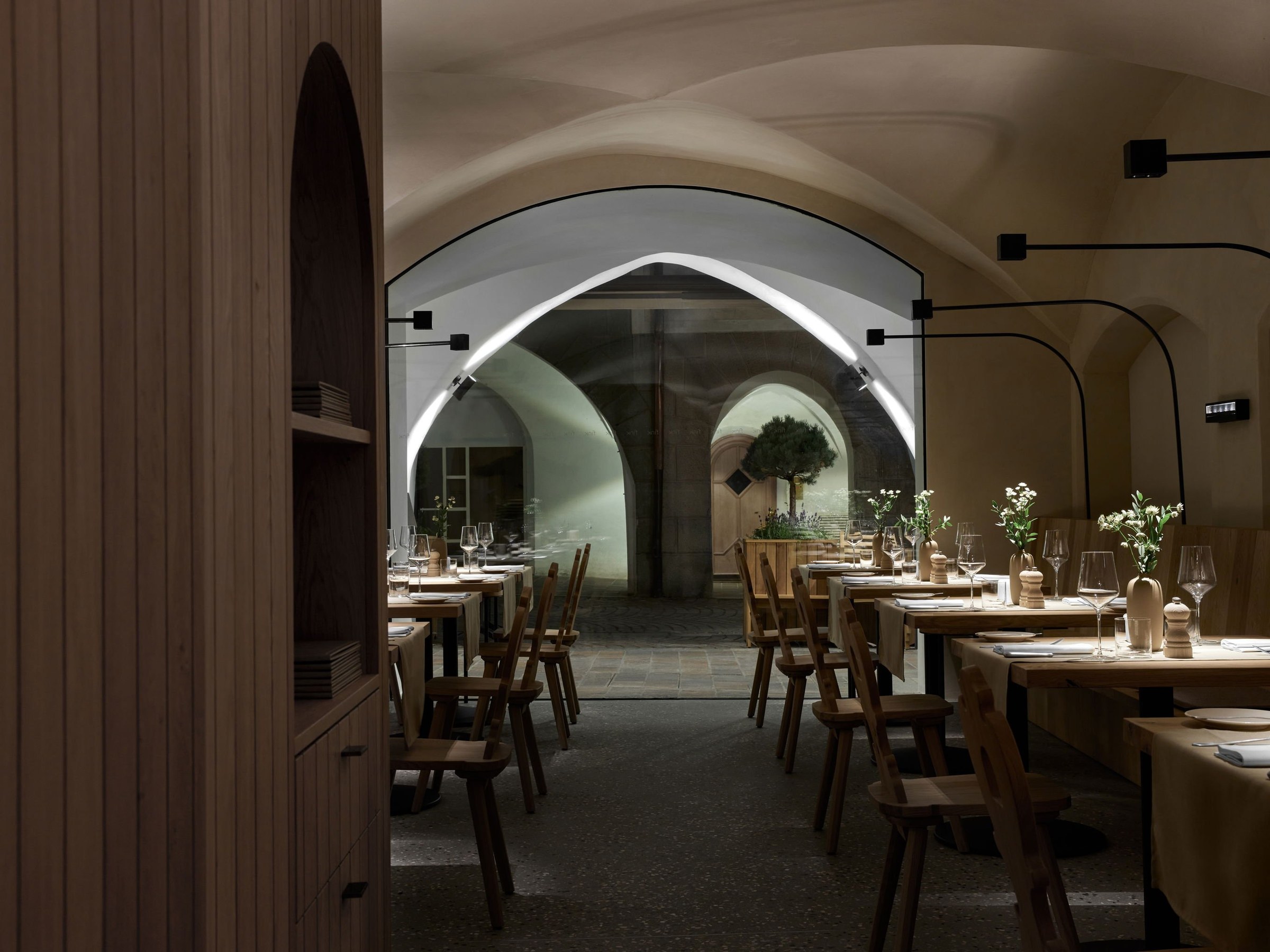
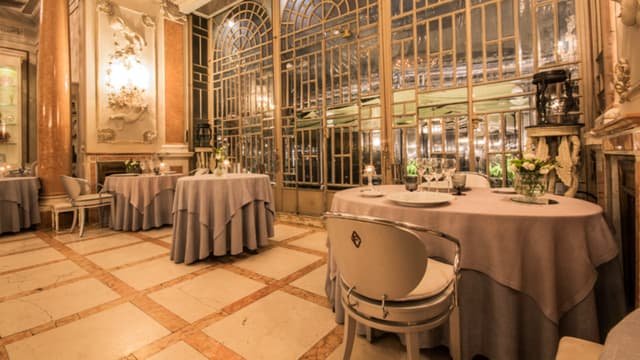
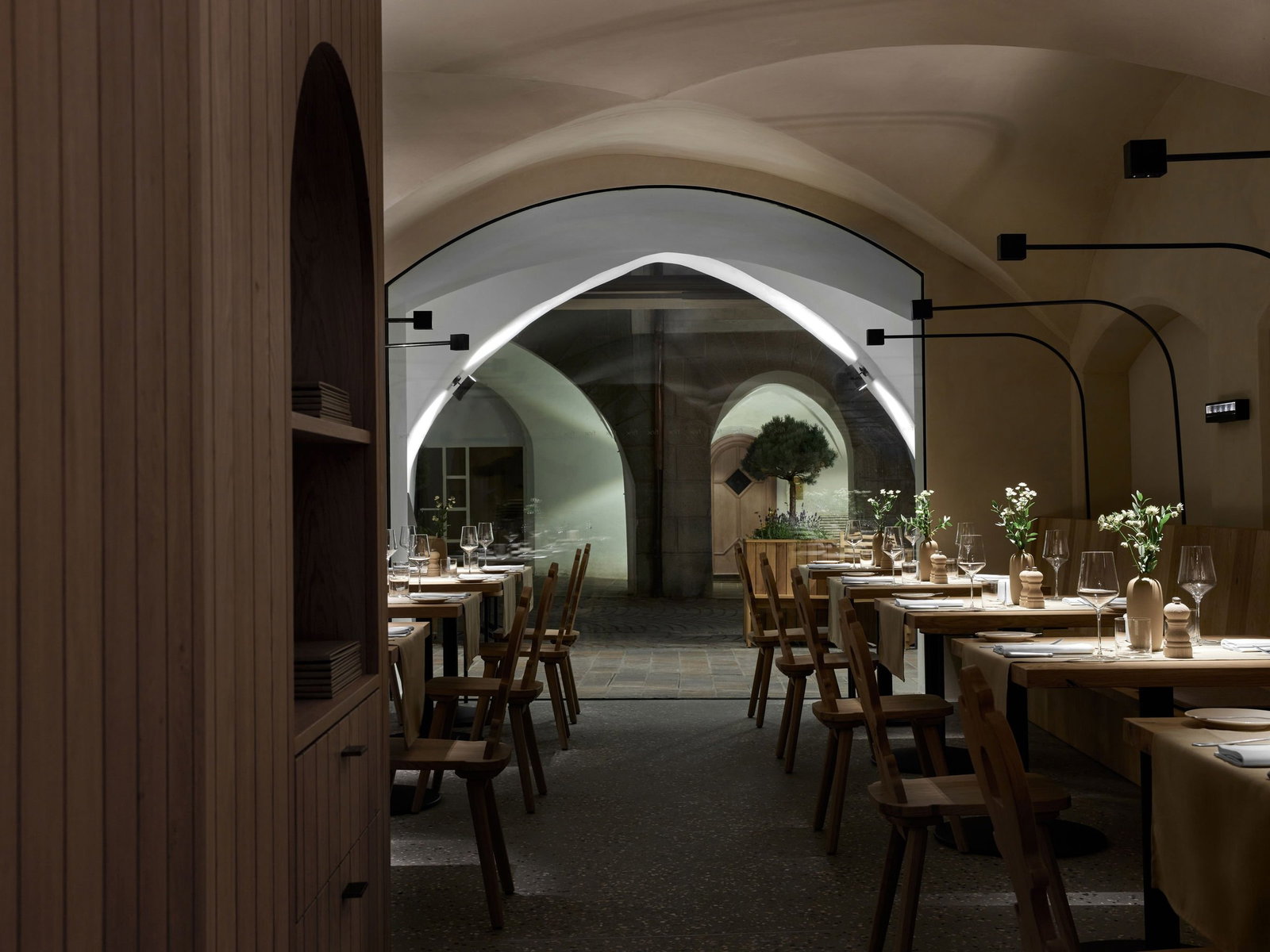
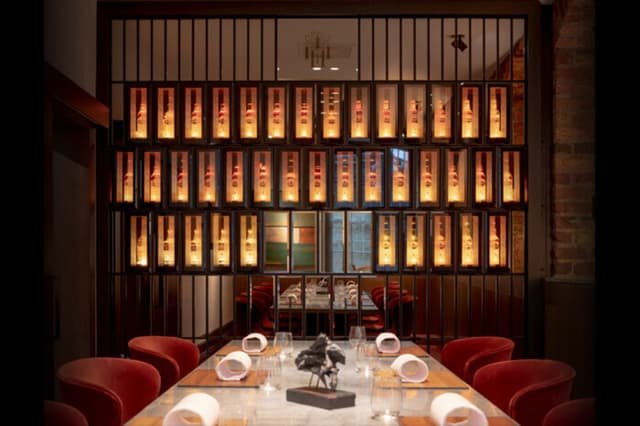
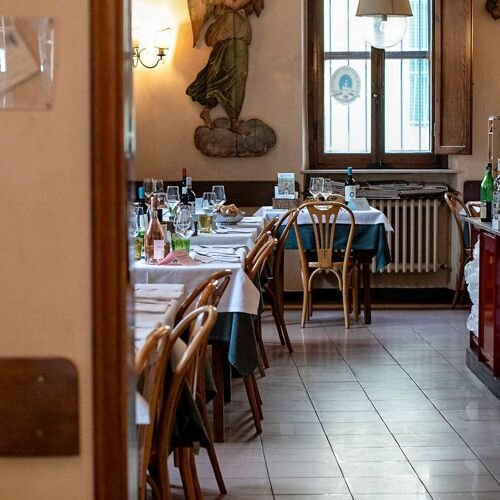
The building itself is the first argument for booking. Originally constructed in the 11th century as a monastery, it operated for centuries as an inn before closing at the start of the 2000s and sitting dormant until a full renovation brought it back to its original function. The restoration preserved a significant amount of the original architecture, which means you are eating in a room where stone walls, aged proportions, and the physical memory of a medieval structure do the atmospheric work without any designer intervention required. For a special occasion, that setting carries real weight — it is the kind of room that justifies dressing up and arriving early to absorb it before the meal begins. The seven guestrooms in the adjoining locanda extend that logic: if the dinner warrants the space, spending the night cements the experience rather than cutting it short for a drive home.
The spatial arrangement also has practical implications for how you plan the visit. This is not a drop-in dinner during a Rome city break — the address in Borgonovo Val Tidone places it firmly in the Piacenza province of Emilia-Romagna, roughly two hours northwest of Rome. Plan this as a destination meal with an overnight stay, or anchor it within a broader Northern Italian itinerary alongside addresses like Dal Pescatore in Runate, Uliassi in Senigallia, or Reale in Castel di Sangro if you are building a serious Italian food trip. Travellers who have already done the marquee names, Osteria Francescana in Modena or Atelier Moessmer Norbert Niederkofler in Brunico, will find Novo Osteria a satisfying and less pressured addition to a return visit to the region.
The Food
Michelin's own notes highlight the savoury zabaglione gnocchi with porcini mushrooms, Jerusalem artichokes, and currants as a standout dish. That combination tells you something useful about the kitchen's approach: it is working with the deep larder of Northern Italian tradition, porcini, fresh pasta forms, autumnal vegetables, while applying technique that adds contrast where classic recipes would not. The zabaglione treatment of a savoury gnocchi is a precise move, not a gimmick. For a return visitor, the question worth asking is whether the seasonal menu has rotated and what the kitchen is emphasising in the current period, the Michelin Plate distinction, held across two consecutive years, suggests the quality is stable rather than dependent on a single showpiece dish.
The traditional local cuisine framing is genuine. This is Piacenza-province cooking at its core: the region sits at the intersection of Emilian pasta culture and Lombard richness, and the kitchen draws from that honestly. Dishes here will not read like a Rome contemporary menu. If you are travelling from Rome and comparing it against addresses like Il Convivio Troiani or the modern Italian rooms in the capital, Novo Osteria offers something genuinely different in register and ingredient logic, it is worth the contrast, not a substitute for it.
On Takeout and Delivery
The honest answer here is that Novo Osteria is not a venue where off-premise dining is part of the value proposition. The 11th-century monastery setting, the locanda rooms, and the destination-meal logic of the address all point in the opposite direction: this is food and space designed to be experienced together. A savoury zabaglione gnocchi in a centuries-old stone dining room is a complete experience; the same dish transported for delivery loses the most important half of what you are paying for at the €€€ price point. If portability and convenience matter for your situation, there are better options in Rome itself, see Almatò, Carter Oblio, or San Baylon for contemporary cooking in the city that does not require two hours of travel as a prerequisite. Novo Osteria's case for your booking is entirely built on the in-room experience. Plan accordingly.
Special Occasion Fit
This is a strong choice for an anniversary, a milestone birthday, or a significant dinner that benefits from unusual setting and a slower pace. The monastery architecture removes the need to manufacture atmosphere, the building does that work. The attached locanda means you can extend the occasion into an overnight stay without logistics pressure. At €€€, the price is appropriate for the experience without reaching the commitment level of a €€€€ tasting menu room. For a couple celebrating something that warrants a night away from Rome, the Novo Osteria and Locanda Borgo Impero combination is a well-matched answer. It is a harder sell for large groups or business meals where the distance from Rome creates coordination overhead, but for two people with a reason to mark the date, it lands well. Compare that profile against what Rome itself offers for special occasions at Diana's Place or the contemporary Italian rooms listed in our full Rome restaurants guide before deciding whether the journey is the right call for your occasion.
Know Before You Go
- Price range: €€€
- Awards: Michelin Plate 2024 and 2025
- Rooms: Seven guestrooms available at the adjoining Locanda Borgo Impero
- Location: Borgonovo Val Tidone, Piacenza province, approximately 2 hours from Rome by car
- Booking difficulty: Easy, advance booking recommended but not weeks-out necessary at this tier
- Leading for: Special occasions, overnight stays, destination meals, couples
- Not ideal for: Takeout, delivery, or casual drop-in dining during a Rome city stay
- Cuisine: Traditional local cuisine with contemporary technique
Explore More in Rome and Italy
If you are planning time in Rome alongside or instead of this trip, our full Rome restaurants guide covers the full range from neighbourhood trattorias to serious tasting menu rooms. For accommodation, our Rome hotels guide and our Rome bars guide cover the rest of the stay. For broader Italian itinerary building, Quattro Passi in Marina del Cantone and Jungsik in Seoul and César in New York City offer useful contemporary comparisons for readers benchmarking this style internationally.
Planning details
- Location
- Piazza De Cristoforis, 30, 29011 Borgonovo Val Tidone PC, Italy
- Website
- novo-osteria.it
- Phone
- +39 0523 340175
The take
The Take
The Vibe
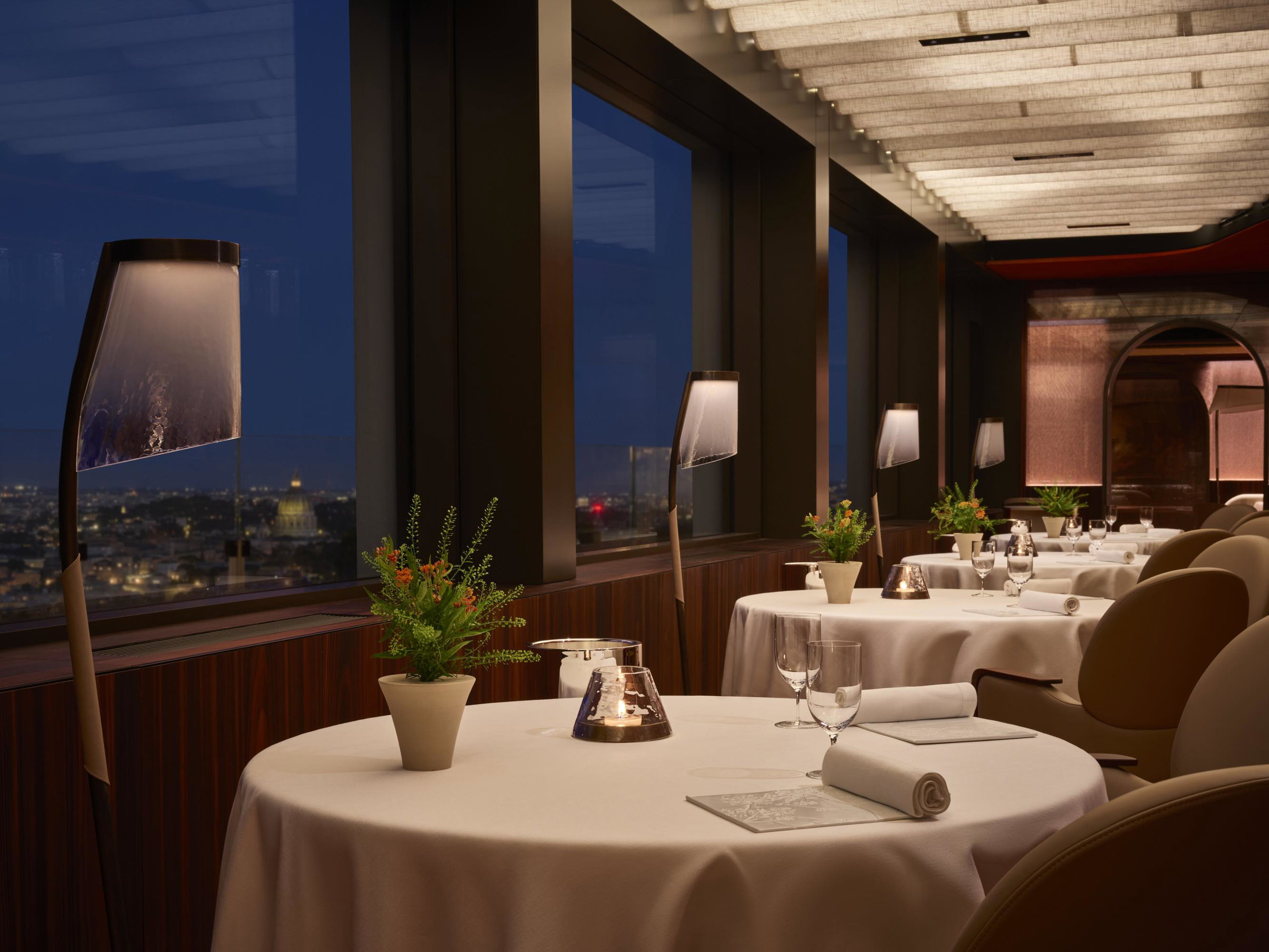
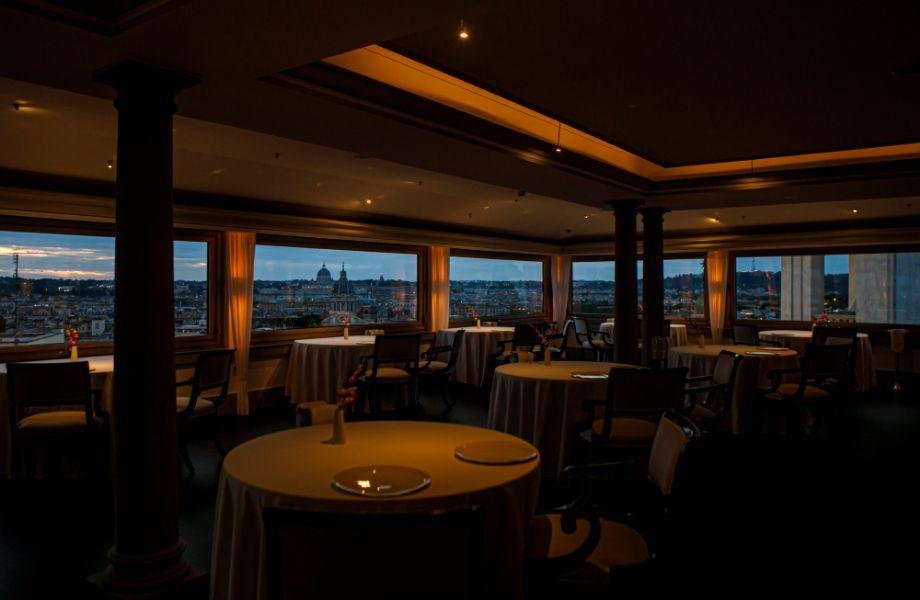
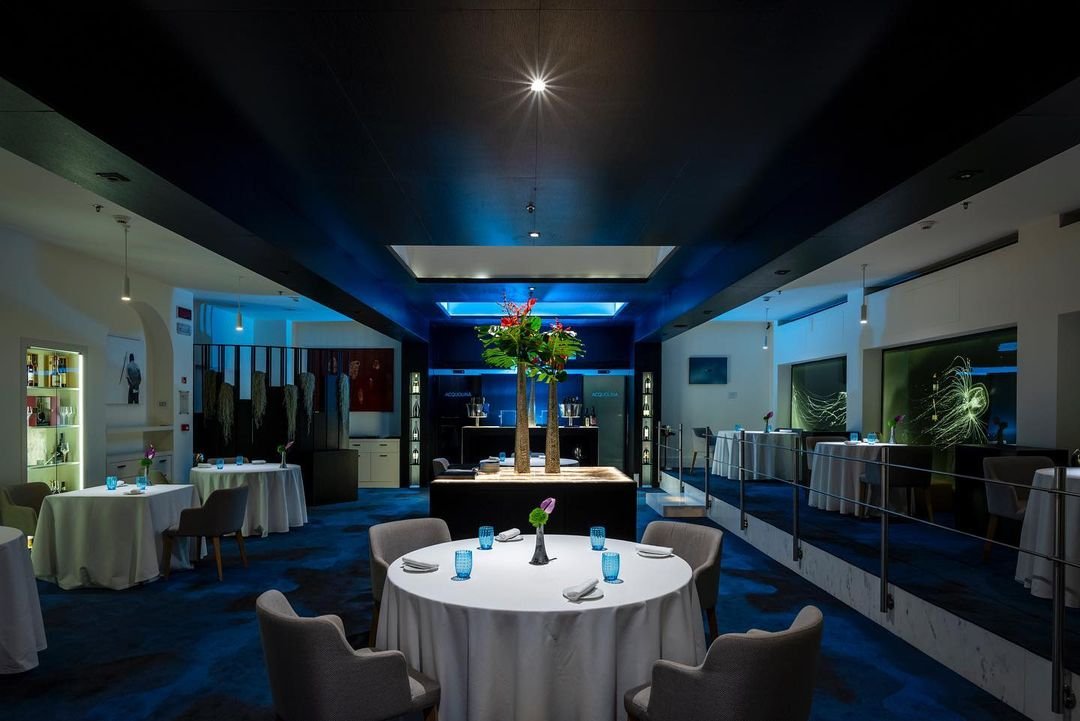
Novo Osteria occupies a restored 11th-century monastery, and the space reads as history made useful: stone, proportion and a hushed atmosphere are central to the experience. Thick medieval walls create a particular quiet that frames the meal, while the kitchen leans into a contemporary sensibility rather than museum-piece reverence. The result feels deliberate and restrained—rooted in the Po Valley’s pantry of porcini and Jerusalem artichokes but rendered with modern compositional clarity. It’s a place where architecture and cuisine converse, and the preserved historic fabric gives every dish a sense of provenance and calm.
Best For
This is a restaurant built around its building: Novo Osteria is well suited to special-occasion dinners and short overnight escapes that center on the meal. The adjoining Locanda Borgo Impero’s seven guestrooms make it straightforward to turn dinner into a night away, so the visit often reads as a compact weekend escape rather than a single evening out. The hush and thoughtful pacing are ideal for couples or small groups who want a focused dining experience that emphasizes regional ingredients and slow-developing flavours.
Ordering Tips
Lean into the kitchen’s regional focus: the savoury zabaglione gnocchi with porcini mushrooms is a signature that exemplifies the restaurant’s marriage of Po Valley ingredients and contemporary technique. Menus draw on local larder items—porcini and Jerusalem artichokes are recurring notes—so order dishes that highlight those elements. Given the text’s emphasis on a relationship among kitchen, floor and cellar, ask about cellar selections to complement richer courses and let the restaurant’s pacing reveal dishes slowly rather than racing through a checklist of plates.
Venue details
Ambiance
Retains original historic architecture with a modern focus, creating an elegant and atmospheric dining space.
Tags
Vibe
Best For
Experience
At the Table
- Dress Code
- Smart Casual
- Noise Level
- Quiet
- Service Style
- Upscale Casual
- Meal Pacing
- Leisurely
- Capacity
- Intimate
- Kitchen
- Modern
- Menu Format
- Tasting menu
- Wine Program
- Curated
Signature Dishes
savoury zabaglione gnocchi with porcini mushrooms
Know before you go
Know Before You Go
- Getting there
- Piazza De Cristoforis, 30, 29011 Borgonovo Val Tidone PC, Italy
Planning details
Location
Piazza De Cristoforis, 30, 29011 Borgonovo Val Tidone PC, Italy · Directions
Recognition and awards
Also consider
Also Consider
- Il Pagliaccio, Contemporary Italian, Creative, €€€€
- Enoteca La Torre, Creative, €€€€
- Idylio by Apreda, Modern Italian, Italian Contemporary, €€€€
- La Palta, Country cooking, €€€
- Zia, Modern Italian, Innovative, €€€
Restaurant context
Against the €€€€ tasting menu rooms in Rome, Il Pagliaccio, Enoteca La Torre, and Idylio by Apreda, Novo Osteria is the more accessible choice on price and booking difficulty. Those three demand both greater financial commitment and more planning lead time. If your priority is the most technically ambitious plate in a formal setting, Il Pagliaccio is the answer. If you want creative Italian without a full tasting menu commitment, Idylio by Apreda at €€€€ is the step up. Novo Osteria at €€€ sits below all three on price, but its 11th-century building and attached rooms offer a setting none of the Rome addresses can match.
At the same €€€ tier, Zia (modern Italian, innovative) is the most direct Rome-based competitor. Zia keeps you in the city and delivers strong modern cooking, it is the right pick if staying in Rome is non-negotiable. La Palta (€€€, country cooking) offers a comparable countryside destination logic to Novo Osteria and is worth considering if you are building a Piacenza or Emilia-Romagna itinerary and want a second address in the region. Novo Osteria pulls ahead for special occasions where the overnight stay and monastery setting are part of what you are paying for.
The clearest advice: book Novo Osteria when you want the room and the night as much as the meal. Book Zia when you want comparable ambition without leaving Rome. Go to Il Pagliaccio when only the most technically rigorous contemporary Italian in the capital will do.
Around this place
Discover more on Pearl
Unlock the full Novo Osteria guide in Pearl, including awards, comparisons, FAQs, planning details, and nearby places.
Compare Novo Osteria
| Venue | Cuisine | Price | Booking Difficulty | Awards |
|---|---|---|---|---|
| Novo Osteria | Contemporary | €€€ | Easy | 2026 Michelin Plate2025 Michelin Plate2024 Michelin Plate |
| Il Pagliaccio | Contemporary Italian, Creative | €€€€ | Unknown | 2026 OAD Classical in Europe Ranked · #121Star Wine Lists 20262026 Wine Spectator Best of Award of Excellence2026 Les Grandes Tables du Monde Members2026 Michelin 2 Stars2026 La Liste Top Restaurants2026 Falstaff Restaurant Guide2025 OAD Classical in Europe Ranked · #1162025 Wine Spectator Best of Award of Excellence |
| Enoteca La Torre | Creative | €€€€ | Unknown | 2026 La Liste Top Restaurants2026 Michelin 2 Stars2026 Falstaff Restaurant Guide2025 OAD Classical in Europe Ranked · #2562025 La Liste Top Restaurants2025 Michelin 2 Stars2024 OAD Classical in Europe Ranked · #2082024 Michelin 2 Stars |
| Idylio by Apreda | Modern Italian, Italian Contemporary | €€€€ | Unknown | 2026 OAD Top Restaurants in Europe Recommended2026 La Liste Top Restaurants2026 Michelin 1 Star2025 OAD Top Restaurants in Europe Ranked · #5152025 La Liste Top Restaurants2025 The Best Chef One Knife2025 Michelin 1 Star2024 OAD Top Restaurants in Europe Ranked · #4802024 Michelin 1 Star |
| La Palta | Country cooking | €€€ | Unknown | 2026 OAD Top Restaurants in Europe Recommended2026 Michelin 1 Star2025 OAD Casual in North America Ranked · #8142025 Michelin 1 Star2025 The Best Chef One Knife2024 OAD Casual in North America Ranked · #7812024 Michelin 1 Star2023 OAD Casual in North America Recommended |
| Zia | Modern Italian, Innovative | €€€ | Unknown | 2026 OAD Top Restaurants in Europe Ranked · #992026 Michelin 1 Star2026 Falstaff Restaurant Guide2025 OAD Top Restaurants in Europe Ranked · #962025 Michelin 1 Star2025 The Best Chef One Knife2024 OAD Top Restaurants in Europe Ranked · #1002024 Michelin 1 Star2023 OAD Top New Restaurants in Europe Ranked · #140 |










What to weigh when choosing between Novo Osteria and alternatives.
FAQ
Frequently Asked Questions
What are alternatives to Novo Osteria in Rome?
Novo Osteria is actually located outside Piacenza, not in Rome proper, so the comparison set shifts depending on your base. For Michelin-recognised contemporary Italian dining in Rome itself, Il Pagliaccio and Idylio by Apreda are the closer equivalents at a similar or higher price point. If you are specifically drawn to the countryside setting and local cuisine focus, La Palta in the same Piacenza area is the most direct regional peer.
Is Novo Osteria good for a special occasion?
Yes, and the setting does a lot of the work. The 11th-century monastery building, now fully restored with seven guestrooms in the adjoining Locanda Borgo Impero, gives the kind of physical context that generic city restaurants cannot match. The €€€ price point and Michelin Plate recognition in both 2024 and 2025 confirm the kitchen is operating at an appropriate level. Book a guestroom and stay overnight to get the full value out of the trip.
What should I order at Novo Osteria?
The savoury zabaglione gnocchi with porcini mushrooms, Jerusalem artichokes, and currants is the dish Michelin's own notes flag specifically, which makes it the safest starting point. Beyond that, the kitchen's focus is traditional local Piacenza cuisine with a modern direction, so seasonal and regional ingredients will anchor the menu. Confirm current dishes directly with the restaurant before visiting.
Is Novo Osteria good for solo dining?
Possibly, but it is not the obvious format. The monastery setting and slower pace suit couples or small groups making a deliberate occasion of the trip. Solo diners may find the journey from Rome or Piacenza harder to justify at €€€ pricing without a companion to share the experience. If solo dining in a focused, counter-style environment is the priority, an omakase or city restaurant would suit better.
Is Novo Osteria worth the price?
At €€€, yes, if you are combining dinner with a stay at the Locanda Borgo Impero and treating the trip as a destination in itself. The Michelin Plate recognition across two consecutive years signals consistent kitchen quality, and the 11th-century monastery building adds value that the food alone cannot be judged against in isolation. If you are only driving out for dinner and returning the same night, the equation is tighter and depends on how much the setting matters to you.