.png?width=1200&quality=80)
Menabò Vino e Cucina
Farm to table · Centocelle, Rome
Restaurant in Rome, Italy
 Book with Pearl
The Read
Market-Driven Neighbourhood Bistro
Price
$30–50per person
Dress
Smart Casual
Why go
Menabò Vino e Cucina holds two consecutive Michelin Plates and at single-€ pricing — making it one of Rome's most accessible credentialed bistros. The seasonal market menu rotates with produce availability, and the wine list is handled with genuine attention. Book ahead; it fills up, and the neighbourhood setting in Prenestino-Centocelle is part of the appeal.
About Menabò Vino e Cucina
Verdict: A Michelin-recognised bistro in Rome's Prenestino-Centocelle district that earns its reputation on seasonal cooking and a considered wine list — at prices that make it one of the most accessible credentialed restaurants in the city.
If you have been to Menabò Vino e Cucina once, the question on a return visit is whether the kitchen has kept pace with its own reputation. The honest answer is that the format here is built for consistency: a market-driven menu that rotates with the seasons means the specific dishes will shift, but the logic behind them stays the same. Two consecutive visits might share no dishes at all, which is either a strength or a frustration depending on how attached you got to what you ordered last time. For food-focused visitors who want to eat well without committing to a €€€€ tasting-menu evening, Menabò answers the question before you even ask it.
The restaurant sits on Via delle Palme in Prenestino-Centocelle, a neighbourhood that sits well outside the tourist circuit. That geography is part of the proposition: you are eating where Romans eat, not where visitors are funnelled. The bistro format — relaxed, focused on produce, wine-forward, fits the area. The Michelin Plate recognition in both 2024 and 2025 confirms that the quality here is not neighbourhood-relative; it competes with the broader Rome dining scene on its own terms.
The kitchen is run by Paolo, and Daniele handles the wine selection. That division of labour shows in the result: the food and wine sides feel like they come from the same set of values rather than being assembled independently. The menu covers meat, fish and vegetarian options with genuine balance, which is less common than it should be at this price point. The emphasis on seasonal ingredients and market produce is not a marketing position, it is the mechanism that keeps the menu moving and the kitchen honest. If you are the kind of diner who finds seasonal menus more interesting than a fixed card that runs unchanged for years, this is the format for you.
On the question of whether the food travels well for takeout or delivery: farm-to-table cooking at this level is almost always better eaten in the room. Dishes built around precise seasoning, fresh produce and careful plating lose something in transit, not because the kitchen cuts corners, but because that style of cooking is optimised for immediate service. If your situation requires off-premise dining, the simpler preparations on a market menu tend to hold better than anything architecturally plated. That said, the primary case for Menabò is the in-room experience: the combination of food, wine guidance from Daniele, and the neighbourhood setting gives the meal a context that a delivery box cannot replicate.
For comparison, many well-regarded Rome bistros accumulate far fewer reviews at similar scores, which can indicate either lower foot traffic or a narrower diner profile. Menabò's numbers suggest a wide audience that keeps coming back.
Booking is recommended, the Michelin source notes the restaurant is very popular. Difficulty is rated Easy, meaning you are unlikely to face a multi-week wait, but walking in without a reservation is a risk not worth taking, particularly on weekends. The price range sits at the single-€ tier, which in Rome's context means you are looking at one of the better value propositions in the city for food that carries Michelin recognition. For perspective, the €€€€ end of the Rome dining spectrum, venues like Il Pagliaccio, Enoteca La Torre, or Idylio by Apreda, operates in a different financial category entirely. Menabò is not a cheaper substitute for those experiences; it is a different kind of meal, and it makes a strong case for itself on those terms.
If you are building a Rome dining itinerary that includes a higher-end evening at somewhere like Acquolina or La Pergola, Menabò fits well as the meal that does not require a reservation months in advance or a calculation about whether the price is worth it. It is the kind of place that rewards visitors who treat it as a destination rather than a fallback, go deliberately, let Daniele guide the wine, and engage with whatever the market has produced that week. The neighbourhood itself is worth the trip for anyone interested in the Rome that sits beyond the historic centre.
For a wider view of where Menabò fits in the city's dining scene, see our full Rome restaurants guide. If you are planning the broader trip, our Rome hotels guide, bars guide, wineries guide, and experiences guide cover the rest. For farm-to-table cooking in other European contexts, Au Gré du Vent in Seneffe and Wein- und Tafelhaus in Trittenheim are worth noting. Within Italy's broader fine-dining tier, Osteria Francescana in Modena, Uliassi in Senigallia, Reale in Castel di Sangro, Dal Pescatore in Runate, Quattro Passi in Marina del Cantone, and Atelier Moessmer Norbert Niederkofler in Brunico give useful calibration for where Italian cooking currently sits at the leading end, and make clear why a Michelin Plate at Menabò's price point is a signal worth acting on.
Know Before You Go
- Address: Via delle Palme, 44 D, Prenestino-Centocelle, Rome
- Price range: € (single tier, among the most accessible Michelin-recognised options in Rome)
- Cuisine: Farm to table; seasonal market menu with meat, fish and vegetarian options
- Awards: Michelin Plate 2024 and 2025
- Booking difficulty: Easy, but reservations are strongly recommended; walk-ins are a risk
- Who runs it: Paolo (kitchen), Daniele (wine)
- Leading for: Food-focused visitors who want Michelin-quality cooking without €€€€ pricing; repeat visitors happy to find a different menu each time
- Off-premise: The in-room experience is the point, farm-to-table cooking at this level is designed for immediate service
How It Compares
See the comparison section below for how Menabò sits against its Rome peers.
Planning details
- Location
- Via delle Palme, 44 D, 00171 Roma RM, Italy
- Reservations
- Book on Superb
- Website
- menabovinoecucina.it
- Phone
- +39 06 8693 7299
The take
The Take
The Vibe
Menabò Vino e Cucina reads like the kind of address-driven bistro that anchors a neighbourhood. The writing emphasizes seasonal sourcing, an equitable menu split among meat, fish and vegetarian options, and a wine programme treated as its own parallel strand — all hallmarks of a place rooted in local rhythms rather than tourist expectations. The two consecutive Michelin Plate citations underline that the kitchen consistently clears a quality threshold without pretension. Overall, the restaurant projects an approachable, quietly confident personality: unflashy, well-made cooking in a space that welcomes regulars and curious visitors alike.
Best For
This is a go-to for evening meals when you want reliable, seasonally informed cooking without fuss. The restaurant’s place in Rome’s mid-range dining tier and its Michelin Plate recognition point to strong dinner service and a menu that shifts with market availability, so it suits diners who appreciate ingredient-driven plates and thoughtful wine choices. Because the programme balances meat, fish and vegetable courses, it’s also useful for mixed-party dining where preferences vary. Expect a neighbourhood bistro tempo—comfortable for a relaxed long meal rather than a quick bite.
Ordering Tips
Follow the menu’s seasonal cues and lean into the kitchen’s balanced approach: order across the three main sections (meat, fish and vegetarian) to sample how the menu shifts with market offerings. Menabò highlights a serious wine programme that runs parallel to the food, so ask the staff for wine pairings or by-the-glass recommendations that complement the dish of the moment. Given the restaurant’s signature listing, consider trying the pork liver if it’s on the menu; it’s presented as a distinct house specialty. Keep in mind the place is framed as mid-range, ingredient-led dining rather than formal tasting-menu territory.
Venue details
Ambiance
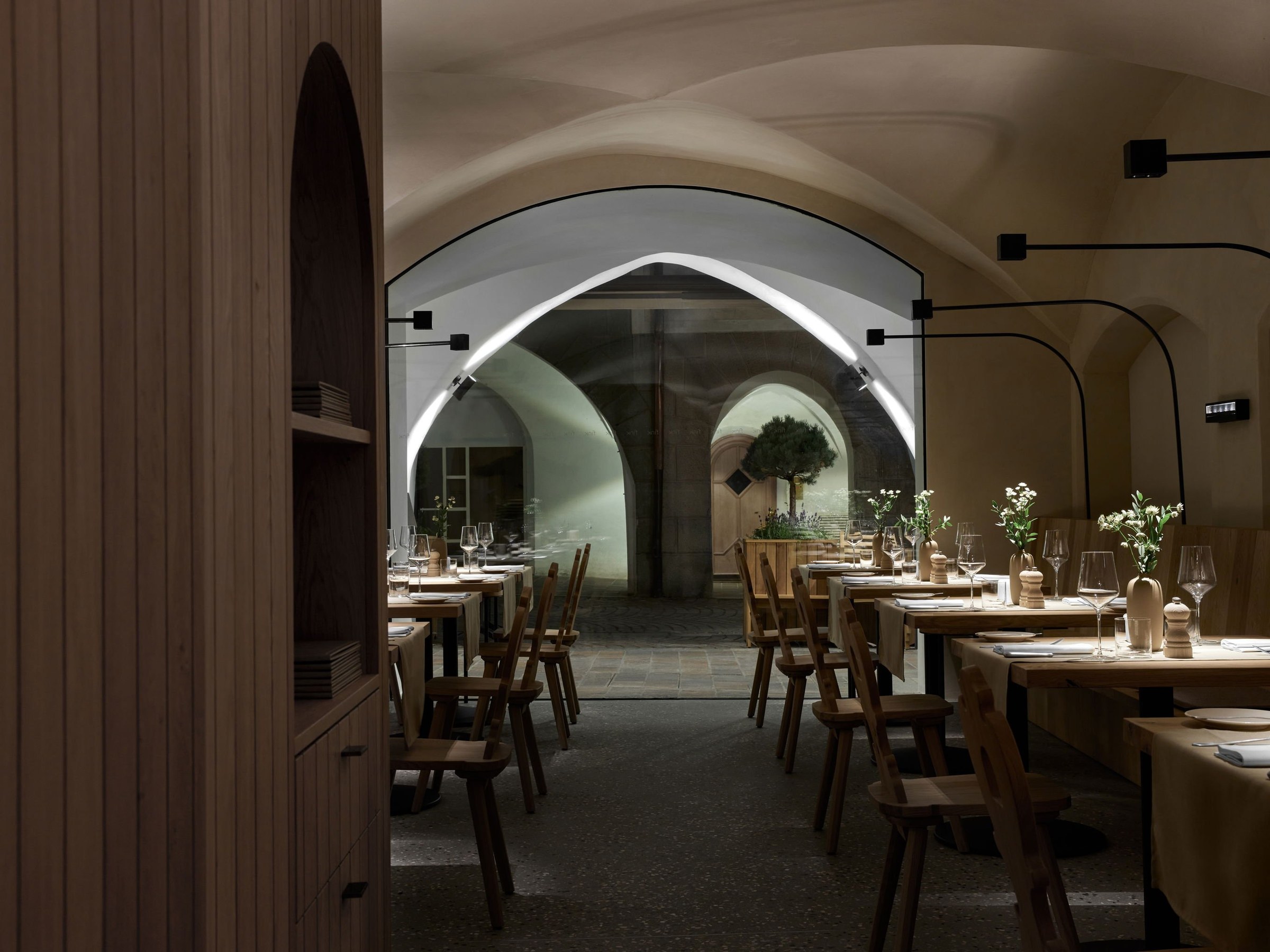
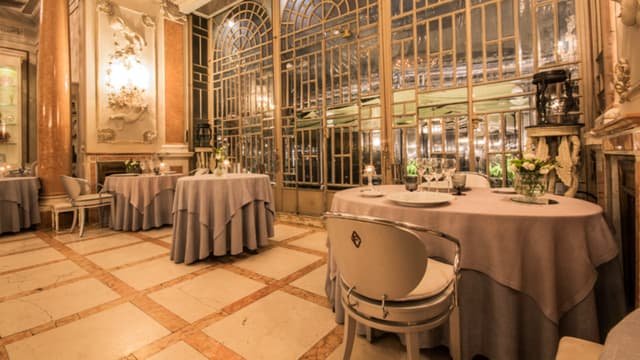
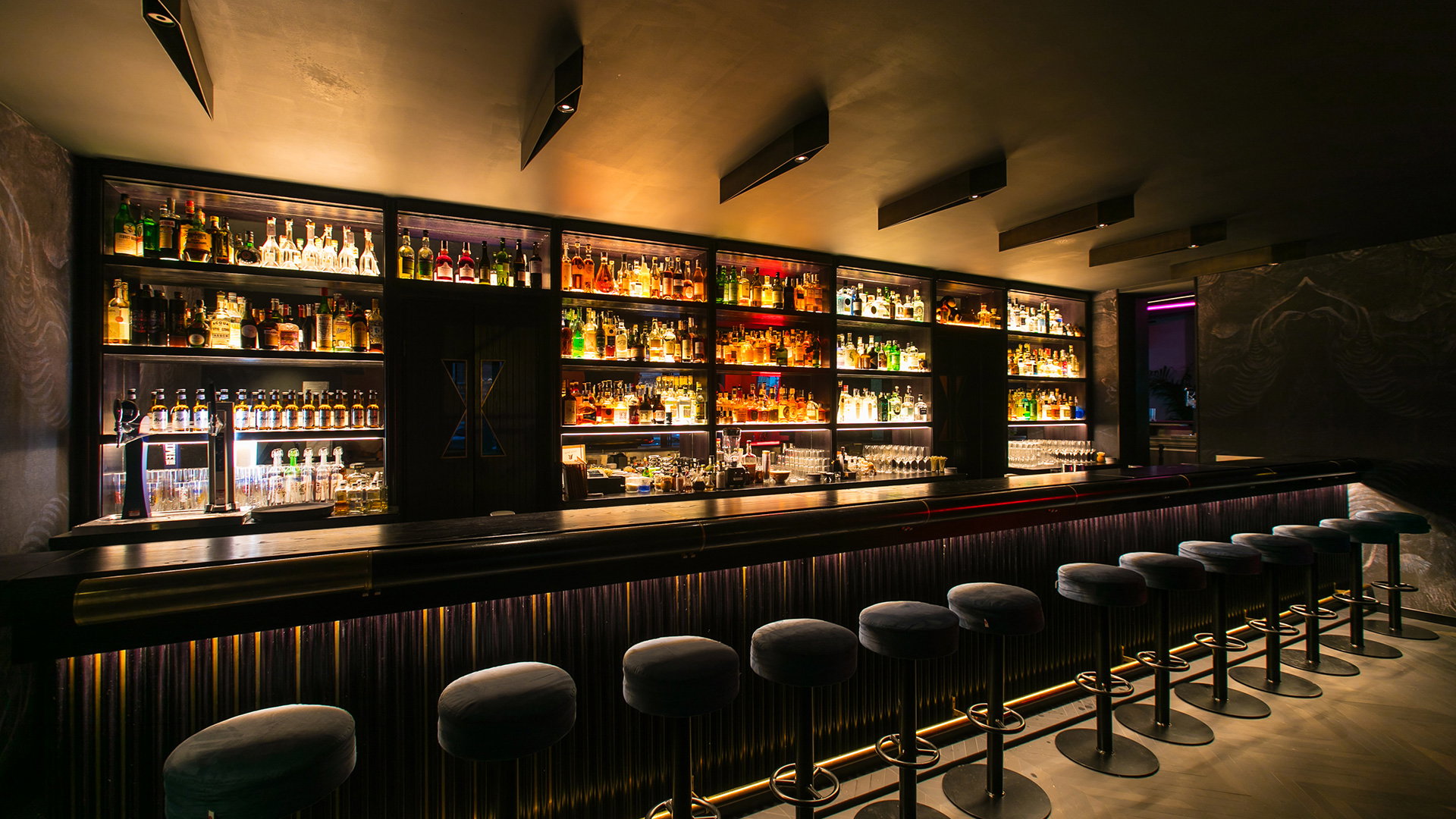
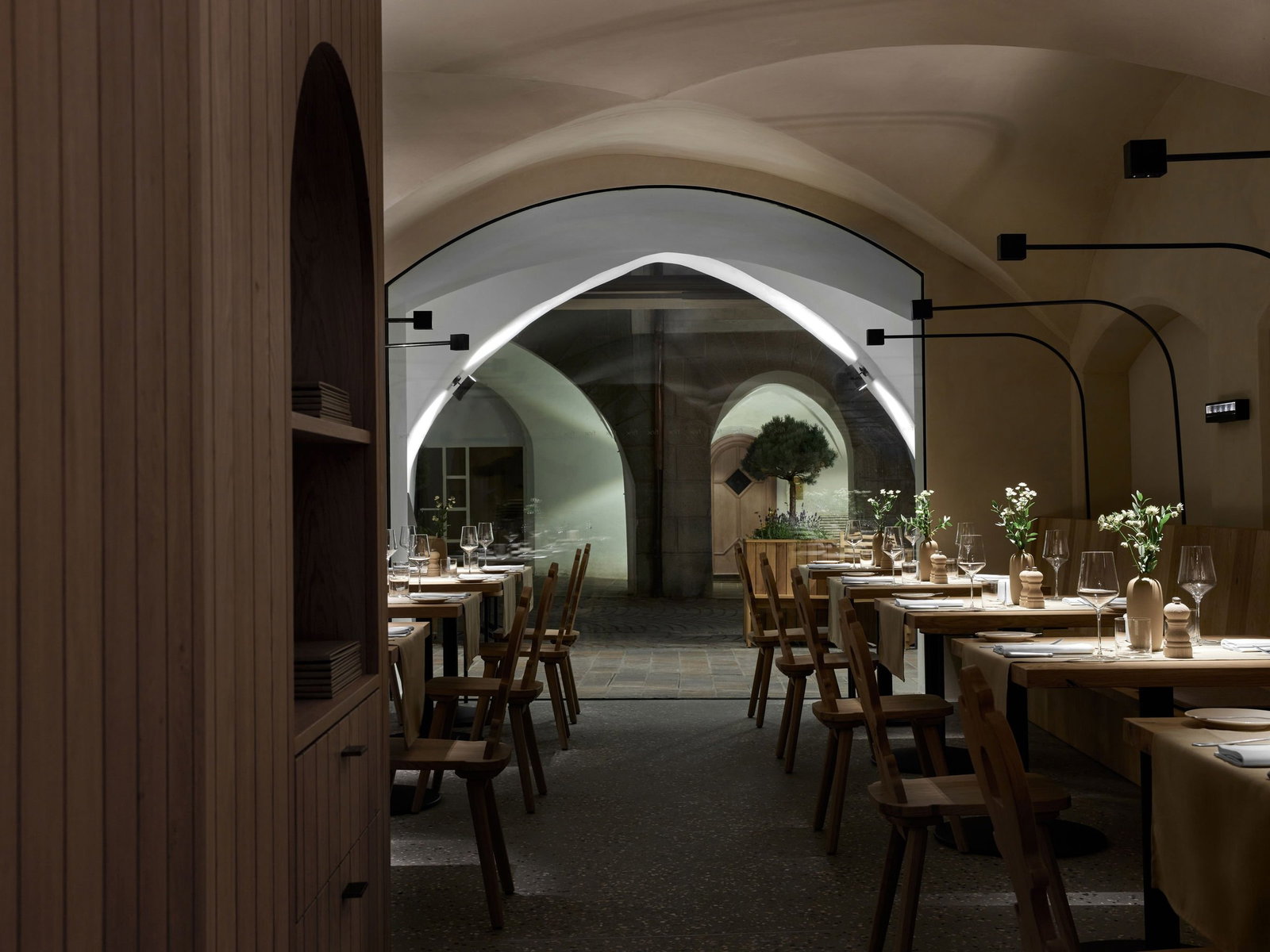
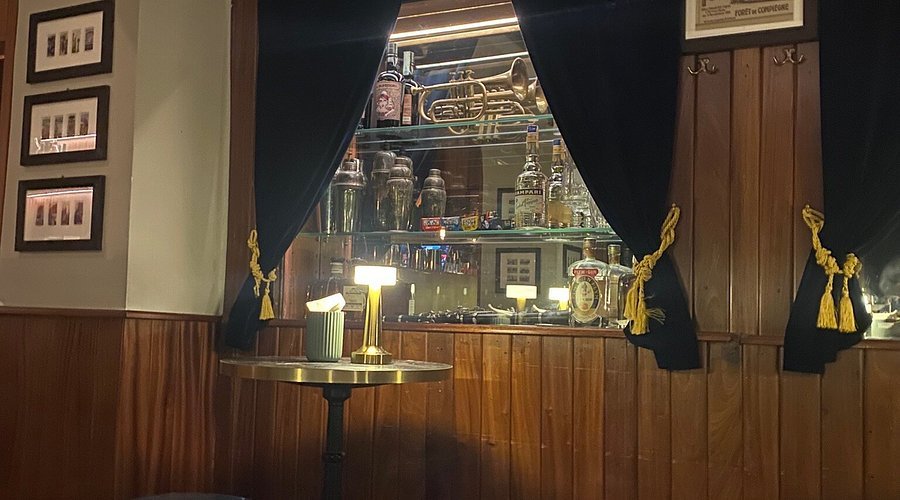
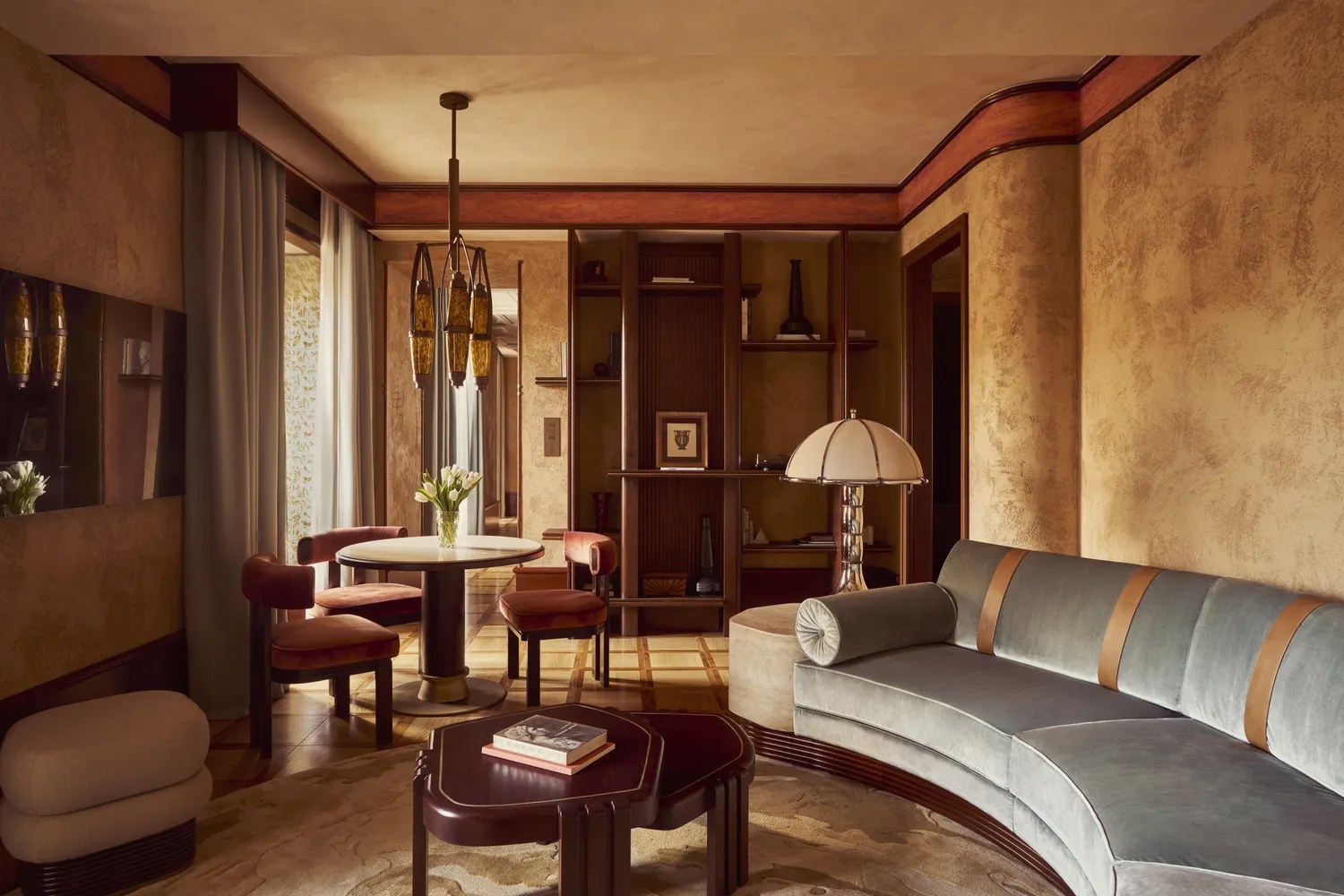
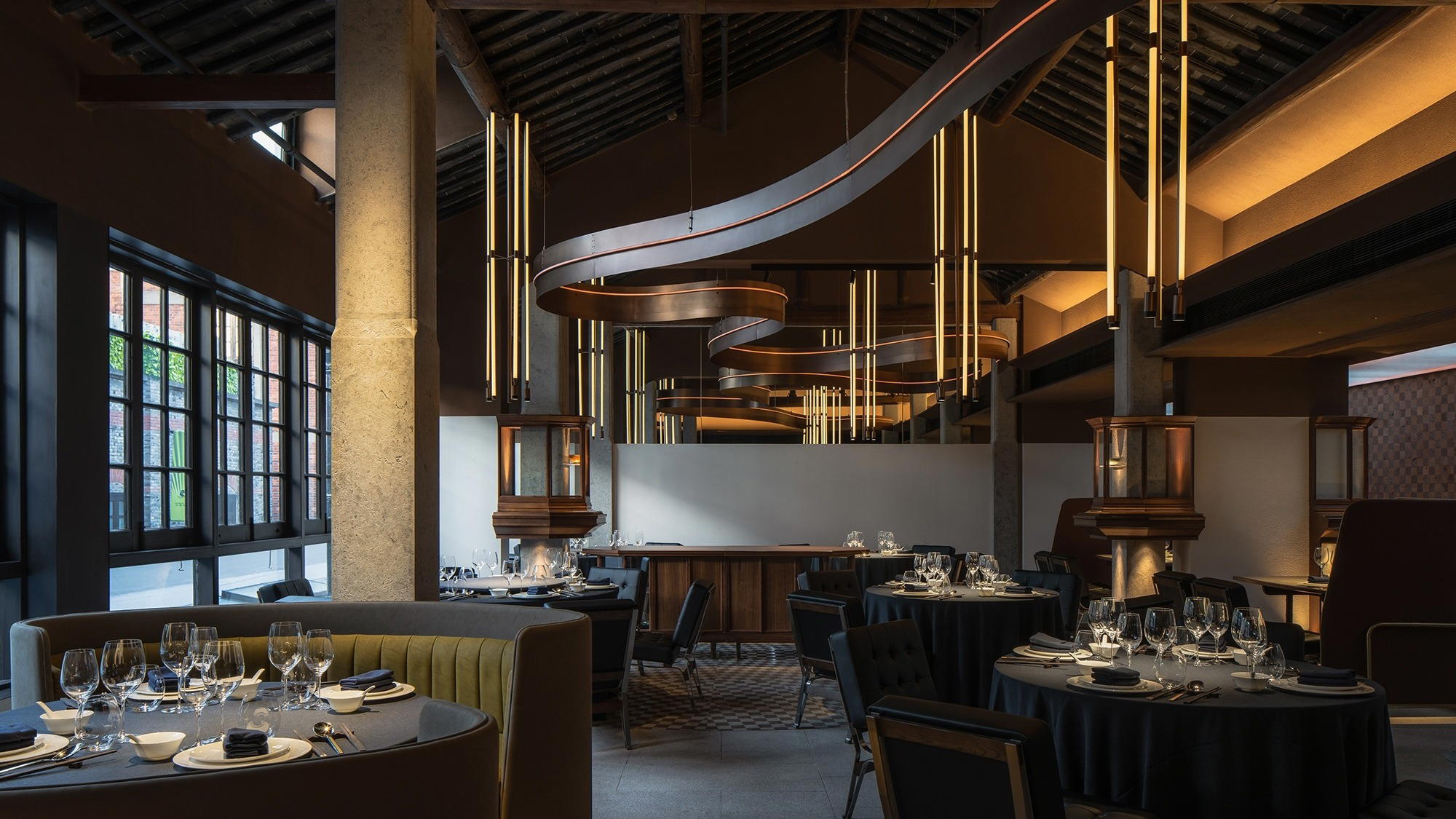
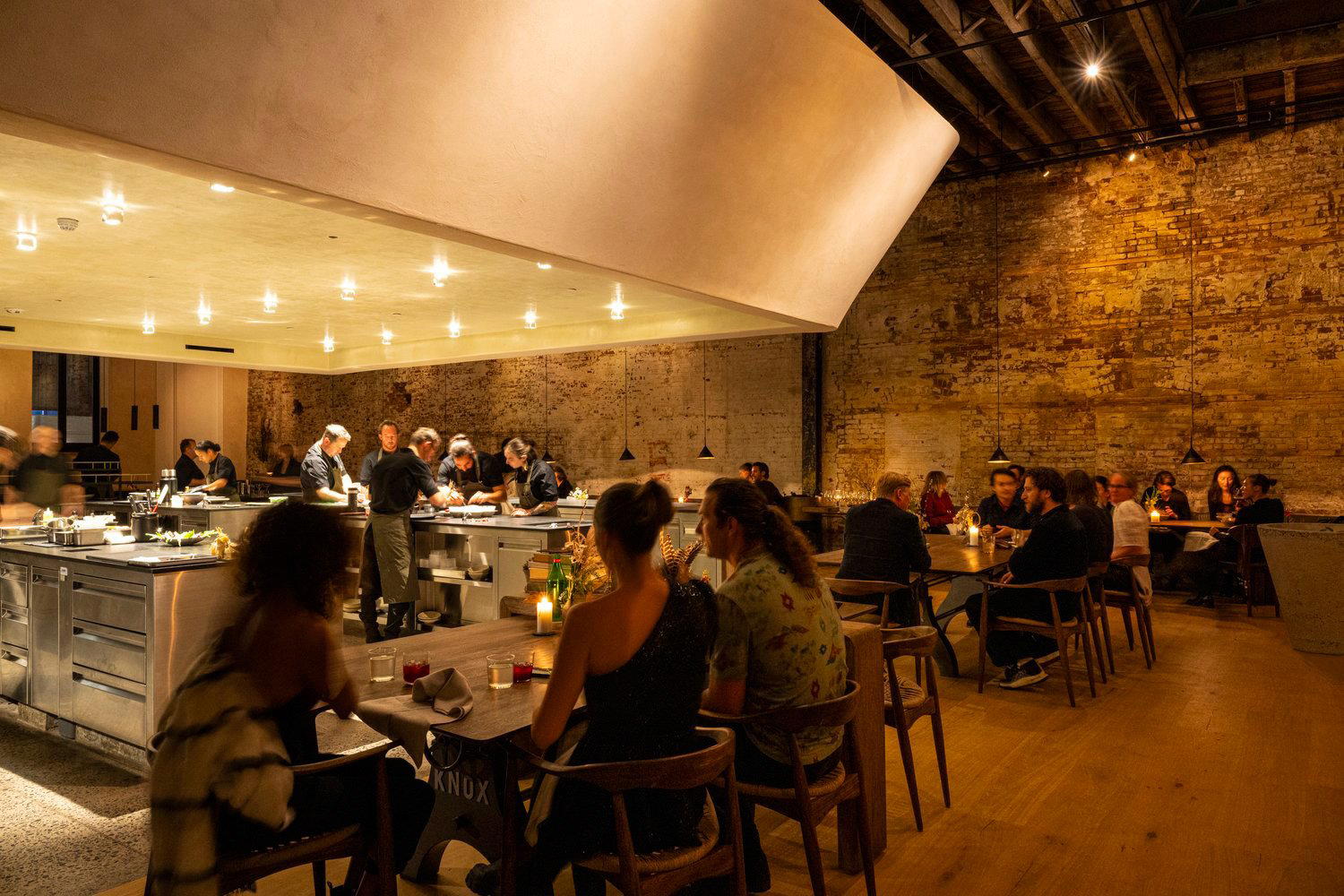
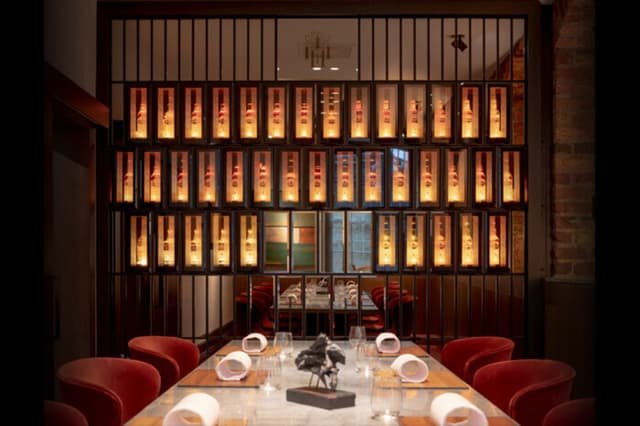
Warm, inviting, cozy yet modern atmosphere with rustic decor and a welcoming, informal feel.
Tags
Vibe
Best For
Experience
Sourcing
Accessibility
At the Table
- Dress Code
- Smart Casual
- Noise Level
- Conversational
- Service Style
- Upscale Casual
- Meal Pacing
- Leisurely
- Capacity
- Intimate
- Kitchen
- Seasonal
- Menu Format
- A la carte
- Wine Program
- Curated
- Drinks Focus
- Natural wine
- Dietary
- Vegetarian friendly
- Outdoor Seating
- Yes
Signature Dishes
pork liver
Know before you go
Know Before You Go
- Getting there
- Via delle Palme, 44 D, 00171 Roma RM, Italy
Planning details
Location
Via delle Palme, 44 D, 00171 Roma RM, Italy · Directions
Recognition and awards
Also consider
Also Consider
- Il Pagliaccio, Contemporary Italian, Creative, €€€€
- Enoteca La Torre, Creative, €€€€
- Idylio by Apreda, Modern Italian, Italian Contemporary, €€€€
- La Palta, Country cooking, €€€
- Zia, Modern Italian, Innovative, €€€
Restaurant context
Menabò occupies a different tier from most of its Michelin-recognised Rome peers, and that gap is the point. Il Pagliaccio and Enoteca La Torre both operate at €€€€ with full tasting-menu formats and a level of service formality that Menabò does not attempt to match. If you are choosing between them, the decision comes down to what kind of evening you want: a structured, high-investment progression at Il Pagliaccio or Enoteca La Torre, or a flexible, produce-led bistro meal at Menabò where the bill is a fraction of either. Idylio by Apreda sits in the same €€€€ bracket and leans modern Italian, again, a different category of spend and formality.
At the €€€ level, Zia is the closest competitor in spirit, modern Italian, innovative, and more central. Zia suits diners who want creative cooking in a livelier setting without committing to a top-end budget. Menabò wins on price and on the wine programme; Zia wins on location and accessibility from the centre. La Palta at €€€ offers country-style cooking at a level above Menabò in price but in a very different register, rustic and produce-driven in a way that shares some DNA with Menabò's market philosophy, though the contexts are quite different.
The practical recommendation: if you want the most credentialed meal for the least spend in Rome, Menabò is the clear choice in this comparison set. Book Il Pagliaccio or Enoteca La Torre when the occasion calls for full-format fine dining and the budget supports it. Book Menabò when you want to eat seriously without the ceremony, and when you are happy to travel to where the locals are actually eating.
Around this place
Discover more on Pearl
Unlock the full Menabò Vino e Cucina guide in Pearl, including awards, comparisons, FAQs, planning details, and nearby places.
Compare Menabò Vino e Cucina
| Venue | Cuisine | Price | Booking Difficulty | Awards |
|---|---|---|---|---|
| Menabò Vino e Cucina | Farm to table | € | Easy | 2026 Michelin Plate2025 Michelin Plate2024 Michelin Plate |
| Il Pagliaccio | Contemporary Italian, Creative | €€€€ | Unknown | 2026 OAD Classical in Europe Ranked · #121Star Wine Lists 20262026 Wine Spectator Best of Award of Excellence2026 Les Grandes Tables du Monde Members2026 Michelin 2 Stars2026 La Liste Top Restaurants2026 Falstaff Restaurant Guide2025 OAD Classical in Europe Ranked · #1162025 Wine Spectator Best of Award of Excellence |
| Enoteca La Torre | Creative | €€€€ | Unknown | 2026 La Liste Top Restaurants2026 Michelin 2 Stars2026 Falstaff Restaurant Guide2025 OAD Classical in Europe Ranked · #2562025 La Liste Top Restaurants2025 Michelin 2 Stars2024 OAD Classical in Europe Ranked · #2082024 Michelin 2 Stars |
| Idylio by Apreda | Modern Italian, Italian Contemporary | €€€€ | Unknown | 2026 OAD Top Restaurants in Europe Recommended2026 La Liste Top Restaurants2026 Michelin 1 Star2025 OAD Top Restaurants in Europe Ranked · #5152025 La Liste Top Restaurants2025 The Best Chef One Knife2025 Michelin 1 Star2024 OAD Top Restaurants in Europe Ranked · #4802024 Michelin 1 Star |
| La Palta | Country cooking | €€€ | Unknown | 2026 OAD Top Restaurants in Europe Recommended2026 Michelin 1 Star2025 OAD Casual in North America Ranked · #8142025 Michelin 1 Star2025 The Best Chef One Knife2024 OAD Casual in North America Ranked · #7812024 Michelin 1 Star2023 OAD Casual in North America Recommended |
| Zia | Modern Italian, Innovative | €€€ | Unknown | 2026 OAD Top Restaurants in Europe Ranked · #992026 Michelin 1 Star2026 Falstaff Restaurant Guide2025 OAD Top Restaurants in Europe Ranked · #962025 Michelin 1 Star2025 The Best Chef One Knife2024 OAD Top Restaurants in Europe Ranked · #1002024 Michelin 1 Star2023 OAD Top New Restaurants in Europe Ranked · #140 |










Key differences to consider before you reserve.
FAQ
Frequently Asked Questions
What are alternatives to Menabò Vino e Cucina in Rome?
For a step up in formality and price, Idylio by Apreda and Il Pagliaccio both carry Michelin stars and suit special-occasion spending. Zia is the closest in spirit — a neighbourhood-driven, seasonal Italian spot with a loyal local following — and worth comparing directly if Menabò is fully booked. Enoteca La Torre skews more formal with a stronger wine programme; La Palta is worth considering only if you are travelling outside Rome.
Is Menabò Vino e Cucina worth the price?
Yes, confidently. At a single euro-sign price range, Menabò holds a Michelin Plate for both 2024 and 2025, which puts it in rare company for its price bracket in Rome. The combination of a kitchen focused on seasonal market produce and a wine list overseen separately by co-owner Daniele means you are getting considered cooking and a credible wine selection without paying fine-dining prices.
What should a first-timer know about Menabò Vino e Cucina?
Book in advance — Michelin explicitly flags it as very popular, and the Prenestino-Centocelle address at Via delle Palme, 44 D means it draws a loyal local crowd rather than passing tourist traffic. The two-brother format (Paolo on the kitchen, Daniele on wine) is worth knowing because the wine list is treated as a serious component, not an afterthought. Come expecting a relaxed bistro atmosphere, not a formal dining room.
Is Menabò Vino e Cucina good for a special occasion?
It works well for a low-key but credible celebration — Michelin Plate two years running gives it the substance to feel deliberate, and the price point means you can spend on wine without the bill becoming uncomfortable. For a milestone that calls for full ceremony (private room, starred kitchen, longer tasting format), Il Pagliaccio or Idylio by Apreda are stronger fits. Menabò is the right call when the occasion matters but the setting should stay relaxed.