.png?width=1200&quality=80)
La Ciambella
Roman · Pigna, Rome
Restaurant in Rome, Italy
 Book with Pearl
The Read
Testaccio Tradition, Centro Storico Address
Price
$50–100per person
Dress
Smart Casual
Why go
La Ciambella holds a Michelin Plate for 2024 and 2025 and earns it through technically serious Roman meat and offal cookery rooted in the Testaccio tradition. Chef Francesca Ciucci reinterprets sweetbreads, tripe, and oxtail with enough personal perspective to make this more than a tradition exercise. At €€€, it is the best-value argument for eating Roman cuisine at a Michelin-recognised level in the historic centre.
About La Ciambella
Is La Ciambella worth booking for Roman cuisine in Rome?
Yes — and if offal and meat cookery are your reference points for judging a Roman kitchen, it belongs near the best of your list. That combination of critical recognition and sustained public approval is harder to fake than either signal alone. For food and travel enthusiasts who want to eat Rome's meat tradition at its most technically committed, this is the booking to make.
What the kitchen does — and why it matters
The editorial angle here is cuisine mastery, and La Ciambella earns that framing through specificity. Chef Francesca Ciucci comes from Testaccio, the neighbourhood historically tied to Rome's slaughterhouse trade and the origin point of the city's offal cooking. That lineage is not decorative, it shapes what appears on the plate. Sweetbreads, Roman-style tripe, and a reinterpretation of coda in carrozza (an oxtail preparation) are the dishes the venue is known for. These are not easy dishes to execute well. Sweetbreads demand precise heat management to avoid toughening. Tripe in the Roman style requires long, attentive braising. Oxtail cookery in any form is a test of patience and seasoning. The fact that Ciucci handles all three with enough confidence to attract Michelin recognition two years running suggests a kitchen operating at a consistent technical level.
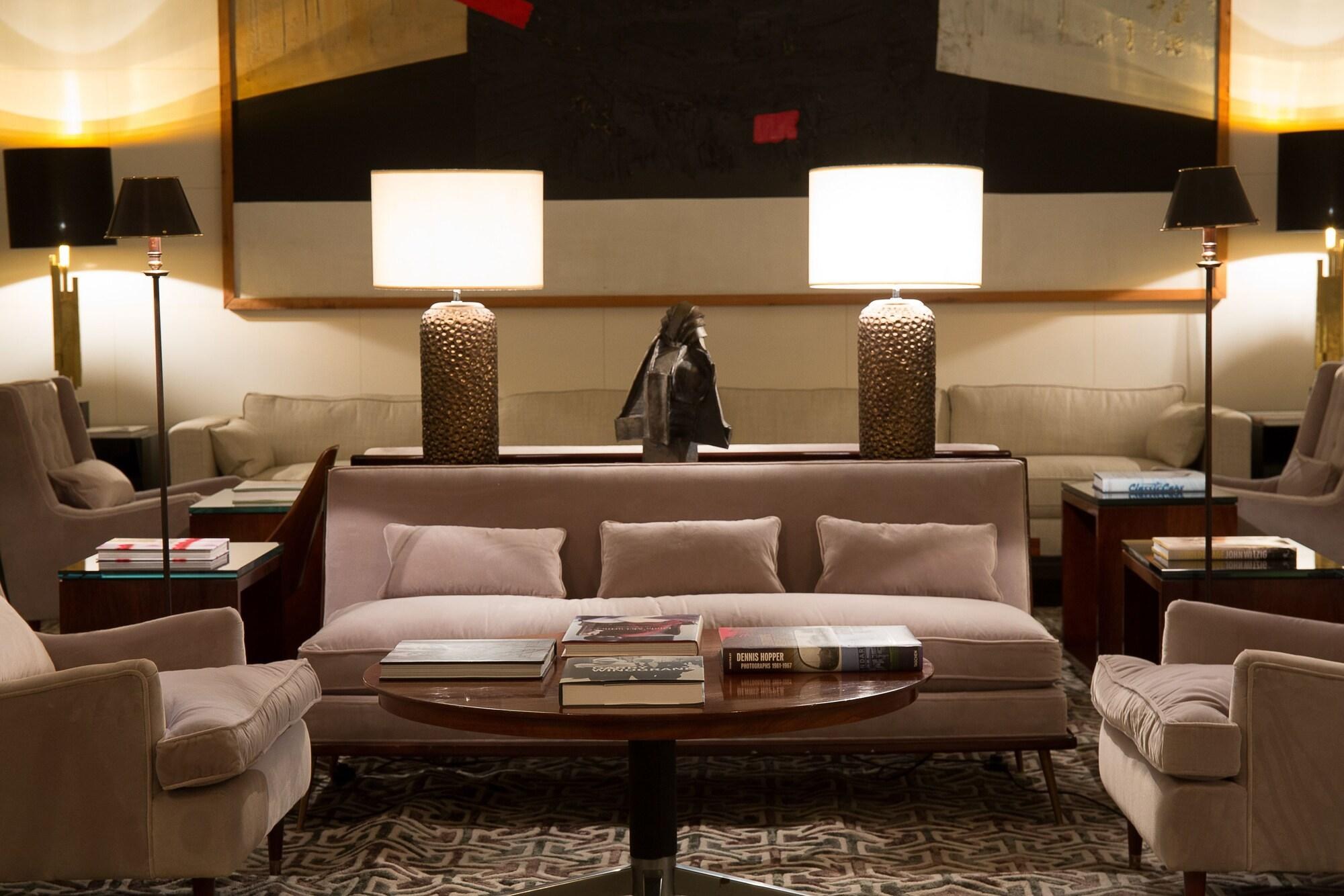
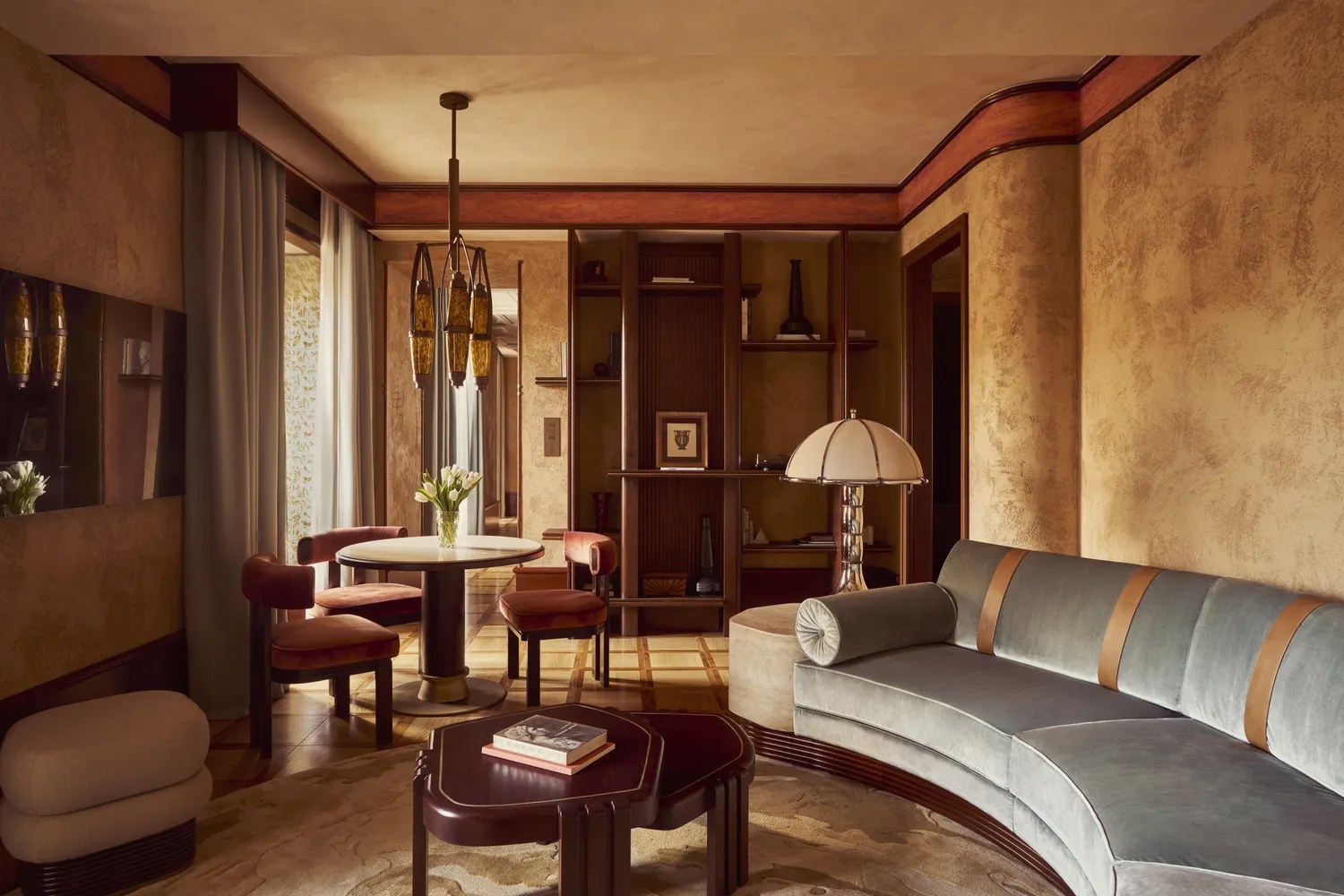
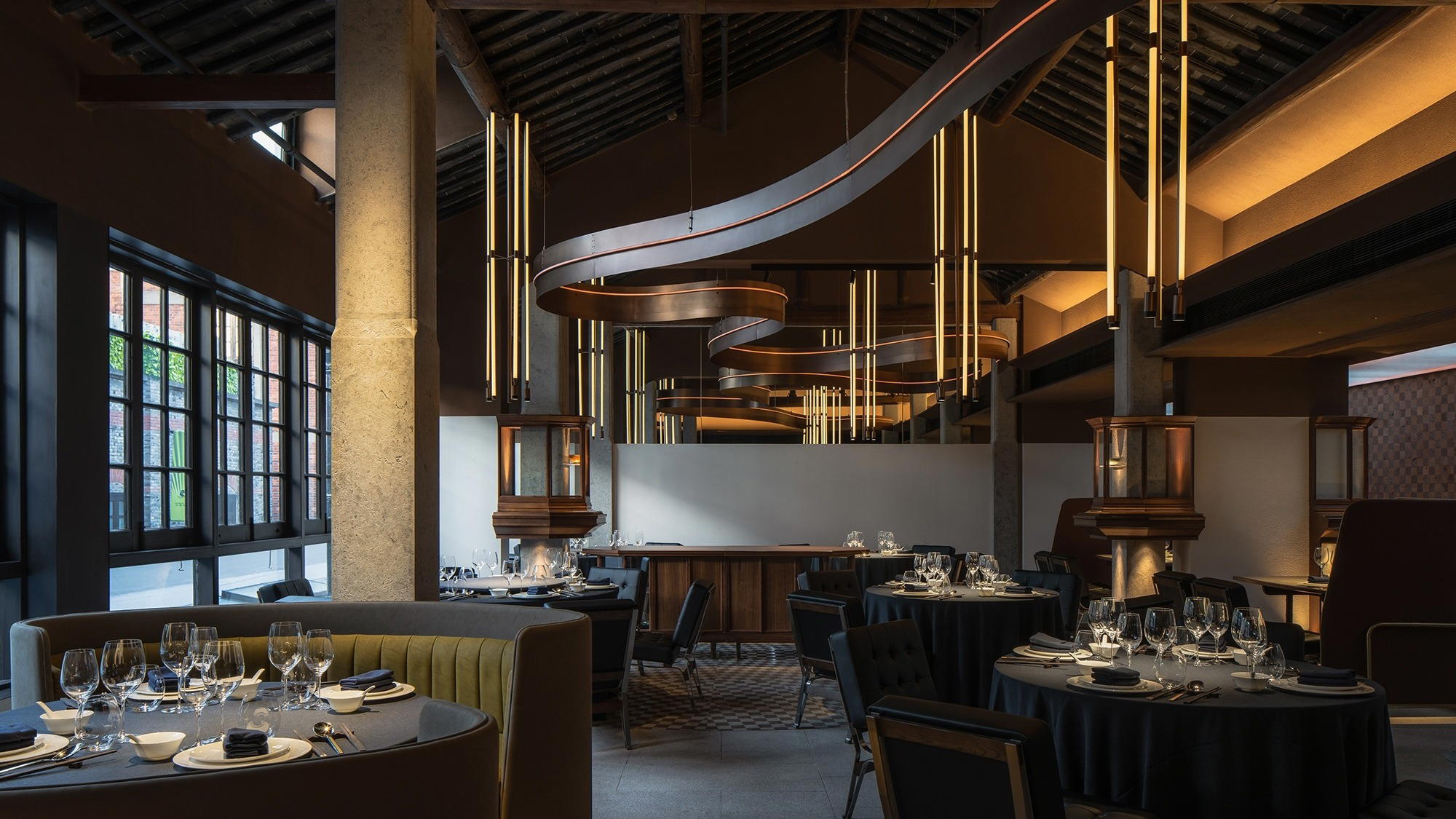
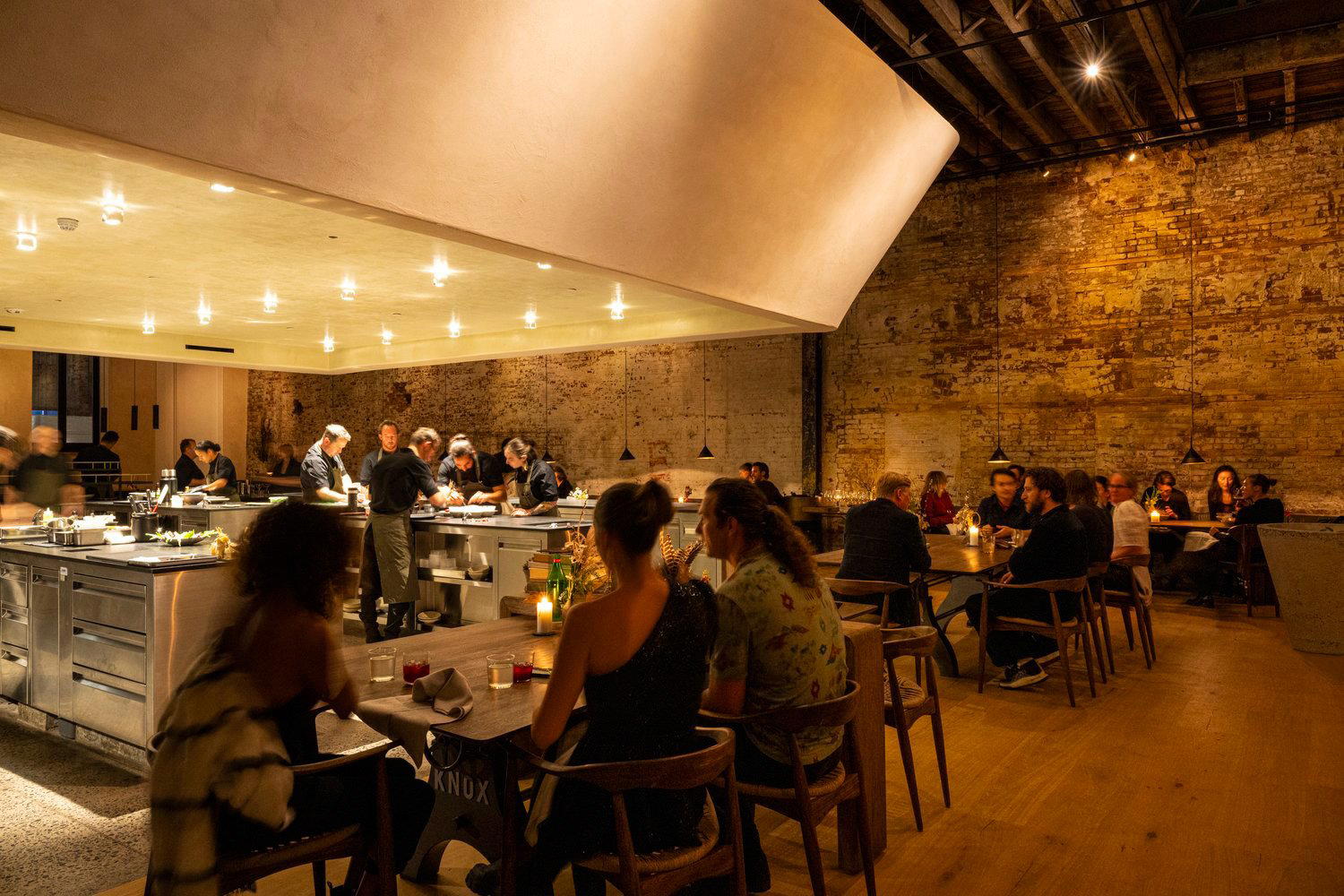
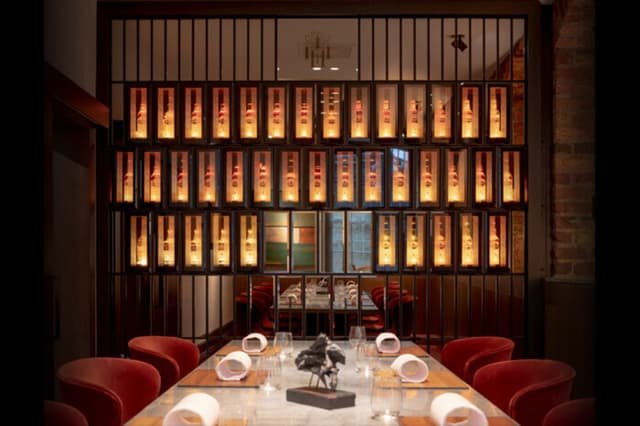
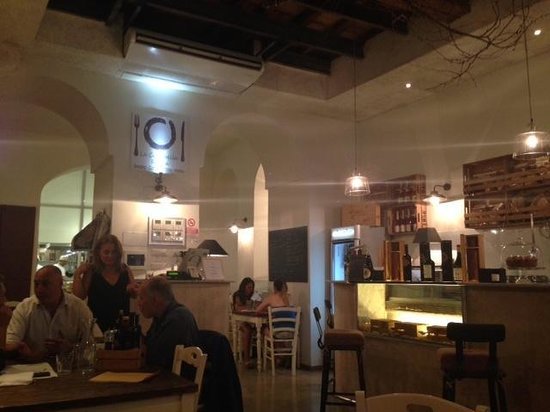
The room reinforces the seriousness of the food without becoming austere. A large Travertine marble counter sits near the entrance, a useful perch for solo diners and a visual anchor for the space. The dining room is arranged around an open-view kitchen beneath a large skylight, which floods the interior with natural light during service. In a city where many trattorias rely on atmospheric dimness to do heavy lifting, that transparency is a quiet confidence signal: the kitchen is comfortable being watched.
Creative dimension matters too. Ciucci does not simply reproduce received Roman recipes, she reinterprets them. The coda in carrozza framing is the clearest example: taking a canonical dish and applying a personal lens without abandoning the tradition. For explorers who want depth and context rather than a greatest-hits tour of Roman pasta dishes, that tension between tradition and interpretation is exactly what makes a meal worth travelling for.
How to think about the price tier
La Ciambella sits at €€€, meaningfully above a neighbourhood trattoria but below the full formal dining tier occupied by Rome's starred restaurants. For the level of technical ambition on the plate and the quality of the room, that positioning is fair. You are paying for a kitchen that has earned Michelin recognition, in a setting that takes food seriously, without the ceremony overhead of a tasting-menu format. If you are comparing this to a casual lunch at Armando al Pantheon or Da Danilo, expect to spend more, but you are also getting a different level of kitchen sophistication. If you are comparing it to Rome's €€€€ creative restaurants, you are spending less and trading modern-technique theatrics for a deeper investment in a single culinary tradition.
For context on how Roman meat cookery developed into the form Ciucci is working, the Testaccio neighbourhood is the reference point. Checchino Dal 1887 has been cooking offal from the same district since the nineteenth century, a useful benchmark for how the tradition reads in a more classical register. La Ciambella is operating in the same tradition but with a more contemporary sensibility.
Booking and timing
Booking difficulty is rated Easy, which means you do not need to plan weeks in advance the way you would for Rome's most competitive reservations. That said, Easy does not mean walk-in reliable, particularly at dinner on weekends or during peak tourist months (April through June, September and October). Book a few days out for a weekday dinner; give yourself more runway for a weekend booking. The marble counter near the entrance is worth requesting if you are dining solo or as a pair and want to watch the room rather than sit inside it.
For broader orientation in the city, see our full Rome restaurants guide, our full Rome hotels guide, our full Rome bars guide, our full Rome wineries guide, and our full Rome experiences guide.
Where La Ciambella fits in Italian restaurant dining more broadly
For food enthusiasts who use Rome as one stop on a longer Italian dining itinerary, La Ciambella sits in a distinct register from Italy's most technically ambitious kitchens, places like Osteria Francescana in Modena, Reale in Castel di Sangro, or Uliassi in Senigallia. It is not competing on the axis of conceptual cooking or ingredient sourcing theatre. What it offers instead is mastery of a specific regional tradition, executed with enough personal perspective to make it more than a preservation exercise. That is a different kind of value, and for many diners, particularly those who want to eat Rome rather than eat modernism in Rome, it is the more satisfying one.
Other Italian kitchens working in similarly tradition-rooted registers include Dal Pescatore in Runate and Quattro Passi in Marina del Cantone, both worth knowing if regional Italian cooking at a serious technical level is your consistent interest. For the Alpine end of the Italian tradition, Atelier Moessmer Norbert Niederkofler in Brunico is a reference point in a different direction entirely.
If you are curious how Roman cooking travels, Il Marchese in Milan and Osteria Romana in Brussels both represent the tradition outside the city. Neither replaces eating it at source, but both are useful reference points for understanding how the cuisine reads in a different context.
For other Roman options in the same neighbourhood bracket, Antica Pesa and CiPASSO cover different parts of the Roman dining register and are worth comparing depending on what you are prioritising.
Quick reference:
Planning details
- Location
- Via dell'Arco della Ciambella, 20, 00186 Roma RM, Italy
- Reservations
- Book on TheFork
- Website
- la-ciambella.it
- Phone
- +39 06 683 2930
The take
The Take
The Vibe
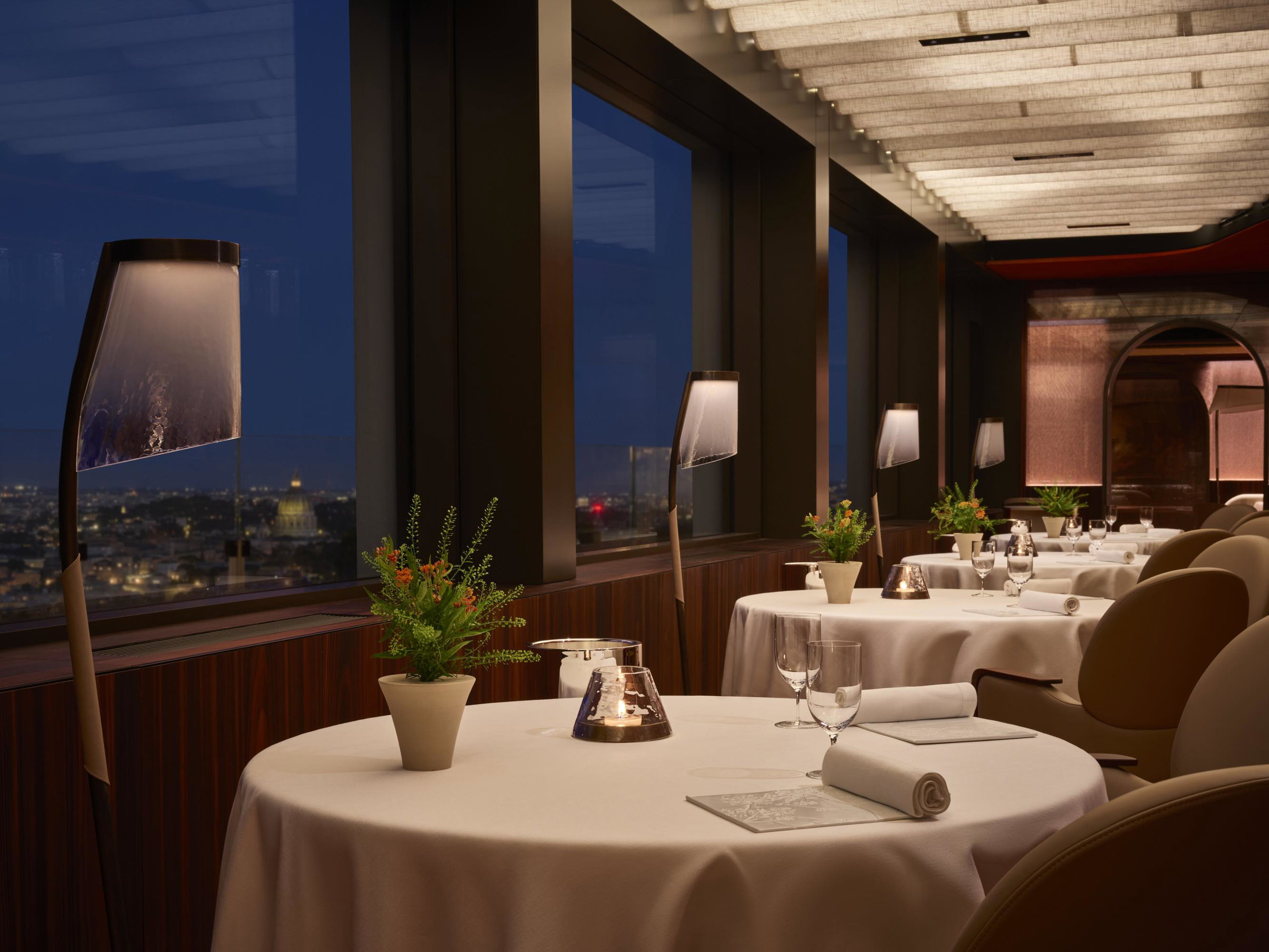
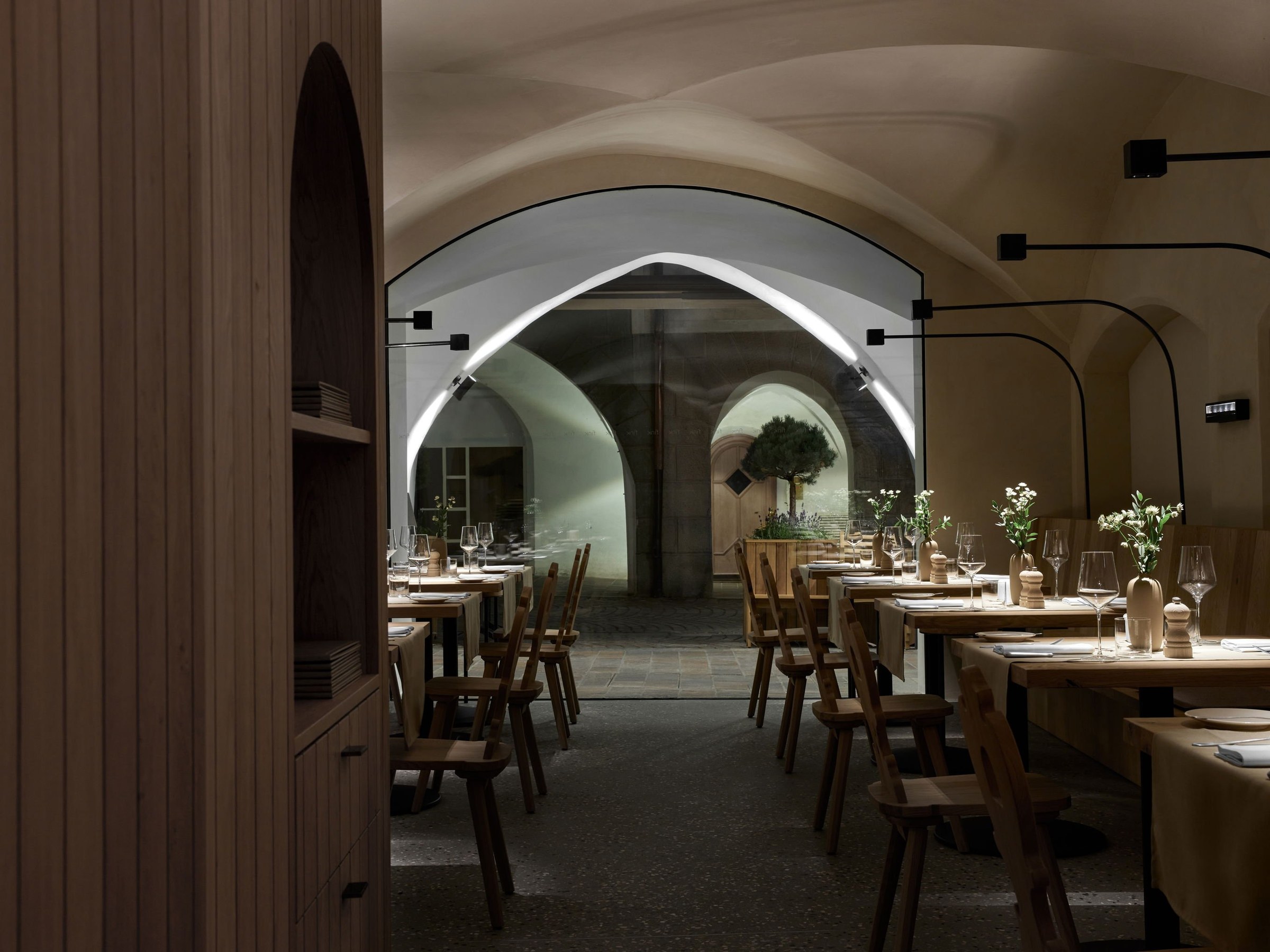
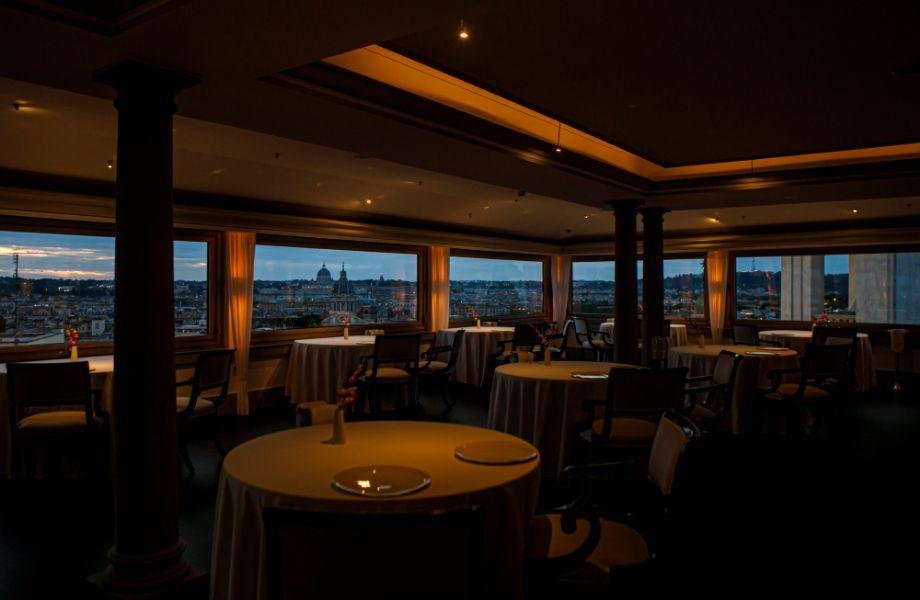
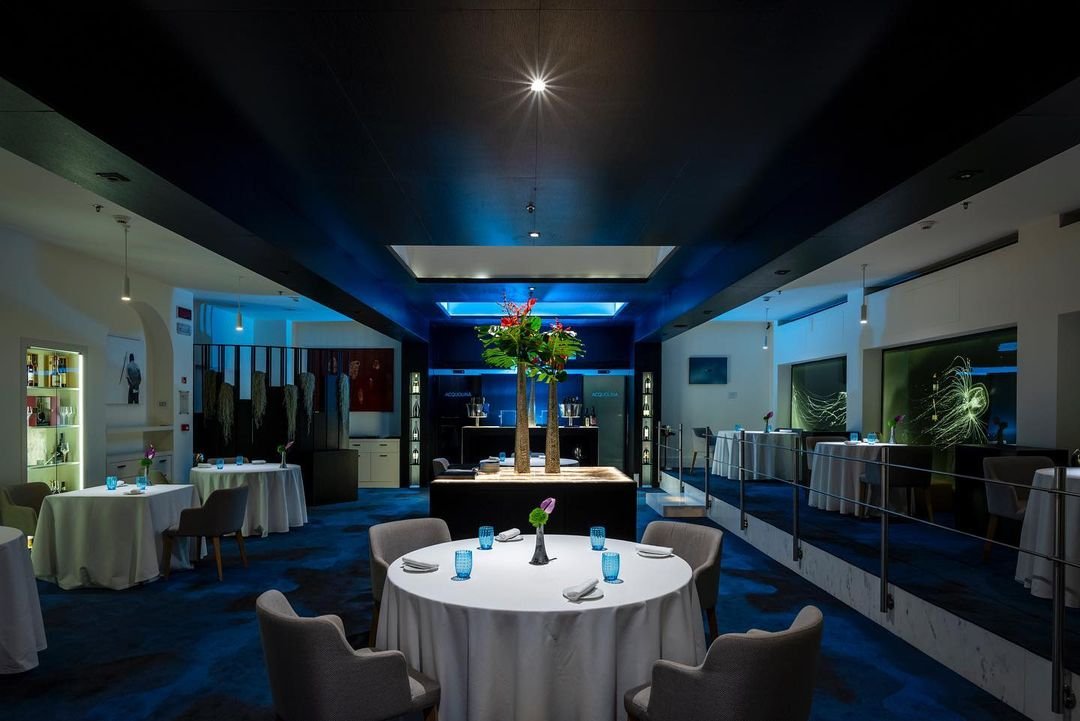
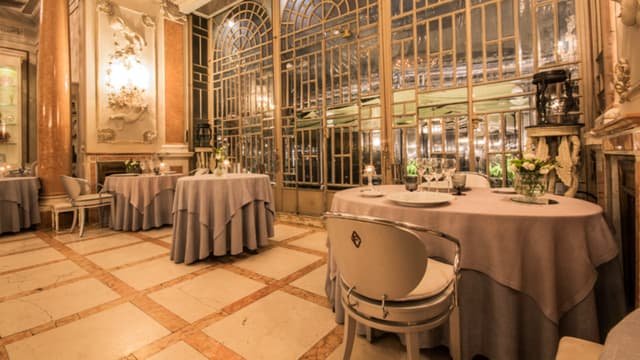
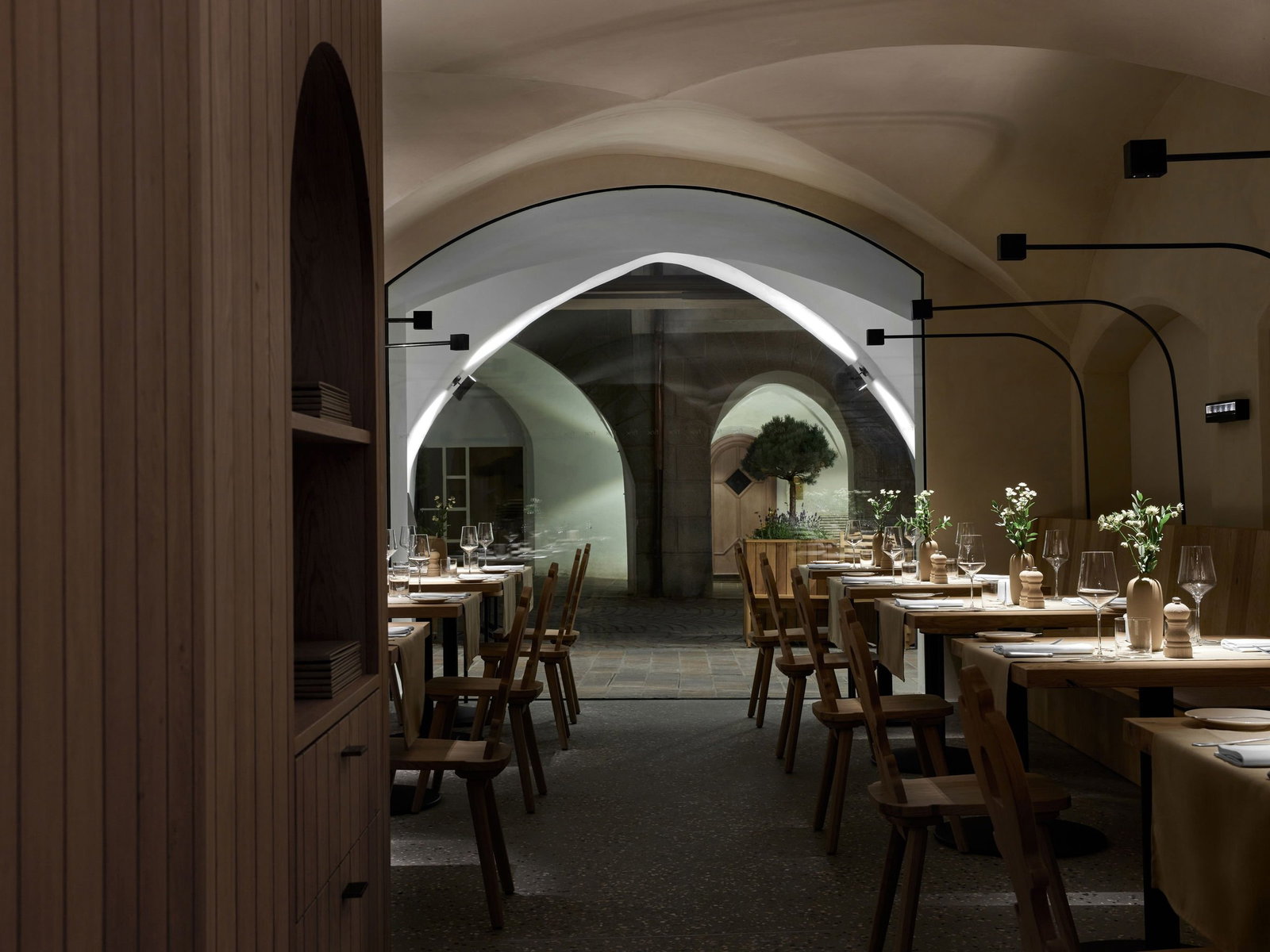
La Ciambella occupies a quietly assured Roman room defined by travertine, exposed masonry and a substantial skylight that moves through the day. The dining room centres on an open-view kitchen, so the architecture is functional as well as decorative: pale stone and natural light set a restrained, considered tone rather than theatrical flourishes. The effect is an intimate, sophisticated space that reads of the centro storico — bright and direct at lunch, then subtly transformed by evening light — where the materiality of the room and the visibility of the kitchen shape the whole dining experience.
Best For
La Ciambella suits both daytime and evening meals: the skylit dining room makes it an attractive spot for lunch, while the changing evening light and focused cooking make it an excellent choice for dinner, date nights and formal business meals. Its centre-stage kitchen and Roman repertoire also make it a natural pick for special-occasion dinners where guests appreciate both architecture and serious regional cooking. Practical timing-wise, midday light and early-evening ambience are both highlights called out in the description.
Ordering Tips
The menu leans into Testaccio and Roman traditions, so start with the house specialties named in the brief: Trippa alla romana showcases the offal heritage, Coda in carrozza leans into classic Roman braising, Tartare di chianina highlights high-quality beef, and Spaghettoni alla Carbonara presents a signature pasta. These dishes are explicitly listed as signatures and therefore good anchors for a meal that wants to represent the kitchen's intentions and the neighbourhood's culinary lineage.
Venue details
Ambiance
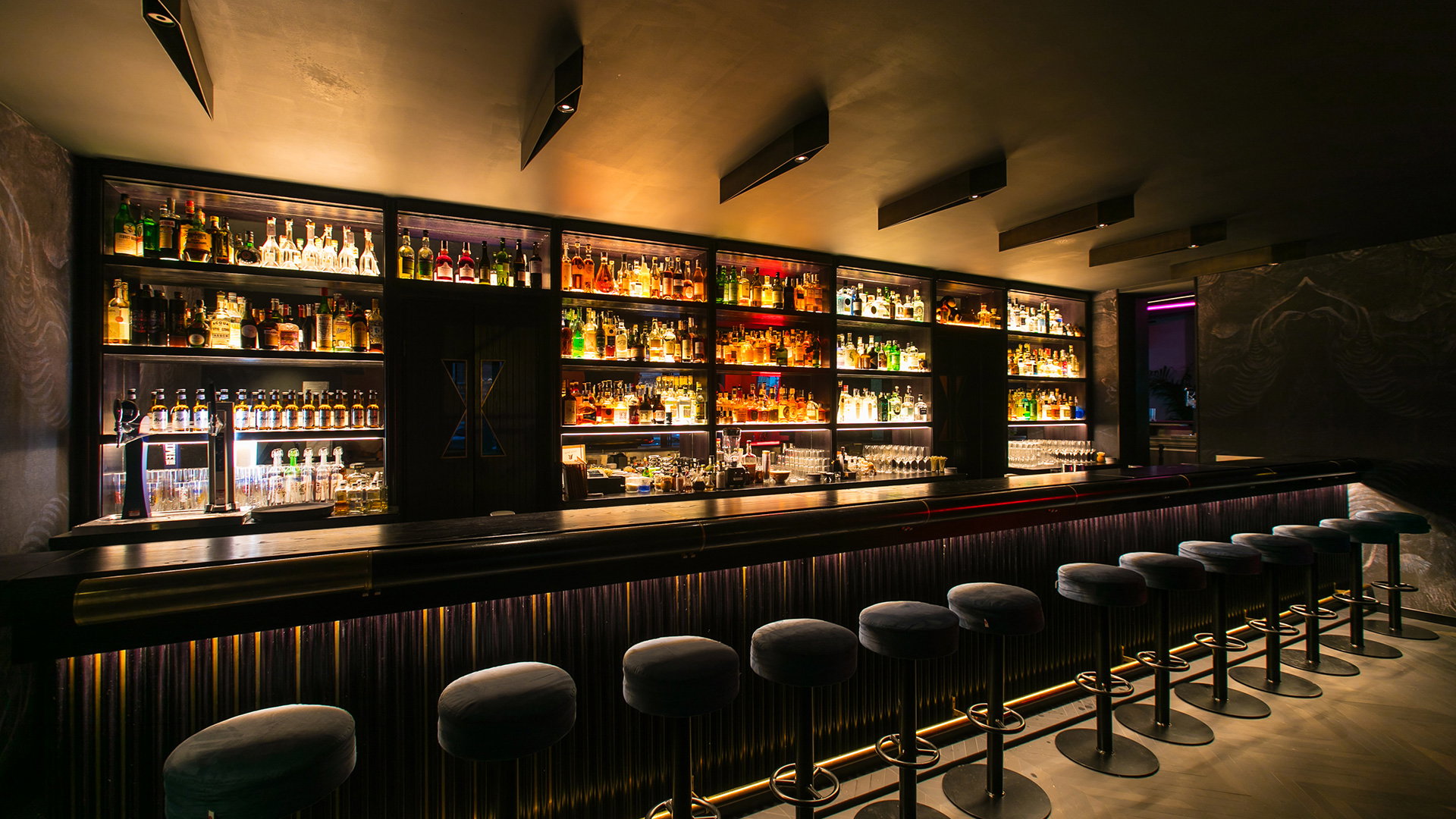
Bright room with natural light from a large skylight, open kitchen, Travertine marble counter, and cozy rustic-chic atmosphere.
Tags
Vibe
Best For
Experience
Sourcing
View
At the Table
- Dress Code
- Smart Casual
- Noise Level
- Conversational
- Service Style
- Upscale Casual
- Meal Pacing
- Leisurely
- Capacity
- Small
- Kitchen
- Modern
- Menu Format
- A la carte
- Wine Program
- Curated
- Drinks Focus
- Wine
Signature Dishes
- Trippa alla romana
- Coda in carrozza
- Tartare di chianina
- Spaghettoni alla Carbonara
Know before you go
Know Before You Go
- Getting there
- Via dell'Arco della Ciambella, 20, 00186 Roma RM, Italy
Planning details
Location
Via dell'Arco della Ciambella, 20, 00186 Roma RM, Italy · Directions
Recognition and awards
Also consider
Also Consider
- Il Pagliaccio, Contemporary Italian, Creative, €€€€
- Enoteca La Torre, Creative, €€€€
- Idylio by Apreda, Modern Italian, Italian Contemporary, €€€€
- La Palta, Country cooking, €€€
- Zia, Modern Italian, Innovative, €€€
Restaurant context
La Ciambella at €€€ sits in a different tier from Rome's most ambitious creative restaurants, and that is part of the argument for booking it. Il Pagliaccio and Enoteca La Torre are both operating at €€€€ with full fine-dining formats, higher ceremony, more elaborate technique, and a price tag to match. Idylio by Apreda occupies similar territory with a modern Italian focus. If your priority is experiencing Rome's creative cooking at its most technically ambitious, those three are the tier to aim for. If you want serious cooking rooted in a specific Roman tradition without the overhead of a full tasting-menu apparatus, La Ciambella makes a stronger case.
Within the €€€ bracket, the more direct comparisons are Zia, which leans into modern Italian and innovative technique, and La Palta, which works a country-cooking register. La Ciambella is the most tradition-specific of the three: its identity is built around a single culinary lineage (Testaccio meat and offal cookery) rather than a broader creative platform. That makes it the clearer choice for diners who want depth in a Roman tradition rather than range across modern Italian cooking.
For booking ease, all three €€€ options are more accessible than the €€€€ tier. La Ciambella's Easy booking rating means you are not fighting a weeks-out reservation window, which is a practical advantage over Il Pagliaccio or Enoteca La Torre if your Rome itinerary is still forming. Book La Ciambella if the meat and offal tradition is your priority; book Il Pagliaccio or Idylio if you want full creative fine dining; book Zia if you want modern Italian innovation at the same price level.
Around this place
Discover more on Pearl
Unlock the full La Ciambella guide in Pearl, including awards, comparisons, FAQs, planning details, and nearby places.
Compare La Ciambella
| Venue | Price | Booking Difficulty | Awards |
|---|---|---|---|
| La Ciambella | €€€ | Easy | 2026 Michelin Plate2025 Michelin Plate2024 Michelin Plate |
| Il Pagliaccio | €€€€ | Unknown | 2026 OAD Classical in Europe Ranked · #121Star Wine Lists 20262026 Wine Spectator Best of Award of Excellence2026 Les Grandes Tables du Monde Members2026 Michelin 2 Stars2026 La Liste Top Restaurants2026 Falstaff Restaurant Guide2025 OAD Classical in Europe Ranked · #1162025 Wine Spectator Best of Award of Excellence |
| Enoteca La Torre | €€€€ | Unknown | 2026 La Liste Top Restaurants2026 Michelin 2 Stars2026 Falstaff Restaurant Guide2025 OAD Classical in Europe Ranked · #2562025 La Liste Top Restaurants2025 Michelin 2 Stars2024 OAD Classical in Europe Ranked · #2082024 Michelin 2 Stars |
| Idylio by Apreda | €€€€ | Unknown | 2026 OAD Top Restaurants in Europe Recommended2026 La Liste Top Restaurants2026 Michelin 1 Star2025 OAD Top Restaurants in Europe Ranked · #5152025 La Liste Top Restaurants2025 The Best Chef One Knife2025 Michelin 1 Star2024 OAD Top Restaurants in Europe Ranked · #4802024 Michelin 1 Star |
| La Palta | €€€ | Unknown | 2026 OAD Top Restaurants in Europe Recommended2026 Michelin 1 Star2025 OAD Casual in North America Ranked · #8142025 Michelin 1 Star2025 The Best Chef One Knife2024 OAD Casual in North America Ranked · #7812024 Michelin 1 Star2023 OAD Casual in North America Recommended |
| Zia | €€€ | Unknown | 2026 OAD Top Restaurants in Europe Ranked · #992026 Michelin 1 Star2026 Falstaff Restaurant Guide2025 OAD Top Restaurants in Europe Ranked · #962025 Michelin 1 Star2025 The Best Chef One Knife2024 OAD Top Restaurants in Europe Ranked · #1002024 Michelin 1 Star2023 OAD Top New Restaurants in Europe Ranked · #140 |










How La Ciambella stacks up against the competition.
FAQ
Frequently Asked Questions
What should I order at La Ciambella?
Go straight for the offal and meat dishes — that is where chef Francesca Ciucci's Testaccio background shows. The Roman-style tripe, sweetbreads, and her reinterpretation of coda in carrozza (an oxtail preparation) are the documented standouts. If those cuts are not your preference, this is not the right room for you.
Is La Ciambella good for solo dining?
Yes. The large Travertine marble counter near the entrance is well-suited to solo diners who want to eat without occupying a full table. The open-view kitchen under the skylight also gives solo visitors something to watch. It is a comfortable single-cover experience at the €€€ tier.
Can I eat at the bar at La Ciambella?
La Ciambella has a large Travertine marble counter near the entrance, which functions as a counter-seating option. For solo diners or couples who want a less formal seat, this is the place to ask for. Whether the full menu is available at the counter is not confirmed in available data, so worth asking when you book.
Is La Ciambella worth the price?
At €€€, La Ciambella sits above a neighbourhood trattoria but below Rome's Michelin-starred tier. For that price, you are getting a Michelin Plate-recognised kitchen (2024 and 2025) with a specific, credentialed point of view on Roman offal cookery. If meat and offal are your benchmark, it justifies the spend. If you want a broader Roman menu at lower cost, a Testaccio trattoria will serve you better.
Is La Ciambella good for a special occasion?
It works for a food-focused occasion where the guest of honour appreciates Roman culinary tradition — offal, oxtail, and confident meat cookery in a skylit dining room with an open kitchen. It is not a white-tablecloth formal venue, so if the occasion calls for ceremony over cooking, a starred room like Il Pagliaccio will read better as a setting.
What are alternatives to La Ciambella in Rome?
For higher-end Roman dining with Michelin stars, Il Pagliaccio and Idylio by Apreda are the natural step up in formality and price. Zia offers a more contemporary, ingredient-driven approach at a comparable tier. If the draw is specifically Testaccio-style Roman cooking, a neighbourhood trattoria in Testaccio itself will give you a cheaper, less refined version of the same tradition.