.png?width=1200&quality=80)
Kohaku
Japanese Contemporary · Ludovisi, Rome
Restaurant in Rome, Italy
 Book with Pearl
The Read
Kaiseki in the Eternal City
Price
$50–100per person
Dress
Smart Casual
Why go
Kohaku is Rome's most credible Japanese Contemporary restaurant at a €€€ price point, holding a Michelin Plate for 2025 and. The 8-course kaiseki tasting menu makes it a well-priced special-occasion choice. For the money, it delivers sourcing quality and technical range that few comparable Japanese restaurants in Italy can match.
About Kohaku
Is Kohaku Worth Booking for Japanese Food in Rome?
Yes — and more convincingly than you might expect from a Japanese restaurant in the Italian capital. Kohaku, on Via Marche in the Veneto district, holds a Michelin Plate for 2025, meaning the guide's inspectors consider the cooking worth seeking out. At a €€ price point, it sits well below the city's leading Italian fine-dining rooms and delivers a range and technical quality that makes it the most credible Japanese Contemporary option in Rome for diners who care about what's actually on the plate.
What to Expect at Kohaku
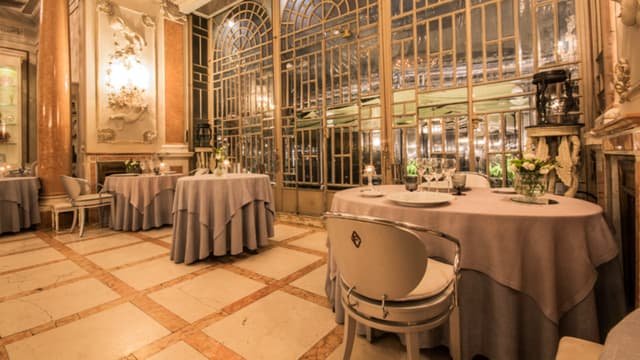
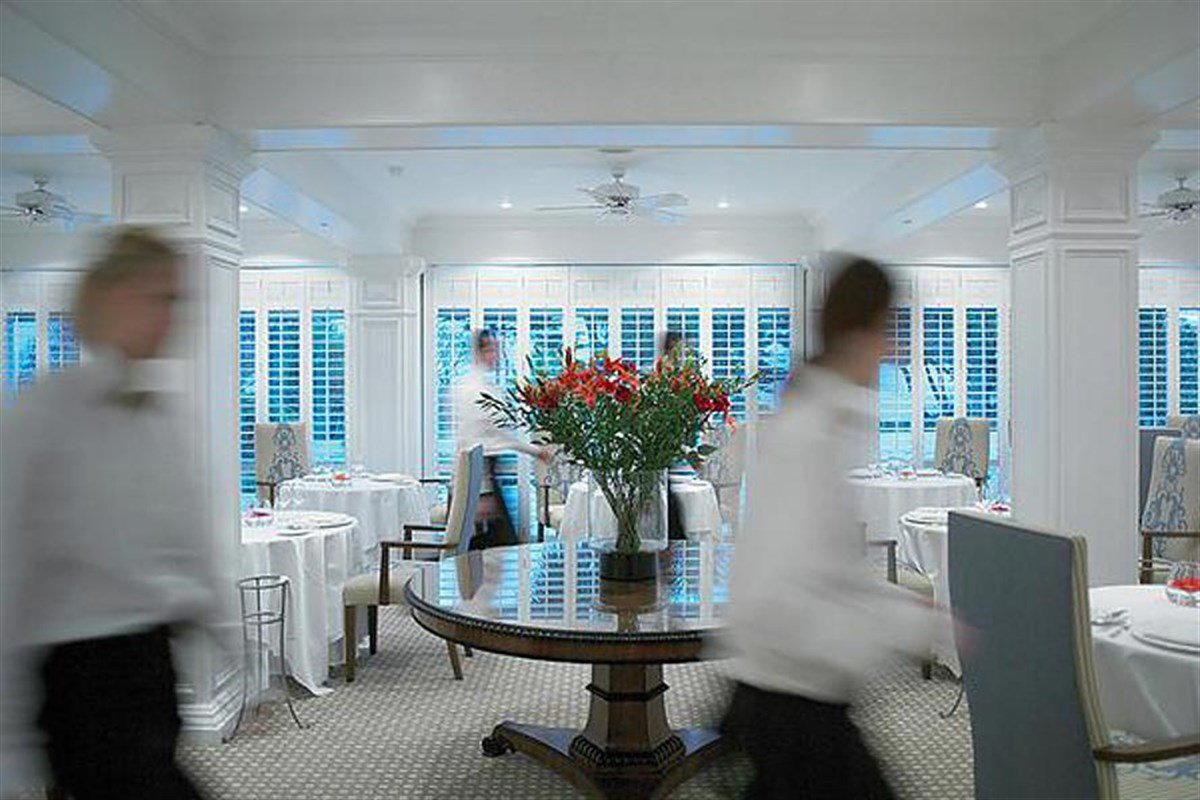
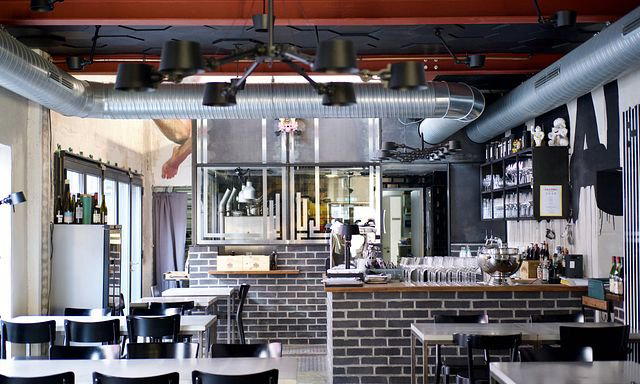
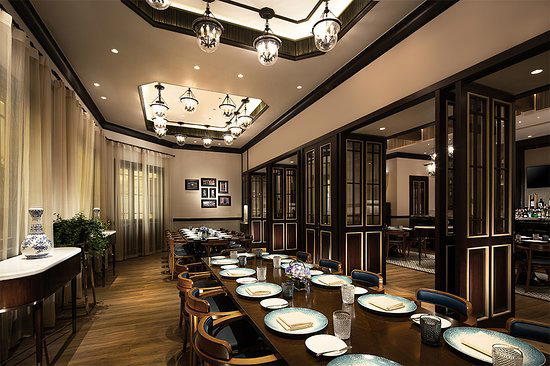
The room sits in one of Rome's more composed, quieter neighbourhoods, removed from the tourist-heavy centro storico. The atmosphere is contained rather than theatrical — this is not a buzzy, high-energy dining room, and that is part of the appeal if you are booking for a date or a considered dinner with someone you want to talk to. Energy is calm, service-focused, and consistent with the kind of Japanese hospitality philosophy that prioritises the diner's comfort over performance. For a special occasion that does not require a grand spectacle, that calibration works well.
The menu covers the kind of range you would find at a serious Japanese kitchen: fish preparations, dumplings, ramen, fried dishes, and ingredients cooked on a yakimono grill. What distinguishes Kohaku, according to Michelin's assessment, is that the quality sits well above what the breadth of the menu might suggest. A kitchen running this many categories simultaneously often loses precision somewhere. The fact that Michelin's inspectors noted that "everything comes as a pleasant surprise" points to sourcing discipline as the likely explanation: when ingredients are selected with care at the market and import level, the variance in quality across a broad menu narrows considerably. Japanese Contemporary cuisine at this price tier lives or dies on the quality of its fish, and a Michelin Plate in 2025 is a reasonable signal that Kohaku is sourcing well enough to hold the standard.
Centrepiece of an evening visit is the 8-course kohaku kaiseki tasting menu, available at dinner. Kaiseki is a structured, sequential format rooted in Japanese culinary tradition, where each course is calibrated in weight, temperature, and technique to build a coherent progression through the meal. If you have never eaten kaiseki before, Kohaku's version at €€ pricing represents a considerably lower financial commitment than you would face at a dedicated kaiseki room in London, Paris, or Tokyo, while still following the format seriously. For a special occasion dinner, this is the version to book, it removes the decision burden of ordering and gives the kitchen the clearest runway to show what it can do. For reference, Japanese Contemporary restaurants operating at comparable depth elsewhere in Europe, such as The Japanese Restaurant in Andermatt or Eika in Taipei, typically charge considerably more for structured tasting menus at this recognition level.
For those who prefer à la carte, the broader menu offers genuine flexibility. The fish and yakimono sections in particular are worth attention given what a Michelin Plate implies about sourcing consistency. Ramen and dumplings round out the offer for diners who want something more casual without booking a full tasting format.
Booking and Timing
Booking difficulty is rated easy, meaning you are unlikely to face the weeks-long wait you would encounter at Rome's top-tier rooms like La Pergola or Il Pagliaccio. For a standard weeknight dinner, a few days' notice should be sufficient. For Saturday evenings or if you are planning around the kaiseki menu specifically, book a week to ten days ahead to secure your preferred time slot. The address is Via Marche, 66, in the 00187 postcode, within the Veneto area near the best of the Spanish Steps neighbourhood, which is well-served by taxis and walking distance from several central hotels.
Rome's Japanese dining scene is small by European capital standards. If you are comparing options, Sushisen is the closest peer worth considering. Kohaku's Michelin Plate and the kaiseki offer give it the edge for a structured, occasion-worthy dinner. For broader context on where to eat across the city, see our full Rome restaurants guide. If you are planning a wider trip, our Rome hotels guide, Rome bars guide, Rome wineries guide, and Rome experiences guide cover the rest of the itinerary.
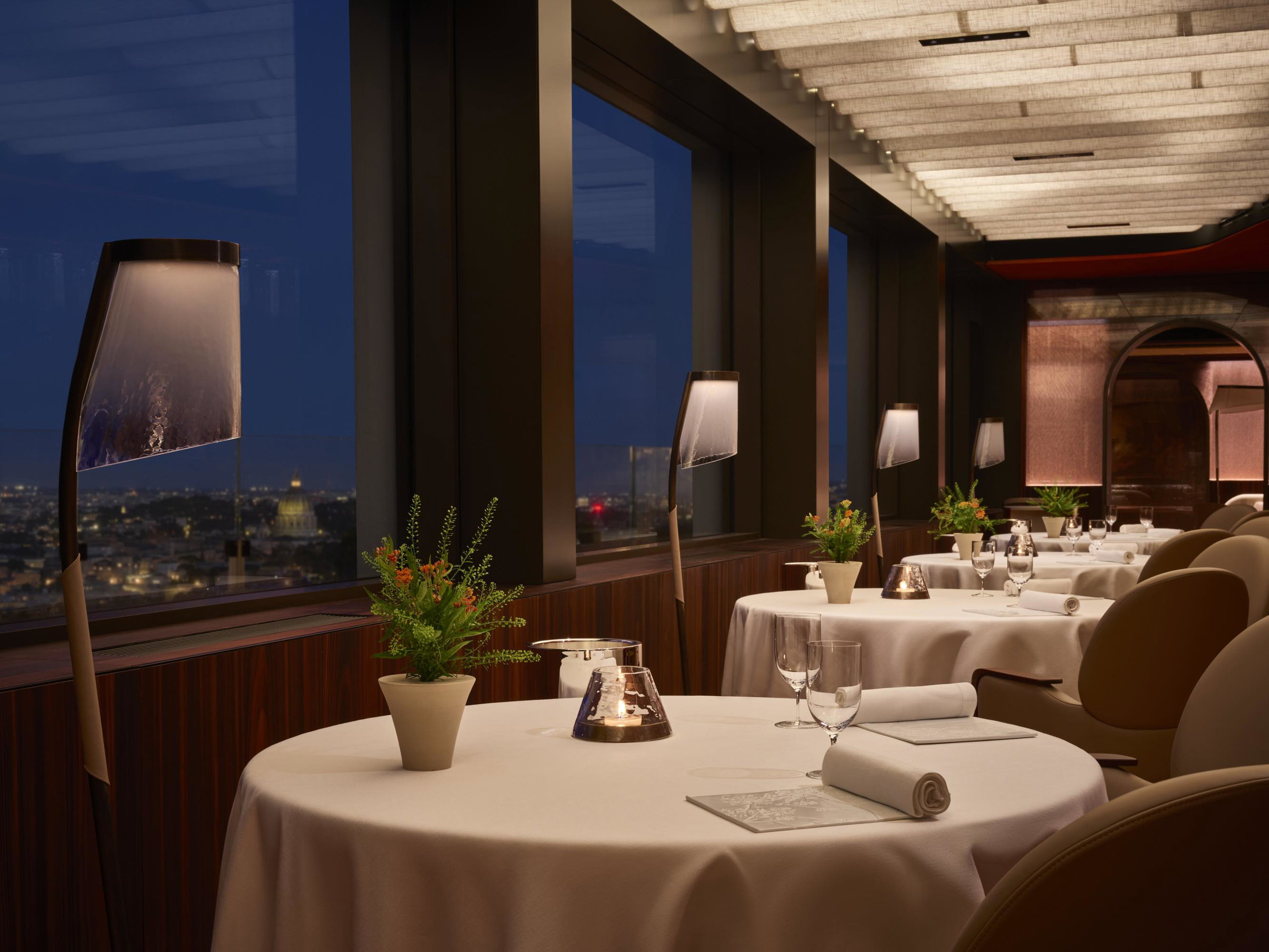
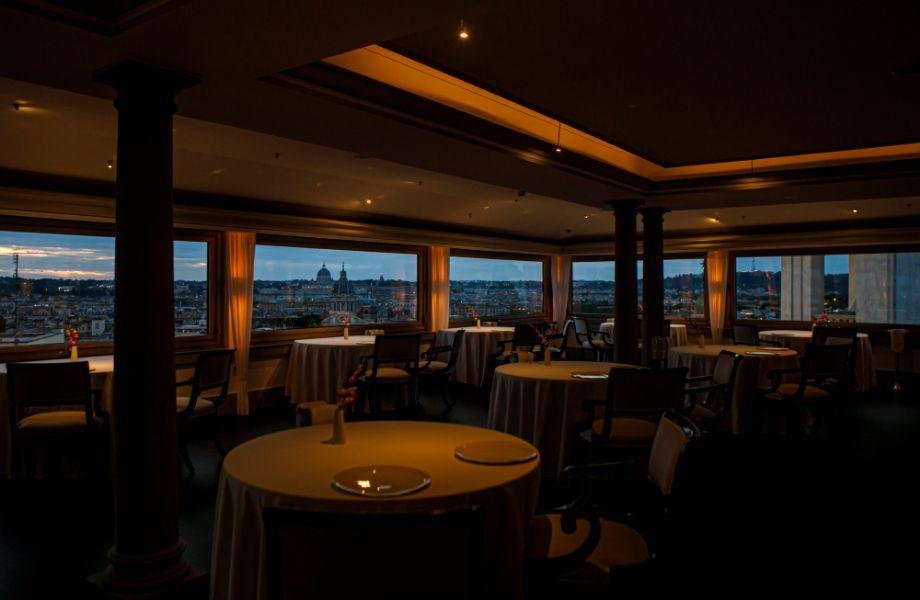
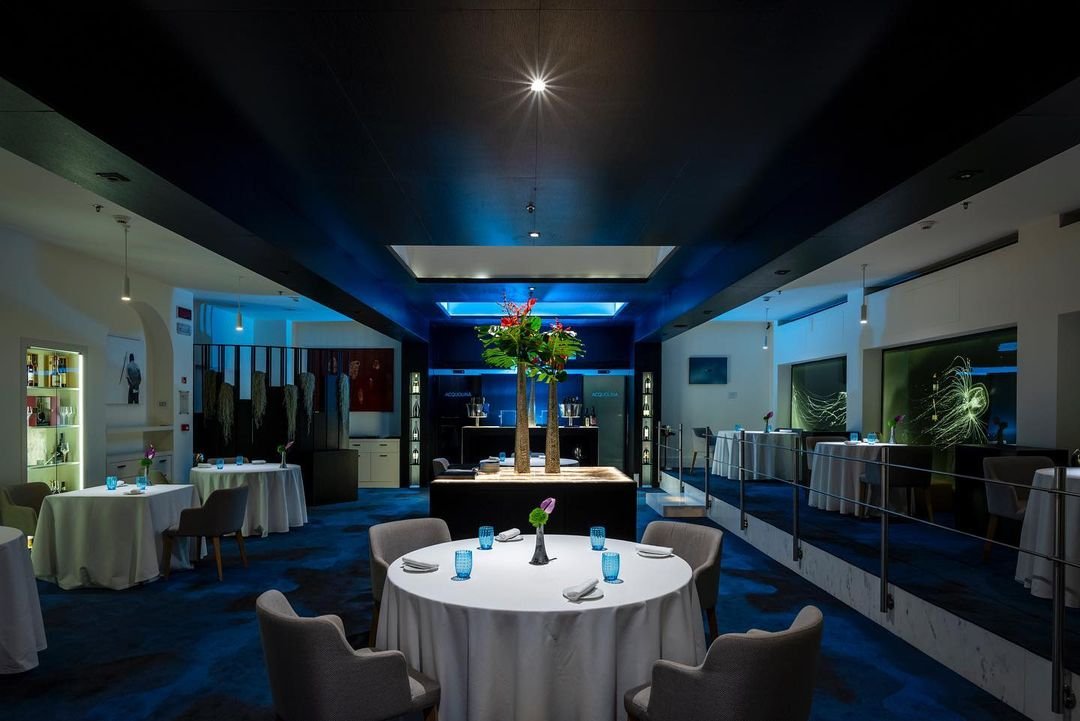
Italy's broader fine-dining conversation sits at restaurants like Osteria Francescana in Modena, Enoteca Pinchiorri in Florence, Le Calandre in Rubano, Dal Pescatore in Runate, Enrico Bartolini in Milan, and Atelier Moessmer Norbert Niederkofler in Brunico. Kohaku operates in a different register, Japanese rather than Italian, mid-price rather than splurge, but it holds its own within Rome specifically. Among Rome's creative and contemporary rooms, Acquolina and Enoteca La Torre are the Italian-leaning alternatives worth shortlisting if Japanese cuisine is not the priority.
The Verdict
Book Kohaku if you want Japanese Contemporary dining in Rome at a price that does not require a significant financial commitment, and if the kaiseki format or a well-sourced fish-led menu appeals to you. Book the 8-course kaiseki for evening visits. Reserve à la carte for a more relaxed, drop-in feel.
Planning details
- Location
- Via Marche, 66, 00187 Roma RM, Italy
- Reservations
- Book on Superb
- Website
- kohakurome.com
- Phone
- +39 06 4566 5202
The take
The Take
The Vibe
Kohaku reads as a focused, contemporary Japanese counter tucked into a quieter Roman neighbourhood. The room centers on the counter experience, producing an intimate rhythm between chefs and guests; the writing frames the kitchen as serious and restrained rather than fusion-oriented. Michelin Plate recognition and consistently high reviews underscore an exacting approach to execution, while the residential setting keeps the atmosphere low-key and repeat-driven. Overall, Kohaku feels like a quietly confident, modern tasting-room where the precision of technique and the directness of presentation are the principal attractions.
Best For
Kohaku is best encountered at dinner, particularly for those seeking a structured tasting or a focused sushi service. The kaiseki tasting menu and nigiri moriawase are signature ways to experience the kitchen’s craft, and the Michelin Plate recognition signals reliably high execution. The counter format and intimate scale make it especially well suited to date nights and special occasions when a thoughtful, multi-course progression is desired. Its location in a residential part of Rome also favors repeat visitors and diners who want a quieter, more considered evening.
Ordering Tips
Opt for the kaiseki tasting menu or the nigiri moriawase to sample the kitchen’s range—signature items include tuna belly, duck, and mixed tempura. Because the restaurant is counter-focused and described as small with a loyal, repeat clientele and strong reviews, book ahead to secure counter seats; the setup rewards close observation of technique. Stick to the chef-led sequences rather than à la carte if you want the most representative experience of Kohaku’s contemporary Japanese approach.
Venue details
Ambiance
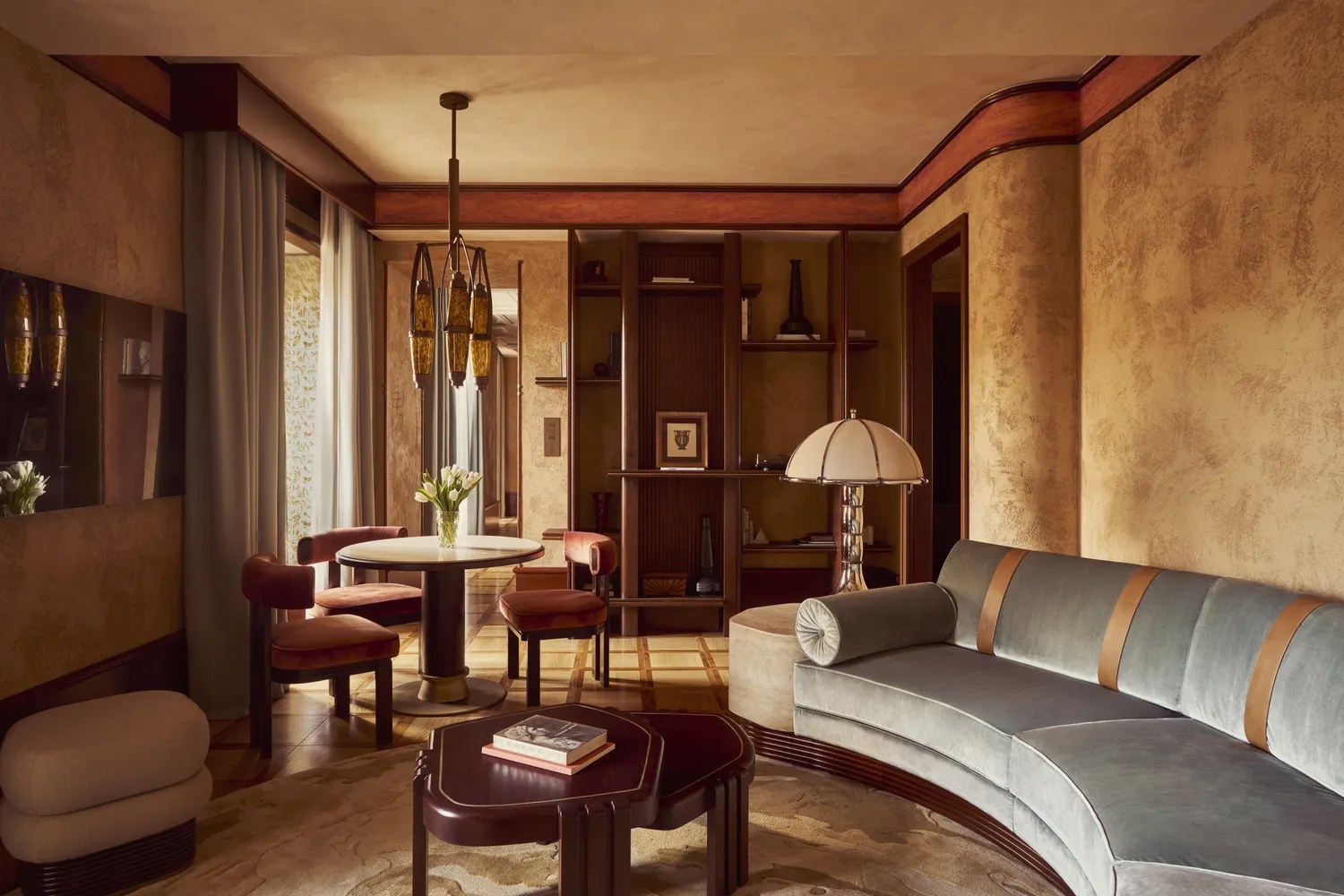
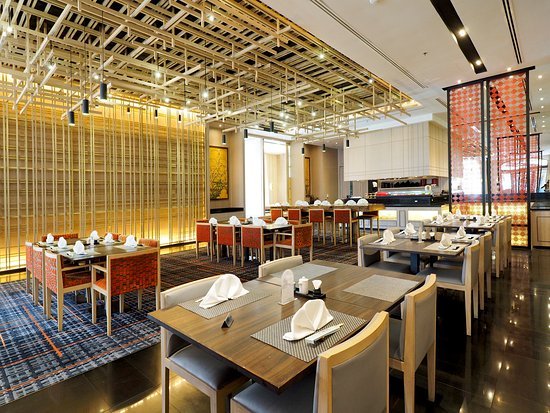
Refined and elegant minimalist environment with Japanese aesthetics reminiscent of Kyoto's Gion district; serene, intimate lighting with attention to detail throughout.
Tags
Vibe
Best For
Experience
At the Table
- Dress Code
- Smart Casual
- Noise Level
- Quiet
- Service Style
- Omakase Bar
- Meal Pacing
- Extended Experience
- Capacity
- Small
- Kitchen
- Traditional
- Menu Format
- Omakase, Tasting menu, A la carte
- Wine Program
- Curated
- Drinks Focus
- Sake
- Dietary
- Allergy accommodating
Signature Dishes
- tuna belly
- duck
- mixed tempura
- nigiri moriawase
- kohaku kaiseki tasting menu
Know before you go
Know Before You Go
- Getting there
- Via Marche, 66, 00187 Roma RM, Italy
Planning details
Location
Recognition and awards
Also consider
Also Consider
- Enoteca La Torre, Creative, €€€€
- Il Pagliaccio, Contemporary Italian, Creative, €€€€
- Aroma, Modern Cuisine, €€€€
- Idylio by Apreda, Modern Italian, Italian Contemporary, €€€€
- La Palta, Country cooking, €€€
Restaurant context
How Kohaku Compares to Other Rome Restaurants
Kohaku operates at €€, which puts it in a different financial bracket from nearly all of Rome's recognised fine-dining rooms. Enoteca La Torre, Il Pagliaccio, Aroma, and Idylio by Apreda all sit at €€€€ and are competing for a different diner, one who wants Italian or Mediterranean creative cooking at a premium spend. If your goal is a serious tasting-menu experience in Rome and cuisine type is flexible, those rooms offer more theatrical dining and deeper wine programs. But if you are specifically after Japanese Contemporary, none of them are relevant competition.
The more useful comparison is value per course. At €€, Kohaku's kaiseki format delivers a structured multi-course dinner at a fraction of what you would pay at Il Pagliaccio or Enoteca La Torre for a comparable number of courses. La Palta at €€€ sits closer in price tier but serves country cooking in a completely different register. For diners choosing between a mid-price Japanese dinner and a mid-to-upper Italian room, Kohaku wins on distinctiveness, there is no direct Italian equivalent to a kaiseki format in Rome at this price.
The practical verdict: if you are eating in Rome for a week and want one non-Italian dinner, Kohaku is the clearest answer at its price point. If budget allows and you want the most technically ambitious evening in the city, Il Pagliaccio or Enoteca La Torre will deliver more complexity. But for the combination of Michelin recognition, accessible pricing, and a format that is genuinely different from Rome's default Italian offer, Kohaku is the easier booking and the better value.
Around this place
Discover more on Pearl
Unlock the full Kohaku guide in Pearl, including awards, comparisons, FAQs, planning details, and nearby places.
Compare Kohaku
| Venue | Cuisine | Price | Awards | Booking Difficulty |
|---|---|---|---|---|
| Kohaku | Japanese Contemporary | €€ | 2026 Michelin Plate2025 Michelin Plate | Easy |
| Enoteca La Torre | Creative | €€€€ | 2026 La Liste Top Restaurants2026 Michelin 2 Stars2026 Falstaff Restaurant Guide2025 OAD Classical in Europe Ranked · #2562025 La Liste Top Restaurants2025 Michelin 2 Stars2024 OAD Classical in Europe Ranked · #2082024 Michelin 2 Stars | Unknown |
| Il Pagliaccio | Contemporary Italian, Creative | €€€€ | 2026 OAD Classical in Europe Ranked · #121Star Wine Lists 20262026 Wine Spectator Best of Award of Excellence2026 Les Grandes Tables du Monde Members2026 Michelin 2 Stars2026 La Liste Top Restaurants2026 Falstaff Restaurant Guide2025 OAD Classical in Europe Ranked · #1162025 Wine Spectator Best of Award of Excellence | Unknown |
| Aroma | Modern Cuisine | €€€€ | We're Smart World Top Restaurants 20252025 Michelin Plate | Unknown |
| Idylio by Apreda | Modern Italian, Italian Contemporary | €€€€ | 2026 OAD Top Restaurants in Europe Recommended2026 La Liste Top Restaurants2026 Michelin 1 Star2025 OAD Top Restaurants in Europe Ranked · #5152025 La Liste Top Restaurants2025 The Best Chef One Knife2025 Michelin 1 Star2024 OAD Top Restaurants in Europe Ranked · #4802024 Michelin 1 Star | Unknown |
| La Palta | Country cooking | €€€ | 2026 OAD Top Restaurants in Europe Recommended2026 Michelin 1 Star2025 OAD Casual in North America Ranked · #8142025 Michelin 1 Star2025 The Best Chef One Knife2024 OAD Casual in North America Ranked · #7812024 Michelin 1 Star2023 OAD Casual in North America Recommended | Unknown |











How Kohaku stacks up against the competition.
FAQ
Frequently Asked Questions
Does Kohaku handle dietary restrictions?
The menu is broad enough to work around common restrictions: the kitchen covers fish, dumplings, ramen, fried dishes, and yakimono grill items, so there is room to manoeuvre. For the 8-course kaiseki, contact Kohaku directly ahead of booking to flag any requirements, as tasting menus leave less flexibility than à la carte. Kohaku's address is Via Marche 66, Rome, if you need to visit in person to discuss in advance.
Is Kohaku good for a special occasion?
Yes, particularly if the occasion calls for something quieter and less tourist-facing than central Rome dining. The Veneto district setting keeps the atmosphere composed, and the 8-course kohaku kaiseki tasting menu available in the evening gives the meal a clear sense of occasion. At a €€ price point, it delivers that special-occasion feeling without the bill you'd face at Rome's Michelin-starred Italian restaurants.
Is Kohaku worth the price?
At €€, it's one of the stronger value propositions for Michelin Plate-recognised dining in Rome. The kaiseki tasting menu and the à la carte range both sit at a price level where the quality-to-cost ratio makes sense, especially compared to Roman restaurants with equivalent or lower recognition. If you're weighing spend carefully, Kohaku is easier to justify than the city's starred options without feeling like a compromise.
Is Kohaku good for solo dining?
It's a practical solo choice: the à la carte format across fish, dumplings, ramen, and yakimono dishes means you can build a meal to your own pace and appetite without being locked into a shared format. The evening kaiseki tasting menu also works solo if you want a structured experience. The Veneto district location, away from Rome's busier tourist zones, tends to produce a calmer room that suits solo diners.
Can Kohaku accommodate groups?
Groups are feasible given the range of dishes across the menu, but contact Kohaku directly at Via Marche 66 before booking a large party, as no specific private dining or group booking policy is documented. For groups wanting a shared format, the 8-course kaiseki tasting menu in the evening is the cleaner option rather than coordinating across à la carte. Groups with mixed dietary preferences may find the broad menu span helpful.
Is the tasting menu worth it at Kohaku?
Yes, if you want a structured introduction to Japanese cuisine in Rome. The 8-course kohaku kaiseki is the kitchen's clearest statement of what it does, and Michelin's 2025 Plate recognition suggests the quality holds up. For those already familiar with kaiseki formats, it's worth noting that Kohaku's version is designed as a complete immersion rather than a brief tasting flight, so factor in the time commitment for an evening sitting.
What are alternatives to Kohaku in Rome?
For Italian fine dining with Michelin recognition at a higher price point, Il Pagliaccio (two Michelin stars) and Idylio by Apreda are the obvious steps up. Aroma offers the Colosseum-view experience for a different kind of occasion spend. If the draw is value-for-quality Italian rather than Japanese, Enoteca La Torre and La Palta both reward serious food interest. None of these replicate Kohaku's Japanese Contemporary format, so they're alternatives only if cuisine type is flexible.