.png?width=1200&quality=80)
Cacciani
Cuisine from Lazio · Frascati, Rome
Restaurant in Rome, Italy
 Book with Pearl
The Read
Century-Deep Cucina Laziale
Price
$50–100per person
Dress
Smart Casual
Why go
A family-run Frascati institution with over 100 years of Lazio regional cooking and back-to-back Michelin Plate recognition in 2024 and 2025. At €€ per head, it delivers consistent, unfussy regional classics and a panoramic terrace that justifies the 30-minute drive from Rome. Book a few days ahead and request the terrace when the weather is good.
About Cacciani
A Century of the Same Kitchen — And That's Exactly the Point
If you've eaten at Cacciani before, you already know what you're coming back for: the same regional recipes that have defined this Frascati address for over 100 years, the panoramic terrace on a clear day, and the kind of unhurried service that a family-run room in the Castelli Romani does better than most trattorias closer to Rome's city centre. First-timers should know upfront that this is not a restaurant chasing trends. Cacciani has held consecutive Michelin Plate recognition in 2024 and 2025, which is the guide's signal that the cooking is sound and consistent rather than technically dazzling. That distinction matters when you're deciding whether to make the trip out of Rome.
The case for booking Cacciani is direct if Lazio's regional cooking is what you want. The menu reads as a committed document of the area's traditions — classic dishes from the region, a couple of fish and seafood options for variety, and, if the Michelin notes are anything to go by, a focaccia served alongside the bread that is worth paying attention to. At a €€ price point, this is accessible cooking with a credible pedigree. The question is whether a 30-minute drive from Rome suits your itinerary and expectations.
Service That Matches the Setting
A family operation running for over a century earns its reputation in one of two ways: either it coasts on name recognition, or it maintains a genuine sense of hospitality that money can't manufacture at newer addresses. Cacciani appears to be the latter. For first-timers, expect attentive but unfussy service, this is not the kind of place where staff recite provenance monologues for every ingredient. The dining room reflects the restaurant's history in its feel, and the panoramic terrace is the seat to request if you're visiting on a fine day. At the €€ tier, you're not paying for theatre; you're paying for a family who takes the food seriously and knows this menu cold.
Where the service model earns its price is in the consistency. A restaurant that has been run by the same family for over 100 years either understands its guests or it doesn't survive. Cacciani has survived. Compared to Rome's more trend-driven rooms, the service here is less about performance and more about making sure you eat well and leave satisfied. For a first-time visitor who wants to understand what Castelli Romani cooking actually tastes like, that's the right priority.
What to Know Before You Go
Frascati sits in the Castelli Romani hills south-east of Rome, a region with its own wine tradition and a culinary identity built around the kind of strong, ingredient-led dishes that don't need reinvention. Cacciani has been part of that identity for over a century. For context on similarly committed regional cooking in Lazio, Degli Angeli in Magliano Sabina and Mingone in Carnello operate in comparable territory, regional, unpretentious, and worth the drive.
If your Rome trip is primarily restaurant-focused and you want to stay in the city, there are strong options closer to the centre. ConTatto, L'Osteria della Trippa, and Trattoria Pennestri all offer Roman and Lazio-adjacent cooking without the logistics of leaving the city. But if you're building a day around a drive into the hills, which is a perfectly sensible way to spend an afternoon around Rome, Cacciani is the kind of destination that justifies the effort. Pair it with a visit to the wine producers of the Castelli Romani and you have a coherent half-day out. See our full Rome restaurants guide, Rome hotels guide, Rome bars guide, and Rome experiences guide for broader planning.
For those benchmarking Cacciani against Italy's wider regional dining scene, the commitment to place-specific cooking is a value shared by restaurants like Dal Pescatore in Runate and Reale in Castel di Sangro, though both operate at significantly higher price points and with more elaborate technique. Closer in spirit to the Cacciani model are Li Somari and Sora Maria e Arcangelo, both of which share the same emphasis on regional tradition over modernist ambition.
Know Before You Go
- Address: Via Armando Diaz, 13, 00044 Frascati RM, Italy
- Price range: €€ (mid-range; accessible for the quality and setting)
- Booking difficulty: Easy, advance booking recommended but not weeks out
- Cuisine: Cuisine from Lazio; regional classics, some fish and seafood options
- Recognition:
- Terrace: Panoramic terrace available, worth requesting when booking
- Getting there: Approximately 30 minutes from central Rome by car or regional train to Frascati
- Phone/website: Not listed, check Google or local booking platforms for current hours and reservations
Pearl Picks, If You're Planning Further
- Osteria Francescana in Modena, for Italy's most celebrated regional-turned-creative kitchen
- Uliassi in Senigallia, coastal Italian at a higher technical register
- Quattro Passi in Marina del Cantone, southern Italian with serious Michelin weight
- Atelier Moessmer Norbert Niederkofler in Brunico, regional Italian taken to its logical extreme
Planning details
- Location
- Via Armando Diaz, 13, 00044 Frascati RM, Italy
- Website
- cacciani.it
- Phone
- +39 06 942 0378
The take
The Take
The Vibe
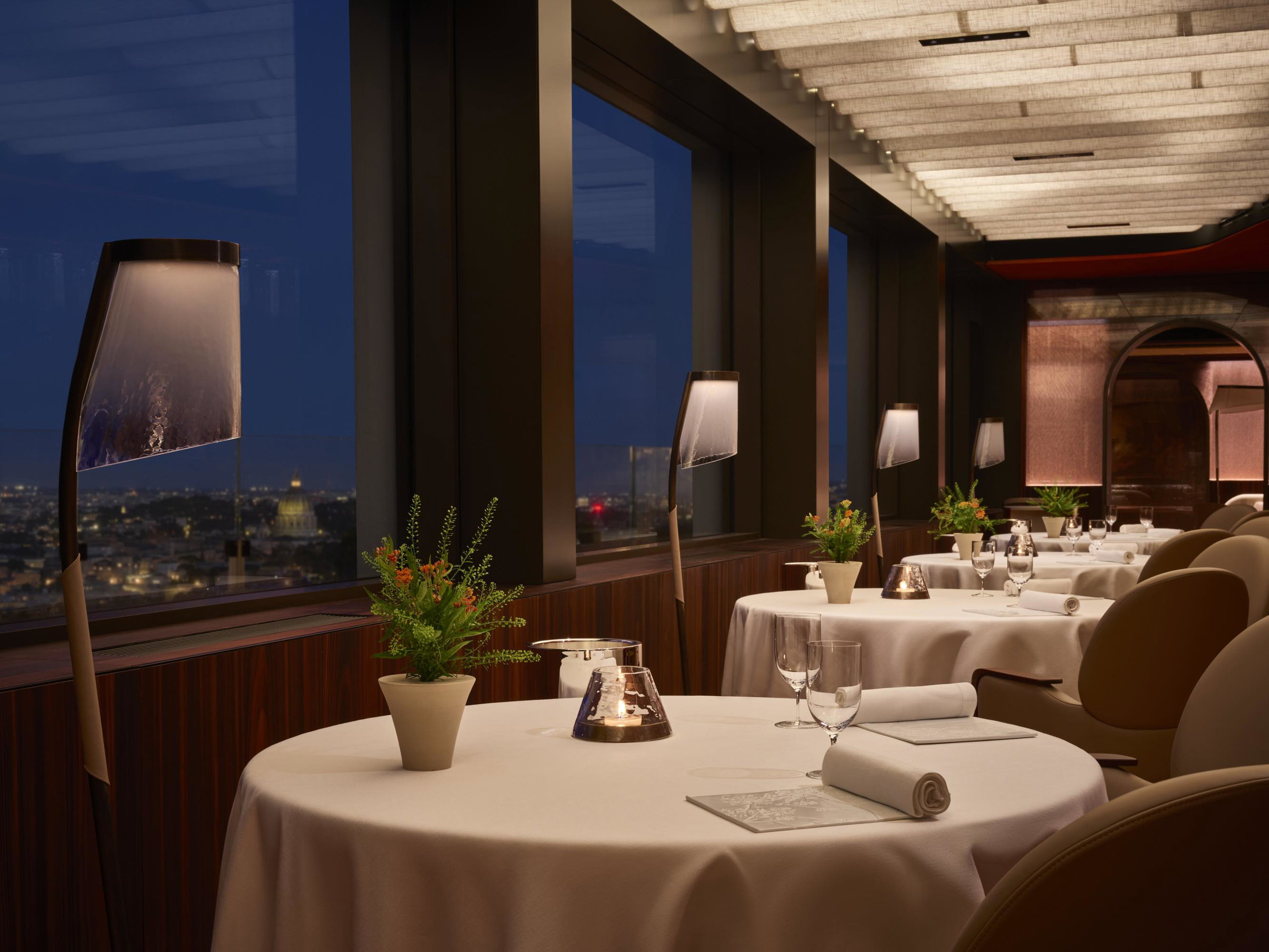
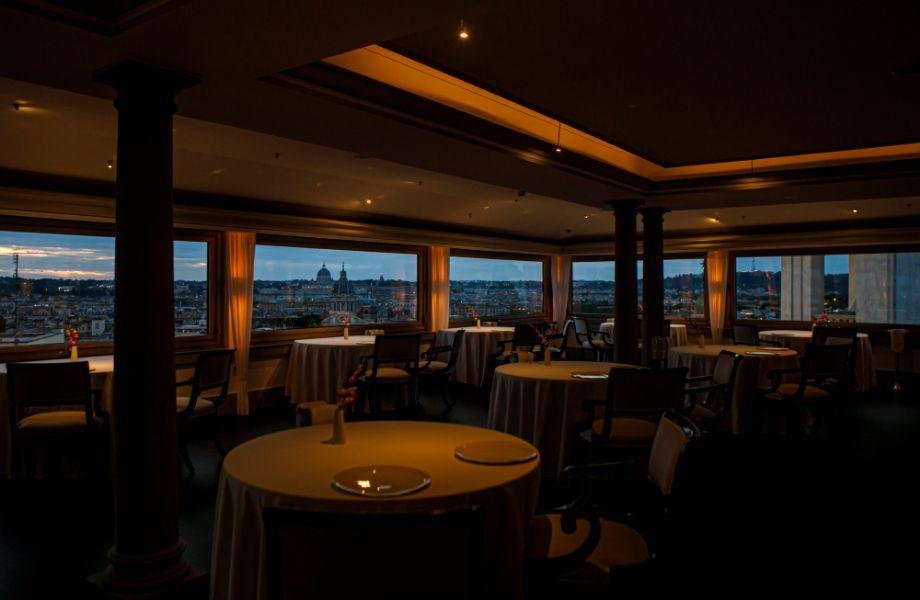
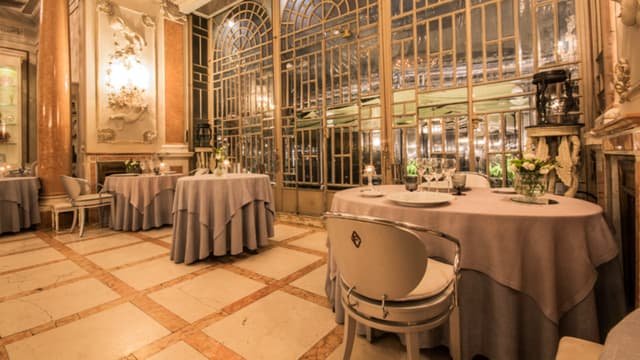
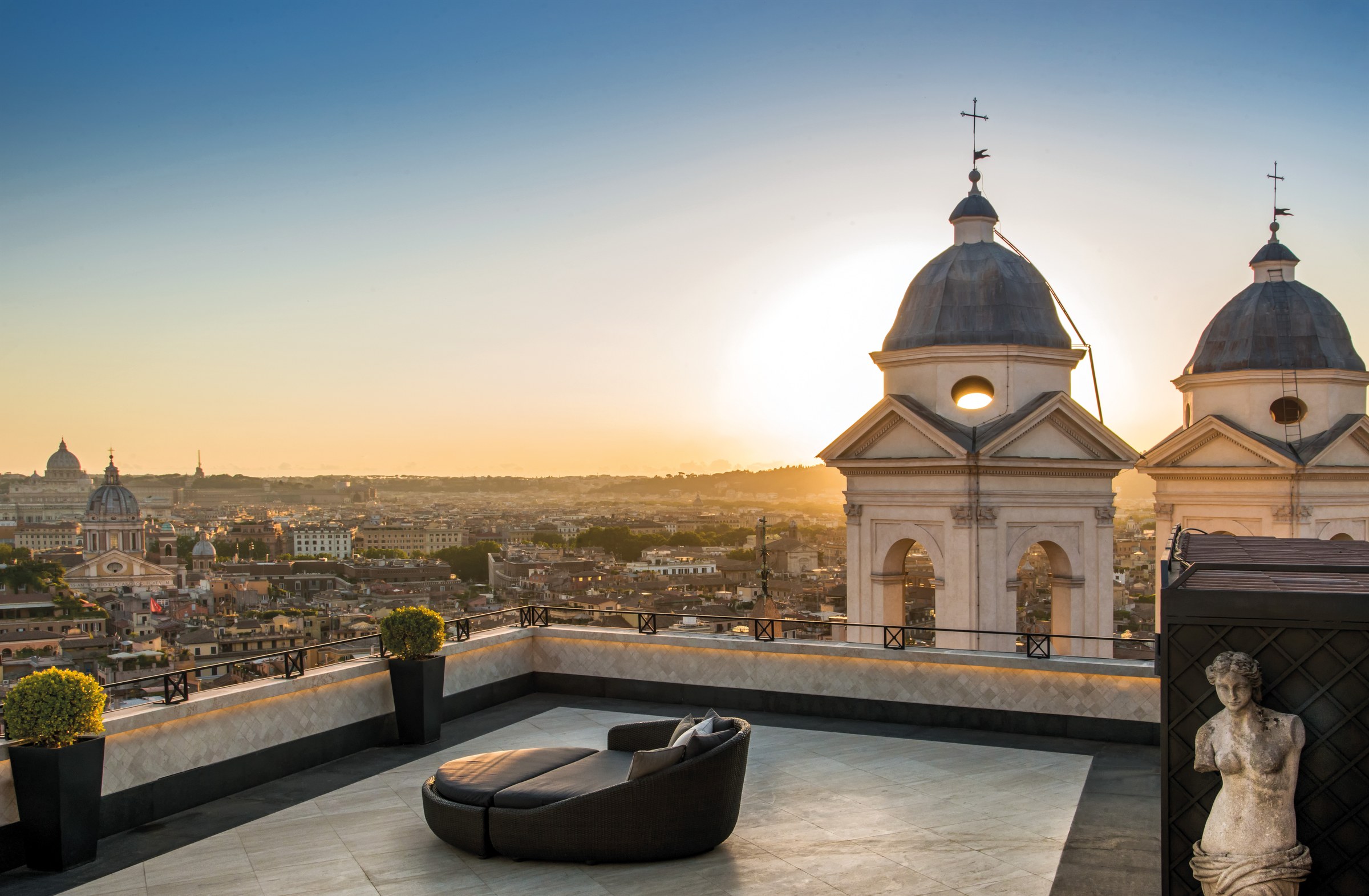
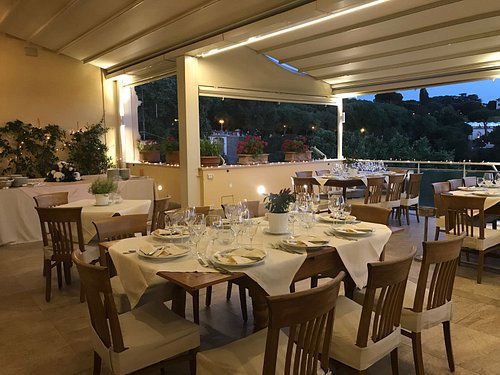
Cacciani presents a historic, scenic dining experience that leans into its century of continuity. The dining room reads as a working restaurant that is very old rather than a museum piece, and the family-run continuity shows through both the service and the menu. Guests eat on a panoramic terrace that looks back toward Rome, anchoring meals in the Castelli Romani landscape. The overall tone is deliberate and unhurried: the place preserves regional Lazio cooking without chasing modern reinvention, so the setting and the food feel like two parts of a single, longstanding tradition.
Best For
Cacciani is best for travelers and locals who are treating a meal as an occasion rather than a quick stop. The view and terrace make it an appealing destination for day trips from Rome, leisurely afternoon lunches, and more formal evening dinners. Its long family history and adherence to Lazio's canon also suit celebrations and group dining where classic regional dishes are the draw. The restaurant's slower pace and panoramic setting encourage lingering over multiple courses and conversation, rather than rushed service.
Ordering Tips
Focus on the Lazio canon when ordering: the menu centers on regional classics that reflect a century of cooking. Signature plates such as porchetta tuscolana, pollo alla diavola, spaghetti all'assassina, and cacio e pepe are representative choices and good primers on the house style. The menu also includes a handful of fish and seafood options, so consider alternating meat and seafood dishes to sample the breadth of the kitchen. Given the emphasis on tradition, expect straightforward, well-executed preparations rather than modern reinterpretations.
Venue details
Ambiance
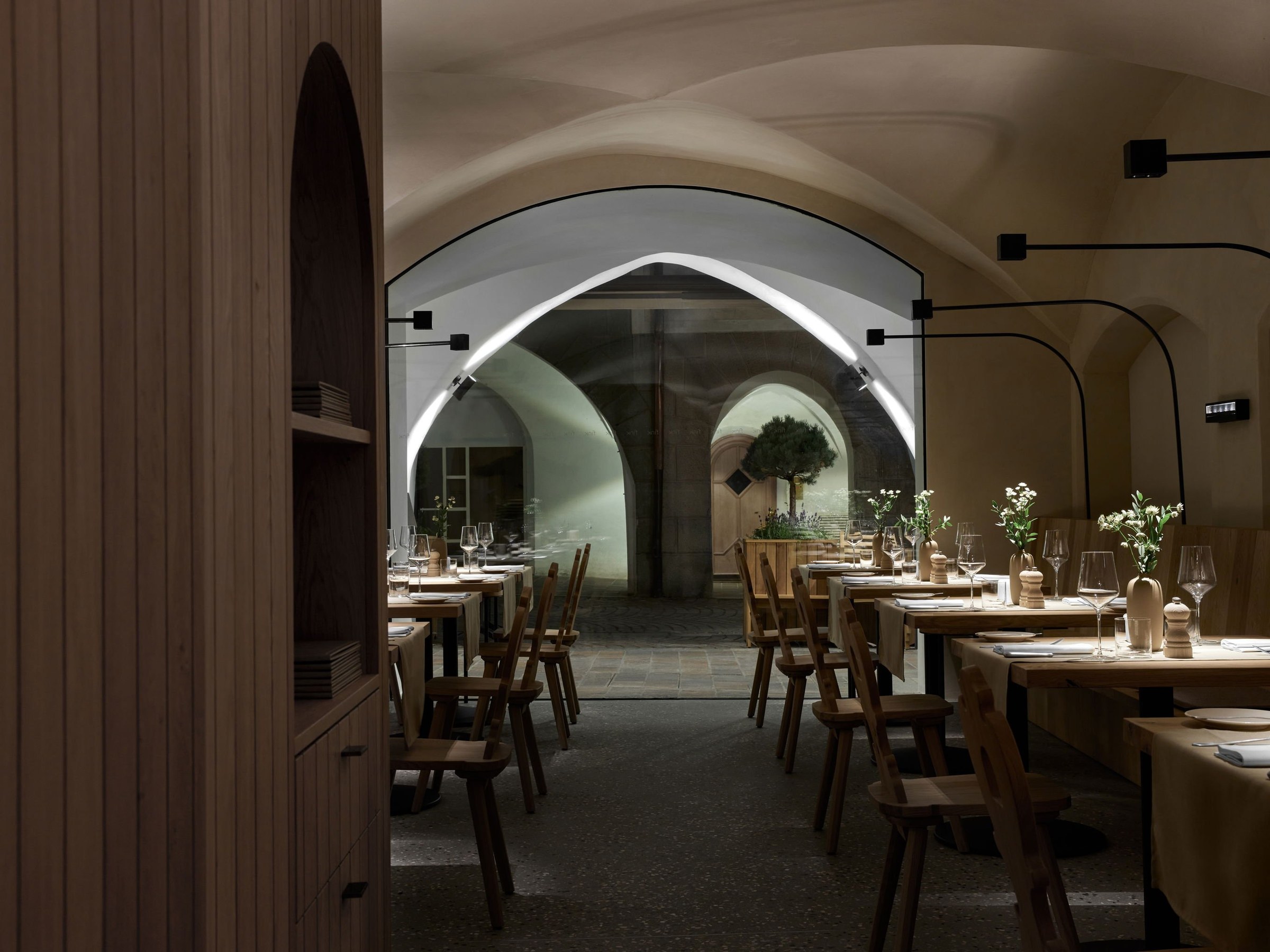
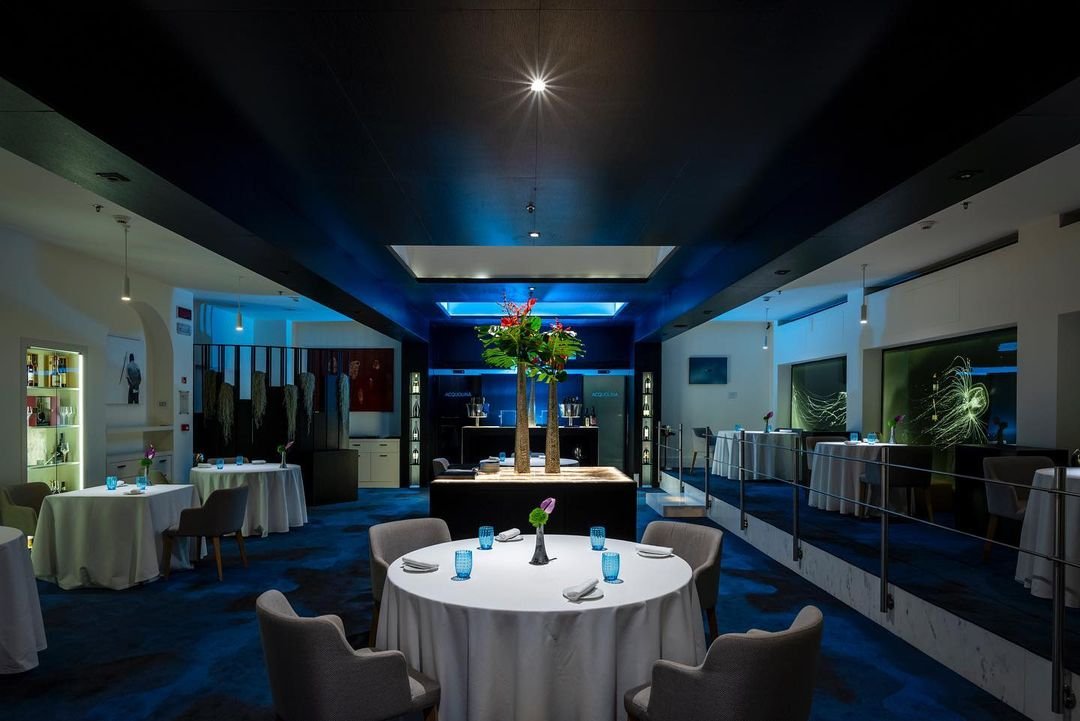
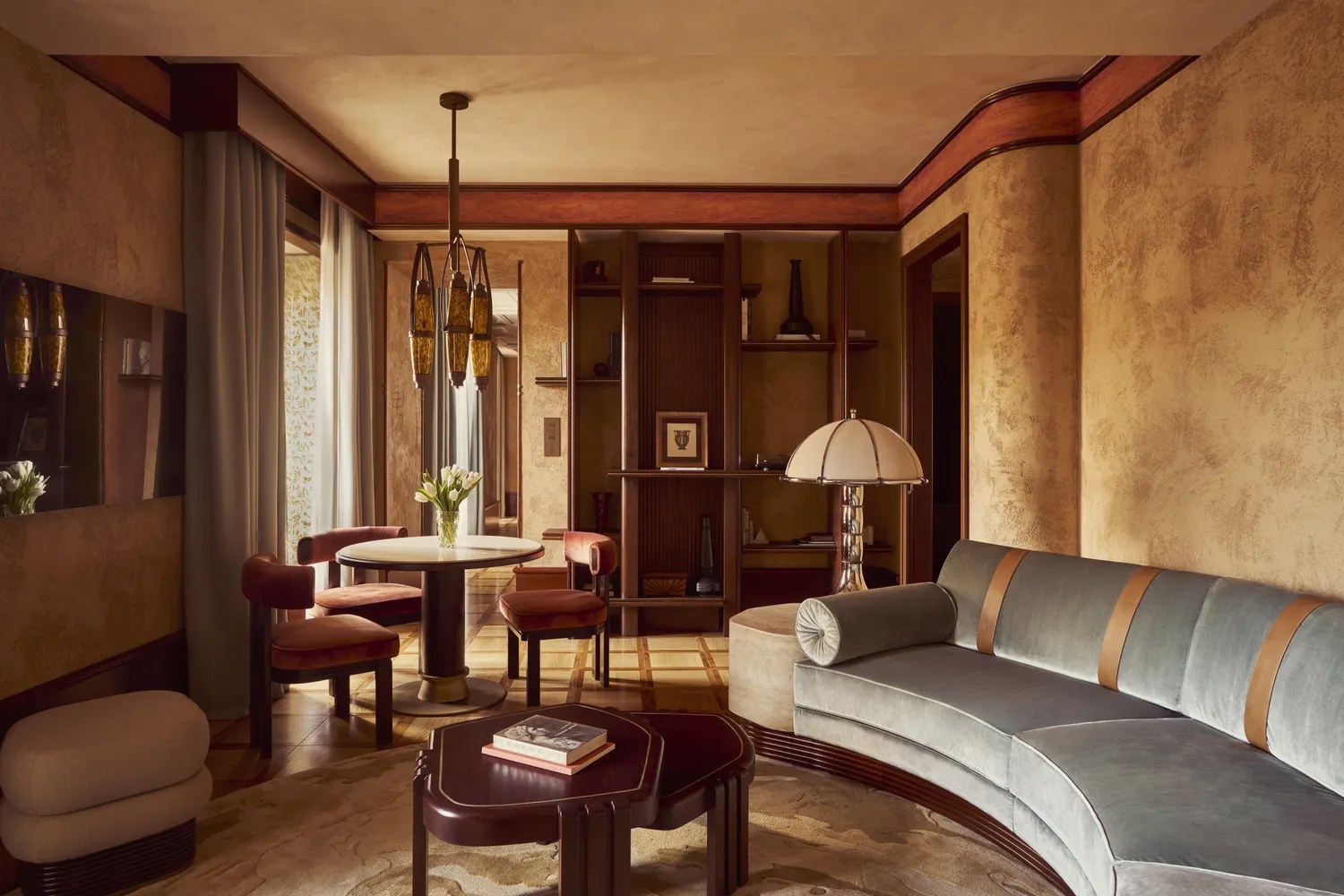
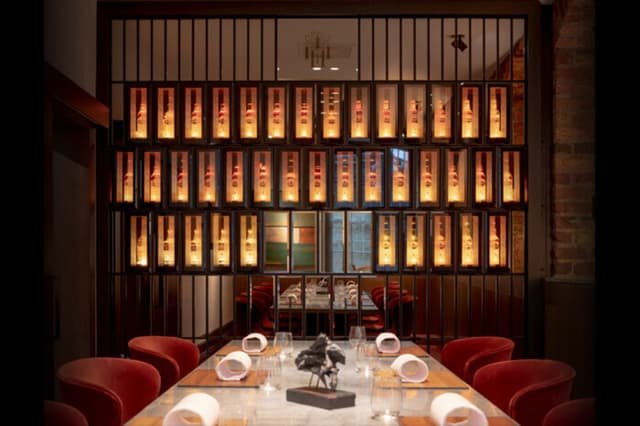
Classic dining room evoking long history with elegant, refined mise en place; panoramic terrace offers stunning vistas in a pleasant, professional atmosphere.
Tags
Vibe
Best For
Experience
Sourcing
View
At the Table
- Dress Code
- Smart Casual
- Noise Level
- Conversational
- Service Style
- Upscale Casual
- Meal Pacing
- Leisurely
- Capacity
- Large
- Kitchen
- Traditional
- Menu Format
- A la carte
- Wine Program
- Curated
- Dietary
- Vegetarian friendly, Vegan options, Gluten-free options
- Outdoor Seating
- Yes
Signature Dishes
- porchetta tuscolana
- pollo alla diavola
- spaghetti all'assassina
- cacio e pepe
Know before you go
Know Before You Go
- Getting there
- Via Armando Diaz, 13, 00044 Frascati RM, Italy
Planning details
Location
Recognition and awards
Also consider
Also Consider
- Il Pagliaccio, Contemporary Italian, Creative, €€€€
- Enoteca La Torre, Creative, €€€€
- Idylio by Apreda, Modern Italian, Italian Contemporary, €€€€
- La Palta, Country cooking, €€€
- Zia, Modern Italian, Innovative, €€€
Restaurant context
Cacciani sits at a completely different price point and ambition level from Rome's top-tier dining rooms. Il Pagliaccio, Enoteca La Torre, and Idylio by Apreda all operate at €€€€ with creative, technically demanding menus and the booking difficulty that comes with serious Michelin recognition. If your priority is contemporary Italian cooking at the highest technical register, those are the rooms to consider. Cacciani is not competing in that bracket and doesn't try to. Its Michelin Plate recognition is the guide's endorsement of reliability and regional honesty, a different category of recommendation entirely.
The more useful comparison for Cacciani is against mid-range options with a regional focus. La Palta and Zia both operate at €€€ with a modern Italian or country-cooking approach. Zia in particular has built a strong following for innovative cooking at a price below the starred rooms. For a first-time visitor to Rome deciding between Cacciani and Zia, the choice comes down to geography and intent: Zia keeps you in the city and offers more inventive cooking; Cacciani takes you out to Frascati for a century of unchanged regional recipes and a panoramic hillside setting. Both earn their price.
If regional Lazio cooking is specifically what you want and you'd rather stay in Rome, the city-centre options are narrower but workable. Cacciani's clearest advantage over most in-city trattorie is the combination of documented longevity, Michelin-acknowledged consistency, and a setting that no urban room can replicate. For that combination at €€ per head, it is difficult to find a stronger argument in the Castelli Romani area.
Around this place
Discover more on Pearl
Unlock the full Cacciani guide in Pearl, including awards, comparisons, FAQs, planning details, and nearby places.
Compare Cacciani
| Venue | Cuisine | Awards | Booking Difficulty |
|---|---|---|---|
| Cacciani | Cuisine from Lazio | 2026 Michelin Plate2025 Michelin Plate2024 Michelin Plate | Easy |
| Il Pagliaccio | Contemporary Italian, Creative | 2026 OAD Classical in Europe Ranked · #121Star Wine Lists 20262026 Wine Spectator Best of Award of Excellence2026 Les Grandes Tables du Monde Members2026 Michelin 2 Stars2026 La Liste Top Restaurants2026 Falstaff Restaurant Guide2025 OAD Classical in Europe Ranked · #1162025 Wine Spectator Best of Award of Excellence | Unknown |
| Enoteca La Torre | Creative | 2026 La Liste Top Restaurants2026 Michelin 2 Stars2026 Falstaff Restaurant Guide2025 OAD Classical in Europe Ranked · #2562025 La Liste Top Restaurants2025 Michelin 2 Stars2024 OAD Classical in Europe Ranked · #2082024 Michelin 2 Stars | Unknown |
| Idylio by Apreda | Modern Italian, Italian Contemporary | 2026 OAD Top Restaurants in Europe Recommended2026 La Liste Top Restaurants2026 Michelin 1 Star2025 OAD Top Restaurants in Europe Ranked · #5152025 La Liste Top Restaurants2025 The Best Chef One Knife2025 Michelin 1 Star2024 OAD Top Restaurants in Europe Ranked · #4802024 Michelin 1 Star | Unknown |
| La Palta | Country cooking | 2026 OAD Top Restaurants in Europe Recommended2026 Michelin 1 Star2025 OAD Casual in North America Ranked · #8142025 Michelin 1 Star2025 The Best Chef One Knife2024 OAD Casual in North America Ranked · #7812024 Michelin 1 Star2023 OAD Casual in North America Recommended | Unknown |
| Zia | Modern Italian, Innovative | 2026 OAD Top Restaurants in Europe Ranked · #992026 Michelin 1 Star2026 Falstaff Restaurant Guide2025 OAD Top Restaurants in Europe Ranked · #962025 Michelin 1 Star2025 The Best Chef One Knife2024 OAD Top Restaurants in Europe Ranked · #1002024 Michelin 1 Star2023 OAD Top New Restaurants in Europe Ranked · #140 | Unknown |










What to weigh when choosing between Cacciani and alternatives.
FAQ
Frequently Asked Questions
Is the tasting menu worth it at Cacciani?
Cacciani's identity is built around traditional Lazio recipes rather than a curated tasting format, so if you're expecting a progression of modern courses, this is the wrong room. The value here is in ordering across the regional menu — the focaccia alone signals the kitchen's priorities. For a chef-driven tasting experience in the Rome area, Il Pagliaccio or Idylio by Apreda are better fits.
How far ahead should I book Cacciani?
Book at least a week out for weekday visits; the panoramic terrace fills fast on weekends, especially in spring and summer when Frascati draws day-trippers from Rome. The restaurant's century-long reputation in the Castelli Romani region means it's a known destination, not an overlooked local spot. Terrace seats specifically are worth requesting when you reserve.
What should I wear to Cacciani?
Cacciani is a well-regarded family restaurant with a historic dining room and a popular terrace, not a formal fine-dining room. Neat casual clothing works well — think what you'd wear to a respected trattoria rather than a Michelin-starred tasting table. The Michelin Plate recognition (2024, 2025) signals quality cooking, not a dress-code-heavy environment.
Is Cacciani worth the price?
At €€ pricing, Cacciani sits in practical territory for what it delivers: over a century of regional cooking, Michelin Plate recognition two years running, and a panoramic Frascati terrace. For the quality of setting and the depth of Lazio tradition on the plate, it offers solid value compared to similarly priced spots in central Rome. The trip to Frascati adds effort, but the Castelli Romani location is part of the point.
What should I order at Cacciani?
Start with the focaccia — the venue data specifically calls it out as worth ordering, which is a reliable signal in a kitchen that otherwise lets its classics speak. Beyond that, the menu centres on traditional Lazio dishes, with a couple of fish and seafood options alongside the regional meat-based staples. Avoid over-ordering: this is a kitchen where straightforward execution of classics is the draw.
Is Cacciani good for solo dining?
Cacciani works fine for solo diners — the format is a traditional restaurant rather than a counter or tasting experience that rewards pairs or groups specifically. The dining room and terrace both accommodate individual guests without the awkwardness of a multi-course omakase setting. If you're visiting Frascati solo from Rome, the terrace lunch is the right call.