



All'Oro
Creative · Flaminio, Rome
Restaurant in Rome, Italy
 Book with Pearl
The Read
Roman Tradition, Reinterpreted
Price
$100–150per person
Chef
Riccardo Di Giacinto
Dress
Smart Casual
Why go
Riccardo Di Giacinto's Michelin-starred restaurant near Piazza del Popolo is the strongest case for creative Roman cooking at the €€€€ tier in the city. The kitchen reframes tradition — carbonara, lamb, tiramisù — into something conceptually alive and technically precise. Dinner only; book 3–4 weeks ahead minimum. The full plant-based All'Erbiv'Oro menu makes it practical for mixed groups.
About All'Oro
The Verdict
If you've been to All'Oro once, the question on a return visit isn't whether the food holds up — it's whether the experience has moved forward. Under Riccardo Di Giacinto, a Jeunes Restaurateurs d'Europe member who has held a Michelin star through 2024 and placed at #459 on the Opinionated About Dining Classical Europe list in 2025, the kitchen continues to rework Roman and Italian tradition into something that surprises without losing its footing. For creative Italian cooking in Rome at the €€€€ tier, this is one of the stronger cases for spending the money. If you've already done one visit, there's enough rotation in the menu's conceptual framework to reward coming back.
The Room and Setting
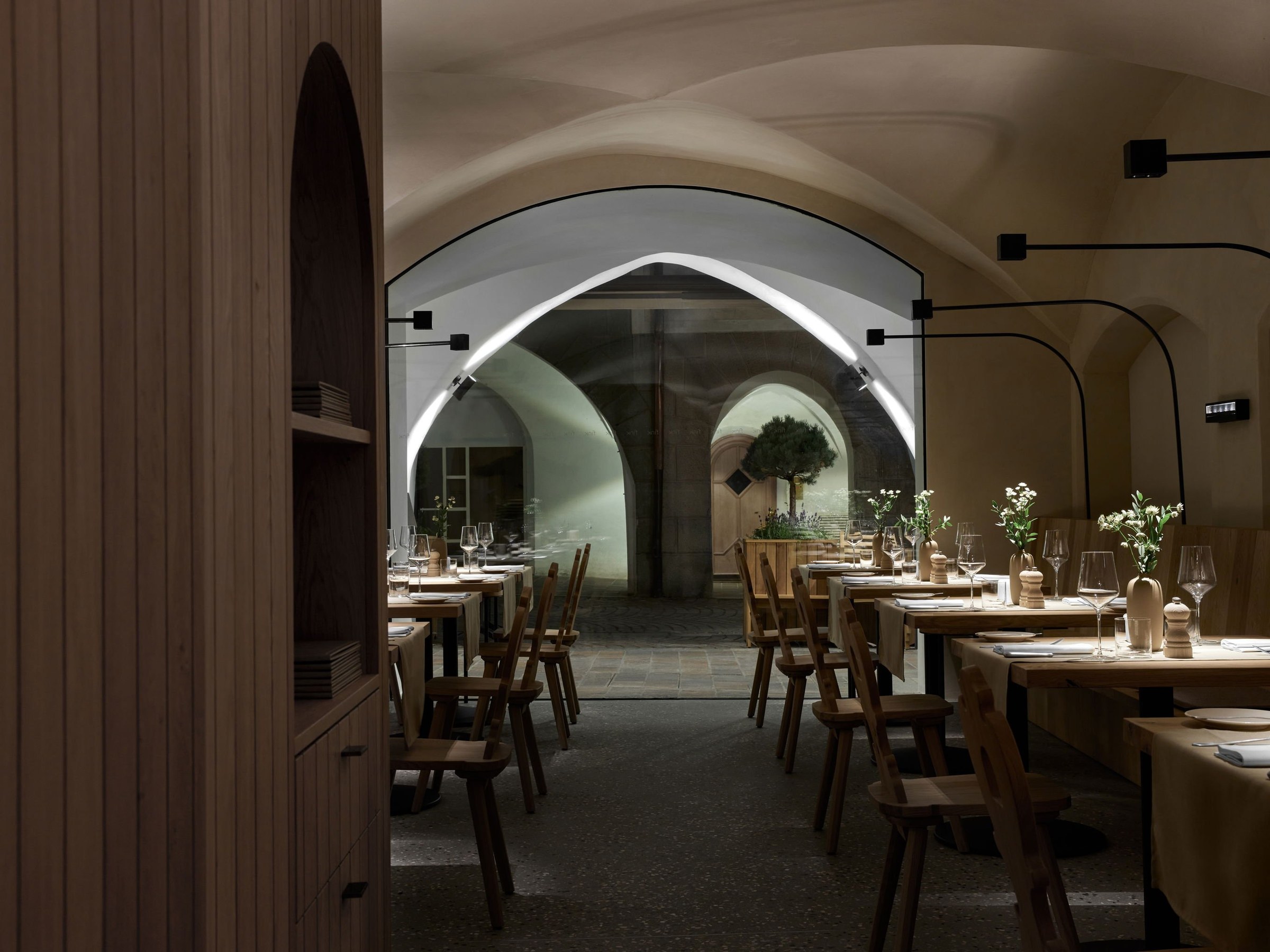
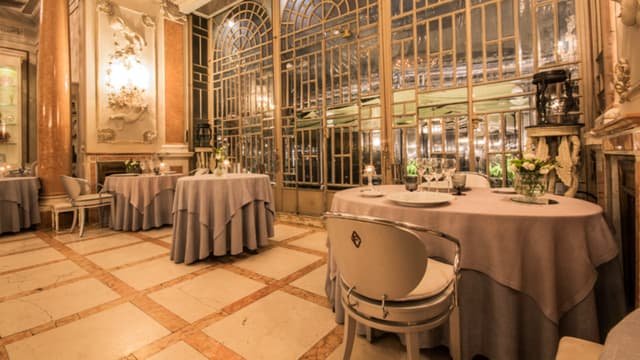
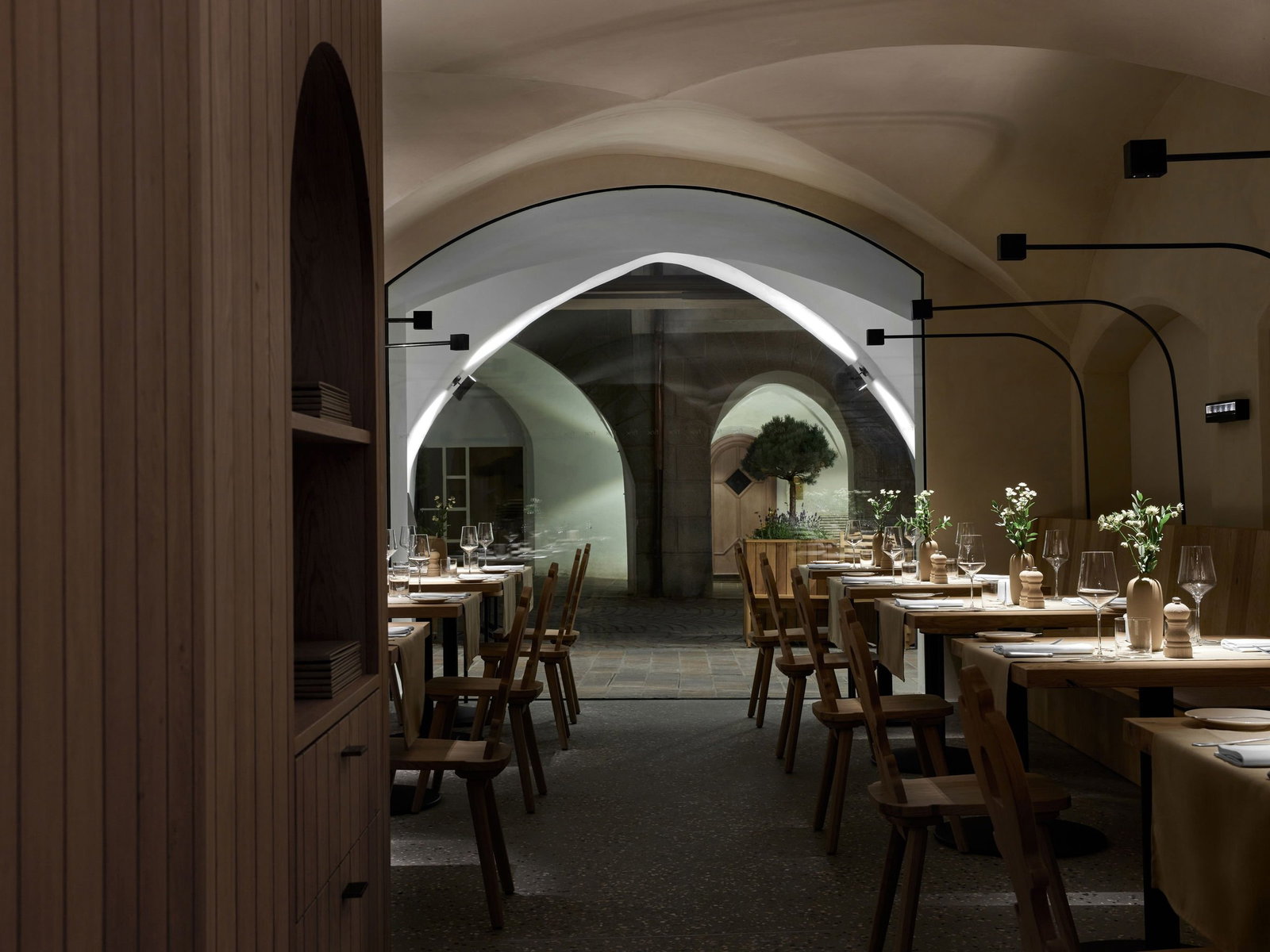
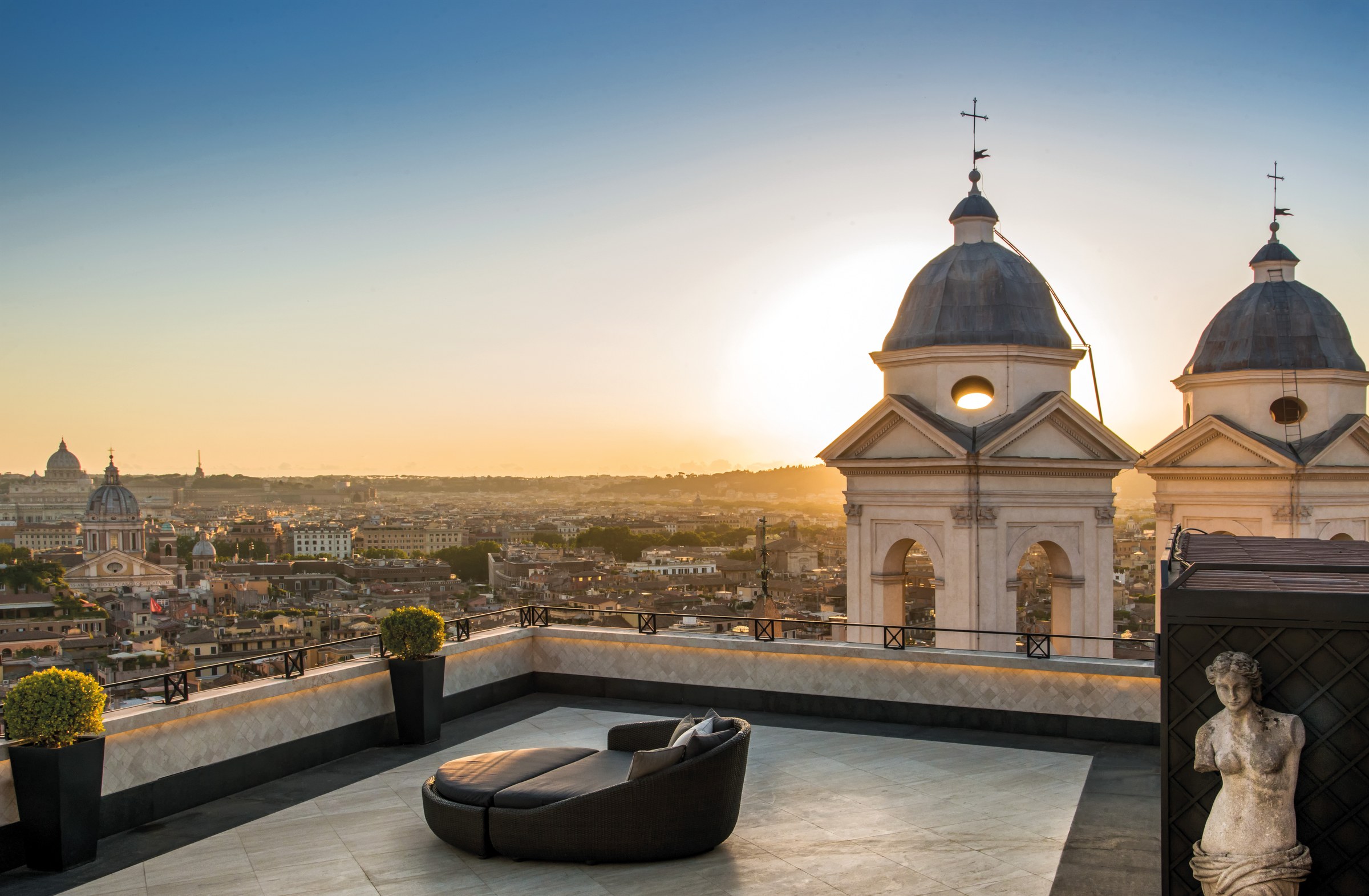
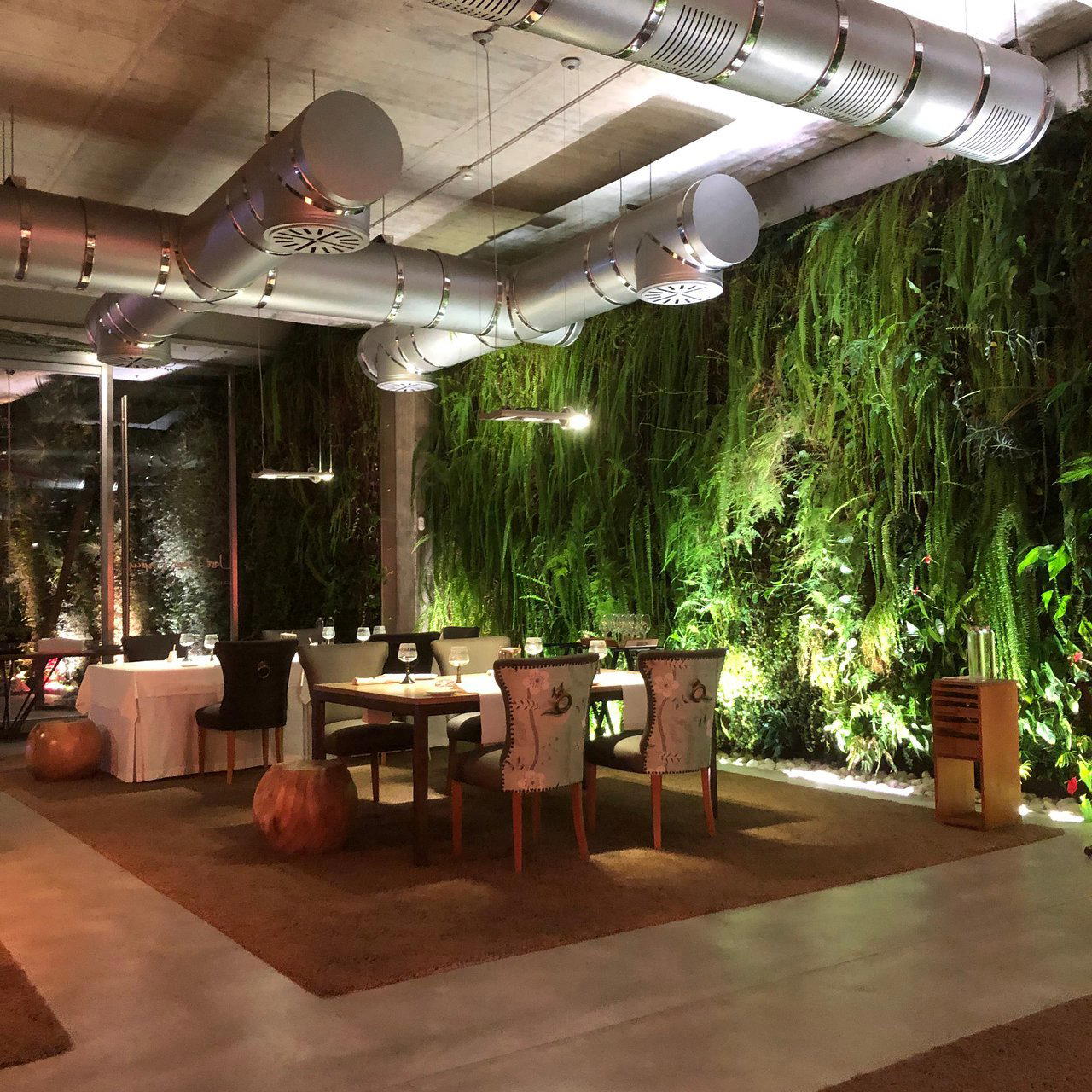
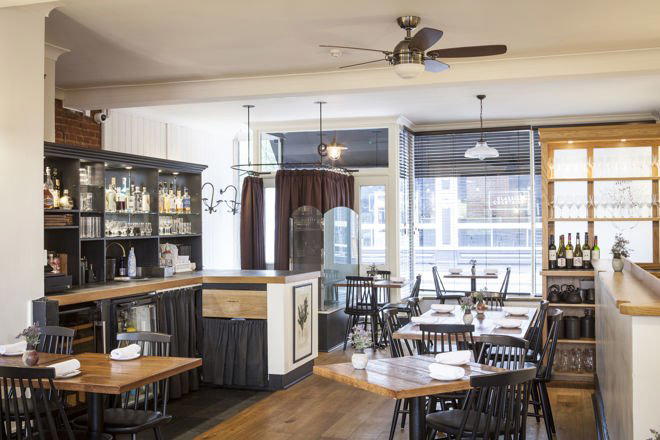
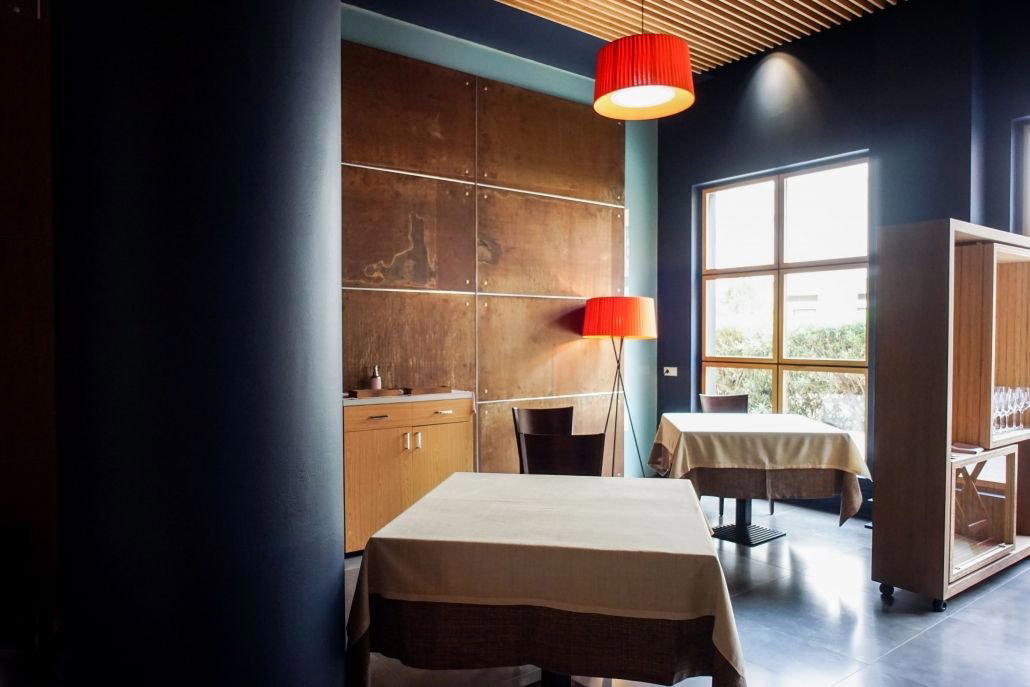
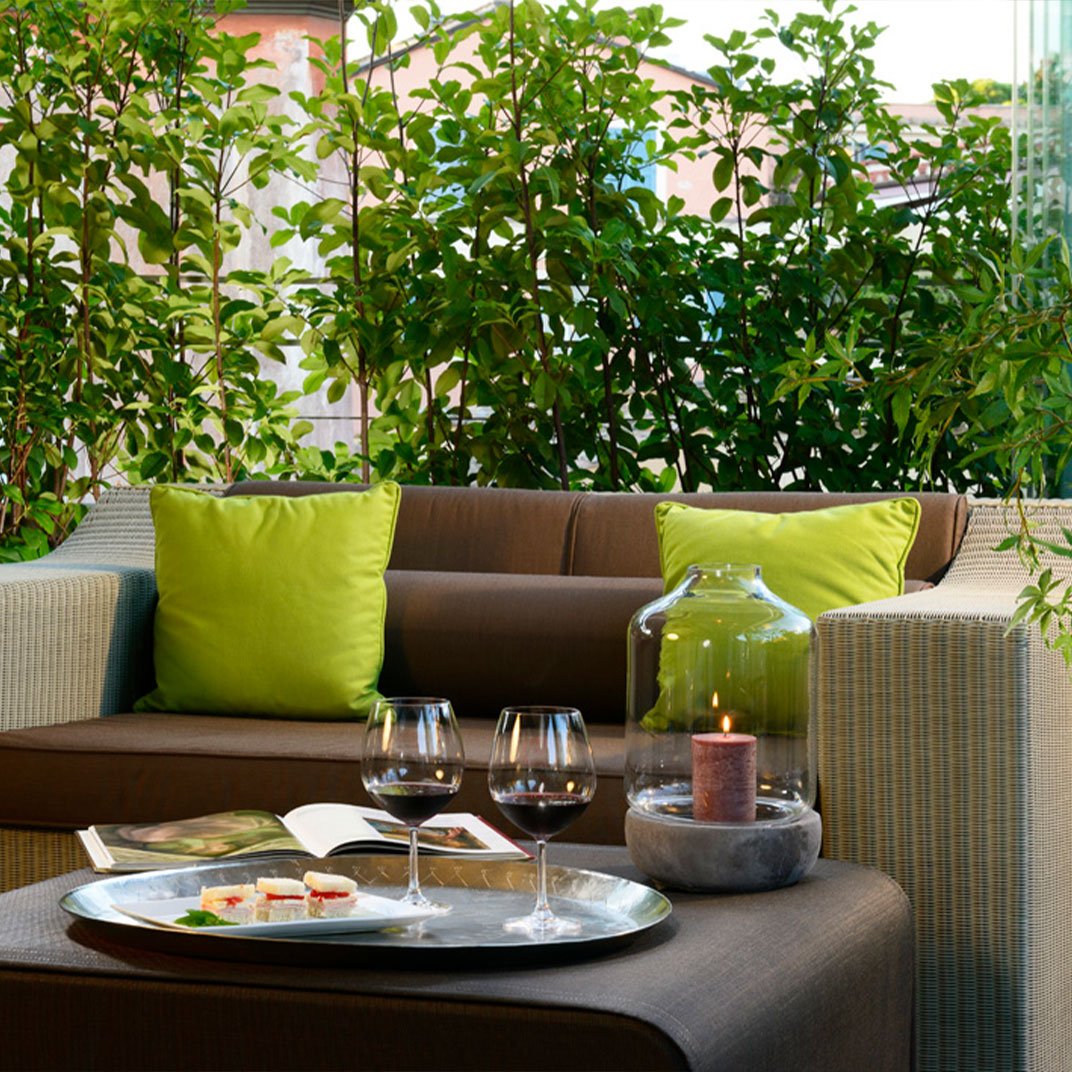
All'Oro sits in the basement of The H'All Tailor Suite on Via Giuseppe Pisanelli, a short walk from Piazza del Popolo. The two contemporary dining rooms read as deliberate and considered rather than flashy — this is a hotel restaurant that doesn't feel like one, which is rarer than it should be in Rome. In fine weather, tables move outside, and in summer a garden option opens up. For a second visit, requesting the outdoor setting in season changes the texture of the evening meaningfully; the basement rooms are polished but the garden shifts the mood toward something more relaxed without losing formality.
What Di Giacinto Is Actually Doing
The cooking here operates on a specific premise: take a recognisable Roman or Italian dish, understand it technically, then reframe it in a way that makes you reconsider the original. The database notes a "summary" of carbonara, cappelletti in "dry broth", Roman-style lamb, and a tiramisù offered in both savoury form (with potatoes and salted cod) and the familiar sweet version. These aren't gimmicks for their own sake, the approach produces results that are, as the Michelin record describes, both astonishing and satisfying. For a returning diner, the savoury tiramisù is the dish that tends to generate the most conversation and the most reconsideration. It's the kind of thing you won't fully process until after the meal.
A vegetarian menu is available, and a fully plant-based menu called All'Erbiv'Oro runs alongside the main offer. This is not a token accommodation, it reflects the same level of conceptual investment as the main menu, which makes All'Oro a genuinely practical option for mixed groups where one diner doesn't eat meat or animal products.
Does the Service Earn the Price?
At €€€€ in Rome, you are paying for an experience that goes beyond the plate, and this is where All'Oro's case is worth examining carefully. The service approach here is aligned with the cooking's ambition, attentive without being theatrical, knowledgeable about the menu's references, and capable of guiding a diner through the more challenging conceptual dishes without over-explaining them. That balance is harder to get right than it sounds, and it matters at this price point. A restaurant charging at this level that can't explain why a tiramisù arrives with salted cod is leaving the guest stranded. All'Oro doesn't do that.
Compared to, say, Il Pagliaccio, which runs at the same price tier with a more austere, technique-forward service register, All'Oro's room feels warmer and slightly less ceremonial. Whether that's a virtue depends on what you're after. For a business dinner or an occasion where the other person is setting the tone, the slightly less rigid atmosphere here gives the meal more flexibility. For the most formal celebration dining in Rome, Enoteca La Torre or Acquolina may suit better.
Consistency matters more on a return visit than on a first, you're not just testing the kitchen, you're deciding whether this becomes a regular in your Rome rotation.
Where All'Oro Sits in the Broader Italian Creative Scene
Di Giacinto's positioning, regional specificity combined with conceptual reinterpretation, puts All'Oro in a cohort of Italian restaurants doing similar work at a high level. Osteria Francescana in Modena operates at a different altitude entirely, but the underlying instinct (Italian tradition as raw material for creative reconsideration) is shared. Closer to All'Oro's register are places like Enrico Bartolini in Milan and Le Calandre in Rubano, both of which run tighter tasting menu formats with more international visibility. All'Oro is the Rome answer to that conversation, and for diners building an itinerary around serious Italian creative cooking, it belongs on that list alongside Enoteca Pinchiorri in Florence and Dal Pescatore in Runate.
If you're approaching Rome from a Paris reference point, the analogues would be something like Arpège for the vegetables-forward philosophical commitment, or Alléno Paris au Pavillon Ledoyen for the elevation of classical French material into something more intellectually alive. All'Oro does something comparable with Roman cooking, at a price point that remains easier to justify than either Paris equivalent.
Practical Details
Reservations: Hard to book, plan at least 3–4 weeks ahead, especially for Friday and Saturday evenings and outdoor/summer garden tables. Hours: Dinner only, Monday through Sunday, 6 PM–11 PM. Budget: €€€€, expect a meaningful per-head spend at tasting menu level; the price is consistent with comparable one-star creative restaurants in Rome. Dress: Smart; the setting and price point call for it, though the atmosphere is not stiffly formal. Getting there: Close to Piazza del Popolo; the address at Via Giuseppe Pisanelli 23/25 is reachable on foot from Flaminio metro station. Dietary: Vegetarian and full plant-based menus (All'Erbiv'Oro) available, confirm at reservation.
For broader context on where All'Oro sits in the city's dining options, see our full Rome restaurants guide. For where to stay nearby, our full Rome hotels guide covers the relevant options. If you're building out the full trip, our Rome bars guide, Rome wineries guide, and Rome experiences guide are worth checking.
Located inside
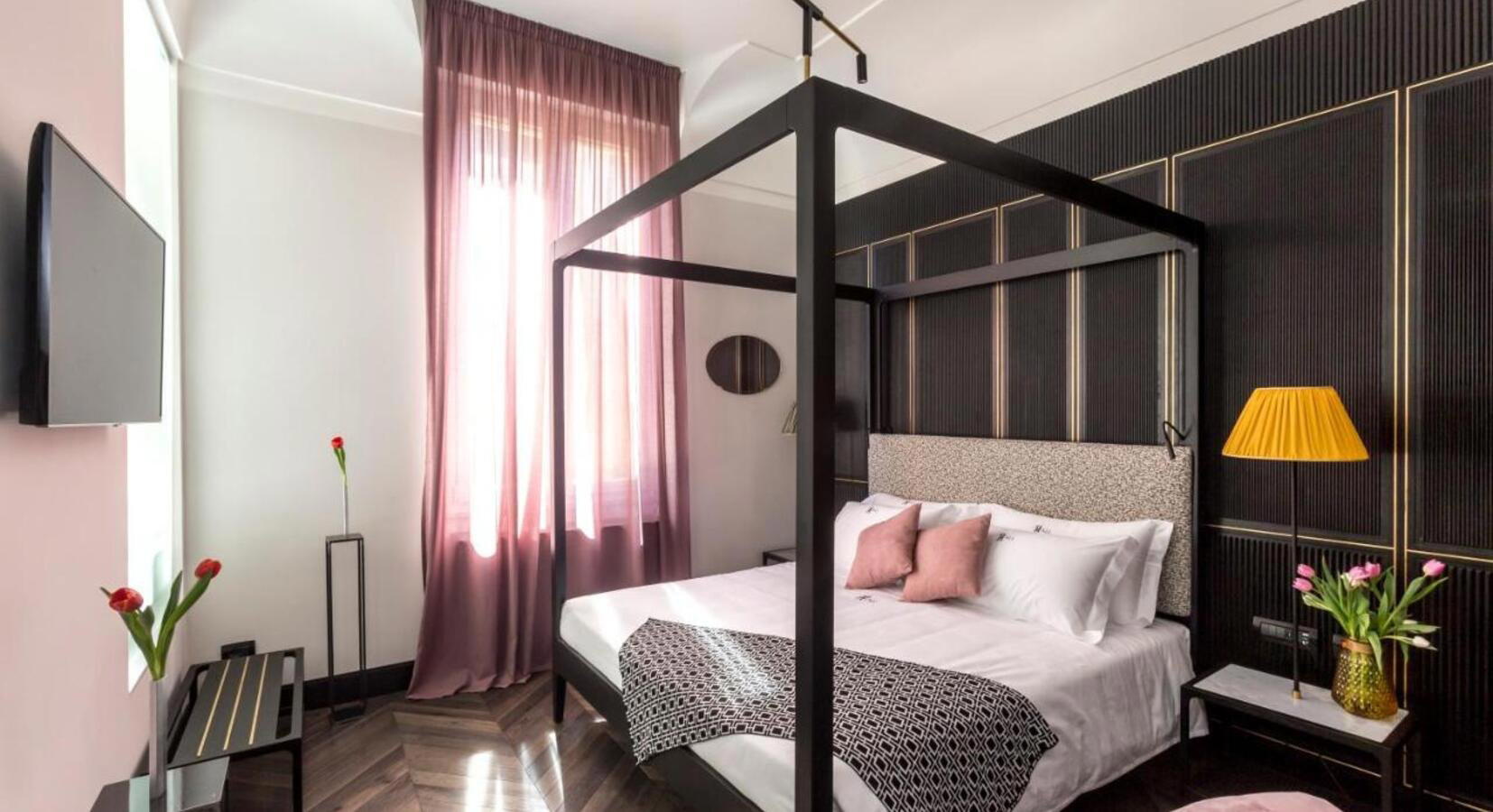 HotelThe H'All Tailor SuiteFull hotel guide
Planning details
- Hours
- Monday: 6 PM-11 PM · Tuesday: 6 PM-11 PM
- Location
- Via Giuseppe Pisanelli, 23/25, 00196 Roma RM, Italy
- Reservations
- Book on the venue's website
- Website
- ristorantealloro.it
- Phone
- +39 06 9799 6907
The take
The Take
The Vibe
All'Oro settles below street level in the basement of The H’All Tailor Suite, and the setting shapes the restaurant’s restrained atmosphere. Two contemporary dining rooms create an intentional remove from Rome’s bustle, encouraging focus on technique and flavour rather than on the address. The service and plates skew refined and quietly confident: reinterpretations of Roman classics feel structural, not showy. In fine weather the mood relaxes when a small handful of tables move outside, where the same menu reads differently against open sky. Regulars appreciate the calm, measured tone and the room’s ability to foreground the food.
Best For
This is a restaurant geared toward focused dinners where the food is the point. All'Oro’s creative, fine-dining approach and its intimate, below‑street dining rooms make it a natural fit for date nights and special occasions when you want a quieter, more considered meal. The relative anonymity of Prati helps remove spectacle, so conversations stay centered on the plates and the inventive takes on Roman classics. Reserve for an evening service and, if weather allows, request the handful of outdoor tables for a slightly more relaxed, open-air experience.
Ordering Tips
Lean into the kitchen’s take on Roman tradition: the house 'summary' of carbonara, cappelletti in dry broth, and Roman‑style lamb are highlighted repeatedly in descriptions and represent the restaurant’s strengths. Finish with the contrasting tiramisù preparations, which are noted as both savory and sweet variations. If the weather is pleasant, ask for one of the outside tables — the menu reads differently under open sky. Because the cooking emphasizes reinterpretation rather than novelty, order a few of the signature dishes to understand the chef’s structural approach to classics.
Venue details
Ambiance
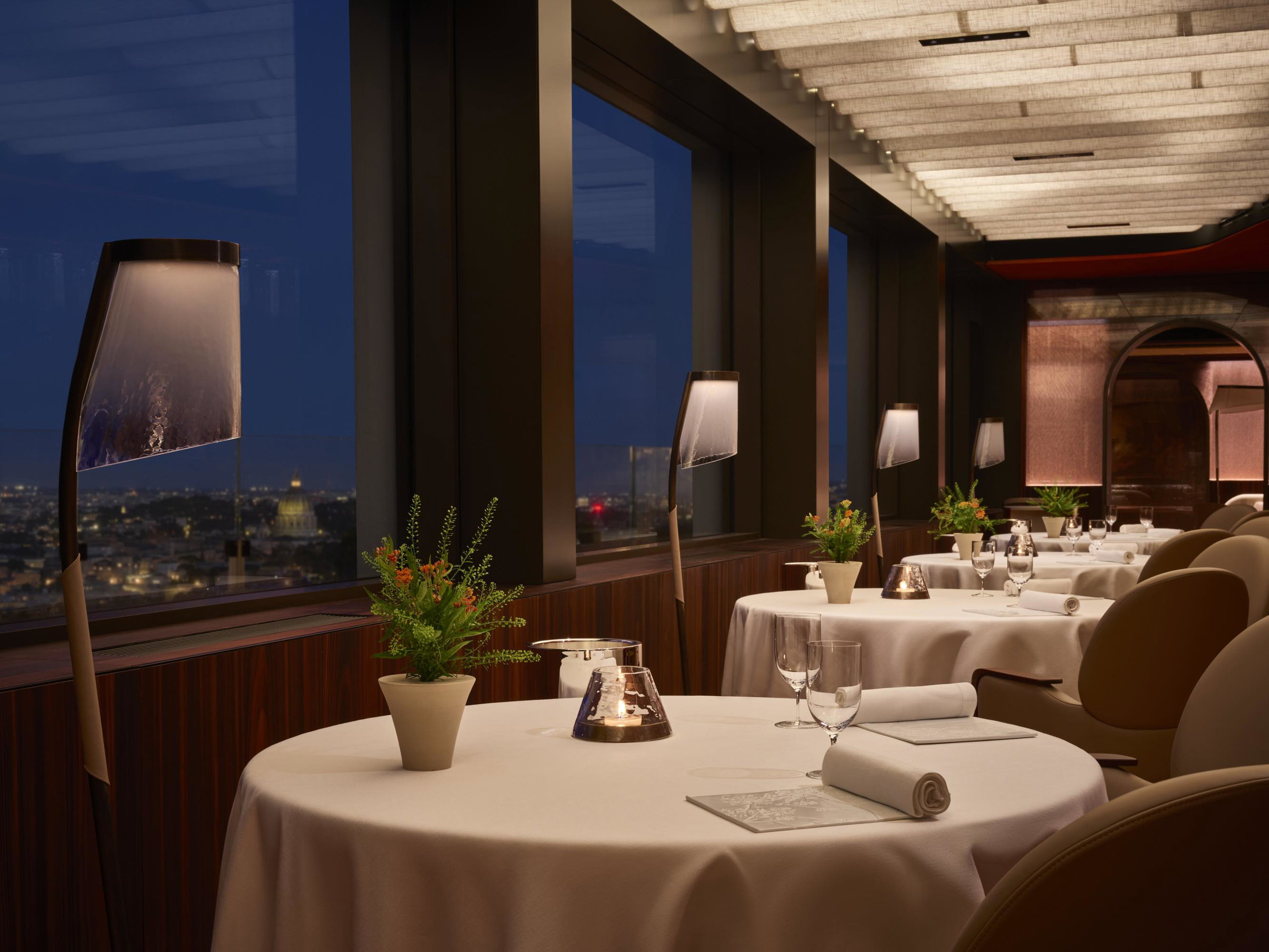
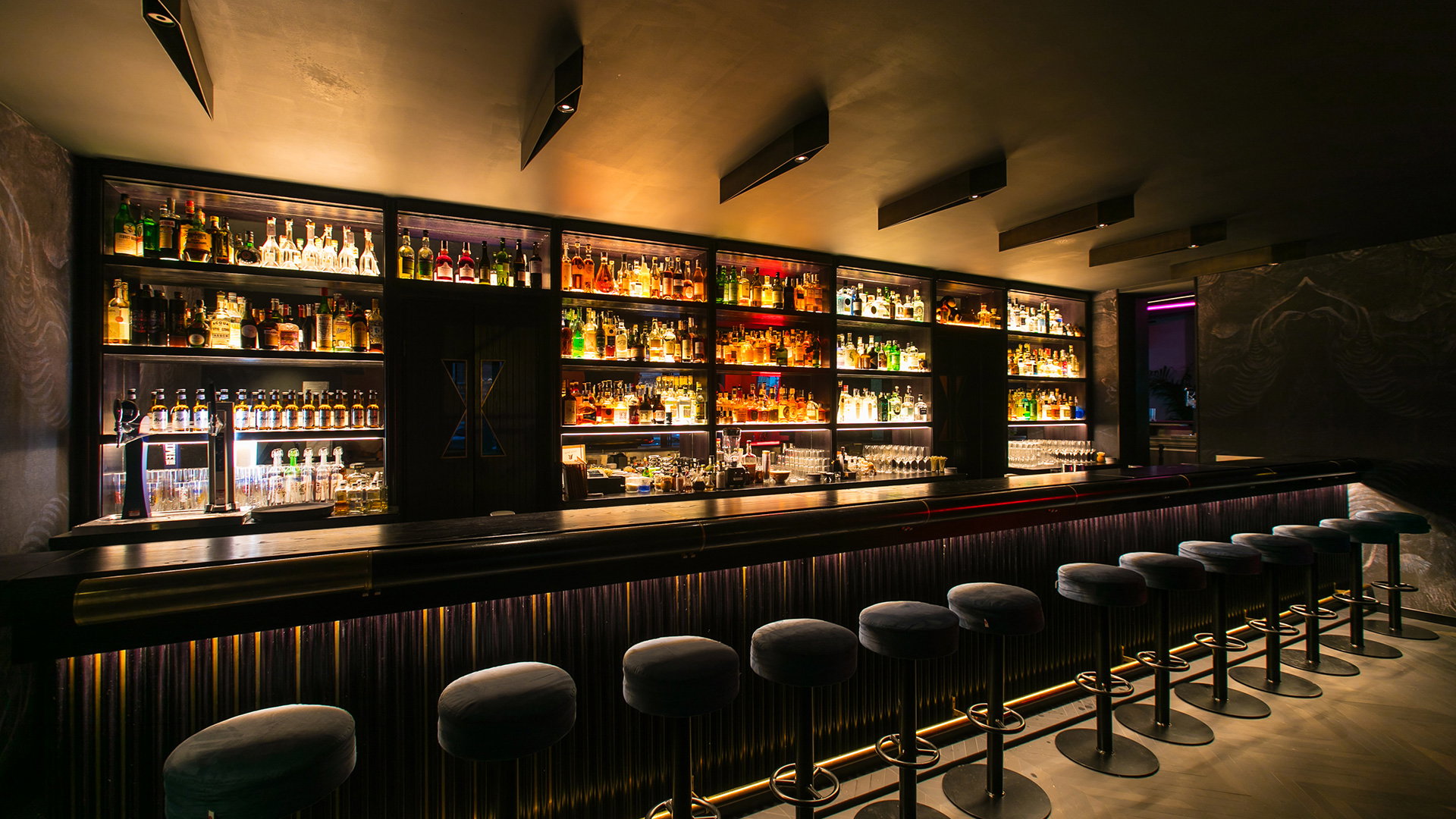
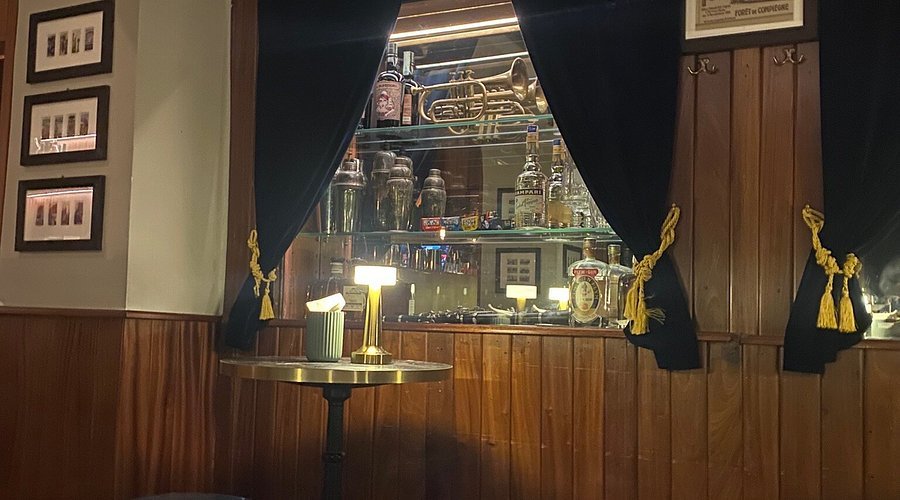
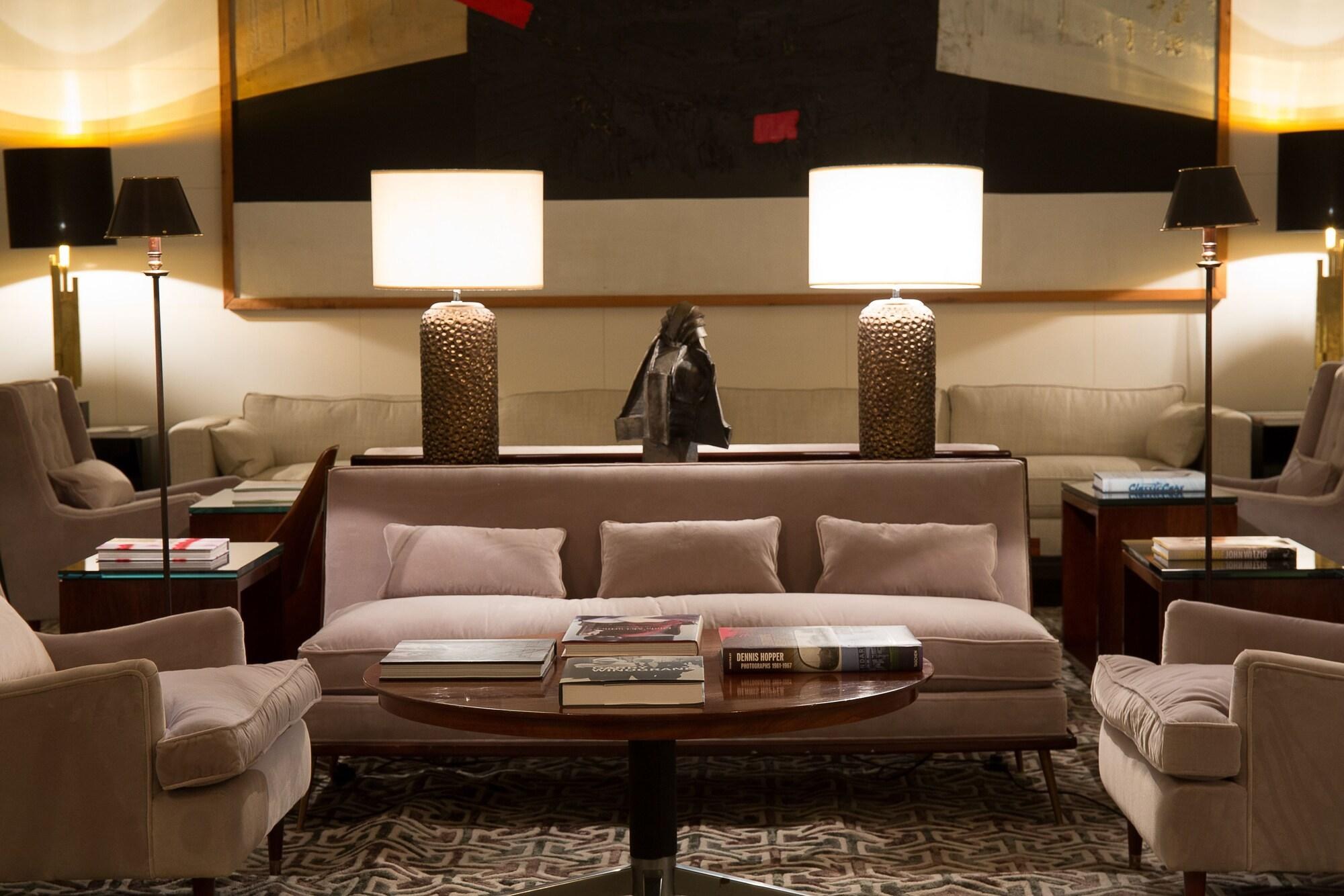
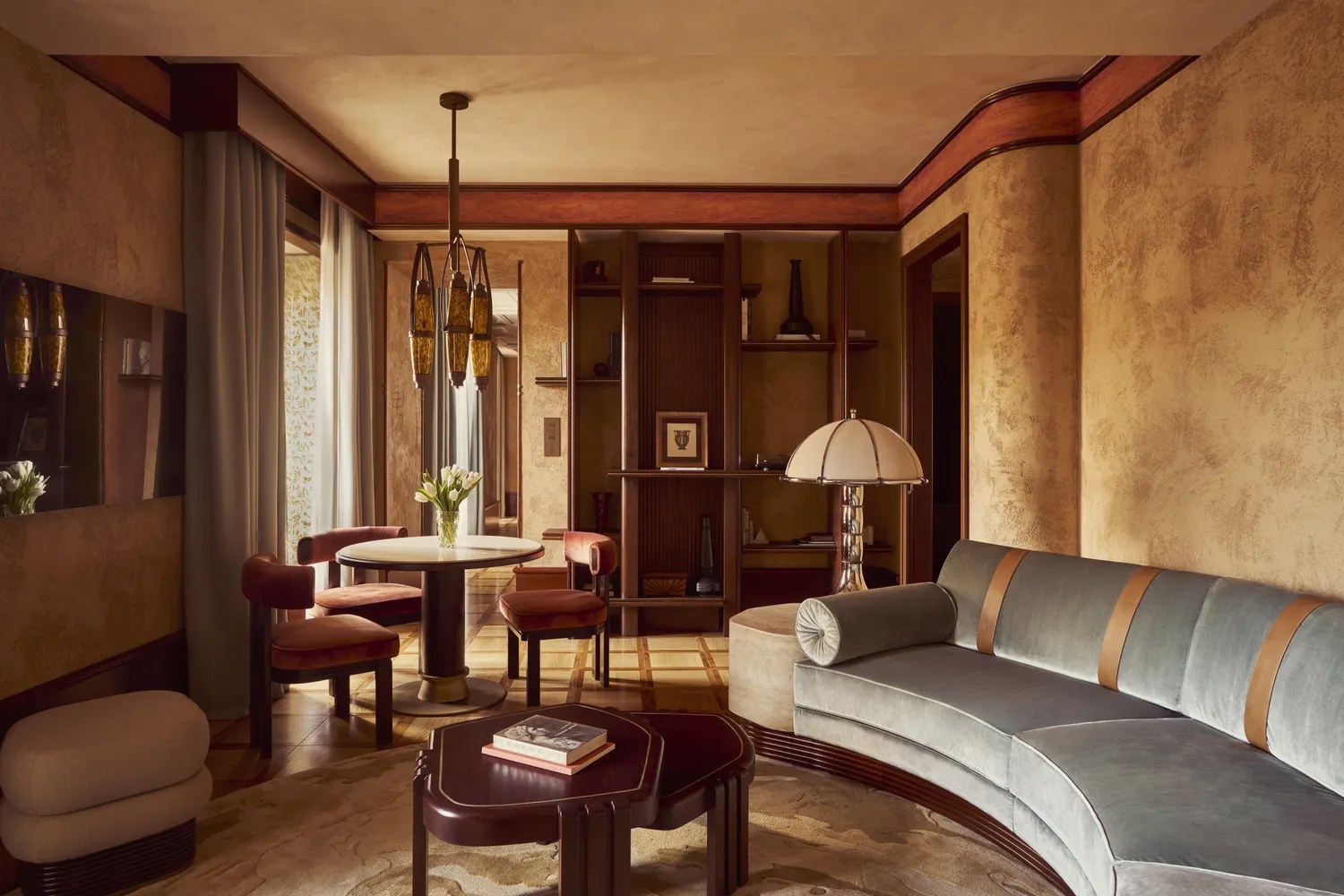
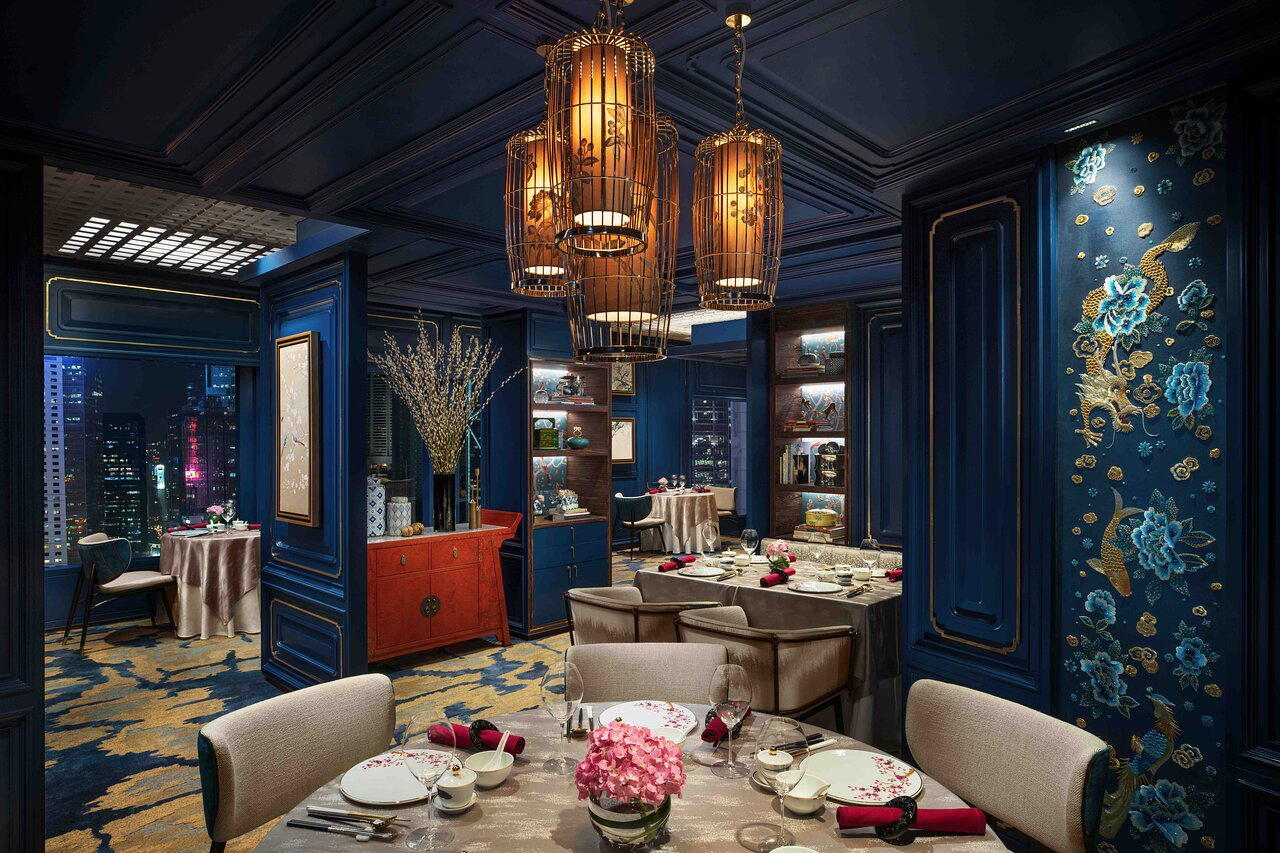
Dark, elegant basement with contemporary styling, soft lighting, and intimate atmosphere.
Tags
Vibe
Best For
Experience
At the Table
- Dress Code
- Smart Casual
- Noise Level
- Quiet
- Service Style
- Formal
- Meal Pacing
- Leisurely
- Capacity
- Intimate
- Kitchen
- Modern
- Menu Format
- Tasting menu, A la carte
- Wine Program
- Curated
- Dietary
- Allergy accommodating
- Outdoor Seating
- Yes
Signature Dishes
- summary of carbonara
- cappelletti in dry broth
- Roman-style lamb
- tiramisù savory and sweet
Know before you go
Know Before You Go
- Getting there
- Via Giuseppe Pisanelli, 23/25, 00196 Roma RM, Italy
Planning details
Hours
- Monday
- 6 PM-11 PM
- Tuesday
- 6 PM-11 PM
- Wednesday
- 6 PM-11 PM
- Thursday
- 6 PM-11 PM
- Friday
- 6 PM-11 PM
- Saturday
- 6 PM-11 PM
- Sunday
- 6 PM-11 PM
Location
Via Giuseppe Pisanelli, 23/25, 00196 Roma RM, Italy · Directions
Recognition and awards


Also consider
Also Consider
- Enoteca La Torre, Creative, €€€€
- Il Pagliaccio, Contemporary Italian, Creative, €€€€
- Aroma, Modern Cuisine, €€€€
- Idylio by Apreda, Modern Italian, Italian Contemporary, €€€€
- La Palta, Country cooking, €€€
Restaurant context
At the €€€€ tier in Rome, Il Pagliaccio is All'Oro's closest direct competitor for serious creative cooking. Il Pagliaccio runs a tighter, more technique-forward operation with a more formal service register. All'Oro has a warmer room, a clearer Roman identity in the dishes, and the hotel-garden option in summer. If you want maximum technical precision and are comfortable with a more ceremonial atmosphere, Il Pagliaccio edges ahead. If you want a meal that feels more connected to Rome as a place, dishes that reference the city's specific culinary memory rather than a generalised fine-dining vocabulary, All'Oro is the better choice.
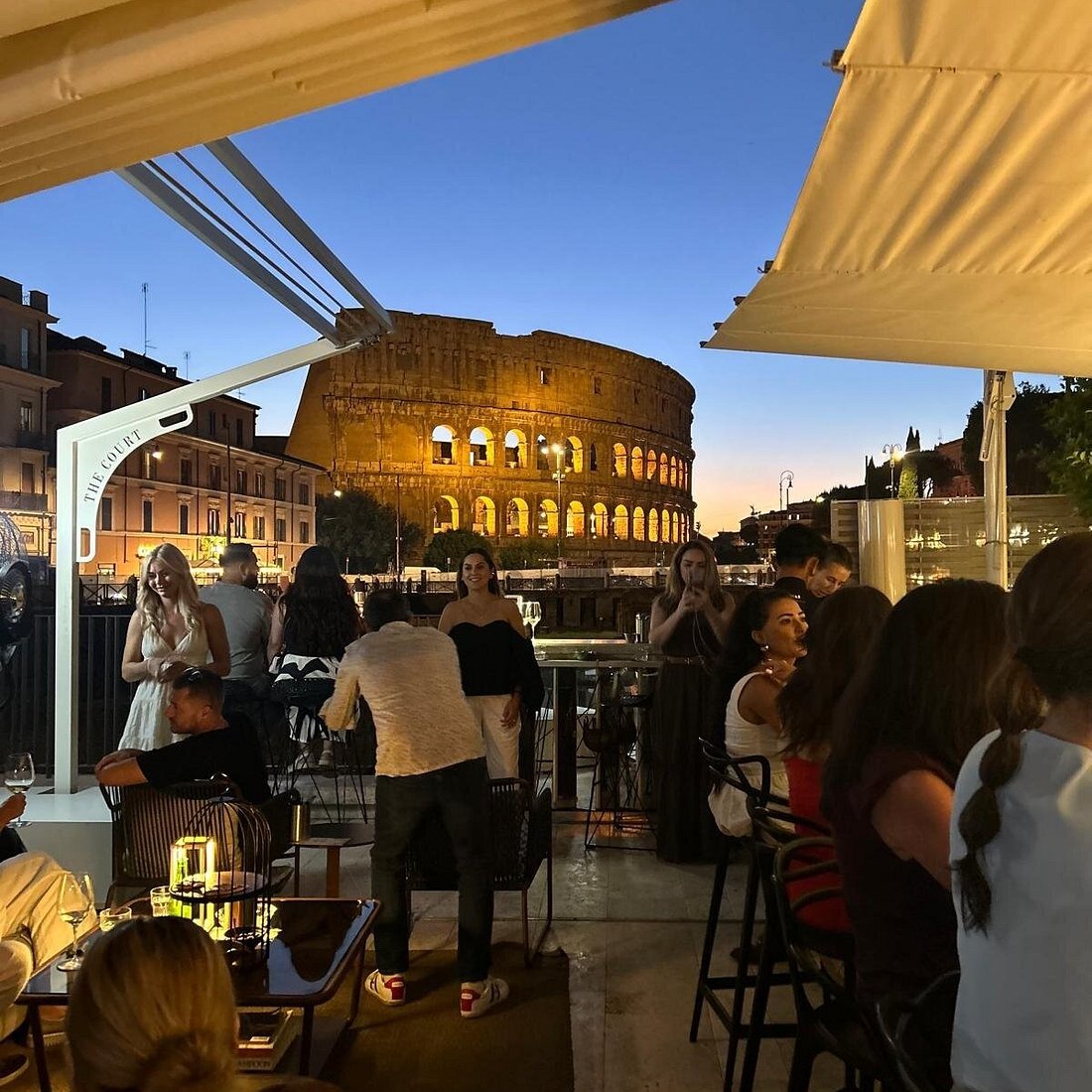
Enoteca La Torre and Idylio by Apreda both operate at the same price level. Enoteca La Torre suits occasion dining where formality and wine depth matter most. Idylio by Apreda, also set within a hotel, has a more contemporary Italian focus with less of the tradition-reinterpretation angle that defines All'Oro's identity. Aroma is the outlier in this set: the cooking is modern and accomplished, but the Colosseum view is doing significant work in the value equation. If the setting matters as much as the plate, Aroma. If the plate matters more, All'Oro or Il Pagliaccio.
For a step down in price without sacrificing creative ambition, La Palta at €€€ offers country cooking with real craft, a different register entirely, but worth knowing if the budget is a factor. Among the broader Rome creative field, Glass Hostaria and Marco Martini Chef offer lower entry points for experimental cooking. All'Oro sits above both in terms of award recognition and the coherence of its conceptual framework, the Michelin star and OAD ranking are consistent with what you actually get at the table.
Around this place
Discover more on Pearl
Unlock the full All'Oro guide in Pearl, including awards, comparisons, FAQs, planning details, and nearby places.
Compare All'Oro
| Venue | Price | Booking Difficulty | Awards |
|---|---|---|---|
| All'Oro | €€€€ | Hard | 2026 Falstaff Restaurant Guide2026 Michelin 1 Star2025 OAD Classical in Europe Ranked · #459We're Smart World Top Restaurants 20252025 Michelin 1 Star2024 Michelin 1 Star |
| Enoteca La Torre | €€€€ | Unknown | 2026 La Liste Top Restaurants2026 Michelin 2 Stars2026 Falstaff Restaurant Guide2025 OAD Classical in Europe Ranked · #2562025 La Liste Top Restaurants2025 Michelin 2 Stars2024 OAD Classical in Europe Ranked · #2082024 Michelin 2 Stars |
| Il Pagliaccio | €€€€ | Unknown | 2026 OAD Classical in Europe Ranked · #121Star Wine Lists 20262026 Wine Spectator Best of Award of Excellence2026 Les Grandes Tables du Monde Members2026 Michelin 2 Stars2026 La Liste Top Restaurants2026 Falstaff Restaurant Guide2025 OAD Classical in Europe Ranked · #1162025 Wine Spectator Best of Award of Excellence |
| Aroma | €€€€ | Unknown | We're Smart World Top Restaurants 20252025 Michelin Plate |
| Idylio by Apreda | €€€€ | Unknown | 2026 OAD Top Restaurants in Europe Recommended2026 La Liste Top Restaurants2026 Michelin 1 Star2025 OAD Top Restaurants in Europe Ranked · #5152025 La Liste Top Restaurants2025 The Best Chef One Knife2025 Michelin 1 Star2024 OAD Top Restaurants in Europe Ranked · #4802024 Michelin 1 Star |
| La Palta | €€€ | Unknown | 2026 OAD Top Restaurants in Europe Recommended2026 Michelin 1 Star2025 OAD Casual in North America Ranked · #8142025 Michelin 1 Star2025 The Best Chef One Knife2024 OAD Casual in North America Ranked · #7812024 Michelin 1 Star2023 OAD Casual in North America Recommended |






.png?width=1200&quality=80)

What to weigh when choosing between All'Oro and alternatives.
FAQ
Frequently Asked Questions
What should I order at All'Oro?
The kitchen's strongest suit is its reinterpretation of Roman classics: the carbonara 'summary' and cappelletti in dry broth are the dishes that make Di Giacinto's approach clearest. The savoury tiramisù with potatoes and salted cod is a talking point, and Roman-style lamb anchors the mains. If you want to understand what the restaurant is doing, follow the tasting menu rather than ordering à la carte — it sequences the conceptual arc better.
Is the tasting menu worth it at All'Oro?
At €€€€ pricing with a Michelin star behind it, the tasting menu is the format that earns the spend here. Di Giacinto's cooking is built around transformation — familiar Italian references reframed technically — which lands better across a sequence than in single dishes. If you're going once, this is the version to book. For à la carte at a lower commitment, Il Pagliaccio or Idylio by Apreda offer comparable ambition at varying formats.
Does All'Oro handle dietary restrictions?
Yes, and more specifically than most at this price point. A vegetarian menu is always available, and the restaurant offers a fully plant-based menu called All'Erbiv'Oro — a dedicated construct rather than a modified version of the standard menu. Alert the restaurant at booking so the kitchen can prepare accordingly.
Is lunch or dinner better at All'Oro?
All'Oro opens at 6 PM daily and operates dinner service only, so there is no lunch option. For summer visits, requesting an outdoor garden table adds a dimension the basement rooms don't offer — book that specifically and as far in advance as possible, since it goes quickly on warm evenings.
What are alternatives to All'Oro in Rome?
Il Pagliaccio is the direct comparison for ambitious Italian creative cooking in Rome, with two Michelin stars and a more formal register. Idylio by Apreda at the Pantheon Iconic Rome Hotel offers similarly conceptual Italian cooking in a high-design setting. Aroma, with its Colosseum-facing terrace, trades some kitchen ambition for setting payoff. Enoteca La Torre brings a refined tasting-menu format with strong wine focus. La Palta, outside Rome, is worth knowing if you're travelling beyond the city for food.