
180g Pizzeria Romana
Centocelle, Rome
Restaurant in Rome, Italy
 Book with Pearl
The Read
Price
$20–30per person
Dress
Casual
Why go
A no-frills neighborhood pizzeria in eastern Rome serving thin-crust Roman-style pies for takeout and delivery. The kitchen runs most evenings from 6:45 to 10 PM, and while the pizza travels well in a box, the lack of seating and distance from central Rome make it a practical choice only if you're staying nearby or prioritize delivery over dining in.
About 180g Pizzeria Romana
180g Pizzeria Romana is a pizzeria in Rome with casual dress and evening hours on most days. The clearest planning point is timing: it is listed as open Monday and Wednesday through Sunday from 6:45 to 10 PM, and closed Tuesday.
Planning Your Visit
The safest way to plan around 180g Pizzeria Romana is to treat it simply as an evening pizzeria in Rome. If you are comparing options, 180 Grammi Pizzeria Romana and Proloco Centocelle are names to consider, but check current details directly before relying on any specific service, booking, or menu expectation.
When It Works and When It Doesn't
180g Pizzeria Romana works best as a casual evening option when its opening hours fit your plans. If seating, reservations, or other practical details matter for your meal, confirm them directly before going.
For travelers choosing between restaurants in Rome, 180g Pizzeria Romana should be considered as a casual evening pizzeria in Rome. Other Rome dining options, including Menabò Vino e Cucina, Osteria Bonelli, Mythos, Proloco Centocelle, and our full Rome restaurants guide, may be useful comparisons depending on what kind of evening you want.
Planning details
- Location
- Via Tor de' Schiavi, 53, 00172 Roma RM, Italy
- Reservations
- Book on ResDiary
- Website
- 180gpizzeriaromana.com
- Phone
- +393911446575
The take
The Take
The Vibe
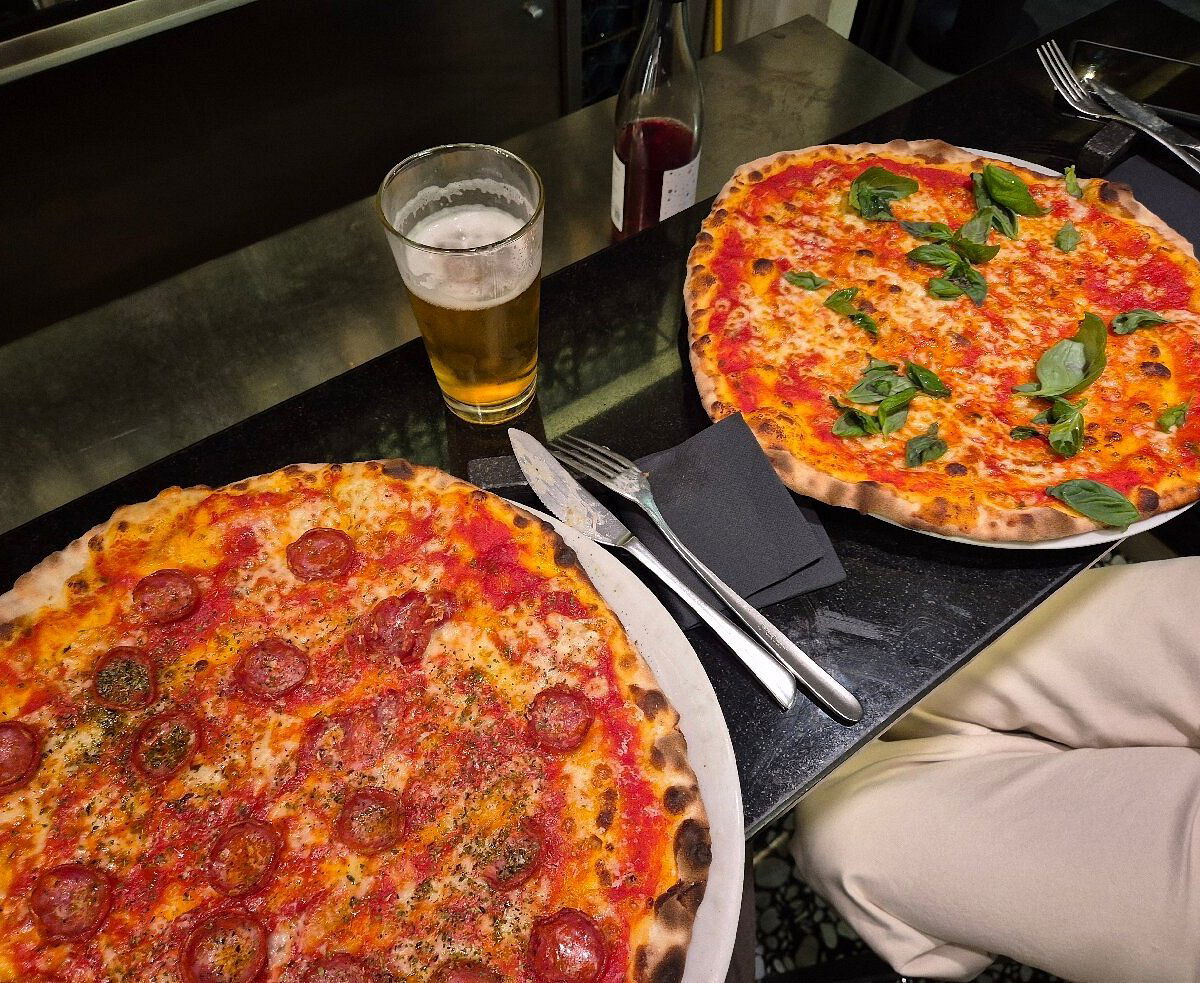
180g Pizzeria Romana presents a disciplined, neighbourhood-first take on Roman pizza. The house stakes its identity on a precise 180‑gram dough weight, a technical detail that shapes the thin, cracker‑crisp discs coming out of the stone oven. The writing emphasizes rigor over showmanship: toppings are chosen to complement the dough rather than compete with it, and the kitchen aligns itself with a contemporary Roman current that values consistency and restraint. Located in a residential quarter, the place reads less like a tourist target and more like a local benchmark — modest in pitch but serious about product.
Best For
This is the kind of place you visit for dependable, ingredient-forward pizza with friends or family. Its neighbourhood location and unfussy approach make it a natural spot for casual hangouts and group meals where the point is the pizza rather than pomp. The focused menu and reliably fired bases also suit date nights for diners who prefer food-first authenticity over theatrical dining. Because the pizzeria trades on local credibility rather than tourist traffic, visitors should expect a convivial, lived-in atmosphere driven by repeat clientele and consistent baking rhythm.
Ordering Tips
Order with the menu’s restraint in mind: let the dough be the star. Start simple — the Margherita con Bufala or the Rossa pizza showcase the cracker‑crisp Roman base and the kitchen’s calibration of toppings. The Amatriciana is another signature that reflects the menu’s coherent point of view, and the Supplì works as a classic starter. The description stresses consistent dough weight and firing, so choose combinations that complement rather than overload the crust to experience what the pizzeria is trying to codify.
Venue details
Ambiance
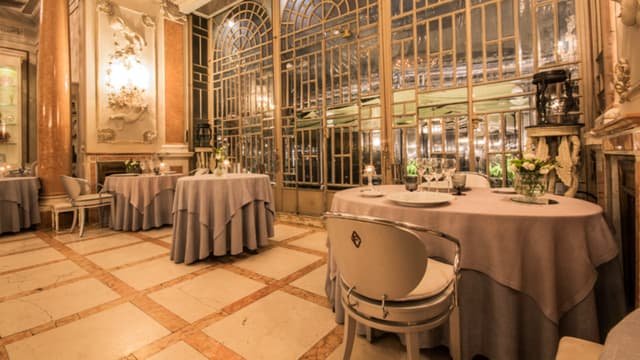
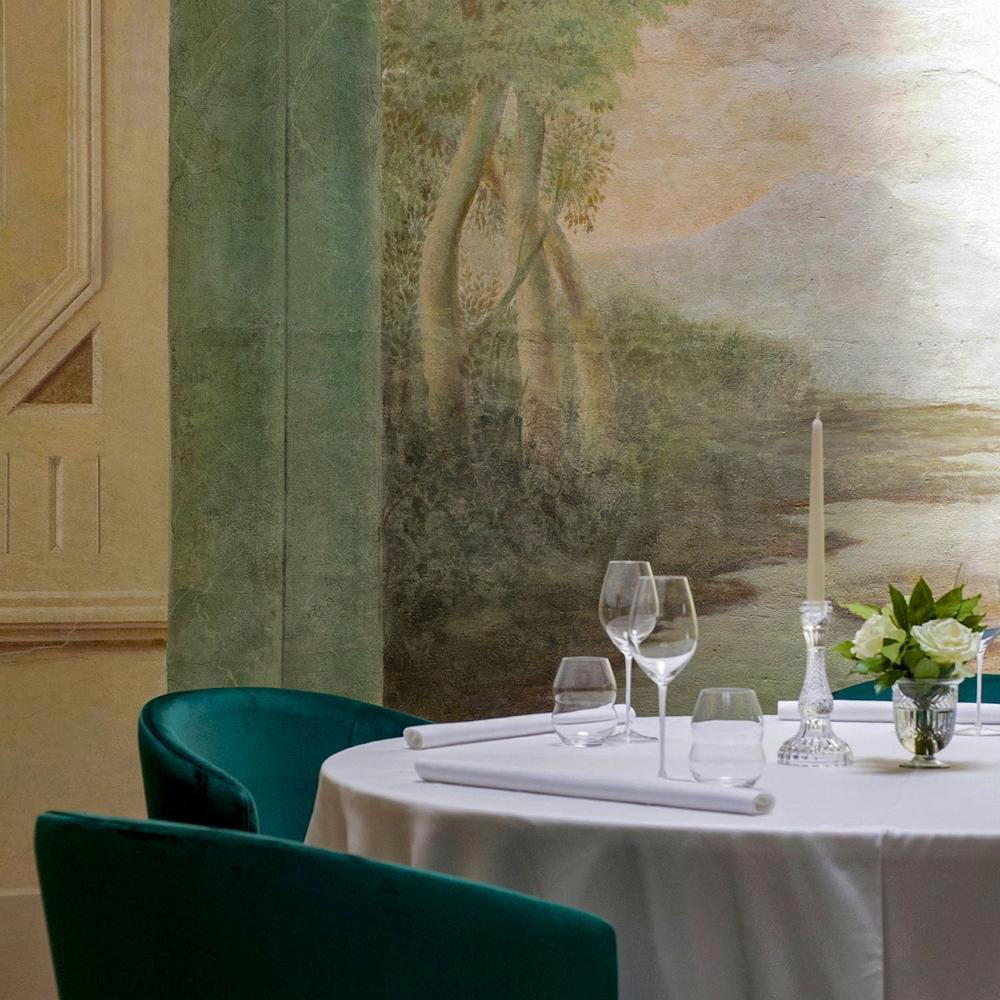
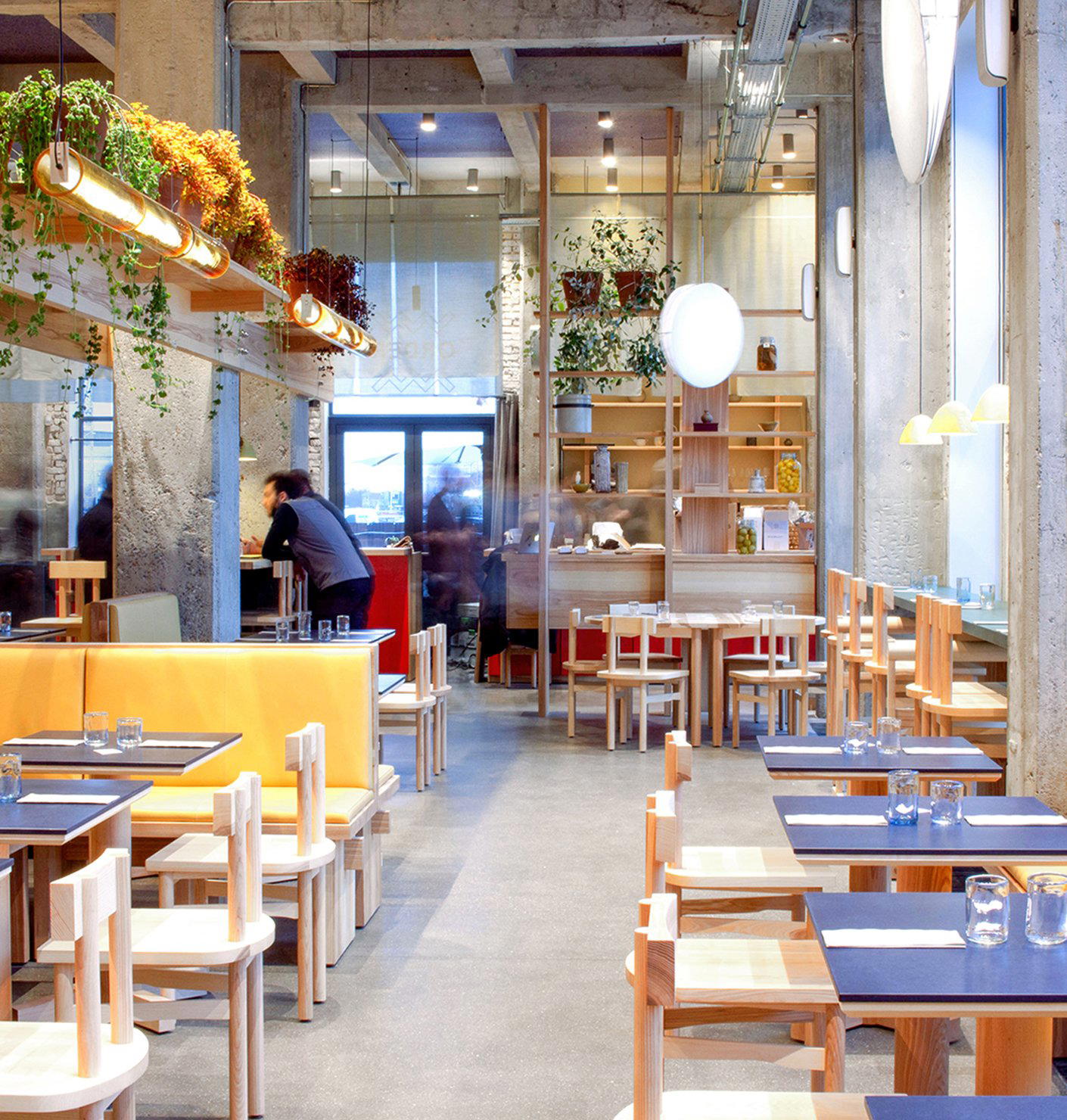
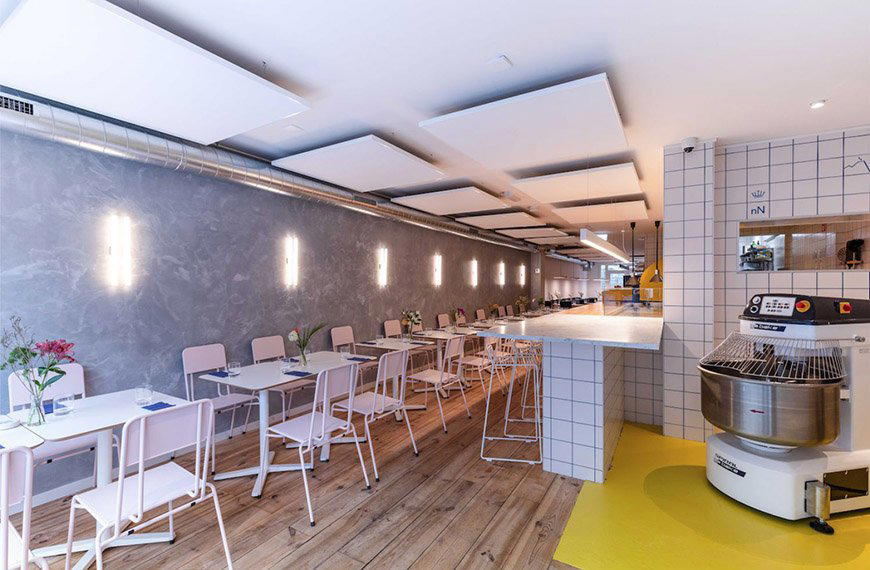
Minimal, tidy, well-lit modern space with an open kitchen that creates an energetic yet intimate dining experience; feels contemporary yet rooted in Roman tradition.
Tags
Vibe
Best For
Experience
Sourcing
Accessibility
At the Table
- Dress Code
- Casual
- Noise Level
- Lively
- Service Style
- Upscale Casual
- Meal Pacing
- Standard
- Capacity
- Small
- Kitchen
- Traditional
- Menu Format
- A la carte
- Wine Program
- Curated
- Drinks Focus
- Craft beer, Natural wine
- Dietary
- Vegetarian friendly, Vegan options
Signature Dishes
- Margherita con Bufala
- Amatriciana
- Supplì
- Rossa pizza
Know before you go
Know Before You Go
- Getting there
- Via Tor de' Schiavi, 53, 00172 Roma RM, Italy
Planning details
Location
Via Tor de' Schiavi, 53, 00172 Roma RM, Italy · Directions
Recognition and awards

Also consider
Also Consider
- Proloco Centocelle, Notable alternative
- Menabò Vino e Cucina, Farm to table, €
- Osteria Bonelli, Notable alternative
- 180 Grammi Pizzeria Romana, Notable alternative
- Mythos, Notable alternative
Restaurant context
Among Rome's eastern neighborhood pizzerias, 180g occupies the budget-casual tier alongside Proloco Centocelle and 180 Grammi Pizzeria Romana, all three offering Roman-style thin crust without the formal dining infrastructure or chef-driven menus of higher-tier spots. Proloco Centocelle edges ahead on local reputation and slightly better topping quality, while 180 Grammi provides a comparable experience with marginally shorter delivery windows in overlapping neighborhoods. If you're choosing among them, pick whichever sits closest to your accommodation, the pizza quality across all three is consistent enough that convenience should drive the decision.
Osteria Bonelli and Menabò Vino e Cucina operate in a different category: full-service trattorias with seating, wine lists, and broader menus that include pasta and secondi alongside pizza. Osteria Bonelli offers better value for groups who want a complete meal rather than just pizza, while Menabò's farm-to-table focus and quieter ambiance suit couples looking for a slower-paced dinner. Both require booking a day or two ahead on weekends, unlike 180g's walk-in model, but the trade-off is a proper dining experience rather than a takeout box. For special occasions or first-time Rome visitors, skip 180g entirely and book one of the central pizzerias listed in our full Rome restaurants guide, proximity to other dining and sightseeing options will save you transit time and deliver a more complete evening.
Around this place
Discover more on Pearl
Unlock the full 180g Pizzeria Romana guide in Pearl, including awards, comparisons, FAQs, planning details, and nearby places.
Compare 180g Pizzeria Romana
| Venue | Location | Cuisine | Awards | Price |
|---|---|---|---|---|
| 180g Pizzeria Romana | Rome | , | 2026 OAD Cheap Eats in Europe Ranked · #33 | , |
| Proloco Centocelle | Rome | No published awards | , | , |
| Menabò Vino e Cucina | Rome | Farm to table | 2026 Michelin Plate2025 Michelin Plate2024 Michelin Plate | € |
| Osteria Bonelli | Rome | No published awards | , | , |
| 180 Grammi Pizzeria Romana | Rome | 2026 50 Top Pizza World · #582025 50 Top Pizza Italy · #132025 50 Top Pizza World Best Pizza · #332024 OAD Cheap Eats in Europe Ranked · #362023 OAD Cheap Eats in Europe Ranked · #49 | , | , |
| Mythos | Rome | No published awards | , | , |
.png?width=1200&quality=80)


How 180g Pizzeria Romana in Rome compares with similar nearby venues.
FAQ
Frequently Asked Questions
How far ahead should I book 180g Pizzeria Romana?
Check directly with 180g Pizzeria Romana before making plans, especially for busy evening periods.
Is lunch or dinner better at 180g Pizzeria Romana?
Dinner is the natural option. 180g Pizzeria Romana is listed as open from 6:45 to 10 PM on Monday and Wednesday through Sunday, and closed Tuesday. For lunch, check current hours before planning.
Is 180g Pizzeria Romana good for solo dining?
What are alternatives to 180g Pizzeria Romana in Rome?
Other Rome options to compare include 180 Grammi Pizzeria Romana, Proloco Centocelle, Osteria Bonelli, Menabò Vino e Cucina, and Mythos. Confirm current hours, menus, and booking details directly before choosing.
Is 180g Pizzeria Romana good for a special occasion?
180g Pizzeria Romana is a casual evening option. If you need a particular setting for a special occasion, confirm directly or compare other Rome restaurants.
What should I wear to 180g Pizzeria Romana?
Casual dress is appropriate for 180g Pizzeria Romana.