.png?width=1200&quality=80)
Su Murruai
Contemporary · Riola Sardo
Restaurant in Riola Sardo, Italy
 Book with Pearl
The Read
Vernaccia-Rooted Regional Reinterpretation
Price
$50–100per person
Dress
Smart Casual
Why go
Su Murruai earns its Michelin Plate with regionally grounded contemporary cooking anchored in Gulf of Oristano seafood, Sardinian inland meat, and chef Ivan Matarese's Campanian dessert instincts. At €€€ in a converted mill agriturismo, it delivers serious food at a price tier that makes it one of the more straightforward value decisions in western Sardinia. Book two to three weeks ahead in summer.
About Su Murruai
Should You Book Su Murruai?
Getting a table at Su Murruai is not a battle. Booking is direct by Sardinian fine-dining standards, which makes it an easier call than its quality level would suggest. If you are planning a trip to the Sinis Peninsula and want a serious meal anchored in regional produce, this is the restaurant to book first. Book two to three weeks ahead if you are visiting in peak summer; the shoulder season gives you more flexibility.
The Setting
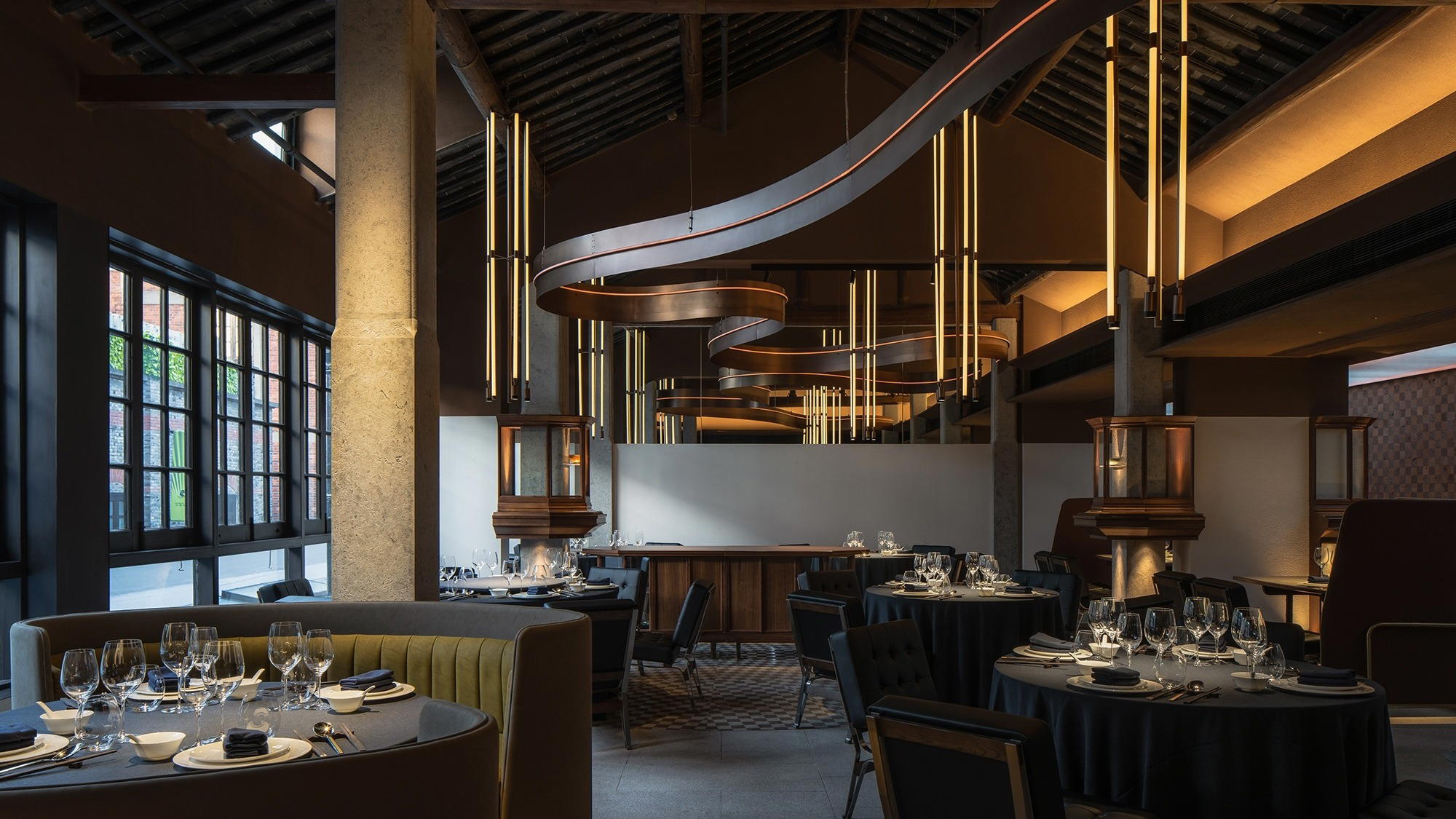
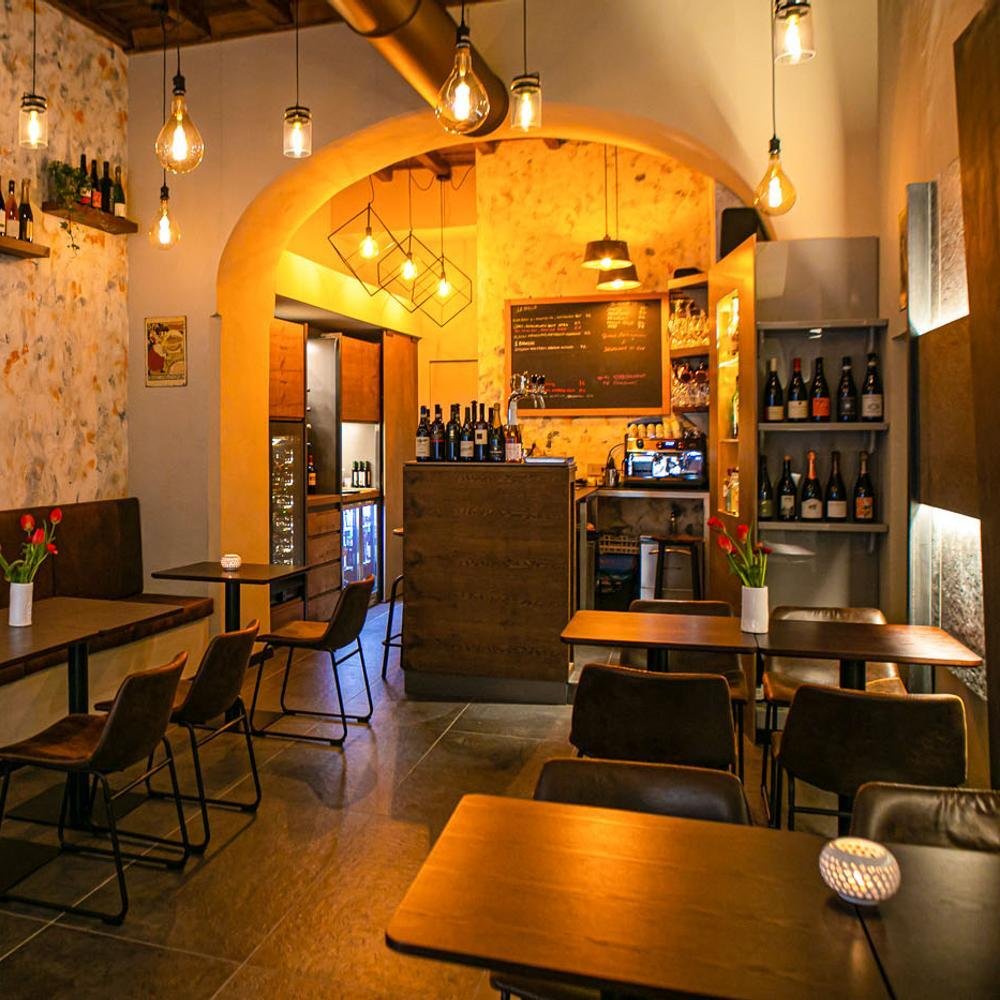
Su Murruai occupies a converted old mill within the Agriturismo Su Barroccu in Riola Sardo, a small village on the edge of the Sinis Peninsula in the province of Oristano. The mill structure gives the dining room a sense of age and material weight that purpose-built restaurants rarely achieve: stone, low ceilings, the kind of spatial intimacy that makes it work as well for a date or a celebration dinner as it does for a quieter solo meal. The name itself tells you what the kitchen is aiming at: "su murruai" is Sardinian for the scent of aged Vernaccia, the oxidative local white wine that defines the Oristano wine tradition. That is the register this restaurant operates in, one where the land and the sea around Oristano are the point of departure for everything on the plate.
What the Kitchen Does
Chef Ivan Matarese works in a mode that is increasingly common in serious Italian regional cooking: take the leading local ingredients, understand the traditional preparations deeply, then reinterpret rather than replicate. Fish from the Gulf of Oristano and meat from the Sardinian interior both feature. The dish that appears most consistently in the venue record is mutton served in a "pintadera" format, an open ravioli construction using saffron and liquorice, two ingredients with deep roots in Sardinian cooking. That dish alone tells you something about the kitchen's technical range: it requires precise pasta work, a confident hand with the assertive bitterness of liquorice, and enough knowledge of local traditions to know that mutton and saffron is a historically grounded pairing in this part of Sardinia, not a shock combination.
Where Matarese distinguishes himself further is in the dessert section, where his Campanian background becomes visible. Half the desserts draw from classic Campanian sweets, re-read through his contemporary lens: a reimagined pastiera, a reworked babà. This dual-region fluency is genuinely useful to the diner. It means the meal does not read as a single-note regionalist exercise. You get Sardinian produce and tradition as the foundation, with enough personal inflection to keep the menu from feeling like a cultural document rather than a dinner.
Technically, what this kitchen does better than most restaurants at the same price tier in western Sardinia is handle the translation from traditional to contemporary without losing the flavour logic of the original. Many regional Italian restaurants at this level either stay too literal and produce food that reads as museum-piece, or push too hard into abstraction and lose the sense of place. Su Murruai sits in the productive middle ground. The pintadera dish is the clearest example: the open-ravioli format is modern, the saffron and liquorice pairing is grounded in Sardinian precedent, and the use of mutton keeps it honest to the inland ingredient tradition. That is precise editorial work from a young chef.
Who This Works For
Su Murruai is well-suited to a special occasion dinner for two, a celebration meal for a small group, or a dedicated food traveller spending time in the Oristano area. The agriturismo setting gives it a relaxed register that takes the formality edge off, making it less pressured than a city fine-dining room at the same quality level. Solo diners will find it works, particularly given the intimacy of the converted mill space, though the experience is richer when shared. It is not an obvious business-meal venue given the rural Sardinian village location, but for the right occasion, that remoteness is the appeal.
Practical Details
Reservations: Easy to book; two to three weeks ahead is sufficient in high season. Price tier: €€€, placing it in the serious-but-not-prohibitive range for regional fine dining in Italy. Location: Agriturismo Su Barroccu, Riola Sardo, province of Oristano, Sardinia. A car is effectively required; this is not a walk-to destination. Dress: No stated dress code, but the quality of the food warrants smart casual at minimum. Group size: Leading for 2 to 4; larger groups should enquire in advance given the intimate mill setting.
How It Compares
See the comparison section below for how Su Murruai positions against other serious Italian kitchens.
More to Explore in Riola Sardo
- Our full Riola Sardo restaurants guide
- Our full Riola Sardo hotels guide
- Our full Riola Sardo bars guide
- Our full Riola Sardo wineries guide
- Our full Riola Sardo experiences guide
Other Italian Kitchens Worth Knowing
- Uliassi in Senigallia
- Enoteca Pinchiorri in Florence
- Piazza Duomo in Alba
- Le Calandre in Rubano
- Enrico Bartolini in Milan
- Casa Perbellini 12 Apostoli in Verona
- Jungsik in Seoul
- César in New York City
Frequently Asked Questions
Is Su Murruai good for solo dining?
- Yes, with qualifications. The intimate mill setting at the Agriturismo Su Barroccu works for solo diners who want a serious meal in a relaxed environment. At €€€ pricing, it is a considered spend for one, but the Michelin Plate quality and the Oristano-rooted cooking make it a meaningful solo experience rather than a self- one. If solo dining in a livelier city setting matters more to you, this rural Sardinian agriturismo will not scratch that itch.
What should I order at Su Murruai?
- The database record highlights the mutton pintadera (open ravioli with saffron and liquorice) as a signature preparation. Fish from the Gulf of Oristano features prominently on the menu. For dessert, the reimagined Campanian pastiera and babà represent the chef's personal signature. Order those if they appear. Do not skip dessert here: it is where the chef's dual-region perspective is most clearly expressed.
Is the tasting menu worth it at Su Murruai?
- The venue record does not confirm a formal tasting menu structure, so treat this carefully. What is confirmed is €€€ pricing and Michelin Plate recognition, which together suggest a kitchen operating at a level where a multi-course format, if offered, would deliver genuine value relative to comparable Sardinian restaurants. Confirm the menu format directly when booking.
What should a first-timer know about Su Murruai?
- You need a car. Riola Sardo is a small village and the agriturismo setting means this is not accessible without your own transport. The name references the scent of aged Vernaccia, so expect the wine list to lean into Oristano's distinctive wine tradition. The cooking is contemporary but regionally grounded, not avant-garde, so arrive expecting precise, ingredient-led food rather than theatrical plating.
Is Su Murruai worth the price?
- At €€€, yes. You are not paying €€€€ for this quality level, which in western Sardinia is not a given. For a celebration meal or a serious food-focused dinner during a Sinis Peninsula trip, the value is clear.
What are alternatives to Su Murruai in Riola Sardo?
- Riola Sardo does not have a concentration of comparable fine-dining options. For serious Italian contemporary cooking at a higher price tier, look to Atelier Moessmer Norbert Niederkofler in Brunico (€€€€, creative Alpine-Italian) or Reale in Castel di Sangro (€€€€, progressive Italian) if you are willing to travel. Within Sardinia, the dining scene around Oristano is limited at this quality level, which is part of what makes Su Murruai worth the detour in the first place.
Planning details
- Location
- Agriturismo Su Barroccu, 09070 Riola Sardo OR, Italy
- Reservations
- Book on Superb
- Website
- ristorantesumurruai.it
- Phone
- +39 391 324 9185
The take
The Take
The Vibe
Su Murruai sits in a converted stone mill at the edge of Riola Sardo, where the salt-flat light of the Sinis Peninsula and the sight of lagoon waters define the approach. The dining rooms feel quietly anchored in place: stone walls and agricultural memory frame a kitchen that signals its identity through the local oxidative Vernaccia di Oristano. Michelin's Plate nods to the restaurant's low-key excellence—this is a serene, scenic spot for diners who prize regional specificity and a sense of place over city flash. The agriturismo attachment reinforces the feeling of a discreet countryside retreat.
Best For
This is a place to plan a deliberate outing rather than a casual drop-in. The restaurant earns a detour for travelers exploring the Gulf of Oristano and the Sinis Peninsula, and it rewards diners seeking a special evening centered on local seafood and island-grown ingredients. Its Michelin Plate status and focus on regional wine make it well suited for date nights and special-occasion meals, as well as for anyone curious about Sardinian terroir and culinary traditions. Expect attentive, refined service in a quietly paced setting.
Ordering Tips
Lean into the island's flavors: start with courses that showcase the gulf's brackish fish and local pastures. The house’s signature ravioli—filled with goat and finished with saffron foam—is a clear expression of inland ingredients, while the eucalyptus-smoked mullet exemplifies the kitchen's coastal sourcing. The menu also highlights mutton in a local pintadera format and other preparations that pair regional spices like saffron and liquorice. Given how central Vernaccia di Oristano is to the kitchen's identity, ask about local bottles or pairing suggestions from the server.
Venue details
Ambiance
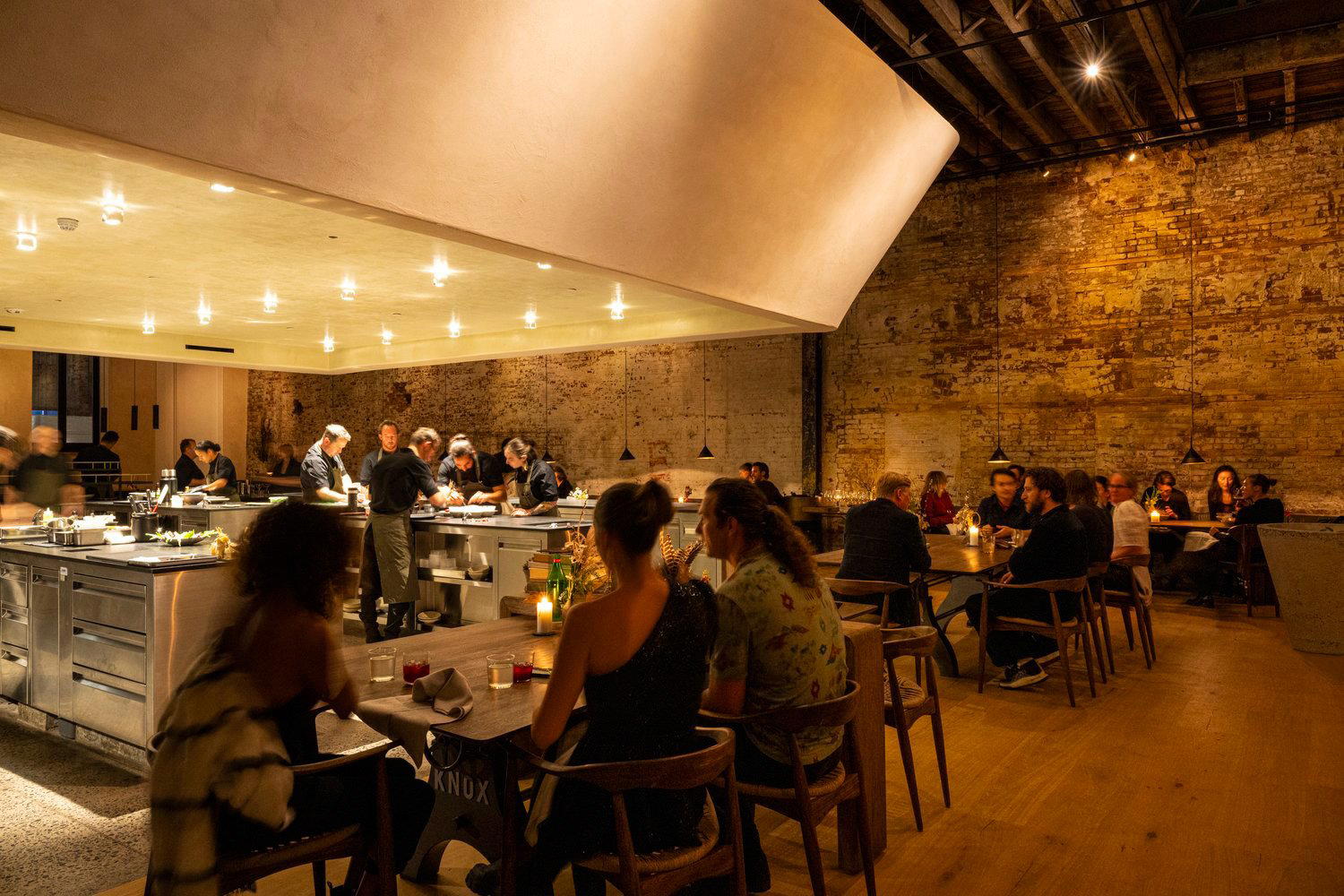
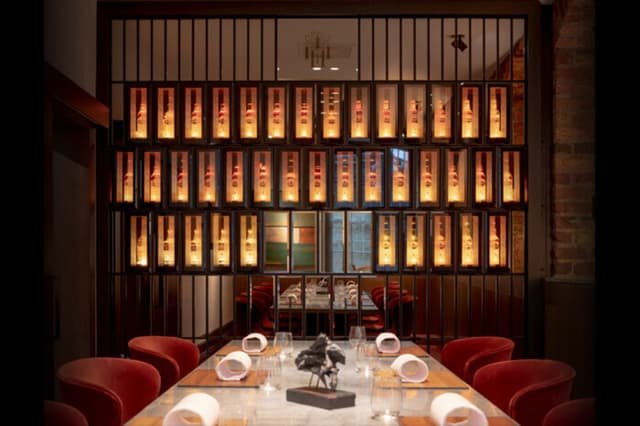
Refined and delicate ambiance with soft lighting, tasteful decor, high ceilings, and tables spaced comfortably apart in a warm modern style within an historic old mill.
Tags
Vibe
Best For
Experience
Sourcing
At the Table
- Dress Code
- Smart Casual
- Noise Level
- Quiet
- Service Style
- Upscale Casual
- Meal Pacing
- Leisurely
- Capacity
- Intimate
- Kitchen
- Modern
- Menu Format
- Tasting menu, A la carte
- Wine Program
- Curated
- Dietary
- Gluten-free options
Signature Dishes
- ravioli filled with goat and saffron foam
- eucalyptus smoked mullet filet
Know before you go
Know Before You Go
- Getting there
- Agriturismo Su Barroccu, 09070 Riola Sardo OR, Italy
Planning details
Location
Agriturismo Su Barroccu, 09070 Riola Sardo OR, Italy · Directions
Recognition and awards
Also consider
Also Consider
- Atelier Moessmer Norbert Niederkofler, Italian, Creative, €€€€
- Dal Pescatore, Italian, Italian Contemporary, €€€€
- Osteria Francescana, Progressive Italian, Creative, €€€€
- Quattro Passi, Italian, Mediterranean Cuisine, €€€€
- Reale, Progressive Italian, Modern Cuisine, €€€€
Restaurant context
Su Murruai sits at €€€ with a Michelin Plate, which puts it in a different tier from the €€€€ Italian heavyweights it is sometimes mentioned alongside. Osteria Francescana in Modena and Dal Pescatore in Runate operate at multiple Michelin stars and correspondingly higher prices, longer booking windows, and a formality of service that Su Murruai does not attempt to replicate. If you are chasing that tier of experience, Su Murruai will not satisfy the same craving. What it offers instead is serious regional cooking in an intimate agriturismo setting at a price that does not require the same level of commitment.
Quattro Passi in Marina del Cantone and Reale in Castel di Sangro are closer comparators in spirit, both kitchens working at the intersection of regional Italian tradition and contemporary technique, both at €€€€. Su Murruai costs less and books more easily, which for a Sardinian itinerary makes it the practical choice if your goal is genuinely good regional food rather than a trophy reservation. Atelier Moessmer Norbert Niederkofler in Brunico represents the high end of creative Italian fine dining, but it requires significantly more planning and budget. Su Murruai is the right call if you want a meal that feels considered and place-specific without the logistical weight of a destination tasting-menu reservation.
For the diner building a Sardinia itinerary around food: Su Murruai is the most accessible serious restaurant in the Oristano area, and at €€€ it justifies the detour to Riola Sardo on its own terms. If your trip is centred on Cagliari or northern Sardinia, the travel time tips the calculation, but for anyone spending time around the Sinis Peninsula, it is the clearest dining recommendation in the region. See our full Riola Sardo restaurants guide for additional options in the area.
Explore Riola Sardo
Around this place
Discover more on Pearl
Unlock the full Su Murruai guide in Pearl, including awards, comparisons, FAQs, planning details, and nearby places.
Compare Su Murruai
| Venue | Awards | Price |
|---|---|---|
| Su Murruai | 2026 Michelin Plate2025 Michelin Plate2024 Michelin Plate | €€€ |
| Atelier Moessmer Norbert Niederkofler | 2026 OAD Top Restaurants in Europe Ranked · #92026 Falstaff Restaurant Guide2026 Les Grandes Tables du Monde Members2026 Michelin 3 Stars2026 La Liste Top Restaurants2025 World's 50 Best Restaurants · #202025 OAD Top Restaurants in Europe Ranked · #362025 The Best Chef Three Knives2025 Michelin 3 Stars | €€€€ |
| Dal Pescatore | 2026 OAD Classical in Europe Ranked · #172026 Relais Chateaux Restaurants2026 Les Grandes Tables du Monde Members2026 La Liste Top Restaurants2026 Michelin 3 Stars2026 Falstaff Restaurant Guide2025 OAD Classical in Europe Ranked · #162025 Michelin 3 Stars2025 Relais Chateaux Award | €€€€ |
| Osteria Francescana | 2026 OAD Top Restaurants in Europe Ranked · #212026 La Liste Top Restaurants2026 Les Grandes Tables du Monde Members2026 Michelin 3 Stars2026 Falstaff Restaurant Guide2025 OAD Top Restaurants in Europe Ranked · #27Chef's Table Featured Restaurants · 20252025 Michelin 3 Stars2025 The Best Chef Three Knives | €€€€ |
| Quattro Passi | 2026 OAD Top Restaurants in Europe Ranked · #972026 Les Grandes Tables du Monde Members2026 La Liste Top Restaurants2026 Michelin 3 Stars2026 Falstaff Restaurant Guide2025 OAD Classical in Europe Ranked · #522025 La Liste Top Restaurants2025 Michelin 3 Stars2024 OAD Classical in Europe Ranked · #116 | €€€€ |
| Reale | 2026 OAD Top Restaurants in Europe Ranked · #222026 Les Grandes Tables du Monde Members2026 La Liste Top Restaurants2026 Michelin 3 Stars2026 Falstaff Restaurant Guide2025 World's 50 Best Restaurants · #182025 OAD Top Restaurants in Europe Ranked · #25We're Smart World Top 100 2025We're Smart World Top Restaurants 2025 | €€€€ |










Side-by-side comparison to help you decide where to book.
FAQ
Frequently Asked Questions
Is Su Murruai good for solo dining?
Yes, particularly if you are a food-focused traveller eating your way through Sardinia's less-visited west coast. The setting in a converted mill within the Agriturismo Su Barroccu is intimate rather than cavernous, which works in a solo diner's favour. At €€€ pricing and with a Michelin Plate to its name, it is a serious enough kitchen to justify going alone — this is not a venue where you need a group to get value from the format.
What should I order at Su Murruai?
The venue data points specifically to the mutton pintadera — an open ravioli with saffron and liquorice — as a dish that typifies what Ivan Matarese does: Sardinian ingredients, traditional reference points, modernised execution. Fish from the Gulf of Oristano and inland meats anchor the savoury courses; for dessert, the Campanian-inspired options (reimagined pastiera and babà) are a direct reflection of the chef's origins and worth ordering if you want to understand the full scope of the kitchen.
Is the tasting menu worth it at Su Murruai?
At €€€, Su Murruai sits in the serious-but-not-prohibitive tier for Italian regional fine dining, and the tasting menu format is the clearest way to see how Matarese moves between Gulf of Oristano seafood, Sardinian inland produce, and his Campanian dessert references. If you are making the trip to Riola Sardo specifically to eat here — which is effectively required, given the location — the tasting menu is the more coherent choice over ordering à la carte.
What should a first-timer know about Su Murruai?
Su Murruai is inside the Agriturismo Su Barroccu in Riola Sardo, a small village on the edge of the Sinis Peninsula — plan your route before you go, as this is not a restaurant you stumble across. The name references 'su murruai', the Sardinian term for the scent of aged Vernaccia wine, which signals that the kitchen takes local identity seriously. Booking two to three weeks ahead in high season is sufficient; this is not a pressure-cooker reservation situation compared with busier Italian fine-dining destinations.
Is Su Murruai worth the price?
At €€€ with a Michelin Plate, Su Murruai delivers a genuinely regional Sardinian kitchen that you cannot replicate in the island's more tourist-facing dining circuits. Chef Ivan Matarese's approach — quality local ingredients, traditional recipes reinterpreted with some technical ambition — is a credible offer at this price point. If you are already in the Oristano area, the value case is clear; if you are travelling specifically from Cagliari or the Costa Smeralda, it requires a deliberate detour, which is a higher bar to clear.
What are alternatives to Su Murruai in Riola Sardo?
Riola Sardo is a small village with limited dining options of this tier, so the practical comparison is within the broader Oristano province. For visitors committed to the Sinis Peninsula area, Su Murruai is the most credentialled kitchen in the immediate vicinity given its Michelin Plate recognition. If you want comparable regional Italian seriousness at a more accessible location, the Oristano town proper has trattorias focused on traditional Campidanese and coastal cooking, though none carry the same formal recognition as Matarese's kitchen.