.png?width=1200&quality=80)
Lao A Bo
Fujian · Fengze, Quanzhou
Restaurant in Quanzhou, China
 Book with Pearl
The Read
Coastal Sourcing, Unfiltered
Price
¥¥
Dress
Smart Casual
Why go
Two-time Michelin Bib Gourmand winner (2024 and 2025) in Quanzhou's Fengze District, Lao A Bo earns its reputation through access to wild-caught seafood and coastal ingredients rarely found on other menus in the city. At ¥¥, it is the best-value entry point into the more adventurous end of Fujian cuisine. Go at lunch, arrive early, and order from the unusual end of the menu.
About Lao A Bo
Verdict: A Michelin Bib Gourmand Built on Ingredients You Won't Find Anywhere Else
The common assumption about Bib Gourmand spots in China is that they succeed on price. Lao A Bo earns its back-to-back recognition (2024 and 2025) on something harder to replicate: access to seafood and coastal ingredients that don't make it onto menus elsewhere in Quanzhou. This is not a safe, crowd-pleasing introduction to Fujian food. It is a direct line to the edge of what the cuisine actually offers — mudskippers, giant sea snails, swimmer crabs — sourced by an owner whose background as a food distributor means the supply chain starts with him. If you want tried-and-tested Fujian staples without any friction, Chun Sheng is the easier recommendation. If you want to eat things you cannot find on a standard restaurant menu, book Lao A Bo.
Ten-Plus Years of the Same Obsession
Lao A Bo has been drawing regulars for over a decade, which is the most reliable signal a neighbourhood restaurant can send. That kind of loyalty, in a city with Quanzhou's density of eating options, does not happen by accident. The owner's prior career as a food distributor is the structural reason the kitchen consistently has access to wild-caught and rarely available species. This is not a menu that pivots to whatever is fashionable, it is anchored to whatever is exceptional that week, which means the experience rewards repeat visits and punishes those who show up with a fixed idea of what they will order.
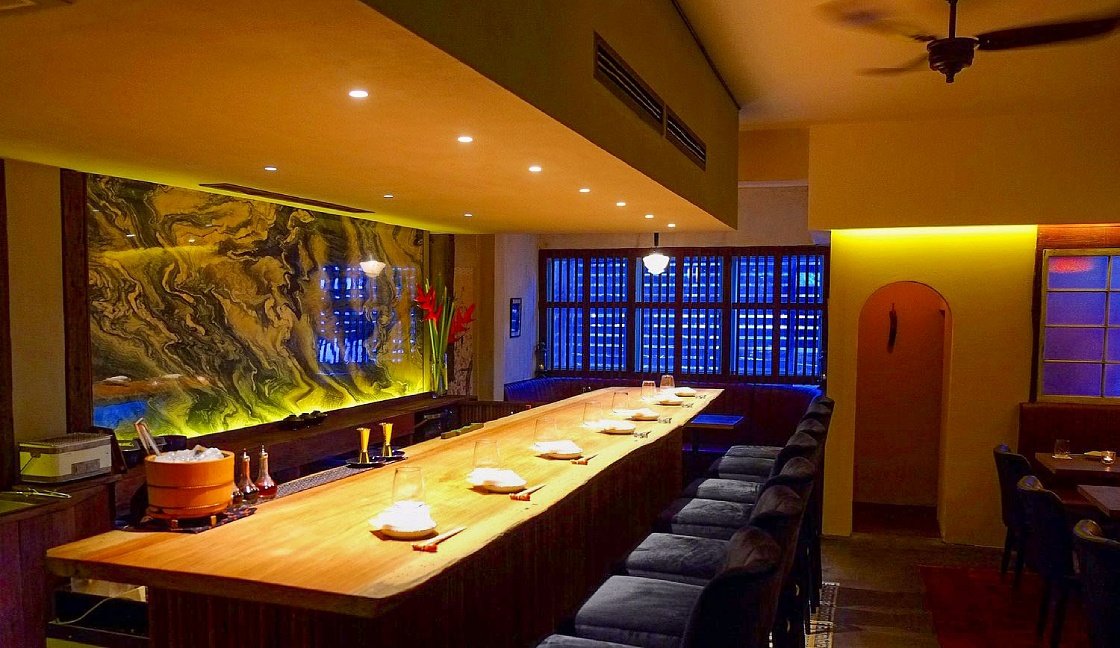
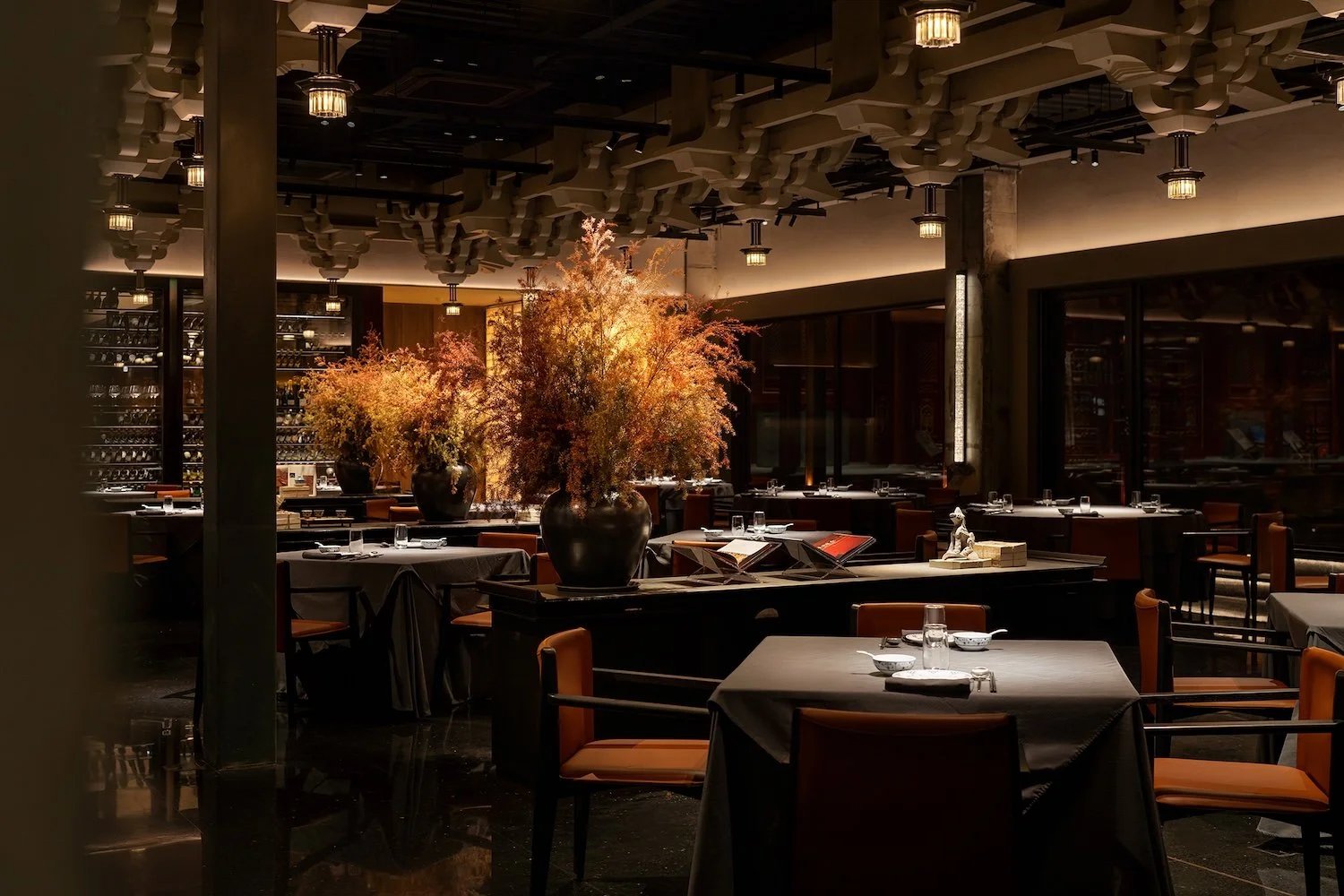
The atmosphere at Lao A Bo reads as a working neighbourhood restaurant, not a destination dining room. Expect the energy of a busy local spot: tables turning, seafood ordered by the piece or by the catch, and none of the performance that comes with higher price tiers. For an explorer eating through Fujian cuisine, this is precisely the point. The noise level and pace signal that the room fills with people who know what they are doing, not tourists working through a checklist. Arrive early for lunch if you want to eat without waiting; the seafood that draws regulars does not last to a late sitting.
Lunch vs. Dinner: When to Go and What Changes
At the ¥¥ price tier, Lao A Bo is one of the better-value propositions in Quanzhou regardless of the hour. But lunch is the stronger call. The kitchen's strengths are ingredient-led rather than technique-driven, and the rare seafood on offer, wild-caught mudskippers, swimmer crabs, the gigantic sea snails that draw particular attention, moves fast. A lunch visit gives you first access to what arrived that morning, which matters more here than it would at a restaurant where the menu is fixed and prepared in advance.
Dinner at a restaurant like this in Quanzhou tends to serve larger groups ordering across the full menu, which means longer waits and a noisier, more chaotic room. That is not a reason to avoid an evening visit, but if you are travelling solo or as a pair and want to focus on the kitchen's more unusual offerings, midday is the cleaner choice. The home-style staples, braised pork rice, tofu in sa cha sauce, blood curd soup, are consistent across both sittings and provide good grounding if you are new to the cuisine before committing to the more adventurous options.
How It Fits Into a Broader Quanzhou Eating Plan
Lao A Bo sits in Fengze District at 367 Jinhuai Street. If you are building a day around eating in Quanzhou, pairing this with a bowl at Jian Lai Fa or a stop at Hall Thing (Licheng) gives you a reasonable cross-section of what the city does well at different price points. For a broader view of where Lao A Bo sits in the regional Fujian cooking conversation, Hokklo in Xiamen and Hokkien Cuisine in Chengdu offer useful comparisons, though neither operates at the same stripped-back, ingredient-first register.
Travellers who have eaten Fujian-influenced cooking at Xin Rong Ji in Beijing or Chef Tam's Seasons in Macau should calibrate their expectations accordingly: Lao A Bo is operating at a completely different register, rougher edges, no ceremony, and ingredients that the polished end of the market rarely touches. That is the trade you are making, and at ¥¥ it is a good one.
For context on the broader Quanzhou eating scene, see our full Quanzhou restaurants guide. If you are planning a longer visit, our Quanzhou hotels guide, bars guide, and experiences guide have the rest covered.
Booking and Practical Details
Booking difficulty is rated easy. There is no known online reservation system or published phone number in the current record, so walk-in remains the most practical approach. Given that the kitchen's leading material sells out, an early arrival, particularly for lunch, is a more reliable strategy than arriving at peak hour and hoping the unusual cuts are still available. The ¥¥ price tier puts this firmly in the affordable-without-compromise bracket: expect to spend meaningfully less per head than at Qing You Yu while eating seafood that is arguably harder to source.
| Venue | Cuisine | Price | Booking Difficulty | Leading For |
|---|---|---|---|---|
| Lao A Bo | Fujian | ¥¥ | Easy (walk-in) | Rare seafood, ingredient-driven eating |
| Chun Sheng | Fujian | ¥¥ | Easy | Accessible Fujian classics |
| Qing You Yu | Seafood | ¥¥¥ | Moderate | Higher-end seafood, special occasions |
| Luo Ji Mian Xian Hu | Noodles | ¥ | Easy | Quick, budget, local staple |
| A Qiu Niu Pai (Huxin Street) | Beef | ¥¥ | Easy | Meat-focused alternative |
Also Worth Your Time in Quanzhou
Planning details
- Location
- 367 Jinhuai St, Fengze District, Quanzhou, Fujian, China, 362019
- Phone
- +86 595 2230 8152
The take
The Take
The Vibe
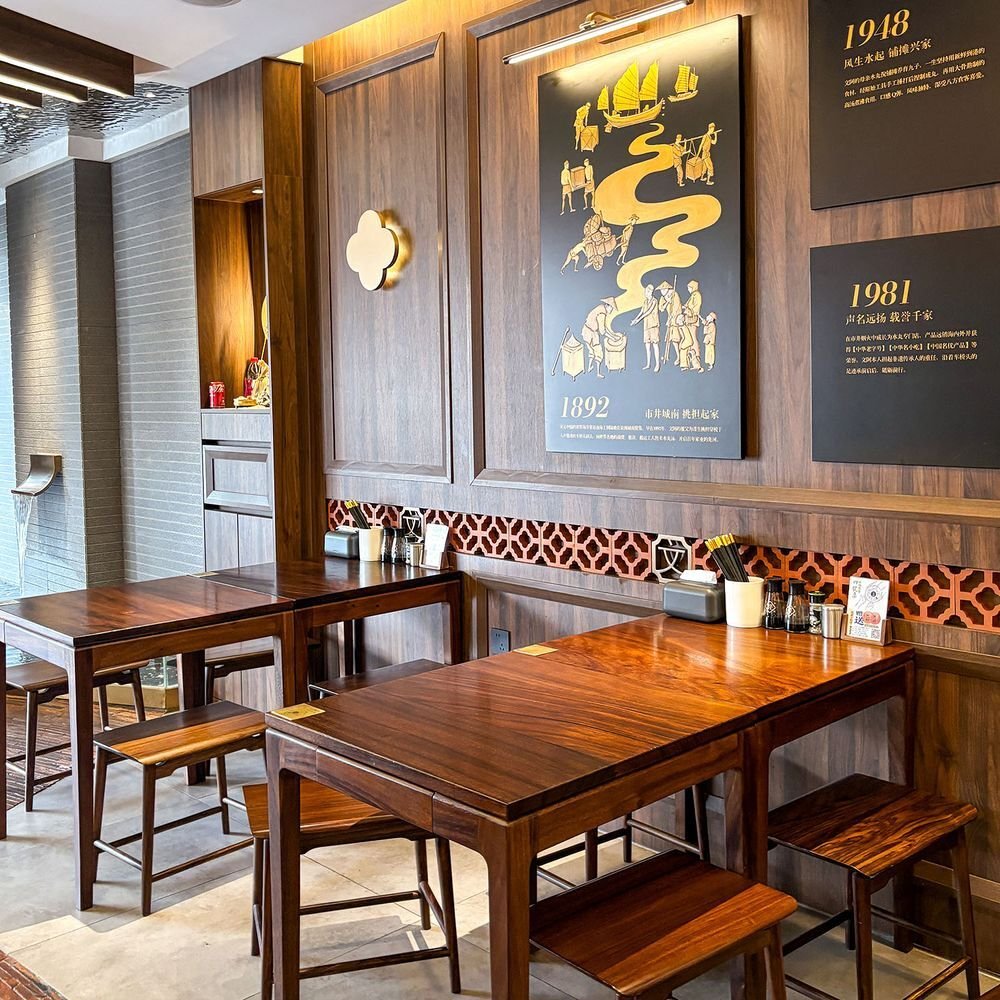
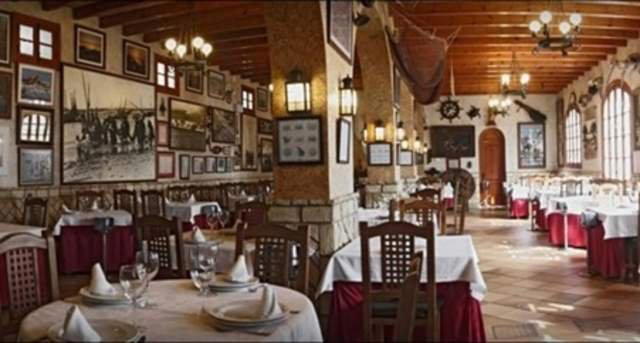
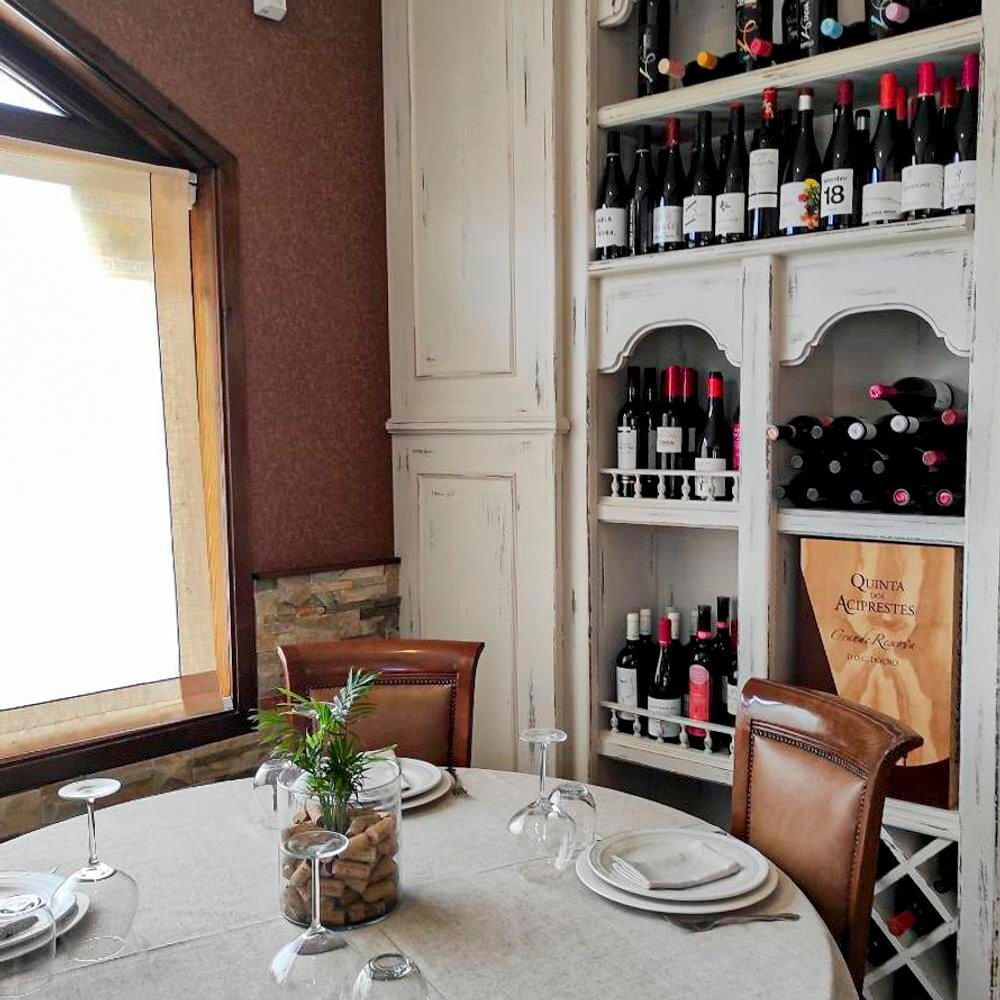
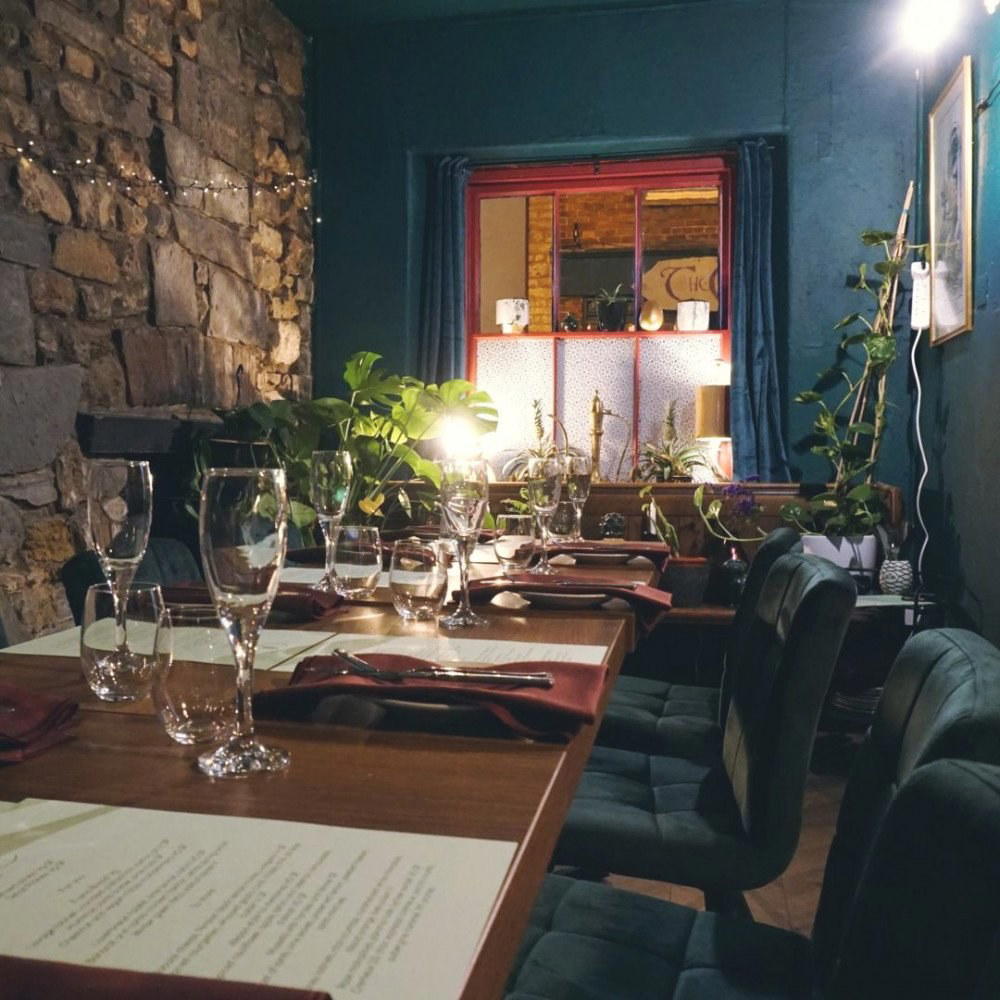
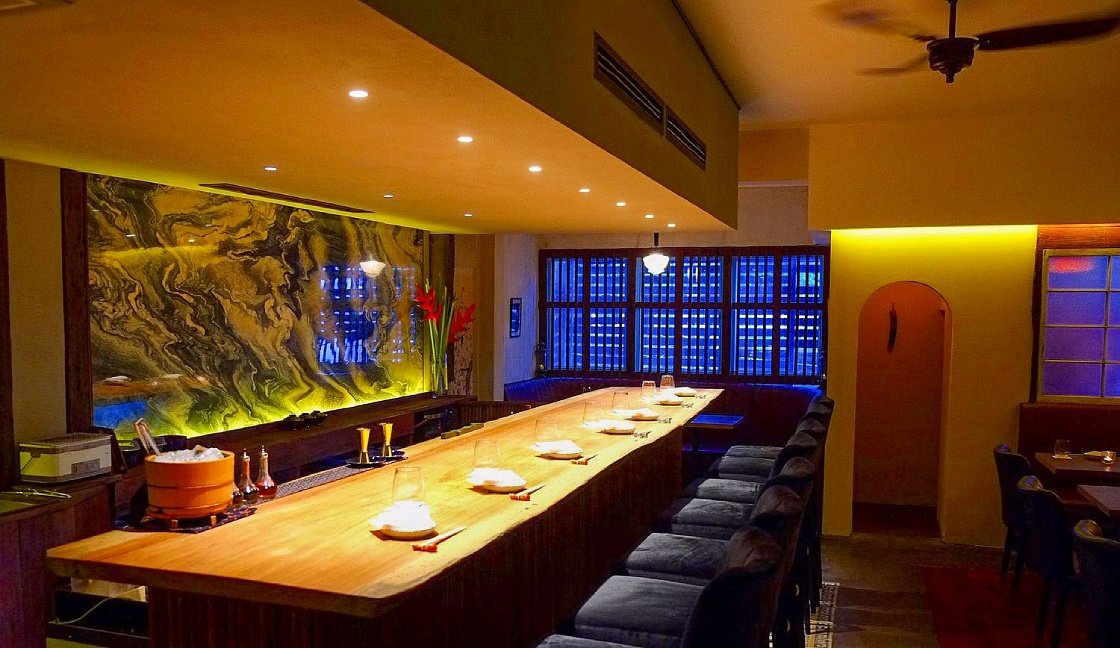
Lao A Bo feels like a no-frills neighborhood institution where Fujian coastal cooking is the focus. Tiled interiors and shared tables create a working‑class, communal atmosphere that emphasizes the food rather than decor. Service is deliberately unceremonious, and the kitchen’s decade‑long reputation rests on disciplined sourcing rather than flashy technique. Regulars prize the place for its access to uncommon inshore species and straightforward Hokkien preparations — think springy mudskipper braised with shallots and black beans or giant sea snails served with little fuss. The overall effect is quietly confident and characterful rather than polished or staged.
Best For
This is a spot for people who come for the seafood first and the setting second. Because the menu shifts with the catch and many dishes are designed to be shared, Lao A Bo suits informal group dinners and casual hangouts with friends who appreciate regional coastal flavors. It works well as a regular neighborhood meal rather than a formal celebration: affordable price positioning, shared tables, and a working‑neighbourhood location encourage relaxed, communal visits focused on tasting what’s fresh that day.
Ordering Tips
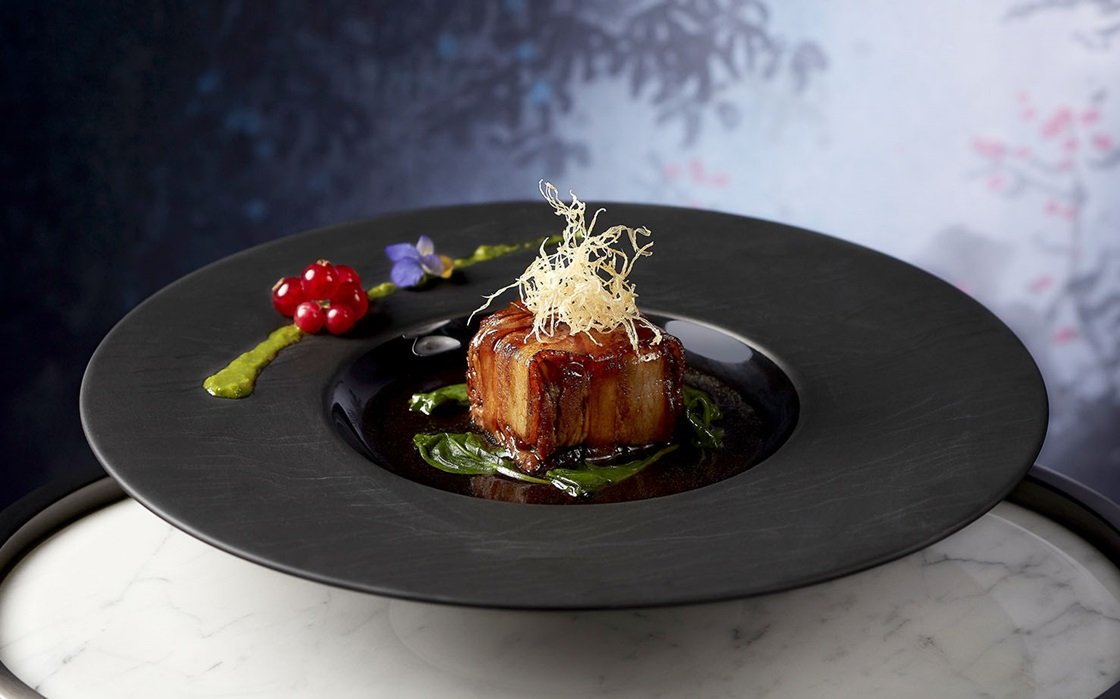
Order by what’s fresh: the menu changes with the catch, and the kitchen’s reputation rests on wild, inshore species. Don’t miss the wild‑caught mudskipper braised with shallots and black beans — it’s a signature Hokkien preparation — and the river fish steamed in banana leaf with wild citrus when available. Share plates such as gigantic sea snails, swimmer crabs and the charred eggplant relish so everyone can sample textures and contrasts. Because many items reward patience and communal eating, come ready to share and enjoy whatever the market has supplied that day.
Venue details
Ambiance
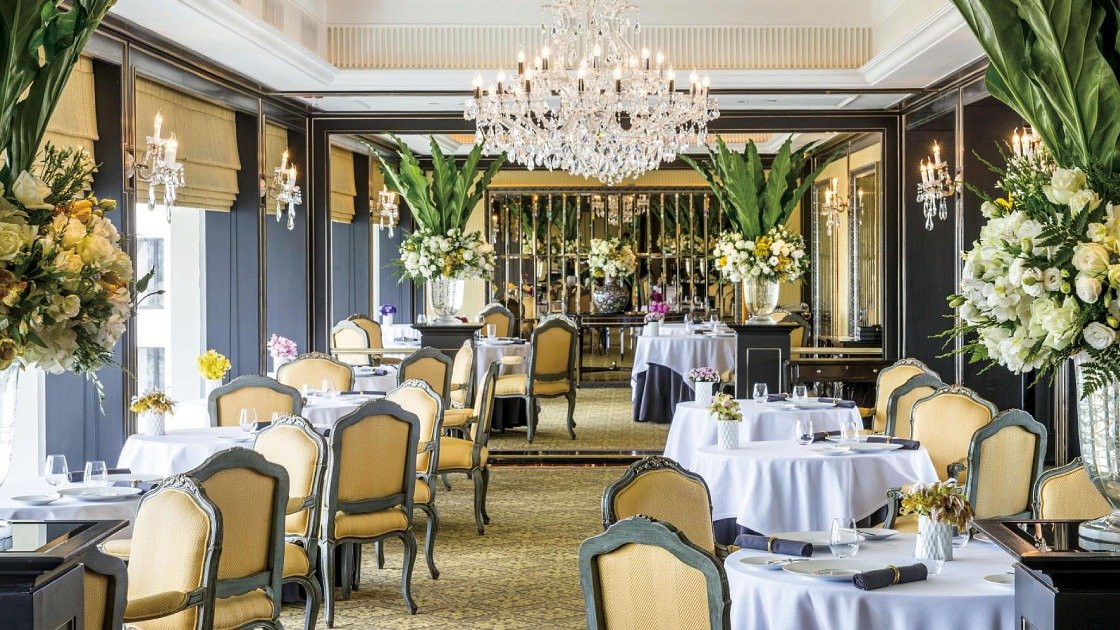
Soft hand-polished teak, delicate silk, candlelit tables casting golden glow, artisanal ceramics, subtle perfume of lemongrass and toasted rice creating an intimate yet airy atmosphere.
Tags
Vibe
Best For
Experience
Sourcing
At the Table
- Dress Code
- Smart Casual
- Noise Level
- Quiet
- Service Style
- Upscale Casual
- Meal Pacing
- Leisurely
- Capacity
- Small
Signature Dishes
- River fish steamed in banana leaf with wild citrus
- Wild-caught mudskippers braised with shallots and black beans
- Charred eggplant relish
- Gigantic sea snails
- Swimmer crabs
Know before you go
Know Before You Go
- Getting there
- 367 Jinhuai St, Fengze District, Quanzhou, Fujian, China, 362019
Planning details
Location
367 Jinhuai St, Fengze District, Quanzhou, Fujian, China, 362019 · Directions
Recognition and awards
Also consider
Also Consider
- Chun Sheng, Fujian, ¥¥
- Jiang Nan Yuan, Vegetarian, ¥¥¥
- Luo Ji Mian Xian Hu, Noodles, ¥
- Qing You Yu, Seafood, ¥¥¥
- Che Qiao Tou Wen A Shui Wan (Daxi Street), Notable alternative
Restaurant context
At the ¥¥ tier, Lao A Bo's closest direct comparison in Quanzhou is Chun Sheng, which also covers Fujian cooking at a similar price point. The difference is approach: Chun Sheng is the more accessible, consistent option for diners who want reliable regional classics, while Lao A Bo prioritises ingredient access over familiarity. If this is your first meal in Quanzhou and you want a clear read on the cuisine, Chun Sheng is the lower-risk choice. If you have eaten Fujian food before and want to push further into what the kitchen can actually source, Lao A Bo is the better call.
For seafood at a higher spend, Qing You Yu operates at ¥¥¥ with more formal execution and a polished setting. It is the right option for a special occasion or a group that needs a structured experience. Lao A Bo undercuts it on price and arguably exceeds it on ingredient rarity, but the room and service are incomparable. At the opposite end of the price scale, Luo Ji Mian Xian Hu at ¥ handles Quanzhou noodles well for a quick, budget-first meal. Che Qiao Tou Wen A Shui Wan (Daxi Street) is worth considering if you want another local-facing option in the city. For vegetarians, Jiang Nan Yuan at ¥¥¥ is the only obvious alternative, though it operates in a completely different register. The short version: Lao A Bo is the right choice for an ingredient-focused meal at a fair price; Qing You Yu wins on occasion and setting; Chun Sheng wins on accessibility.
Explore Quanzhou
Around this place
Discover more on Pearl
Unlock the full Lao A Bo guide in Pearl, including awards, comparisons, FAQs, planning details, and nearby places.
Compare Lao A Bo
| Venue | Location | Cuisine | Awards | Price |
|---|---|---|---|---|
| Lao A Bo | Quanzhou | Fujian | 2026 Bib Gourmand2025 Michelin Bib Gourmand2024 Michelin Bib Gourmand | ¥¥ |
| Chun Sheng | Quanzhou | Fujian | 2026 Bib Gourmand2025 Michelin Bib Gourmand2024 Michelin Bib Gourmand | ¥¥ |
| Jiang Nan Yuan | Quanzhou | Vegetarian | No published awards | ¥¥¥ |
| Luo Ji Mian Xian Hu | Quanzhou | Noodles | 2026 Bib Gourmand2025 Michelin Bib Gourmand2024 Michelin Bib Gourmand | ¥ |
| Qing You Yu | Quanzhou | Seafood | 2026 Black Pearl 1 Diamond2026 Michelin 1 Star2025 Michelin Plate2025 Black Diamond 1 Diamond2024 Michelin Plate | ¥¥¥ |
| Che Qiao Tou Wen A Shui Wan (Daxi Street) | Quanzhou | 2026 Bib Gourmand | , | , |



.png?width=1200&quality=80)
How Lao A Bo Quanzhou compares with similar nearby venues.
FAQ
Frequently Asked Questions
Is Lao A Bo worth the price?
Yes, at ¥¥ pricing with back-to-back Michelin Bib Gourmand recognition in 2024 and 2025, the value case is clear. The owner's background as a seafood distributor translates directly into ingredient quality that restaurants at this price tier rarely match. You are paying neighbourhood-restaurant prices for produce that is genuinely hard to source elsewhere in Quanzhou.
What are alternatives to Lao A Bo in Quanzhou?
For noodle-focused Fujian eating, Luo Ji Mian Xian Hu is the sharper pick. Qing You Yu is worth considering if fresh fish is your priority over the broader seafood spread Lao A Bo offers. Chun Sheng and Jiang Nan Yuan suit diners who want a more conventional Fujian home-cooking format rather than Lao A Bo's ingredient-led approach.
What should a first-timer know about Lao A Bo?
Go in knowing the menu leans on produce that changes with availability — the wild-caught mudskippers, gigantic sea snails, and swimmer crabs are the reason to visit, not the staples. Pair one of those with a home-style anchor like braised pork rice or blood curd soup. No phone number or online booking is currently listed, so walk-in is the way in; arrive early to avoid missing the more limited-supply items.
Is Lao A Bo good for a special occasion?
Only if the occasion is food-focused and informal. At ¥¥ and a neighbourhood format with no documented private dining, this is not a venue for marking a milestone with ceremony. It is the right call for a meal where the point is eating something genuinely unusual — Michelin-recognised Fujian seafood in an unfussy setting.
Is the tasting menu worth it at Lao A Bo?
No tasting menu format is documented for Lao A Bo. The venue operates as a neighbourhood Fujian restaurant where you order à la carte. The stronger strategy is to anchor your order on the rare-ingredient dishes — mudskippers, sea snails, swimmer crabs — and fill out the table with one or two home-style staples.
What should I wear to Lao A Bo?
No dress code is documented, and nothing in Lao A Bo's profile — a ¥¥ neighbourhood restaurant in Fengze District drawing decade-long local regulars — suggests anything beyond clean, casual clothes. Overthinking this is unnecessary.