.png?width=1200&quality=80)
Hall Thing (Licheng)
Fujian · Licheng, Quanzhou
Restaurant in Quanzhou, China
 Book with Pearl
The Read
Courtyard Nostalgia Cooking
Price
¥¥
Dress
Casual
Why go
Hall Thing has earned back-to-back Michelin Bib Gourmand recognition (2024 and 2025) for Fujian cooking at ¥¥ prices — Yongchun taro noodle soup and stir-fried pork liver are the dishes to order. The courtyard setting in a Licheng alley is the best argument for eating here over any comparable spot in Quanzhou. Booking is easy; finding it takes a moment.
About Hall Thing (Licheng)
The courtyard table at Hall Thing is harder to find than it is to book — and that's most of the point
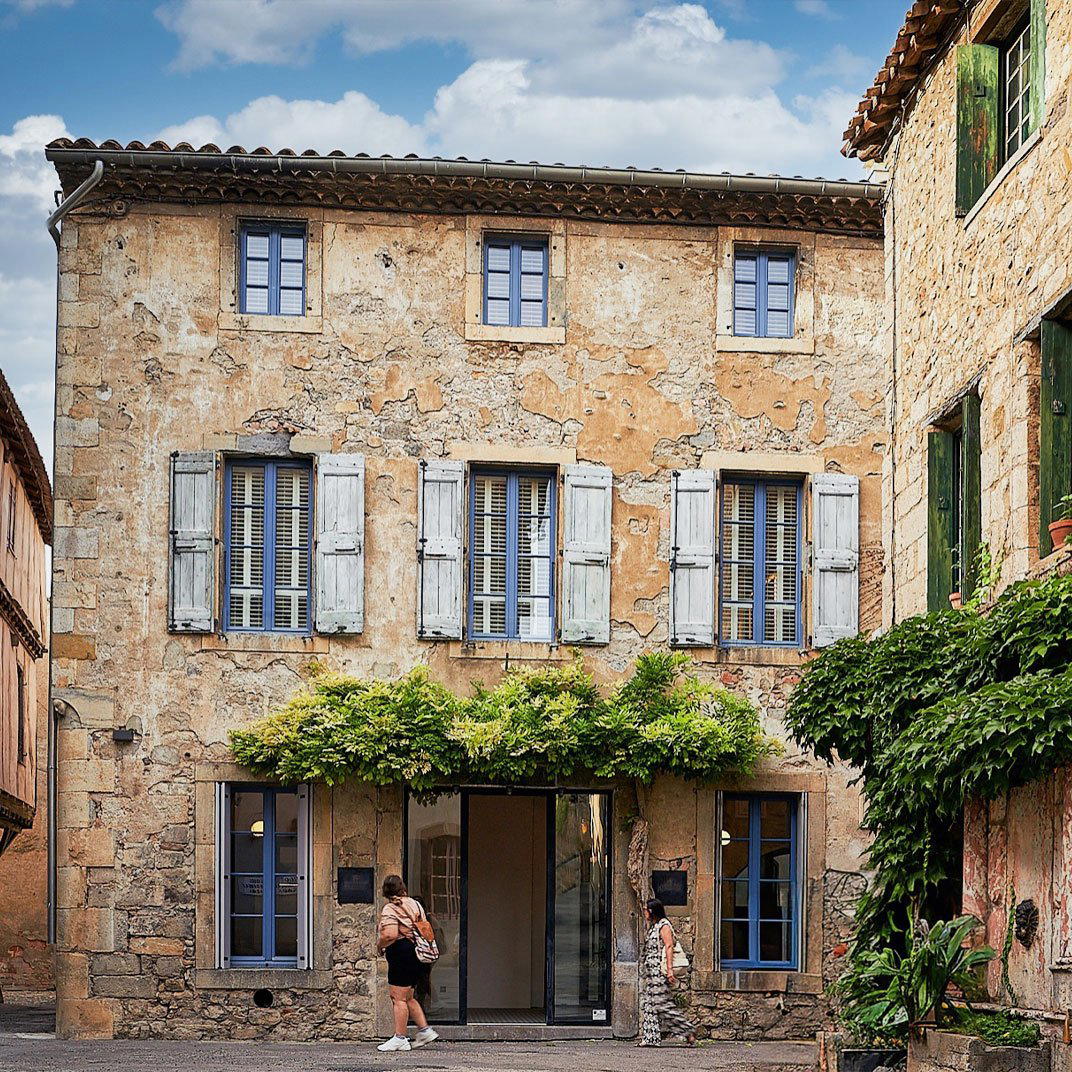
Hall Thing sits down an alley in Licheng District, and if you don't know to look for the courtyard under a big tree, you'll walk past it. The Michelin Bib Gourmand committee found it anyway — twice, in 2024 and 2025, and their verdict is the same one any honest assessment of this price tier has to reach: this is Fujian cooking that punches well above its ¥¥ positioning, served in a room that earns its atmosphere without trying to perform it.
For food-focused visitors to Quanzhou, this is one of the few restaurants in the city where the setting and the food arrive at the same level simultaneously. That's rarer than it sounds. Most places in this price bracket get one right. Hall Thing manages both, and does so inside a space fitted with antique pieces that feel gathered rather than curated, the difference between a home and a set.
What to expect from the food
The menu sits inside Fujian's culinary tradition without being a museum piece. The Michelin notes specifically call out the Yongchun taro noodle soup, creamy mashed taro in a flavorsome broth, as worth ordering, and the stir-fried pork liver, cooked for a texture that is simultaneously tender and crispy, gets equal billing. These are not fusion-inflected interpretations. They are dishes that have been refined through repetition, and the result at ¥¥ pricing is the kind of value proposition that makes a Bib Gourmand designation feel earned rather than promotional.
Yongchun is a county in inland Quanzhou, and its taro noodle tradition is less visible in the city's central restaurant scene than the coastal seafood dishes that dominate most menus. Finding it executed at this level, in this setting, is worth noting if you're building a Fujian food itinerary. For context on how Fujian cuisine travels, Hokkien Cuisine in Chengdu and Hokklo in Xiamen show how the same regional tradition is being interpreted elsewhere, but the point of Hall Thing is that it isn't interpreting anything. It's just doing it.
The atmosphere question
If you book for a sunny day and request the courtyard table, the ambient feel shifts from good to genuinely memorable. The courtyard sits under a large tree, and the combination of natural light, antique surroundings, and the unhurried pace of a mid-tier alley restaurant in Licheng produces something that no amount of interior design budget can manufacture. It is quiet in the way that places in old city cores tend to be quiet, not silent, but insulated from the noise of the main streets.
This matters for the decision: Hall Thing is not a dinner-party-energy venue. It's a lunch or early-evening spot for people who want to eat well and sit comfortably, not a place to take a group that needs a lively room. The atmosphere works well for two to four people who are there for the food first. For Quanzhou's broader dining picture, see our full Quanzhou restaurants guide.
Who should book this
Book Hall Thing if you are in Quanzhou with a genuine interest in regional Fujian cooking and want a setting that matches the food rather than undermining it. This is not a venue for a business dinner or a large group celebration, the alley location, antique-filled courtyard, and mid-tier price point all point toward a specific kind of meal: considered, unhurried, and locally grounded.
If you're building a broader China trip around regional cuisine, Hall Thing sits in a different register from the kind of polished Fujian-adjacent experiences you'd find at Xin Rong Ji in Beijing or Chef Tam's Seasons in Macau. Those are formal, high-production experiences. Hall Thing is what regional cooking looks like when it stays in its home city and doesn't dress up for anyone.
Quanzhou itself is a UNESCO World Heritage city, its historic core is the reason venues like Hall Thing exist in the kind of alleyway setting that makes the meal worth the navigation. If you're planning a full visit, our Quanzhou hotels guide, bars guide, and experiences guide have the fuller picture.
Nearby if Hall Thing doesn't fit your timing
Quanzhou has a handful of spots worth knowing in the same area. Lao A Bo, Jian Lai Fa, and Antstory each offer different angles on the local scene. A Qiu Niu Pai on Huxin Street is a good option if beef is the priority. Chun Sheng is the closest Fujian peer at the same price tier.
Know Before You Go
- Cuisine: Fujian (Yongchun-style specialities)
- Price tier: ¥¥
- Awards: Michelin Bib Gourmand 2024 and 2025
- Location: Houcheng Street, Licheng District, Quanzhou, look for the alley and the courtyard under a large tree
- Booking difficulty: Easy
- Leading seat: Courtyard table, request on arrival on a sunny day
- Hours: Not confirmed, verify locally before visiting
- Phone/website: Not listed, ask your hotel to assist with confirmation
- Group suitability: Leading for 2–4 people
Planning details
- Location
- WH2W+F6M, Houcheng St, Licheng District, Quanzhou, Quanzhou, Fujian, China, 362003
- Website
- new.qq.com/omn/20181213/20181213B0SIOR.html?pc
- Phone
- +86 595 2229 3338
The take
The Take
The Vibe
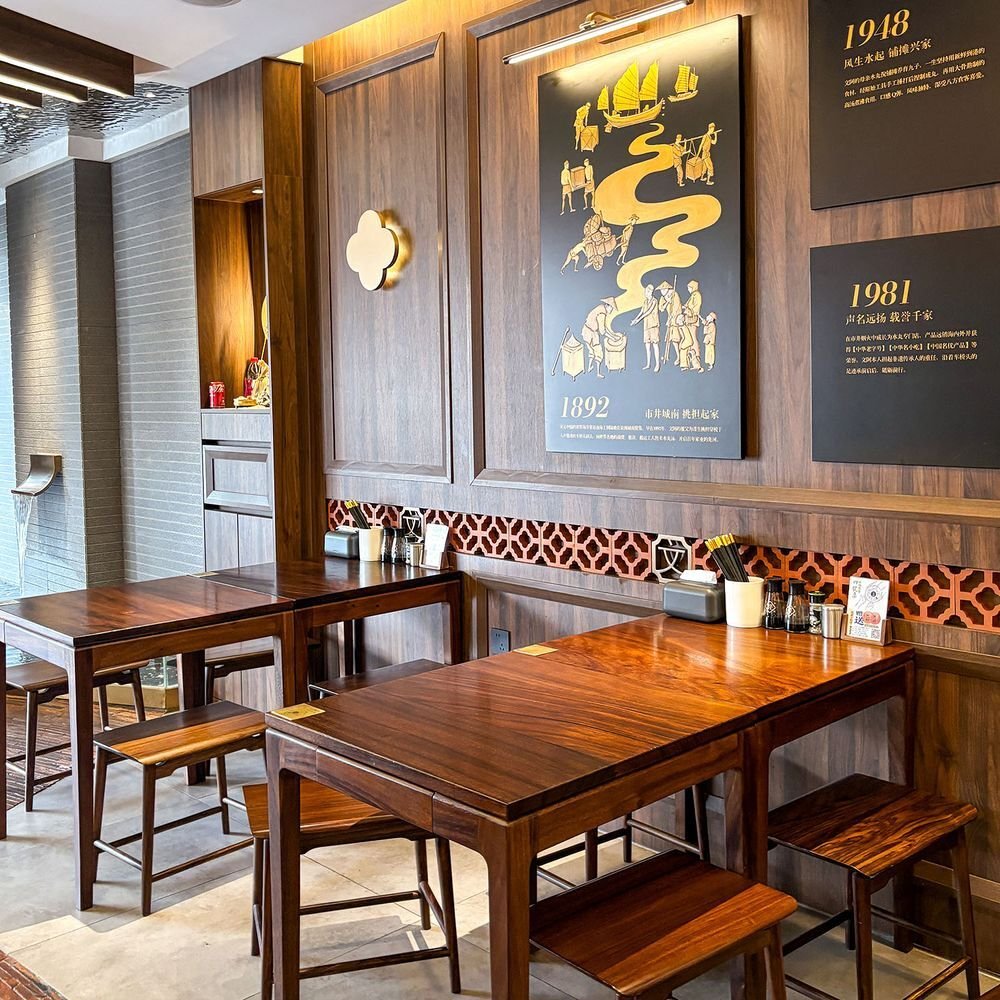
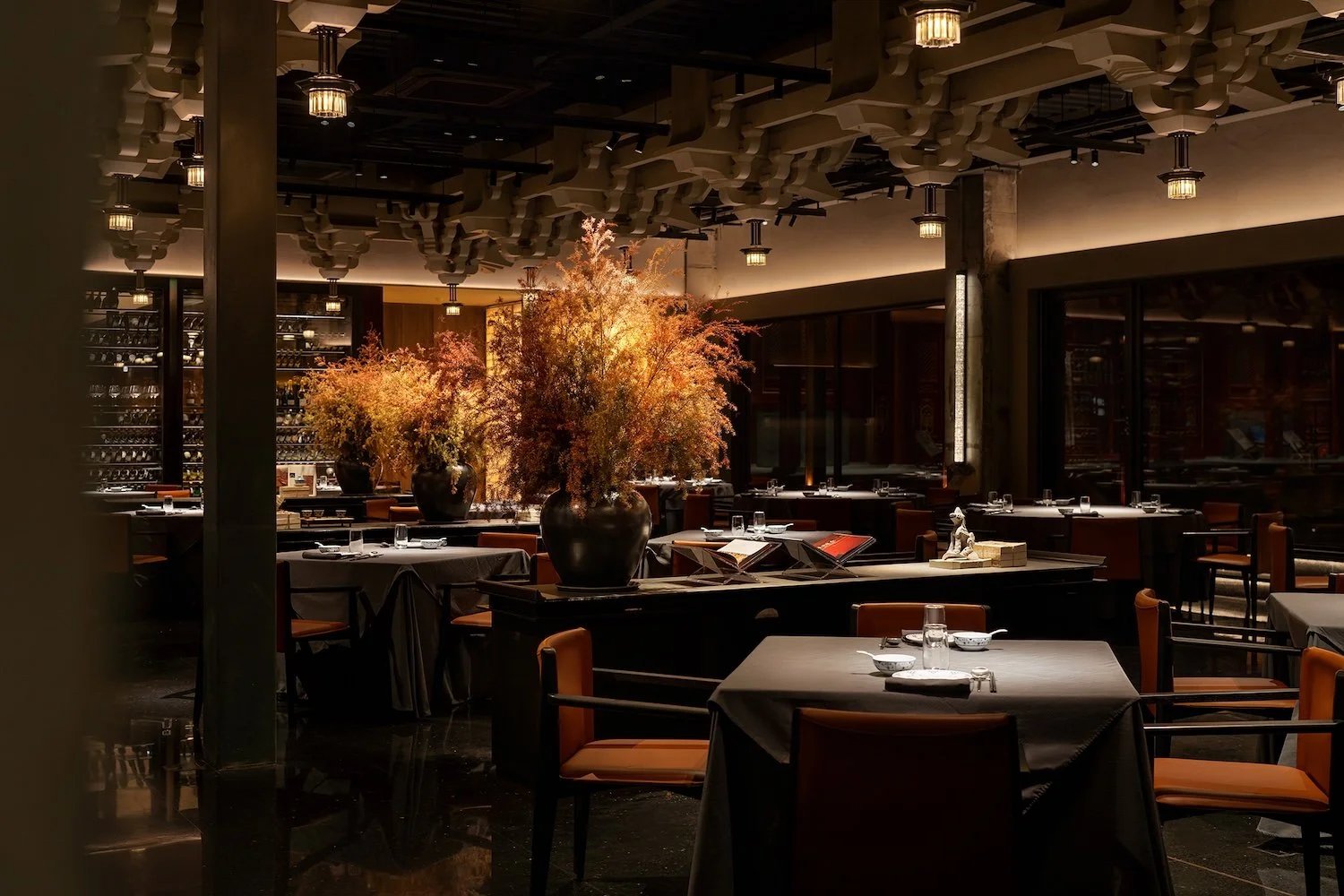
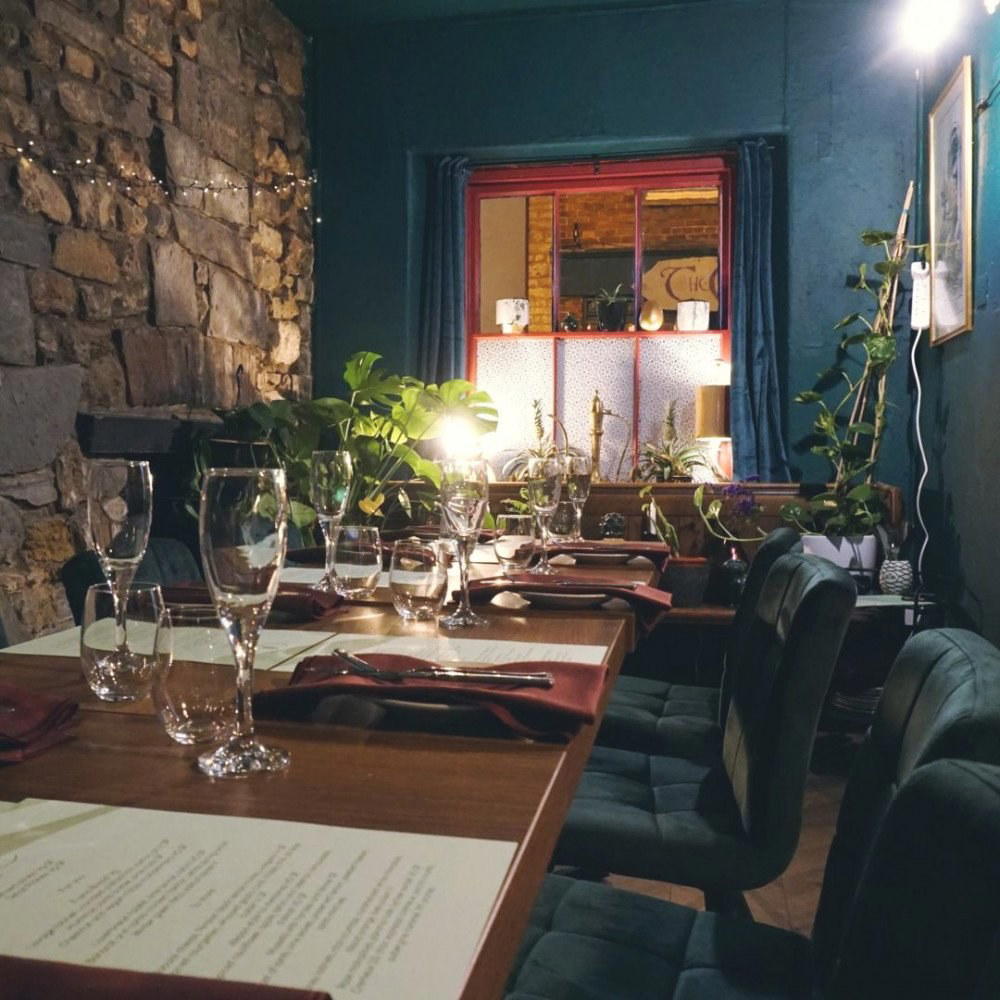
Hall Thing sits discreetly down an alley in Licheng, revealing itself by a large tree and a small courtyard rather than loud signage. The interior leans domestic and antique — worn stone, vintage furniture and modest proportions give the place a lived-in, quietly refined feel. The courtyard table under the tree is the centerpiece: dappled afternoon light and the enclosed silence make meals feel intentionally paced. The restaurant reads as a local classic rooted in Min Nan tradition — a hidden, rustic spot where the architecture and neighbourhood grain shape a low-key, intimate dining experience.
Best For
This is a neighbourhood restaurant that rewards curiosity: it suits diners who relish neighborhood discoveries and a relaxed, domestic setting. The courtyard appeals to small groups or families looking for an unpretentious outing, and the quiet atmosphere makes it comfortable for low-key lunches or afternoon meals. At a moderate price tier, Hall Thing sits alongside other local establishments in Licheng; it is best for people who want a regional, source-driven experience rather than a destination spectacle. The setting is decidedly casual and ideal for lingering over dishes in the courtyard when weather permits.
Ordering Tips
Focus on regional specialties that tie the meal to Quanzhou and Min Nan traditions: the signature Yongchun taro noodle soup and the stir-fried pork liver are highlighted dishes and good starting points. If the weather is pleasant, aim for the courtyard table — the description singles it out as the seat worth waiting for — so prioritize that seating when available. Given the restaurant’s local focus and modest scale, expect straightforward, ingredient-driven preparations rather than stylized tasting menus; ordering a few shared dishes captures the neighborhood character described.
Venue details
Ambiance
Vintage and elegant Chinese retro style with warmth, small courtyard seating ideal on sunny days; windy and cold in the lobby at night.
Tags
Vibe
Best For
Experience
View
At the Table
- Dress Code
- Casual
- Noise Level
- Conversational
- Service Style
- Casual
- Meal Pacing
- Standard
- Capacity
- Small
Signature Dishes
- Yongchun taro noodle soup
- Stir-fried pork liver
Know before you go
Know Before You Go
- Getting there
- WH2W+F6M, Houcheng St, Licheng District, Quanzhou, Quanzhou, Fujian, China, 362003
Planning details
Location
WH2W+F6M, Houcheng St, Licheng District, Quanzhou, Quanzhou, Fujian, China, 362003 · Directions
Recognition and awards
Also consider
Also Consider
- Chun Sheng, Fujian, ¥¥
- Jiang Nan Yuan, Vegetarian, ¥¥¥
- Luo Ji Mian Xian Hu, Noodles, ¥
- Qing You Yu, Seafood, ¥¥¥
- Che Qiao Tou Wen A Shui Wan (Daxi Street), Notable alternative
Restaurant context
At the same ¥¥ price tier, Chun Sheng is Hall Thing's closest direct comparison for Fujian cooking in Quanzhou. The practical difference comes down to setting and credentialing: Hall Thing has two consecutive Bib Gourmand awards and a courtyard-in-an-alley atmosphere that Chun Sheng doesn't match. If Fujian food in a room with genuine character is the goal, Hall Thing wins that comparison. If you want a more straightforward, accessible dining room without the navigation challenge, Chun Sheng is the easier choice.
Stepping up to ¥¥¥, Qing You Yu makes sense if your priority is Quanzhou's coastal seafood rather than inland Fujian tradition, and Jiang Nan Yuan at ¥¥¥ is the right call for vegetarian diners or anyone who needs more flexibility on group size. Neither competes with Hall Thing on value, you are paying a tier more for a different kind of experience, not a better one in absolute terms.
For a cheap quick-stop in the area, Luo Ji Mian Xian Hu at ¥ covers noodles at budget pricing and is the right answer when you want something fast rather than considered. Che Qiao Tou Wen A Shui Wan on Daxi Street rounds out the local options for a different kind of casual Quanzhou meal. The decision is simple: for the combination of price, setting, and Michelin-backed quality, Hall Thing is the strongest case in this peer group.
Explore Quanzhou
Around this place
Discover more on Pearl
Unlock the full Hall Thing (Licheng) guide in Pearl, including awards, comparisons, FAQs, planning details, and nearby places.
Compare Hall Thing (Licheng)
| Venue | Location | Cuisine | Awards | Price |
|---|---|---|---|---|
| Hall Thing (Licheng) | Quanzhou | Fujian | 2026 Bib Gourmand2025 Michelin Bib Gourmand2024 Michelin Bib Gourmand | ¥¥ |
| Chun Sheng | Quanzhou | Fujian | 2026 Bib Gourmand2025 Michelin Bib Gourmand2024 Michelin Bib Gourmand | ¥¥ |
| Jiang Nan Yuan | Quanzhou | Vegetarian | No published awards | ¥¥¥ |
| Luo Ji Mian Xian Hu | Quanzhou | Noodles | 2026 Bib Gourmand2025 Michelin Bib Gourmand2024 Michelin Bib Gourmand | ¥ |
| Qing You Yu | Quanzhou | Seafood | 2026 Black Pearl 1 Diamond2026 Michelin 1 Star2025 Michelin Plate2025 Black Diamond 1 Diamond2024 Michelin Plate | ¥¥¥ |
| Che Qiao Tou Wen A Shui Wan (Daxi Street) | Quanzhou | 2026 Bib Gourmand | , | , |



.png?width=1200&quality=80)
How Hall Thing Quanzhou compares with similar nearby venues.
FAQ
Frequently Asked Questions
How far ahead should I book Hall Thing (Licheng)?
Book at least a few days in advance, particularly if you want the courtyard table on a sunny day — that specific seating fills up and is the reason most people make the trip. Hall Thing holds back-to-back Michelin Bib Gourmand recognition (2024 and 2025), which has put it firmly on the radar of food-focused visitors to Quanzhou. The alley location and small courtyard mean capacity is limited, so same-day walk-ins are a gamble.
What should I order at Hall Thing (Licheng)?
The Michelin inspectors specifically name two dishes: the Yongchun taro noodle soup, described as creamy mashed taro in a flavorsome broth, and the stir-fried pork liver, noted for being both tender and crispy. At a ¥¥ price point, these are the dishes that earned the Bib Gourmand, so start there. The menu sits within Fujian's regional tradition, so expect local produce and techniques rather than a pan-Chinese menu.
Can Hall Thing (Licheng) accommodate groups?
The venue is a small courtyard restaurant down an alley in Licheng District, which means capacity is limited and large groups are likely a poor fit. Pairs or small groups of three to four will find it more manageable, especially if you want the courtyard table. For larger group dining in Quanzhou, a bigger restaurant would serve you better — Hall Thing's format rewards a quieter, more focused meal.