.png?width=1200&quality=80)
Osteria 1126
Tuscan · Cinciano, Poggibonsi
Restaurant in Poggibonsi, Italy
 Book with Pearl
The Read
Farm-to-Table Borgo Cooking
Price
$30–50per person
Dress
Smart Casual
Why go
A 2025 Michelin Plate osteria inside a working Chianti Classico borgo dating to 1126, Osteria 1126 offers seasonal Tuscan cooking at the lowest price tier in the area. With dishes like pappa al pomodoro anchoring the menu, it is the strongest case for stopping in Poggibonsi rather than passing through.
About Osteria 1126
The Place
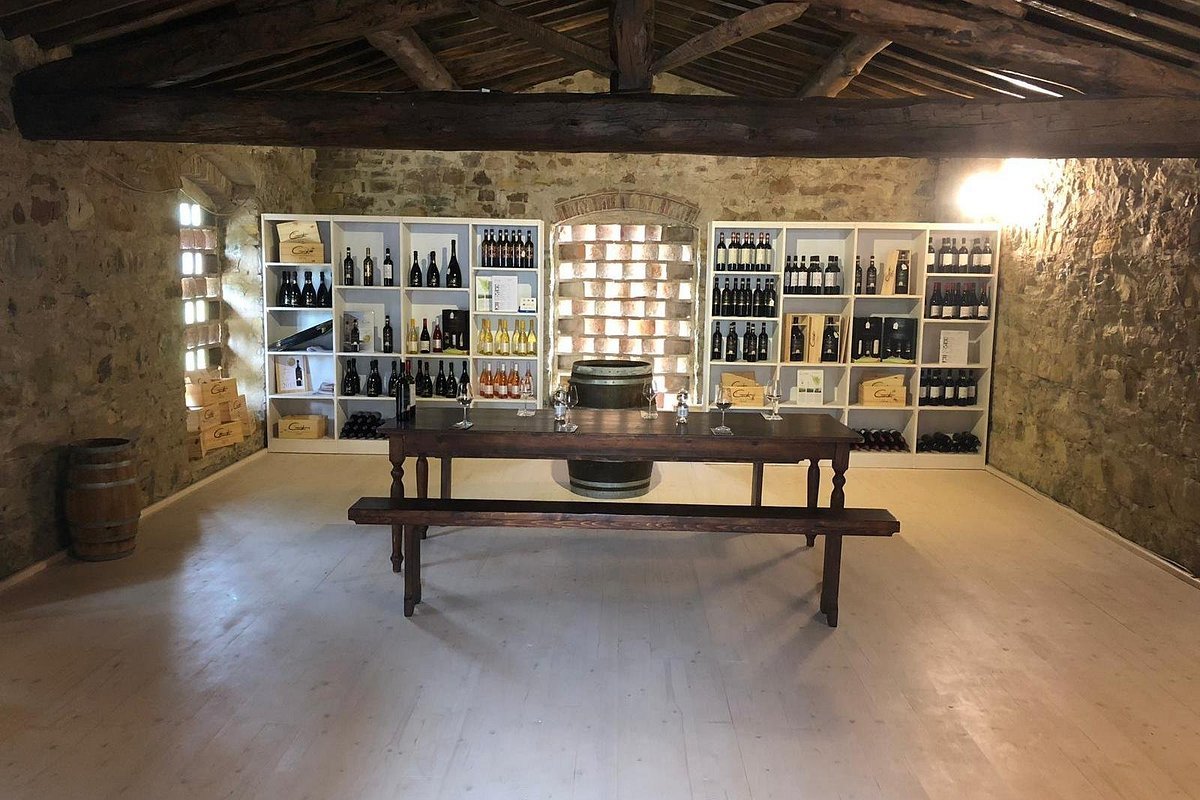
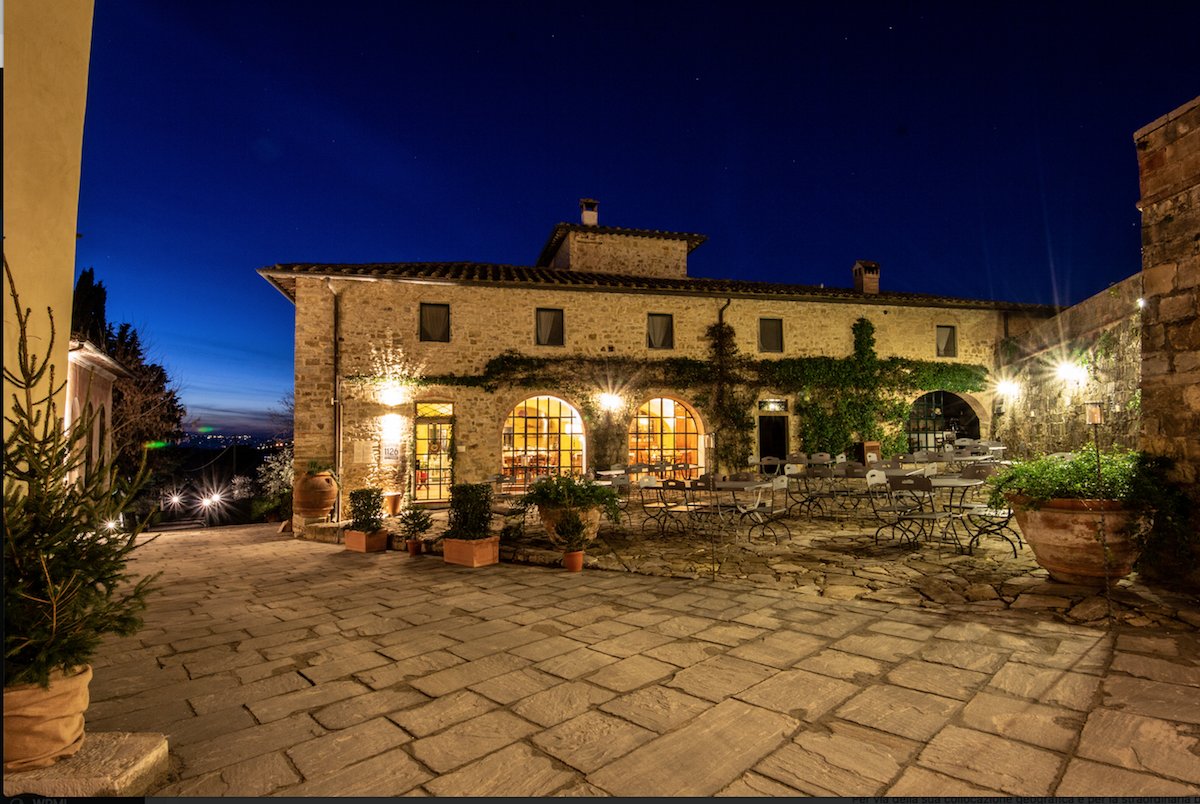
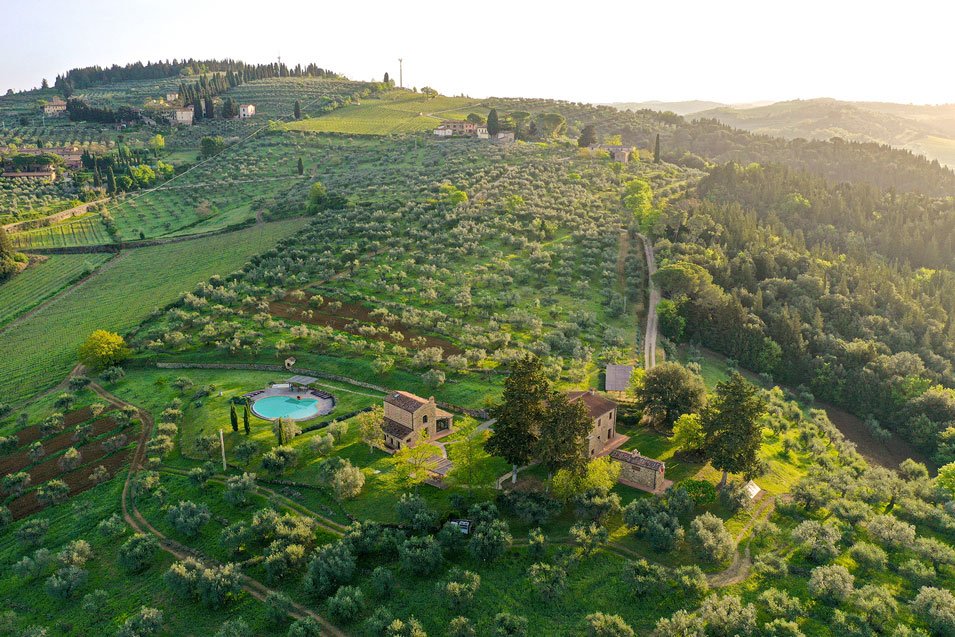
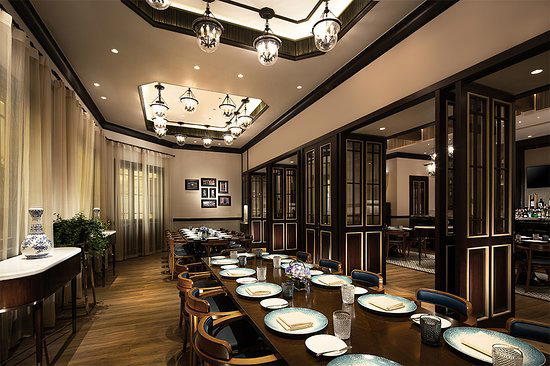
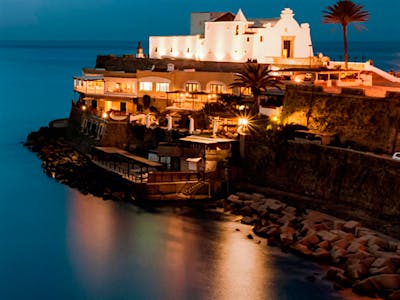
Il Borgo di Cinciano, where Osteria 1126 sits, is a self-contained agricultural estate on the edge of Poggibonsi. That matters for context: this is not a restaurant that happens to have countryside views. The osteria is one working part of a larger organism that includes a farm, a wine bar, and accommodation scattered across the borgo's historic structures. The mood inside is calm, unhurried, and rooted in the rhythms of the estate rather than the energy of a town-centre dining room. If you are coming from the noise of Siena or the foot traffic of San Gimignano, the contrast is immediate.
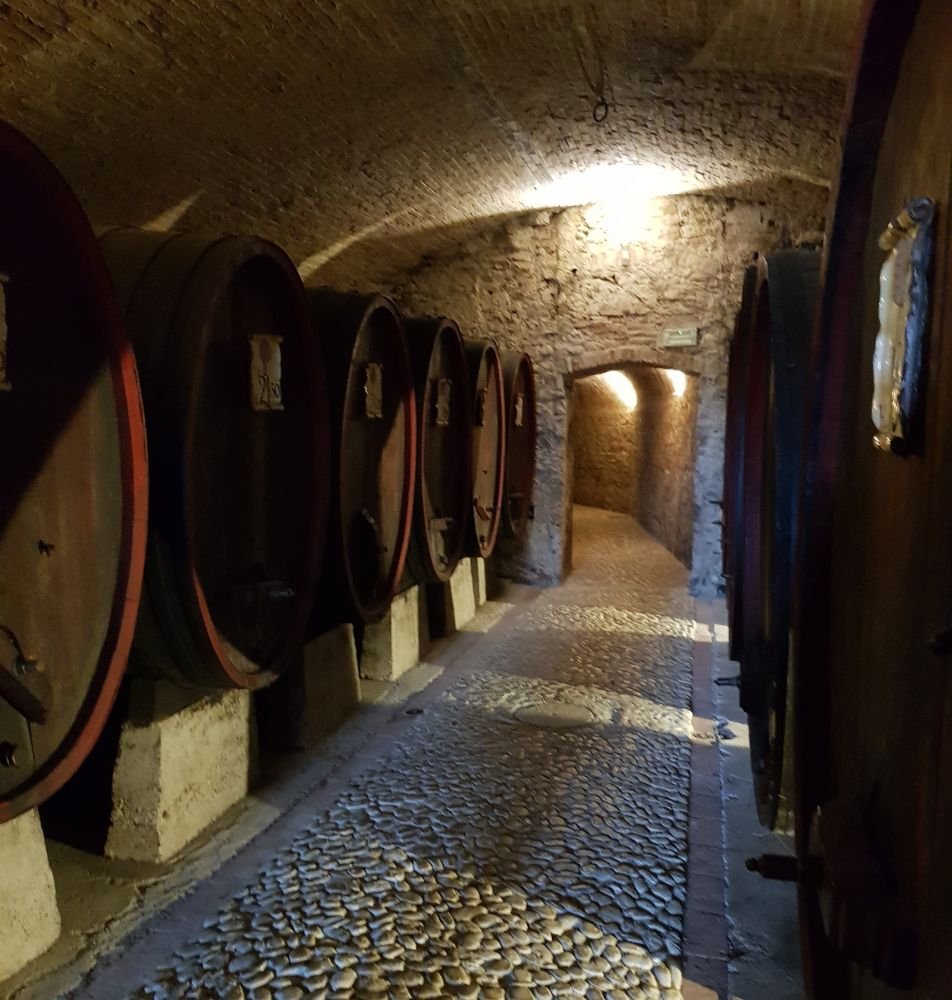
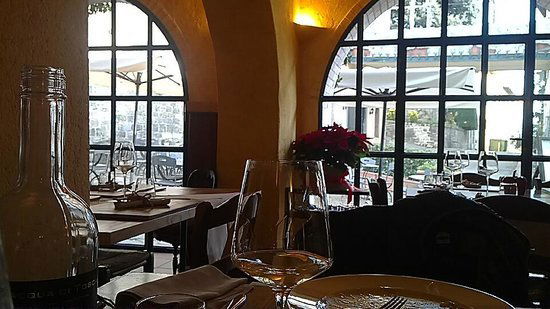
The atmosphere reads as genuinely local rather than performed-rustic. Stone walls, agricultural history pressing in from every direction, and a pace that matches the season. For a first return visit, the advice is to arrive with time to explore the small aging cellar at the borgo entrance before sitting down — the brief visit adds real context to what you are about to drink.
What to Order
The pappa al pomodoro is the dish to anchor your meal. It is the clearest expression of what this kitchen does: bread-thickened tomato soup that is deeply seasonal and as Tuscan as anything you will find in the region. Pair it with the Chianti Classico Riserva, which the Michelin record describes as elegant and persistent — a wine that holds its own against the richness of the dish. The menu rotates with the seasons, so second visits will surface different options, but the cooking logic stays consistent: simple ingredients, correct technique, no unnecessary elaboration.
Neighbourhood Anchor
Poggibonsi is often passed through rather than stopped in, a service town on the Via Francigena, useful for petrol and the A1 on-ramp, not usually for dinner. Osteria 1126 is one of the most compelling reasons to actually stop. It represents what the Chianti Classico zone does at its grounded leading: land, produce, and wine presented without the markup or theatre that the more tourist-saturated villages demand. For anyone making a circuit through the Siena province, this is the kind of place that recalibrates expectations about what a simple Tuscan meal can be. It is also the kind of restaurant that locals in the broader commune are quietly proud of, which is a more durable indicator of quality than any single press mention. For more on eating and drinking in the area, see our full Poggibonsi restaurants guide, and if you are planning to stay, our Poggibonsi hotels guide covers options including the borgo accommodation on this estate. Wine-focused visitors should also check our Poggibonsi wineries guide and Innocenti Wine Experiences for contemporary pairings in the area. For bars and broader local activity, our bars guide and experiences guide are worth a look.
Who Should Book
This restaurant makes most sense for: travellers moving through Chianti Classico who want a meal grounded in the land rather than aimed at the tourist market; guests staying at the borgo who want to eat on-site without compromise; and returning visitors to Tuscany who have already done the Florentine fine-dining circuit and want something quieter and more honest. At the single-euro price tier, the value proposition is strong for any of these profiles. It is a less obvious fit for groups expecting a high-energy evening or for diners whose priority is creative or contemporary cooking, for that, Caino in Montemerano or L'Asinello in Castelnuovo Berardenga better serve that brief within Tuscany.
Booking and Logistics
Booking difficulty is low. No phone or website is listed in current records, so the most reliable approach is to contact the borgo directly via its accommodation channels or to visit in person if passing through. Given the rural location and limited seat count typical of this format, booking ahead is the safer choice for dinner, particularly on weekends in the spring and autumn high seasons. Lunch on a weekday is your leading chance of a walk-in.
| Venue | Price tier | Style | Booking difficulty | Michelin recognition |
|---|---|---|---|---|
| Osteria 1126 | € | Seasonal Tuscan | Easy | Plate 2025 |
| Enoteca Pinchiorri, Florence | €€€€ | Italian-French contemporary | Hard | 3 Stars |
| Caino, Montemerano | €€€ | Creative Tuscan | Moderate | 2 Stars |
| L'Asinello, Castelnuovo Berardenga | €€ | Tuscan | Moderate | Plate |
Planning details
- Location
- località Cinciano 2, Poggibonsi, 53036, Italy
- Reservations
- Book on TheFork
- Website
- cinciano.it/en/osteria-1126
- Phone
- +39 0577 932240
The take
The Take
The Vibe
Osteria 1126 feels rooted in history: the stone borgo dates to 1126 and the buildings read like the accreted layers of a working Tuscan farm. The dining room is an extension of an estate that is simultaneously an osteria, wine bar and small hotel, so the mood favors authenticity over performance. The kitchen follows a restrained, classical Tuscan line—bread, legumes, wild herbs and aged meat handled without fuss—while the aging cellar at the entrance and table pours of the house Chianti underline a quietly confident, place-driven hospitality.
Best For
This is a destination for people who want to pair strong food with a strong sense of place: couples and small groups seeking a memorable date or special-occasion dinner will find it rewarding, and travelers interested in wine-focused experiences benefit from the on-site cellar and estate program. With a scattered hotel on the same grounds, it also works well as a weekend escape for guests who want to sleep where they eat and follow a day of agricultural landscapes with evening dining anchored in local tradition.
Ordering Tips
Lean into the Tuscan staples: the house signatures—bistecca Fiorentina and pappa al pomodoro—represent the kitchen’s straightforward, ingredient-forward approach. Ask about the Chianti Classico Riserva poured at the table; it comes from the property and the cellar offers short visits that put the wine program in context. Because the kitchen treats regional preparations as anchors rather than novelties, trust servers’ recommendations and favor dishes that showcase local olive oil, legumes and aged meats to experience the estate’s terroir-driven cooking.
Venue details
Ambiance
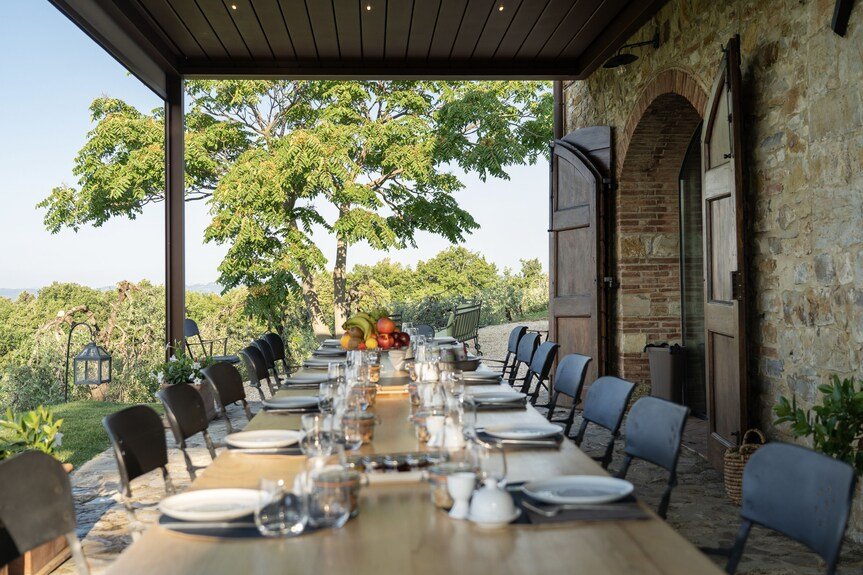
Elegant yet welcoming atmosphere with simple refined decor, cozy and romantic, enhanced by beautiful Tuscan countryside setting.
Tags
Vibe
Best For
Experience
Sourcing
View
At the Table
- Dress Code
- Smart Casual
- Noise Level
- Quiet
- Service Style
- Upscale Casual
- Meal Pacing
- Leisurely
- Capacity
- Small
- Kitchen
- Modern
- Menu Format
- A la carte
- Wine Program
- Curated
- Outdoor Seating
- Yes
Signature Dishes
- bistecca Fiorentina
- pappa al pomodoro
Know before you go
Know Before You Go
- Getting there
- località Cinciano 2, Poggibonsi, 53036, Italy
Planning details
Location
località Cinciano 2, Poggibonsi, 53036, Italy · Directions
Recognition and awards
Also consider
Also Consider
- Atelier Moessmer Norbert Niederkofler, Italian, Creative, €€€€
- Dal Pescatore, Italian, Italian Contemporary, €€€€
- Enoteca Pinchiorri, Italian - French, Italian Contemporary, €€€€
- Enrico Bartolini, Creative, €€€€
- Le Calandre, Progressive Italian, Creative, €€€€
Restaurant context
Osteria 1126 operates in a different category from most Italian restaurants with Michelin recognition. Comparing it to Enoteca Pinchiorri in Florence, Dal Pescatore in Runate, or Le Calandre in Rubano is not particularly useful, those are three- and two-star rooms at the top of the price scale, built for special-occasion dining with elaborate service. Osteria 1126 is a single-euro osteria with a Michelin Plate. The question is not whether it matches those rooms; it is whether it beats everything else at its price point in the region. The answer, given the 4.6 rating and Michelin recognition, is yes.
Within Tuscany at a more comparable level, Caino in Montemerano and L'Asinello in Castelnuovo Berardenga represent the regional ceiling for creative Tuscan cooking with Michelin credibility. Both carry more ambition and higher prices. If the occasion calls for a technically sophisticated meal or a structured tasting experience, either of those is the stronger choice. If the priority is grounded, seasonal, affordable Tuscan cooking in a setting with genuine agricultural character, Osteria 1126 delivers something those rooms do not.
For context at the highest Italian tier, Atelier Moessmer Norbert Niederkofler, Enrico Bartolini, and Reale define what Italian fine dining looks like at the creative extreme. Those are the reference points if you are building a dedicated fine-dining itinerary around Italy. Osteria 1126 is not in that conversation by design, it belongs on a different kind of itinerary, one organised around the land, the wine, and the honest cooking of a specific Chianti Classico borough.
Explore Poggibonsi
Around this place
Discover more on Pearl
Unlock the full Osteria 1126 guide in Pearl, including awards, comparisons, FAQs, planning details, and nearby places.
Compare Osteria 1126
| Venue | Cuisine | Price | Awards | Booking Difficulty |
|---|---|---|---|---|
| Osteria 1126 | Tuscan | € | 2026 Michelin Plate2025 Michelin Plate | Easy |
| Atelier Moessmer Norbert Niederkofler | Italian, Creative | €€€€ | 2026 OAD Top Restaurants in Europe Ranked · #92026 Falstaff Restaurant Guide2026 Les Grandes Tables du Monde Members2026 Michelin 3 Stars2026 La Liste Top Restaurants2025 World's 50 Best Restaurants · #202025 OAD Top Restaurants in Europe Ranked · #362025 The Best Chef Three Knives2025 Michelin 3 Stars | Unknown |
| Dal Pescatore | Italian, Italian Contemporary | €€€€ | 2026 OAD Classical in Europe Ranked · #172026 Relais Chateaux Restaurants2026 Les Grandes Tables du Monde Members2026 La Liste Top Restaurants2026 Michelin 3 Stars2026 Falstaff Restaurant Guide2025 OAD Classical in Europe Ranked · #162025 Michelin 3 Stars2025 Relais Chateaux Award | Unknown |
| Enoteca Pinchiorri | Italian - French, Italian Contemporary | €€€€ | 2026 OAD Classical in Europe Ranked · #73Star Wine Lists 20262026 Wine Spectator Grand Award2026 Les Grandes Tables du Monde Members2026 La Liste Top Restaurants2026 Michelin 3 Stars2025 OAD Classical in Europe Ranked · #942025 Wine Spectator Grand Award2025 La Liste Top Restaurants | Unknown |
| Enrico Bartolini | Creative | €€€€ | 2026 OAD Top Restaurants in Europe Ranked · #762026 Michelin 3 Stars2026 Les Grandes Tables du Monde Members2026 La Liste Top Restaurants2026 Falstaff Restaurant Guide2025 OAD Top Restaurants in Europe Ranked · #722025 Michelin 3 Stars2025 Michelin 1 Star2025 La Liste Top Restaurants | Unknown |
| Le Calandre | Progressive Italian, Creative | €€€€ | 2026 OAD Top Restaurants in Europe Ranked · #38Star Wine Lists 20262026 Relais Chateaux Restaurants2026 Les Grandes Tables du Monde Members2026 Michelin 3 Stars2026 La Liste Top Restaurants2025 OAD Top Restaurants in Europe Ranked · #292025 World's 50 Best Restaurants · #31We're Smart World Top Restaurants 2025 | Unknown |













How Osteria 1126 stacks up against the competition.
FAQ
Frequently Asked Questions
What should a first-timer know about Osteria 1126?
This is a working agricultural borgo, not a restaurant-first destination — so factor in the setting before you go. The kitchen, run by a young couple, focuses on simple seasonal Tuscan dishes, and the 2025 Michelin Plate signals consistent cooking at a single-euro price point. Arrive planning to eat the pappa al pomodoro and drink the Chianti Classico Riserva; the small aging cellar at the entrance is worth a brief look. No website or phone is listed publicly, so contact the borgo directly to confirm availability.
Is Osteria 1126 worth the price?
At a single-euro price range with a 2025 Michelin Plate, the value case is straightforward: this is one of the more credentialled cheap meals you can find in the Chianti hills. The cooking is simple and seasonal rather than ambitious, so you are paying for honesty and provenance, not technique. If you want a full tasting menu experience or elaborate plating, look elsewhere — but for what it is, the price-to-quality ratio is hard to fault.
What should I wear to Osteria 1126?
This is a rural borgo osteria operating at the single-euro price point, so there is no case for formal dress. Neat, comfortable clothes appropriate for the Tuscan countryside are the practical call — think what you would wear to a farmhouse lunch, not a Florentine dinner.
Is Osteria 1126 good for solo dining?
Yes. An osteria format at this price point is generally low-pressure for solo diners, and a setting rooted in farm and wine bar culture tends to be convivial rather than couple-oriented. The small aging cellar visit and the Chianti Classico Riserva give a solo traveller enough to occupy the meal beyond the plate itself.
What are alternatives to Osteria 1126 in Poggibonsi?
Poggibonsi has limited dining competition at this level — the more relevant comparison is against other Chianti Classico osterie and agriturismo restaurants in the surrounding area, where the field is broader. If you are willing to drive further into the zone, you will find similar farm-to-table formats; Osteria 1126 differentiates itself through the Michelin Plate recognition and the integrated borgo context. For a full fine-dining experience in the region, Enoteca Pinchiorri in Florence is the reference point, but that is a different category entirely.
Is the tasting menu worth it at Osteria 1126?
No tasting menu format is confirmed in current records for Osteria 1126. The kitchen is oriented around simple, seasonal Tuscan dishes at a single-euro price point, so the format here is osteria-style ordering rather than a structured progression. If a tasting menu format is your priority, this is not the right venue.
Is Osteria 1126 good for a special occasion?
It depends on what the occasion calls for. If you want a meal that feels rooted and personal — a medieval borgo, local wine, honest Tuscan food with a Michelin Plate behind it — this works well for a low-key celebration or a meaningful stop on a Chianti trip. For a milestone that demands ceremony, elaborate service, or a long wine list, this format will not deliver that.