.png?width=1200&quality=80)
Juumpo
Southern Thai · Khuk Khak, Phang Nga
Restaurant in Phang Nga, Thailand
 Book with Pearl
The Read
Baba-Chinese Southern Thai
Price
฿฿
Dress
Casual
Why go
Juumpo is the clearest reason to eat in Takua Pa District. Consecutive Michelin Plate recognition in 2024 and 2025 backs a menu rooted in 80-year-old Baba Chinese-Thai family recipes — coconut milk soups, chilli dips, and fried fish built on a tradition most Thai restaurants don't attempt. At ฿฿, the value is hard to argue.
About Juumpo
Is Juumpo worth visiting in Phang Nga?
Yes — if you are in Phang Nga and want to eat Southern Thai food that you cannot replicate in Bangkok, Phuket, or anywhere else in Thailand, Juumpo is the clearest answer. This is the most focused expression of Baba (Chinese-Thai) cooking in Takua Pa District, backed by consecutive Michelin Plate recognition in 2024 and 2025, and priced at ฿฿ — meaning you are getting credentials above your spend.
What Juumpo Actually Is
The name is not decorative. A 'Juumpo' was a chef aboard a Chinese trading vessel, and the owner's grandfather held that role more than 80 years ago. The recipes that came off that boat are the foundation of what you eat here. This is not a restaurant that has reverse-engineered a regional identity for marketing purposes, the Baba lineage is the actual reason the menu exists.
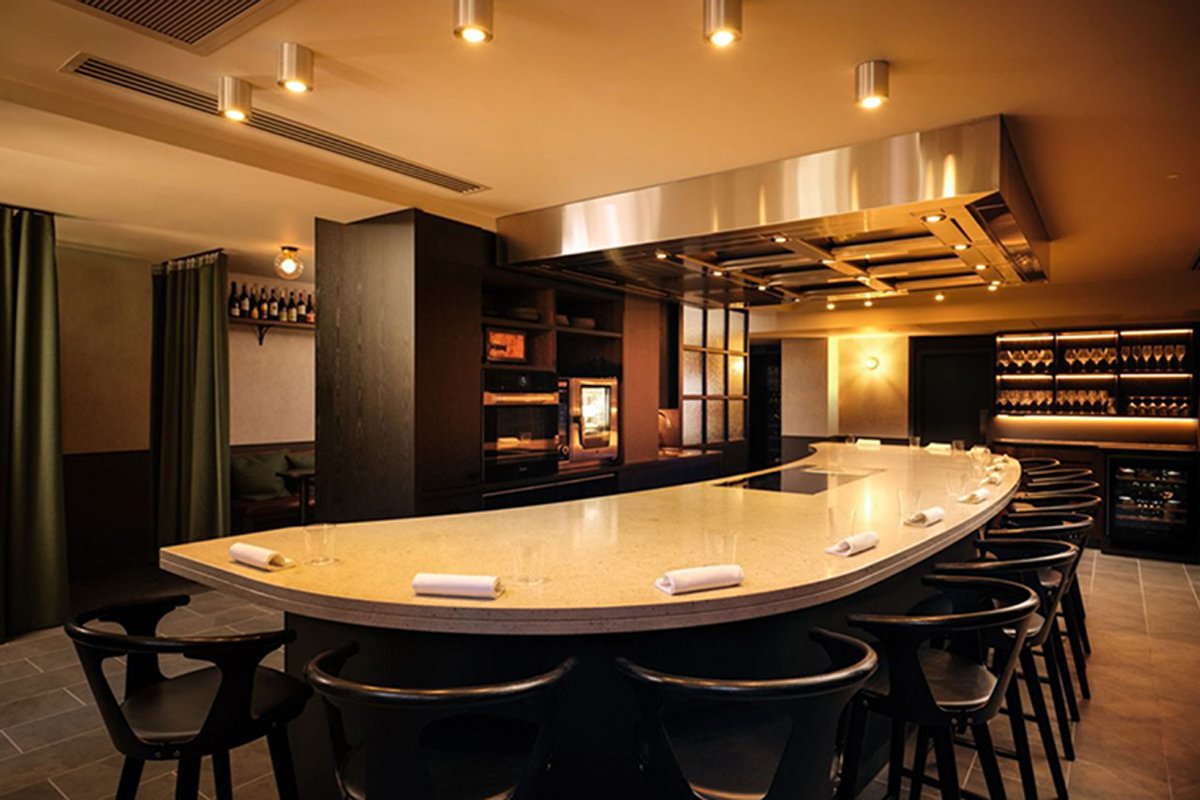
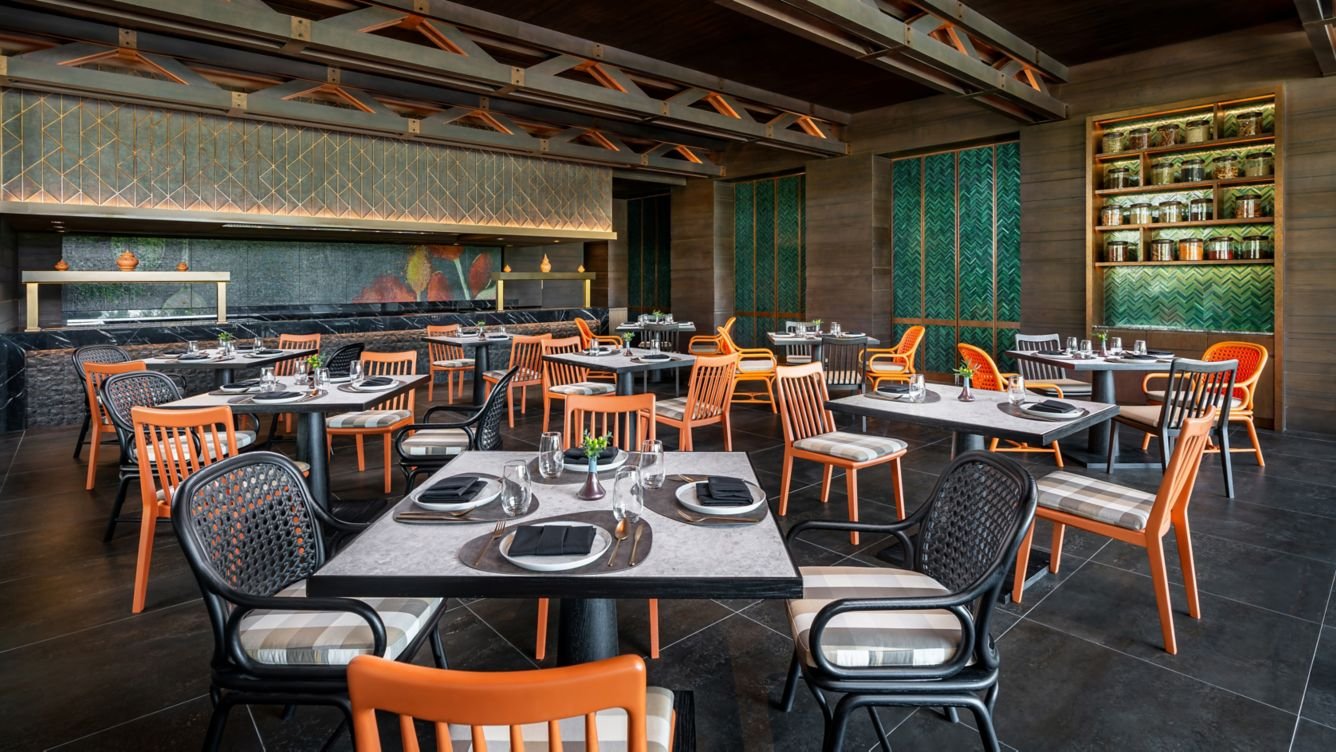
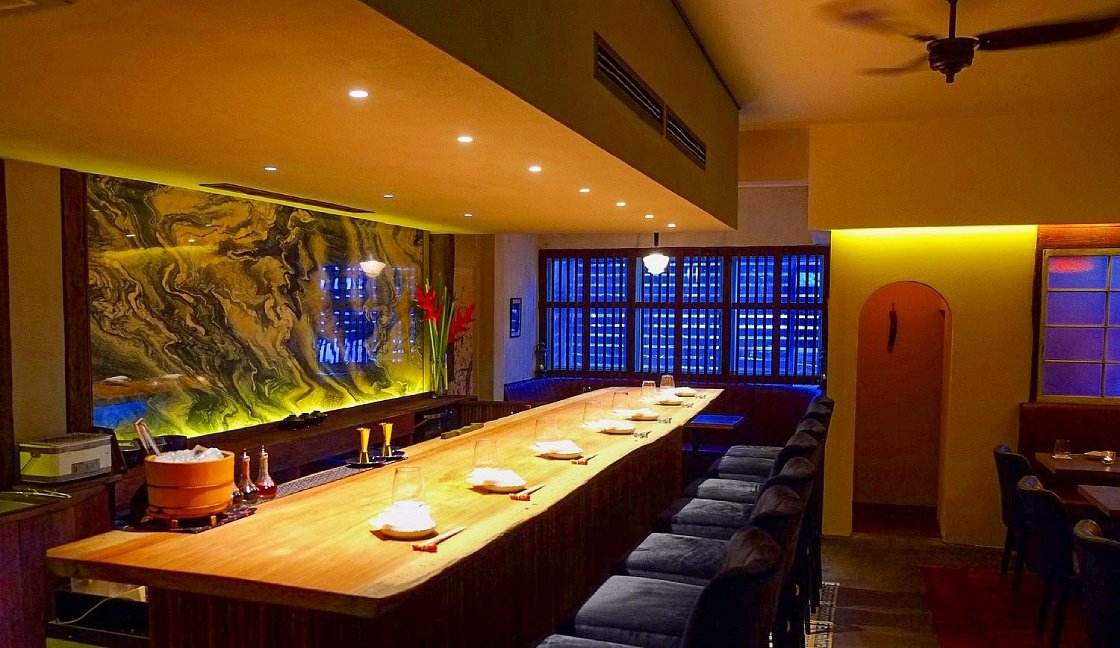
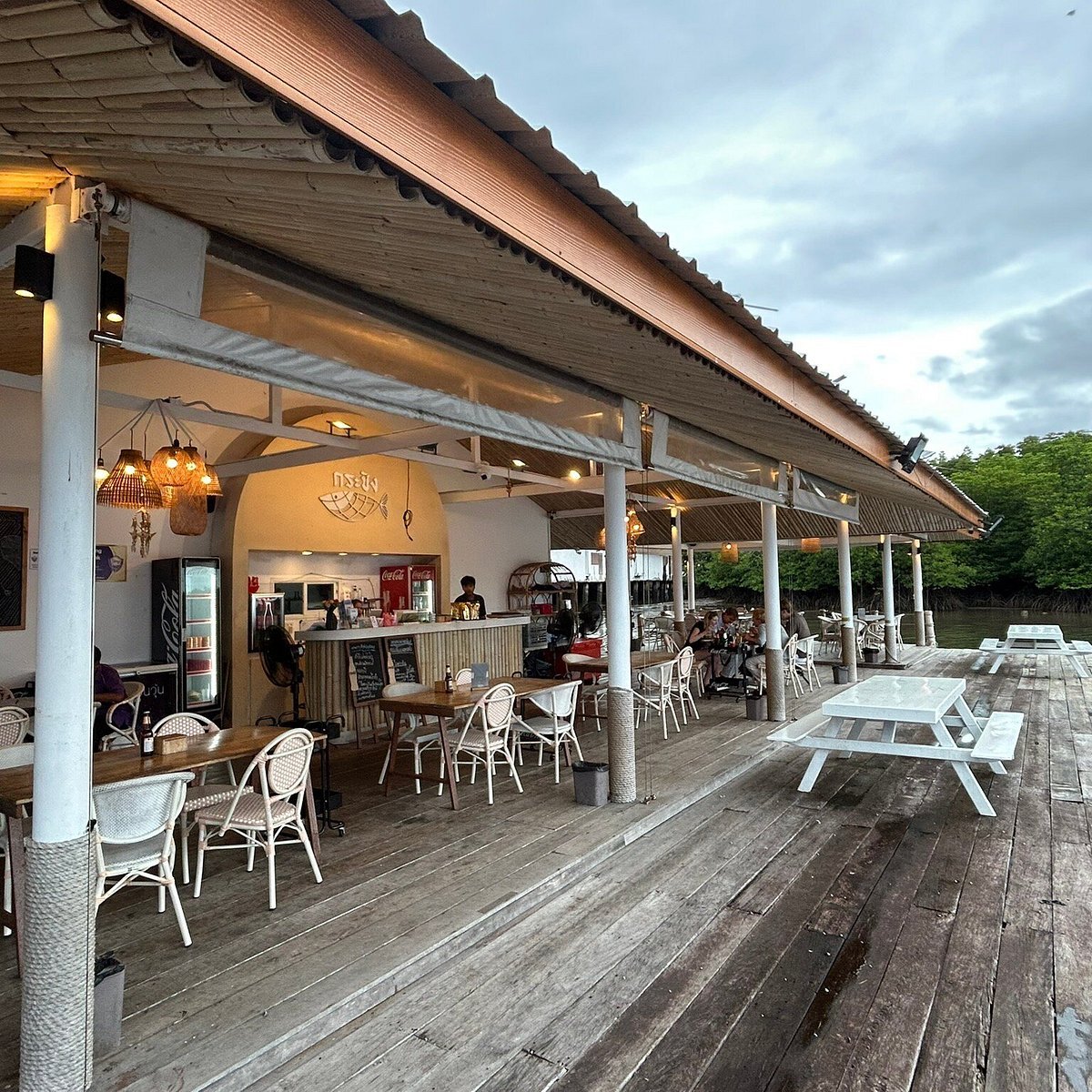
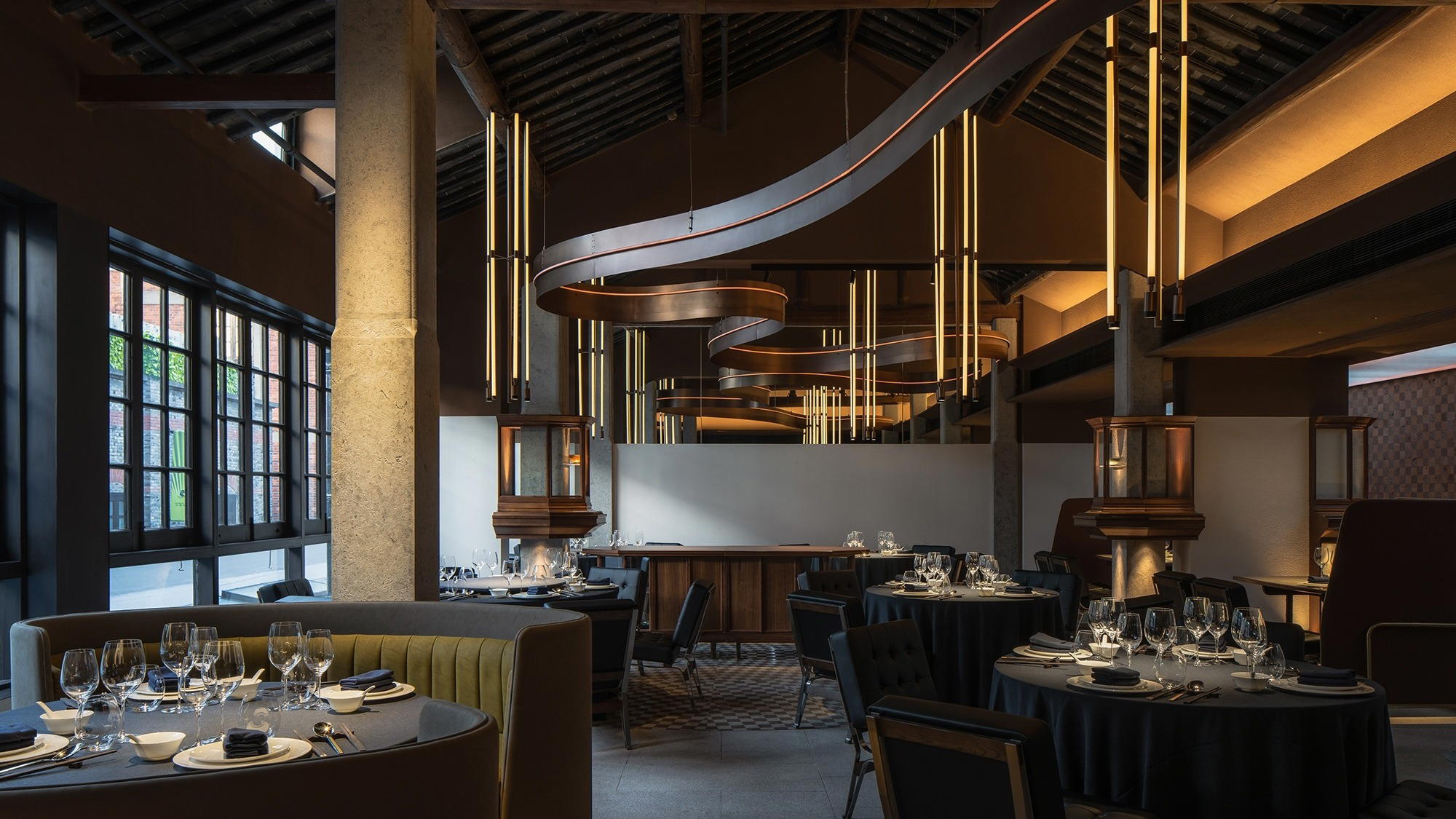
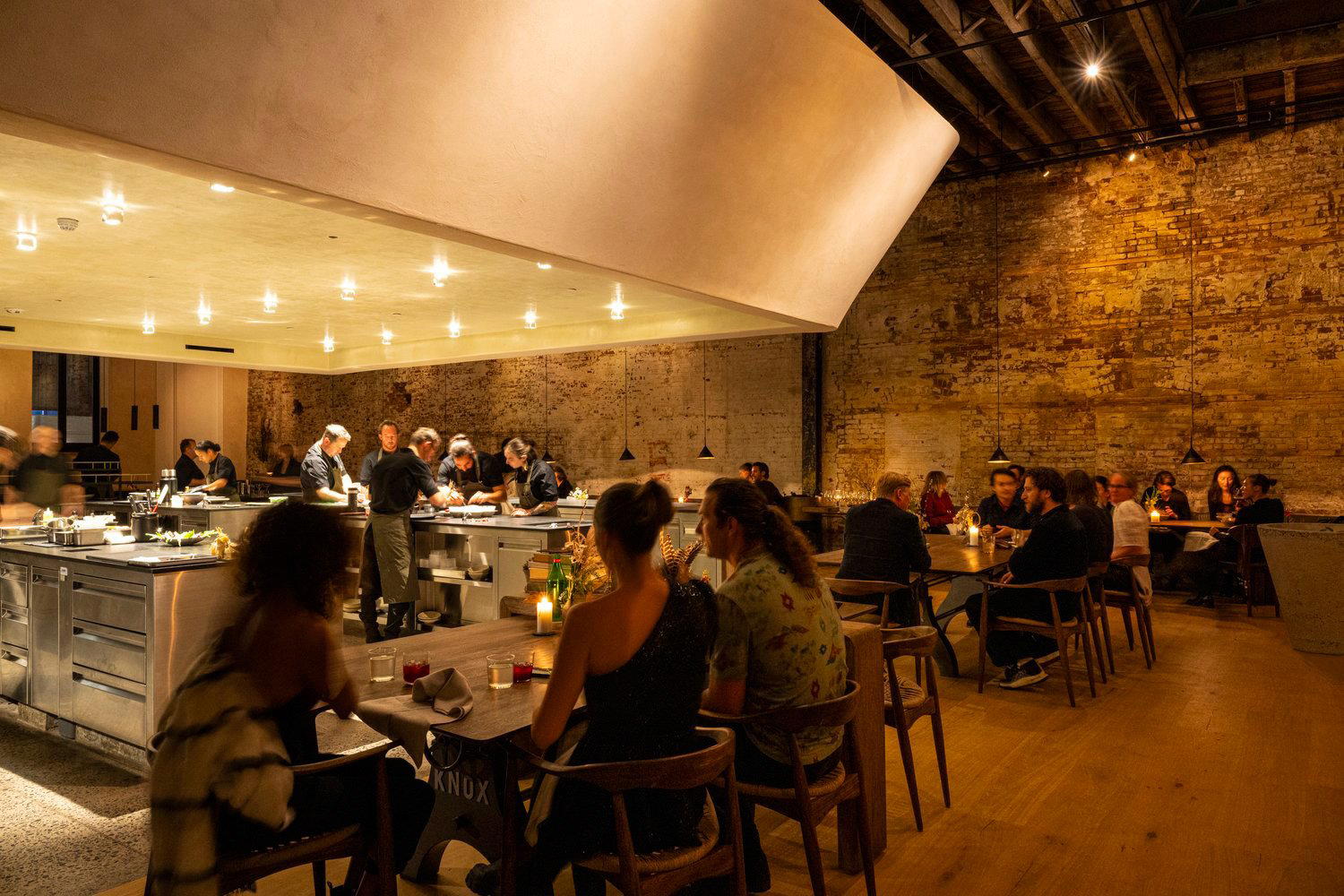
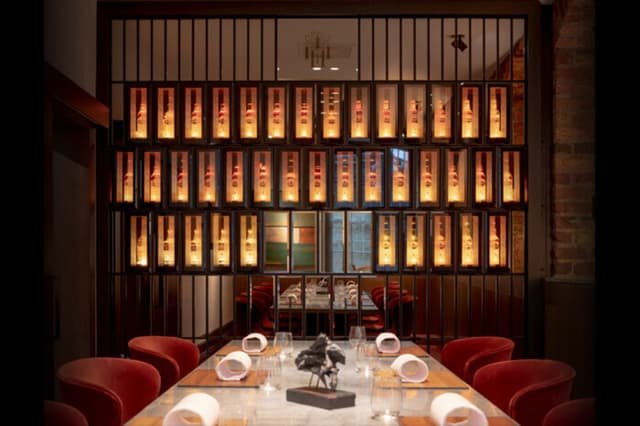
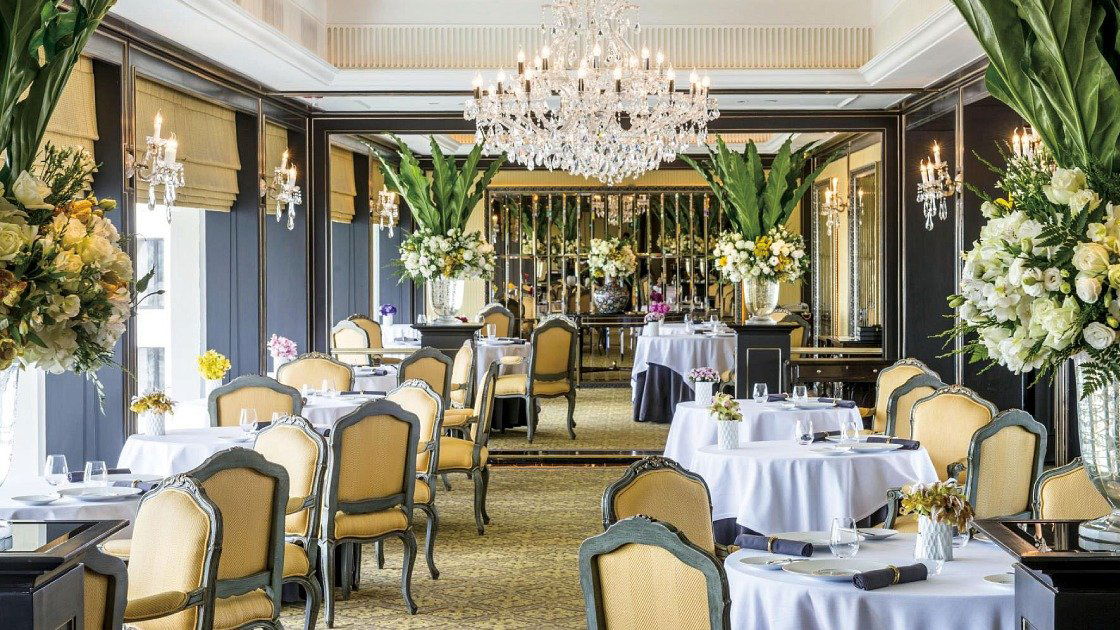
The room itself sets expectations clearly. Open-air, fitted with Chino-Portuguese décor, think the visual register of Phuket's Old Town architecture translated into a dining space: carved wood details, period objects, a colour palette that reads warm and deliberate rather than kitsch. For a food enthusiast travelling through Phang Nga, the room alone gives you useful context for what you are about to eat: this is Peranakan cultural territory, where Southern Thai spice meets generations of Chinese technique and preference.
Recommended dishes give you a map of what makes Baba cooking distinctive. The coconut milk soup with shrimps and Thai herbs sits in the space between Thai and Chinese flavour logic, richer and less aggressively sour than a typical tom kha, more herbal than anything you would find in a Cantonese kitchen. The chilli dip with shrimp is the kind of dish that regional Thai cuisine does well and that Bangkok restaurants routinely simplify for a broader audience. The fried fish in sweet and sour sauce shows the Chinese side of the equation: a preparation that would be at home in a Fujian household but read entirely differently here because of the Southern Thai ingredient base.
If you have eaten at Sorn in Bangkok or Chom Chan in Phuket, you already know what serious Southern Thai cooking looks like at a higher price point. Juumpo operates in a different register, casual, open-air, community-rooted, but the flavour ambition is comparable, and the Baba dimension makes it a category apart. For context on how Michelin treats this tier across Thailand, AKKEE in Pak Kret and PRU in Phuket show how the guide handles regional specificity, Juumpo's Plate recognition is earned on the same terms.
Who Should Book
Juumpo is the right call for food travellers who want depth over novelty. If your interest is in eating food that reflects a specific community's history, Baba Chinese-Thai, here specifically rooted in Takua Pa's trading past, this is a direct answer to that interest. It is also the right call for anyone passing through Phang Nga who wants a Michelin-recognised meal without paying Michelin star prices. At ฿฿, you are spending at a level equivalent to a mid-range Bangkok lunch, not a special-occasion dinner.
It is less suited to travellers looking for a formal dining experience. Open-air means open-air: expect ambient noise, natural light, the texture of a family-run room rather than a polished service operation. If service polish and a curated wine list matter to you, look at PRU in Phuket instead. If you want to stay in the Southern Thai lane across a wider trip, Kapi Sator in Ko Samui and Chom Chan in Phuket are worthwhile comparisons for the same cuisine category at different price points and formats.
The Counter and the Room
An open-air restaurant without a formal counter still has a spatial logic worth paying attention to. At Juumpo, the Chino-Portuguese fit-out means the room itself is part of the meal, you are eating inside a visual argument for the cultural hybridity on the plate. For a food enthusiast, sitting in a room this deliberate is not atmosphere for its own sake; it is information. The décor tells you who built this food tradition and why the flavours land the way they do. That connection between space and plate is harder to find at the street food end of the Phang Nga spectrum, which is one reason Juumpo holds its own even against cheaper alternatives in the area.
Across Phang Nga more broadly, the dining options worth your time are covered in our full Phang Nga restaurants guide. For the wider picture on where to stay and what to do, see our Phang Nga hotels guide, bars guide, and experiences guide.
Know Before You Go
- Price range: ฿฿ (mid-range by Thai standards; accessible by any international benchmark)
- Address: 27/76, Takua Pa District, Phang Nga 82220, Thailand
- Awards: Michelin Plate 2024 and 2025
- Booking difficulty: Easy, walk-ins are likely viable given the scale and location, but check locally before arriving
- Dress code: No formal dress code; smart casual is appropriate for an open-air room of this style
- Cuisine: Southern Thai / Baba (Chinese-Thai); dishes rooted in Peranakan food traditions
- Recommended dishes: Coconut milk soup with shrimps and Thai herbs; chilli dip with shrimp; fried fish with sweet and sour sauce
Nearby Worth Knowing
If you are eating your way through Phang Nga, Krua Luang Ten covers Southern Thai at a lower price point. Mon, Roe Dang, and Tonfon Bistro offer different angles on the local dining scene. For fast, cheap eating in the area, Anuwat is the street food reference. And for broader Southern Thai context across Thailand, Ayutthayarom in Ayutthaya and Aquila in Chiang Mai show how regional Thai cooking gets interpreted at different latitudes.
Planning details
- Location
- 27/76, Takua Pa District, Phang Nga 82220, Thailand
- Website
- facebook.com/Juumpo
- Phone
- +66 76 679 588
The take
The Take
The Vibe
Juumpo presents a quietly evocative take on southern Thai Peranakan cooking in an open-air setting. The Chino-Portuguese décor and explicit linking of the menu to the owner’s grandfather — a shipboard cook known as “Juumpo” — make heritage the restaurant’s organizing idea. The space reads as classic and historic rather than flashy, with a small‑town, charming character that foregrounds regional techniques and recipes. The overall impression is of a place where provenance and restrained southern flavors meet a relaxed, unpretentious atmosphere rather than formal presentation.
Best For
This is a venue for people who want to experience regional Baba-inflected southern Thai cooking in an unassuming setting. It suits families and casual groups passing through Phang Nga as well as locals seeking authentic, seafood-centered plates rooted in generational recipes. The open-air layout and relaxed service style make it appropriate for lunch or dinner, especially for diners who appreciate balanced heat, fermented shrimp paste, and coconut used as a subtle counterpoint rather than a dominant base.
Ordering Tips
Order from the signature items to understand Juumpo’s approach to Baba flavors: the Baba-style coconut milk soup with shrimps and Thai herbs showcases the restrained use of coconut; the chilli dip with shrimp illustrates the region’s seafood-and-ferment tradition; and the fried fish with sweet-and-sour sauce reflects the sweet‑sour balancing inherited from Chinese techniques. Expect dishes that layer heat, turmeric and preserved ingredients rather than heavy, central-Thai style coconut curries.
Venue details
Ambiance
Open-air setting with Chino-Portuguese design reflecting Baba culture, creating a family mealtime atmosphere.
Tags
Vibe
Best For
Experience
Sourcing
At the Table
- Dress Code
- Casual
- Noise Level
- Conversational
- Service Style
- Casual
- Meal Pacing
- Standard
- Capacity
- Small
Signature Dishes
- Baba-style coconut milk soup with shrimps and Thai herbs
- chilli dip with shrimp
- fried fish with sweet and sour sauce
Know before you go
Know Before You Go
- Getting there
- 27/76, Takua Pa District, Phang Nga 82220, Thailand
Planning details
Location
Recognition and awards
Also consider
Also Consider
- Hok Kee Lao, Thai-Chinese, ฿฿
- Krua Luang Ten, Southern Thai, ฿
- Anuwat, Street Food, ฿
- Baan Rearn Mai, Seafood, ฿฿
- Khanom Chin Pa Son, Noodles, ฿
Restaurant context
Among Phang Nga's dining options, Juumpo holds the strongest credential at its price point. The two consecutive Michelin Plates (2024, 2025) put it in a different category from most local competitors, and no other ฿฿ venue in the comparison set carries that recognition. Hok Kee Lao covers adjacent Thai-Chinese territory at the same price tier and is worth considering if you want a more straightforwardly Chinese-leaning menu, but it does not carry Michelin recognition and does not have Juumpo's Baba-specific depth. For the most direct comparison of cultural specificity against price paid, Juumpo wins.
If budget is the primary filter, Krua Luang Ten and Khanom Chin Pa Son both operate at ฿, making them the right call for travellers who want Southern Thai flavours without spending at even the modest ฿฿ level. Anuwat at ฿ is the street food option for a quick, cheap eat with no framing around it. None of these offer the Baba dimension or the awards context that Juumpo brings.
For seafood specifically, Baan Rearn Mai at ฿฿ is the alternative if fresh seafood in a more casual format is the priority over culinary heritage. The decision is straightforward: if you want the most credentialled, culturally specific meal in Phang Nga at an accessible price, book Juumpo. If budget is tight and heritage depth is less important, Krua Luang Ten or Anuwat handle the basics well.
Explore Phang Nga
Around this place
Discover more on Pearl
Unlock the full Juumpo guide in Pearl, including awards, comparisons, FAQs, planning details, and nearby places.
Compare Juumpo
| Venue | Price | Awards |
|---|---|---|
| Juumpo | ฿฿ | 2026 Michelin Plate2025 Michelin Plate2024 Michelin Plate |
| Hok Kee Lao | ฿฿ | 2026 Bib Gourmand2025 Michelin Bib Gourmand2024 Michelin Bib Gourmand |
| Krua Luang Ten | ฿ | 2026 Bib Gourmand2025 Michelin Bib Gourmand2024 Michelin Bib Gourmand |
| Anuwat | ฿ | 2025 Michelin Plate2024 Michelin Plate |
| Baan Rearn Mai | ฿฿ | 2026 Michelin Plate2025 Michelin Plate2024 Michelin Plate |
| Khanom Chin Pa Son | ฿ | 2026 Michelin Plate2025 Michelin Plate2024 Michelin Plate |
.png?width=1200&quality=80)

How Juumpo stacks up against the competition.
FAQ
Frequently Asked Questions
Does Juumpo handle dietary restrictions?
The menu is built around Baba-style Southern Thai cooking, which relies heavily on shrimp, fish, and coconut milk as foundational ingredients. Dishes like chilli dip with shrimp and fried fish with sweet and sour sauce are core to what makes Juumpo worth visiting, so pescatarians will eat well but strict vegetarians or those with shellfish allergies will find the menu limiting. Call ahead if dietary needs are firm — the open-air, family-run format means flexibility may exist, but it is not guaranteed.
How far ahead should I book Juumpo?
Juumpo is in Takua Pa District, Phang Nga — not a high-tourist-volume area — so same-day or next-day visits are likely possible outside peak Thai holiday periods. That said, Michelin Plate recognition in both 2024 and 2025 has raised its profile, and it seats an open-air crowd rather than a large dining room. Booking a day or two ahead when possible is a sensible precaution, especially on weekends.
What should I wear to Juumpo?
Juumpo is an open-air restaurant in a rural district of Phang Nga — casual clothes are entirely appropriate. Lightweight, comfortable clothing suited to Thailand's heat is the practical choice. There is no indication of a dress code, and the Chino-Portuguese décor signals character rather than formality.
Is Juumpo worth the price?
At ฿฿ pricing, Juumpo is strong value for what it delivers: Michelin Plate-recognised Baba-style Southern Thai cooking drawn from recipes more than 80 years old. You are not paying a premium for a trend or a name-chef — you are paying local prices for food that reflects a specific, hard-to-find culinary tradition. For the price point, it is difficult to find a comparable Baba cooking experience elsewhere in Thailand.
Is Juumpo good for a special occasion?
It depends on what kind of occasion. Juumpo suits food-focused travellers who want a meaningful, story-led meal — the family history behind the name and the Baba recipes give it genuine depth. It is not a candlelit fine-dining room, so if the occasion calls for formal service or a private space, look elsewhere. For a couple or small group where the food is the event, the Michelin Plate credentials and the rarity of Baba cuisine make it a considered choice.
Is the tasting menu worth it at Juumpo?
No tasting menu format is documented for Juumpo. The venue operates as an à la carte open-air restaurant, with standout dishes including Baba-style coconut milk soup with shrimps and Thai herbs, chilli dip with shrimp, and fried fish with sweet and sour sauce. Ordering across several of the recommended dishes is the practical way to cover the menu's range at the ฿฿ price point.