Restaurant in Paris, France
Omakase-only. Book early or miss out.
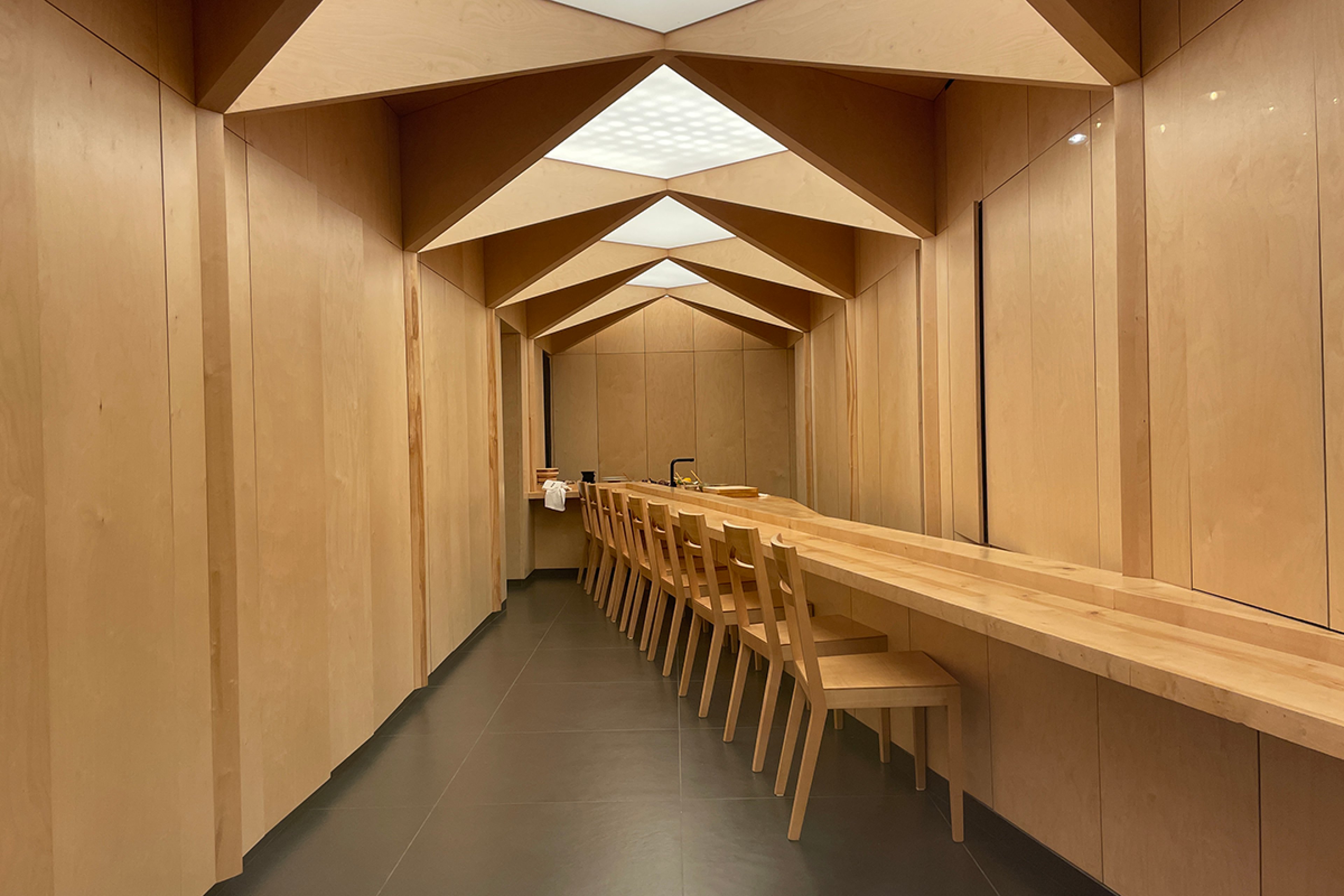
Sushi Shunei is one of Paris's most carefully constructed omakase counters, earning a Michelin Plate in 2024 and a 4.6 Google rating. Chef Takeshi Morooka runs two menu formats from a minimalist Montmartre counter — choose at booking time. Book for a celebration dinner or date night; less suited to groups or flexible dining.
Yes — if omakase is the format you want and Montmartre is a neighbourhood you are willing to travel to, Sushi Shunei is one of the most considered Japanese dining experiences in Paris. Chef Takeshi Morooka, working alongside Chizuko Kimura to carry forward the legacy of founder Shunei Kimura, runs an evening-focused counter where the service philosophy is the point as much as the fish. The Michelin Plate recognition (2024) and a 4.6 Google rating across 194 reviews confirm this is not a one-off reputation.
Sushi Shunei operates on omakase terms only, which means the kitchen controls the pace, the selection, and the experience. Two menu versions are available, and you must choose between them at the time of booking — not on arrival. That single detail tells you a lot about how the kitchen works: this is a precision operation, not a flexible à la carte room. For a celebration dinner or a serious date, that level of pre-planned structure is a feature, not a limitation. It removes decision fatigue entirely and puts the quality of the meal at the centre of the evening.
The room supports that intention. The interior is minimalist and deliberate: light wooden furnishings, a long counter, and an origami-inspired ceiling by a specialist interior design firm. There is nothing incidental about the space. If you are comparing this to Paris's French grand dining rooms , the crystal, the tablecloths, the theatre of trolleys , Sushi Shunei reads as composed restraint. Whether that appeals depends on your occasion. For an anniversary or a significant birthday where the meal itself is the event, the counter format works well. For a large group or a business dinner where conversation is the primary goal, a conventional table-service room would serve you better.
At the €€€€ tier in Paris, you are competing with some of the city's most technically accomplished kitchens. What justifies the price at Sushi Shunei is not portion scale or wine programme breadth , it is the quality of attention at the counter. The omotenashi tradition in Japanese hospitality runs on unobtrusive attentiveness: staff anticipate without hovering, respond without performing. At this price point, that is the service model that earns the spend rather than undermining it. Compare this to a room where the service is theatrical but the technical substance of the cooking is thinner, and Sushi Shunei's approach starts to look like good value for what it is.
That said, the counter format has limits. If you need a private room, flexibility on timing, or a team who will walk you through an extensive wine list, check your expectations against the format before booking. The experience is built around the food and the craft of the sushi master , everything else is secondary to that.
Sushi Shunei opens Tuesday through Saturday, with dinner service running 7 PM to 11 PM on all five evenings. Saturday is the only day with a lunch service, running 1 PM to 3 PM. The restaurant is closed Sunday and Monday. Booking difficulty is rated Easy, which means you should be able to secure a table without weeks of advance planning , though for a Saturday dinner, booking ahead is still sensible. For a quieter, more intimate visit, a Tuesday or Wednesday dinner is worth considering. Saturday lunch is the format to choose if you want the full counter experience in daylight, which changes the tone of the meal considerably.
Paris has a serious concentration of high-quality Japanese restaurants, and Sushi Shunei sits firmly in the upper tier of that category. For omakase specifically, it competes with venues like L'Abysse au Pavillon Ledoyen and Sushi Yoshinaga. For broader Japanese dining in the city, Chakaiseki Akiyoshi and Hakuba offer different formats worth knowing. If you are exploring the more casual end of the Japanese spectrum in Paris, Abri Soba is a strong lower-price-tier option for a different type of meal.
For context on how omakase counters in Tokyo benchmark against this style of Paris operation, Myojaku and Azabu Kadowaki in Tokyo offer a useful reference point for what the format looks like at the source.
If you are building a full trip around serious eating in Paris, our full Paris restaurants guide covers the range across price tiers and formats. For where to stay, see our Paris hotels guide. Drinking well in the city is covered in our Paris bars guide and Paris wineries guide, and broader experiences in our Paris experiences guide.
For France's wider table , the serious destinations beyond the capital , Flocons de Sel in Megève, Mirazur in Menton, Troisgros in Ouches, Auberge de l'Ill in Illhaeusern, Bras in Laguiole, and Paul Bocuse in Collonges-au-Mont-d'Or are all worth building a journey around.
The counter is the dining format here , Sushi Shunei is built around a long sushi counter and there is no separate walk-in bar. Seating at the counter is by reservation for the omakase menu. There is no drop-in drinks-and-snacks option in the way you would find at a Western cocktail bar. If you are looking for a stand-alone bar experience in Montmartre before or after dinner, plan separately.
The room is minimalist and considered, which sets the tone for how to dress. At the €€€€ price point in Paris, smart casual is the floor , think what you would wear to a serious French bistro, then apply the same standard. There is no published dress code in the venue data, but the format and price tier mean you will feel underdressed in trainers and a t-shirt. Business casual or smart evening wear is appropriate and will match the room.
Saturday lunch (1 PM–3 PM) is the only midday option, and it is worth booking if you want the full omakase experience in a lighter, quieter setting. Dinner is the primary format , Tuesday through Saturday, 7 PM to 11 PM , and likely the version the kitchen puts most energy behind given it runs five nights a week. For a celebration or date night, dinner is the natural choice. For a more relaxed pace on a special occasion, Saturday lunch offers a different rhythm at the same format and likely a similar price tier.
Omakase menus are by nature less flexible than à la carte , the kitchen plans the sequence in advance and the menu version is chosen at booking. If you have serious dietary restrictions, the time to raise them is when you make the reservation, not on arrival. The venue database does not include contact details, so use whatever booking platform you use to flag restrictions at the point of reservation. Severe shellfish or fish allergies are structurally incompatible with this format.
There is no à la carte menu here , you choose between two omakase versions at the time of booking and the kitchen handles everything from there. The Michelin Plate recognition points to the quality of the nigiri and the fish selection specifically. Beyond choosing your menu tier when you book, the decision is made for you , which is the point of the format.
| Venue | Price | Value |
|---|---|---|
| Sushi Shunei | €€€€ | — |
| Alléno Paris au Pavillon Ledoyen | €€€€ | — |
| Kei | €€€€ | — |
| L'Ambroisie | €€€€ | — |
| Le Cinq - Four Seasons Hôtel George V | €€€€ | — |
| Pierre Gagnaire | €€€€ | — |
What to weigh when choosing between Sushi Shunei and alternatives.
Yes — the counter is the format here. Sushi Shunei is built around a long sushi bar, and sitting there is not an option among several; it is the experience. If a traditional counter omakase format is not what you want, this is the wrong room for you.
The interior is minimalist and considered, with light wooden furnishings and a formal Japanese hospitality ethos — which sets the tone for how guests should dress. Neat, understated clothing fits the room; at the €€€€ price point, most diners arrive dressed accordingly. There is no evidence of a strict dress code in the venue data, but the setting does not suit casual dress.
Saturday lunch (1 PM to 3 PM) is the only midday service, while dinner runs Tuesday through Saturday from 7 PM to 11 PM — so dinner gives you more scheduling flexibility. If a Saturday slot works, lunch can be the right move for diners who prefer finishing early, but the omakase format itself does not change between services. Sunday and Monday are closed entirely.
This is not documented in the available venue data, and given the omakase-only format — where the kitchen sets the menu — dietary restrictions should be communicated at the time of booking. The two omakase versions must be chosen when you reserve, which suggests the kitchen plans ahead; check the venue's official channels to confirm what they can accommodate.
There is no à la carte menu — Sushi Shunei operates omakase only, and you choose between two set menu versions when you book. The kitchen directs the meal from start to finish. If you want to order individually, this is not the right venue; if you want chef-driven nigiri at a high technical level in Paris, this is the right format.
Keep this venue in your Pearl passport, rate it after you visit, and track it alongside every other place you collect.



