




Frenchie
Contemporary French, Modern Cuisine · Sentier, Paris
Restaurant in Paris, France
 Book with Pearl
The Read
Anglo-French Ingredient Precision
Price
$150–200per person
Chef
Greg Marchand
Dress
Smart Casual
Why go
Frenchie holds a Michelin star and ranks #145 in Europe on the 2025 Opinionated About Dining list: a hard booking (plan 4–6 weeks ahead) that pays off if ingredient-led, seasonally driven cooking is what you are after. Located at 5 Rue du Nil in Paris's 2nd arrondissement, it runs dinner only, Tuesday through Friday, with two sittings per night.
About Frenchie
One Michelin Star, Ranked #145 in Europe, and a Room That Fills in Hours: Frenchie Is Earning Every Bit of Its Reputation
At €€€€ per head with a Michelin star and an our full Paris restaurants guide-worthy placement at #145 in the 2025 Opinionated About Dining Leading Restaurants in Europe rankings, Frenchie is not a casual booking. It is a deliberate choice: and for the right diner, a well-rewarded one. If you have been once and are wondering whether to return, the short answer is yes, particularly if you time your visit to align with the season. Greg Marchand's kitchen is ingredient-led to a degree that makes the time of year genuinely matter to what lands on the table.
What to Expect
Frenchie sits at 5 Rue du Nil, in the Sentier district of the 2nd arrondissement, on a street that has become a concentrated node of serious food sourcing in Paris. The kitchen draws produce directly from Terroirs d'Avenir, which operates across the street, meaning seasonal availability is not a menu-writing exercise but a daily operational reality. What Marchand cooked in June is not what he cooks in October, and that gap is the point. For a returning visitor, this is the strongest argument for going back: the menu you experienced before is largely gone.
Marchand trained at Gramercy Tavern in New York, Jamie Oliver's Fifteen in London, and the Mandarin Oriental in Hong Kong. That Anglo-American thread runs through the food, particularly in the desserts, which carry a lightness and structural logic more common in contemporary London or New York than in traditional French kitchens. The Michelin citation calls out the marriages of flavours as original and ingredient-led, a description borne out by the kinds of combinations that appear across seasons: peeled cherry tomatoes with crab and lightly acidified tomato water in summer; butter beans with ripe blood peach and finely spiced chanterelles in early autumn. Neither combination is showy for its own sake. Both are built around what is actually ripe at the time of service.
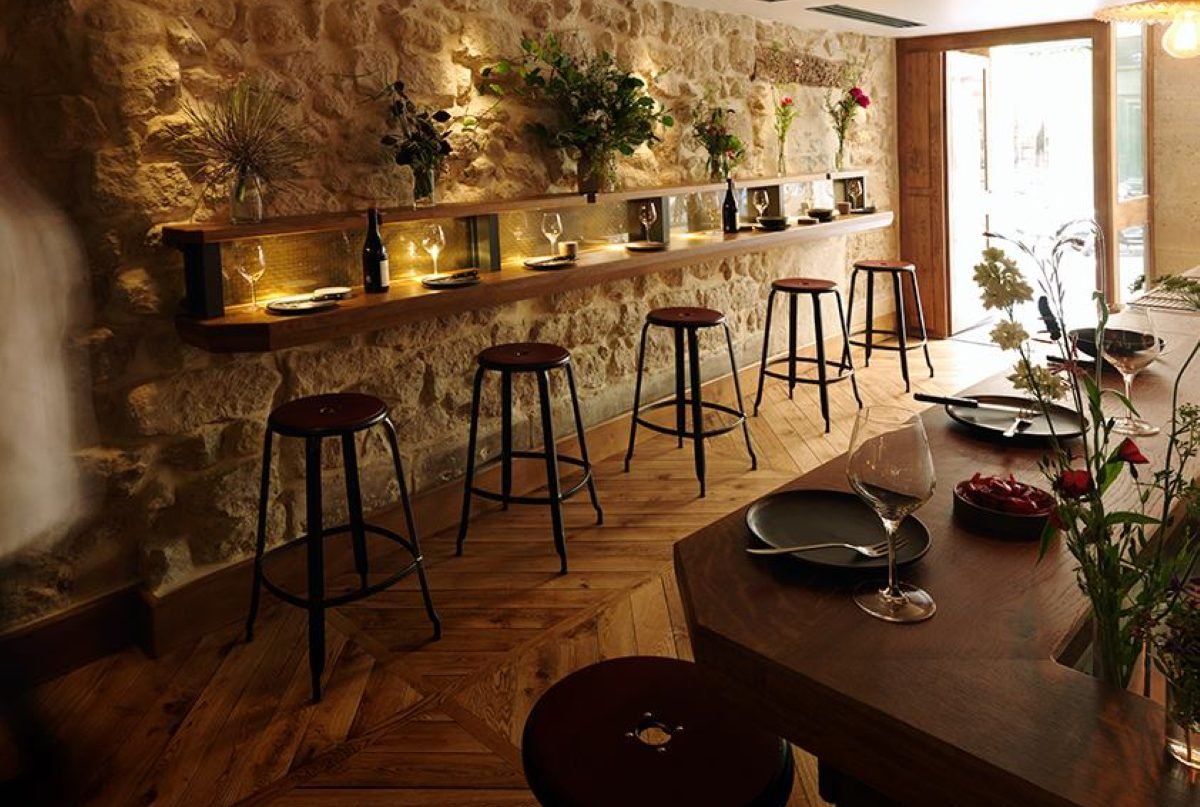
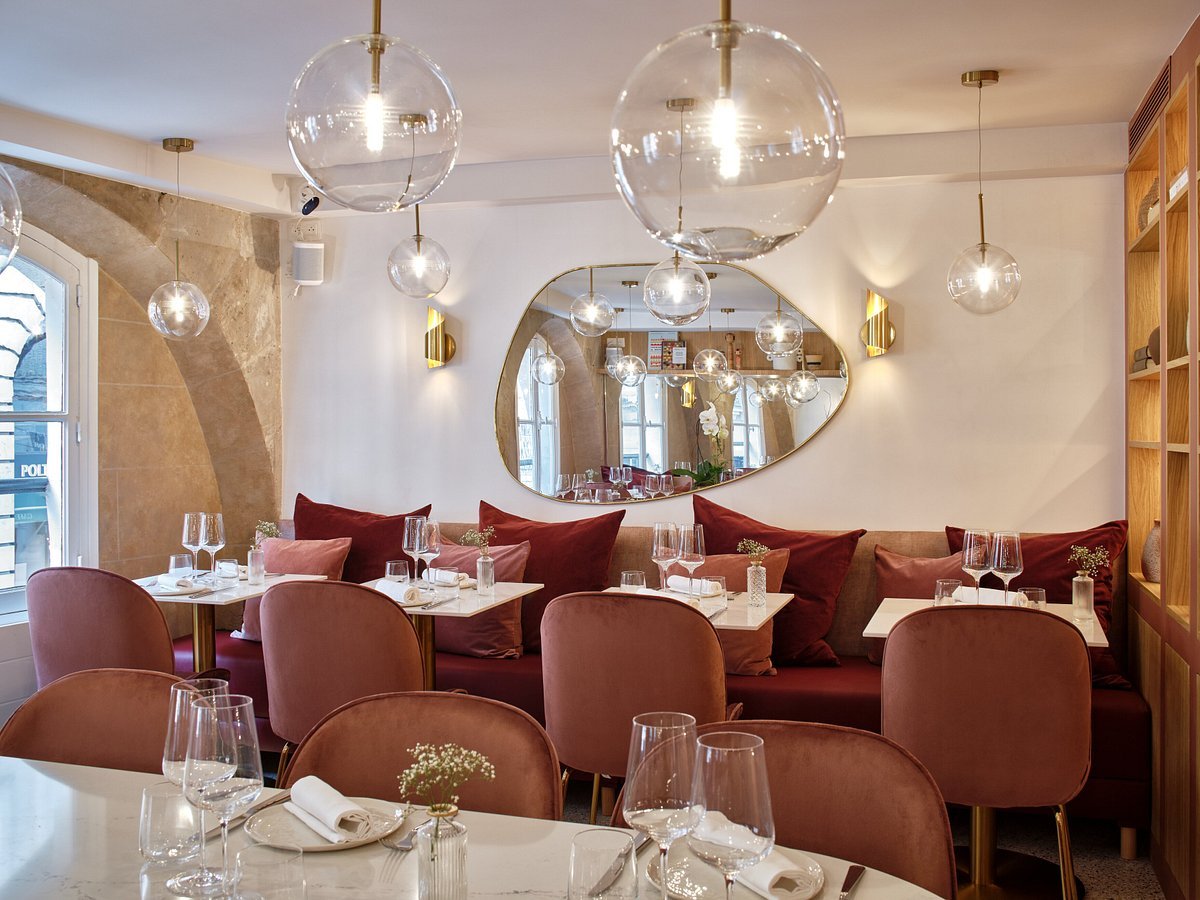
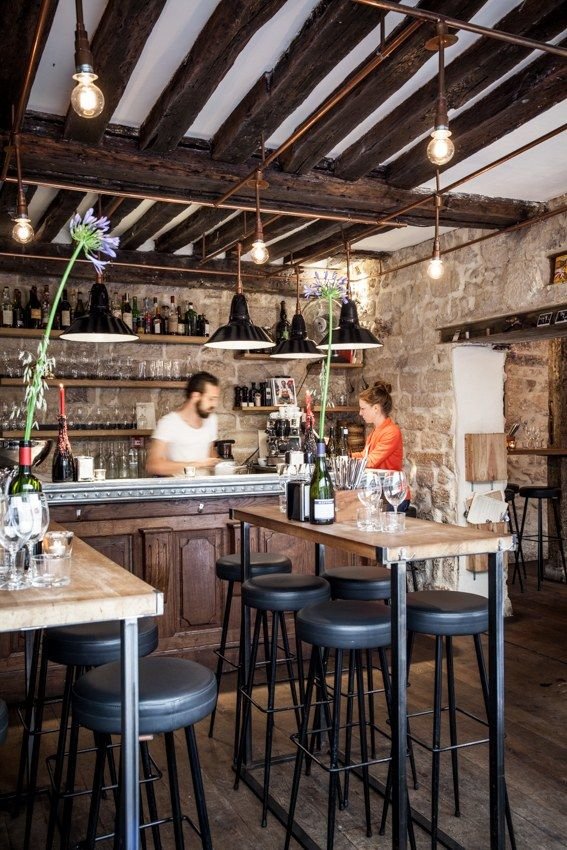
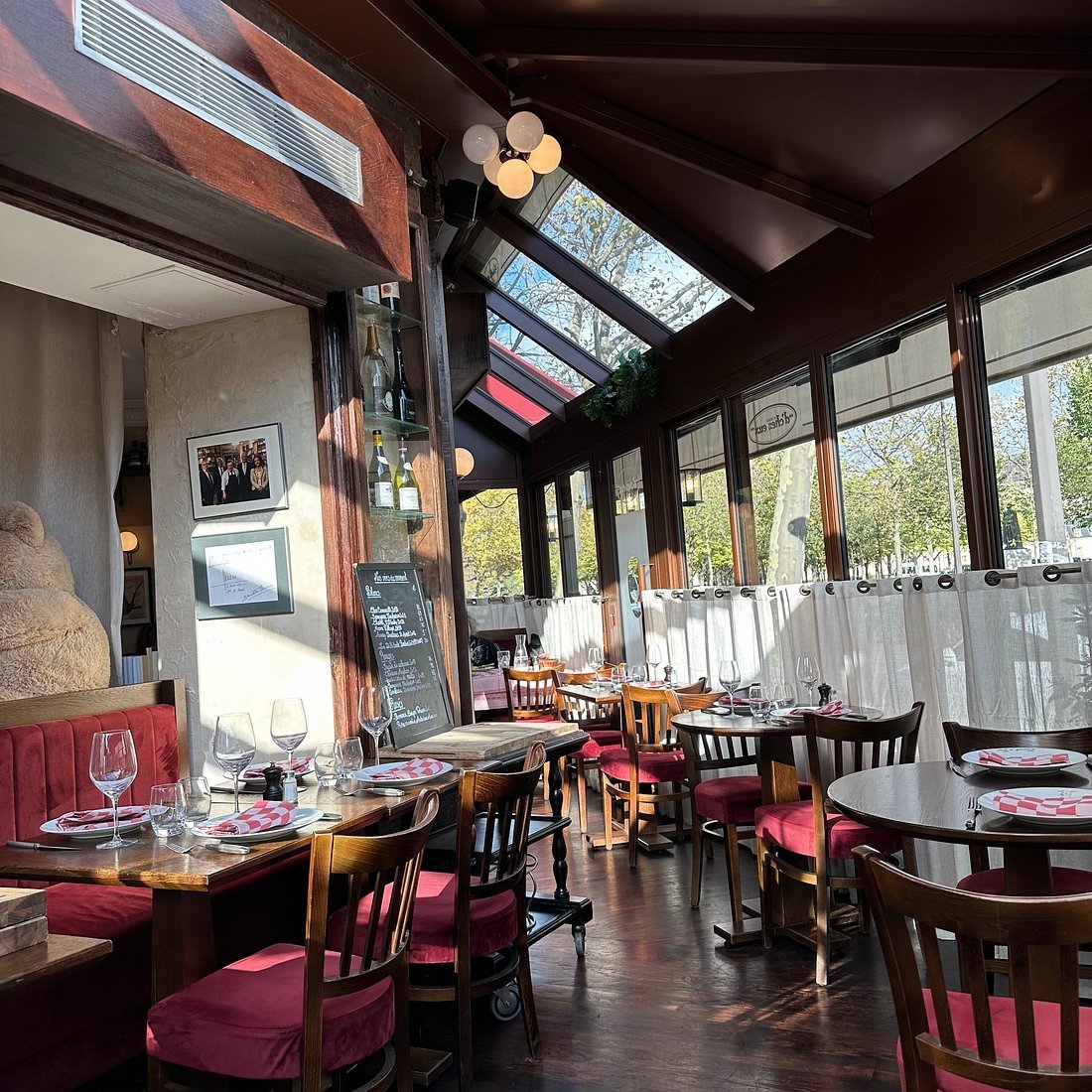
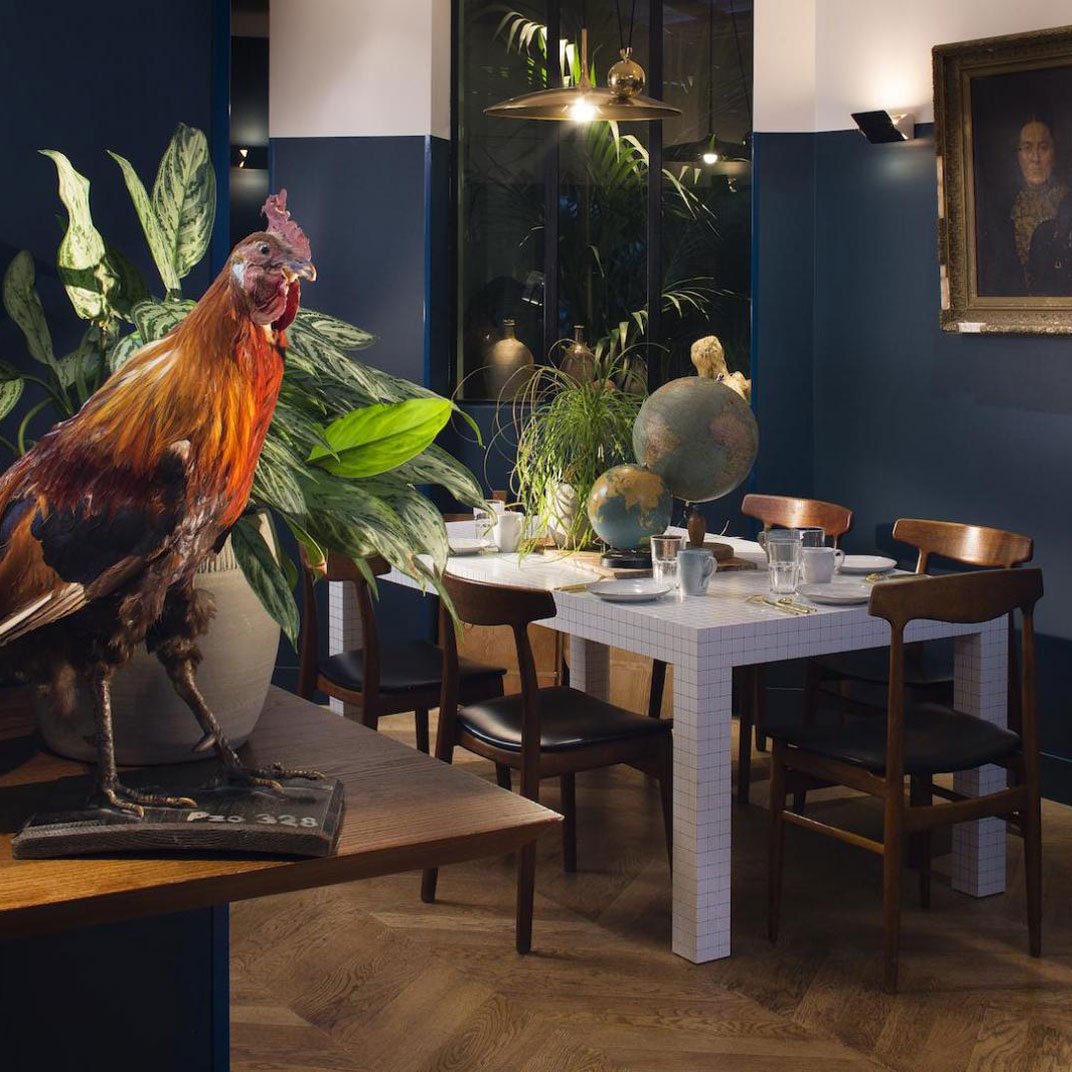
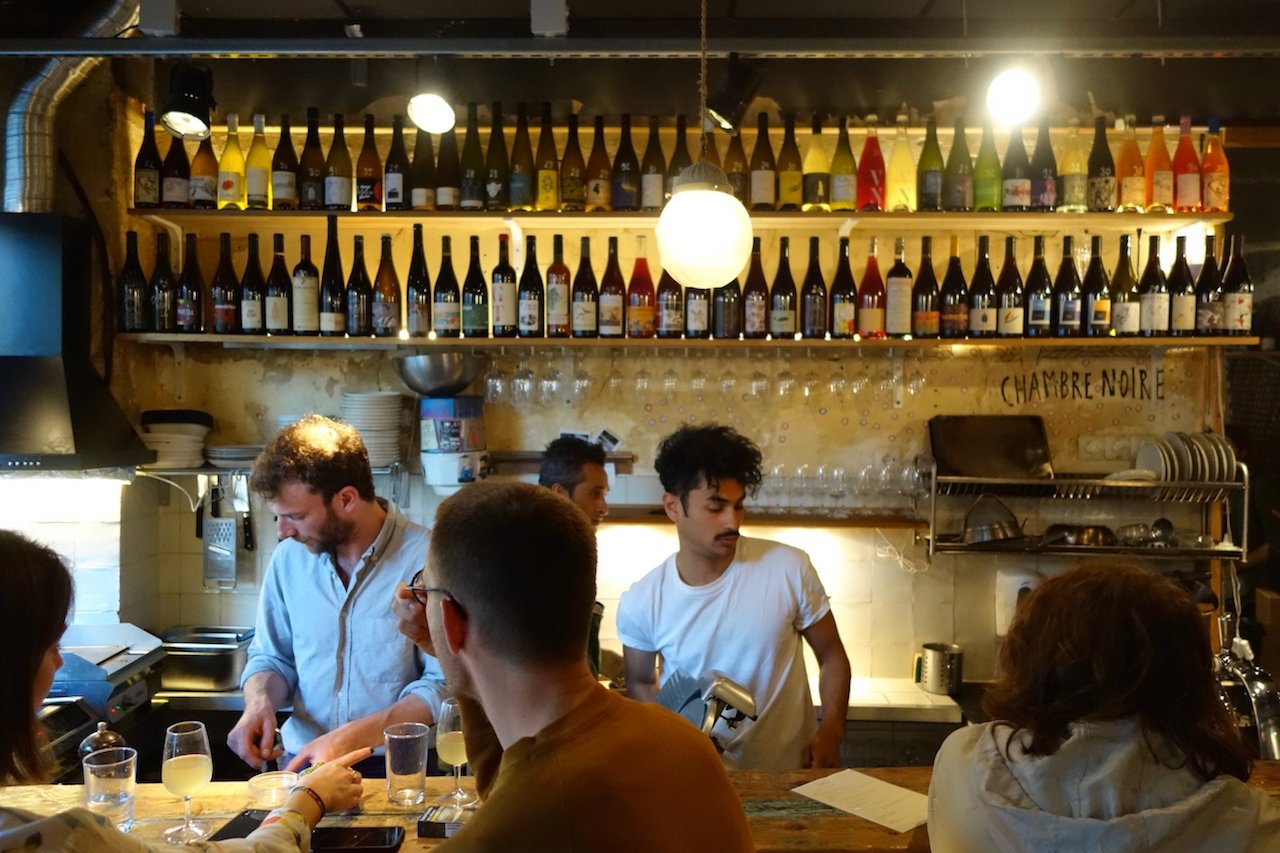
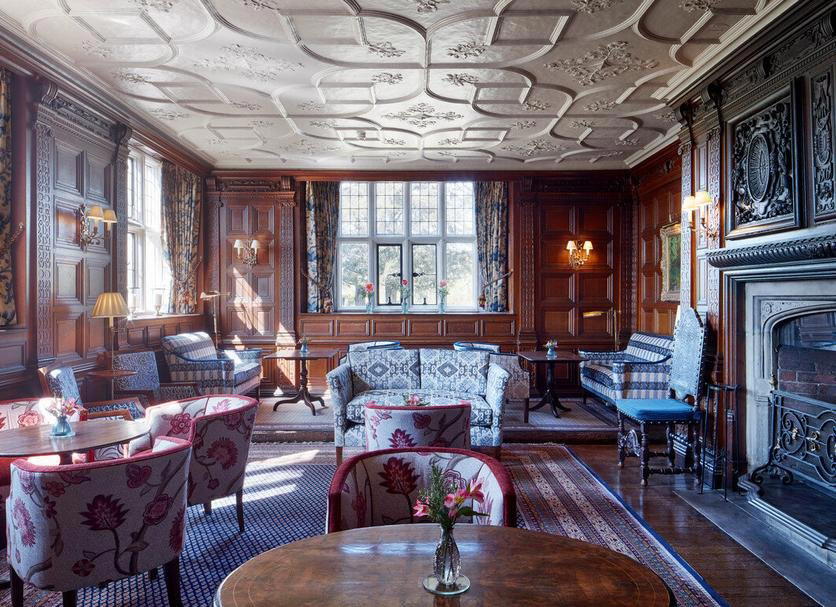
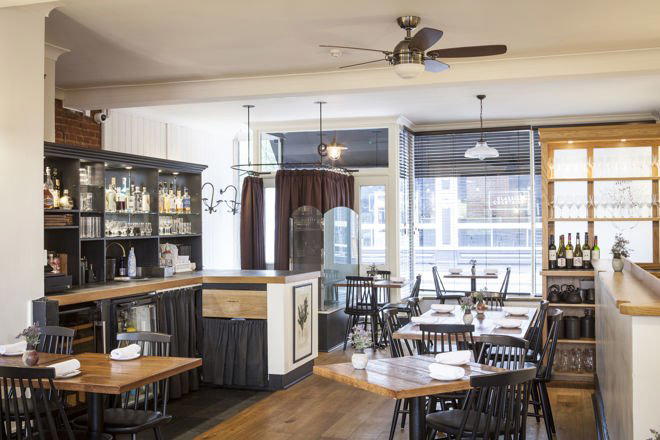
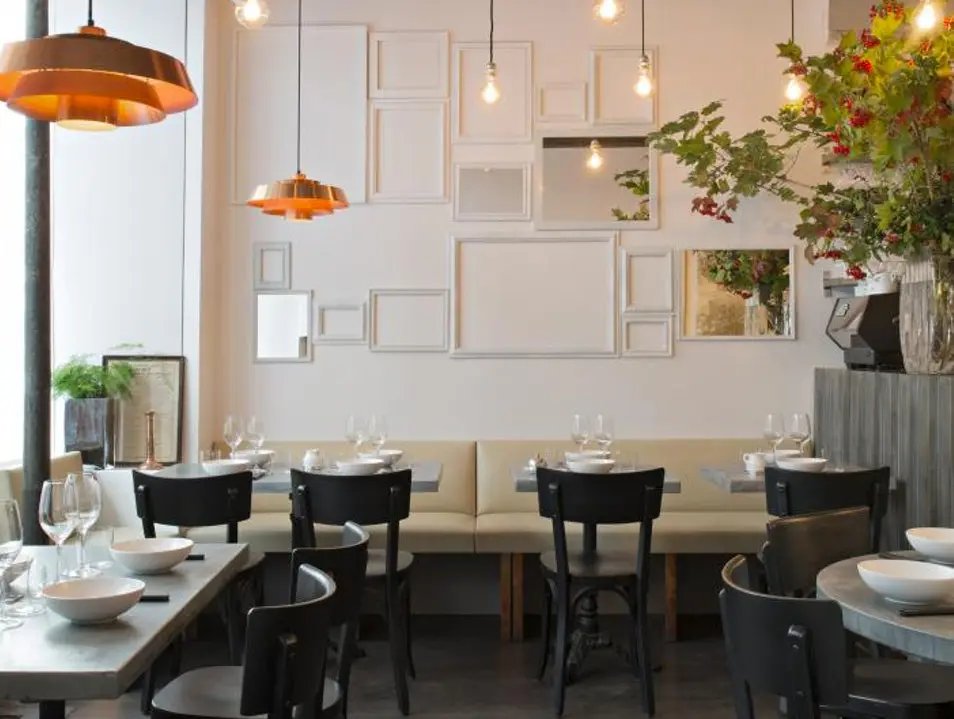
The room itself is compact, with exposed brick, beams, and stonework that keep the atmosphere grounded despite the level of cooking. It fills quickly, running two sittings, at 6:30pm/7pm and again at 9:30pm, Monday through Friday. Saturday and Sunday, the restaurant is closed. If your trip to Paris falls on a weekend, Frenchie the main restaurant is not an option; the wine bar on the same street operates separately and is worth noting as an alternative for a lower-commitment visit. Michelin reviewers describe the wine bar as a place of genuine pleasure, with a wide selection of wines by the glass and dishes that hold up on their own terms, including organic, natural, and biodynamic options.
Booking and Timing
This is a hard booking. The 2025 Michelin star, combined with consistent OAD recognition across three consecutive years (#178 in 2024, #145 in 2025, and a Highly Recommended for new restaurants in 2023), means demand has not softened. Expect to plan four to six weeks ahead, minimum, for a preferred seating. The 9:30pm service can occasionally be easier to secure than the first sitting, but neither is reliable on short notice. If you are visiting Paris and Frenchie is a priority, lock in the date before you book your flights. Walk-ins are not a realistic strategy here.
For reference, Frenchie operates exclusively Tuesday through Friday for dinner, with Monday also on the schedule. The kitchen does not open for lunch. That means you have a narrow weekday window, which tightens the booking further for anyone with a fixed itinerary. If you cannot get a table, Pilgrim and Nakatani operate in adjacent territory and are worth considering as alternatives for contemporary French cooking at a similar level of seriousness.
The Seasonal Argument
If you are deciding when to visit, autumn is the strongest season for this kitchen's style. The overlap of stone fruits ending and root vegetables beginning, combined with the chanterelle and wild mushroom availability that Marchand's sourcing relationships can access, tends to produce menus with the most textural and flavour contrast. Summer visits reward tomato and stone fruit combinations; spring brings lighter, more acidic constructions. Winter narrows the palette but the kitchen's technique holds the quality consistent. The Michelin guide specifically notes the cuisine is rooted in meticulous sourcing, which means the seasonal argument is not theoretical, it is built into how the restaurant operates.
For broader Paris dining context, see our full Paris restaurants guide. If you are planning a longer French itinerary, comparable-level cooking at similar price points can be found at Flocons de Sel in Megève, Mirazur in Menton, and Troisgros in Ouches. For classic French benchmarks outside Paris, Auberge de l'Ill in Illhaeusern and Bras in Laguiole remain reference points. For planning accommodation and bars around your visit, our full Paris hotels guide and our full Paris bars guide are the right starting points.
The Verdict
Frenchie is worth booking if you are serious about ingredient-led cooking and willing to plan ahead. The Michelin star and three consecutive years of OAD recognition are not accidental, they reflect a kitchen that has maintained its quality and continued to sharpen its focus. At €€€€ for a weekday dinner on Rue du Nil, you are paying for sourcing integrity, technical precision, and a room that feels earned rather than designed. For a returning visitor, the seasonal rotation gives you a genuine reason to go back. For a first-timer, the question is not whether it delivers, it does, but whether you can get the booking.
Also on Rue du Nil and Nearby
- ERH, contemporary natural wine-focused cooking in the 2nd
- Kei, French-Japanese fine dining, also Michelin-starred
- Lucas Carton, classic Parisian fine dining in the 8th
- Pilgrim, a strong alternative if Frenchie is fully booked
For Broader Context
- Our full Paris wineries guide
- Our full Paris experiences guide
- Ma Langue Sourit in Luxembourg, comparable contemporary French approach
- L'Arnsbourg in Baerenthal, seasonal sourcing focus in Alsace
- Paul Bocuse in Collonges-au-Mont-d'Or, the French classical benchmark
Planning details
- Hours
- Monday: 6:30–10:30 pm · Tuesday: 6:30–10:30 pm
- Location
- 5 Rue du Nil, 75002 Paris, France
- Reservations
- Book on Zenchef
- Website
- frenchie-ruedunil.com
- Phone
- +33 1 40 39 96 19
The take
The Take
The Vibe
Frenchie sits at the heart of a tightly focused culinary stretch of Rue du Nil and channels a pared-back, industrial-domestic aesthetic. Exposed brick, timber beams and bare stonework create a bistro that refuses classical grandeur in favor of a quietly influential modernism. The kitchen’s sourcing logic, drawing directly from the nearby Terroirs d'Avenir producers and merchants, keeps the focus on seasonal ingredients and careful technique. The room attracts locals and internationally informed visitors who prioritize what’s on the plate, so the overall feel is purposeful, slightly trendy and quietly charming rather than ostentatious.
Best For
This is a restaurant built around the evening, making Frenchie ideal for a focused dinner where the food is the main event. The setting suits couples and small groups who appreciate seasonal sourcing and contemporary technique rather than formal ceremony. Because the place occupies a noted food-focused pocket of the 2nd arrondissement and draws a mix of locals and visitors, it’s well suited to date nights and special-occasion dinners where the conversation centers on plates and provenance.
Ordering Tips
Menus at Frenchie are tightly tied to seasonality and local suppliers, the restaurant draws many of its fruits, vegetables and proteins from Terroirs d'Avenir opposite the door, so favor dishes that highlight available produce. The chef’s background and cross-border training inform plates, so be open to preparations that blend French technique with international touches. Since the restaurant’s ethos is to strip back formal codes and let the food lead, choose a tasting sequence or a selection of seasonal starters and mains to experience the kitchen’s priorities rather than seeking classic, heavily composed preparations.
Venue details
Ambiance
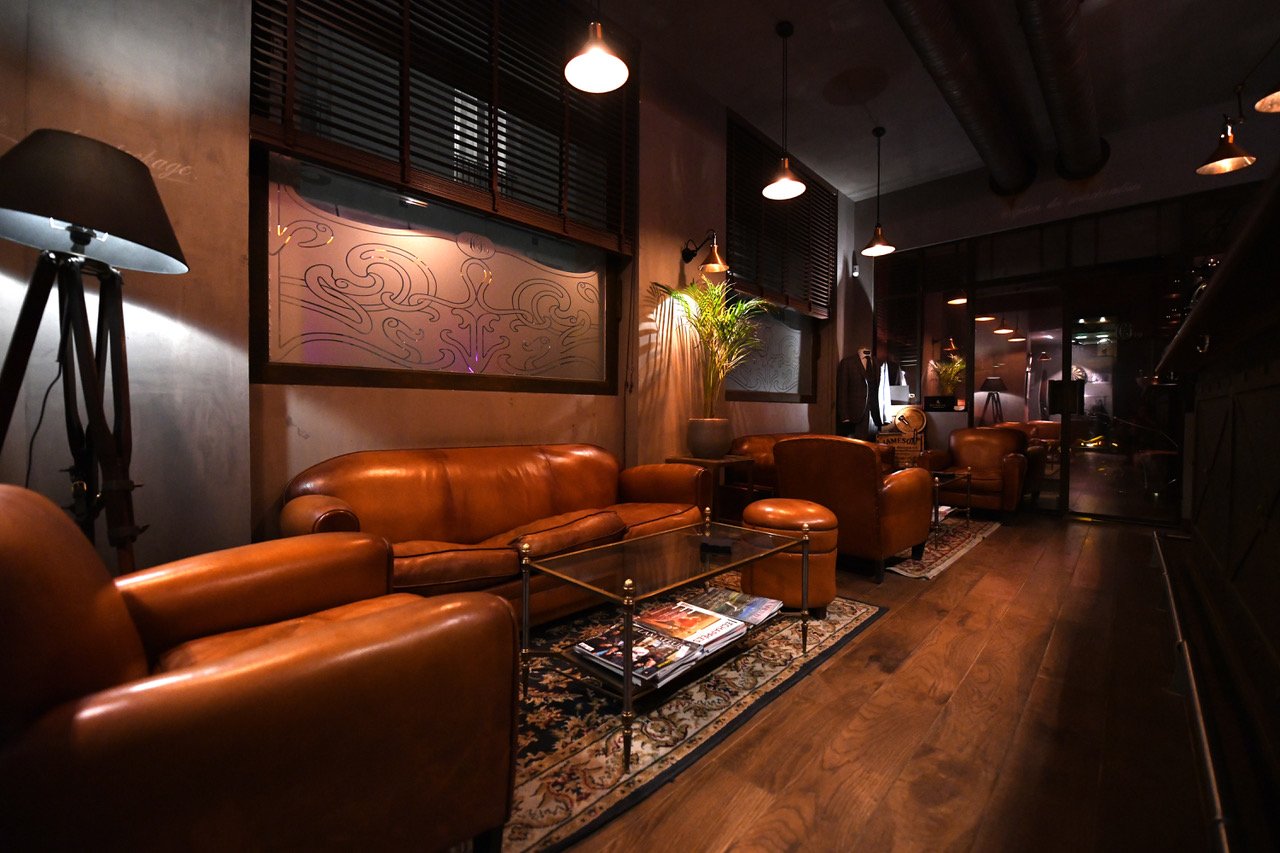
Cozy, quiet, and quaint atmosphere with warm, inviting lighting and a pocket-sized, comfortable setting.
Tags
Vibe
Best For
Experience
Sourcing
At the Table
- Dress Code
- Smart Casual
- Noise Level
- Quiet
- Service Style
- Upscale Casual
- Meal Pacing
- Leisurely
- Capacity
- Intimate
- Kitchen
- Seasonal
- Menu Format
- Tasting menu
- Dietary
- Allergy accommodating
Know before you go
Know Before You Go
- Getting there
- 5 Rue du Nil, 75002 Paris, France
Planning details
Hours
- Monday
- 6:30–10:30 pm
- Tuesday
- 6:30–10:30 pm
- Wednesday
- 6:30–10:30 pm
- Thursday
- 6:30–10:30 pm
- Friday
- 6:30–10:30 pm
- Saturday
- Closed
- Sunday
- Closed
Location
Recognition and awards



Also consider
Also Consider
- Alléno Paris au Pavillon Ledoyen: Creative, €€€€
- Kei: Contemporary French, Modern Cuisine, €€€€
- L'Ambroisie: French, Classic Cuisine, €€€€
- Le Cinq - Four Seasons Hôtel George V: French, Modern Cuisine, €€€€
- Pierre Gagnaire: French, Creative, €€€€
Restaurant context
At €€€€, Frenchie sits in the same price bracket as Paris's most serious restaurants, but it occupies a distinct position within that tier. If your priority is classical ceremony: grand rooms, large brigades, and a sense of occasion built into every detail L'Ambroisie and Le Cinq at the Four Seasons George V are the right choices. Both deliver the full Parisian fine dining ritual; Frenchie does not try to compete on that axis. Its room is small, its atmosphere is direct, and its cooking is ingredient-led rather than luxe-produce-led. For diners who find grand rooms performative rather than pleasurable, that is a feature, not a compromise.
Kei is the closest stylistic peer: contemporary French cooking with a clear external influence (Japanese, in Kei's case; Anglo-American, in Frenchie's), also Michelin-starred, also at €€€€. Kei's room is more polished and the service more formal; Frenchie's sourcing story is more direct and its atmosphere less structured. Choose Kei if presentation and room quality matter as much as the food; choose Frenchie if you want the sourcing argument to be central to your experience. Alléno Paris au Pavillon Ledoyen and Pierre Gagnaire are operating at a different scale entirely: both are destination-level commitments with price points above Frenchie's and multi-Michelin credentials. If you are deciding between them and Frenchie, the question is whether you want a grand Parisian occasion or a focused, seasonal meal in a compact room. Frenchie wins on value-for-quality within its format; the others win on scope and spectacle.
On booking difficulty, Frenchie and L'Ambroisie are the hardest in this group to secure: both require significant advance planning. Le Cinq, with its hotel infrastructure, can sometimes accommodate later bookings through the concierge. Alléno and Pierre Gagnaire are demanding but occasionally more flexible for solo diners or early weeknight sittings. If you are working with a short planning window, Le Cinq is the most practical fallback among the €€€€ tier. For a contemporary French alternative that may be easier to book, Pilgrim and Nakatani are worth considering outside this direct comparison set.
Around this place
Discover more on Pearl
Unlock the full Frenchie guide in Pearl, including awards, comparisons, FAQs, planning details, and nearby places.
Compare Frenchie
| Venue | Price | Booking Difficulty | Awards |
|---|---|---|---|
| Frenchie | €€€€ | Hard | Star Wine Lists 2026Michelin Guide France & Monaco 20262026 OAD Top Restaurants in Europe Highly Recommended2025 OAD Top Restaurants in Europe Ranked · #145We're Smart World Top Restaurants 20252025 Michelin 1 Star2025 Gault & Millau Remarkable Restaurant2024 OAD Cheap Eats in Europe Ranked · #852024 OAD Top Restaurants in Europe Ranked · #178 |
| Alléno Paris au Pavillon Ledoyen | €€€€ | Unknown | 2026 OAD Classical in Europe Ranked · #35Michelin Guide France & Monaco 20262026 La Liste Top Restaurants2025 OAD Classical in Europe Ranked · #342025 The Best Chef Three Knives2025 Gault & Millau Exceptional Restaurant2025 Michelin 3 Stars2024 OAD Classical in Europe Ranked · #342024 World's 50 Best Restaurants · #79 |
| Kei | €€€€ | Unknown | 2026 OAD Classical in Europe Ranked · #29Michelin Guide France & Monaco 20262026 Les Grandes Tables du Monde Members2026 La Liste Top Restaurants2026 Falstaff Restaurant Guide2025 OAD Classical in Europe Ranked · #262025 Michelin 3 Stars2025 Gault & Millau Prestige Restaurant2025 La Liste Top Restaurants |
| L'Ambroisie | €€€€ | Unknown | 2026 OAD Classical in Europe Ranked · #10Michelin Guide France & Monaco 20262026 La Liste Top Restaurants2026 Falstaff Restaurant Guide2025 Michelin 3 Stars2025 La Liste Top Restaurants2024 OAD Classical in Europe Ranked · #102024 Michelin 3 Stars2023 OAD Classical in Europe Ranked · #11 |
| Le Cinq - Four Seasons Hôtel George V | €€€€ | Unknown | No published awards |
| Pierre Gagnaire | €€€€ | Unknown | 2026 OAD Classical in Europe Ranked · #402026 Relais Chateaux RestaurantsMichelin Guide France & Monaco 20262026 Les Grandes Tables du Monde Members2026 La Liste Top Restaurants2026 Falstaff Restaurant Guide2025 OAD Classical in Europe Ranked · #902025 OAD Top Restaurants in Japan Ranked · #157We're Smart World Top Restaurants 2025 |








What to weigh when choosing between Frenchie and alternatives.
FAQ
Frequently Asked Questions
What should I order at Frenchie?
The menu is tasting-format and changes with the season, so there is no fixed dish to chase. What the kitchen consistently delivers, according to Michelin and OAD reviewers, is ingredient-led plates with Anglo-American inflections: most noticeably in the desserts. Autumn visits tend to align best with the kitchen's strengths, when stone fruit overlaps with the start of root vegetables. Trust the menu as written rather than trying to steer it.
Is the tasting menu worth it at Frenchie?
At €€€€ per head with a 2025 Michelin star and a #145 OAD ranking across Europe, the tasting menu is priced at the level where it has to perform: and the evidence suggests it does. Chef Greg Marchand trained at Gramercy Tavern, Jamie Oliver's Fifteen, and the Mandarin Oriental Hong Kong, and the sourcing is meticulous (produce from Terroirs d'Avenir, directly opposite on Rue du Nil). If tasting menus are your format, this one is justified. If you prefer à la carte flexibility, Frenchie is not the right fit.
Is Frenchie worth the price?
Yes, with the right expectations. At €€€€ with a Michelin star and three consecutive OAD Top Restaurants in Europe placements (#178 in 2024, #145 in 2025), Frenchie is priced in line with its peer set and delivering at that level. It is not the cheapest Michelin meal in Paris, but the sourcing credentials and consistent critical recognition make the spend defensible. If the price is the primary concern, the Frenchie Wine Bar on the same street offers a lower-commitment alternative.
What should I wear to Frenchie?
The room has exposed brick, beams, and stonework in a compact Sentier space: the setting is polished but not formal. Dress tidily; this is not a white-tablecloth-and-jacket room, but it is not casual either. Think considered evening dress rather than business formal.
Can I eat at the bar at Frenchie?
The Frenchie Wine Bar, a separate venue on the same street, is the walk-in option on Rue du Nil: the OAD notes it as a place of pleasure with serious wine and food pairings. The main restaurant at 5 Rue du Nil operates on two seatings (around 6:30–7pm and 9:30pm) and fills quickly; bar seating at the restaurant itself is not documented as a separate format.