.png?width=1200&quality=80)
Matsu Izakaya
Japanese Contemporary · Palamós
Restaurant in Palamós, Spain
 Book with Pearl
The Read
Caribbean-Japanese Robata Fusion
Dress
Smart Casual
Why go
Matsu Izakaya is the most interesting restaurant in Palamós right now: a Michelin Plate-recognised izakaya where two Dominican Republic-born chefs fuse Japanese technique with Iberian ingredients and Caribbean flavour memory. At a €€ price point, it delivers serious cooking without the serious bill. Book ahead — the room is small and the word is out.
About Matsu Izakaya
Verdict
Matsu Izakaya is the most interesting restaurant in Palamós right now, and at a €€ price point, it earns a confident recommendation. Two young partners from the Dominican Republic have built something that does not exist anywhere else in this stretch of the Costa Brava: a Japanese-inspired izakaya menu that fuses Iberian and Caribbean ingredients with real technical conviction. The Michelin Plate recognition for 2025 confirms what locals already know. Book it, and book it soon — the room is small and word has spread.
About Matsu Izakaya
Palamós is a working port town, not a destination dining city, which makes Matsu Izakaya all the more worth seeking out. The two owners arrived here after years working in Barcelona's restaurant circuit, and their first solo venture reads like a considered edit of everything they absorbed — Japanese technique, Mediterranean produce, and a flavour memory that reaches back to the Dominican Republic. That combination is the engine of the menu, and it is what separates Matsu from every other €€ restaurant in town.
The editorial angle that defines this kitchen is ingredient sourcing: the menu works because of the specific meeting points between product categories. Iberian pork jowl appears alongside burrata stracciatella and truffled honey under a crispy shiso leaf, a starter that reads as fusion on paper but lands as a coherent dish because each component is chosen for textural and aromatic contrast. The shiso brings a faintly anise-like, herbaceous scent that cuts through the richness of the burrata and the fat of the jowl. This is not a kitchen decorating Japanese templates with Spanish ingredients for novelty. The sourcing logic is genuine: Iberian pork because its fat profile suits the robata grill, shiso because it performs a job that no Mediterranean herb does in exactly the same way.
The robata grill is where the kitchen's Dominican-Japanese fusion becomes most direct. The Katshu Sando, described in Michelin documentation as a fusion between the smoked pork chops traditional in the Dominican Republic and Japanese tonkatsu sauce, is the dish most diners remember. It is not a gimmick. Smoked pork chops carry a different depth of flavour than a standard tonkatsu preparation, and the sauce bridges the two culinary traditions without flattening either. Dishes cooked over the robata arrive with the kind of char-edged aroma that is difficult to replicate outside live-fire cooking, and it gives the menu's second half a sensory register entirely different from the cold preparations that open the meal.
Rest of the menu follows izakaya logic: nigiri and sashimi are available and well-executed, but most of the table conversation happens around the sushi rolls and the robata section. The selection is varied enough that a group of four can cover significant ground without doubling up. For solo diners or pairs, the counter format (if available) suits the kitchen's rhythm, with dishes arriving as they are ready rather than in formal courses.
Michelin awarded the restaurant a Plate in 2025, a recognition that signals cooking worth a detour rather than a starred destination, which is exactly the right framing. This is not a tasting-menu restaurant. It is a neighbourhood izakaya operating above its weight class, run by a team that is clearly still building its reputation.El Celler de Can Roca in Girona to Cocina Hermanos Torres in Barcelona, though those are very different price points and formats.
For context on what Japanese Contemporary cooking looks like at higher price tiers, see The Japanese Restaurant in Andermatt or Eika in Taipei. Matsu operates at the accessible end of the category, but it is competing on quality, not just price.
The friendly approach of the owners, noted consistently in Michelin's own write-up, matters more than it might sound. In a small room in a port town, the hospitality register sets the tone for the whole meal. This is not a formal dining experience. It is convivial, attentive, and genuinely warm, which suits the izakaya format and makes it easy to eat well without feeling like you need to know the rules.
If you are spending time on the Costa Brava and want one meal that goes beyond the standard grilled fish and rice, Matsu Izakaya is the clearest recommendation in Palamós. Explore the full Palamós restaurants guide if you want to build a longer itinerary, and check the Palamós hotels guide if you are planning an overnight stop. For drinks before or after, the Palamós bars guide covers the town's options. You can also browse local wineries and experiences in Palamós to round out the visit.
Ratings & Recognition
- Michelin Plate (2025), Recognised for cooking quality worth seeking out
- Price range: €€, mid-range, strong value for the category
Booking & Practical Details
Booking difficulty is rated Easy. That said, the room is small and the restaurant has gained a Michelin Plate and a strong local following, so booking ahead is still advisable, particularly on weekends and during the summer months when Palamós sees significant visitor traffic. Walk-ins may be possible on quieter weekday evenings, but do not rely on it.
The address is Carrer Indústria, 4, 17230 Palamós, Girona. No website or phone number is currently listed in our database, check Google Maps or local booking platforms for current contact details.
How It Compares
Pearl Picks Nearby
- DVISI (Contemporary, €€), Palamós
- Kaos (Farm to table, €€), Palamós
- La Salinera (Traditional Cuisine, €€), Palamós
- Entre dos Mons (Peruvian, €€), Palamós
- El Celler de Can Roca, Girona (if you want a Michelin-starred anchor for a longer trip)
- Aponiente, El Puerto de Santa María
- Arzak, San Sebastián
- Azurmendi, Larrabetzu
- DiverXO, Madrid
- Martin Berasategui, Lasarte-Oria
Planning details
- Location
- Carrer Indústria, 4, 17230 Palamós, Girona, Spain
- Reservations
- Book on TheFork
- Website
- matsuizakaya.com
- Phone
- +34 872 20 05 11
The take
The Take
The Vibe
Matsu Izakaya reads like a neighbourhood cornerstone transplanted to the Costa Brava: intimate, cozy and quietly fashionable. The dining room favors the slow, ordered pacing of an izakaya—small plates arriving in sequence, a robata grill that dictates tempo—and that restraint creates a dependent warmth rather than spectacle. Run by two partners on their first solo venture, the restaurant balances local authenticity with enough contemporary polish to earn a Michelin Plate for 2025. In Palamós, away from the marina terraces, Matsu feels like a discovered spot that locals return to and visitors slowly come to appreciate.
Best For
Matsu is best for evenings that favor lingering—date nights and meaningful special occasions feel at home here, but the restaurant also operates as a true neighbourhood option for regular weeknight meals. The izakaya format encourages sharing and conversation, making it suitable for couples seeking an intimate meal as well as small groups who want to sample multiple plates over time. The Michelin Plate signals consistent, considered cooking, so visitors can expect a reliably elevated yet relaxed experience rather than noisy, hurried dining.
Ordering Tips
Approach the menu with izakaya rhythm in mind: begin with something cold and sharp, move to grilled items from the robata to anchor the middle, and let flavours accumulate rather than chasing a single crescendo. Share small plates—tuna carpaccio, wagyu beef preparations, chicken karaage—and reserve room for nigiri and sashimi to taste the kitchen’s precision. Because dishes arrive in sequence, order iteratively rather than asking for everything at once; this lets the robata grill set its own tempo and preserves the intended flow of the meal.
Venue details
Ambiance
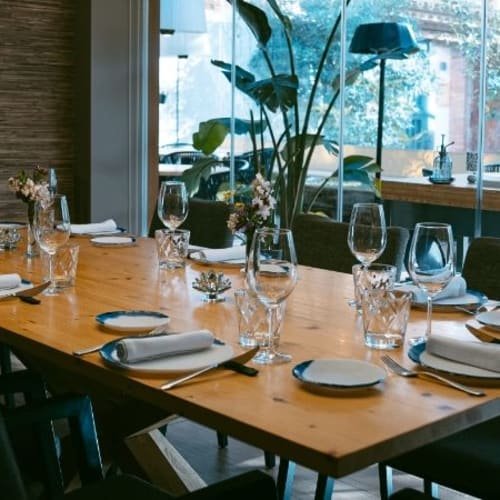
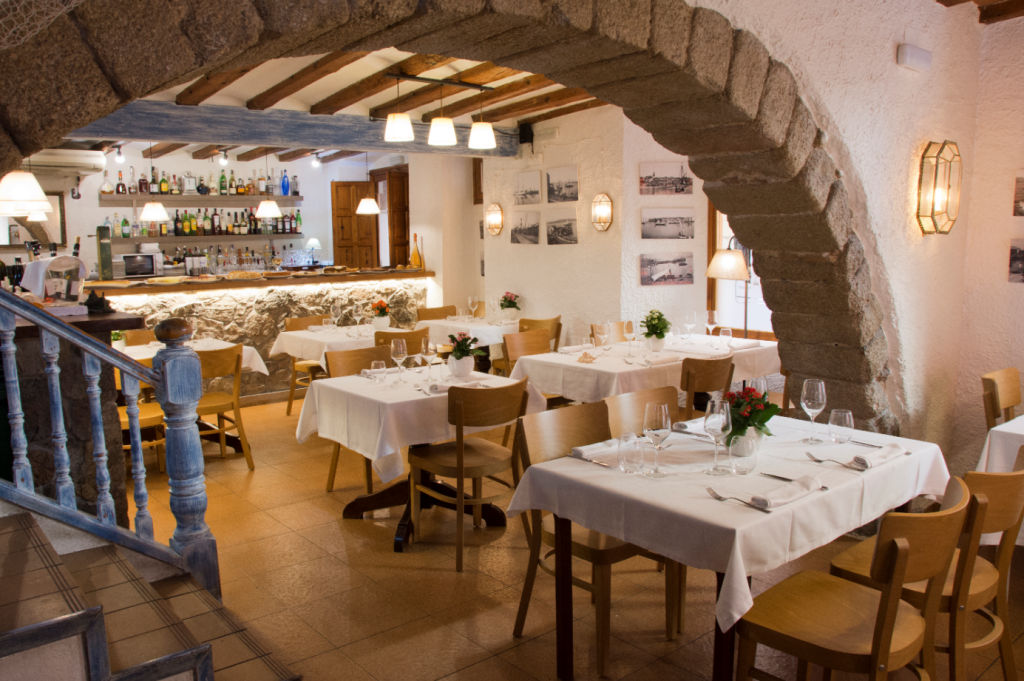
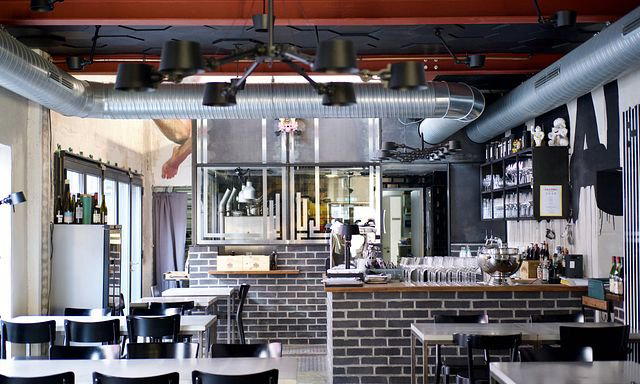
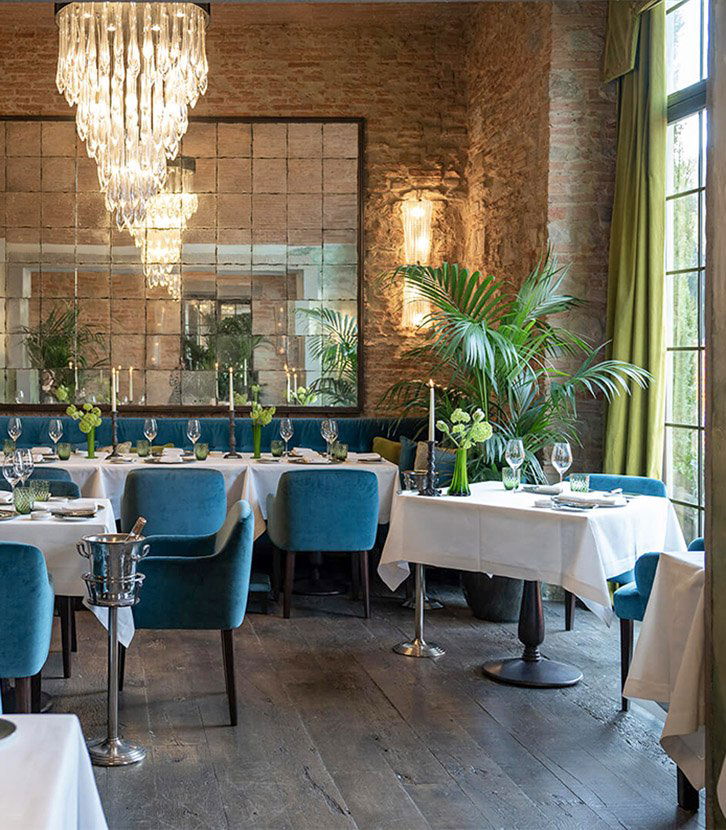
Cozy atmosphere with nice interior, open kitchen, lovely and inviting setting praised for its warmth.
Tags
Vibe
Best For
Experience
Sourcing
At the Table
- Dress Code
- Smart Casual
- Noise Level
- Conversational
- Service Style
- Upscale Casual
- Meal Pacing
- Leisurely
- Capacity
- Intimate
- Kitchen
- Fusion
- Menu Format
- Small plates, Tasting menu
- Wine Program
- Standard
Signature Dishes
- tuna carpaccio
- wagyu beef
- chicken karaage
- nigiri
- sashimi
Know before you go
Know Before You Go
- Getting there
- Carrer Indústria, 4, 17230 Palamós, Girona, Spain
Planning details
Location
Carrer Indústria, 4, 17230 Palamós, Girona, Spain · Directions
Recognition and awards
Also consider
Also Consider
- DVISI, Contemporary, €€
- Kaos, Farm to table, €€
- La Salinera, Traditional Cuisine, €€
- Entre dos Mons, Peruvian, €€
Restaurant context
All four of Palamós's main €€ options occupy different enough territory that the choice depends on what you are after. Matsu Izakaya is the only one with a Michelin Plate in 2025, which makes it the default recommendation if you want a single dinner that punches above the town's usual register. Kaos is the strongest alternative if local produce and farm-to-table cooking matter more to you than fusion creativity, it reads as the more grounded, ingredient-led choice for diners who want to eat the Costa Brava rather than travel through it.
Entre dos Mons is worth serious consideration if you want bold, acid-driven flavours: Peruvian cooking in a Spanish port town is an unexpected combination, and it occupies a similar experimental register to Matsu without the Japanese framework. For a no-decisions-required, classic option, La Salinera handles traditional Catalan-Mediterranean cuisine and is the easiest booking for groups or diners who want familiarity. DVISI fills the contemporary slot for those who want something more polished and modern without committing to a specific world cuisine.
On booking difficulty, all four are broadly accessible at the €€ tier in Palamós, with demand peaking in summer. Matsu's small room and growing recognition make it the one most likely to fill up first on a Saturday night in July. If you are planning a multi-night stay, the ideal combination is Matsu for the creative high point and La Salinera for the local contrast. Kaos and Entre dos Mons fill in the remaining nights with their own clear identities, none of the four are interchangeable, which is a better position than most small coastal towns find themselves in.
Explore Palamós
Around this place
Discover more on Pearl
Unlock the full Matsu Izakaya guide in Pearl, including awards, comparisons, FAQs, planning details, and nearby places.
Compare Matsu Izakaya
| Venue | Location | Cuisine | Awards | Price |
|---|---|---|---|---|
| Matsu Izakaya | Palamós | Japanese Contemporary | 2026 Michelin Plate2025 Michelin Plate | €€ |
| DVISI | Palamós | Contemporary | Guía Repsol Soles 20262026 Michelin Plate2025 Michelin Plate2024 Michelin Plate | €€ |
| Kaos | Palamós | Farm to table | 2026 Michelin Plate2025 Michelin Plate | €€ |
| La Salinera | Palamós | Traditional Cuisine | 2026 Michelin Plate2025 Michelin Bib Gourmand2024 Michelin Bib Gourmand | €€ |
| Entre dos Mons | Palamós | Peruvian | 2026 Michelin Plate2025 Michelin Plate2024 Michelin Plate | €€ |


How Matsu Izakaya Palamós compares with similar nearby venues.
FAQ
Frequently Asked Questions
How far ahead should I book Matsu Izakaya?
Book at least a few days in advance, especially on weekends. The room is small, and a Michelin Plate (2025) has pushed demand well beyond what a quiet port-town spot would normally see. Walk-ins may work on quieter weekday lunches, but don't count on it.
What should a first-timer know about Matsu Izakaya?
Skip defaulting to standard nigiri and sashimi on your first visit. The menu skews toward inventive fusion: the crispy shiso starter with burrata stracciatella, truffled honey and Iberian pork jowl is the dish most regulars lead, and the robata grill section is worth finishing on. It's a €€ restaurant run by two young partners who came up through Barcelona kitchens, so the cooking is more considered than the low-key Palamós address suggests.
Is the tasting menu worth it at Matsu Izakaya?
There is no confirmed tasting menu format in the available record for Matsu Izakaya. The venue operates as an izakaya, which means sharing plates and ordering across sections rather than a set progression. At €€ pricing, building your own meal across the starters, sushi rolls, and robata grill is the intended format and gives you more flexibility.
What are alternatives to Matsu Izakaya in Palamós?
La Salinera is the go-to for straightforward seafood on the water if you want local catch rather than fusion. Entre dos Mons offers a more traditional Catalan approach at a comparable price point. DVISI and Kaos are the options to consider if you want something closer to modern Spanish rather than Japanese-influenced cooking. Matsu is the only Japanese-contemporary option in town with Michelin recognition.
Is Matsu Izakaya worth the price?
Yes, at €€, Matsu Izakaya offers the kind of cooking you'd pay significantly more for in Barcelona. The Michelin Plate (2025) signals that the quality holds up to scrutiny, and the Dominican-Japanese fusion angle means there are dishes here you won't find anywhere else in the region. For the price bracket in a port town like Palamós, this is a strong value proposition.